Editorial Feed
648 articles
How Long Should You Wait Between Tattoo Removal Sessions?
Understanding the optimal waiting time between tattoo removal sessions is essential for safe and effective outcomes. This article...
Read more
Can Laser Tattoo Removal Leave a Scar?
Laser tattoo removal is a widely used method to fade unwanted tattoos by breaking down ink pigments with laser technology. While g...
Read more
Laser vs Chemical Permanent Makeup Removal: Key Differences
Permanent makeup removal involves two primary methods: laser and chemical treatments, each with unique mechanisms, benefits, and r...
Read more
When Do the First Tattoo Removal Results Become Visible?
The visibility of initial tattoo removal results varies widely due to factors like ink color, tattoo size, and individual skin res...
Read more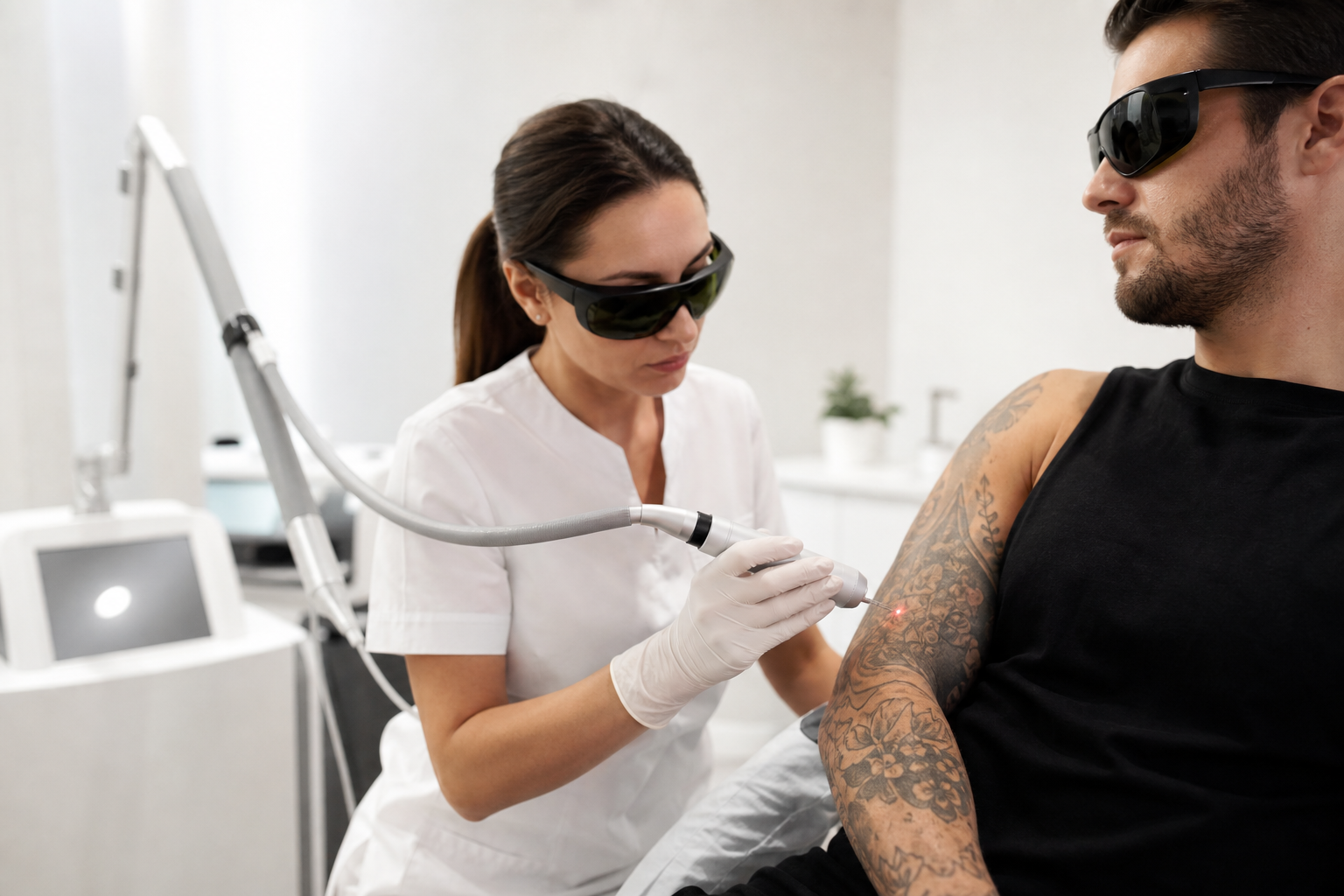
How Can You Distinguish a Medical Laser From a Questionable Device?
Distinguishing certified medical lasers from questionable devices is crucial for safe and effective tattoo removal. This article o...
Read more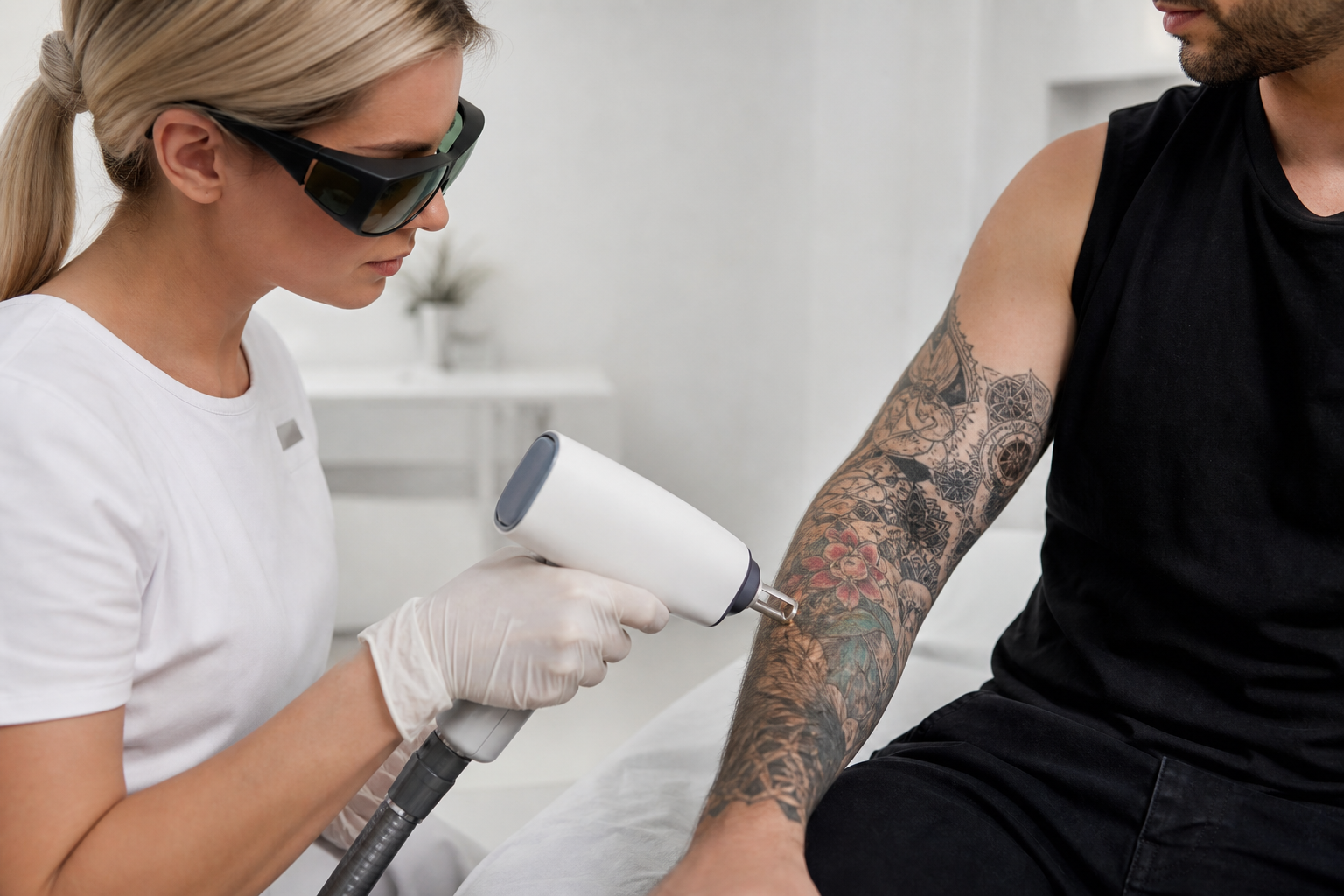
Professional vs Amateur Tattoos: Which Are Easier to Remove?
Tattoo removal varies greatly between professional and amateur tattoos due to differences in ink quality, depth, and color. This a...
Read more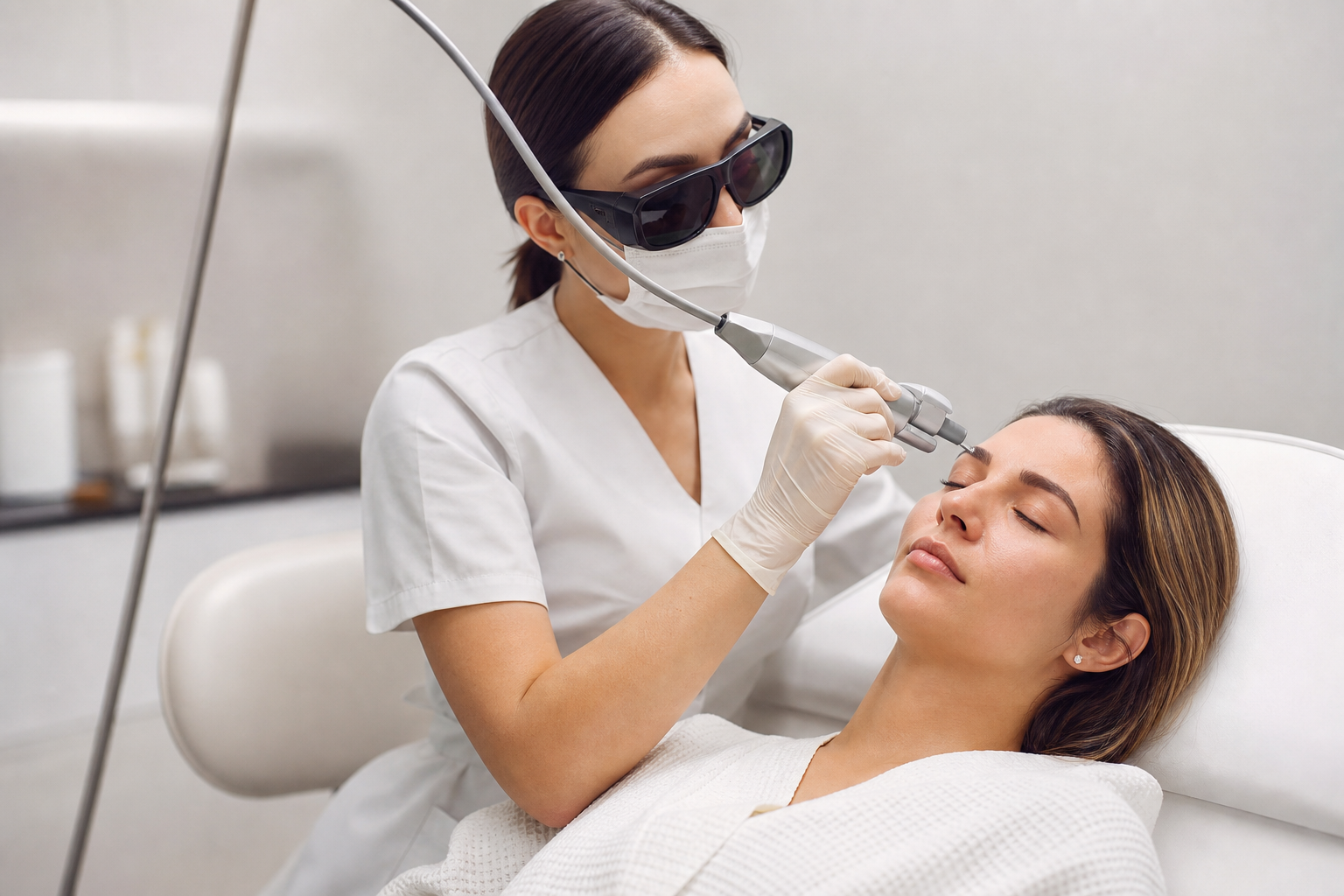
Laser Removal of Red and Orange Eyebrow Pigments
Laser removal of red and orange eyebrow pigments is a specialized cosmetic procedure addressing the unique challenges these warm-t...
Read more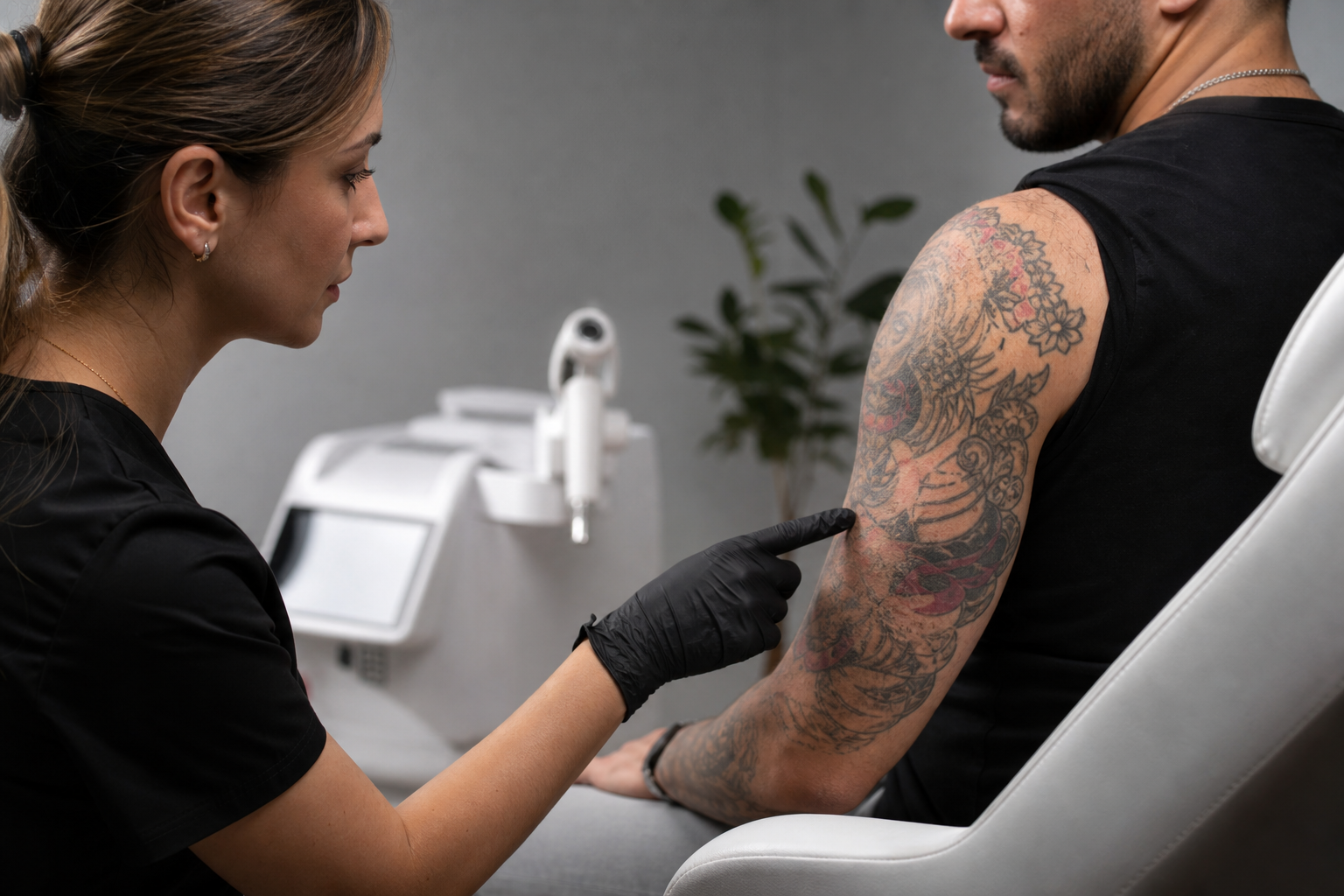
Partial Tattoo Removal for a New Cover-Up Design
Partial tattoo removal selectively fades specific tattoo areas to prepare for new cover-up designs, balancing effective pigment re...
Read more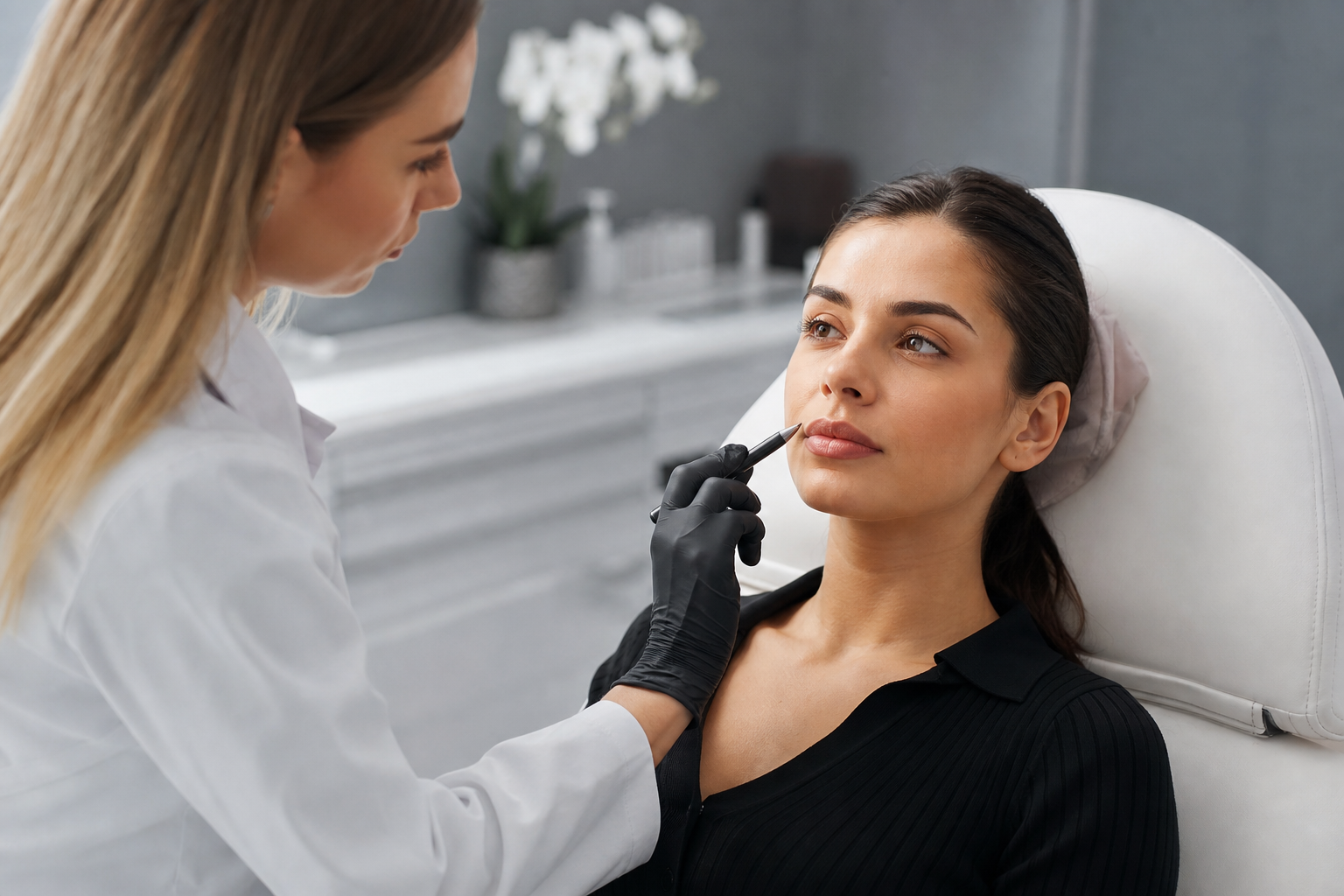
How Does Cosmetic Pigment Composition Affect Results?
Cosmetic pigment composition critically influences permanent makeup results, affecting color accuracy, longevity, and safety. Unde...
Read more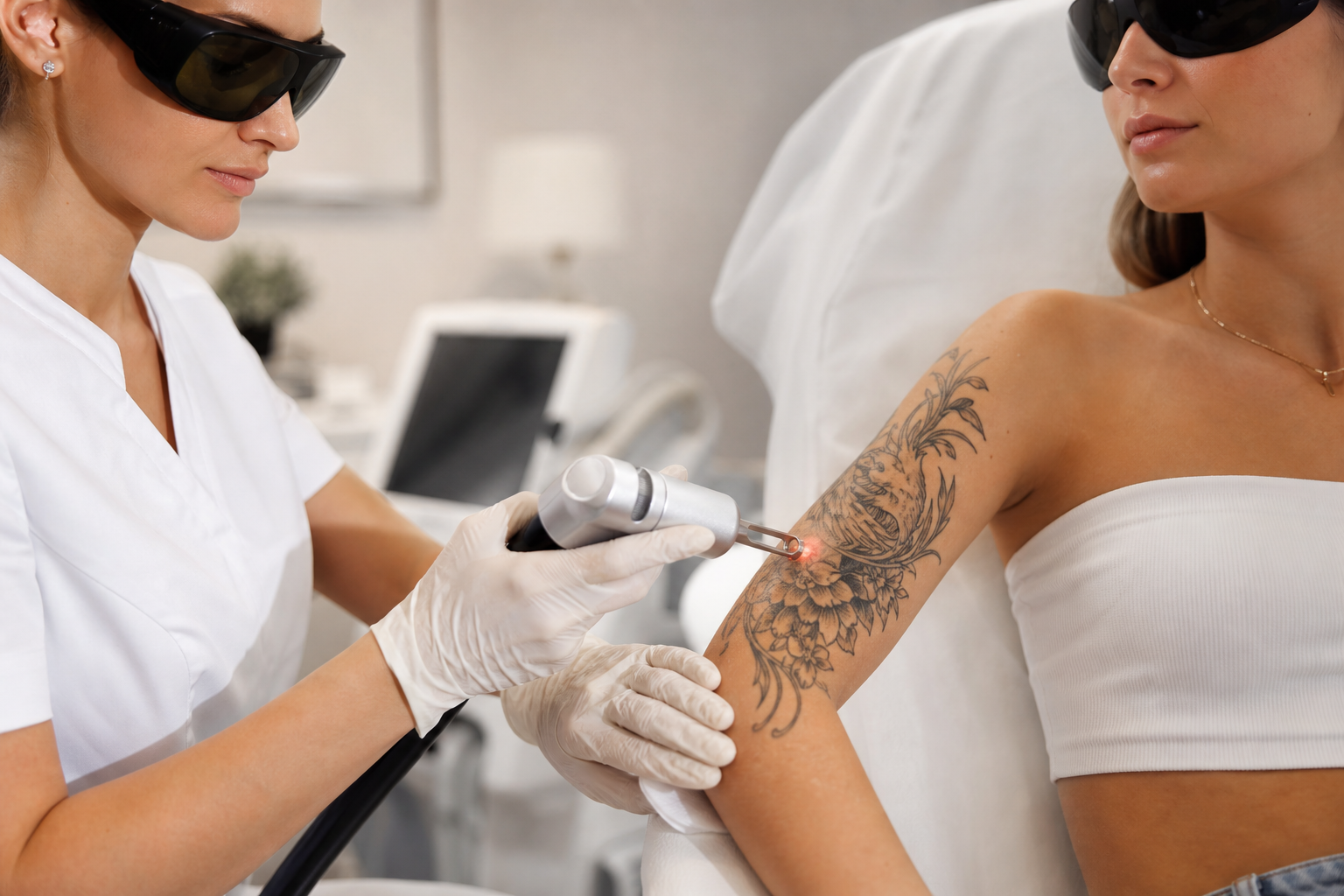
Picosecond Laser for Tattoo Removal
Picosecond lasers offer advanced technology for tattoo removal by delivering ultrashort light pulses that fragment ink pigments mo...
Read more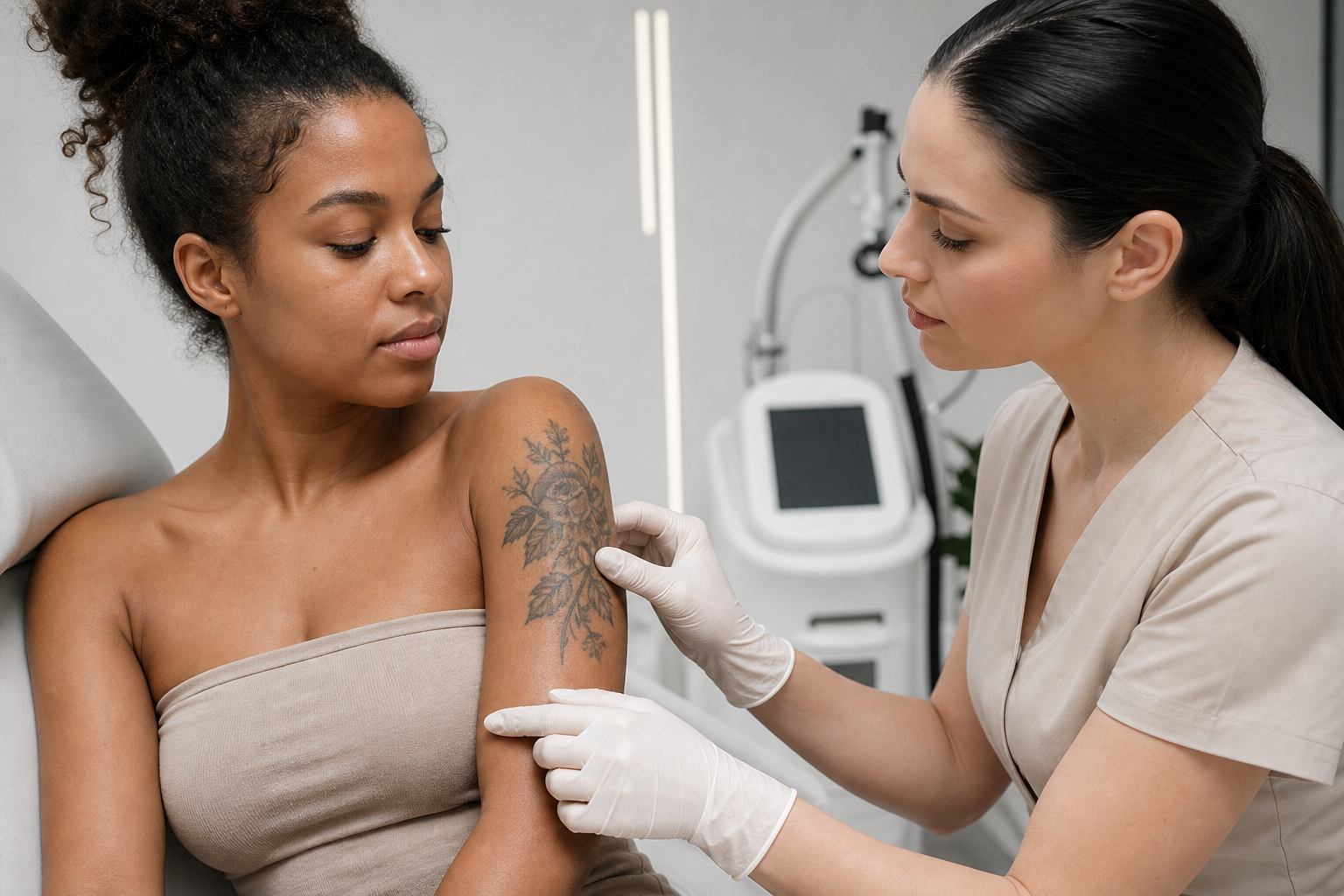
When Does a Skin Change Require Medical Assessment?
Skin changes following laser tattoo removal can range from normal reactions to signs of serious complications, especially in darke...
Read more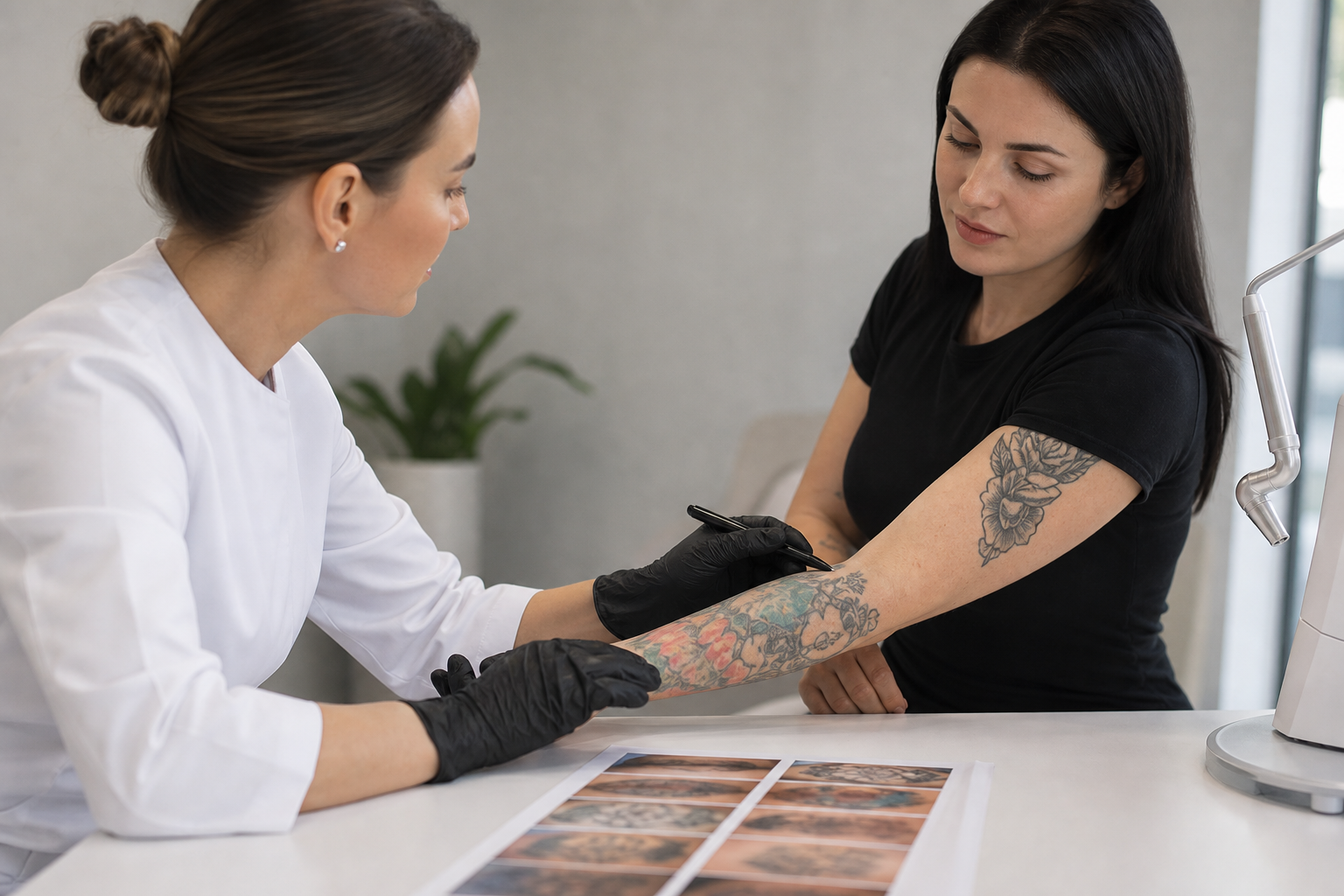
Why Can't the Tattoo Removal Process Be Safely Accelerated?
Tattoo removal safety hinges on respecting biological healing rhythms and immune responses that govern pigment elimination. Accele...
Read more
Paradoxical Darkening of Cosmetic Pigments
Paradoxical darkening occurs when cosmetic pigments deepen in color after treatments intended to lighten them, posing challenges i...
Read more
When Is the Next Treatment Session Scheduled?
Scheduling your next treatment session, whether for permanent makeup or laser tattoo removal, is a personalized process guided by...
Read more
Why Can't One Laser Treat Every Colour Equally Well?
Laser tattoo removal effectiveness varies because each tattoo pigment color absorbs laser light at different wavelengths. No singl...
Read more
Why Should You Never Pick or Remove Healing Skin Changes Yourself?
Healing skin changes like moles and warts should never be picked or self-removed due to serious risks such as infection, scarring,...
Read more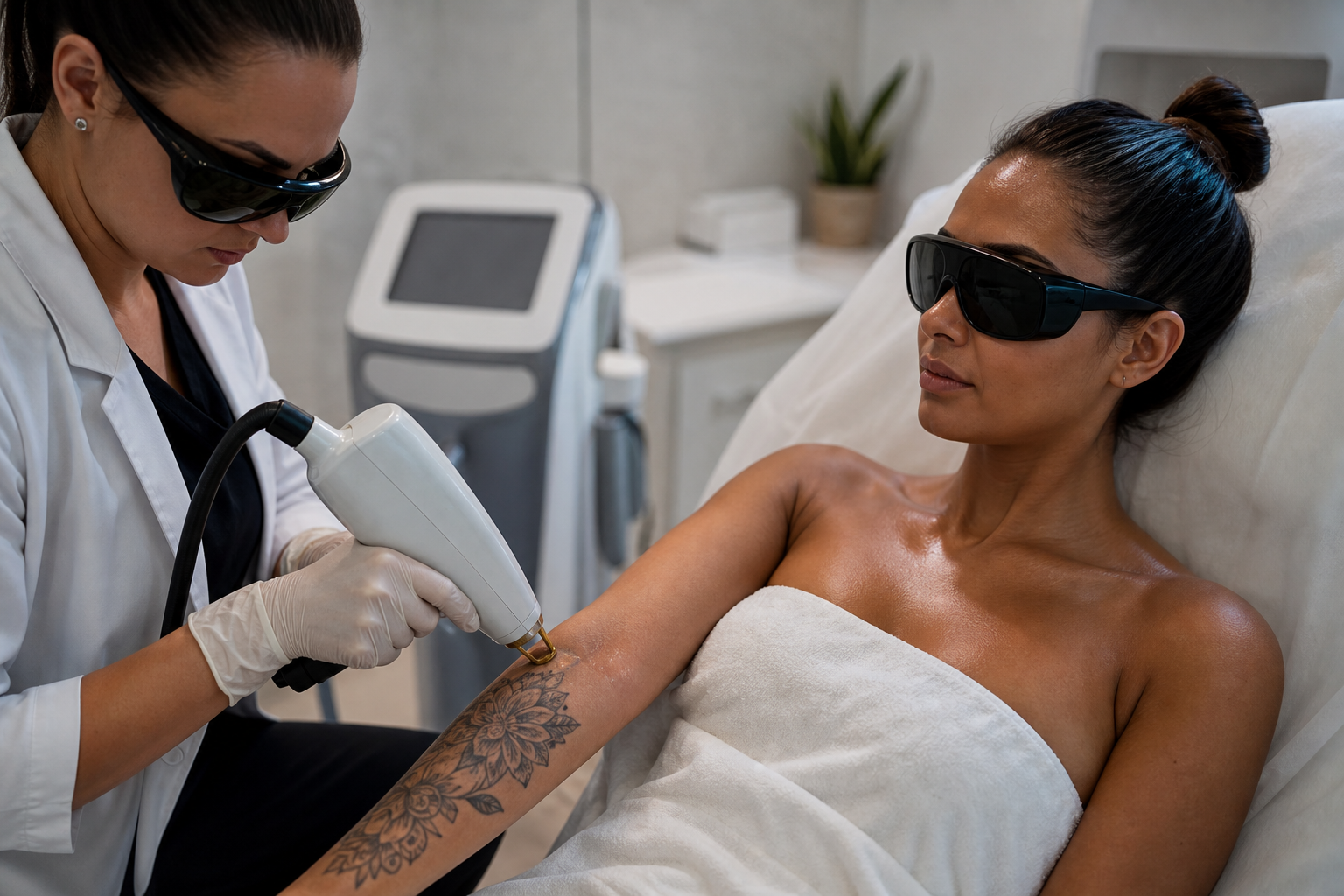
Risks of Treating Tanned Skin
Treating tanned skin with laser procedures requires special caution due to increased melanin levels that can lead to pigmentary ch...
Read more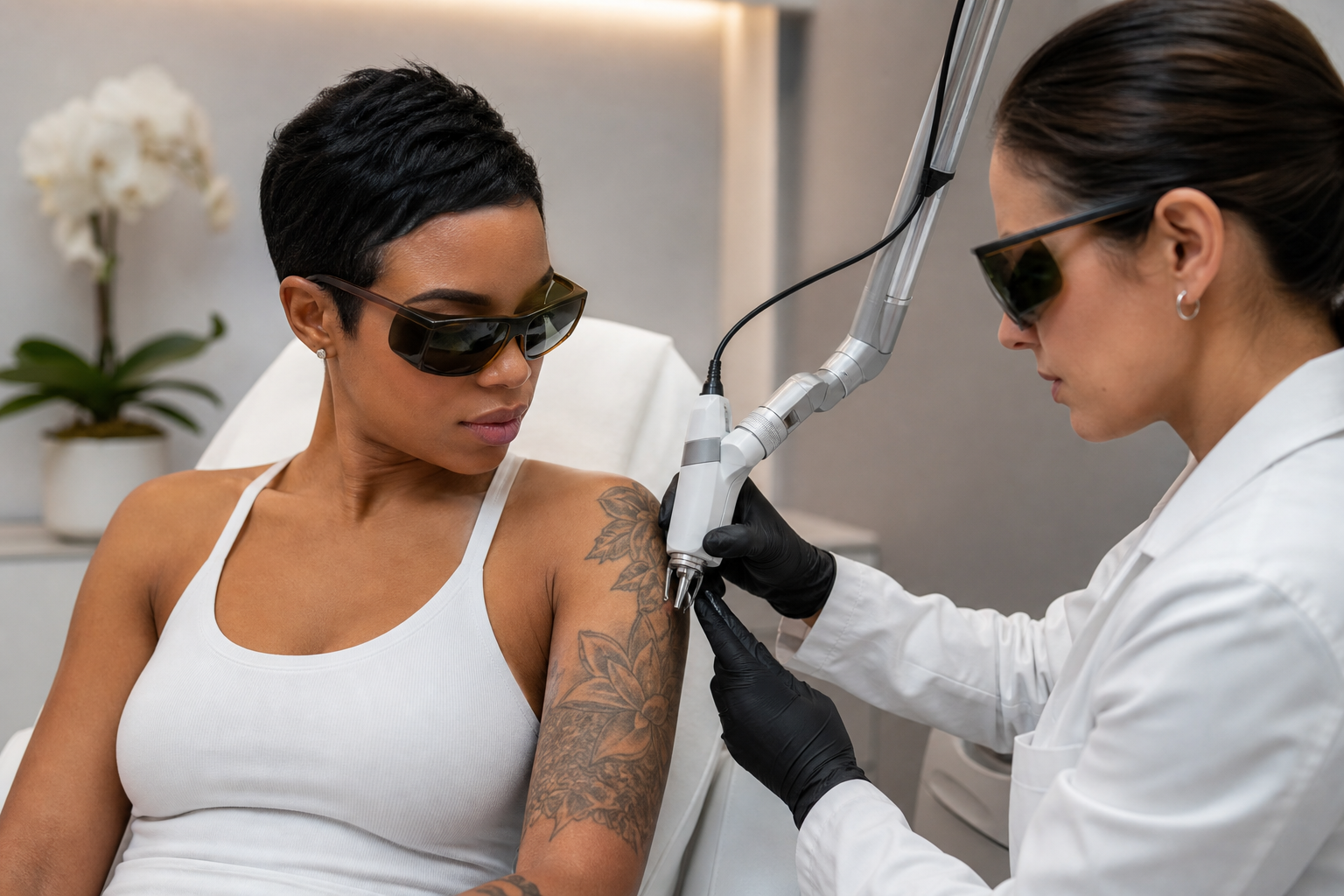
Why Can Melanin React to Laser Energy?
Melanin's absorption of laser energy is central to dermatological procedures like tattoo removal and pigment correction. Understan...
Read more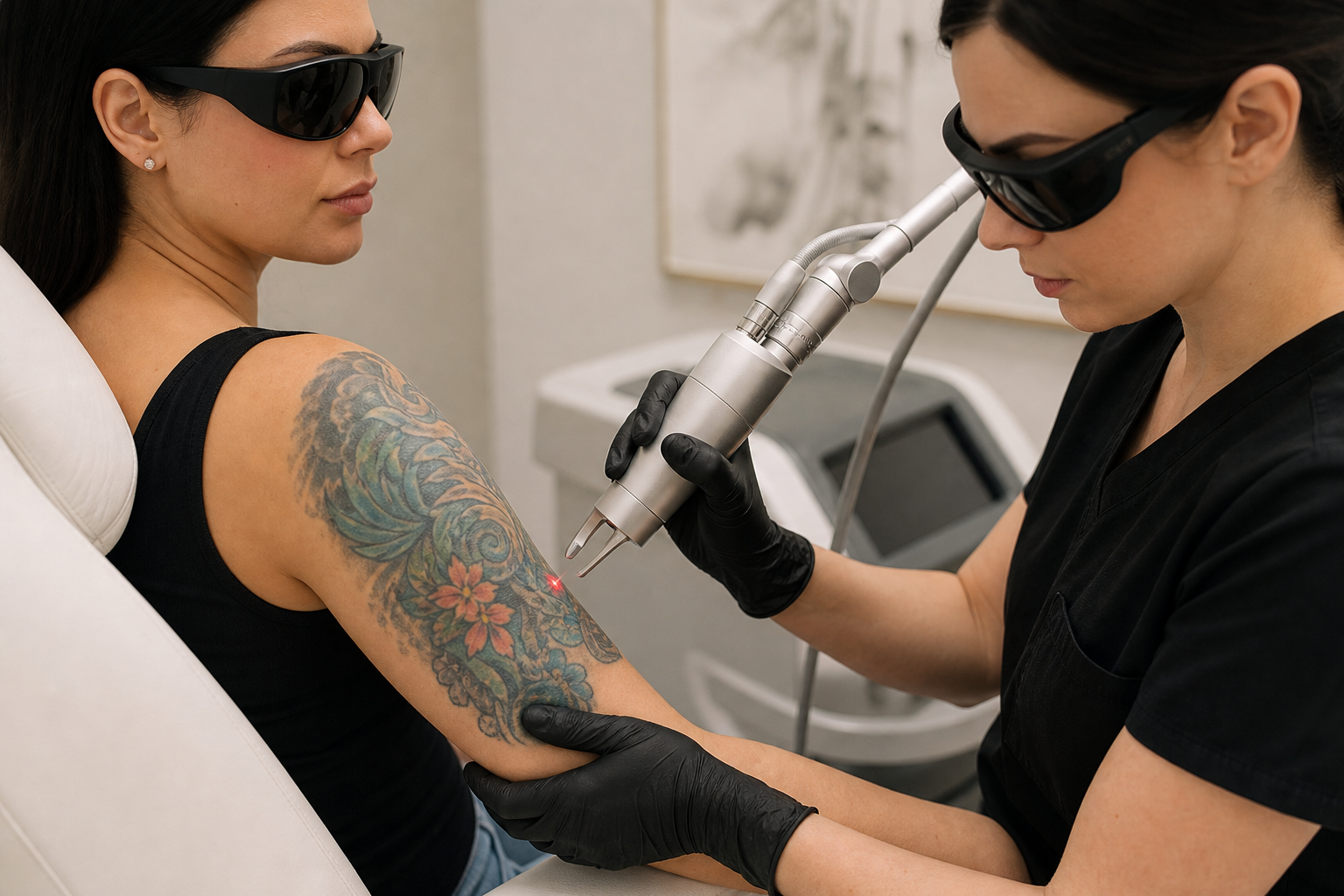
Alexandrite Laser for Green and Blue Pigments
The alexandrite laser, operating at a 755 nm wavelength, is uniquely effective for removing green and blue tattoo pigments that re...
Read more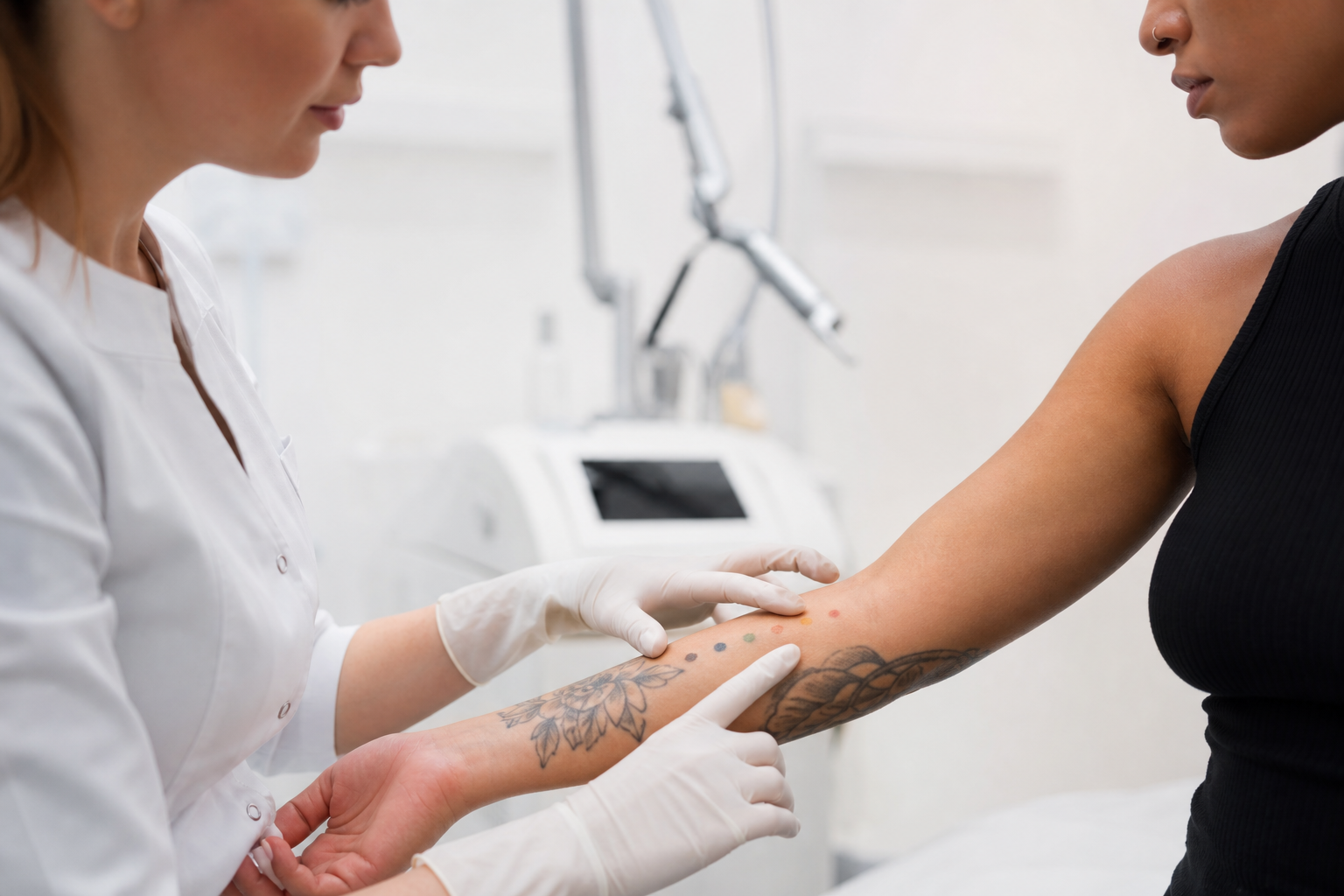
Why Are Test Spots Used for Certain Tattoo Colours?
Test spots are a crucial safety measure in laser tattoo removal, enabling practitioners to assess skin and pigment responses befor...
Read more
Laser vs. IPL for Rosacea and Diffuse Redness: Choosing the Right Treatment
Rosacea and diffuse redness affect millions, presenting treatment challenges that require tailored solutions. Understanding the di...
Read more
Botox for Platysmal Bands in the Neck
Botox offers a minimally invasive solution for reducing visible platysmal bands in the neck by relaxing the platysma muscle. This...
Read more
Is an Uneven Onset of Botox Effect a Cause for Concern?
Uneven onset of Botox effects is a common and normal part of the treatment process due to differences in muscle anatomy, injection...
Read more
Botox in Your Thirties: Assessing Early Expression Lines
Botox in your thirties serves as a preventive approach to soften early expression lines by temporarily relaxing facial muscles, pr...
Read more
Choosing the Right Doctor, Clinic, and Products
Choosing the right doctor, clinic, and dermatological products is essential for safe and effective aesthetic treatments like Botox...
Read more
Jaw Pain and Botulinum Toxin: Understanding the Importance of Diagnosis
Jaw pain arises from varied causes including joint, muscular, dental, and neurological issues, requiring precise diagnosis for eff...
Read more
When Do the First Results Become Visible?
The visibility of initial results after laser treatments depends on multiple factors including the type of condition, laser techno...
Read more
How Many Treatment Sessions Are Usually Needed?
The number of laser treatment sessions for pigmentation varies based on diagnosis, skin type, laser device, and clinician protocol...
Read more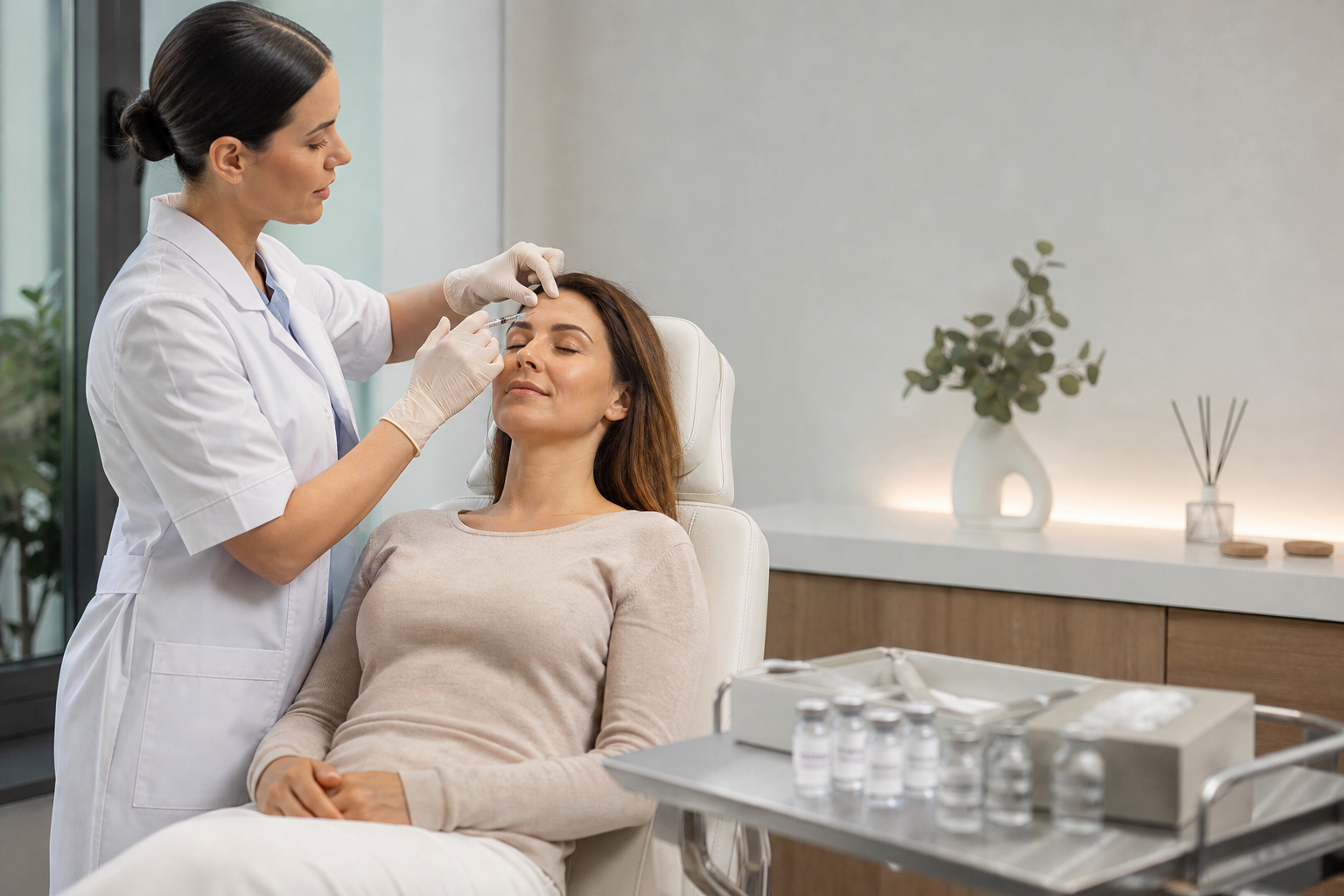
The Importance of Product Traceability in Botox Treatments
Product traceability in Botox treatments is essential for ensuring patient safety and treatment efficacy. By tracking the Botox pr...
Read more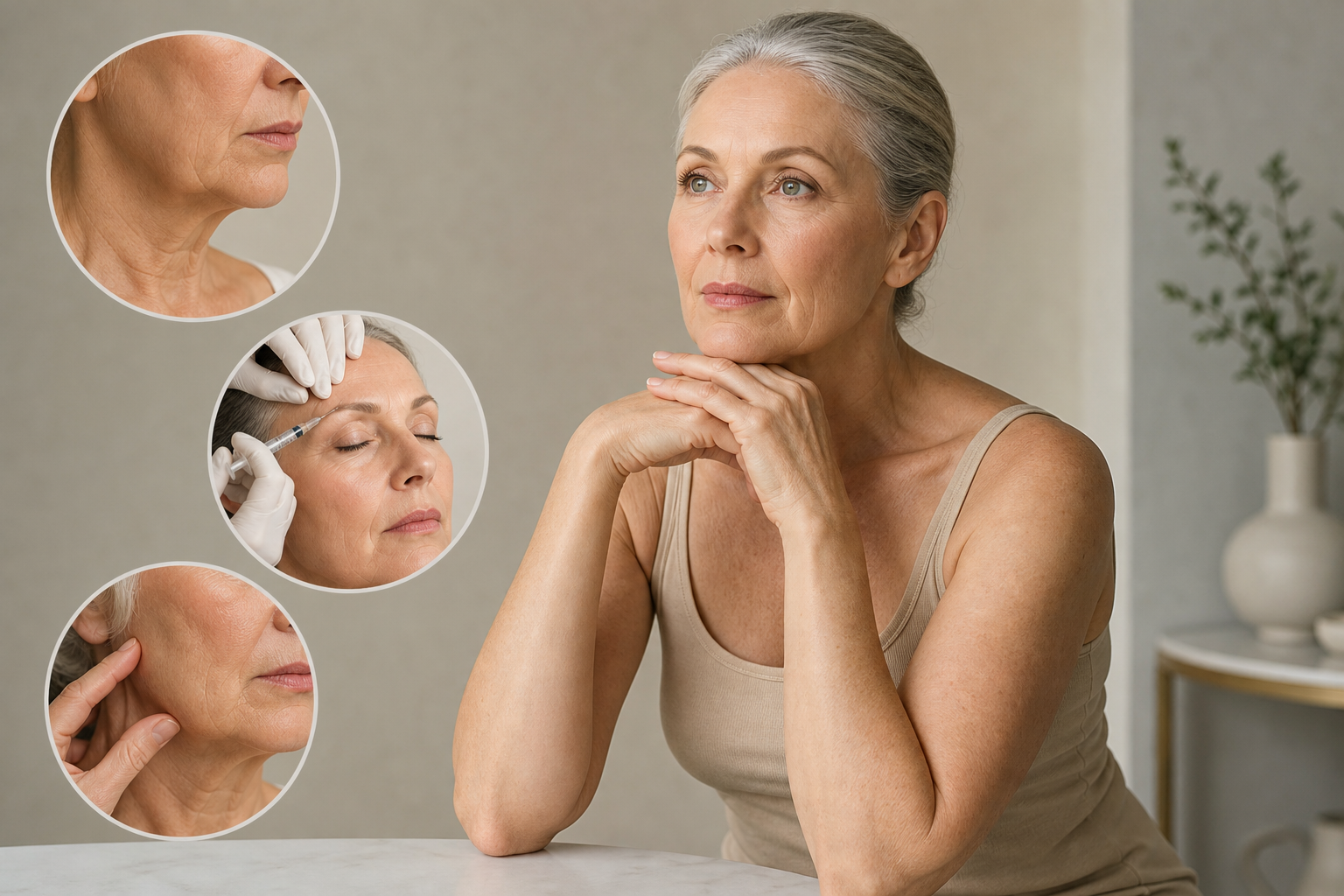
Sagging Skin and Botox: Understanding the Limitations
Sagging skin arises from structural changes in aging that Botox cannot reverse. While Botox effectively reduces dynamic wrinkles,...
Read more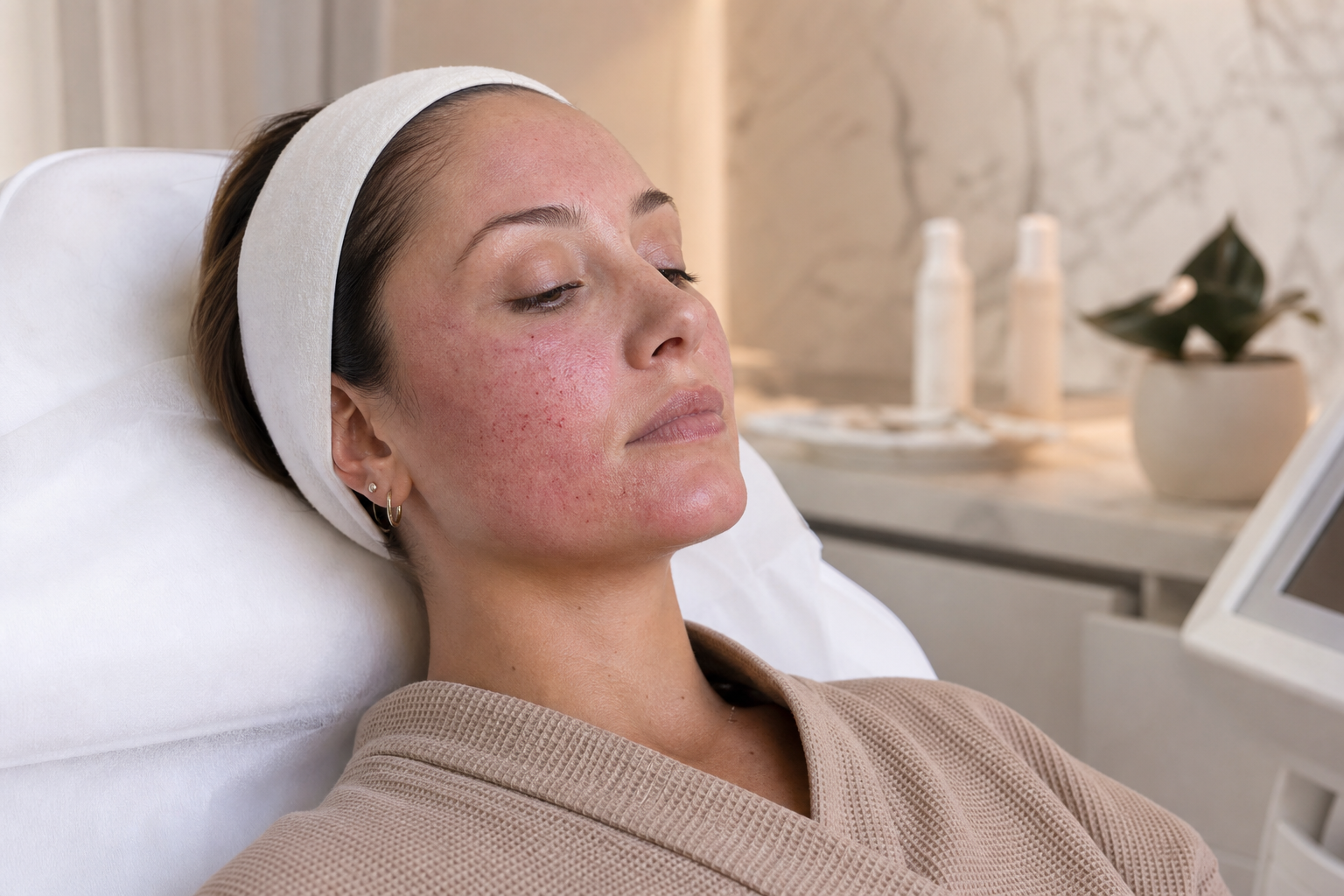
What Does Skin Look Like Immediately After Treatment?
Understanding the immediate skin appearance after laser treatment helps set realistic expectations and informs proper care. Post-t...
Read more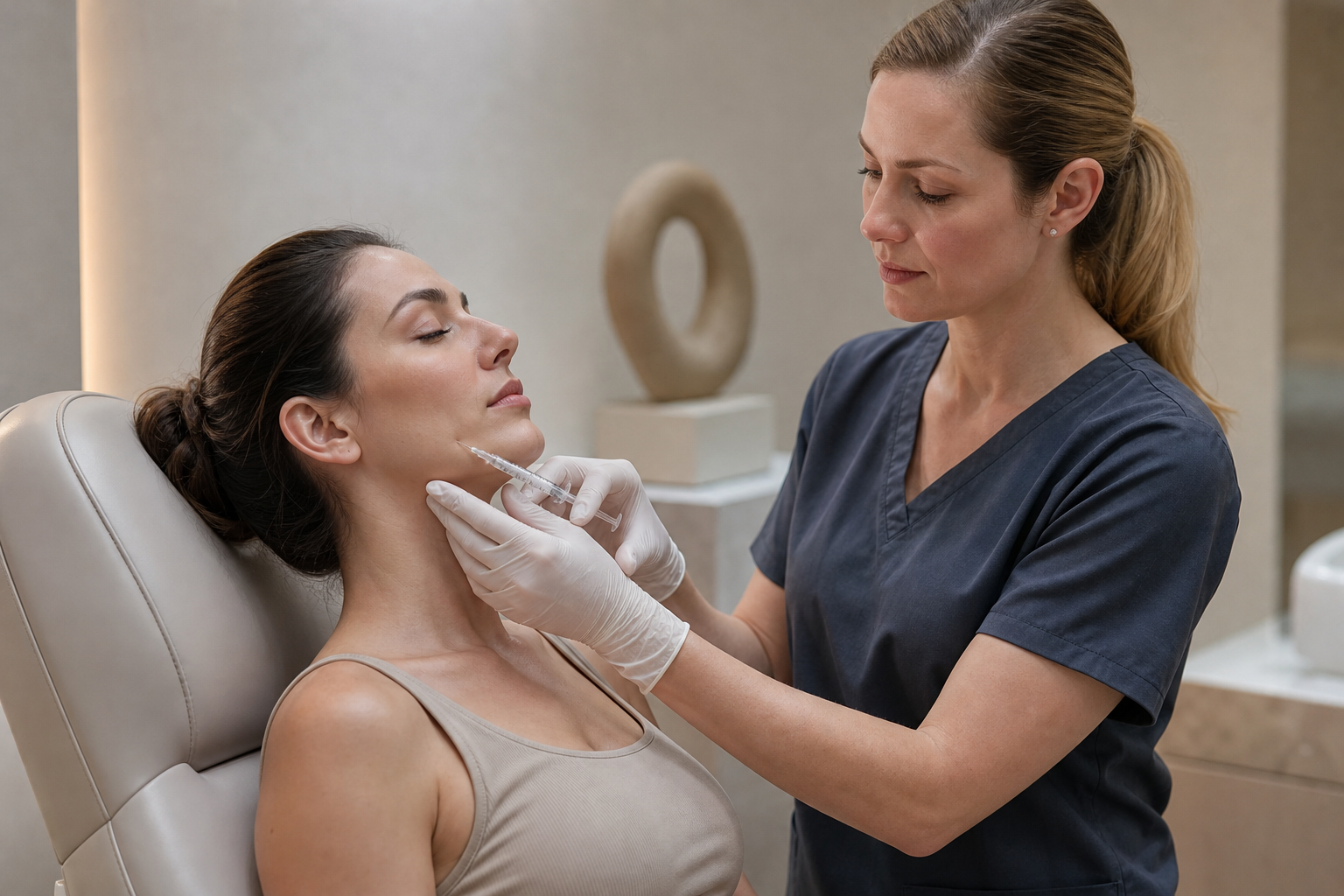
Botulinum Toxin for Bruxism: Evidence and Limitations
Botulinum toxin offers a targeted intervention for bruxism by reducing muscle hyperactivity that causes teeth grinding and clenchi...
Read more
Botox: A Comprehensive Guide to Application, Outcomes, Costs, and Safety
Botox is a widely used neurotoxin treatment that temporarily relaxes facial muscles to reduce dynamic wrinkles, offering a minimal...
Read more
Smile Asymmetry: What to Assess Before Treatment
Smile asymmetry affects both appearance and self-confidence, often driven by muscle imbalances around the nose and lips. Precise a...
Read more
Adverse Effects of Botulinum Toxin in Treating Hyperhidrosis
Botulinum toxin offers an effective treatment for hyperhidrosis by blocking nerve signals that stimulate sweat glands, significant...
Read more
Documenting Asymmetrical Eyebrows Before Treatment: Why It Matters
Documenting asymmetrical eyebrows before Botox treatment is critical to ensure natural and balanced results. This article explores...
Read more
When Skincare Outweighs Aesthetic Treatments: A Botox-Centric Perspective
This article explores the critical balance between skincare and Botox treatments in managing facial aging. It provides a detailed...
Read more
Botox in Medical Clinics: Addressing Safety Concerns
Botox offers effective wrinkle reduction and facial rejuvenation when administered safely by qualified medical professionals. Unde...
Read more
Botox for Men: Why Personalized Treatment Matters
Botox treatments for men require a personalized approach that respects unique male facial anatomy and aging patterns. Tailored pla...
Read more
Why Botulinum Toxin Is Used in Aesthetic Medicine
Botulinum toxin, widely known as Botox, is a pivotal treatment in aesthetic medicine for reducing dynamic facial wrinkles through...
Read more
What Happens When You Stop Getting Botox?
Stopping Botox leads to a gradual return of muscle activity and wrinkles as its effects fade over several months. Understanding ho...
Read more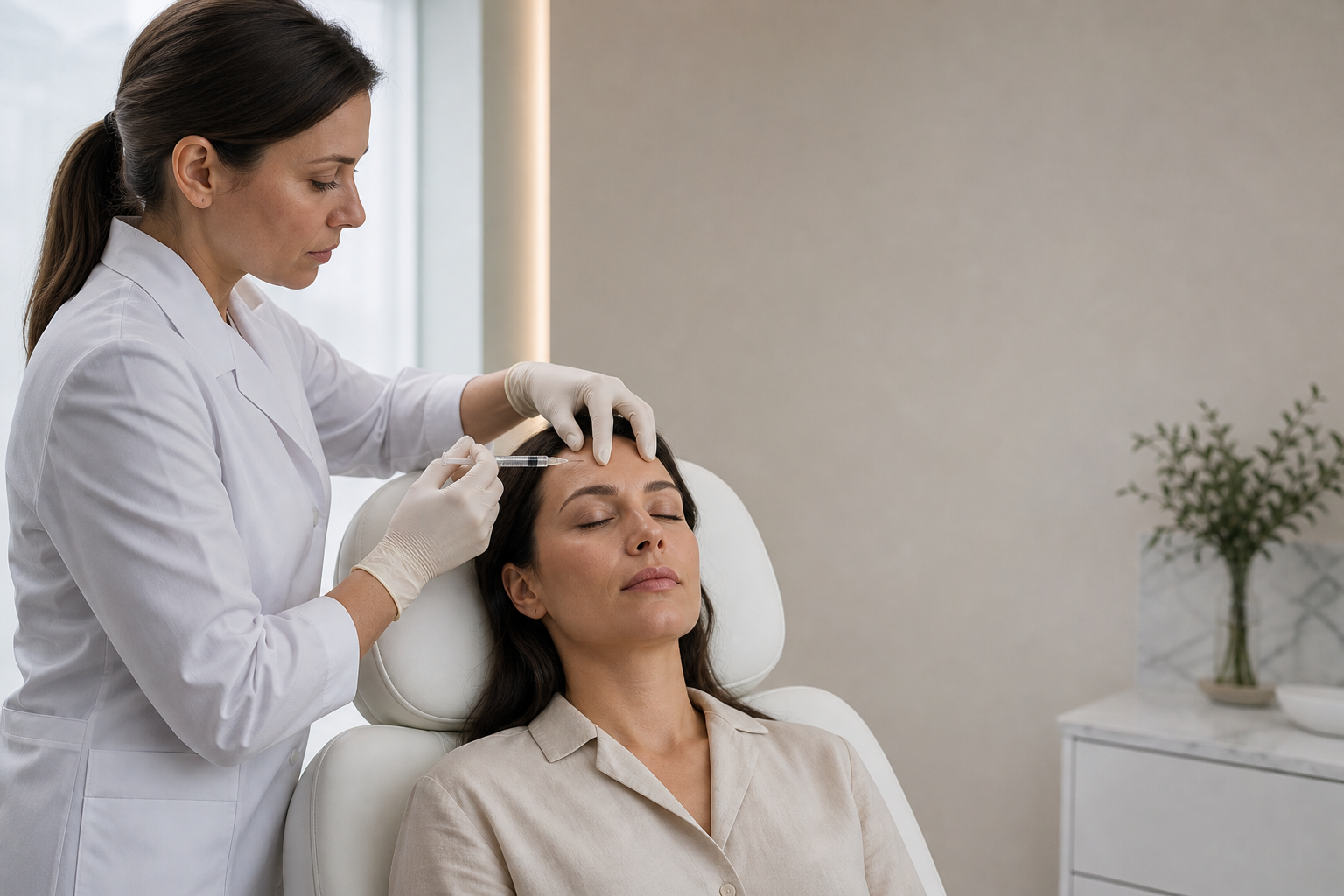
Forehead Botox: Outcomes and Limitations
Forehead Botox provides an effective way to soften dynamic wrinkles and refresh facial expressions. This article explains how Boto...
Read more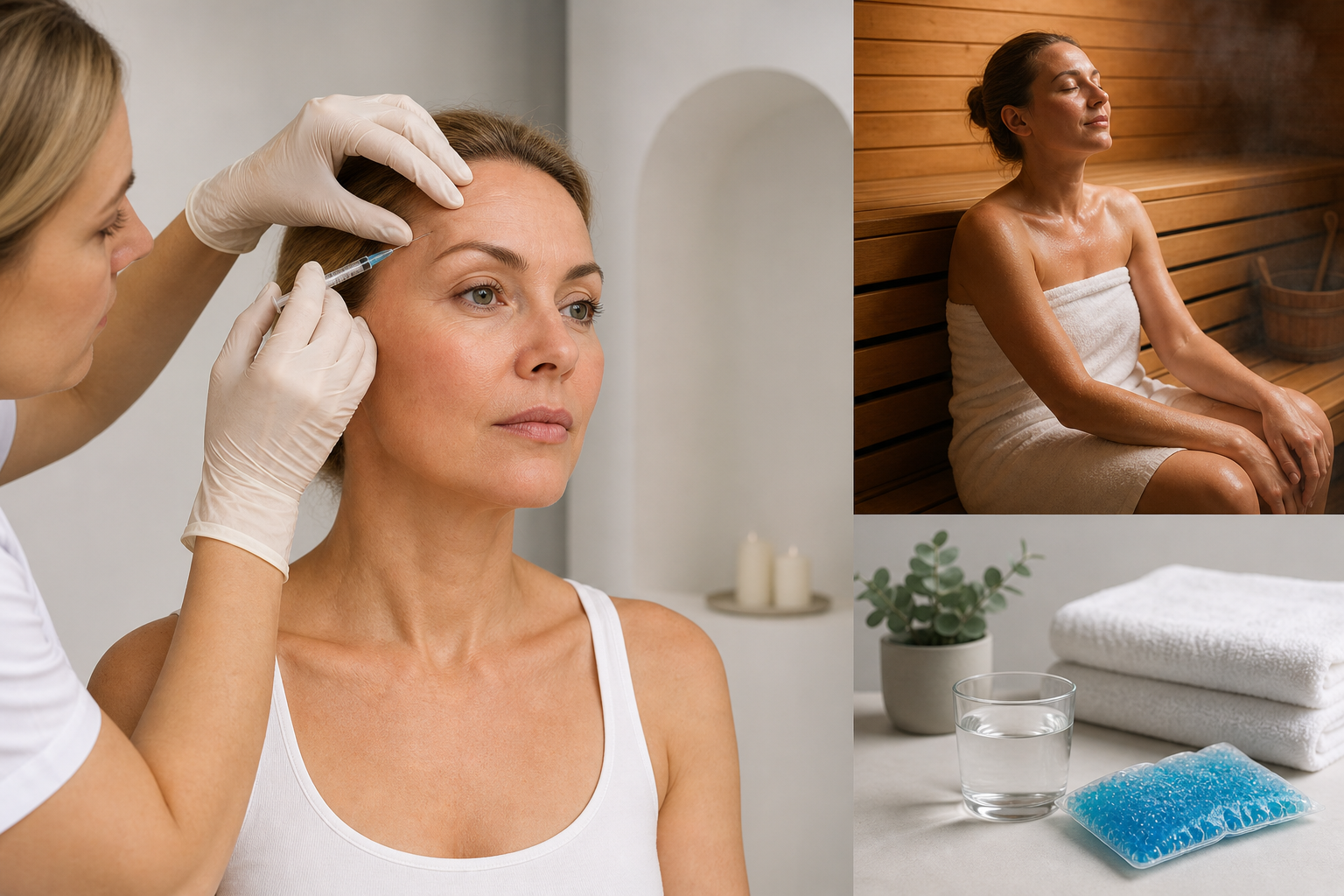
Heat Exposure and Sauna Use After Botox: Expert Guidance
This article offers expert guidance on the safe management of heat exposure and sauna use after Botox treatment. It explains how h...
Read more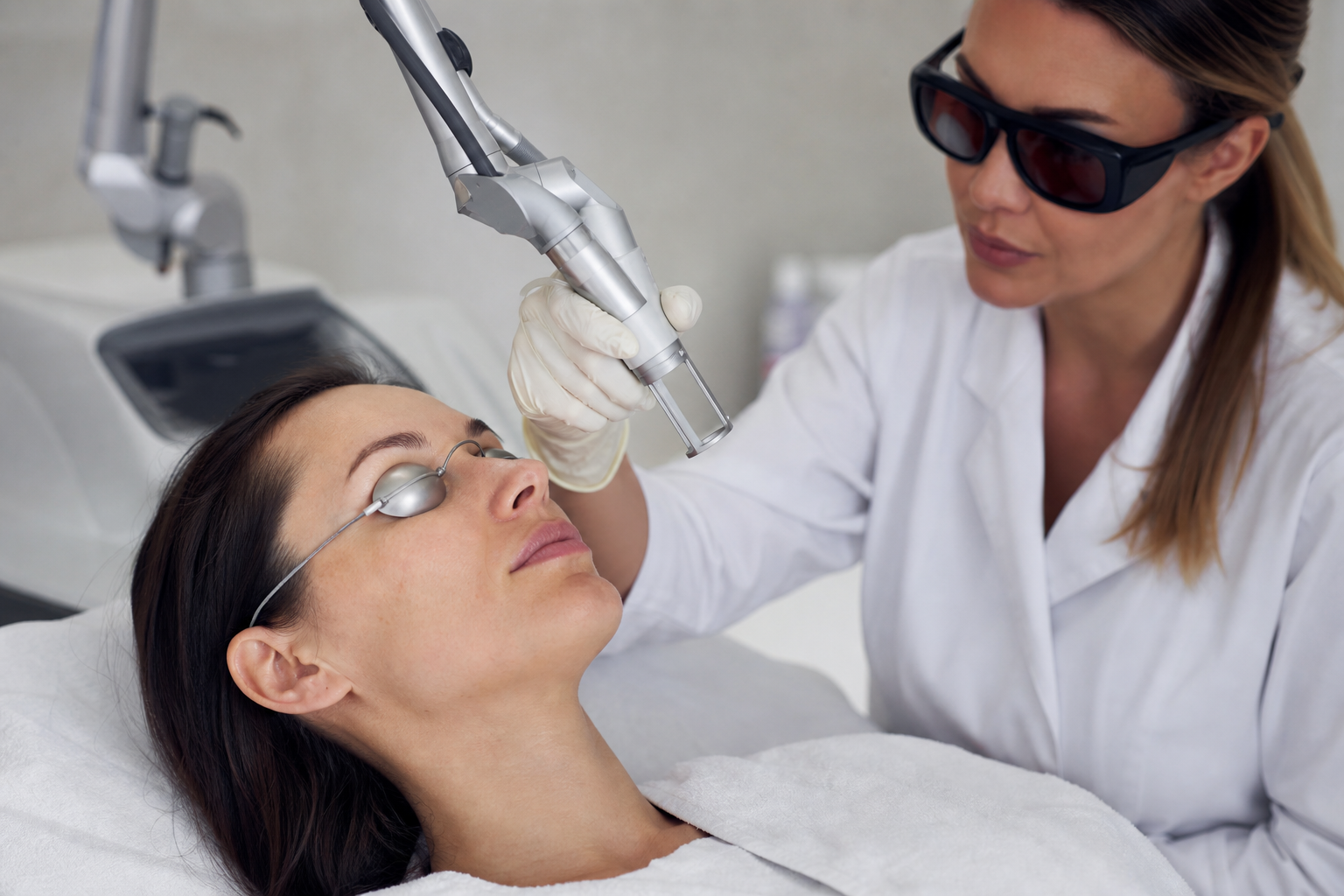
Er:YAG Laser for Dark Spots and Photoaging
The Er:YAG laser offers a precise, controlled approach to treat dark spots and photoaging by targeting superficial skin layers for...
Read more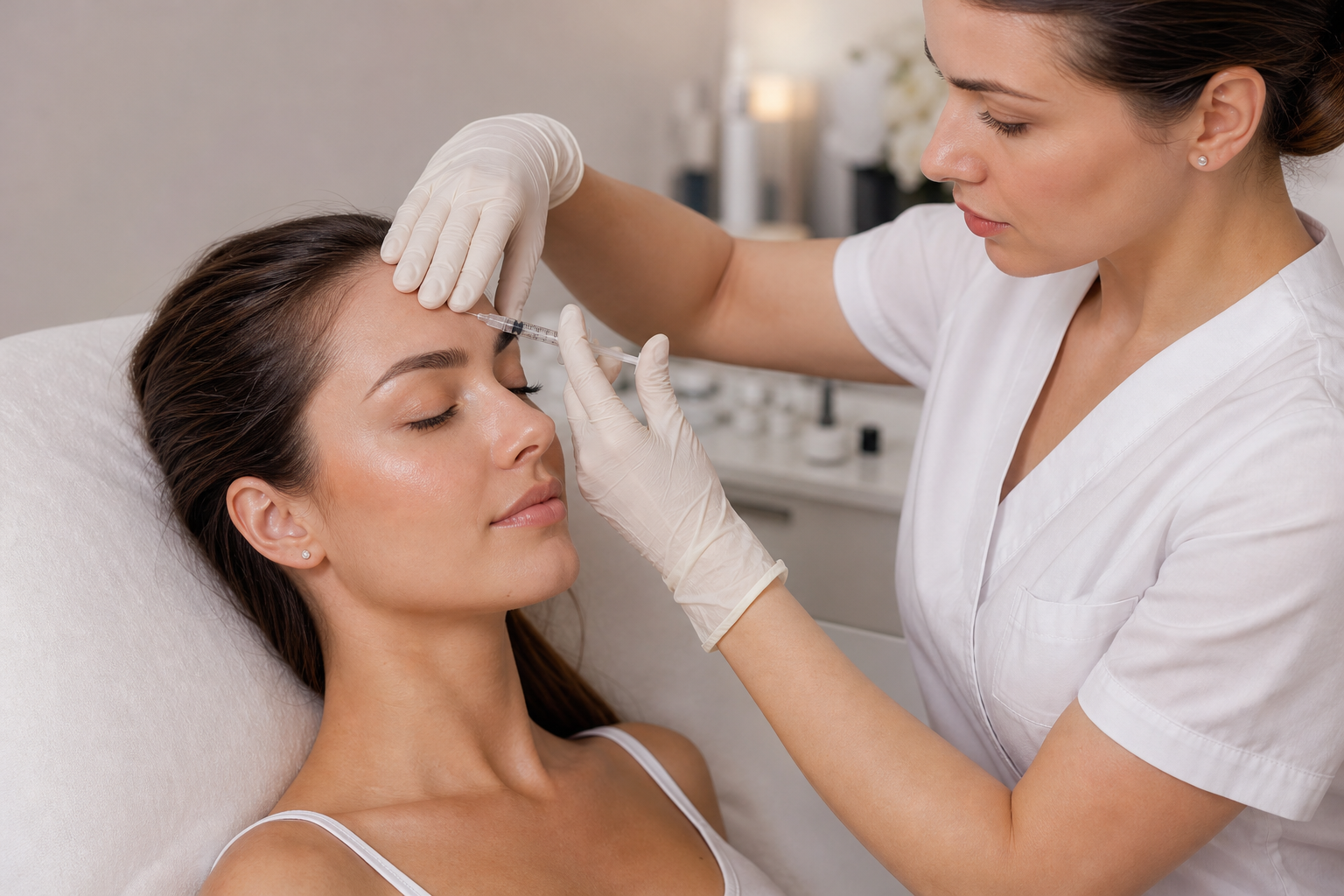
Post-Botox Makeup: How to Avoid Injection Site Irritation
Learn how to safely resume your makeup routine after Botox injections to avoid irritation at sensitive injection sites. This guide...
Read more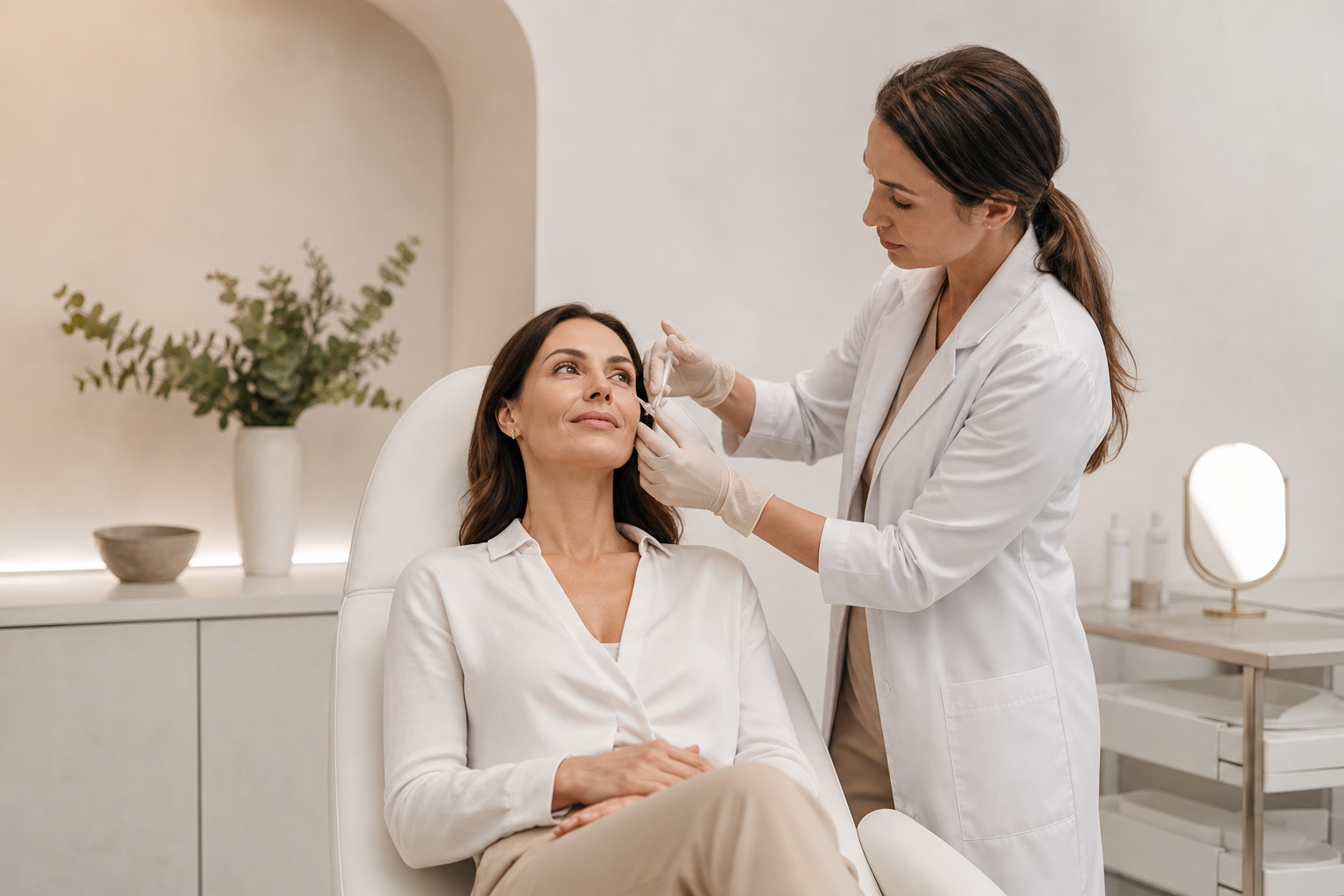
Botox in Your Forties: When to Consider Combining Treatments
Botox remains a key treatment for addressing dynamic wrinkles in your forties, but effective facial rejuvenation often requires co...
Read more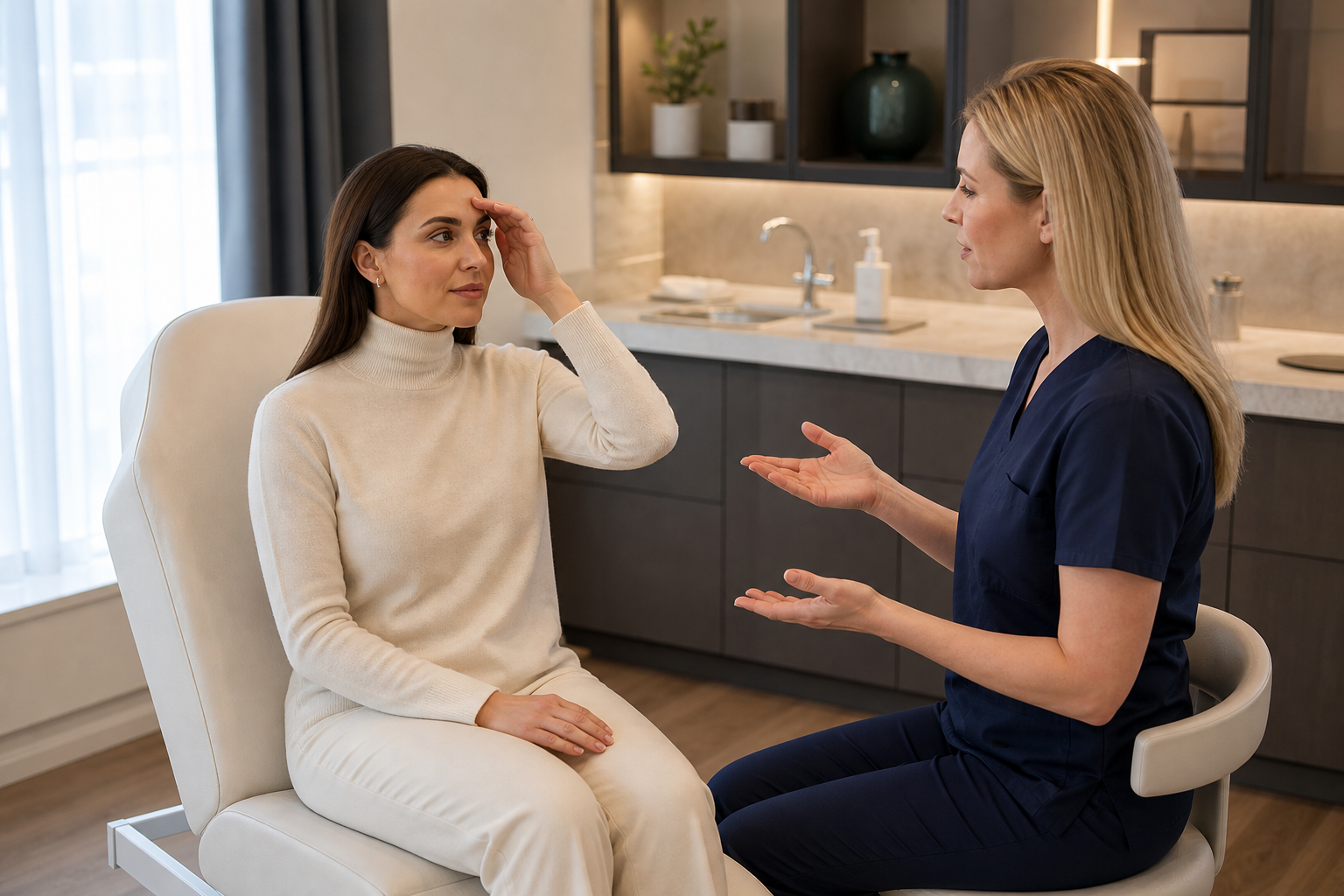
What to Do If You Accidentally Rub a Treated Area
This article explains what happens if you accidentally rub a Botox-treated area, detailing the biological mechanism, risks, and pr...
Read more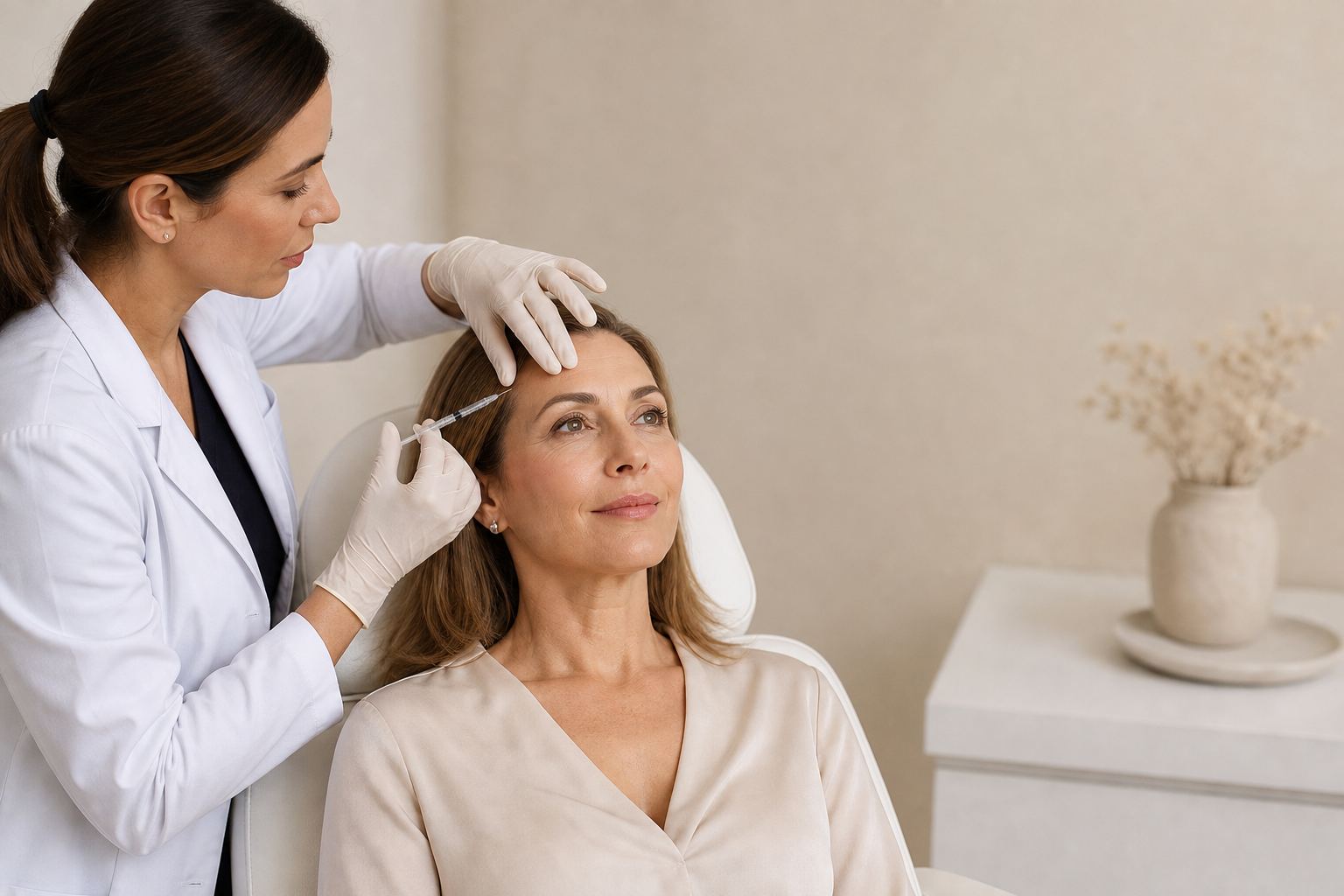
Does Botox Always Result in a 'Frozen' Face?
Botox is often misunderstood as leading invariably to a "frozen" face, but this myth stems from improper application rather than t...
Read more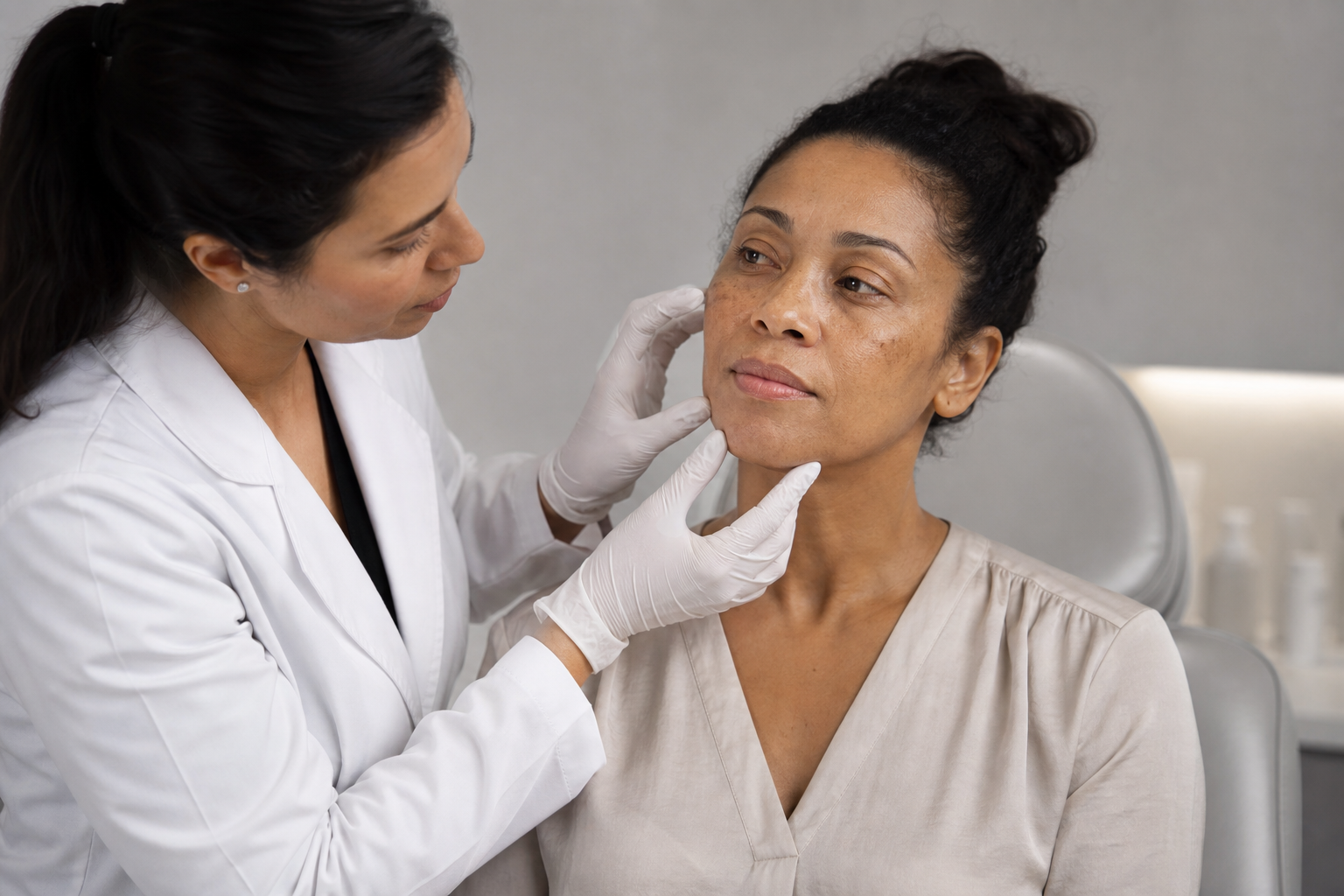
How to Recognize a Normal Reaction and When to Contact a Doctor
Laser pigmentation treatments commonly cause mild redness, swelling, and temporary pigment changes, which are normal as the skin h...
Read more
How Social Media Shapes Expectations Around Botox
Social media profoundly influences how people perceive Botox by showcasing idealized images and videos that often create unrealist...
Read more
Multi-Region Botox Packages: When Do They Make Sense?
Multi-region Botox packages offer a comprehensive approach to facial rejuvenation by treating several wrinkle-prone areas simultan...
Read more
Medications and Active Ingredients to Tell Your Clinician About
Before undergoing laser treatments, it is essential to inform your clinician about all medications and active ingredients you use,...
Read more
Botox or Collagen Biostimulators?
Botox and collagen biostimulators are key injectable treatments in aesthetic medicine, each targeting different signs of skin agin...
Read more
Can Laser Treatment Make PIH Darker?
Post-Inflammatory Hyperpigmentation (PIH) arises from increased melanin following skin inflammation. While laser treatments can ta...
Read more
Why You Shouldn't Stop Botox Therapy on Your Own
Botox therapy temporarily smooths dynamic wrinkles by relaxing facial muscles, but stopping treatment without professional advice...
Read more
Why the Same Botox Treatment Doesn't Suit Every Face
Botox is a popular treatment for smoothing dynamic facial wrinkles, but its effectiveness varies due to unique facial anatomy, ski...
Read more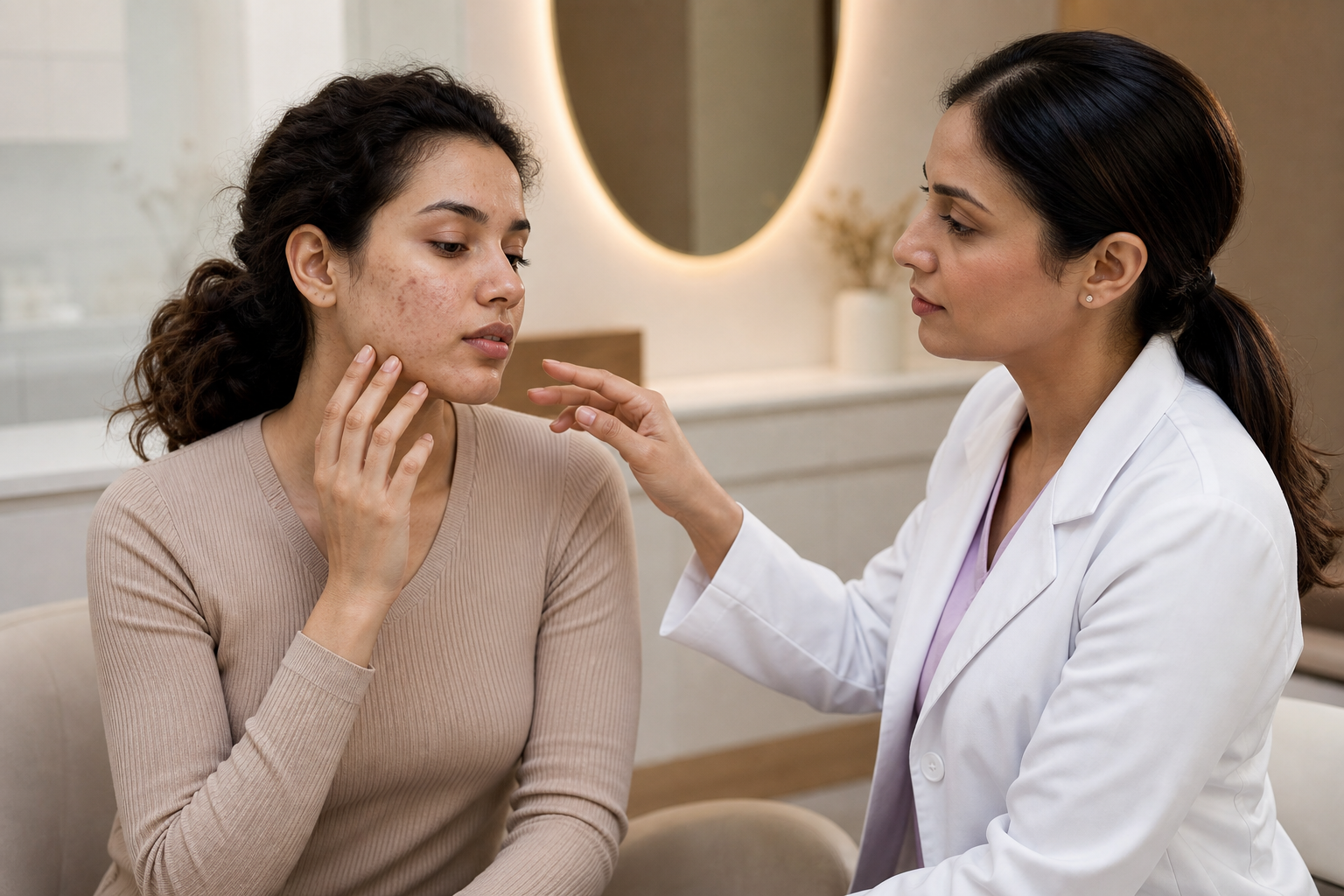
IPL for Post-Acne Marks: Benefits and Limitations
Intense Pulsed Light (IPL) therapy offers a sophisticated approach to reduce brown post-inflammatory hyperpigmentation (PIH) after...
Read more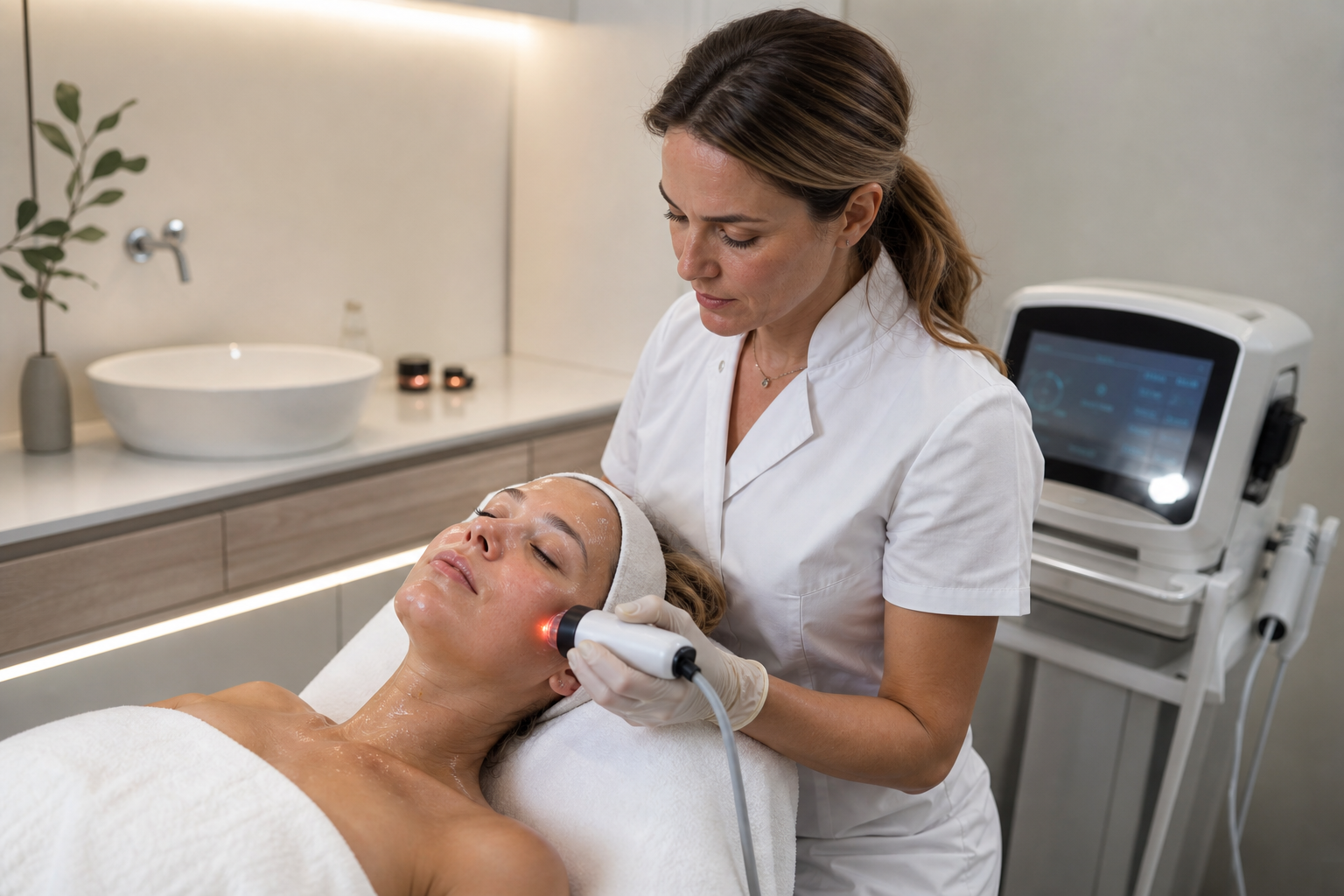
Home vs. Professional RF Devices: Key Differences in Skin Tightening
Radiofrequency (RF) skin tightening offers a non-surgical method to enhance skin firmness by stimulating collagen production. Unde...
Read more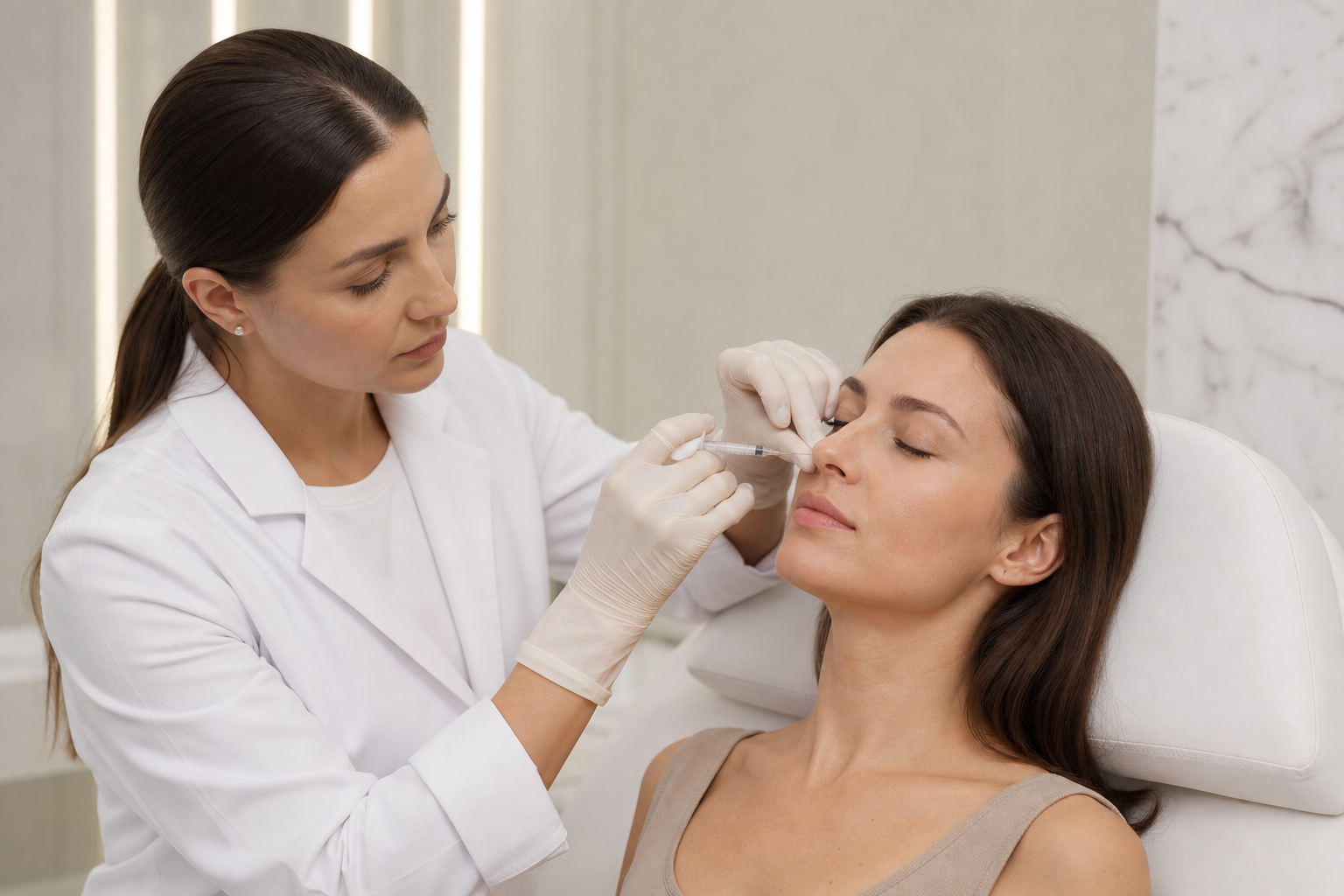
Botox for Nose Wrinkles: Understanding Bunny Lines
Bunny lines are dynamic wrinkles on the nose caused by muscle contractions and facial expressions like smiling or scrunching. Boto...
Read more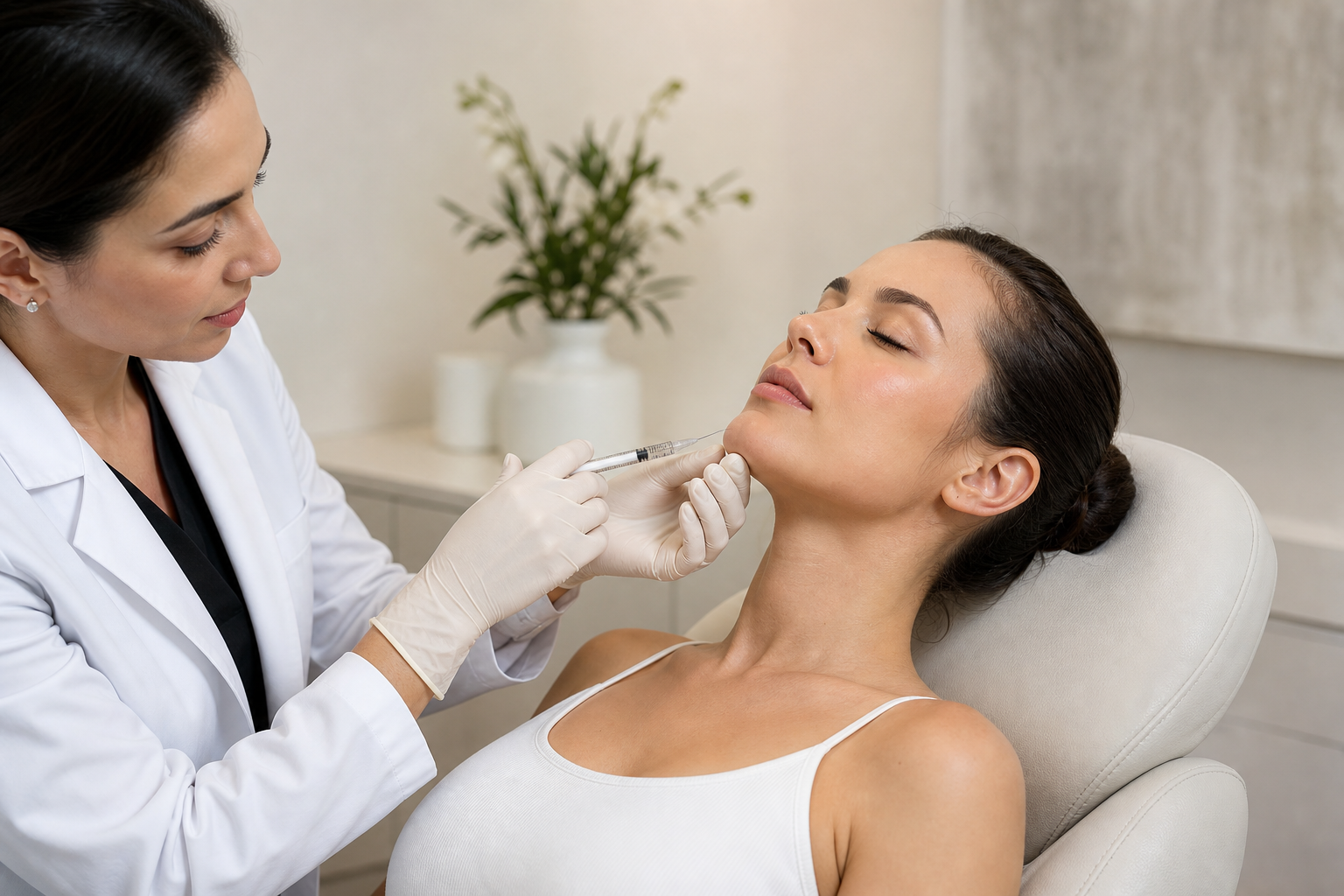
Botox for the Chin: Soothing Uneven Texture
Botox effectively targets uneven chin texture caused by overactive muscles, offering a non-surgical option to smooth and refine th...
Read more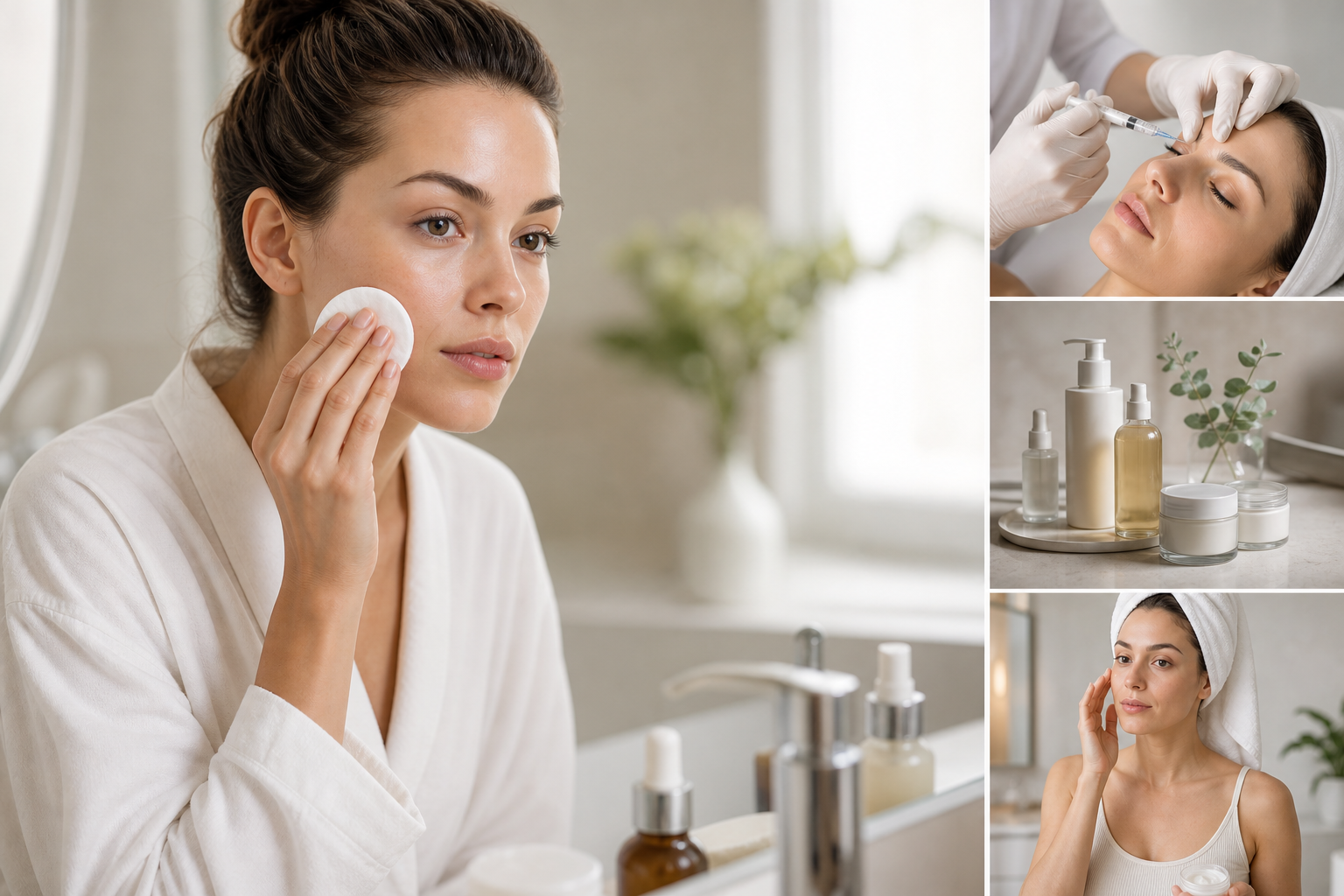
Post-Botox Cleansing and Skincare Routine
Post-Botox care is vital for achieving smooth, long-lasting results and minimizing side effects. This expert guide details gentle...
Read more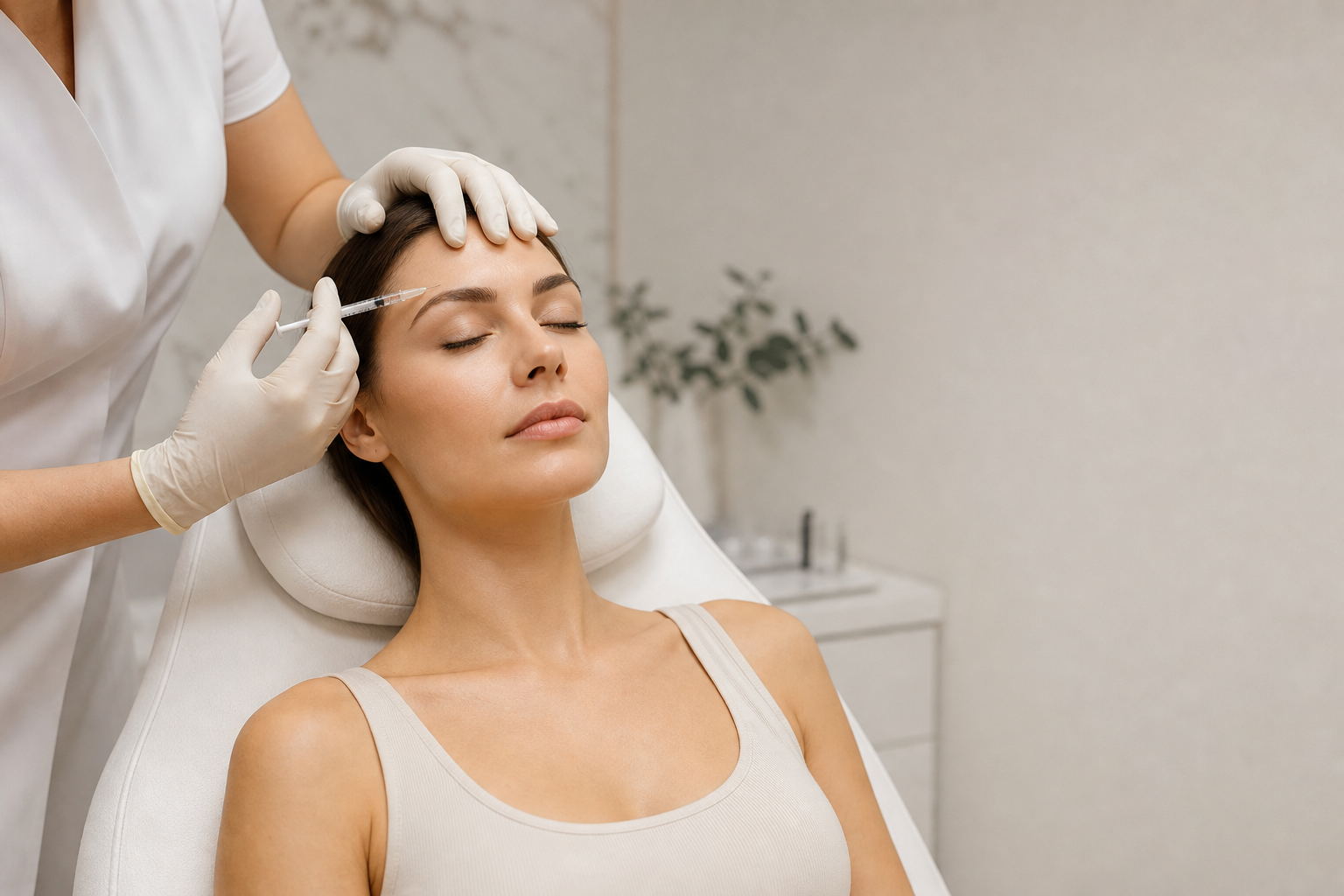
Botox Brow Lift: How Subtle Is the Effect?
The Botox brow lift offers a subtle, non-surgical method to gently elevate the eyebrows, rejuvenating the eye area with a natural...
Read more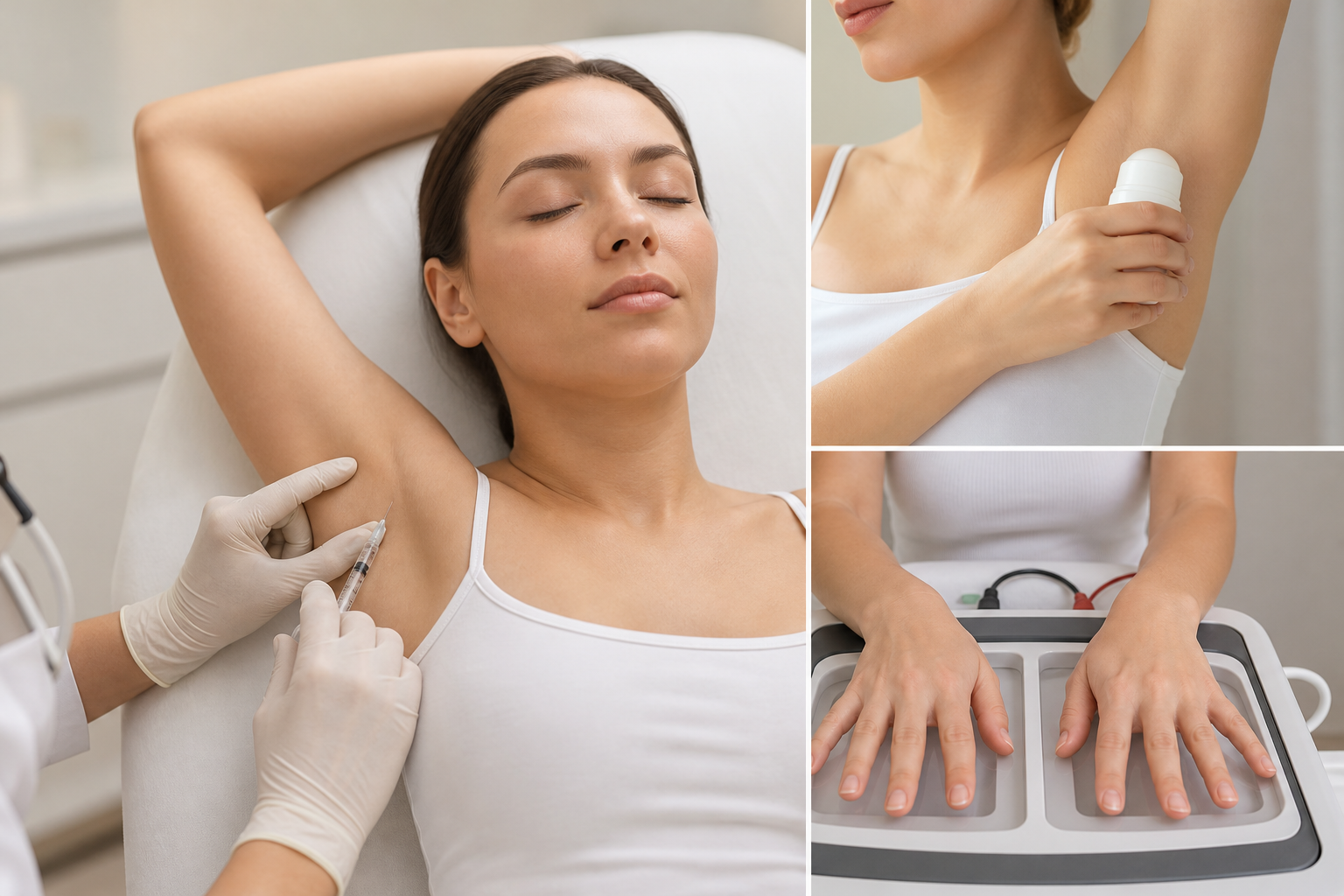
Botulinum Toxin, Antiperspirants, or Iontophoresis: Choosing the Right Approach for Excessive Sweating
Excessive sweating, or hyperhidrosis, poses physical and social challenges that require tailored treatment approaches. This articl...
Read more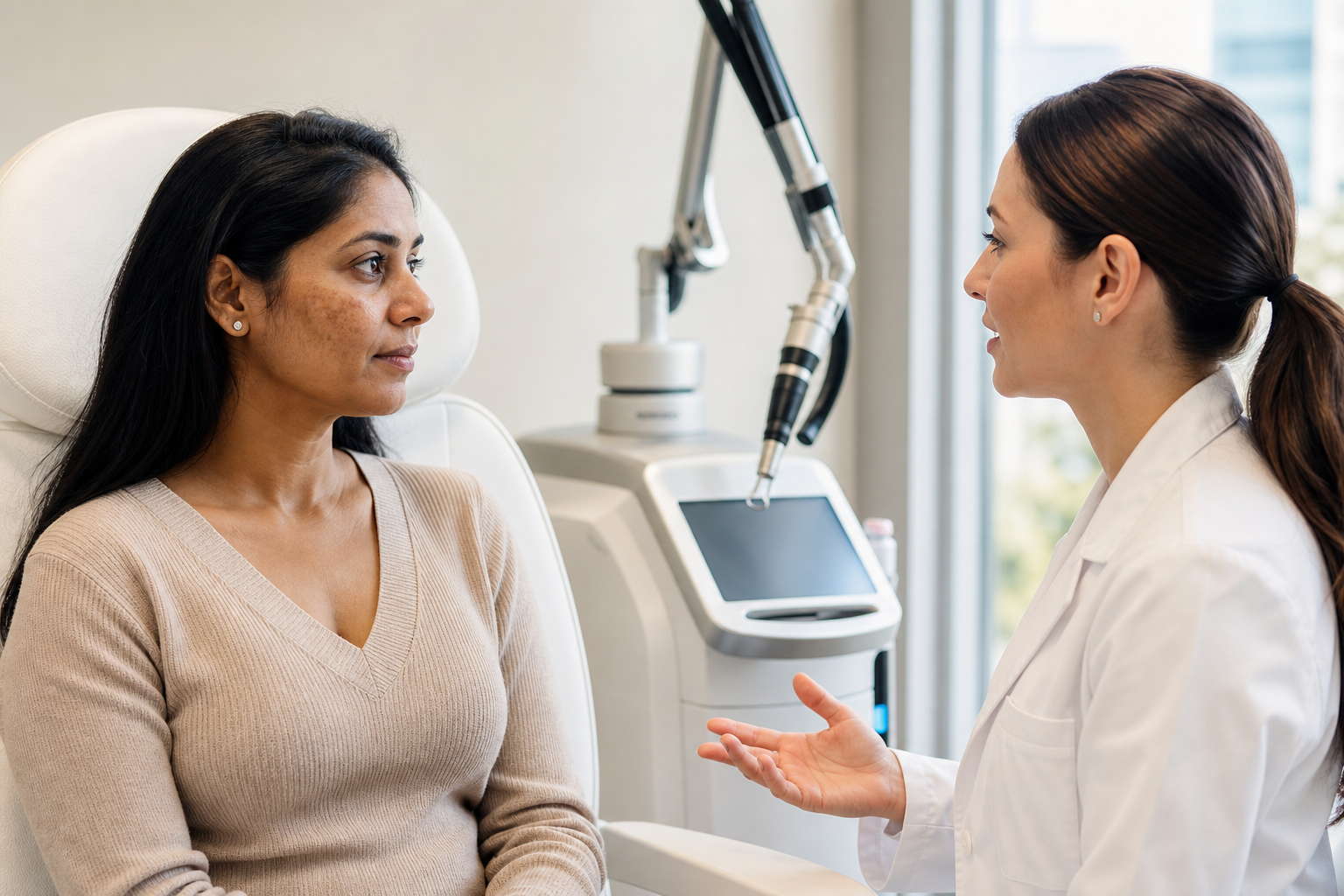
Picosecond Lasers and Melasma: What Does Current Evidence Show?
Picosecond lasers offer a promising yet cautious approach to treating melasma, a complex pigmentation disorder. Current evidence h...
Read more
Why Access to a Doctor After Treatment Matters
Access to a doctor after Botox treatment is essential for ensuring patient safety and achieving optimal results. Continuous medica...
Read more
The First Few Hours After Botox: A Practical Guide
This practical guide details the crucial first hours after Botox treatment, emphasizing care steps that optimize results and ensur...
Read more
Photoaging and Pigmentation: When Are They Treated Together?
Photoaging and pigmentation frequently occur together due to cumulative UV exposure, impacting skin health and appearance. Treatin...
Read more
Key Questions to Ask About Your Injectable Treatment
Injectable treatments like Botox offer effective non-surgical options for wrinkle reduction and facial rejuvenation. Understanding...
Read more
IPL vs Laser for Sun Spots: A Comparison
Sun spots, or solar lentigines, are common pigmented lesions caused by prolonged sun exposure. This article compares IPL and laser...
Read more
What If You Only Want a Subtle Change?
This article explores how Botox can be used for subtle facial enhancements, focusing on natural results and preserving expressiven...
Read more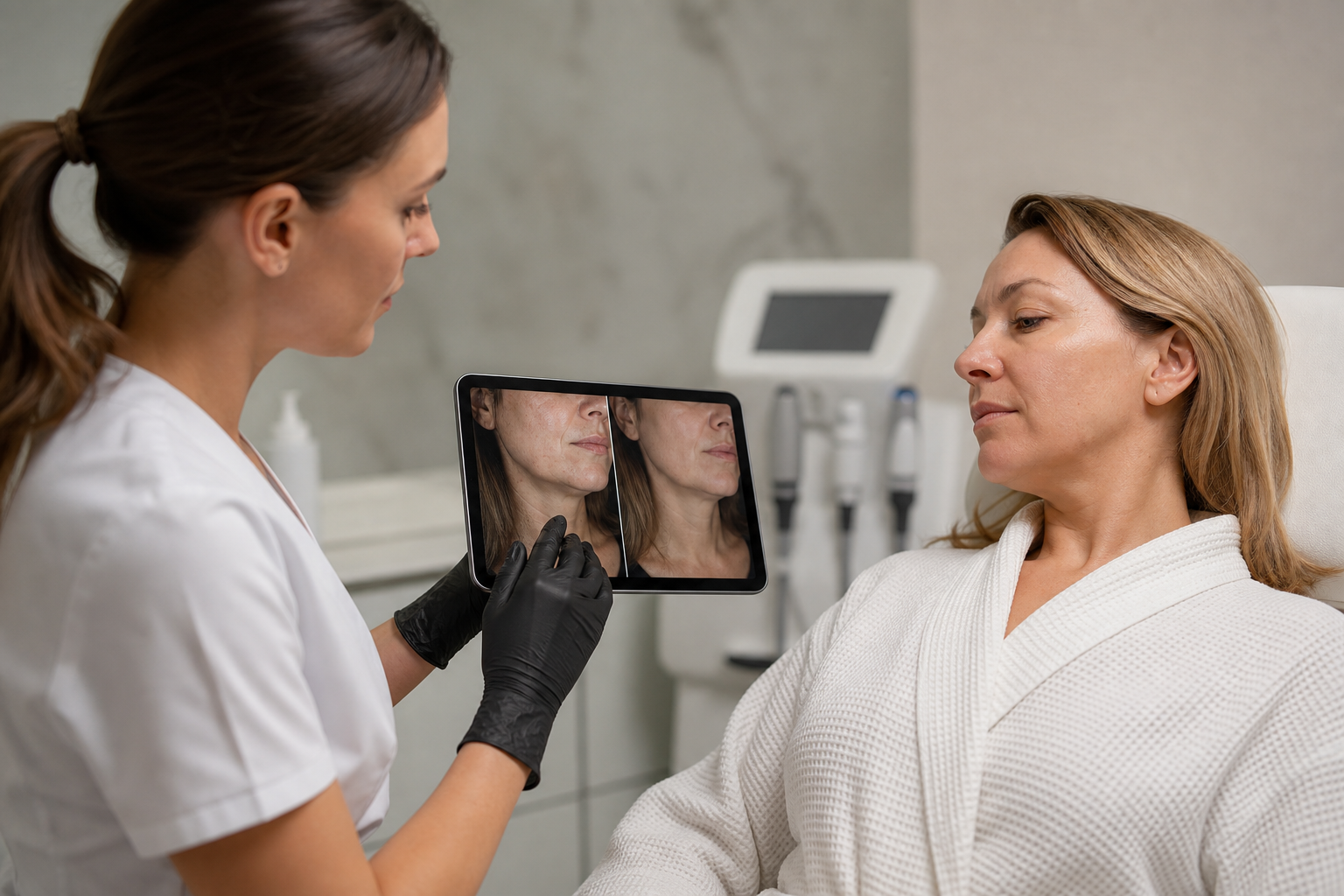
RF Lifting Before and After: How to Evaluate Photos?
RF lifting, or radiofrequency skin tightening, is a non-invasive treatment that enhances skin firmness by stimulating collagen pro...
Read more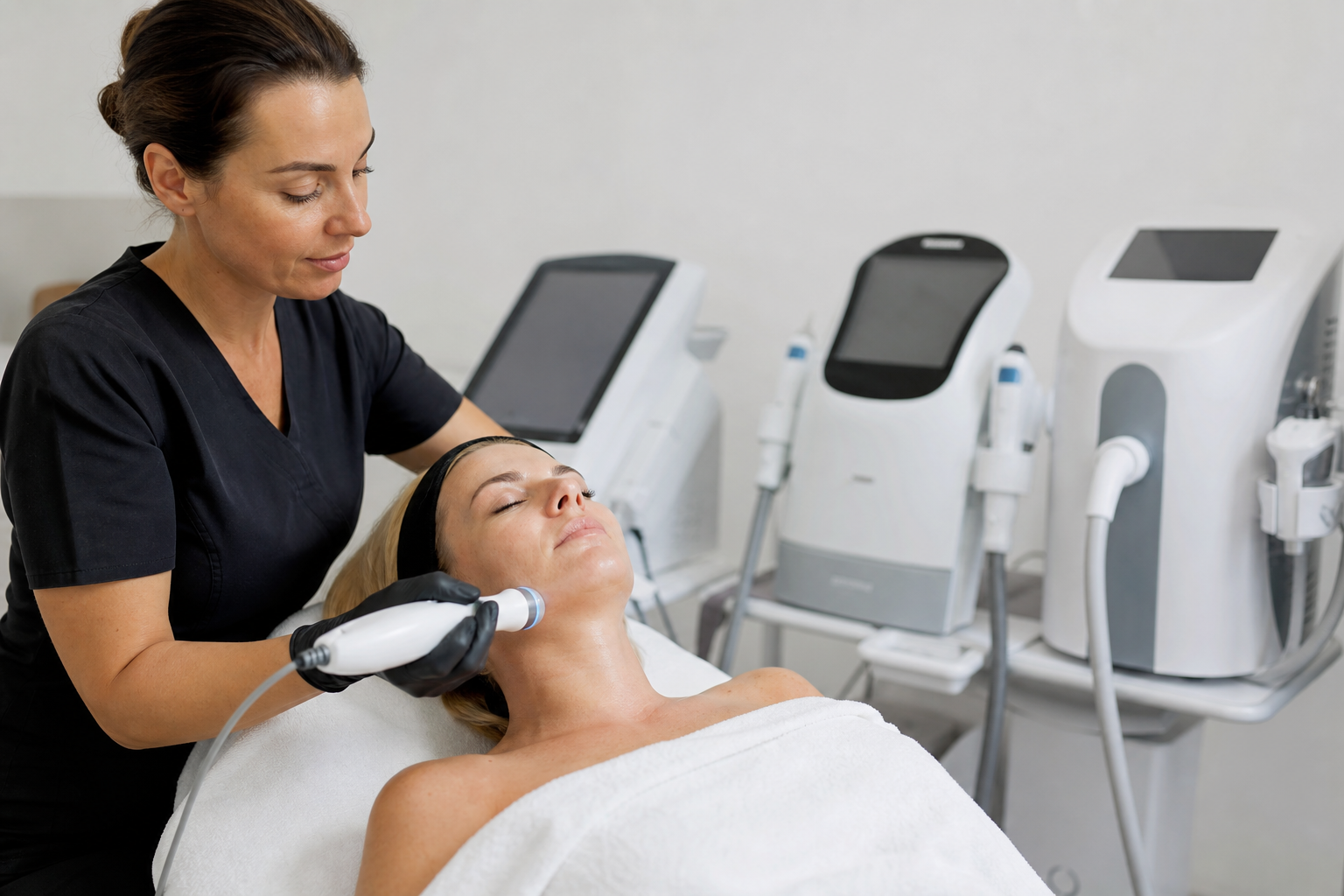
Do All RF Devices Deliver the Same Results?
Radiofrequency (RF) devices vary significantly in technology, method, and depth, affecting their skin rejuvenation results. Unders...
Read more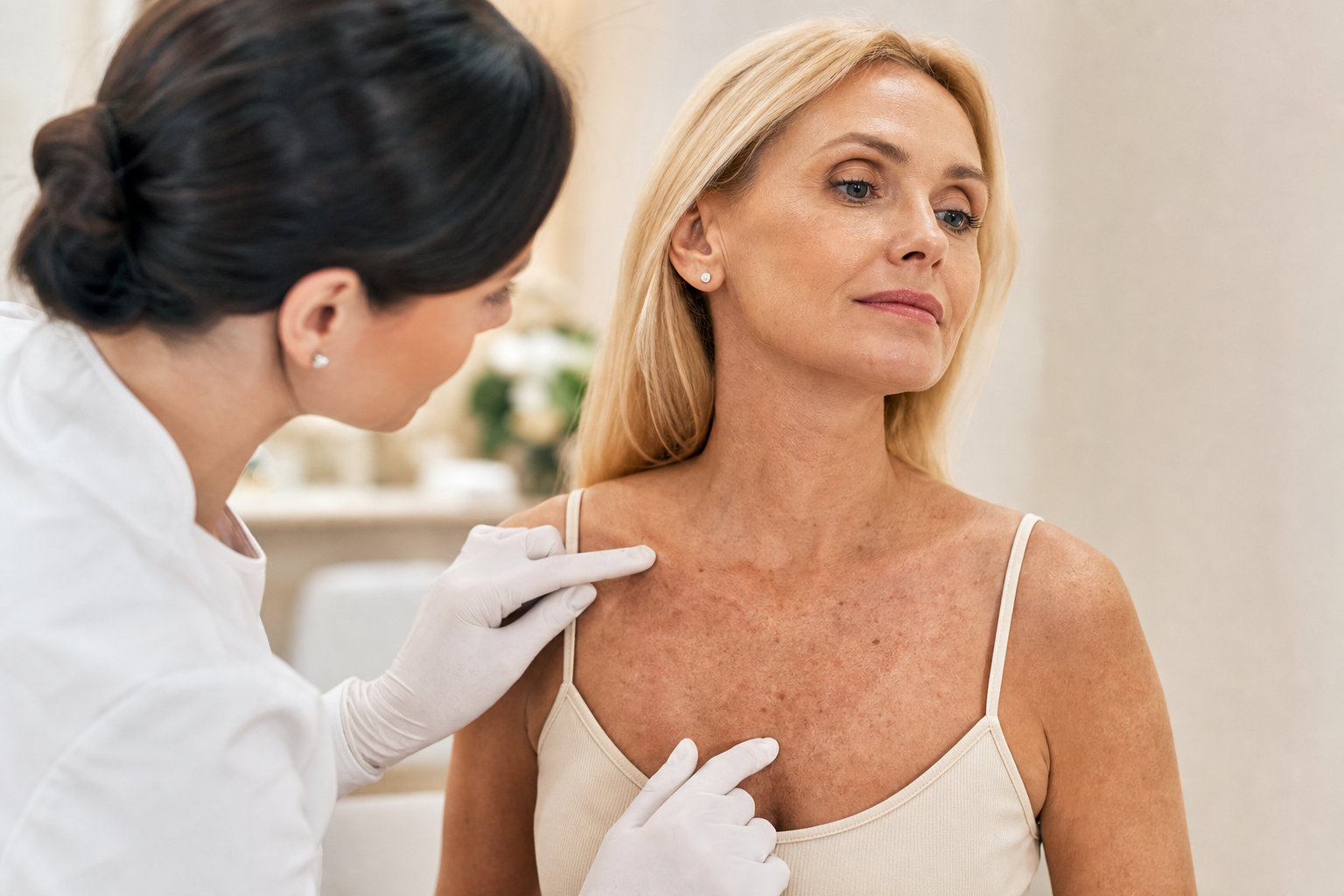
Dark Spots on the Décolletage: Laser Treatment Options
Dark spots on the décolletage, often caused by sun exposure and aging, pose a common cosmetic concern. Laser treatments offer targ...
Read more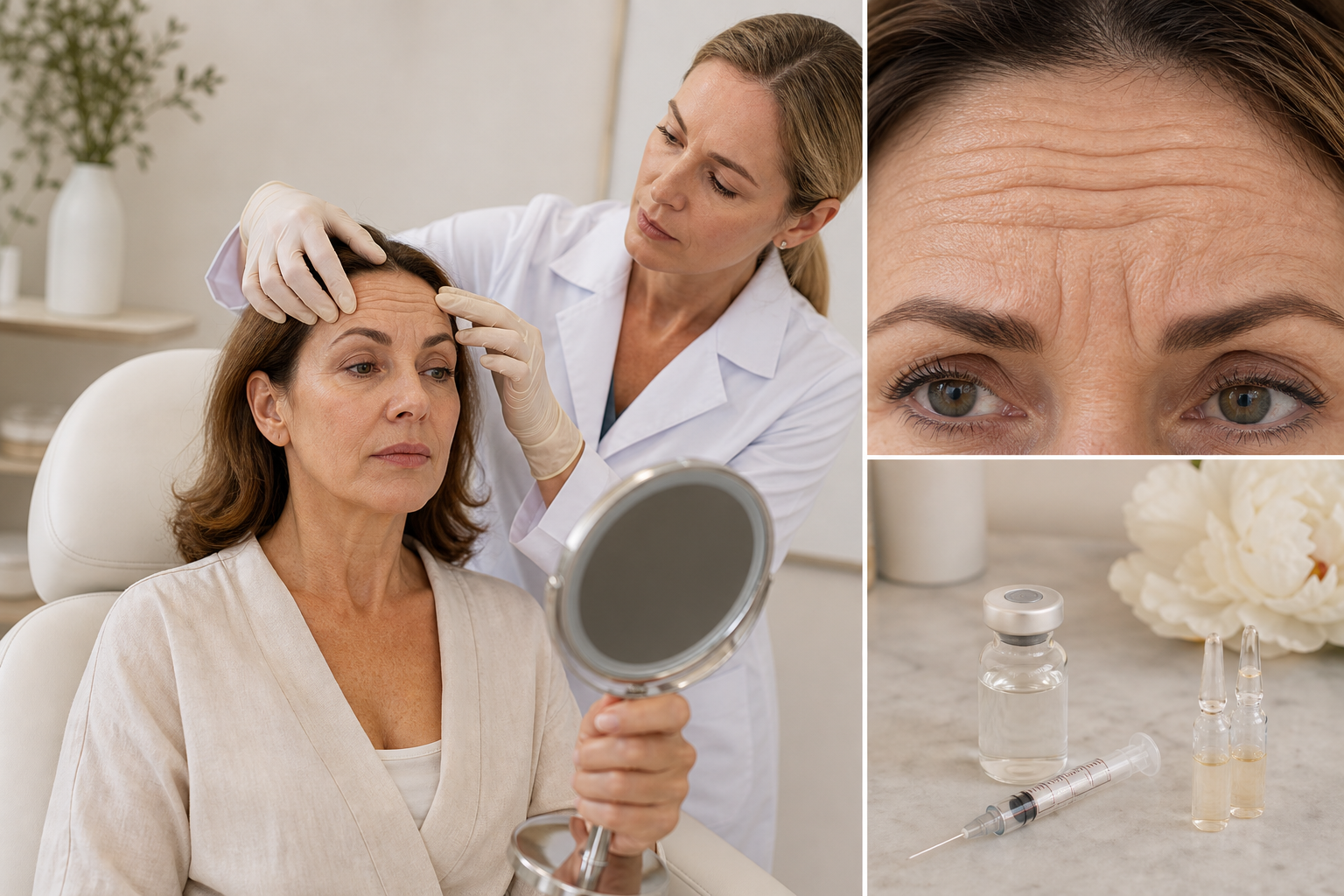
Deep Forehead Wrinkles: When Botox Alone Isn’t Enough
Deep forehead wrinkles pose a complex challenge that Botox injections alone may not fully resolve, particularly for deep, static c...
Read more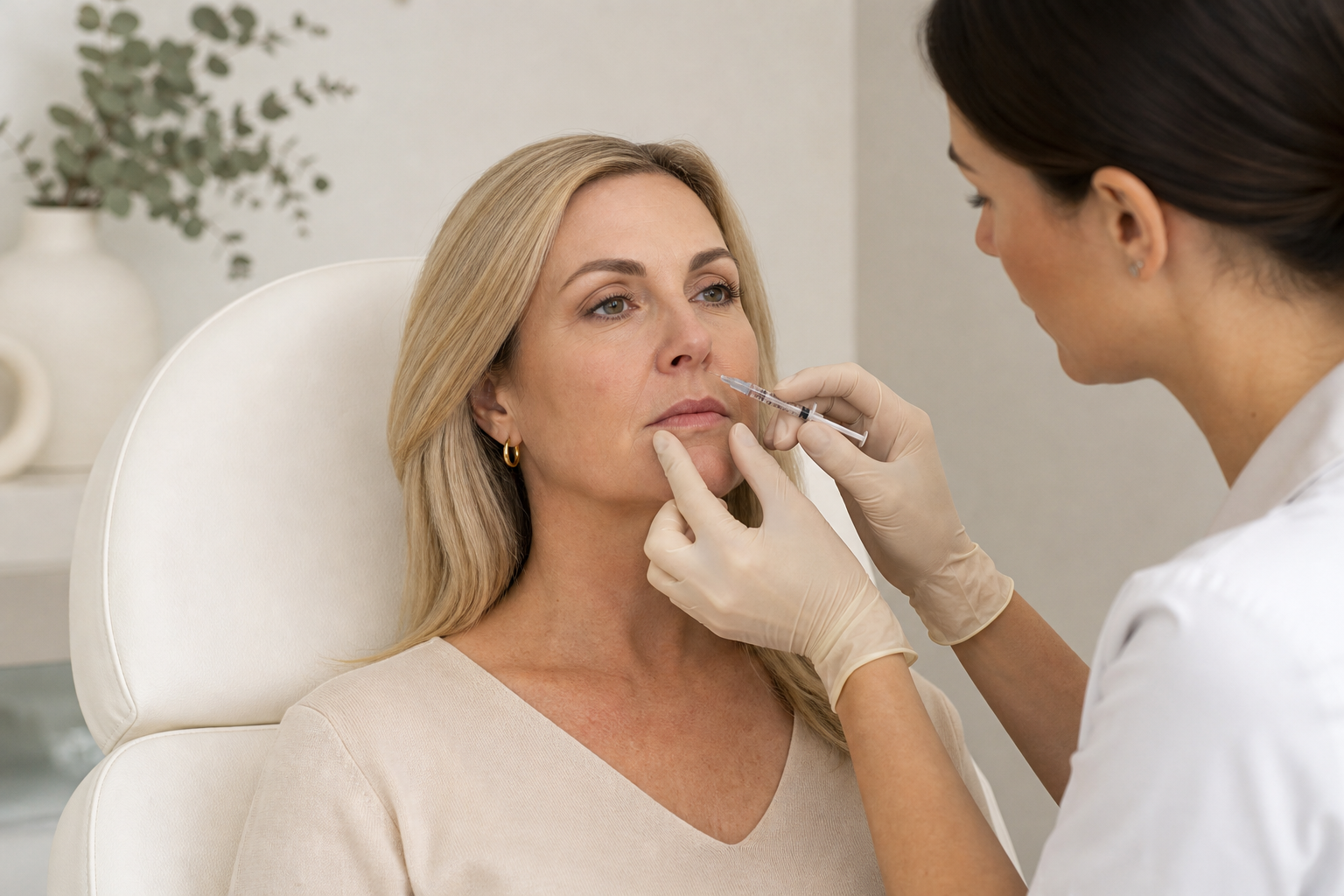
Lines Above the Upper Lip: When Botox Has Its Limits
Lines above the upper lip, often called smoker's lines, result from both muscle movement and aging skin changes. While Botox can s...
Read more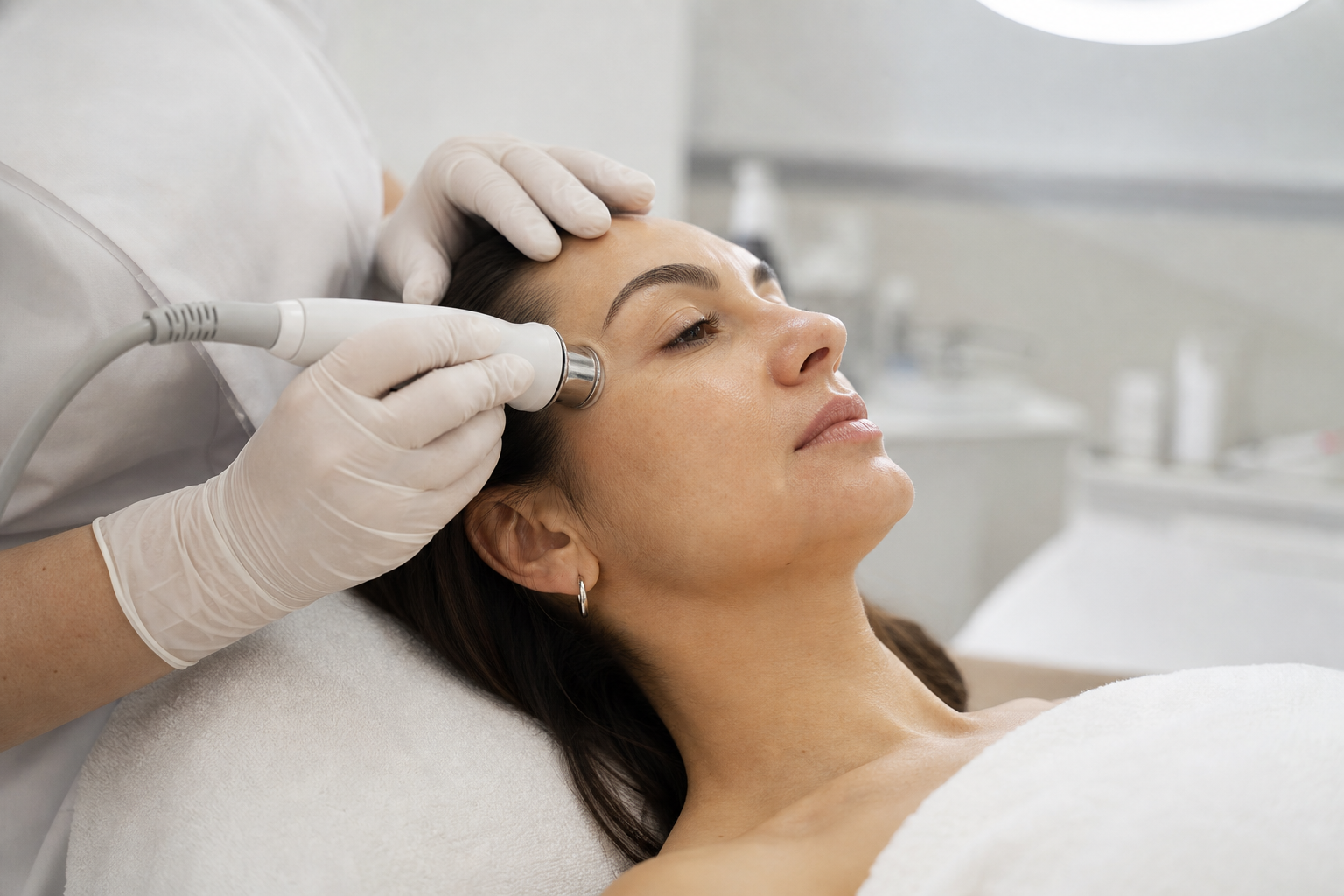
Radiofrequency Treatments for Fine Lines Around the Eyes
Radiofrequency (RF) treatments offer a non-invasive way to reduce fine lines around the eyes by stimulating natural collagen produ...
Read more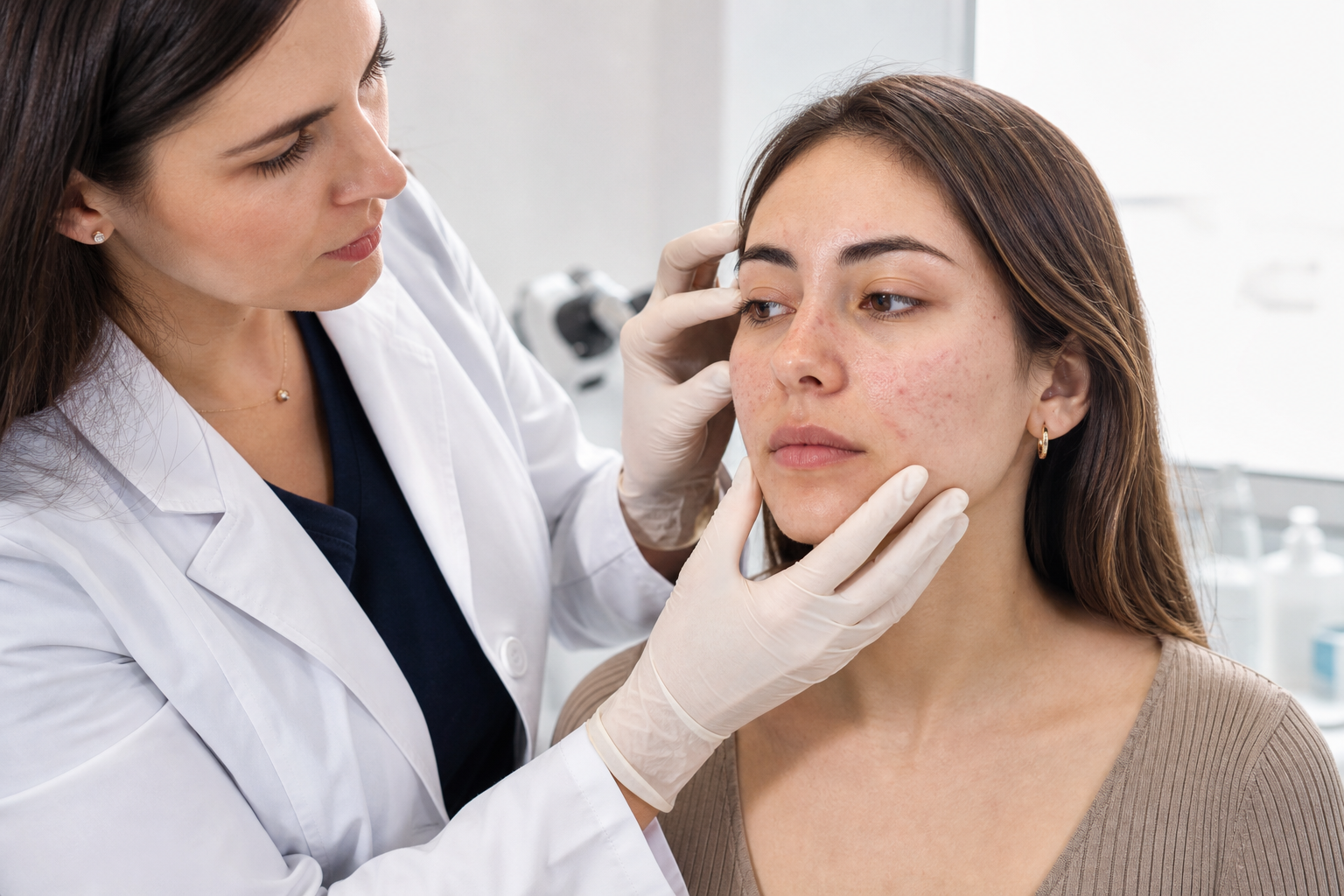
Red Spots After Pimples: Erythema or Scarring?
Red spots that remain after pimples heal are often due to post-inflammatory erythema or acne scarring. Understanding these conditi...
Read more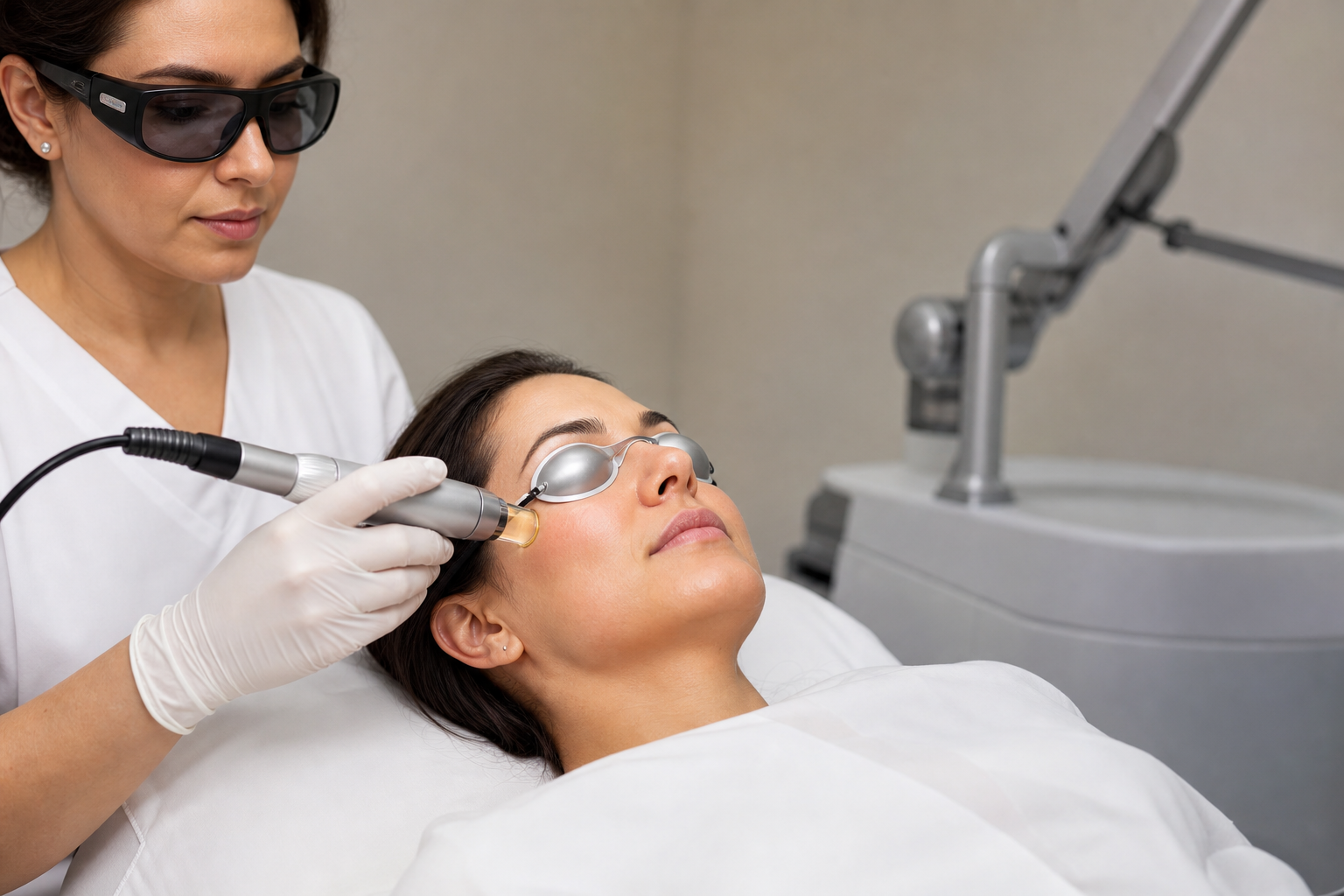
Ablative vs Non-Ablative Lasers: Key Differences
Ablative and non-ablative lasers provide distinct approaches to skin treatment by either removing layers of skin or stimulating co...
Read more
How Botulinum Toxin Works to Control Excessive Sweating
Botulinum toxin offers an effective treatment for hyperhidrosis by blocking nerve signals that trigger sweat glands, significantly...
Read more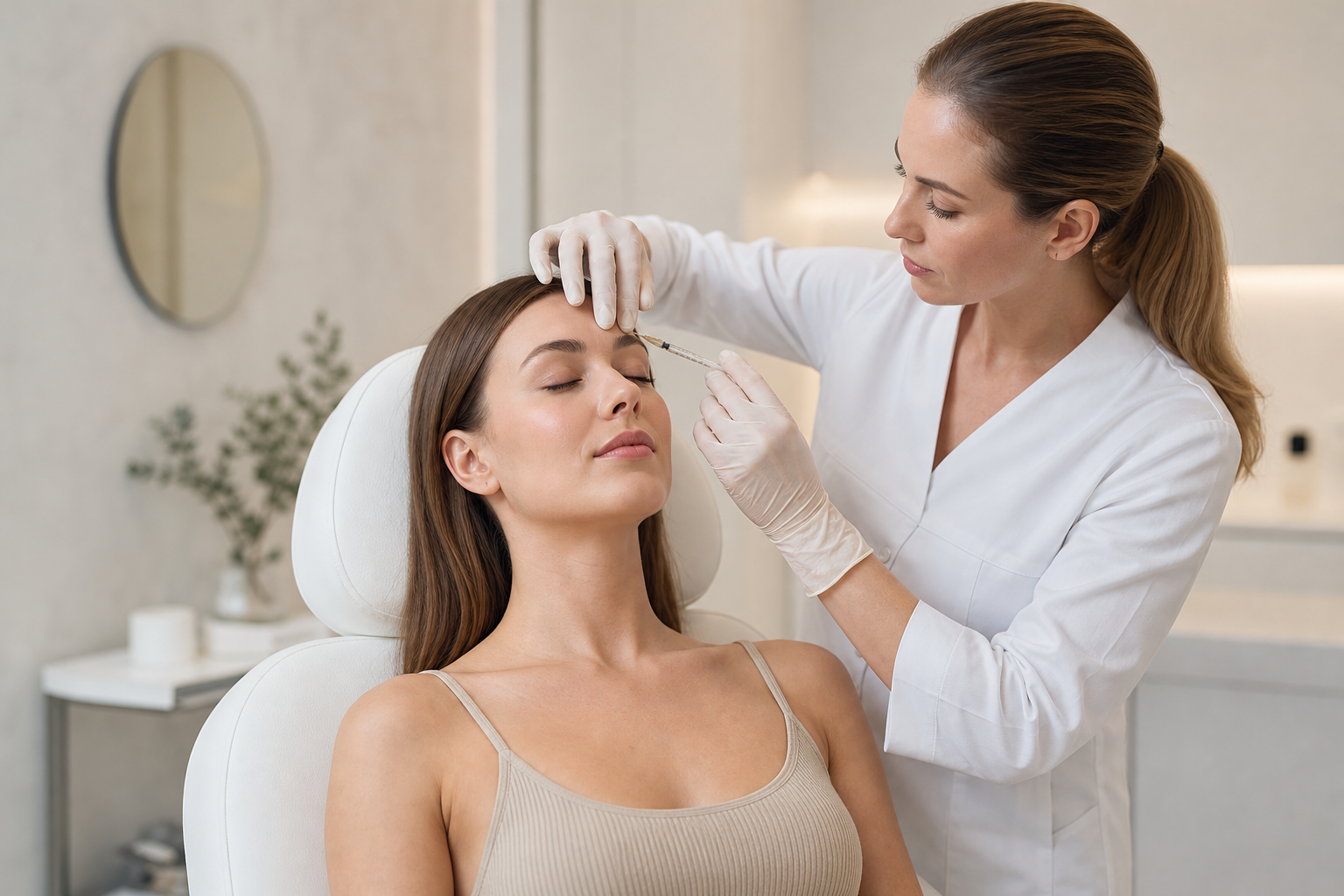
When Does Botox Start to Work?
Botox typically begins to take effect within 24 to 72 hours after injection, with full visible results appearing between 7 and 14...
Read more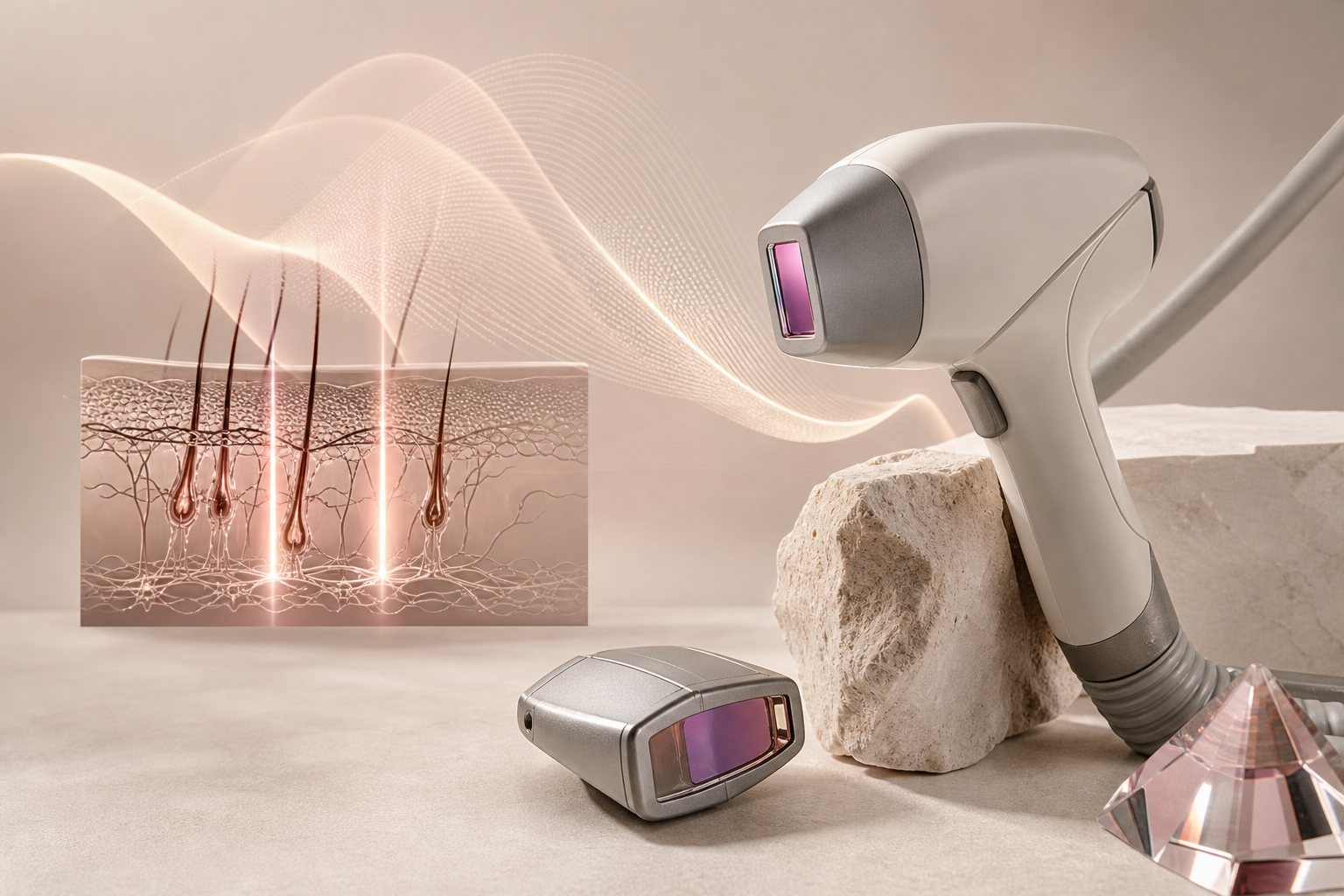
Alexandrite Laser – Complete Guide to Technology, Applications and Results
The Alexandrite laser is a leading technology in laser hair removal and dermatological treatments, known for targeting melanin wit...
Read more
Drooping Eyebrows vs. Excess Eyelid Skin: How to Tell the Difference
Drooping eyebrows and excess eyelid skin are distinct aging concerns affecting appearance and vision. Understanding their anatomic...
Read more
Can Laser Treatment Cause Scarring?
Laser treatments can carry a risk of scarring, influenced by patient skin type, device settings, and procedural care. Special caut...
Read more
Surface and Deep Radiofrequency Skin Heating
Surface and deep radiofrequency (RF) skin heating are innovative non-surgical techniques that rejuvenate and tighten skin by stimu...
Read more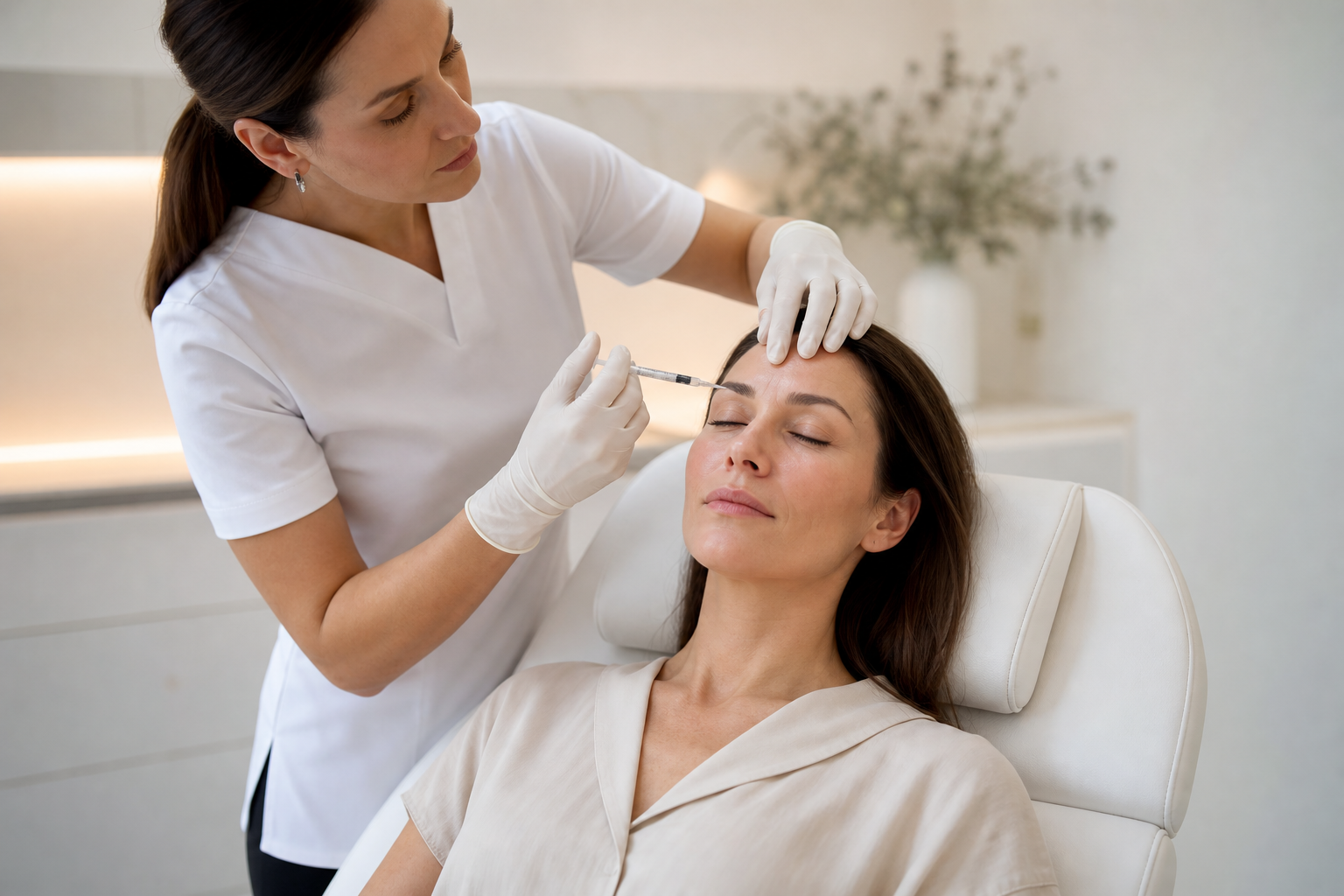
Botox Treatment for the Forehead and Glabellar Region
Botox treatment for the forehead and glabellar region offers an effective approach to reduce wrinkles and refresh facial expressio...
Read more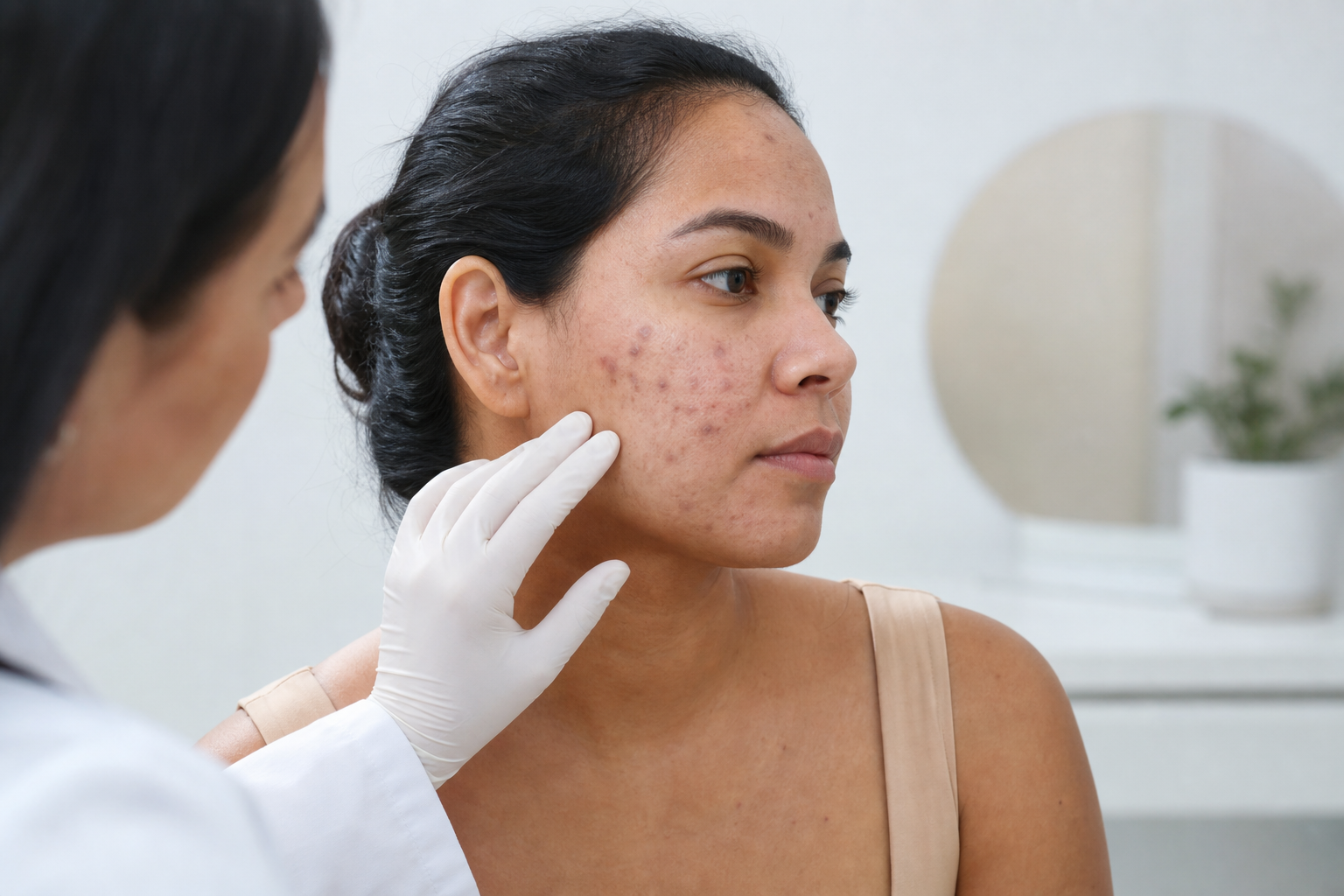
Why Should Active Acne Be Controlled Before Treating Dark Marks?
Controlling active inflammatory acne before addressing dark marks is crucial to prevent worsening pigmentation and scarring. Diffe...
Read more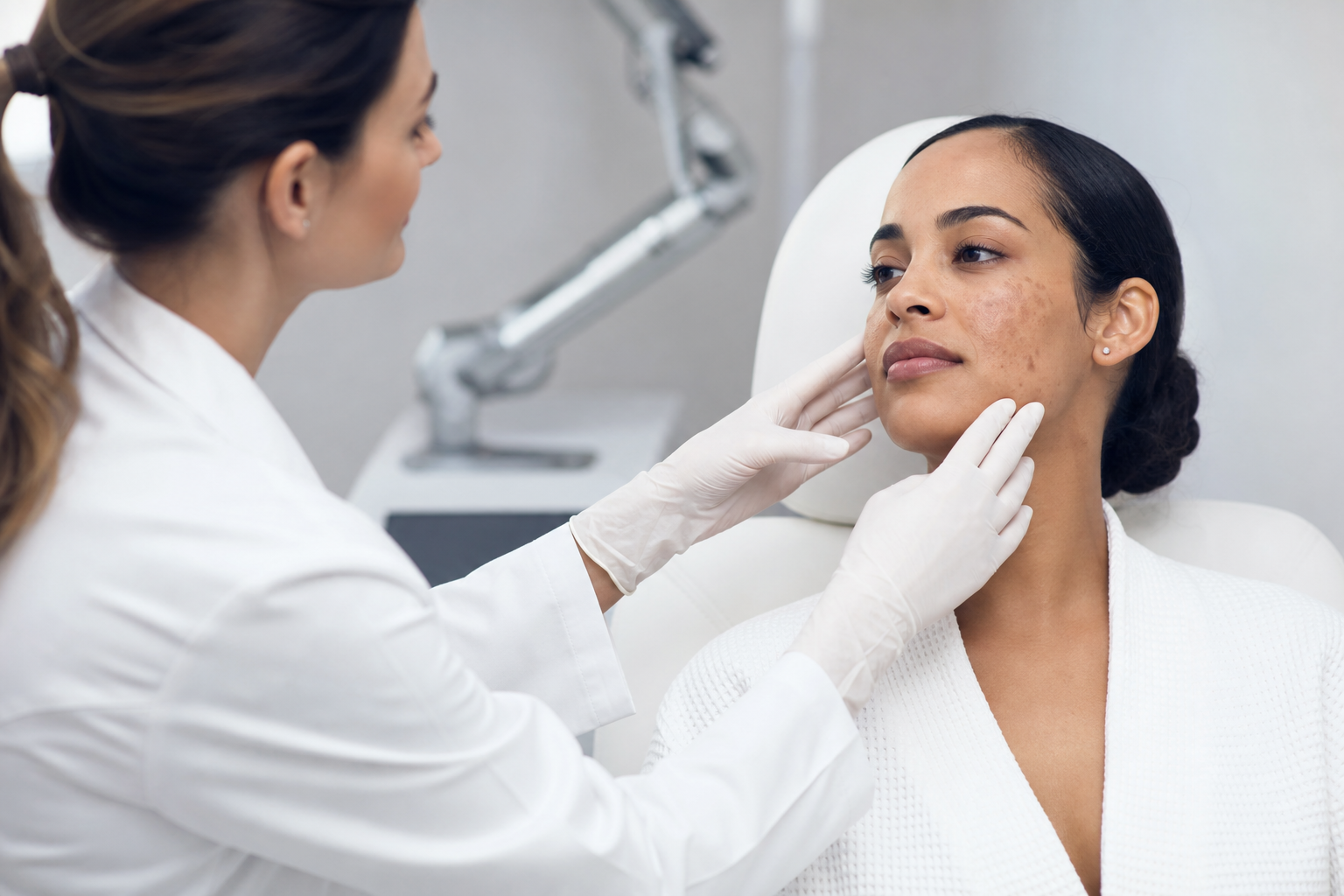
Post-Inflammatory Hyperpigmentation After Laser Treatment
Post-inflammatory hyperpigmentation (PIH) after laser treatment is a prevalent concern that affects skin appearance and patient sa...
Read more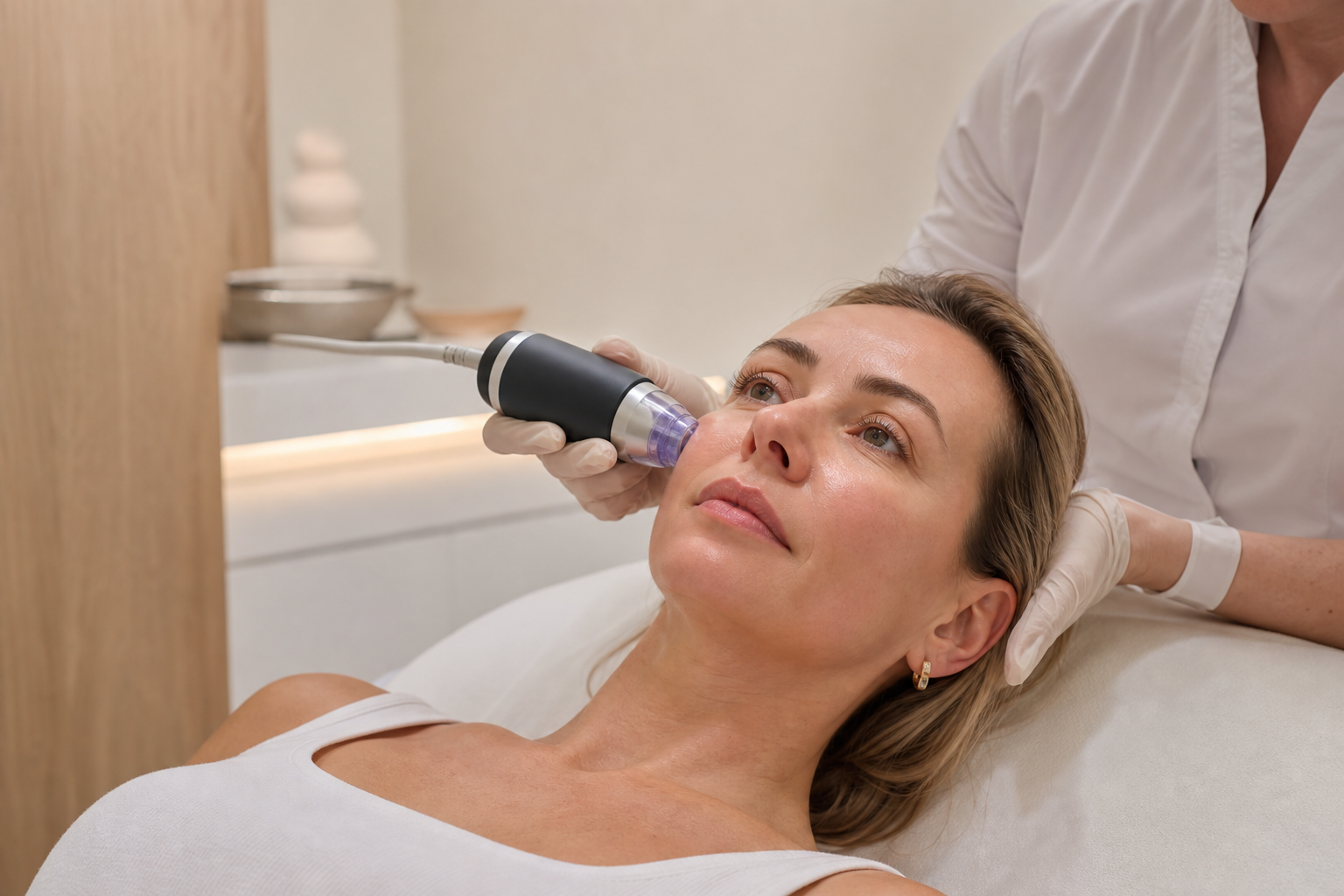
When to Schedule RF Maintenance Treatments
Radiofrequency (RF) skin tightening is a non-surgical treatment that enhances skin firmness by stimulating collagen production. Pr...
Read more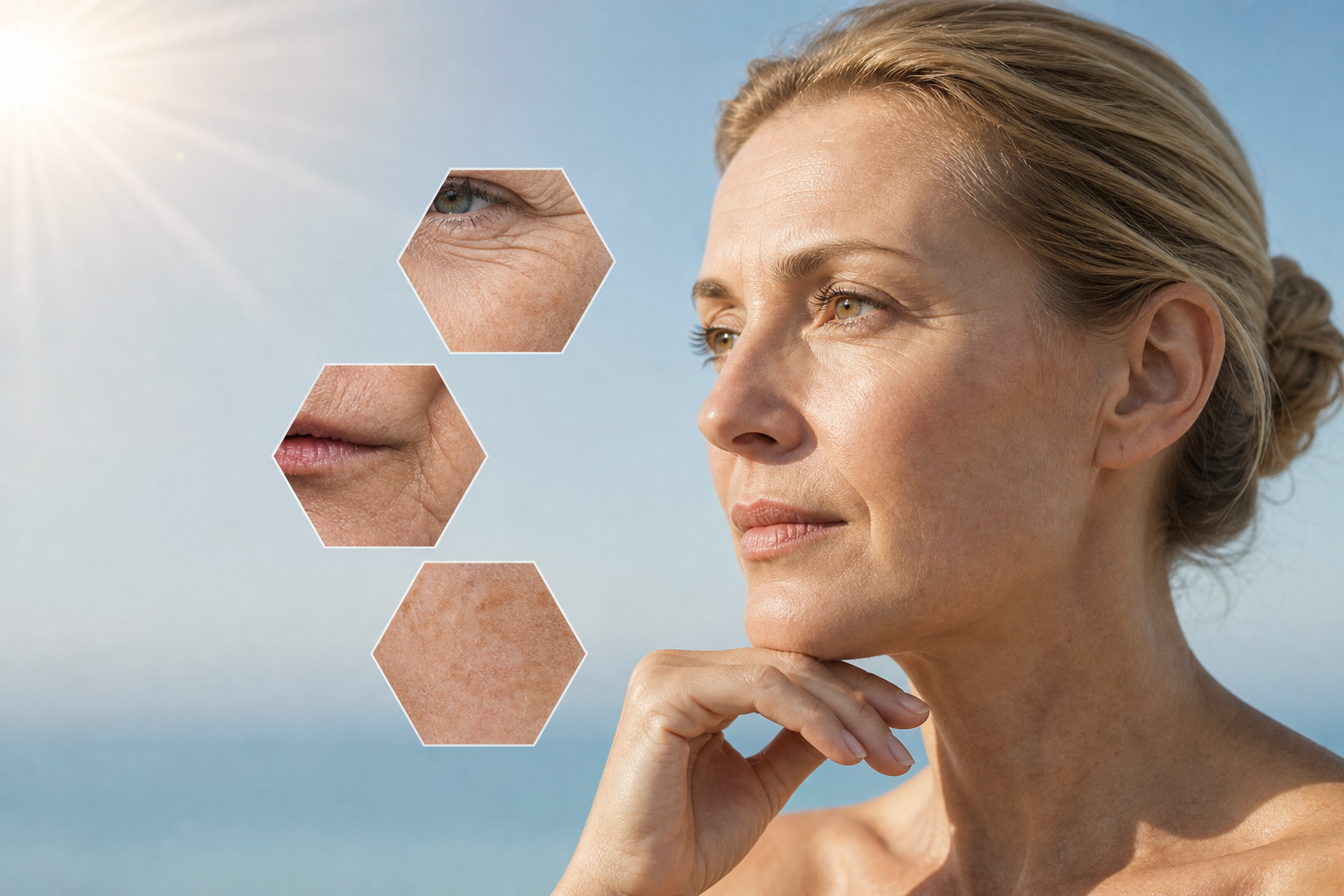
The Impact of Sun Exposure on Wrinkles and Treatment Selection
Sun exposure significantly accelerates wrinkle formation by damaging skin collagen and elastin, leading to premature aging. Unders...
Read more
Understanding Botulinum Toxin Units: Mechanism, Expectations, and Safety
Botulinum toxin units measure the biological potency of Botox, guiding precise dosing for effective and safe treatments. Understan...
Read more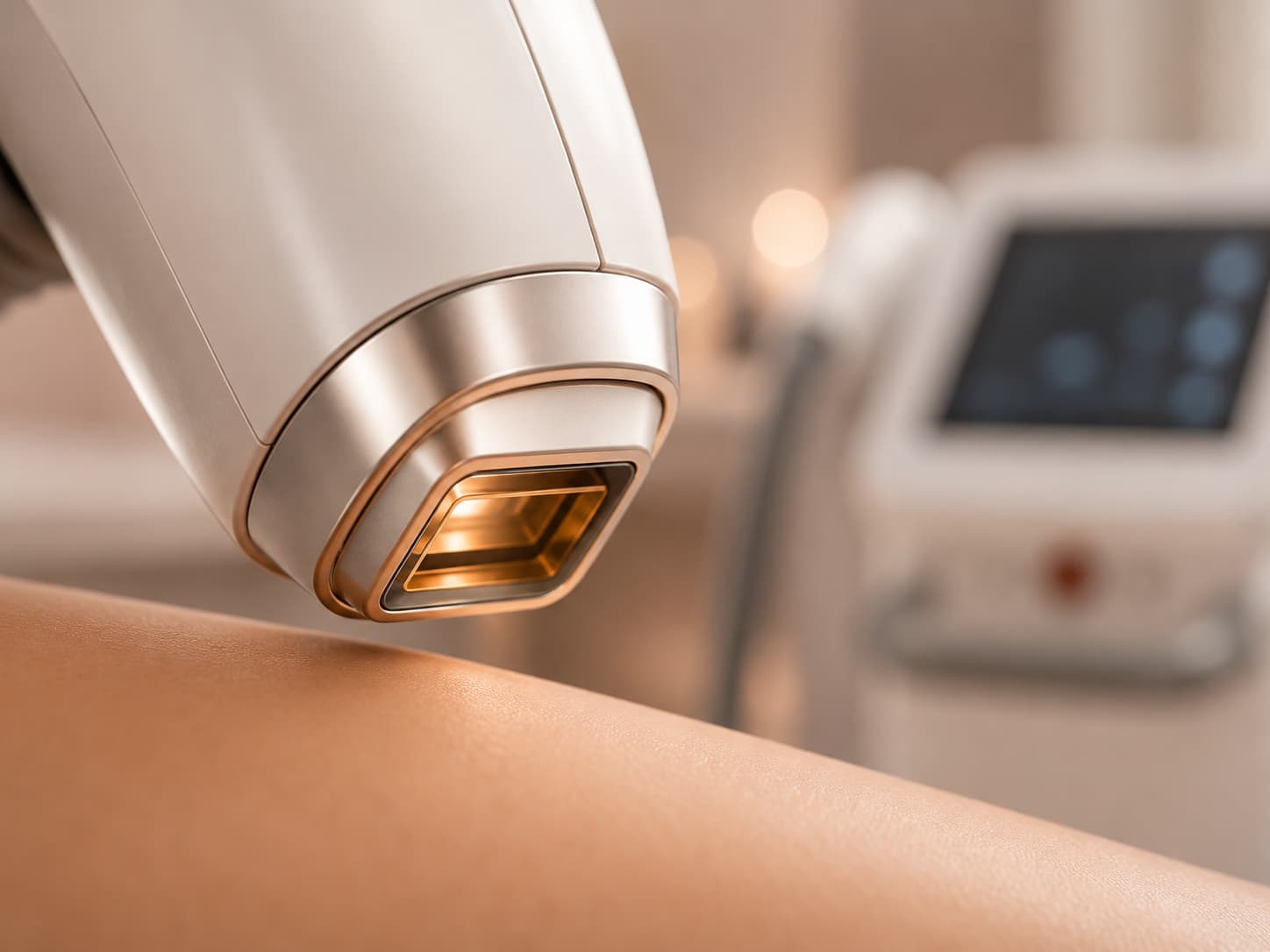
Why Laser Quality Makes a Difference in Laser Hair Removal Results
Laser quality plays a crucial role in the effectiveness and safety of laser hair removal treatments. Advanced laser technologies e...
Read more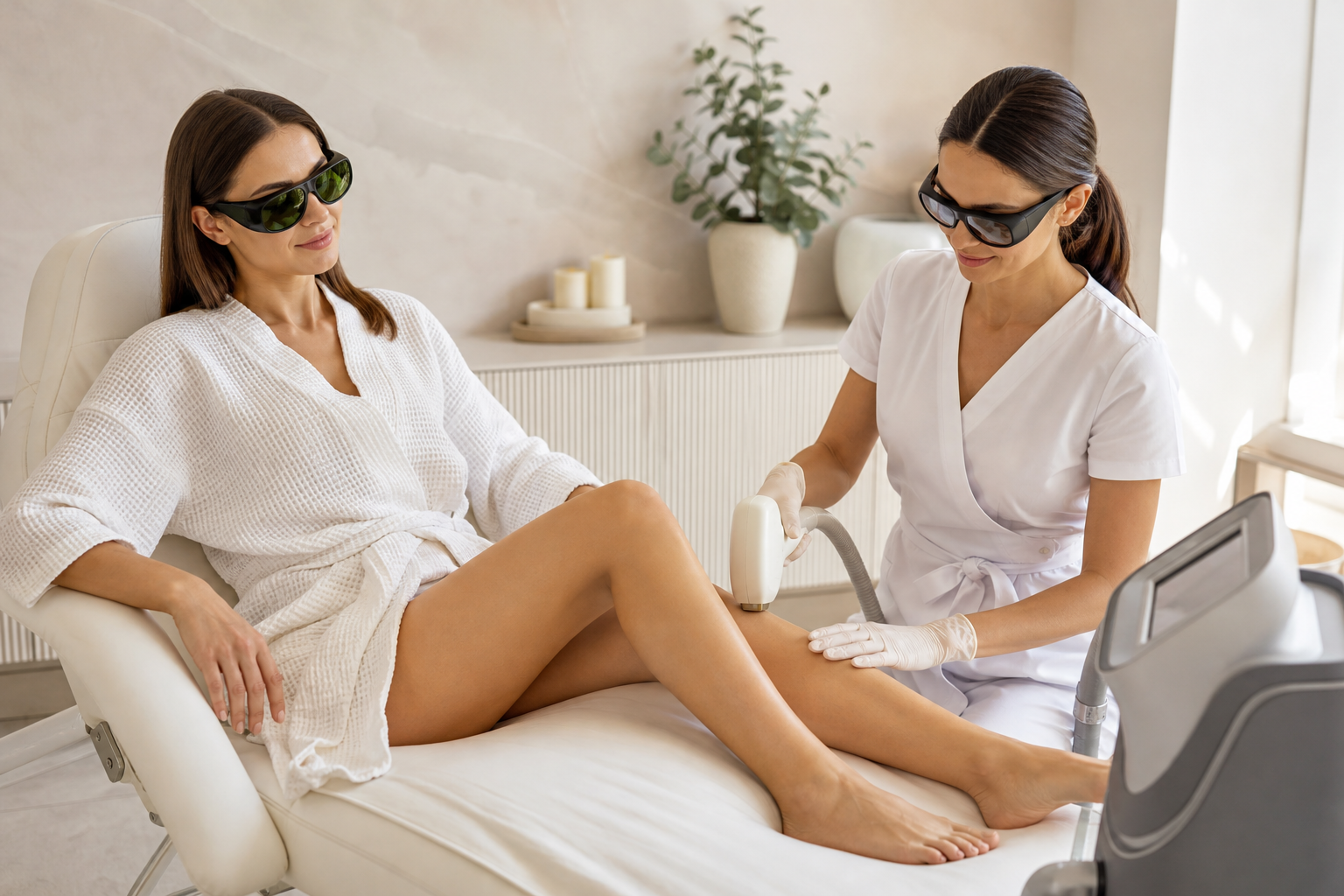
What Happens to Hair After Laser Hair Removal?
Laser hair removal uses concentrated light to damage hair follicles, leading to gradual hair shedding and long-term reduction in h...
Read more
Botox and Microneedling: What Does the Doctor Assess?
Botox and microneedling are distinct yet complementary aesthetic treatments requiring thorough medical evaluation. Doctors assess...
Read more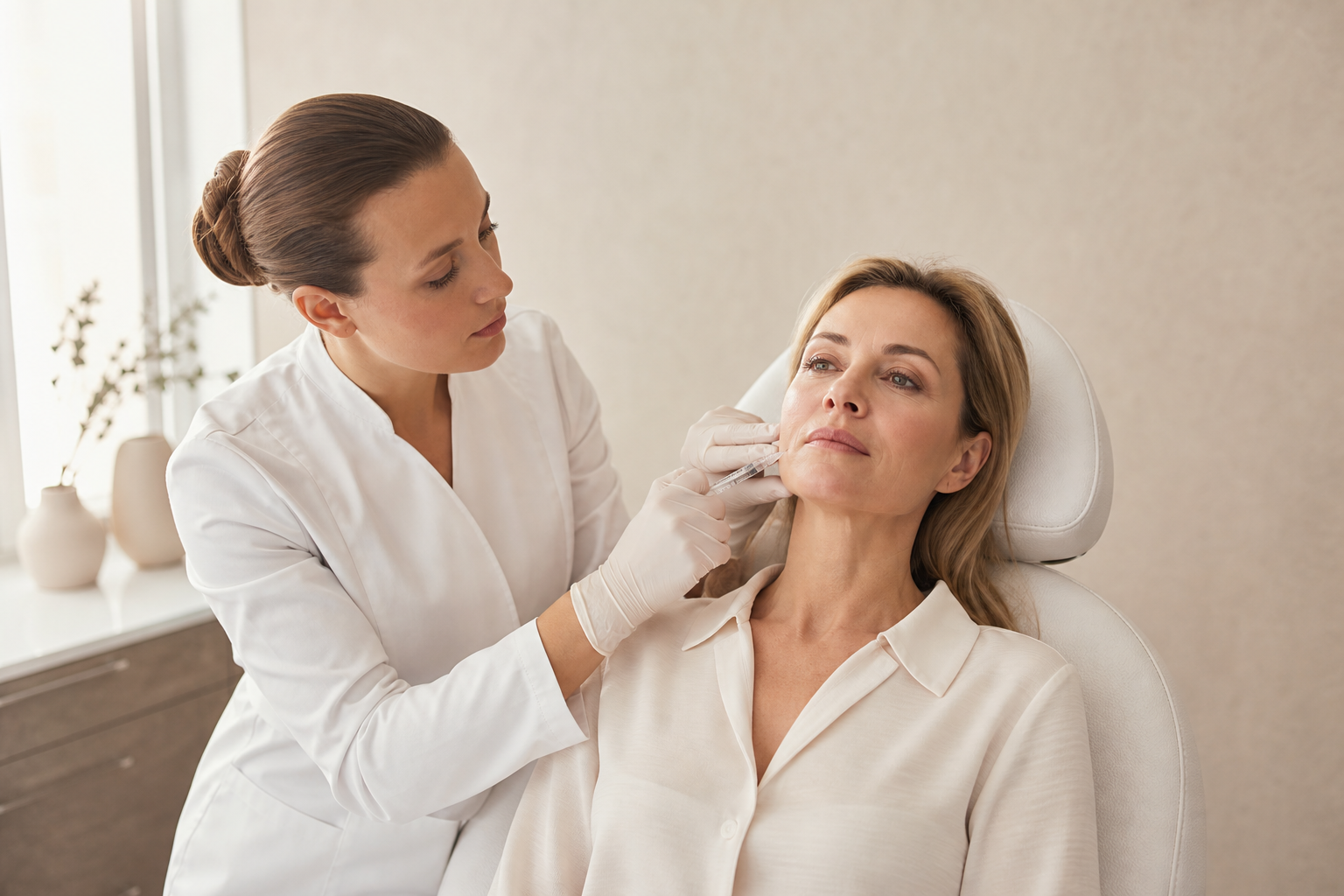
Botox for Drooping Mouth Corners: Capabilities and Limitations
Botox offers a targeted, non-surgical option to elevate drooping mouth corners by relaxing muscles that pull downward. This articl...
Read more
Laser for Acne Scars – Which Treatments Are Used?
Laser treatments offer a targeted approach to soften and reduce the visibility of acne scars by stimulating collagen production an...
Read more
Does Botox Cause Dependence?
Botox, widely used for facial rejuvenation, does not cause physical dependence as its effects are temporary and localized. Psychol...
Read more
Redness After Laser Hair Removal
Redness after laser hair removal, known as perifollicular redness, is a common skin reaction caused by the targeted heat impacting...
Read more
How to Assess Your Annual Botox Expenses
Understanding and planning your annual Botox expenses is essential for maintaining effective, safe, and consistent aesthetic resul...
Read more
Collagen and Laser Skin Tightening – How It Works
Collagen and laser skin tightening are effective, minimally invasive treatments that stimulate the skin's natural collagen product...
Read more
Freckles, Age Spots and Melasma: What Is the Difference?
Freckles, age spots, and melasma are distinct types of skin pigmentation with different causes and characteristics. Understanding...
Read more
Laser Hair Removal in Summer
Laser hair removal during summer is possible with careful planning and individualized care. Factors like skin type, recent tanning...
Read more
Botox During Pregnancy: Why This Aesthetic Treatment Is Postponed
Botox is a popular cosmetic treatment that temporarily smooths wrinkles by relaxing facial muscles. However, due to safety concern...
Read more
What Is the Best Season for Pigmentation Treatment?
Pigmentation treatment outcomes are significantly influenced by the season in which therapy is performed. Cooler seasons like autu...
Read more
How Long Does a Facial RF Treatment Last?
Facial RF treatment utilizes radiofrequency energy to tighten and rejuvenate skin non-invasively. Sessions typically last 30 to 60...
Read more
Why Units of Different Preparations Are Not Directly Comparable
Botulinum toxin units differ significantly between various commercial preparations due to unique manufacturing processes and biolo...
Read more
Common Skin Reactions After Tattoo Removal
Laser tattoo removal commonly leads to skin reactions such as redness, swelling, itching, and pigment changes. Understanding these...
Read more
Is Facial RF Treatment Safe?
Facial RF treatment employs radiofrequency waves to rejuvenate and tighten skin by stimulating collagen and elastin production. Th...
Read more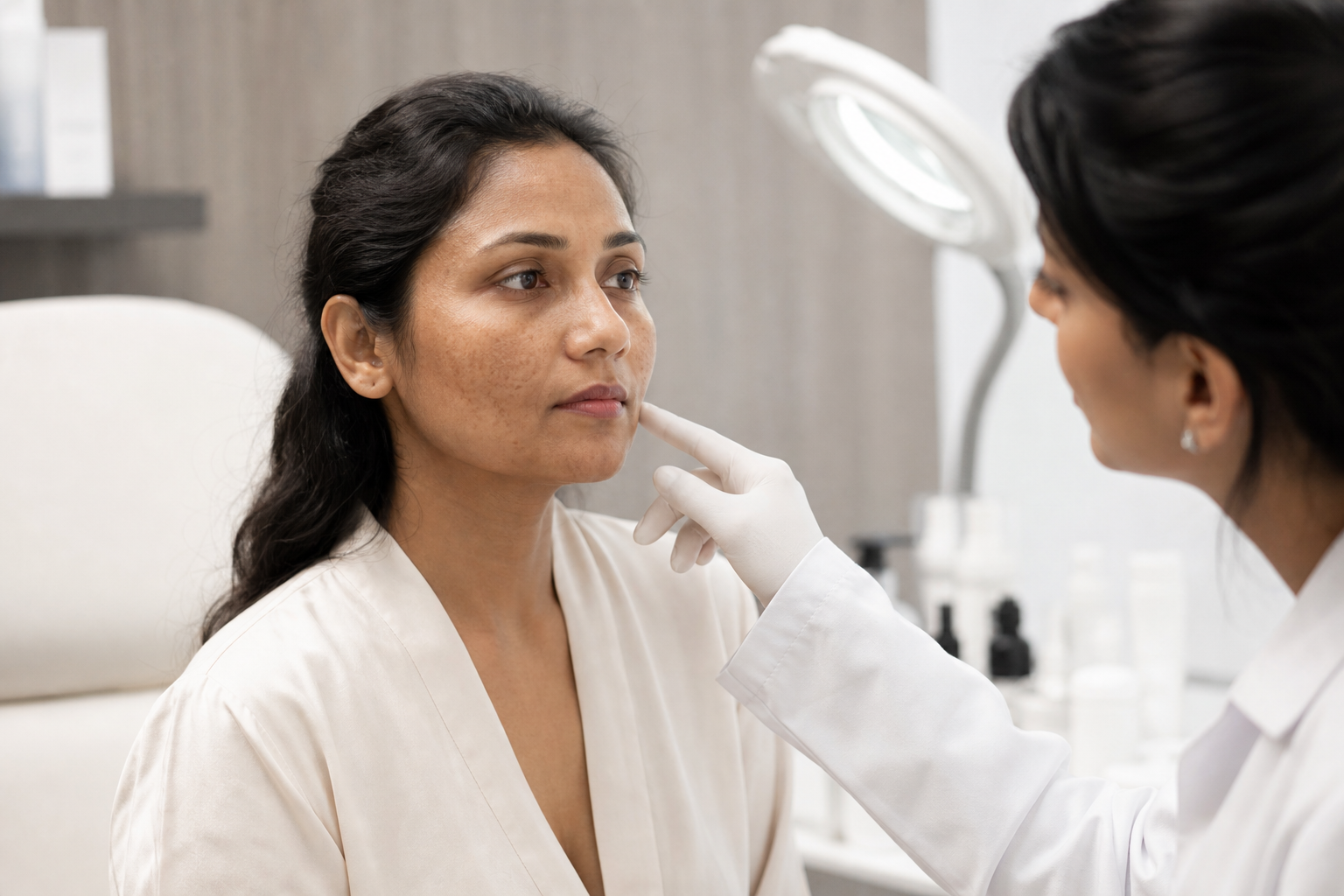
Combining Laser and Topical Therapy for Melasma
Melasma is a chronic hyperpigmentation disorder that requires careful management to avoid worsening or recurrence. Combining laser...
Read more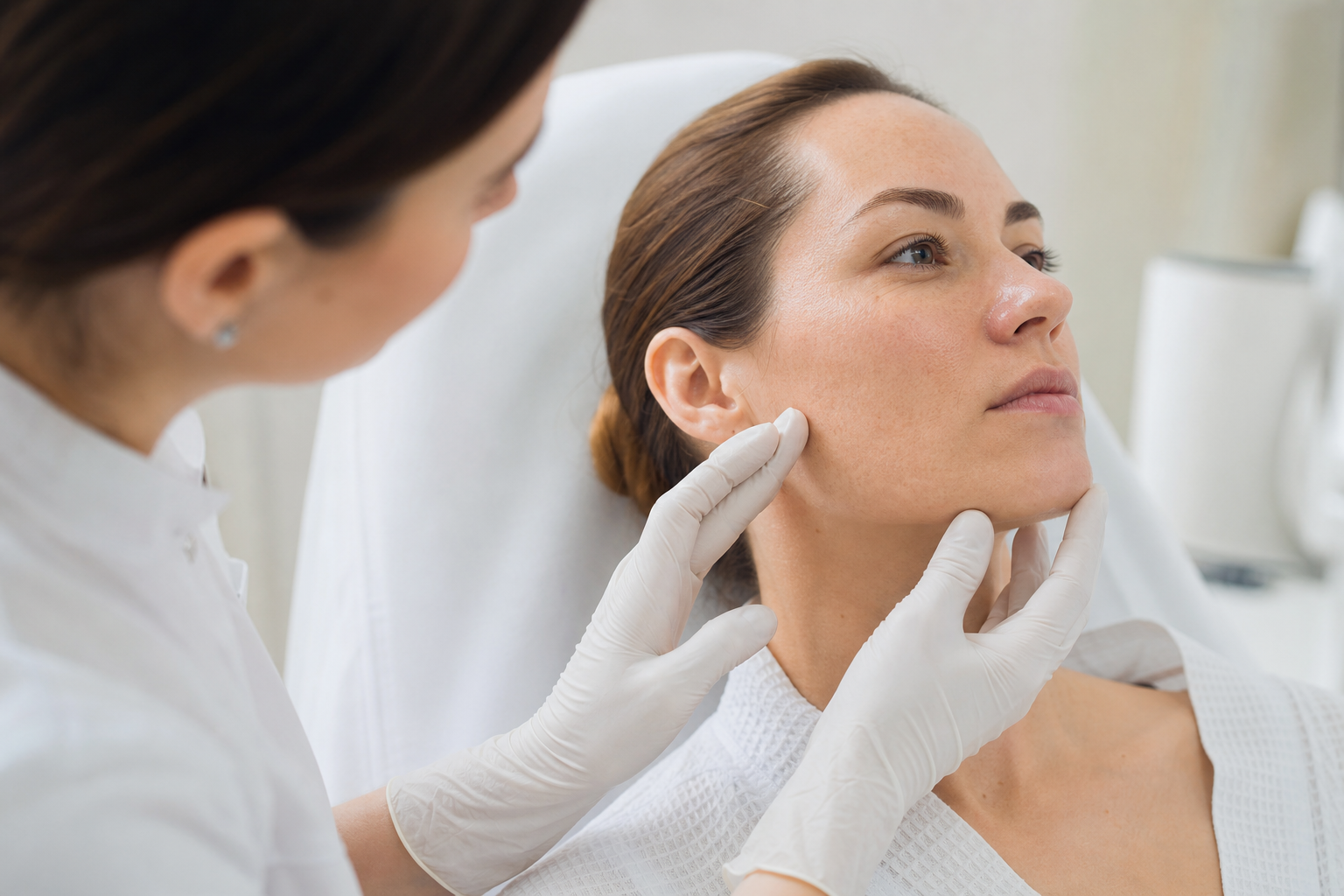
How Many Laser Treatments Are Needed for Visible Skin Improvement?
Laser treatments for skin improvement vary significantly in the number of sessions required, influenced by whether the approach is...
Read more
Preventive Botox: Meaning and Limitations Explained
Preventive Botox is an anticipatory aesthetic treatment designed to delay wrinkle formation by relaxing facial muscles before deep...
Read more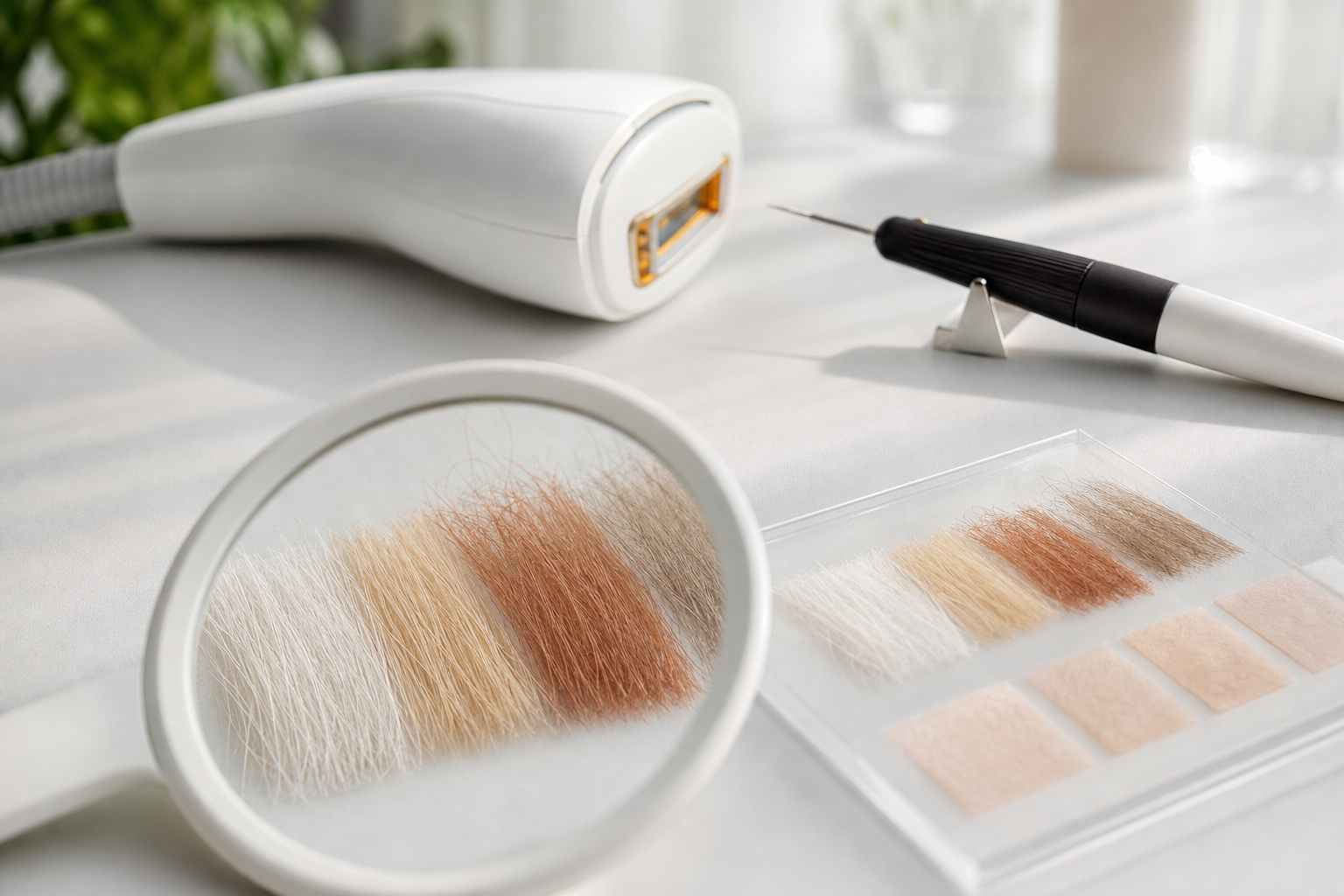
Which Hair Types Do Not Respond to Laser Hair Removal?
Laser hair removal effectiveness depends on hair pigmentation; it struggles to treat white, gray, very light blonde, many red, and...
Read more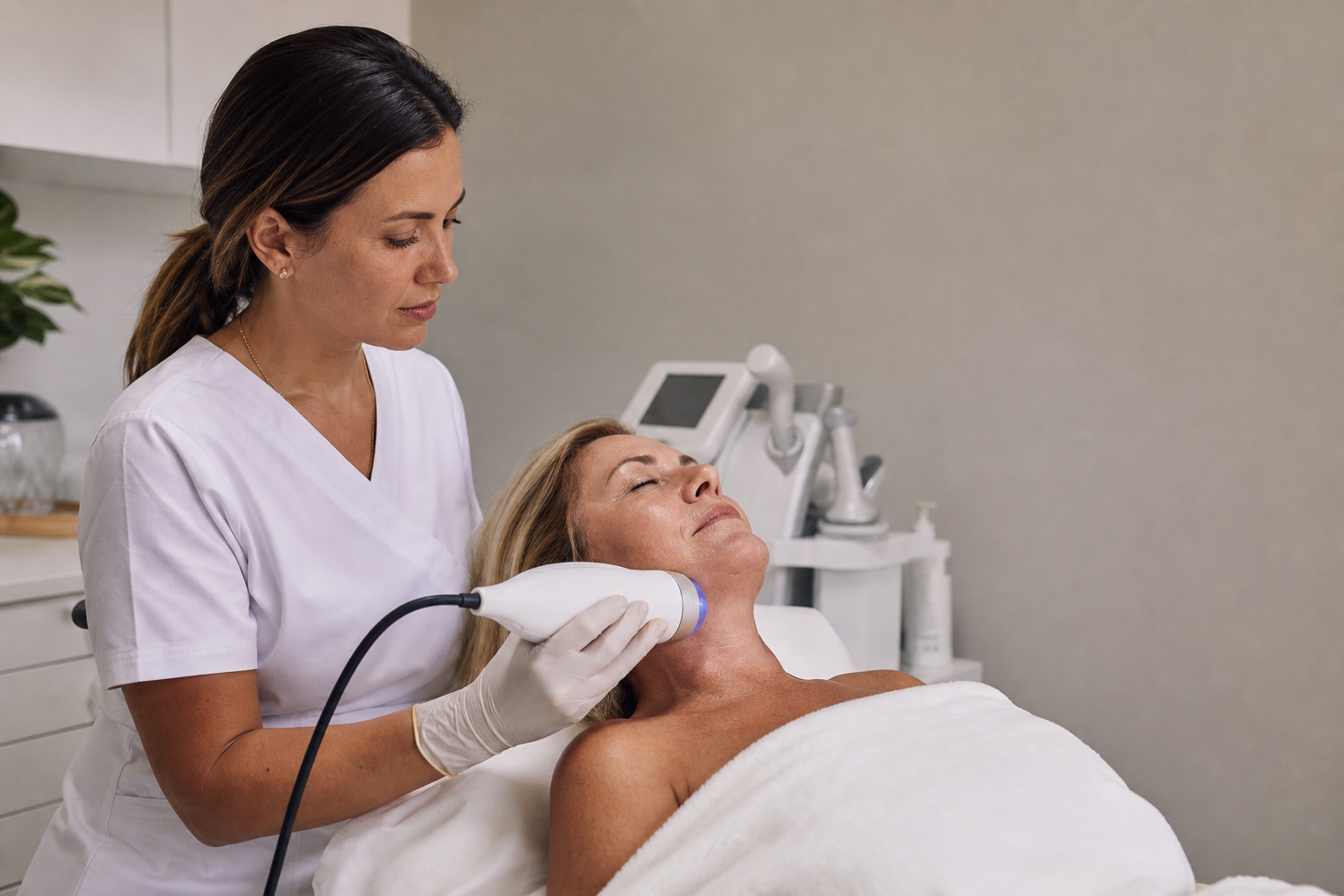
How Long is the Recovery Period After RF Lifting?
RF lifting is a non-surgical skin tightening method that uses radiofrequency energy to stimulate collagen production, resulting in...
Read more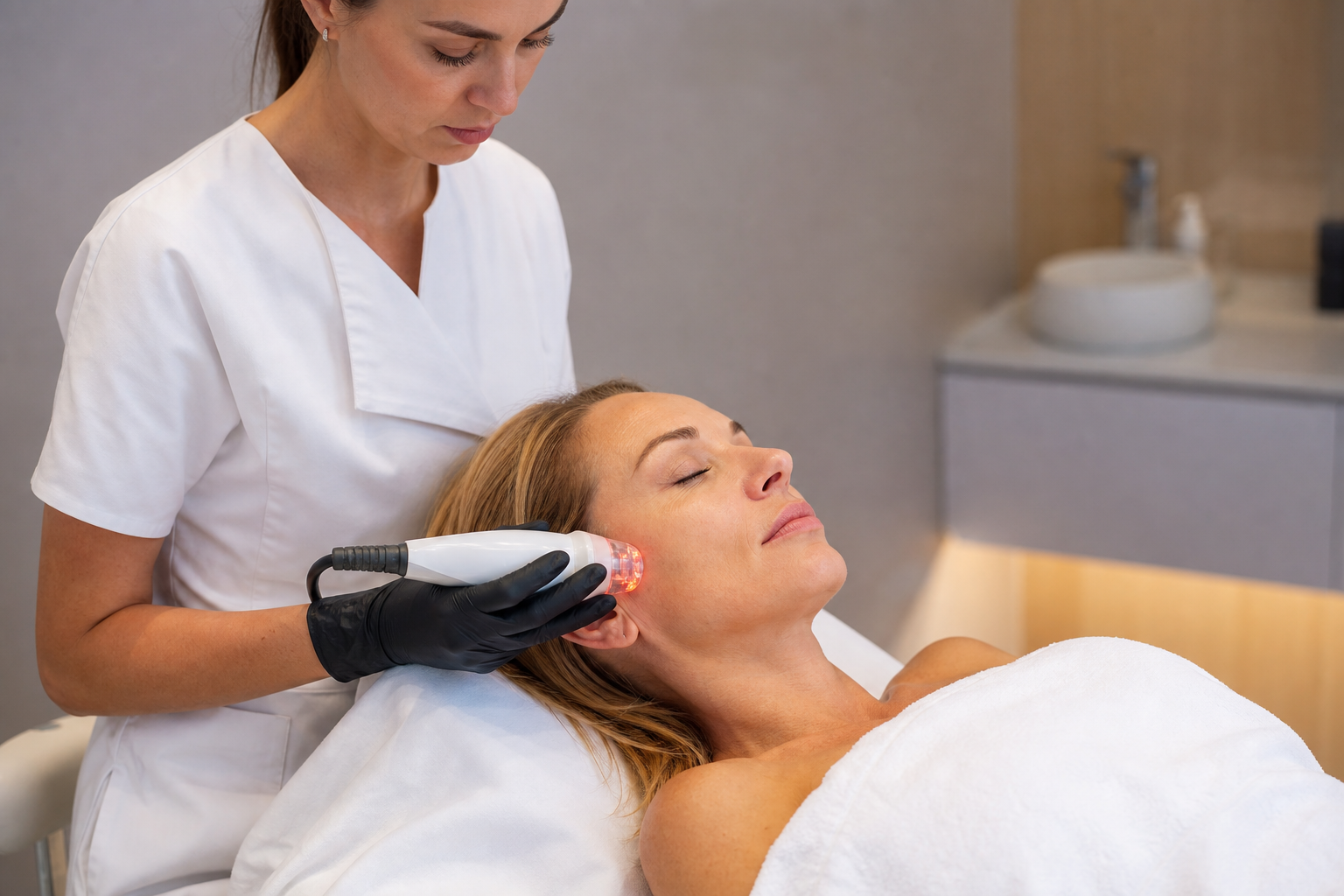
How Long Do RF Lifting Results Last?
RF lifting uses radiofrequency waves to naturally stimulate collagen and elastin production, enhancing skin firmness and elasticit...
Read more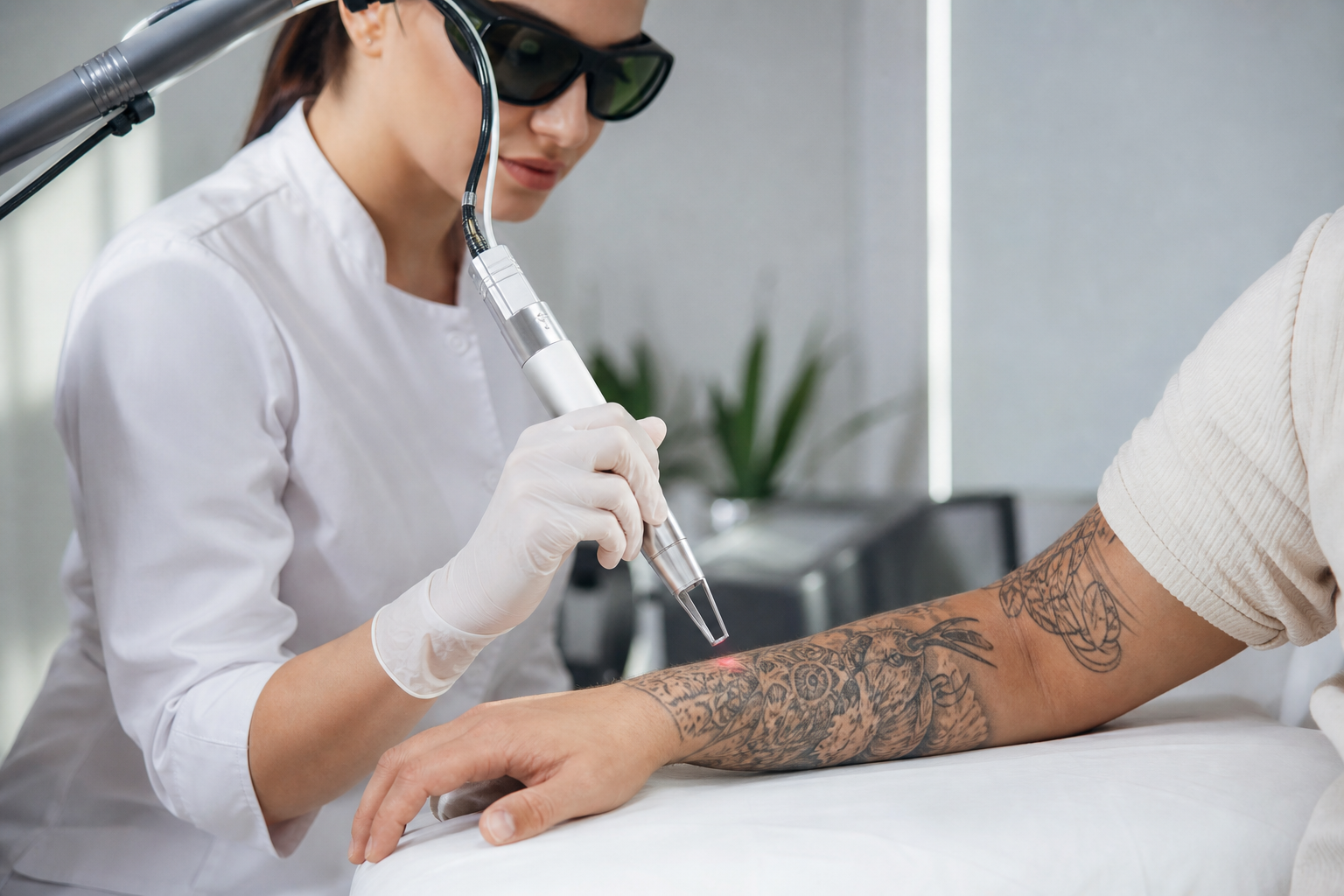
What Determines the Speed of Tattoo Removal?
The speed of tattoo removal depends on a complex interplay of factors including ink color, pigment composition, skin type, immune...
Read more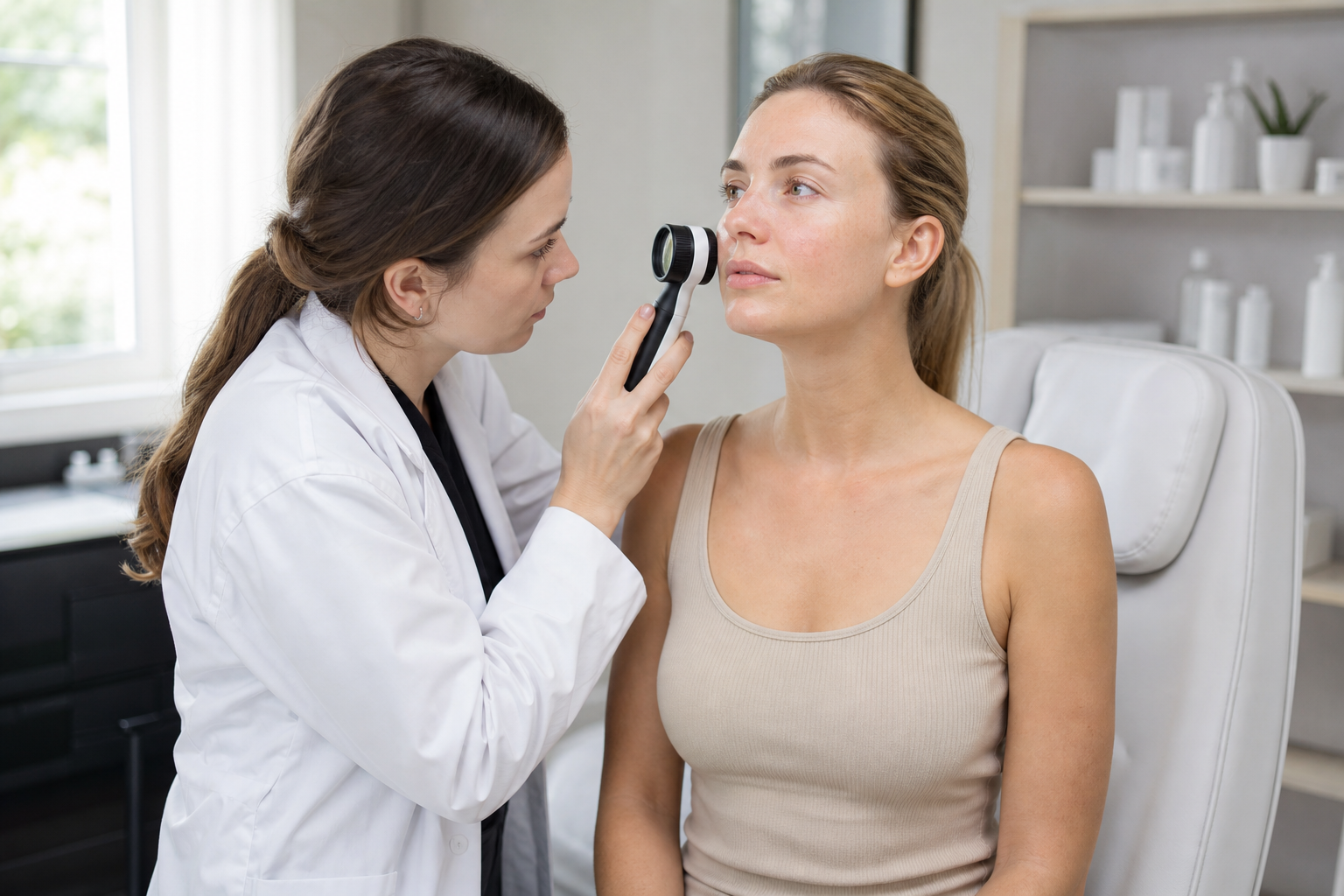
Rosacea vs. Sensitive Skin: Key Differences Explained
Facial redness often leads to confusion between rosacea and sensitive skin, conditions with distinct causes and treatments. Unders...
Read more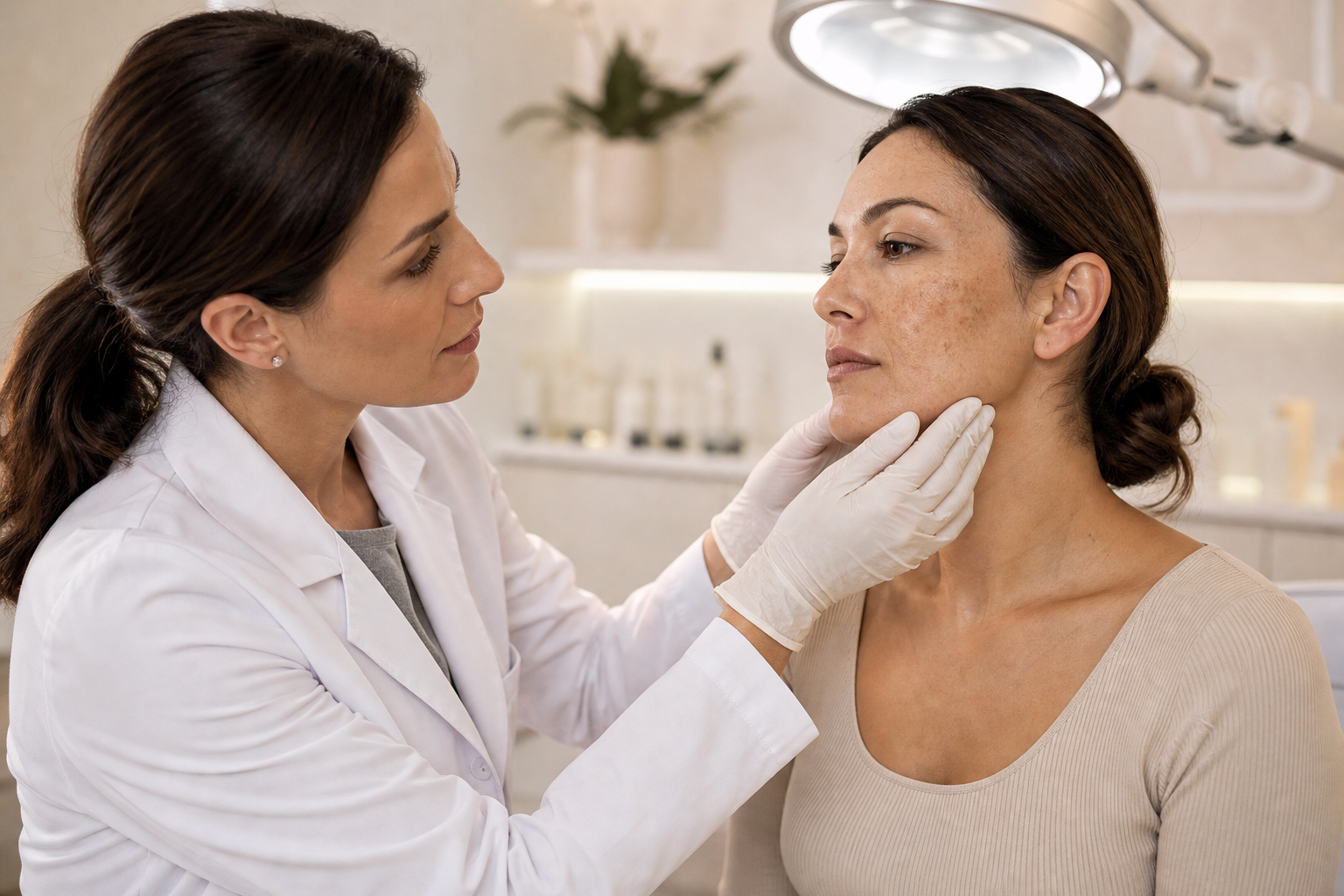
Melasma, Sun Spots and PIH: How Do They Differ?
Melasma, sun spots, and postinflammatory hyperpigmentation (PIH) are common pigmentary conditions with distinct causes and appeara...
Read more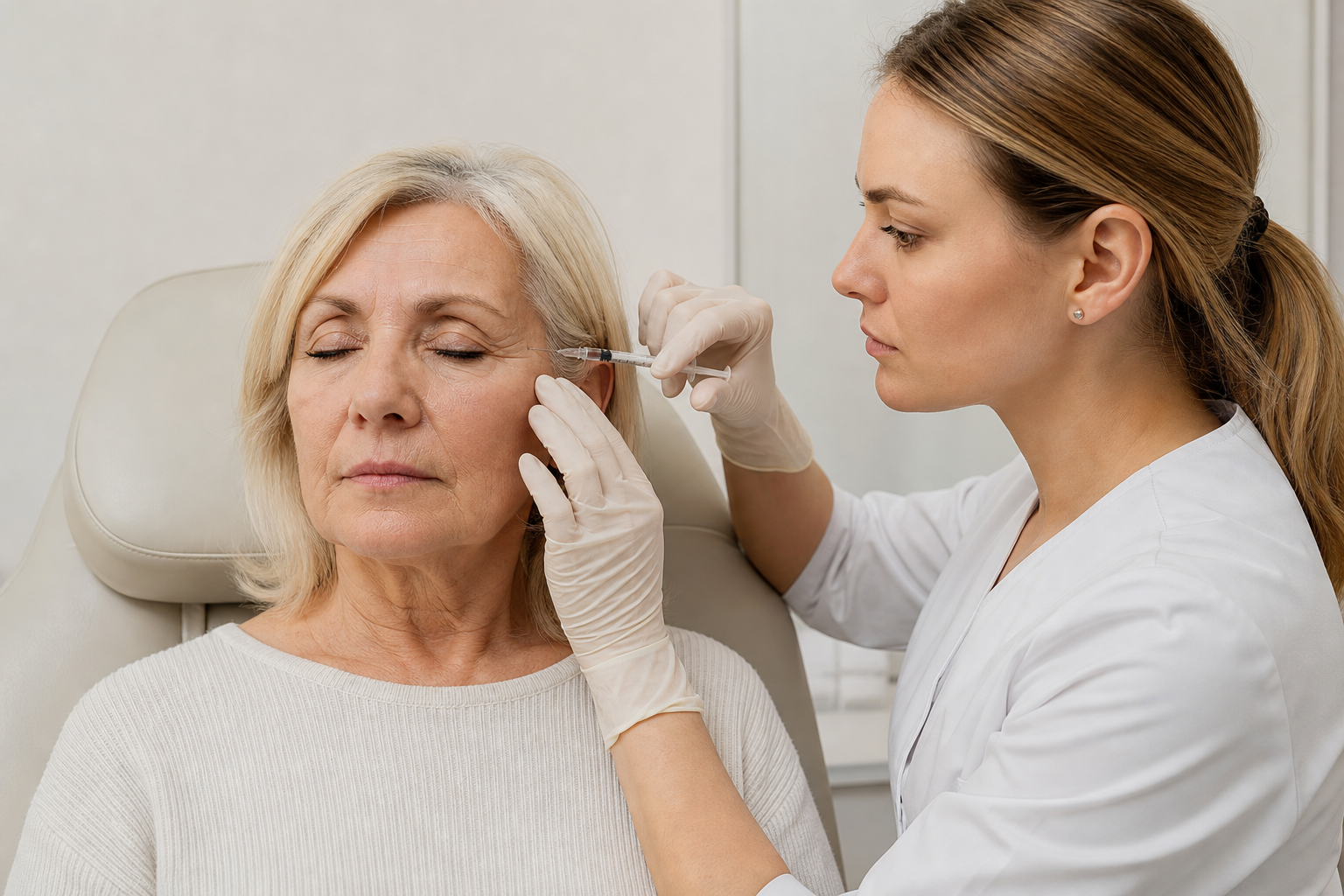
Botulinum Toxin for Blepharospasm
Botulinum toxin offers an effective therapeutic option for blepharospasm, a neurological condition causing involuntary eyelid spas...
Read more
Baby Botox: Marketing Term or Distinct Approach?
Baby Botox represents a refined, preventive approach to traditional Botox treatments, targeting younger adults aiming to maintain...
Read more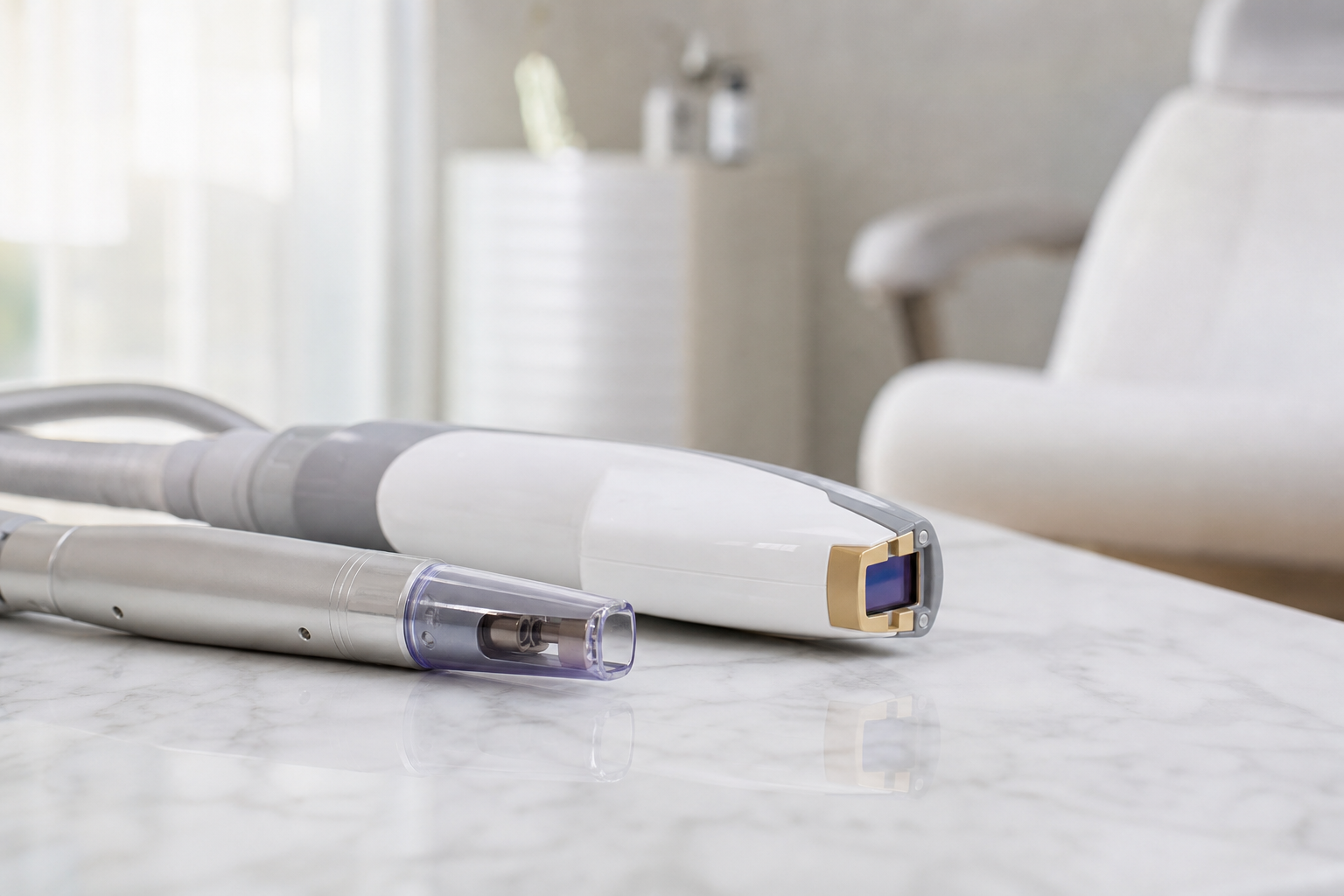
When Is Maintenance Needed After Laser Rejuvenation?
Maintenance after laser rejuvenation varies significantly between ablative and non-ablative treatments, tailored to individual ski...
Read more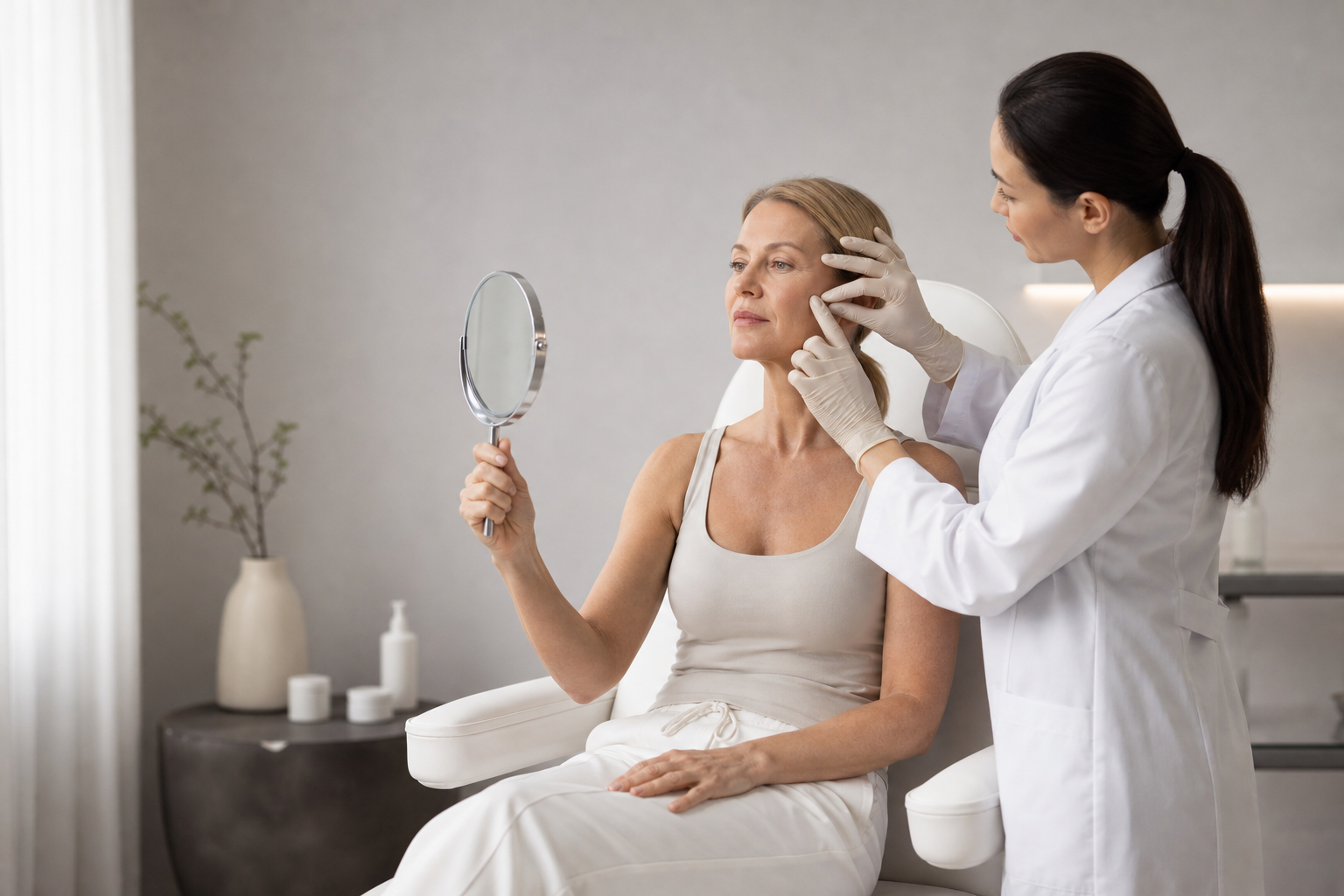
Why Botox Doesn’t Erase All Wrinkles
Botox effectively reduces dynamic wrinkles caused by muscle movement but does not eliminate all wrinkles, especially static lines...
Read more
Laser Treatment of Pigmentation on the Hands
Laser treatment effectively targets pigmentation on the hands caused by sun exposure, including solar lentigines. Careful diagnosi...
Read more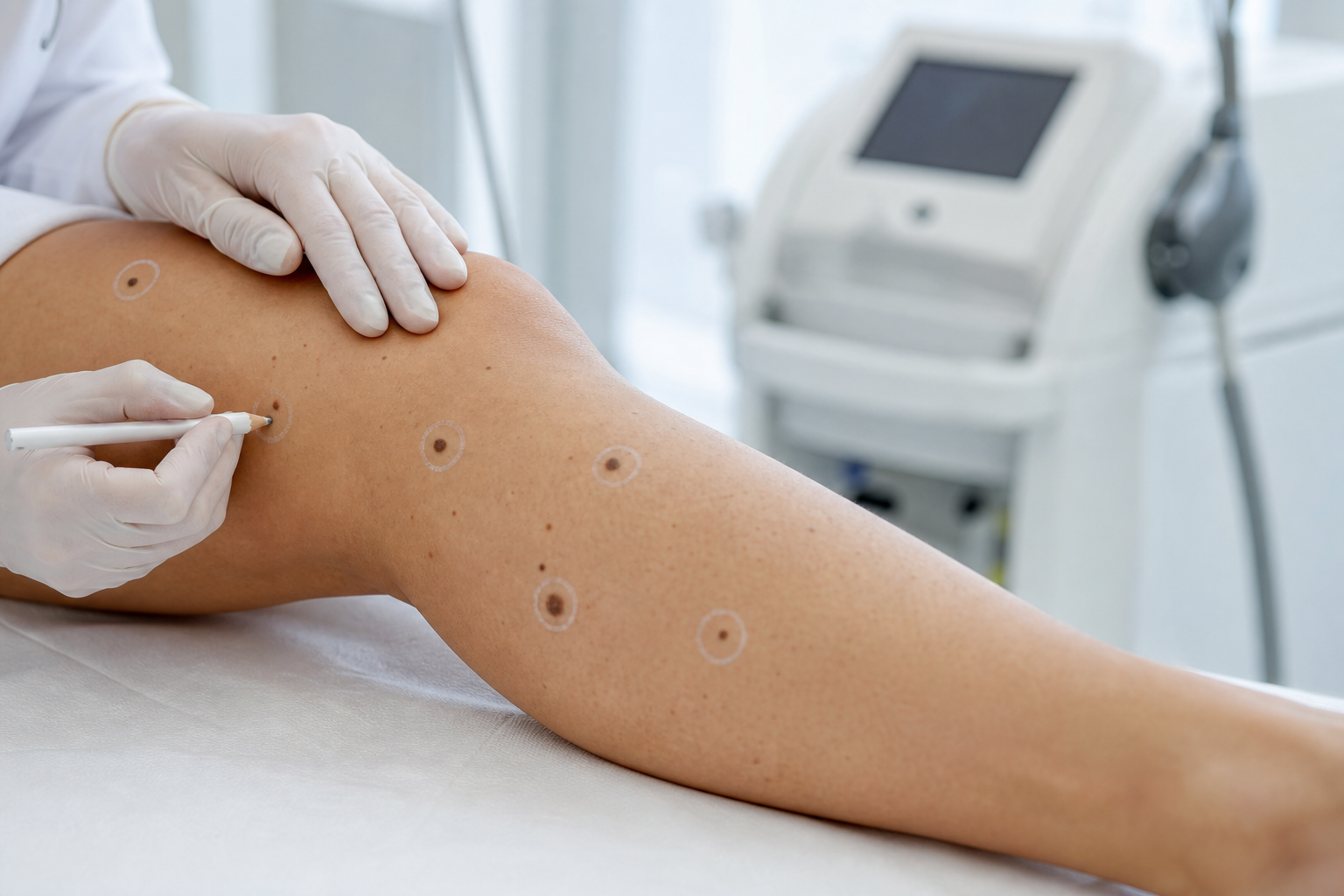
Is Laser Hair Removal Safe Around Moles?
Laser hair removal targets melanin, which is also concentrated in pigmented moles, leading to potential risks if moles are exposed...
Read more
Menopause and Skin Changes: The Role of Botox
Menopause significantly alters skin quality due to hormonal shifts leading to dryness, loss of elasticity, and wrinkles. Botox off...
Read more
Why Does the Effect Vary Across Different Regions?
Botox's effectiveness varies across facial regions due to differences in muscle anatomy, nerve density, and individual biological...
Read more
Can One Laser Treatment Be Enough?
This article examines whether a single laser treatment session can provide satisfactory skin improvement, focusing on differences...
Read more
How to Clearly Communicate Your Desired Results to Your Doctor
Clear communication with your doctor is vital when considering Botox treatment to align your aesthetic goals with medical realitie...
Read more
Understanding the Formation of Facial Expression Lines
Facial expression lines result from repeated muscle movements that crease the skin and can become permanent over time. Understandi...
Read more
Why Shouldn't Every Pigmentation Concern Be Treated With Laser Immediately?
Not every skin pigmentation concern should be treated with laser immediately due to diagnostic complexities and patient-specific f...
Read more
Hirsutism and Laser Hair Removal
Hirsutism is a hormonal condition causing excessive coarse hair growth in women, distinct from general unwanted hair or hypertrich...
Read more
Melasma in Darker Skin Types: Why Extra Caution Is Needed
Melasma presents distinct challenges in darker skin types due to higher melanin content and risk of treatment-induced hyperpigment...
Read more
Why Does Tanned Skin Increase Treatment Risk?
Tanned skin increases risks during laser treatments due to elevated melanin absorbing more laser energy, heightening chances of bu...
Read more
How to Prepare for Botox: Expert Guidelines
This guide offers expert insights into preparing for Botox, explaining its mechanism, safety measures, and the importance of profe...
Read more
What Determines the Results of Radiofrequency Treatments?
Radiofrequency (RF) treatments rejuvenate and tighten skin by stimulating collagen and elastin production through controlled heati...
Read more
What Happens When Botox Effects Gradually Weaken?
Botox provides a temporary reduction in dynamic wrinkles by relaxing facial muscles, but its effects naturally diminish over month...
Read more
Laser Cooling and Treatment Comfort
Laser cooling systems play a pivotal role in laser hair removal by protecting the skin, reducing pain, and enabling effective trea...
Read more
Burns After Laser Treatment – How They Occur and How Risk Is Reduced
Laser treatments in dermatology can cause burns when laser energy overheats skin tissue, especially without proper evaluation and...
Read more
Smile Lines vs. Resting Wrinkles: Understanding the Differences in Outcomes
This article clarifies the differences between smile lines and resting wrinkles, focusing on how Botox addresses each type. It hig...
Read more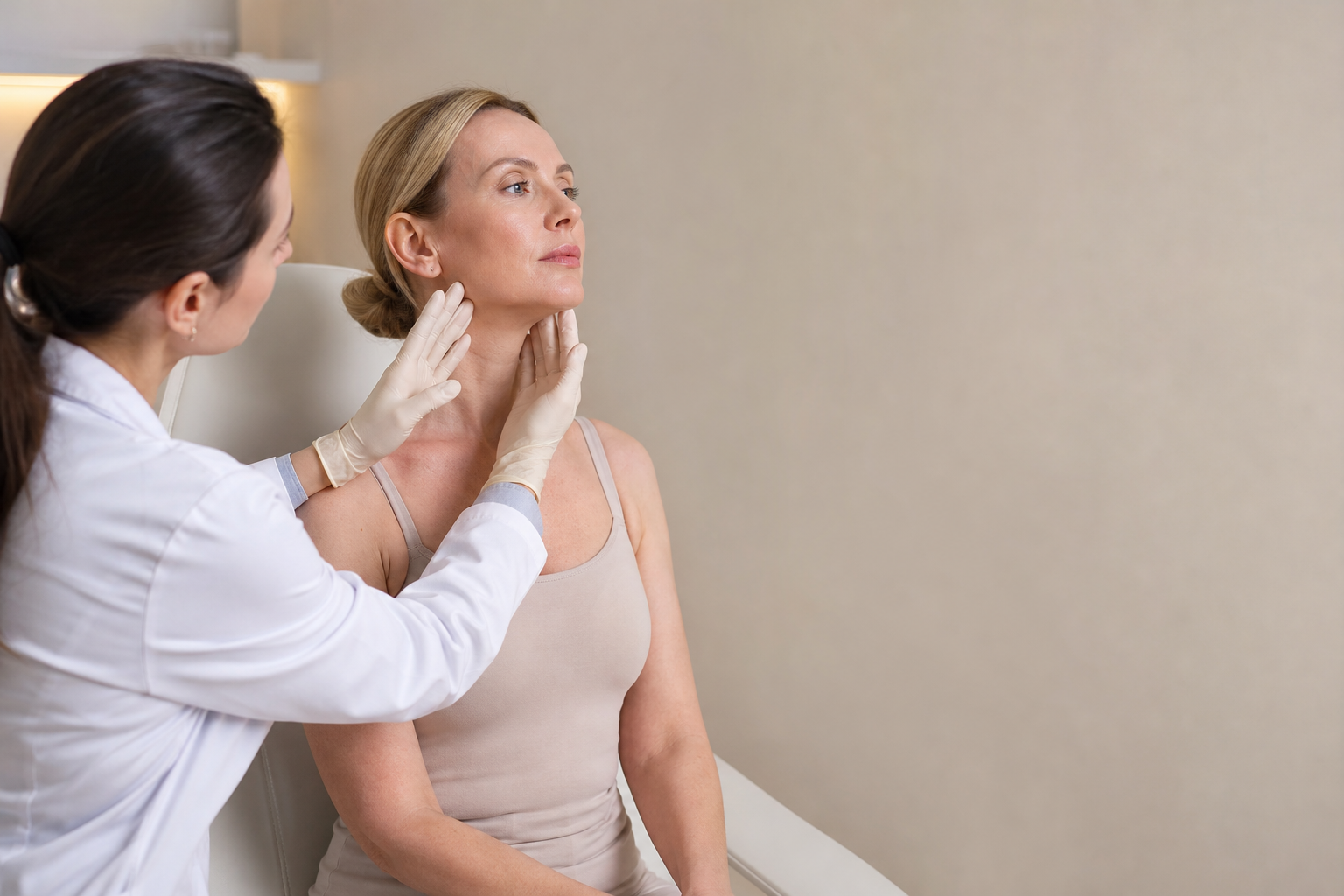
Why the Lower Face Requires Careful Functional Assessment
The lower face's complex anatomy requires a thorough functional assessment before Botox treatments to ensure safety and preserve e...
Read more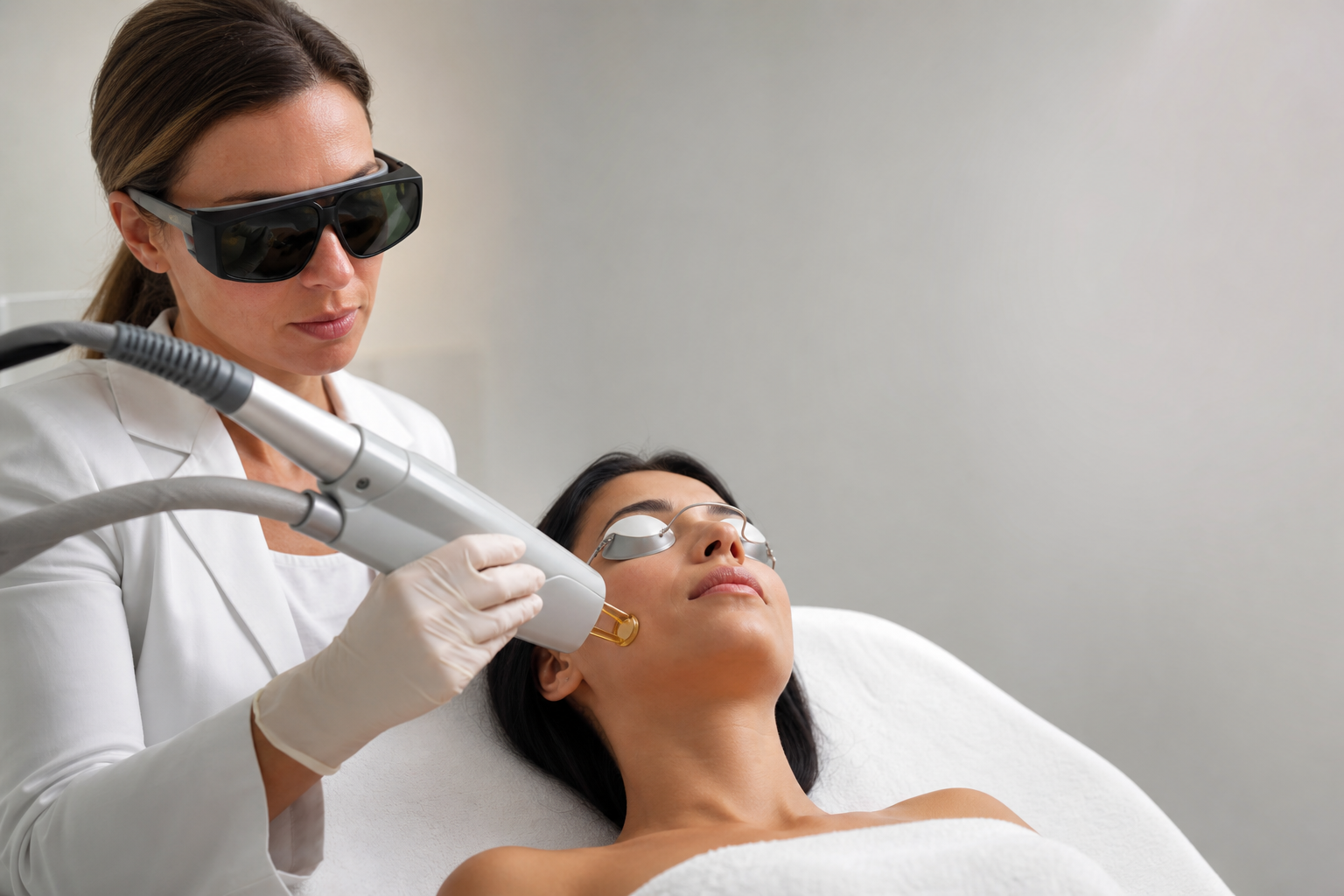
Alexandrite Laser for Pigmented Lesions
The Alexandrite laser is a precise technology targeting melanin to treat specific pigmented skin lesions, primarily in lighter ski...
Read more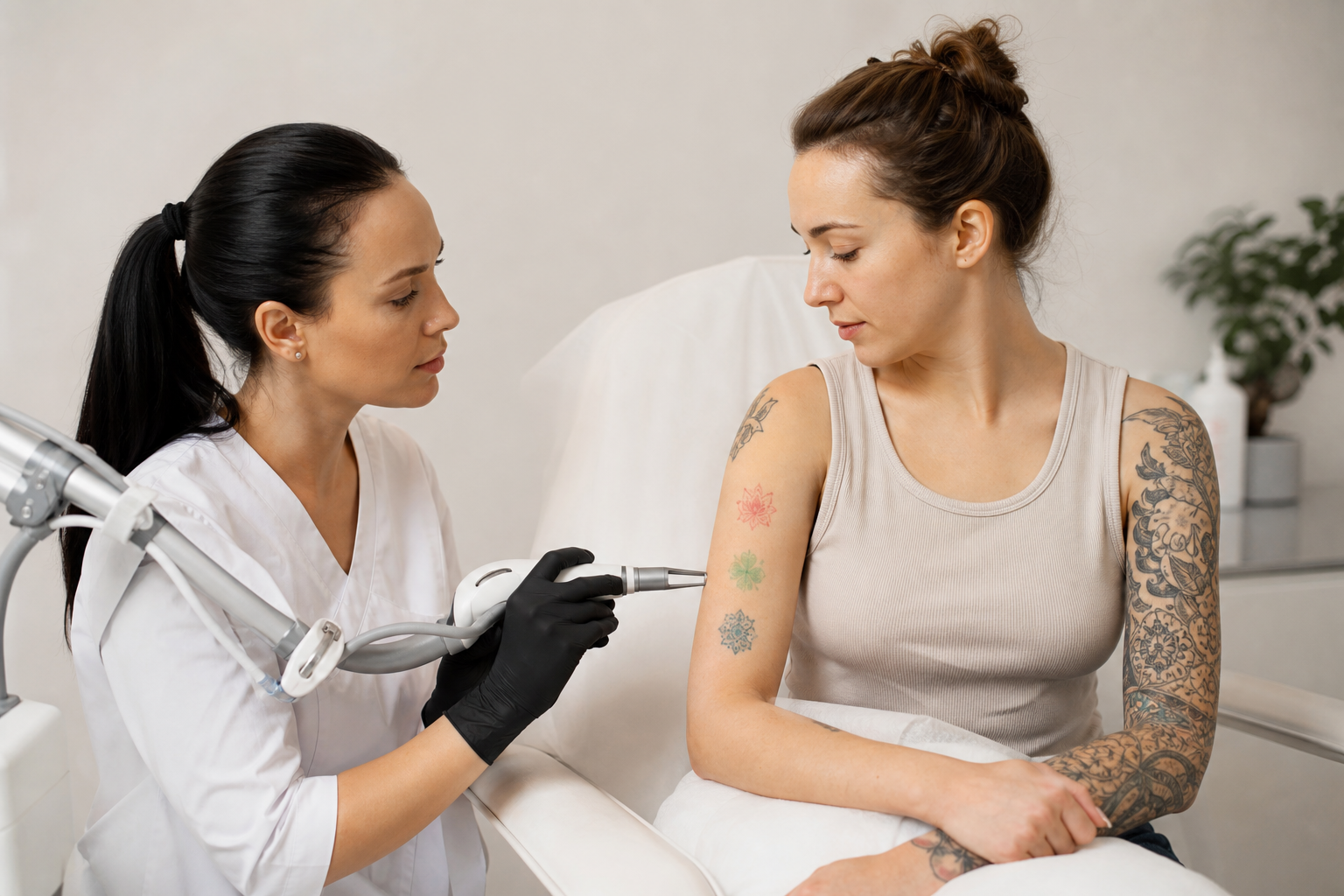
Why Isn't Tattoo Size the Only Important Factor?
Tattoo removal involves more than just size; factors like ink color, placement, pigment depth, and laser technology play pivotal r...
Read more
How Is Laser Treatment Intensity Determined?
Laser treatment intensity is carefully determined based on individual skin type, treatment goals, and safety considerations. This...
Read more
Switching Clinics: What Information to Bring to Your New Doctor
Switching clinics for Botox and dermal fillers requires careful transfer of detailed treatment histories and medical information t...
Read more
Pigmentation Lasers for Darker Skin
Pigmentation lasers offer targeted treatment for uneven skin tones but require special care for darker skin types due to increased...
Read more
Radiofrequency Treatments and Metal Implants
Radiofrequency treatments offer non-invasive skin rejuvenation but require careful consideration in patients with metal implants d...
Read more
What Is the Fitzpatrick Skin Type and Why Does It Matter?
The Fitzpatrick Skin Type classification categorizes skin based on its response to UV exposure, crucial for tailoring laser tattoo...
Read more
Botox vs. Eyelid Surgery: Distinct Goals and Applications
Botox and eyelid surgery serve distinct yet complementary roles in facial rejuvenation, focusing respectively on dynamic wrinkle p...
Read more
Botox or Skin Boosters?
This article provides a detailed comparison between Botox and skin boosters, highlighting their distinct mechanisms, applications,...
Read more
How Long Is Recovery After Laser Treatment for Pigmentation?
Laser treatment for pigmentation offers targeted removal of sun spots, melasma, and hyperpigmentation with a recovery period typic...
Read more
Why It’s Important Not to Assess Botox Results Too Early
Botox requires time to reveal its full wrinkle-reducing effects, typically 10 to 14 days post-injection. Prematurely assessing res...
Read more
Redness and Swelling After Radiofrequency Treatment
Redness and swelling frequently occur shortly after radiofrequency (RF) skin tightening treatments as normal inflammatory response...
Read more
Botulinum Toxin in the Treatment of Spasticity
Botulinum toxin, commonly known as Botox, serves as an effective treatment for spasticity by targeting muscle overactivity caused...
Read more
Which Laser Is Suitable for Darker Skin?
Selecting the appropriate laser for darker skin types requires understanding melanin's role in laser absorption and the advantages...
Read more
Do Men Need More Laser Hair Removal Sessions?
Men do not inherently require more laser hair removal sessions than women; instead, factors like androgen-pattern hair growth, hai...
Read more
What Not to Do After Laser Hair Removal
Proper post-laser hair removal care is vital to prevent irritation, pigmentation issues, and infections. Avoiding sun exposure, in...
Read more
How Is the Vascular Component of Rosacea Treated?
The vascular component of rosacea manifests as persistent facial redness and visible dilated blood vessels, significantly affectin...
Read more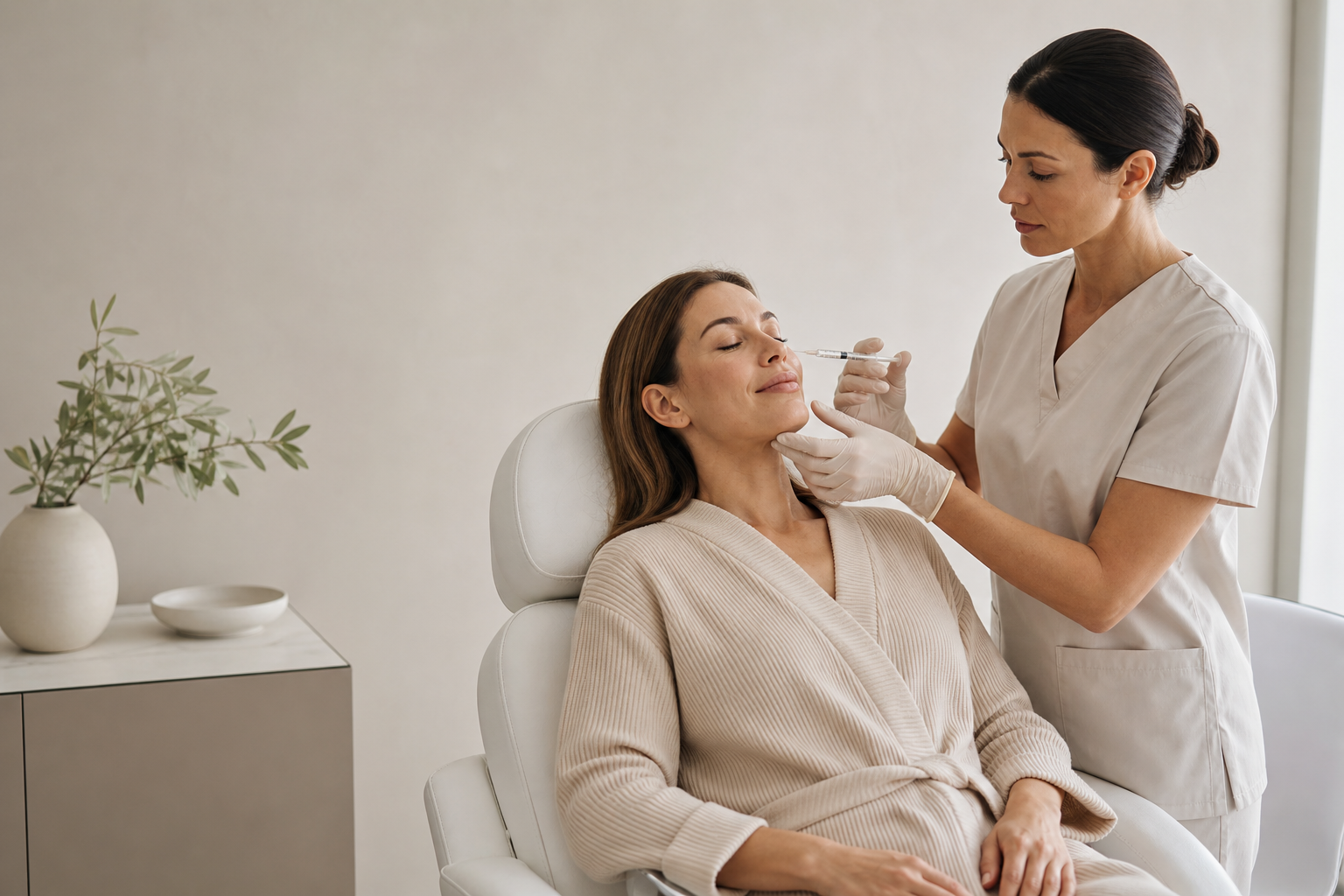
Botox vs. Hyaluronic Fillers: Expert Insights
This article offers expert insights into Botox and hyaluronic fillers, clarifying their distinct mechanisms, suitable applications...
Read more
Going to the Beach After Laser Hair Removal
Going to the beach after laser hair removal involves more than avoiding seawater; sun exposure, heat, friction, and individual ski...
Read more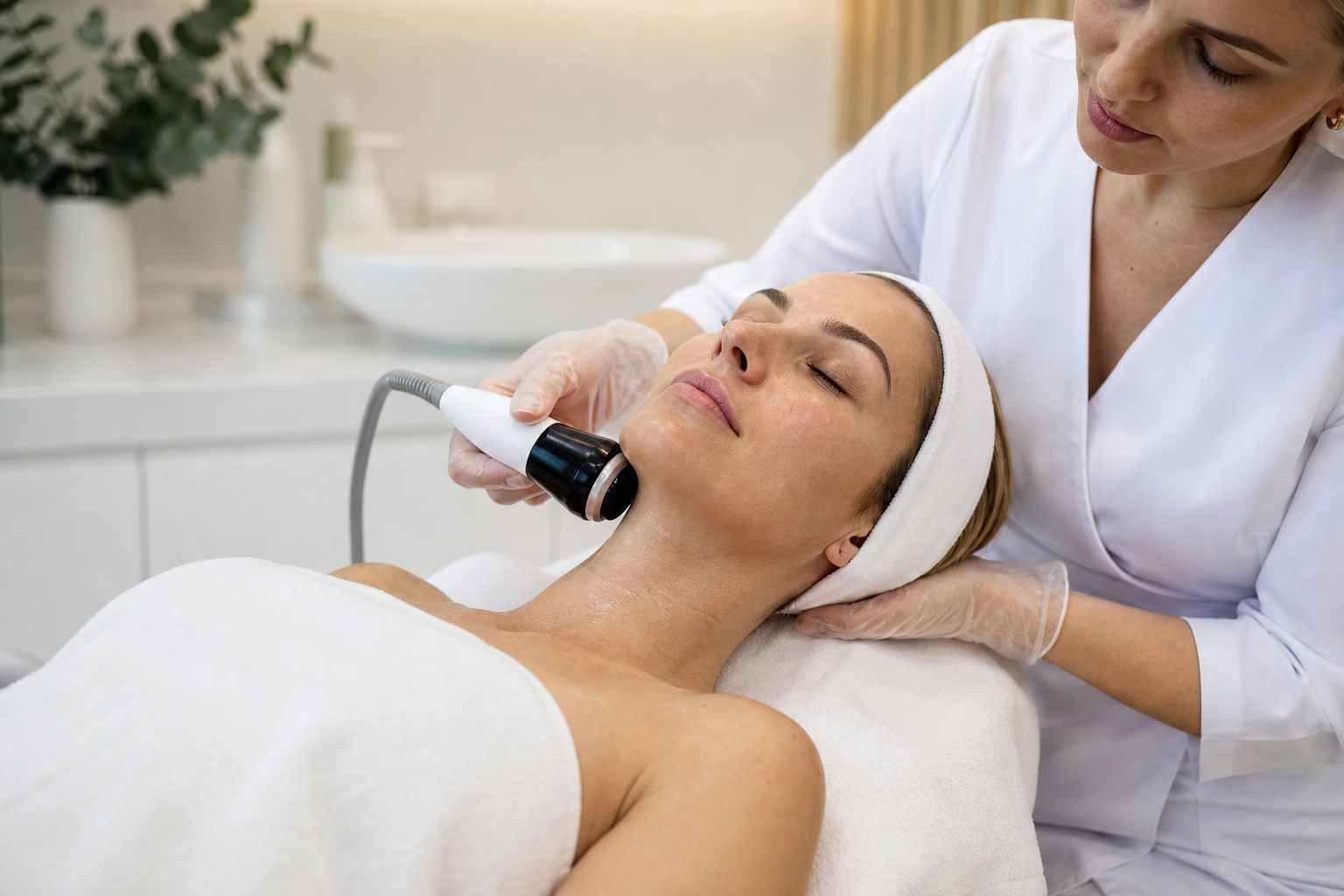
Monopolar RF: How It Works and Its Applications
Monopolar RF is a non-invasive skin tightening treatment that stimulates collagen deep within the skin, offering gradual rejuvenat...
Read more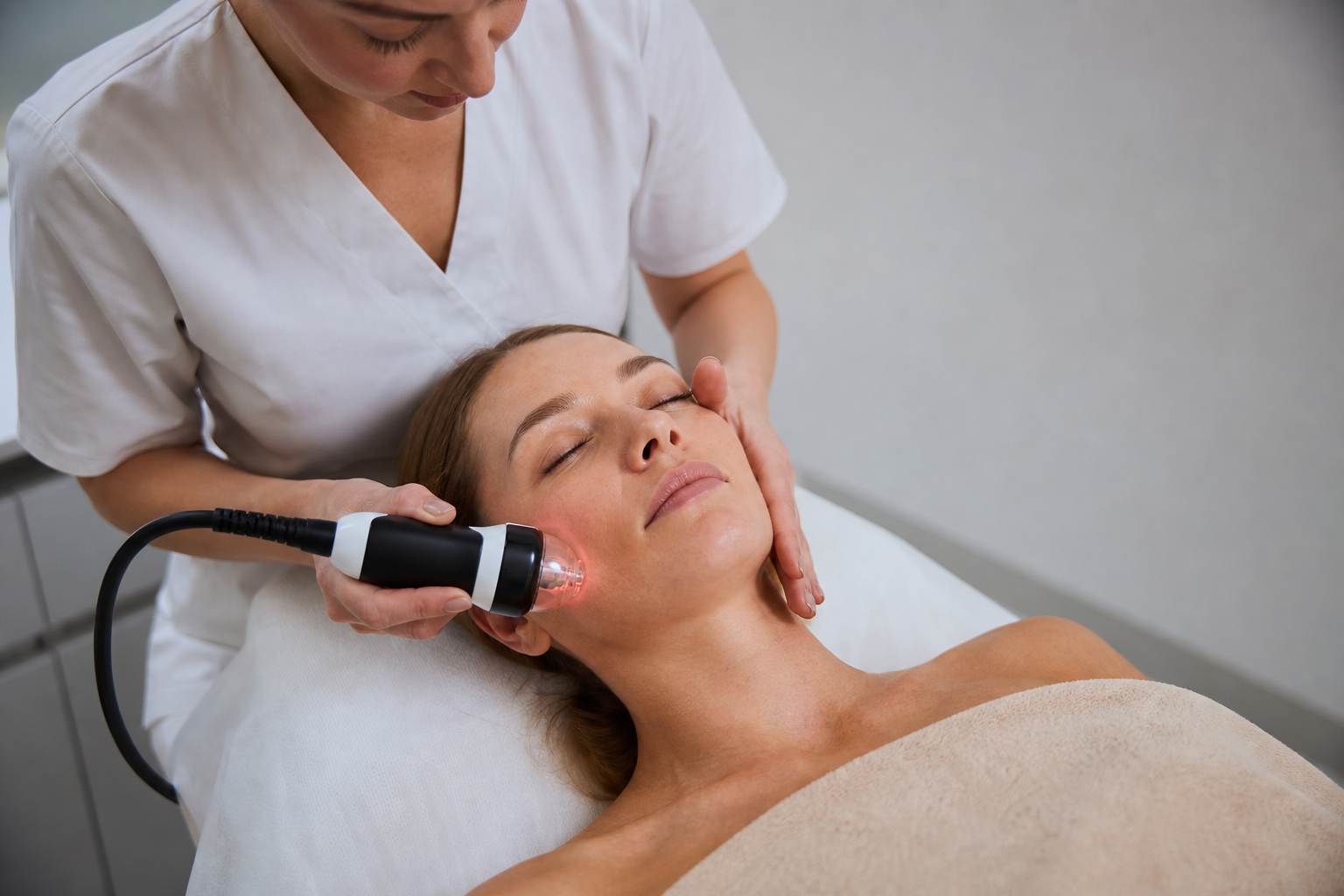
Step-by-Step Guide to RF Facial Lifting
RF facial lifting is a non-invasive treatment using radiofrequency energy to stimulate collagen production, tightening and rejuven...
Read more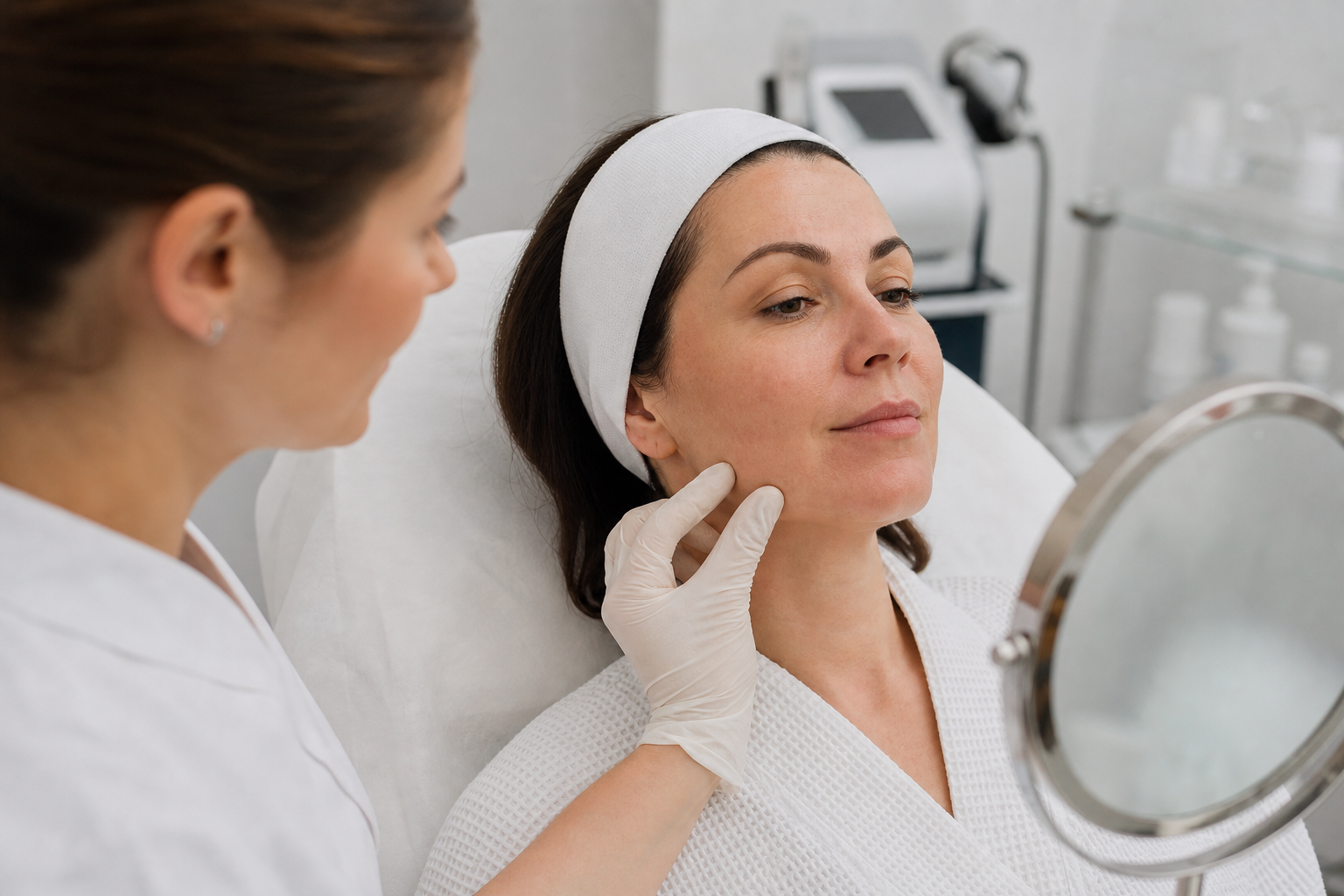
When Is It Safe to Apply Makeup After a Treatment?
Timing makeup application after RF facial treatments varies with the procedure type and skin sensitivity. Following recommended wa...
Read more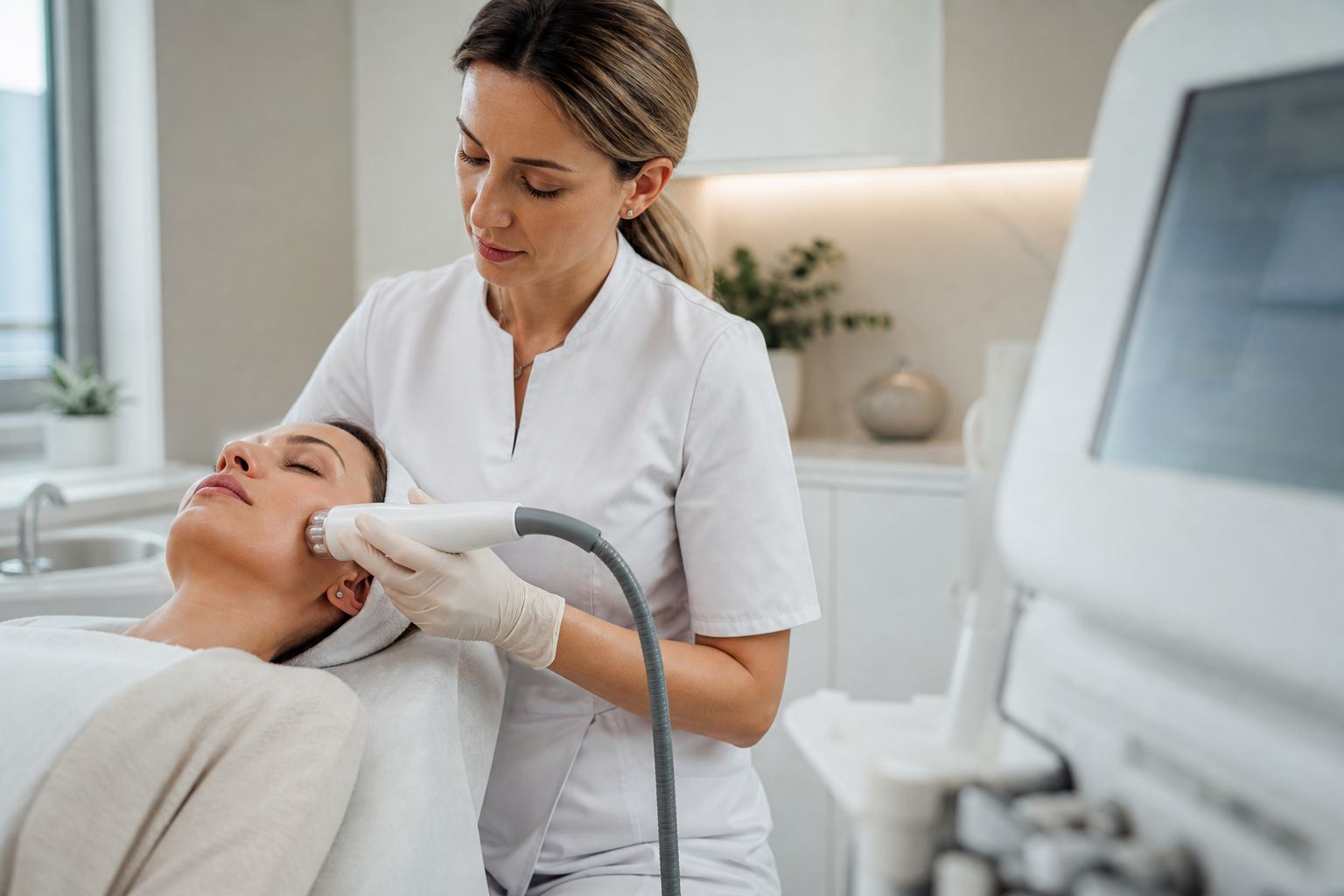
How to Choose the Right RF Treatment for Your Skin Concerns
Radiofrequency (RF) treatments provide a tailored approach to skin tightening by stimulating collagen production through various n...
Read more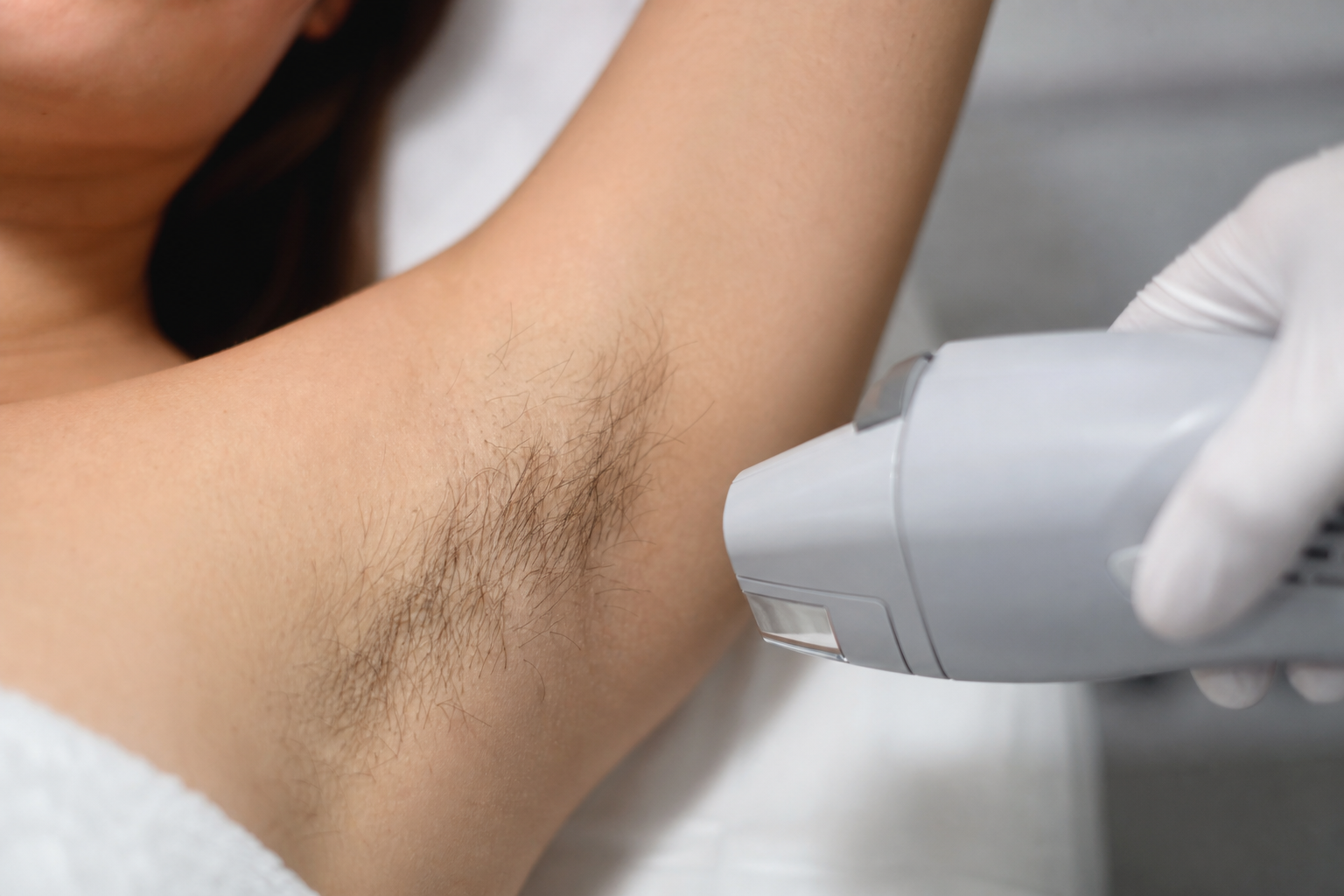
Coarse Hair and Laser Hair Removal
Coarse pigmented hair offers an optimal target for laser hair removal due to its higher melanin content, allowing more effective f...
Read more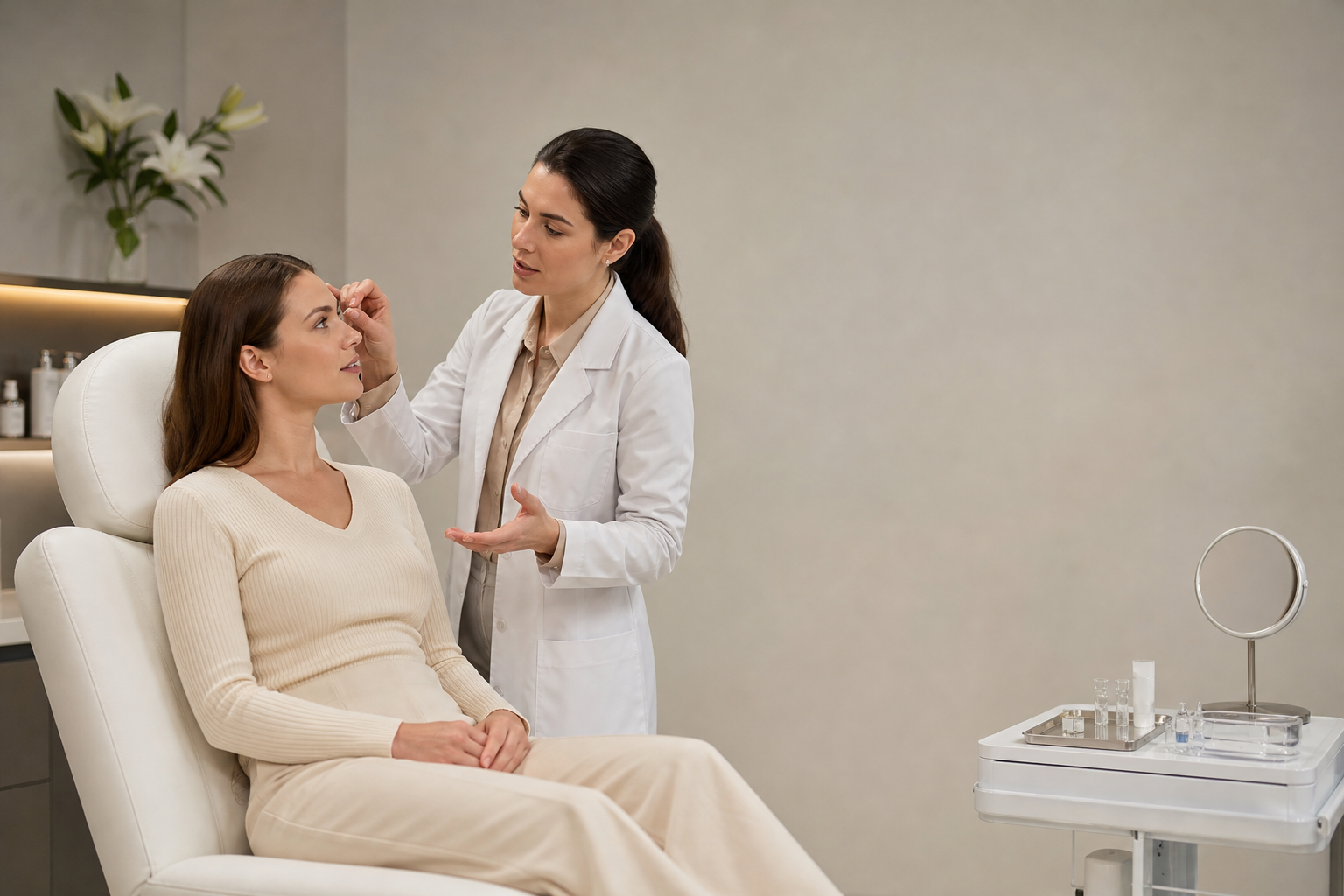
Botox Around the Eyes and Contact Lenses: Key Consultation Questions
Botox injections around the eyes offer effective wrinkle reduction but require special consideration for contact lens wearers. Thi...
Read more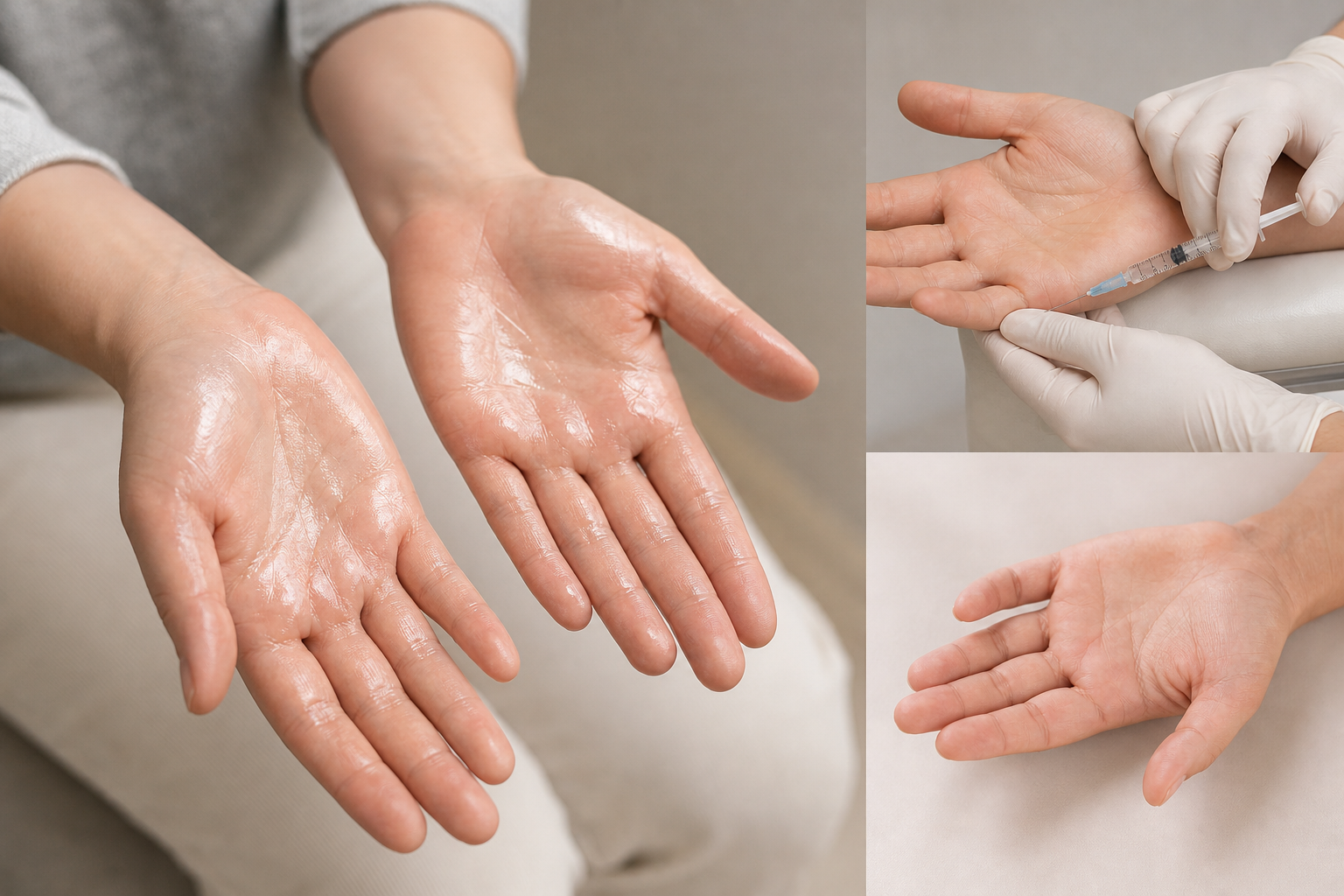
Botulinum Toxin for Palmar Hyperhidrosis
Palmar hyperhidrosis causes excessive hand sweating that disrupts everyday life and confidence. Botulinum toxin injections offer a...
Read more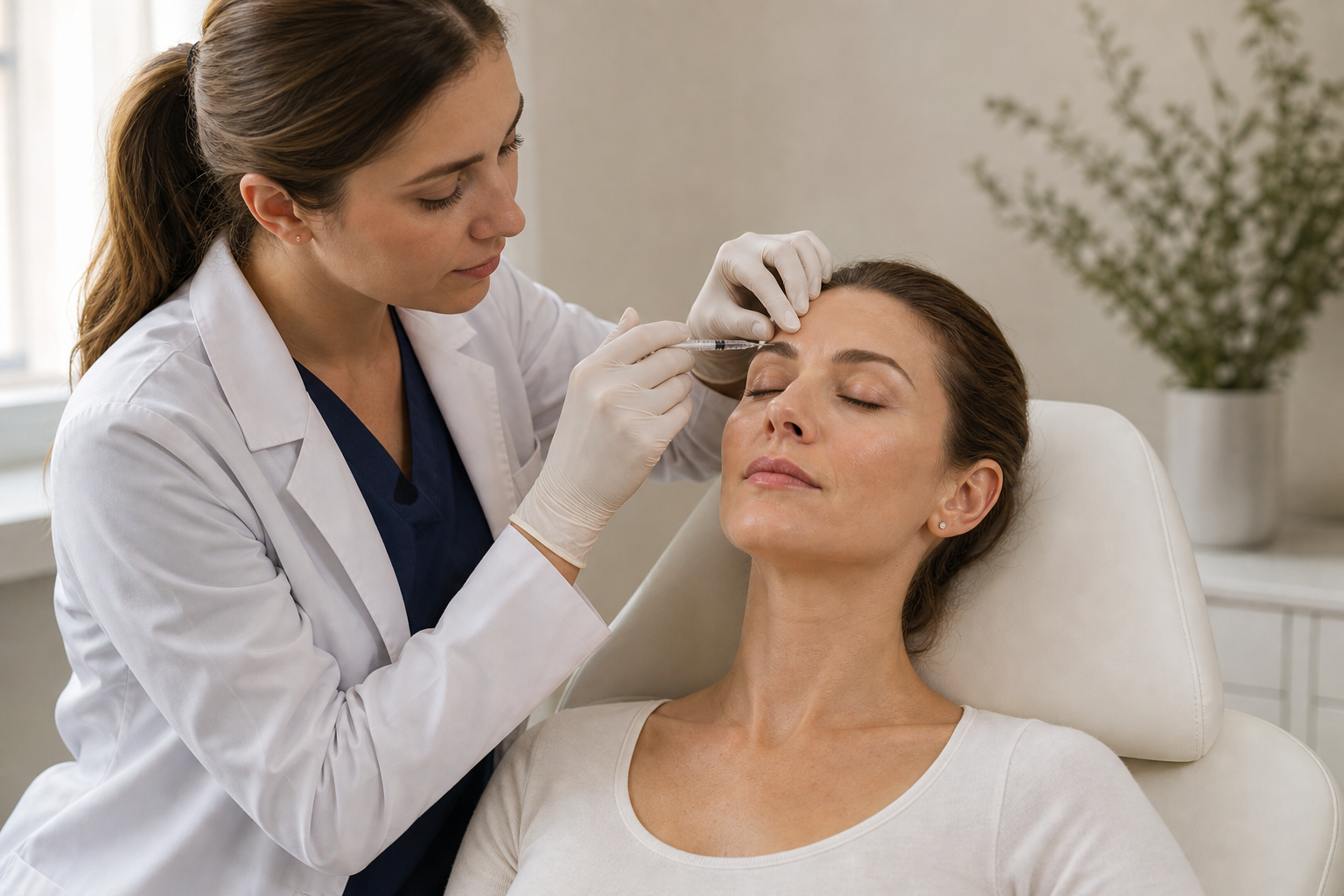
Botox Treatments for the Eye and Brow Area
Botox treatments for the eye and brow area offer a refined, non-surgical method to reduce wrinkles, correct asymmetry, and rejuven...
Read more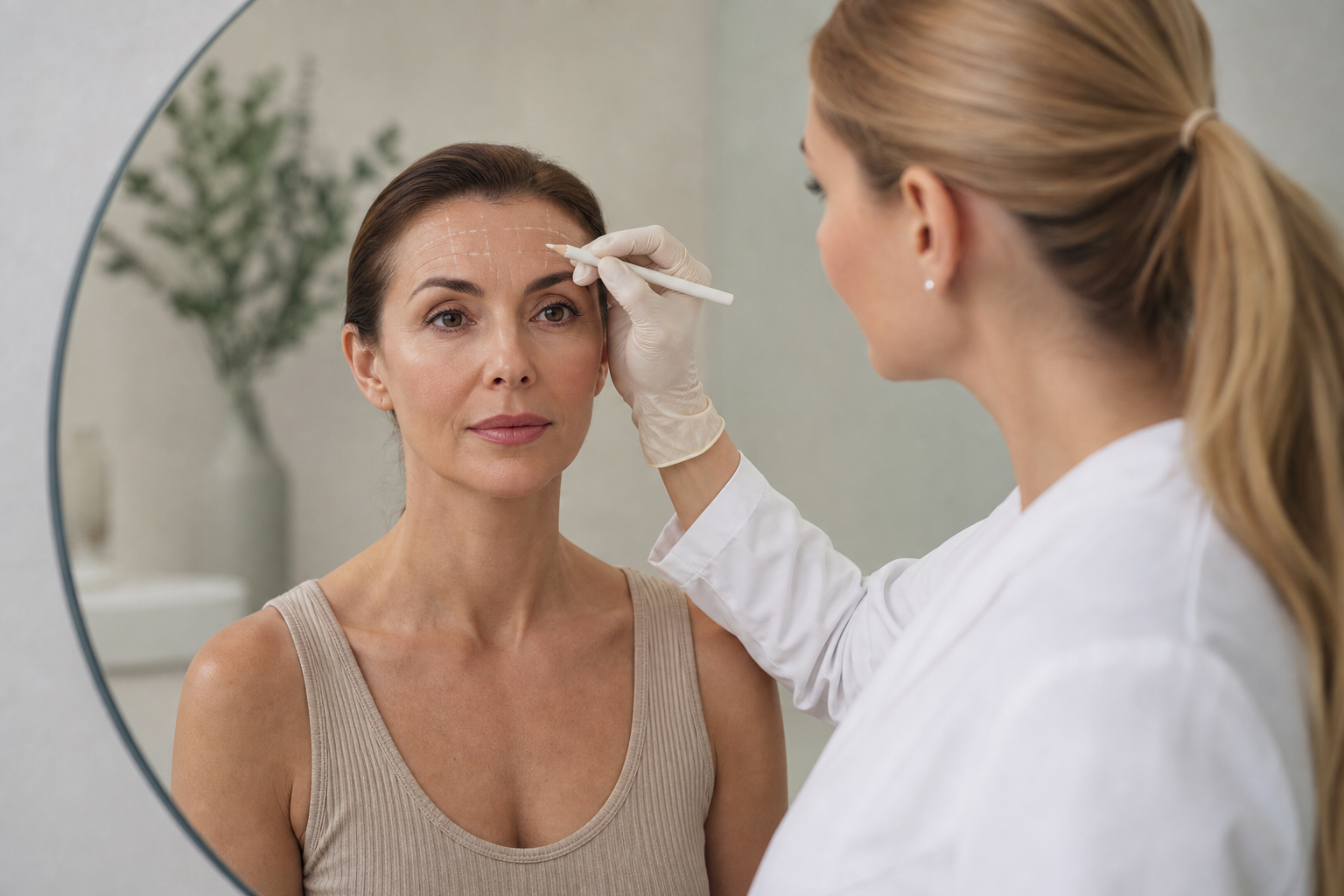
Forehead Muscle Activity: Impact on Botox Expectations
Forehead muscle activity plays a crucial role in wrinkle formation and significantly impacts the effectiveness of Botox treatments...
Read more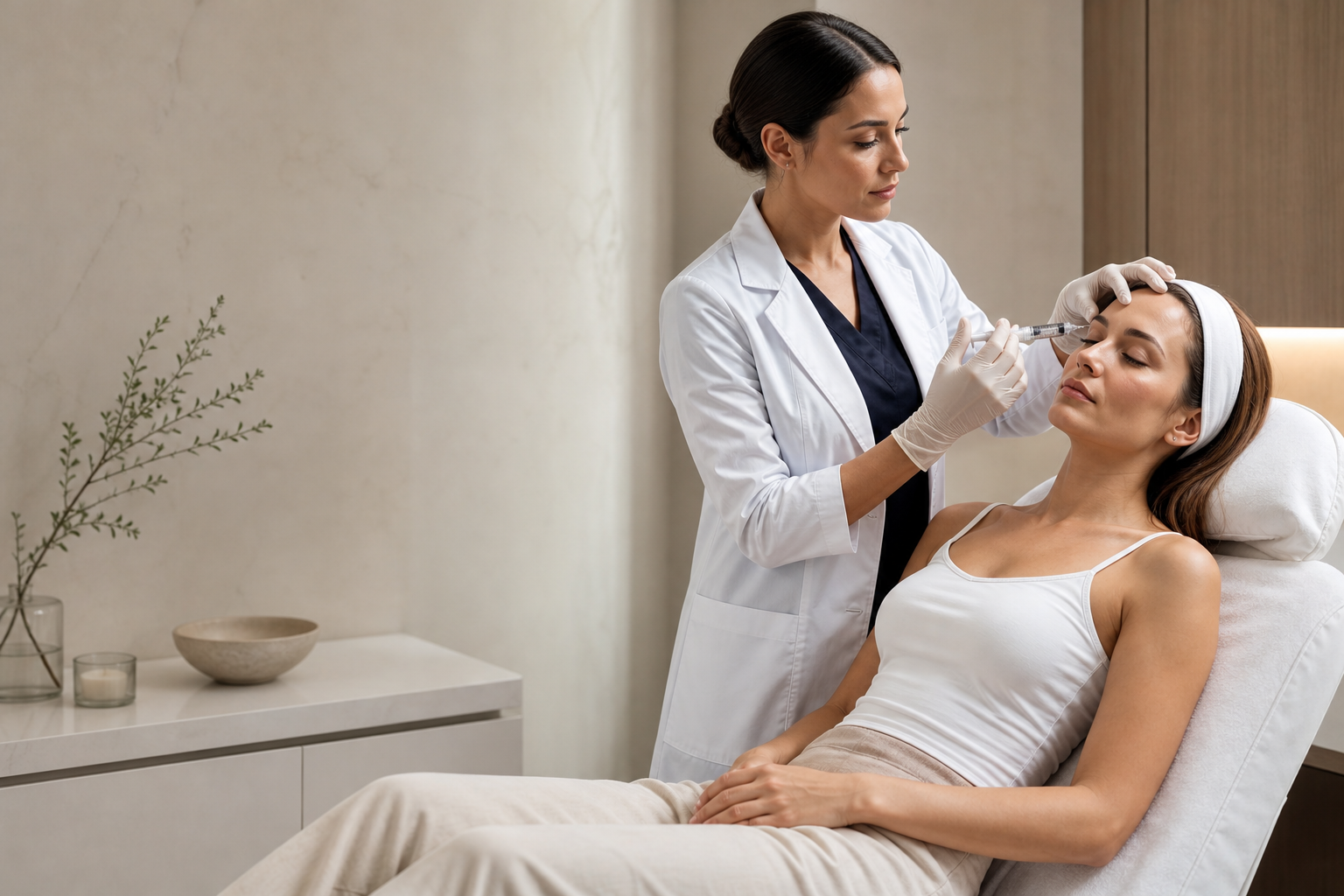
Factors Influencing the Overall Cost of Botox Treatments
Botox treatment costs vary based on dosage, practitioner expertise, and location, influencing patients' budgeting and expectations...
Read more
Coordinating Planned Surgery and Botox: Aligning Medical Considerations
Coordinating Botox treatments with planned surgery requires careful timing and thorough medical evaluation to ensure safety and ma...
Read more
Chin Capillaries: When to See a Dermatologist?
Chin capillaries are small, visible blood vessels that can affect both the appearance and health of facial skin. Understanding whe...
Read more
Is Botox the Same as Dermal Fillers?
Botox and dermal fillers are distinct cosmetic treatments targeting different causes of facial aging. Botox relaxes muscles to smo...
Read more
Dry Eye and Botox: When to Consult Your Doctor
Botox injections around the eyes and eyebrows can influence tear film dynamics, sometimes causing dry eye symptoms. Understanding...
Read more
Who Should Avoid RF Skin Tightening?
Radiofrequency (RF) skin tightening is a popular non-invasive procedure for rejuvenating skin, but it is not suitable for everyone...
Read more
Vertical Frown Lines Between the Brows: When Do They Persist?
Vertical frown lines between the brows, also known as glabellar lines or "11s," develop from repeated muscle contractions and can...
Read more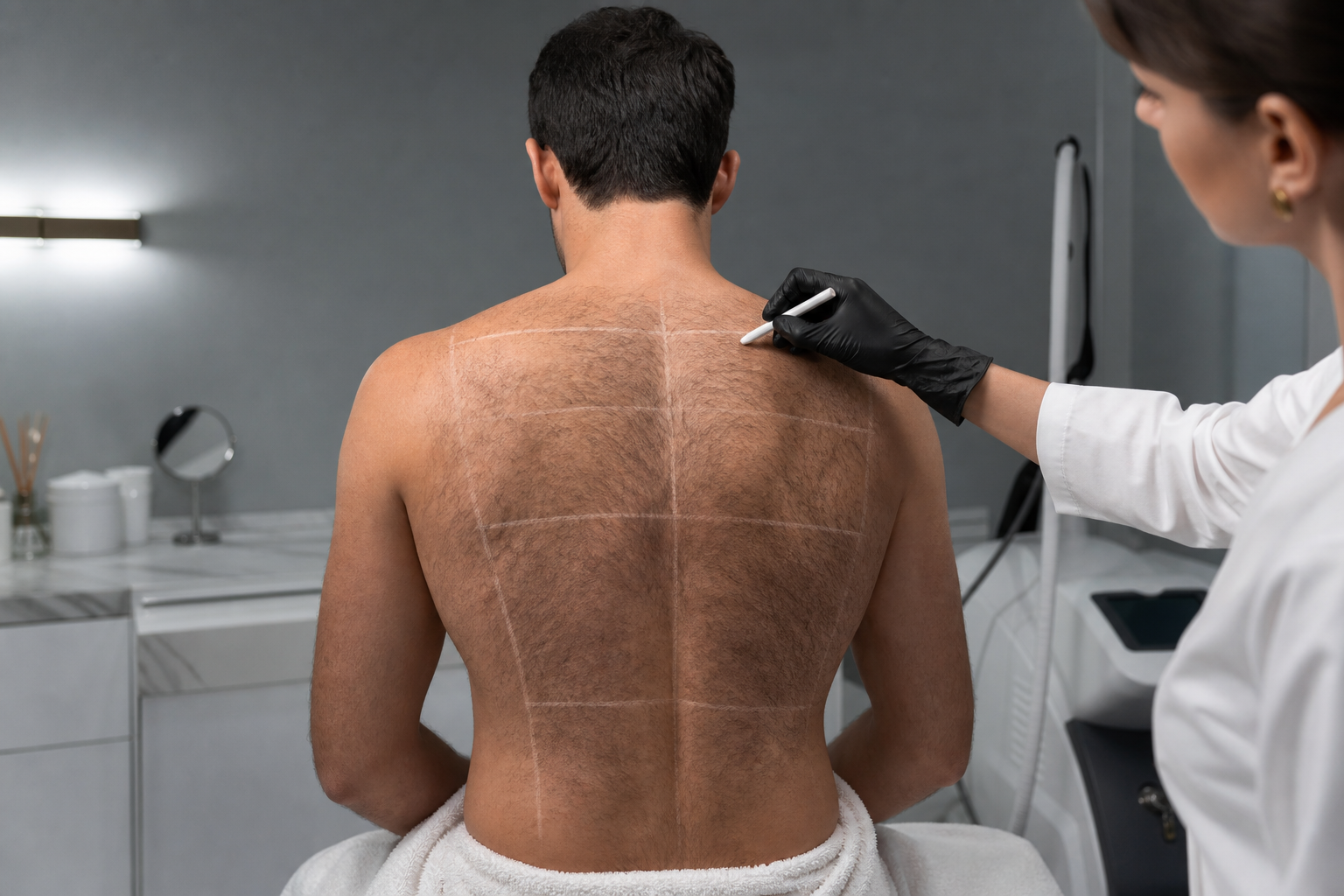
Back Laser Hair Removal for Men
Back laser hair removal for men addresses the unique challenges posed by dense and varied hair growth across the upper and lower b...
Read more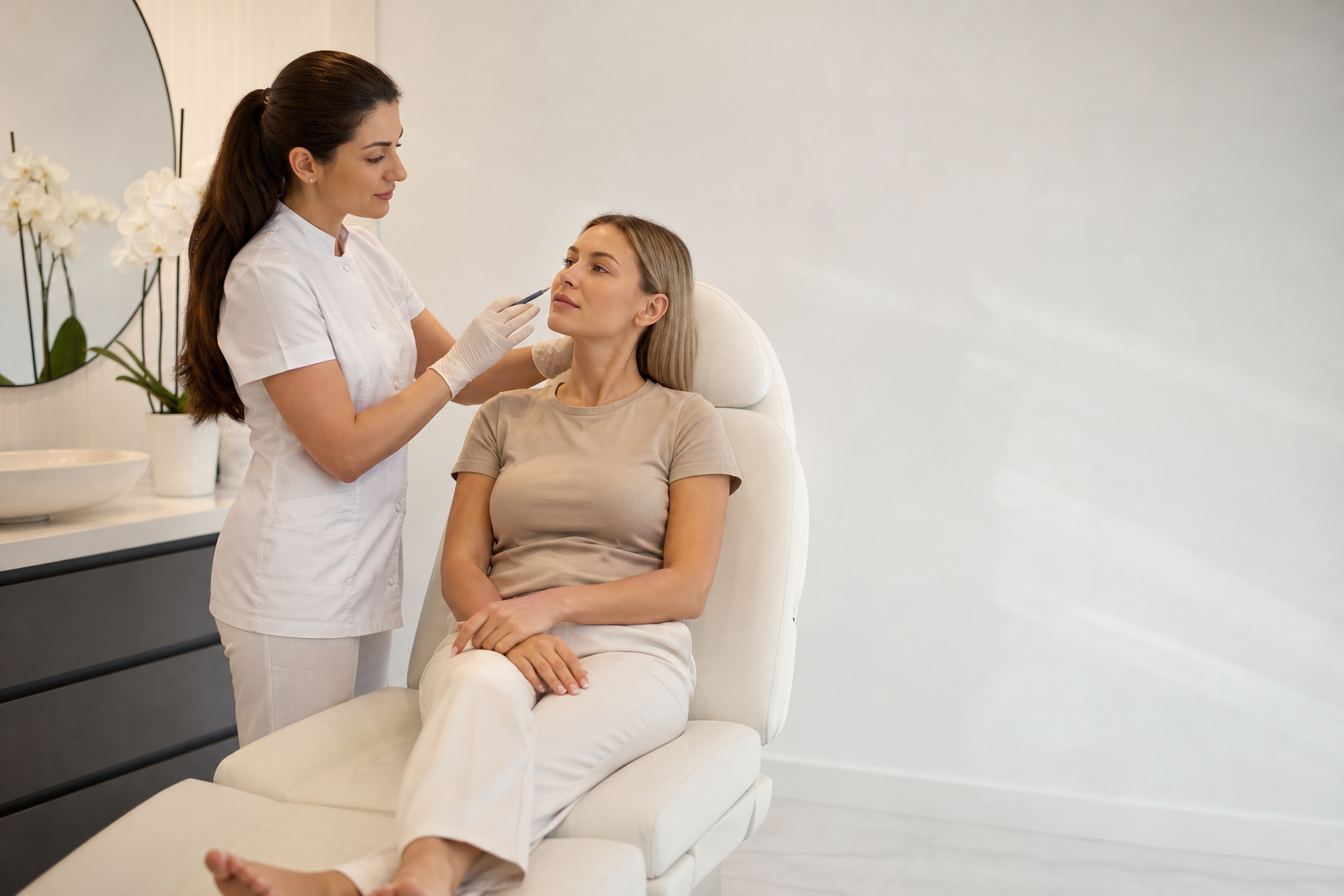
Are Follow-Up Checks and Touch-Ups Charged Separately?
Understanding whether follow-up checks and touch-up Botox treatments are charged separately is essential for transparent budgeting...
Read more
Facial Massage After Botox: When to Schedule It
Facial massage after Botox is a topic of keen interest due to its impact on treatment outcomes. This article explains when and how...
Read more
Laser Treatment or a Traditional Facial?
Choosing between laser treatment and a traditional facial involves understanding their distinct mechanisms, goals, downtime, and r...
Read more
Creating a Long-Term Plan for Combined Anti-Aging Treatments
This article provides a detailed, practical guide to creating a long-term, combined anti-aging treatment plan. It emphasizes the i...
Read more
Why Aren't Laser Hair Removal Results Immediate?
Laser hair removal results are not immediate due to the hair growth cycle and the treatment targeting hair follicles in the active...
Read more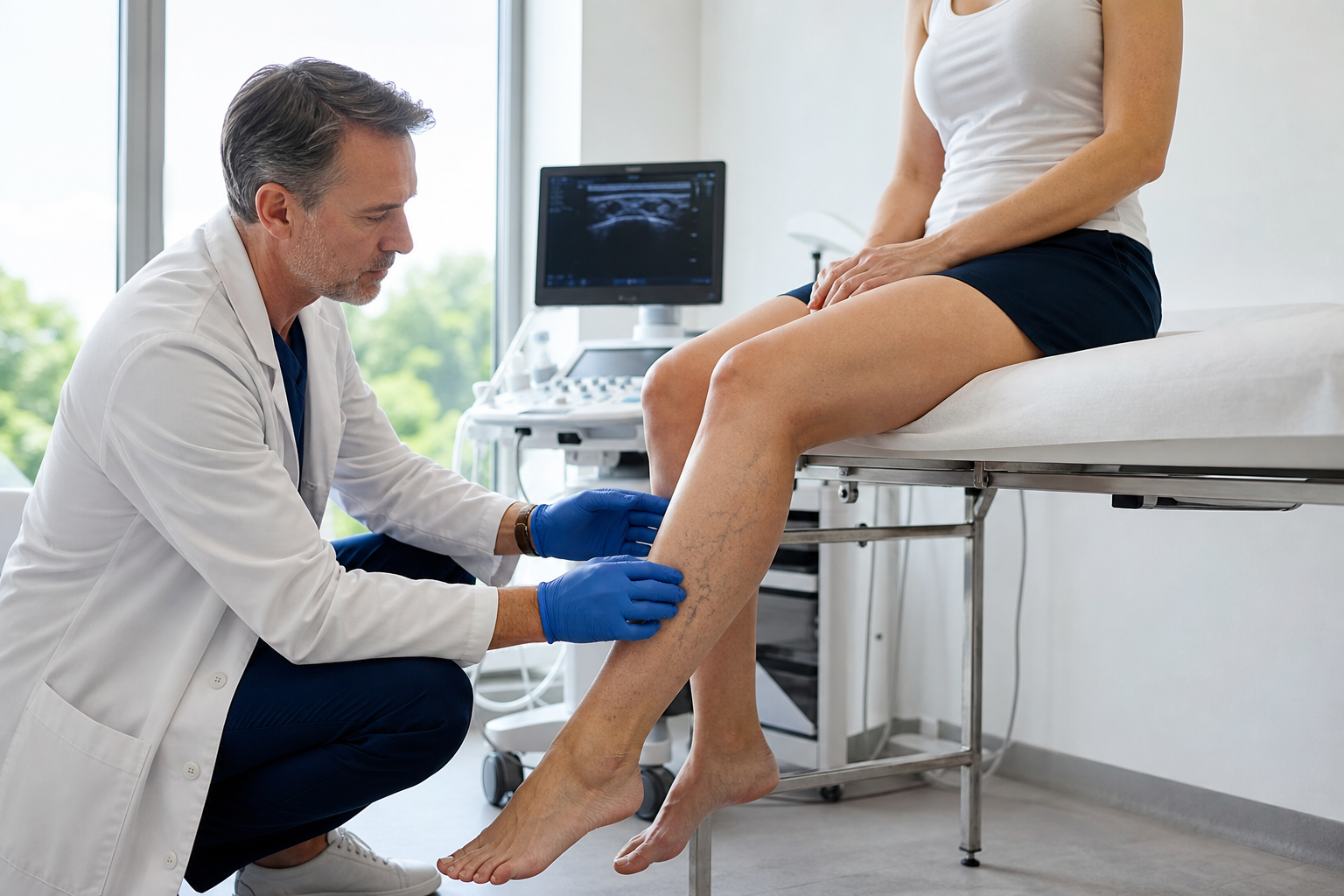
Why Can Redness Return After Treatment?
Facial redness often recurs after treatment due to the chronic and multifactorial nature of underlying skin conditions like rosace...
Read more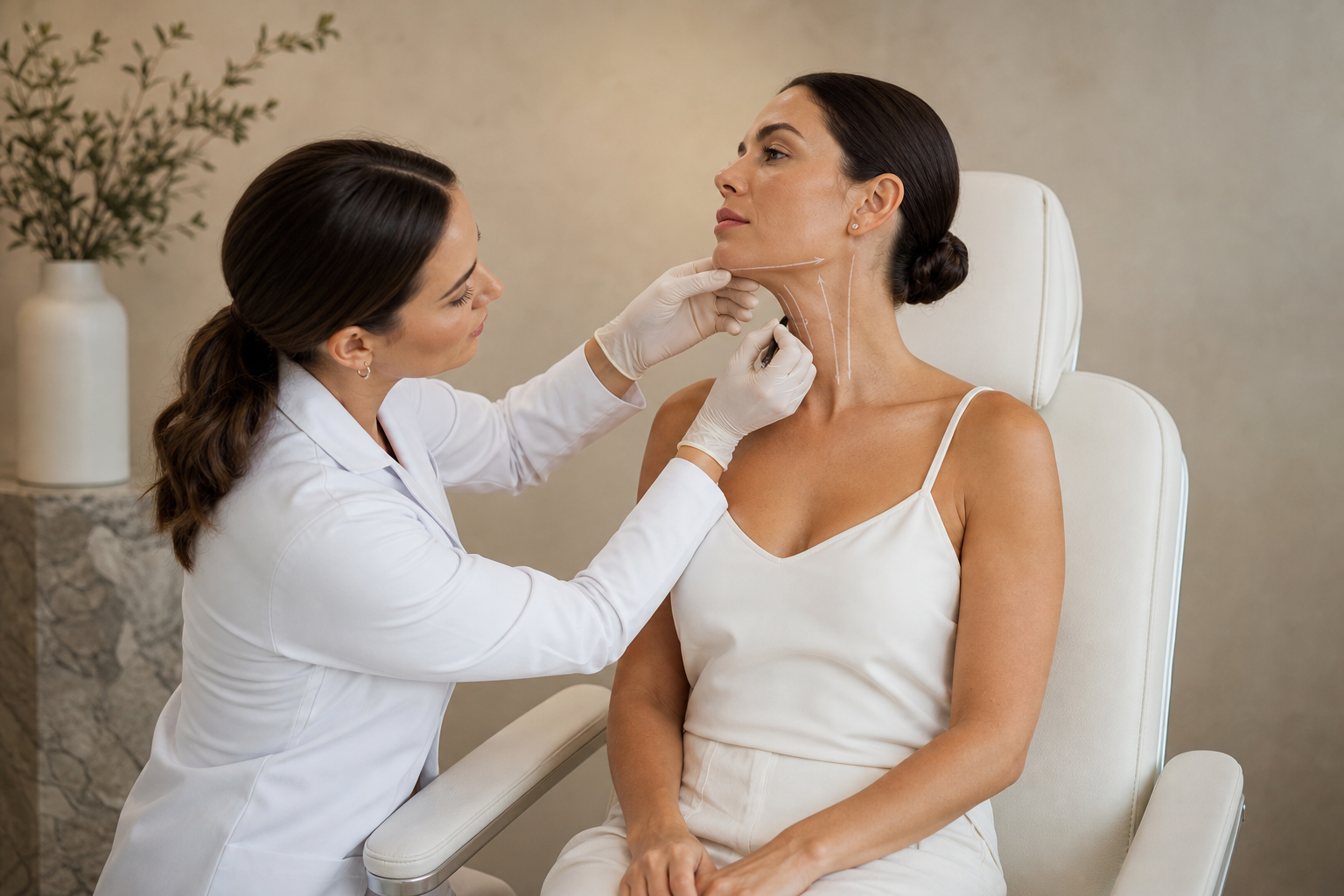
The Nefertiti Lift: Understanding This Treatment Concept
The Nefertiti lift is a sophisticated Botox treatment targeting the lower face and neck to subtly elevate and redefine jawline con...
Read more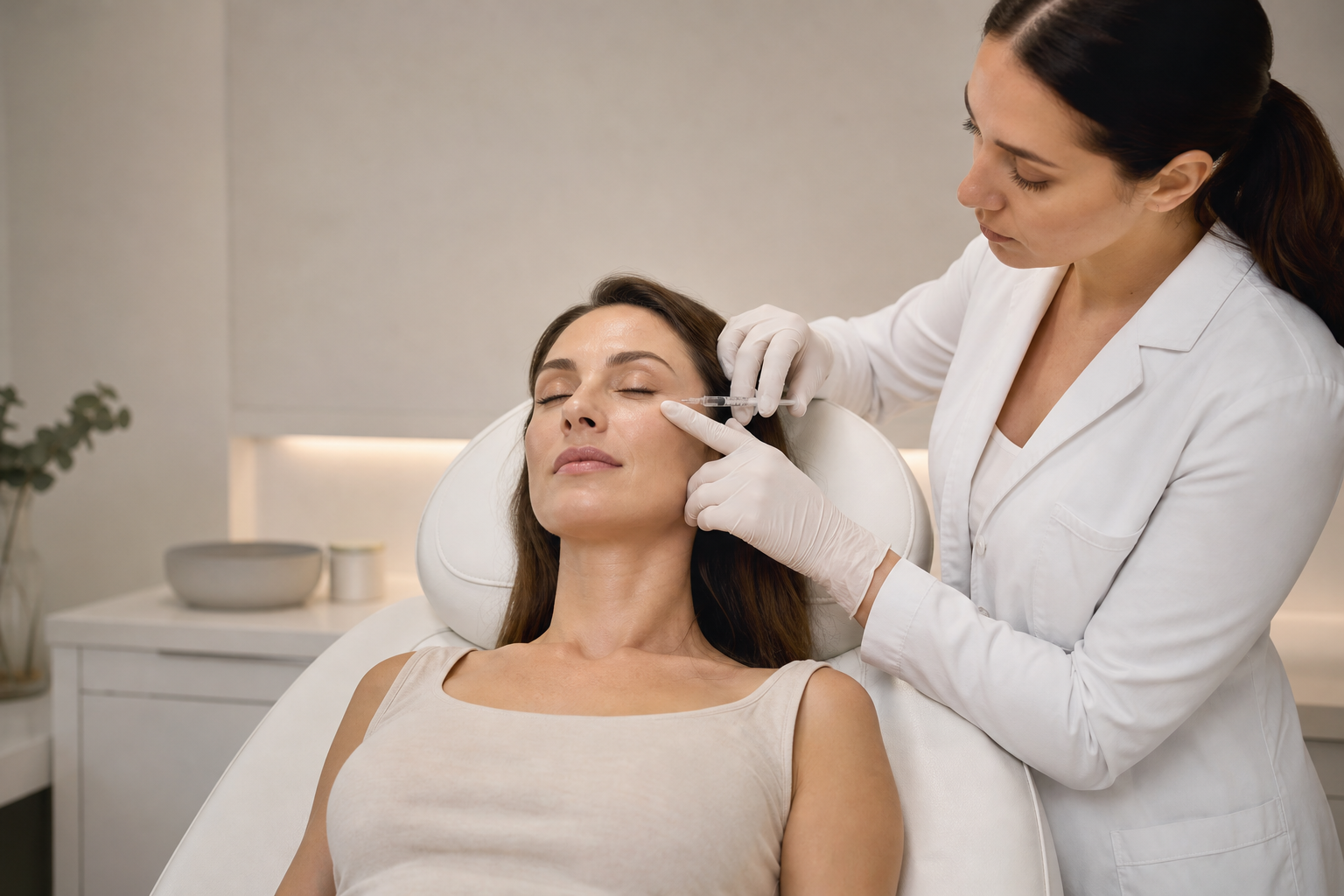
Under-Eye Botox: Why a Specialized Assessment Is Essential
Under-eye Botox offers a refined solution for softening wrinkles beneath the eyes but requires expert assessment due to the delica...
Read more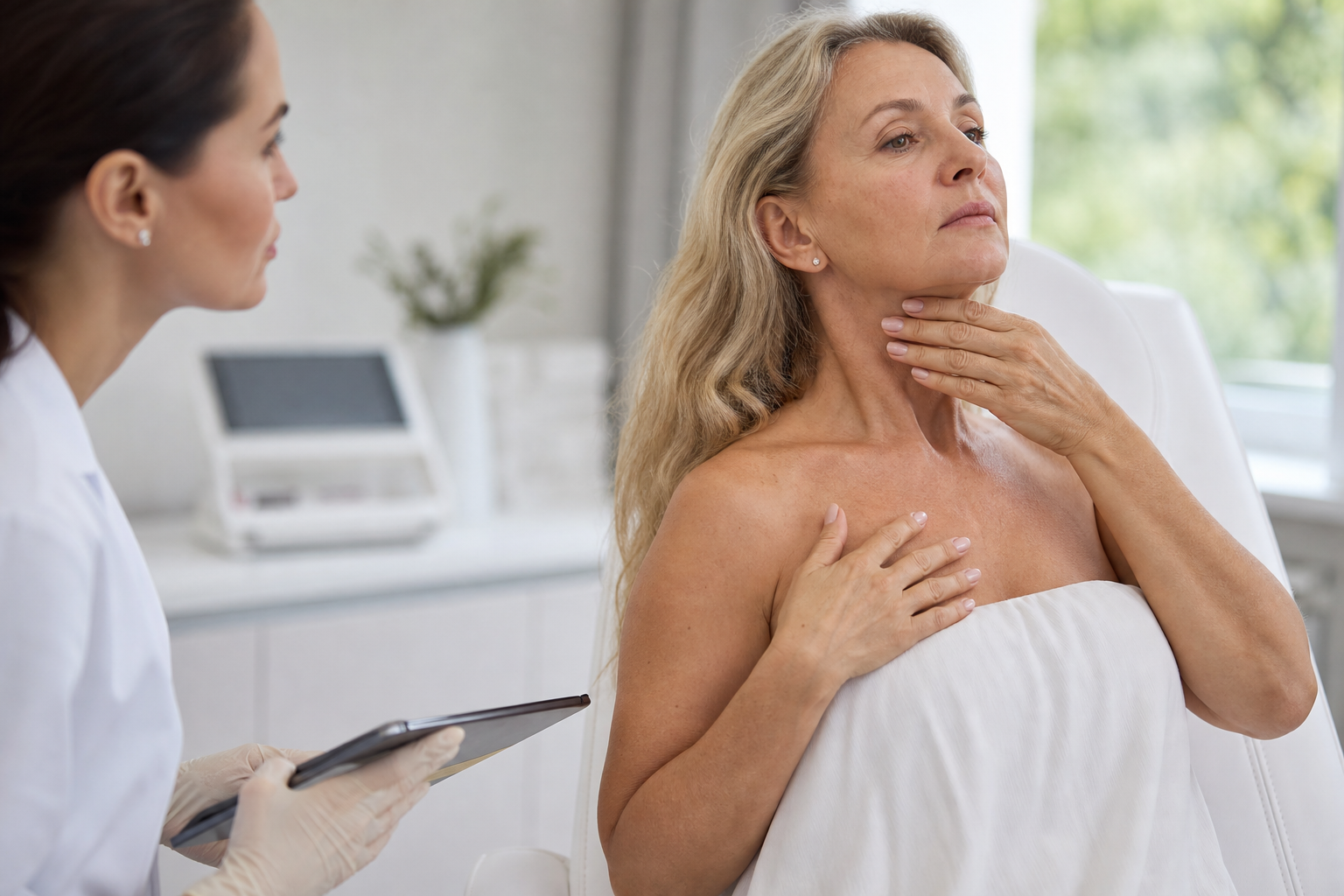
Laser Rejuvenation for the Neck, Décolletage and Hands
Laser rejuvenation for the neck, décolletage, and hands is a specialized approach that gently improves skin texture, reduces pigme...
Read more
Photoageing – How Lasers Address Sun-Damaged Skin
Photoageing results from chronic sun exposure causing wrinkles, pigmentation, and texture changes. Laser treatments can improve th...
Read more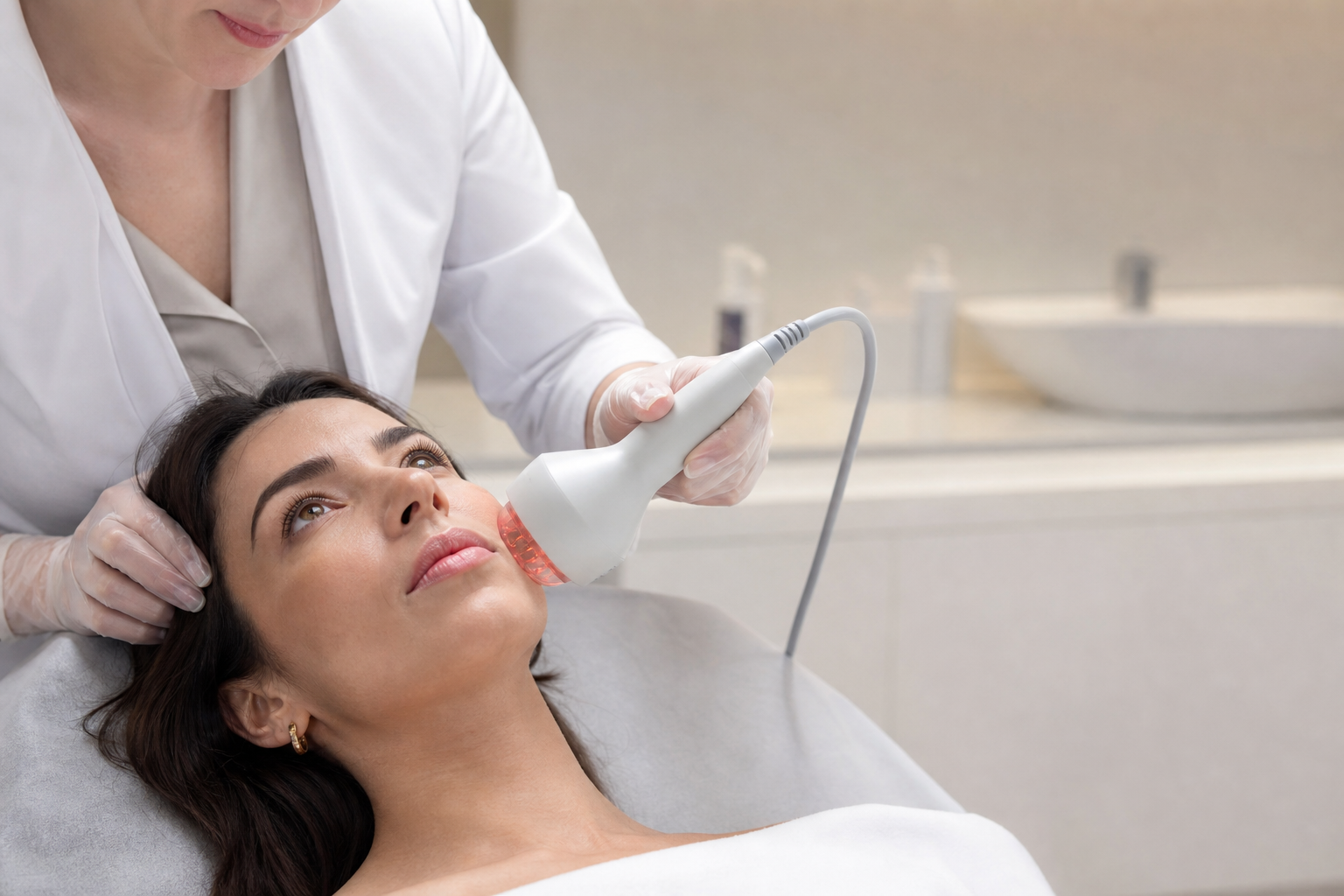
Can RF Improve Skin Texture?
Radiofrequency (RF) lifting uses energy waves to heat skin layers and stimulate collagen production, leading to improved skin text...
Read more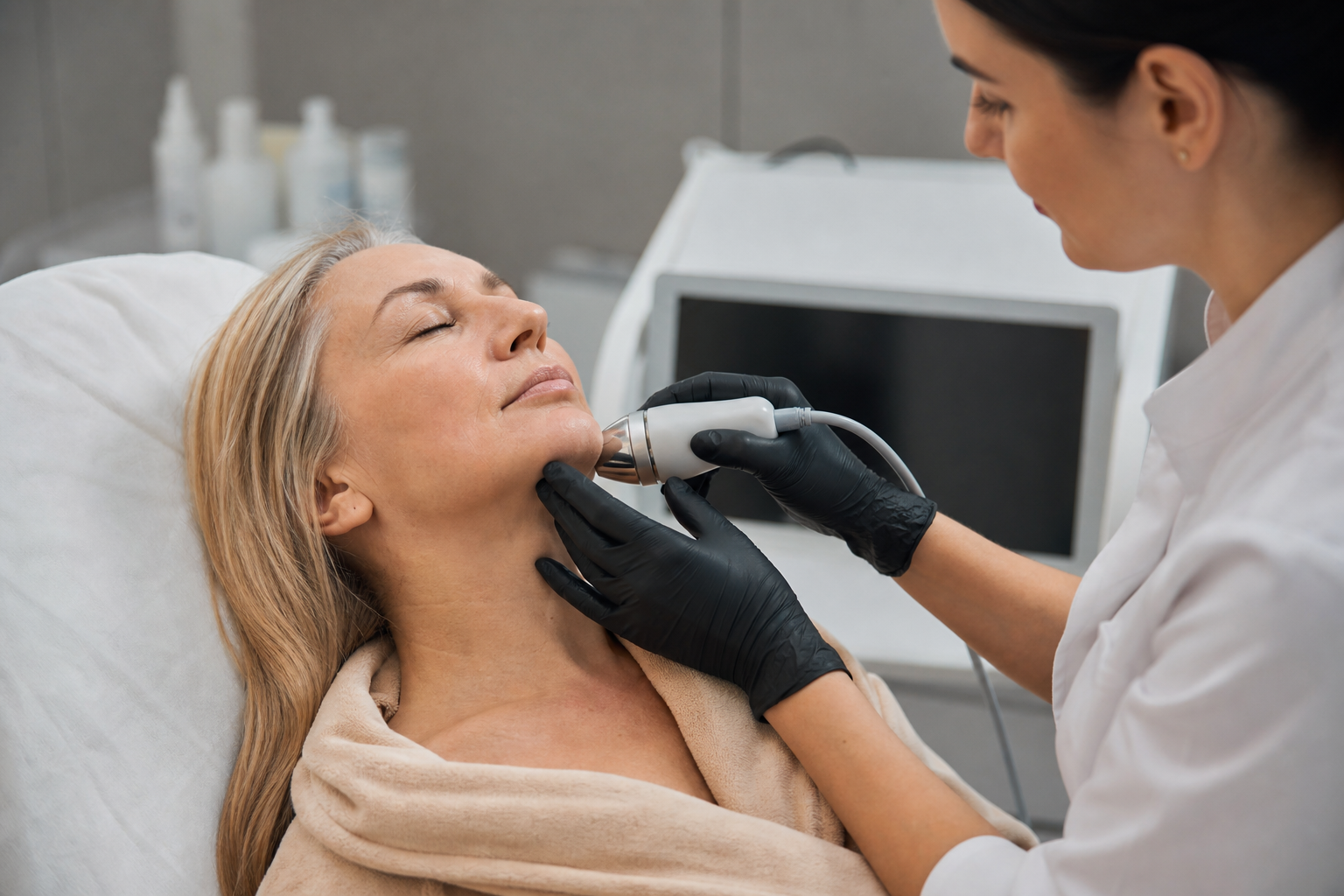
Why RF Treatments Yield Different Results for Everyone
Radiofrequency (RF) skin tightening is an innovative, non-invasive treatment to stimulate collagen and improve skin firmness. Howe...
Read more
Botox and Chemical Peels: Planning Your Recovery
Botox and chemical peels are effective aesthetic treatments addressing wrinkles and skin texture, but their success depends heavil...
Read more
What Happens During the Consultation Before the First Treatment?
The consultation before laser treatments like tattoo or permanent makeup removal is a critical step for personalized, safe, and ef...
Read more
Lip Function After Botox: Key Discussion Points with Your Doctor
This article offers an expert overview of Botox use around the lips, explaining how it affects lip function and appearance. It hig...
Read more
Adverse Reactions and Complications in Aesthetic Treatments
Aesthetic treatments like Botox and dermal fillers offer minimally invasive options for facial rejuvenation but can cause adverse...
Read more
Realistic Expectations from CO2 Laser
CO2 laser treatments offer targeted solutions for skin rejuvenation, with clear differences between ablative and non-ablative appr...
Read more
The Cheapest Treatment Is Not Always Best Value – What Does Price Include?
Choosing the cheapest laser treatment may seem cost-effective but often overlooks critical factors impacting safety and outcome. T...
Read more
What Treatment Is Used for Diffuse Facial Redness?
Diffuse facial redness, characterized by widespread and persistent redness, involves various underlying vascular and inflammatory...
Read more
Botulinum Toxin for Excessive Sweating
Botulinum toxin offers an effective treatment for focal excessive sweating, or hyperhidrosis, by selectively blocking sweat gland...
Read more
Can Botox Be Reversed?
Botox is a popular aesthetic treatment known for temporarily reducing wrinkles by relaxing muscles. This article explains that Bot...
Read more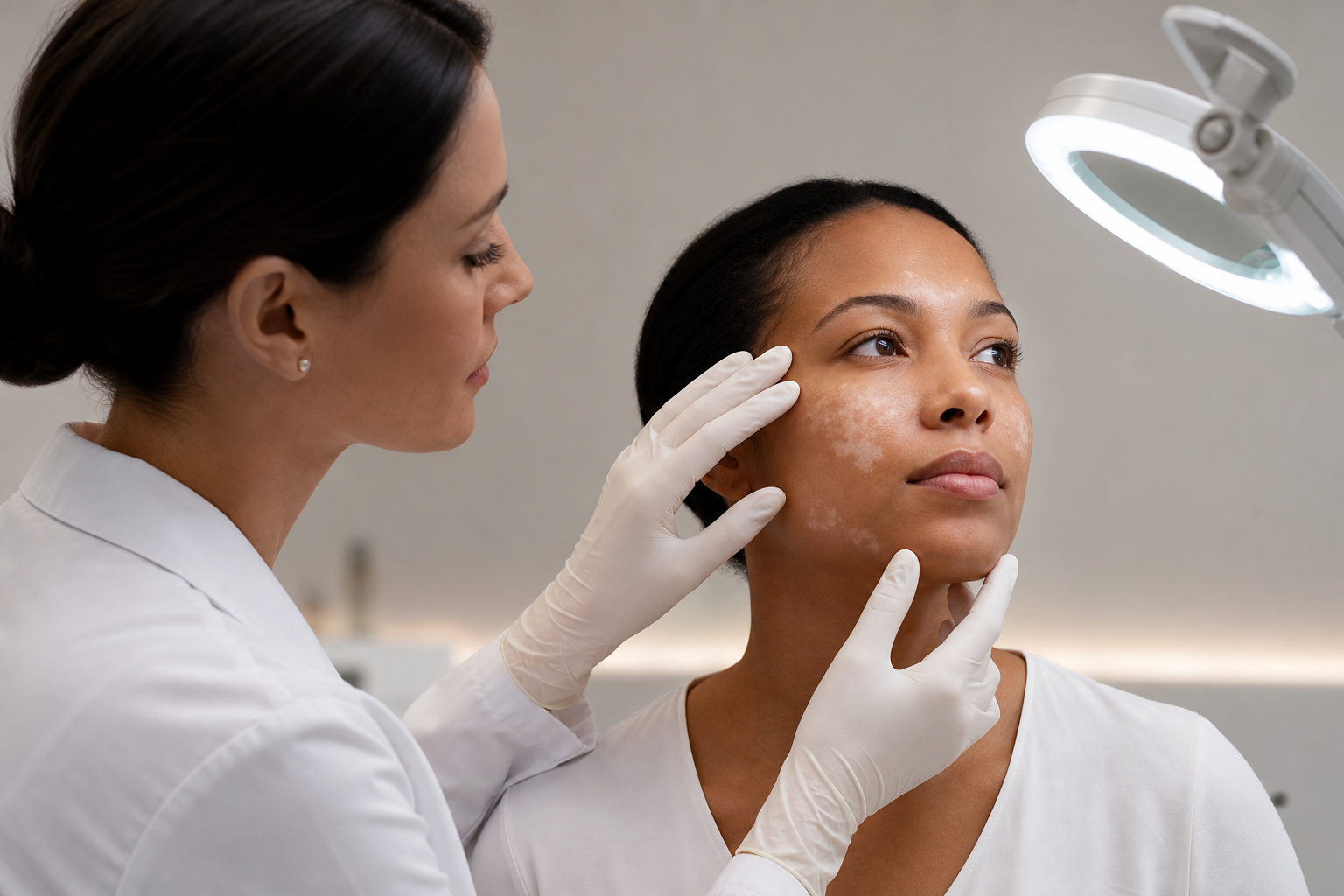
Hypopigmentation After Laser Treatment: Why Does It Happen?
Hypopigmentation after laser treatment causes lighter skin patches due to melanocyte damage, especially in darker or tanned skin....
Read more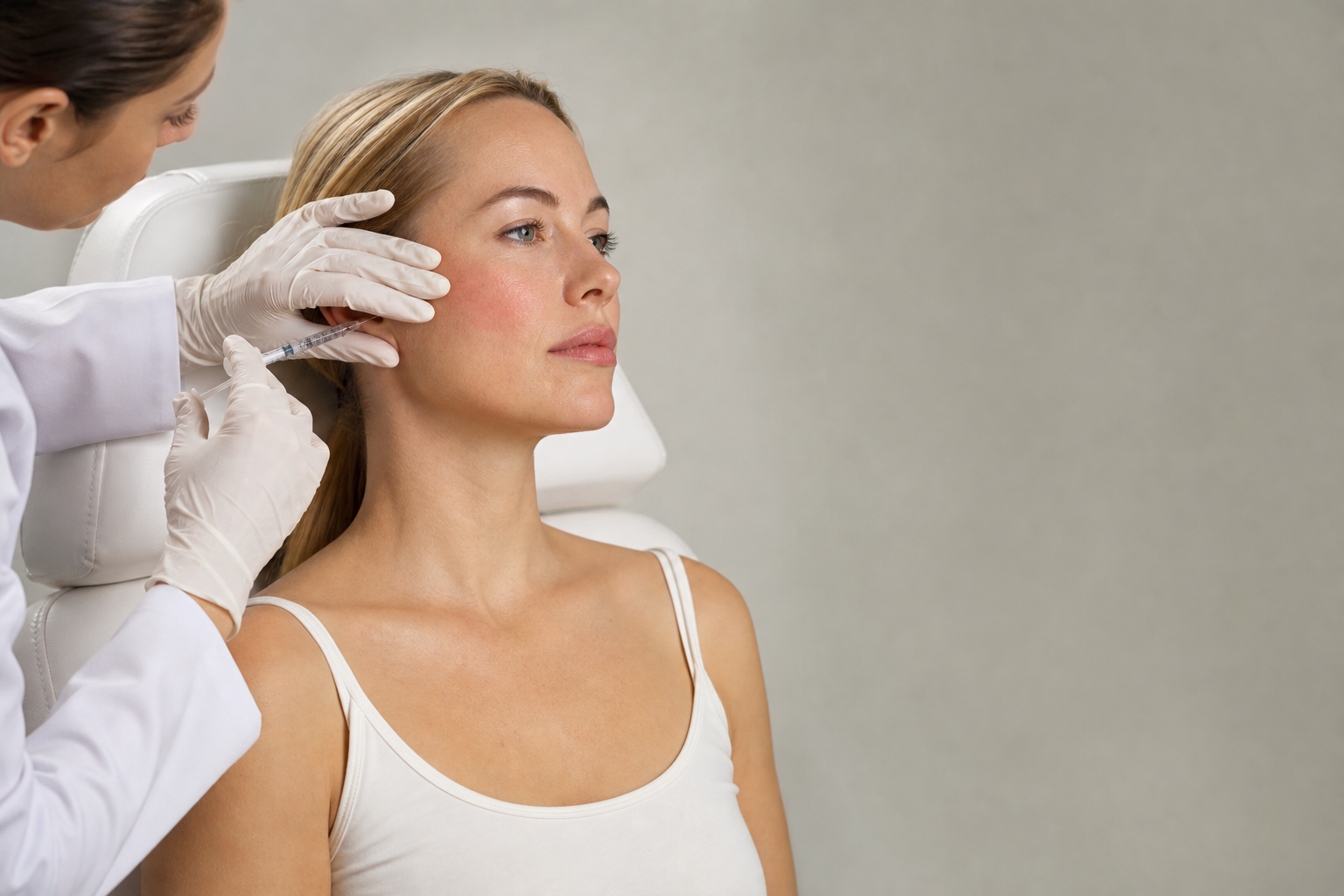
Swelling and Redness at Injection Sites: Understanding and Managing Reactions
Swelling and redness are common, mild reactions at Botox injection sites resulting from the skin's inflammatory response. Understa...
Read more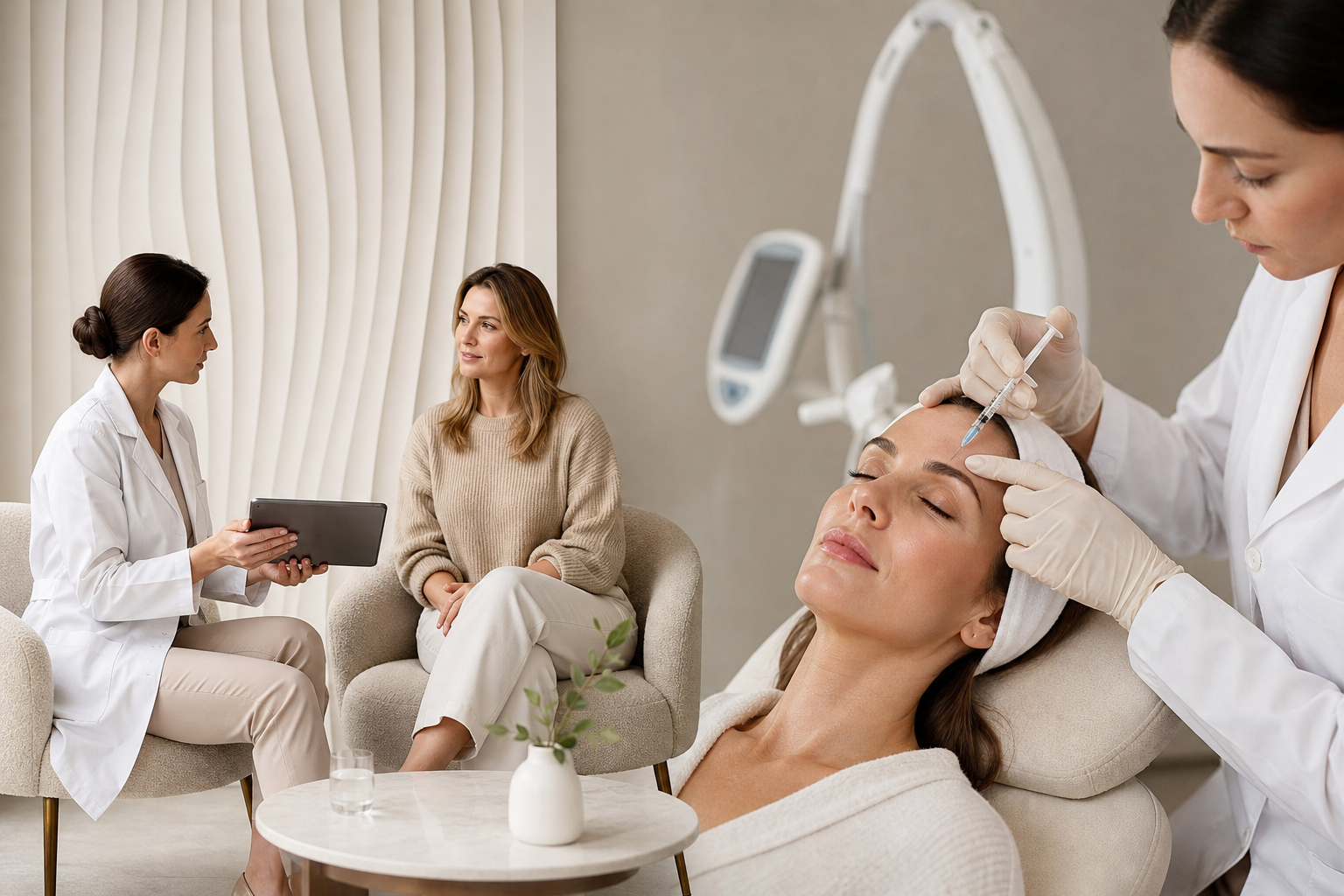
Botox and Laser Treatments: Planning the Treatment Sequence
Combining Botox and laser treatments in aesthetic medicine requires careful planning of the treatment sequence to maximize benefit...
Read more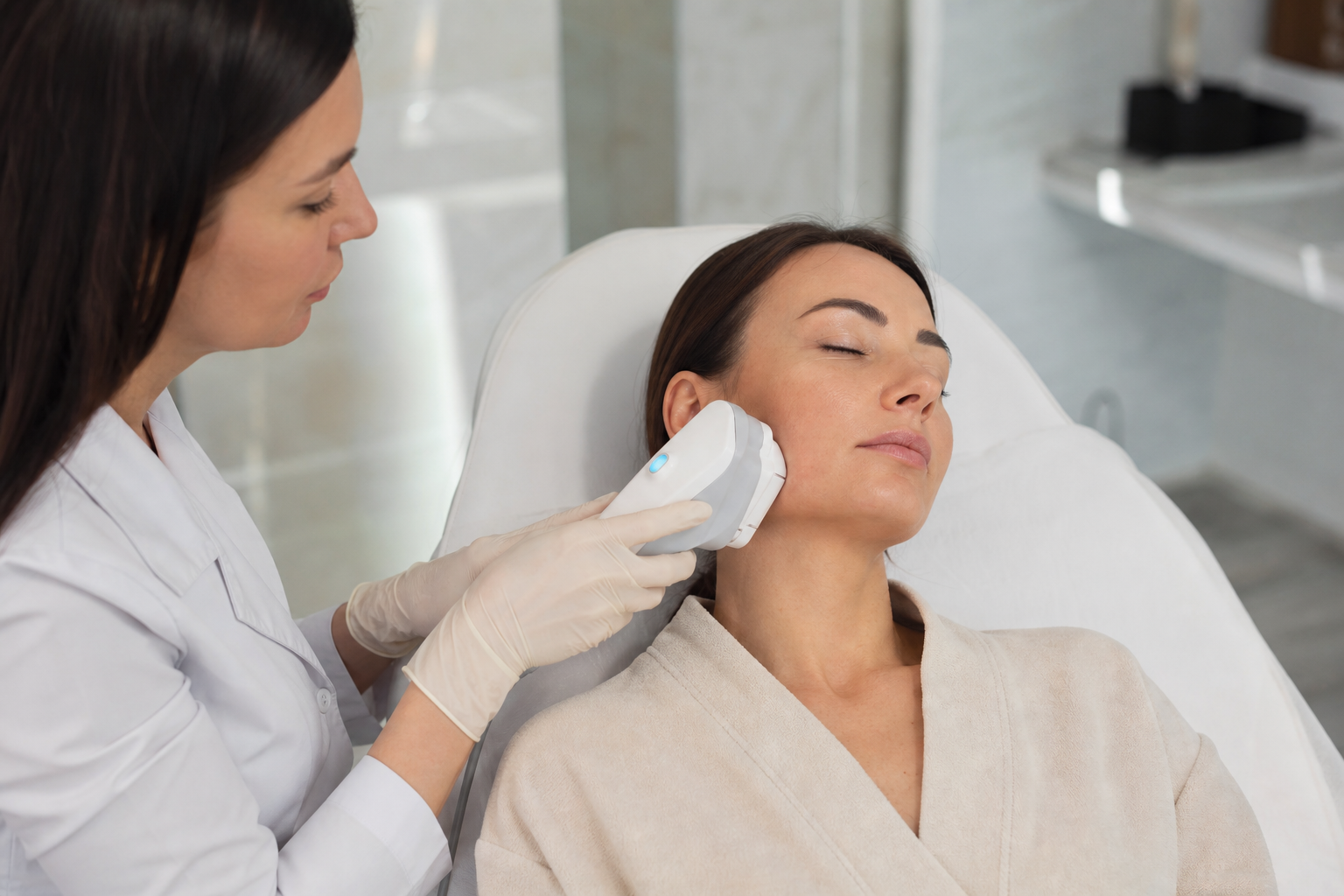
RF Lifting vs. HIFU: Understanding the Differences
RF lifting and HIFU are popular non-invasive treatments that rejuvenate and tighten skin by stimulating collagen production. RF li...
Read more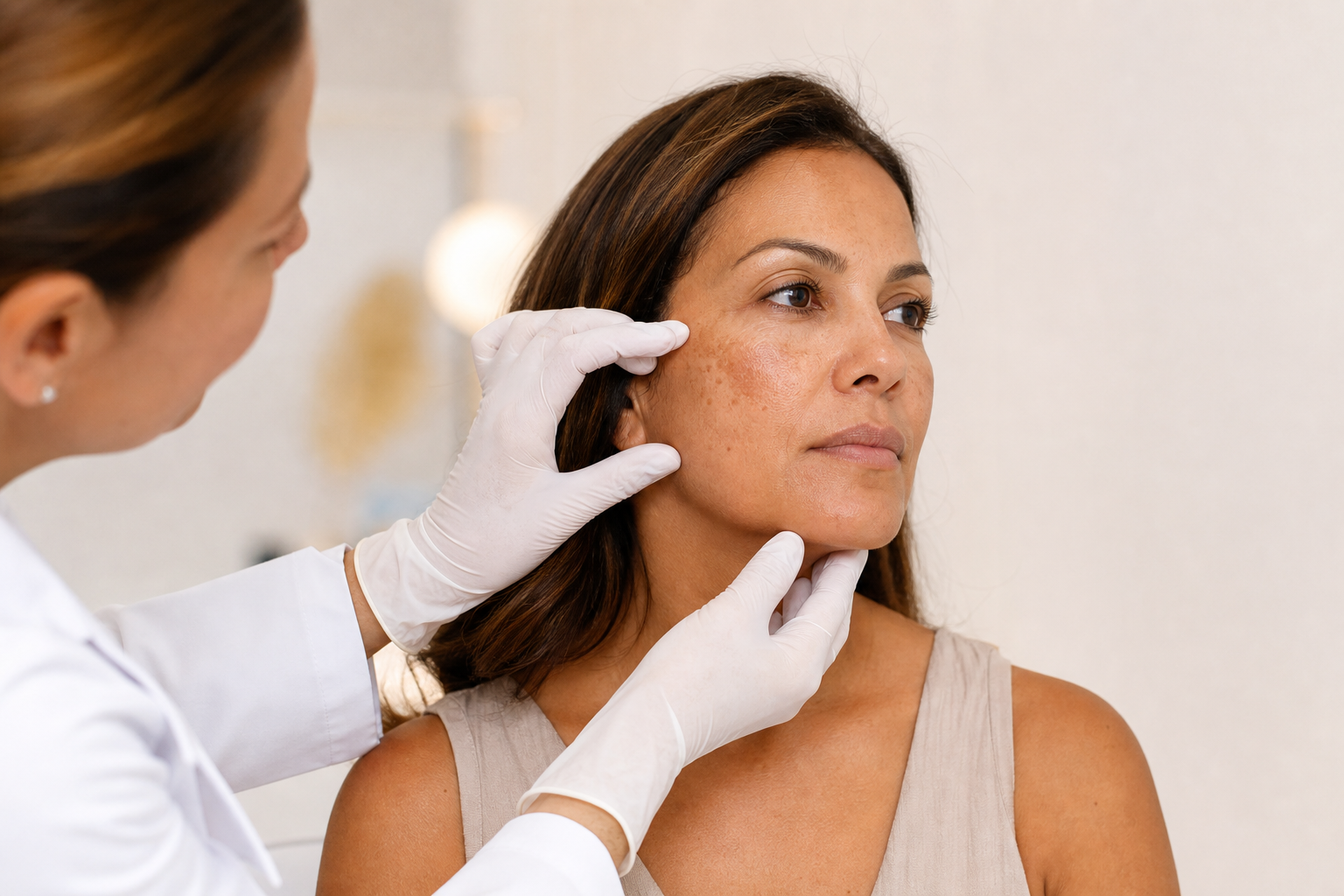
Hormonal Pigmentation: What Triggers It and Why Does It Return?
Hormonal pigmentation, commonly known as melasma, is triggered by hormonal fluctuations and environmental factors like sun exposur...
Read more
Underarm Botox: What to Expect from the Procedure
Underarm Botox offers a targeted, effective solution for excessive sweating by blocking sweat gland signals, providing relief last...
Read more
When Can Post-Acne Marks Be Treated With Lasers?
Post-acne marks, including brown hyperpigmentation and red erythema, require careful assessment before laser treatment. Effective...
Read more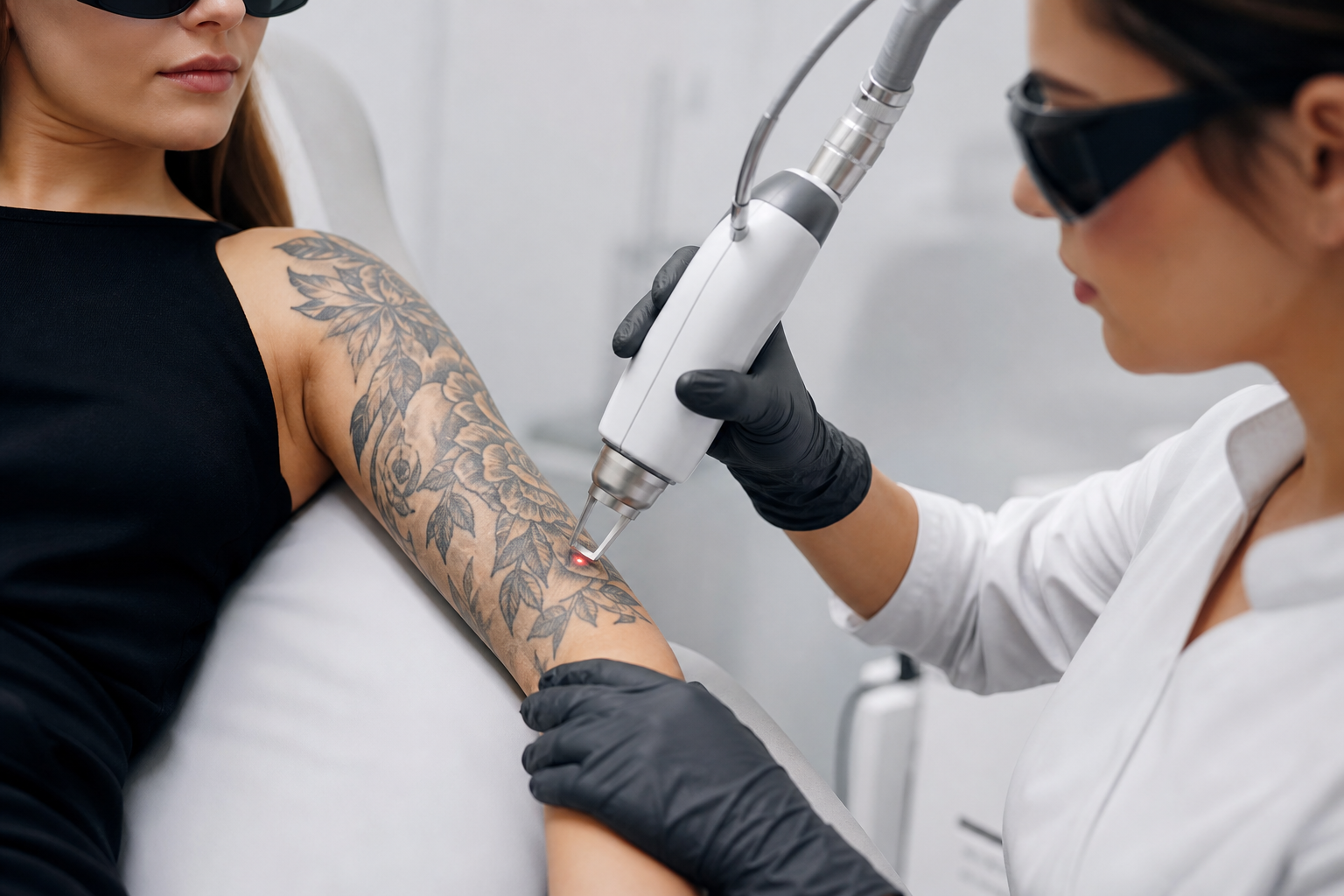
How Does Laser Energy Affect Tattoo Pigment?
Laser tattoo removal works by selectively targeting and fragmenting pigment particles in the skin using specific laser wavelengths...
Read more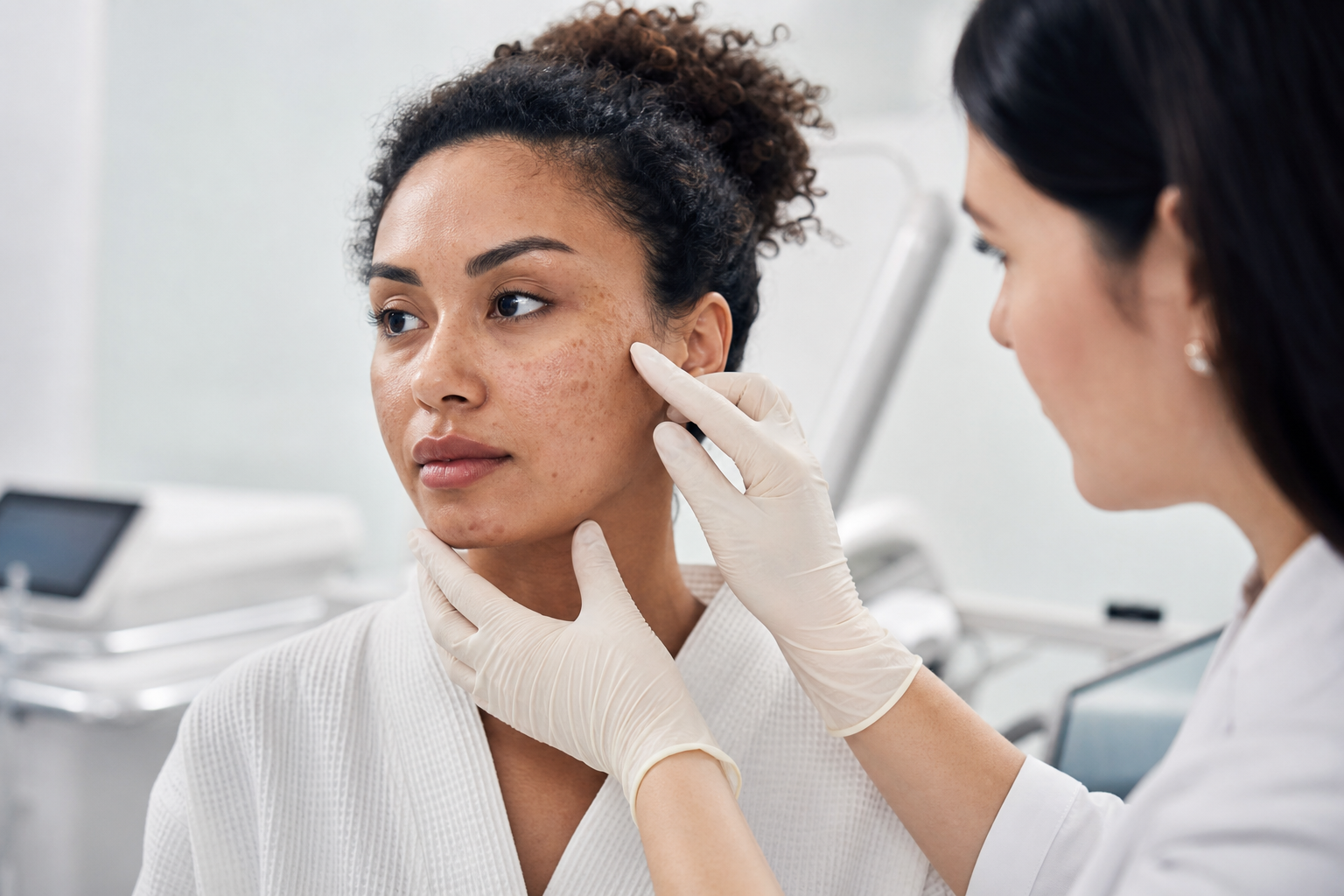
Who Is Not a Good Candidate for Laser Pigmentation Treatment?
Laser pigmentation treatment offers effective solutions for various pigmentary conditions but is not suitable for everyone. Patien...
Read more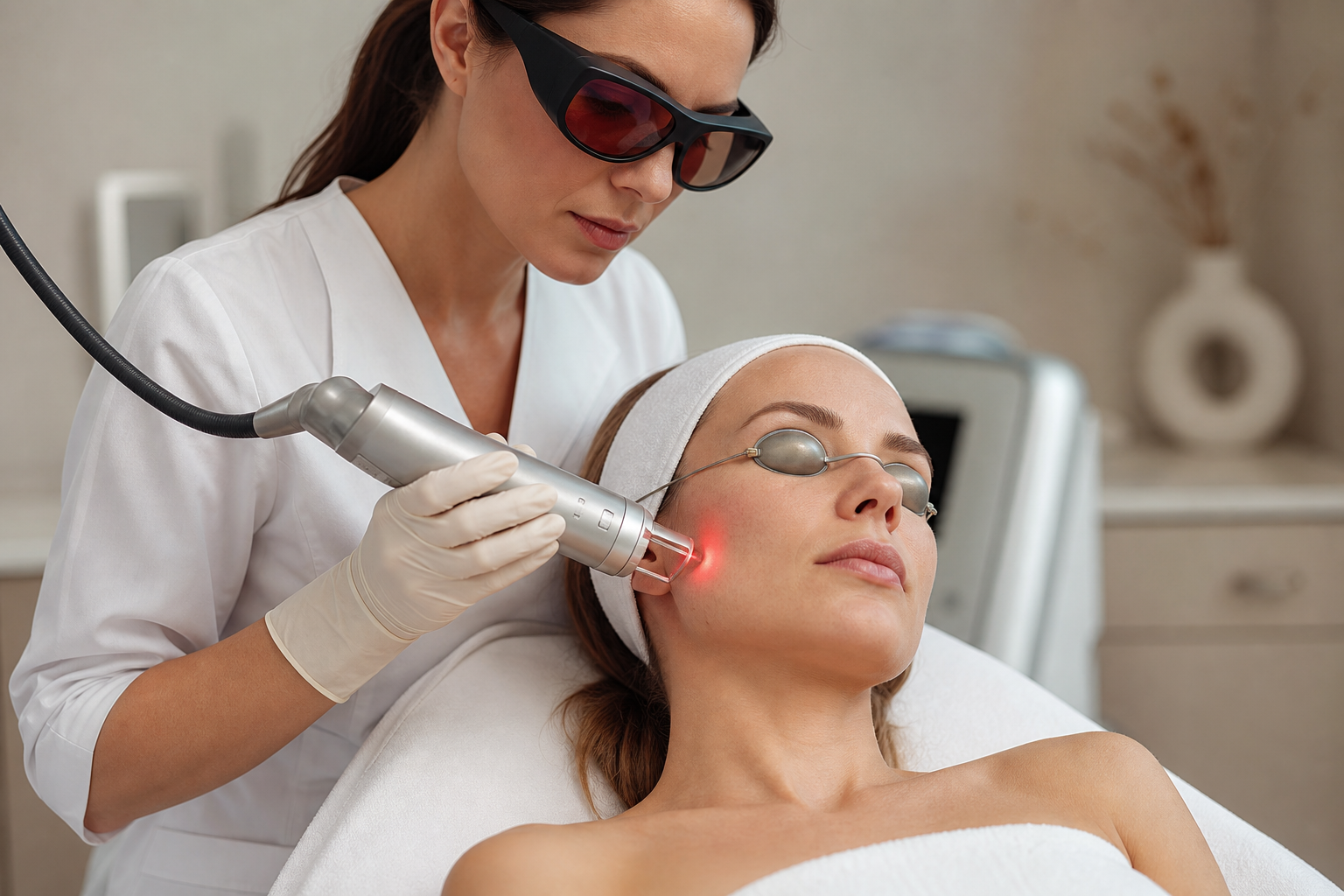
Ruby Laser: Where Is It Used Today?
The ruby laser remains a key tool for treating superficial pigmentation and certain tattoo inks, particularly in lighter skin type...
Read more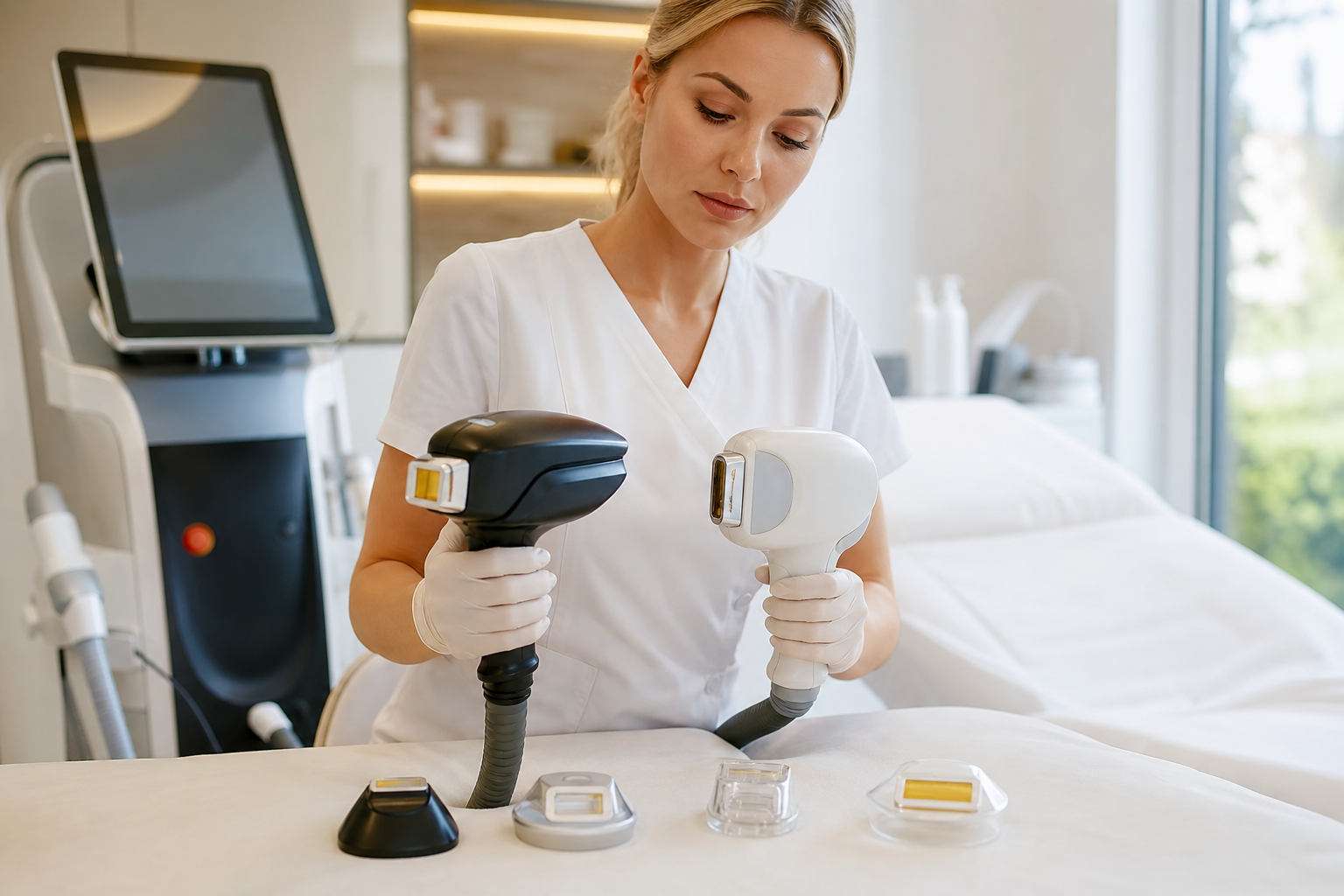
Do All Diode Lasers Deliver the Same Results?
Not all diode lasers produce identical results in laser hair removal and skin treatments. Differences in wavelength, pulse duratio...
Read more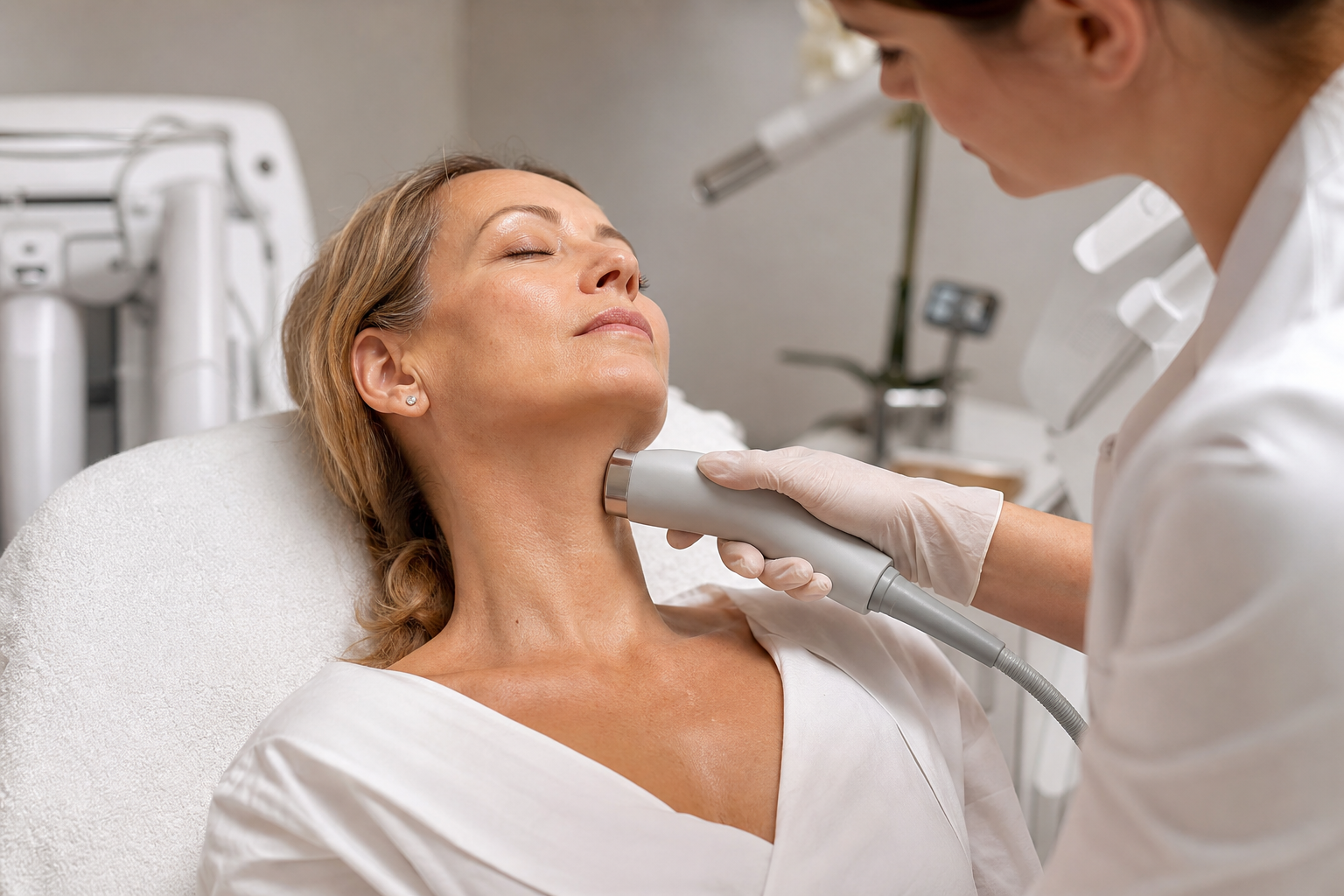
RF Neck Lifting: Who Is It Suitable For?
RF neck lifting is a non-invasive treatment using radiofrequency energy to tighten and rejuvenate neck skin. It suits adults with...
Read more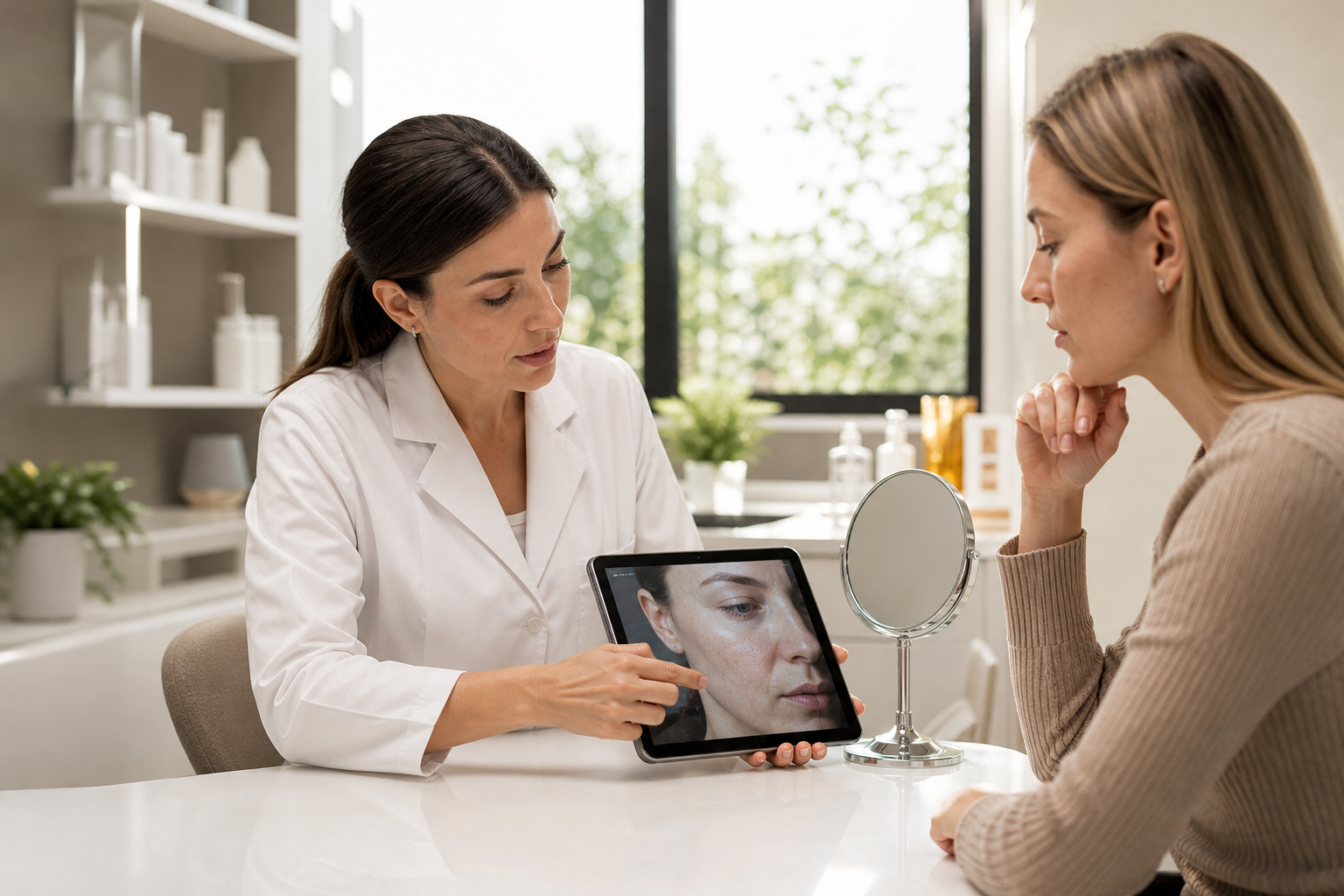
How to Choose a Laser Treatment for Your Skin Concern
Choosing the right laser treatment for your skin involves understanding the types of lasers available, assessing your specific ski...
Read more
Laser Hair Removal Results After 10 Sessions: What to Expect
After completing ten laser hair removal sessions, most individuals notice significant reduction in hair density and thickness, lea...
Read more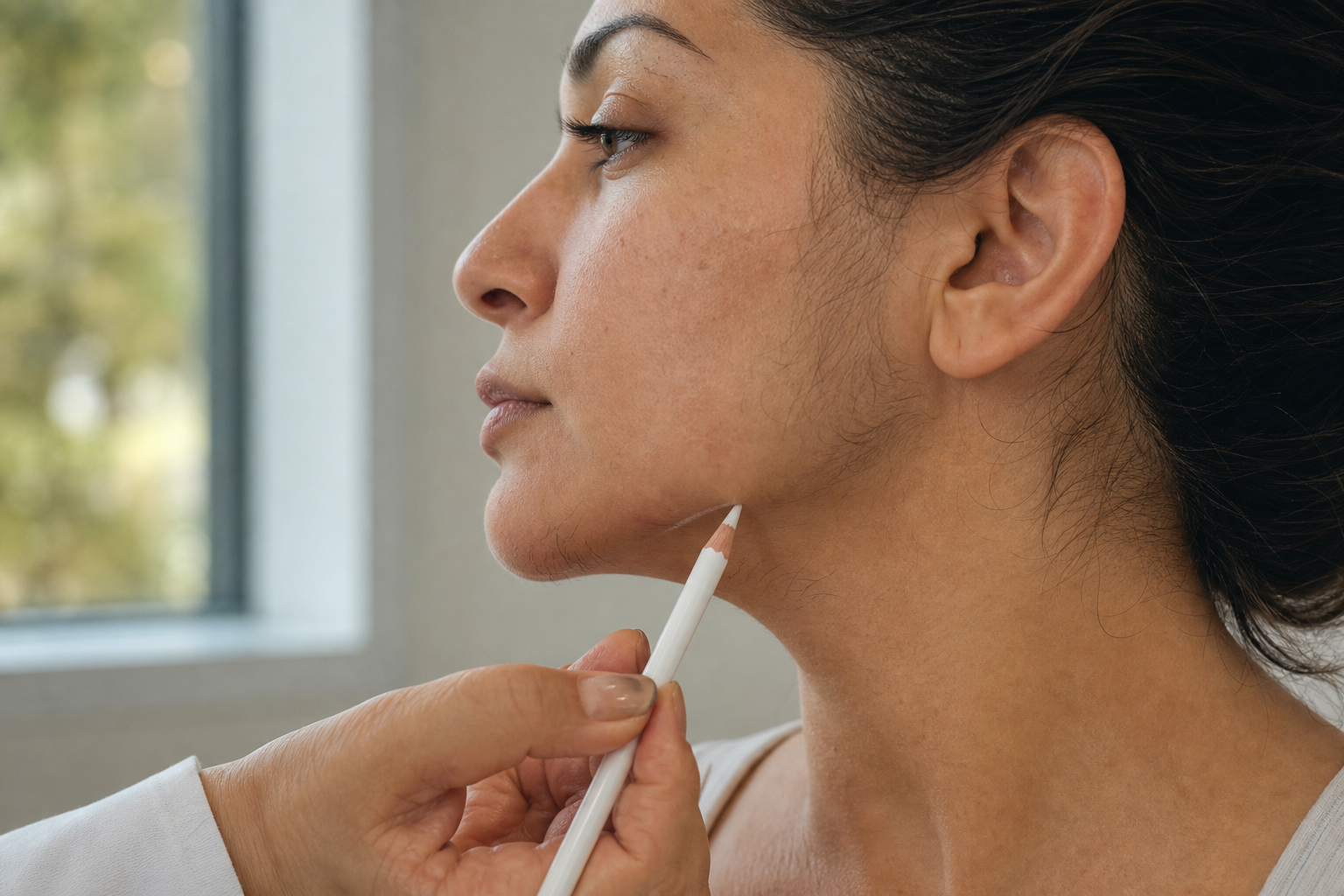
Hormonally Influenced Facial Hair
Hormonally influenced facial hair typically appears as darker, thicker terminal hairs on the chin, jaw, neck, and upper lip due to...
Read more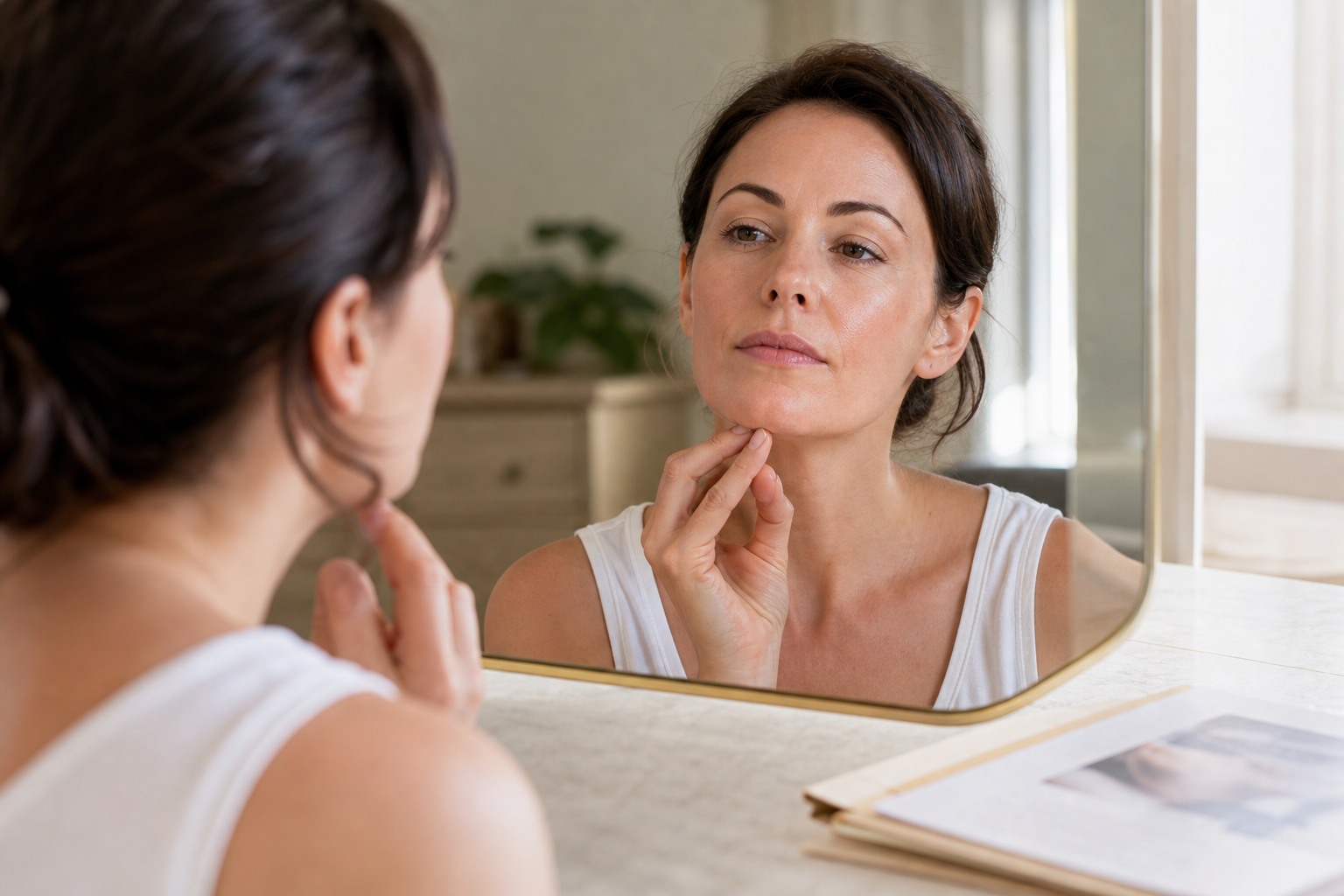
Can Hormones Cause Hair to Return After Laser?
Hormonal fluctuations can cause hair to regrow after laser hair removal by reactivating dormant follicles or partially recovering...
Read more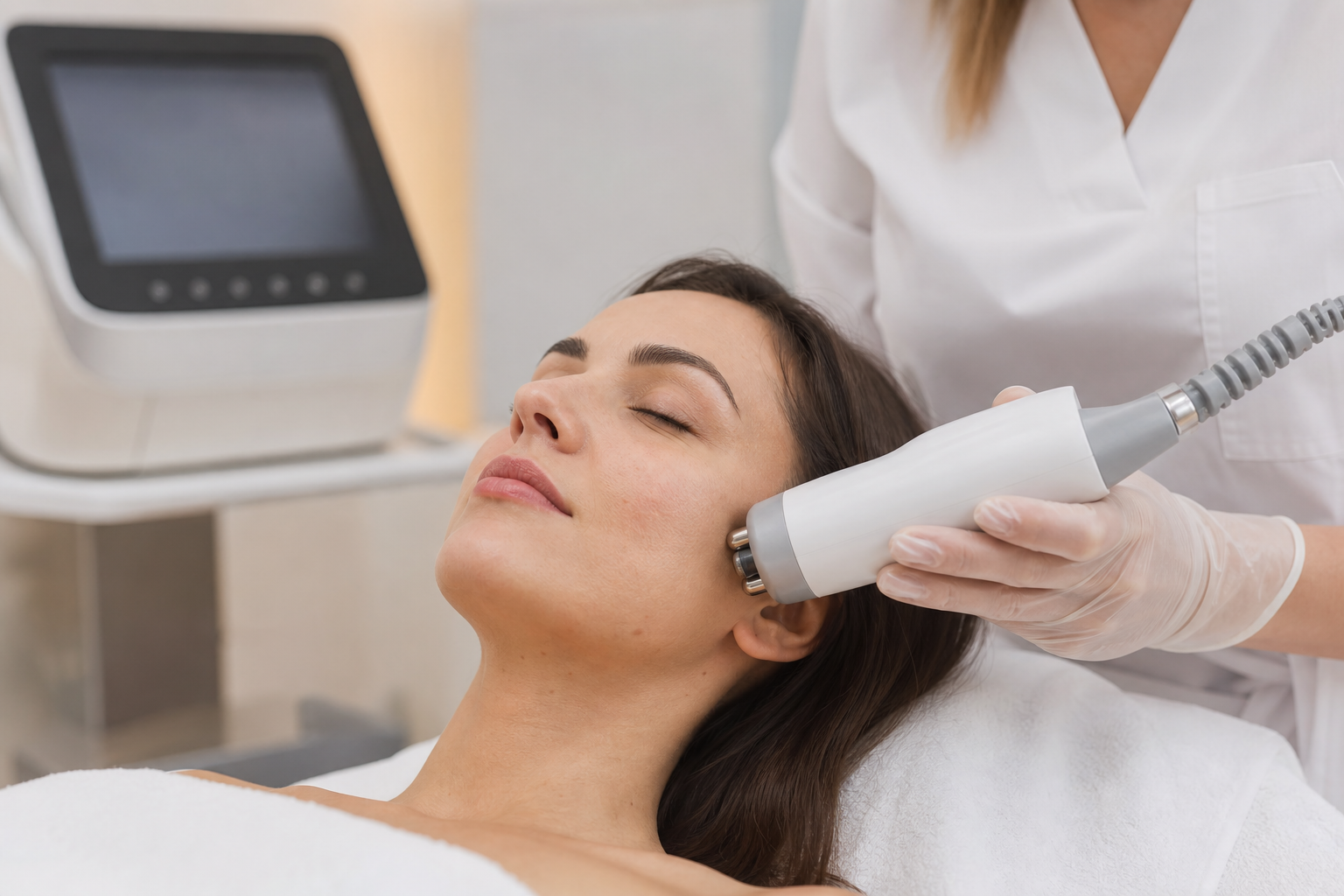
RF Treatment for Enlarged Pores
Radiofrequency (RF) treatment offers a non-invasive way to reduce enlarged pores by stimulating collagen production and tightening...
Read more
Maintenance Laser Sessions for PCOS
Maintenance laser sessions are a key part of managing unwanted hair growth in women with PCOS, tailored to individual hormonal flu...
Read more
Essential Questions to Ask Your Doctor Before Getting Botox
Before undergoing Botox treatment, it is essential to engage in thorough consultations with your doctor. Understanding the procedu...
Read more
Laser Neck Tightening – How to Firm Loose Skin and Reduce Lines
Laser neck tightening is a non-invasive cosmetic procedure that firms loose skin and reduces fine lines by stimulating collagen pr...
Read more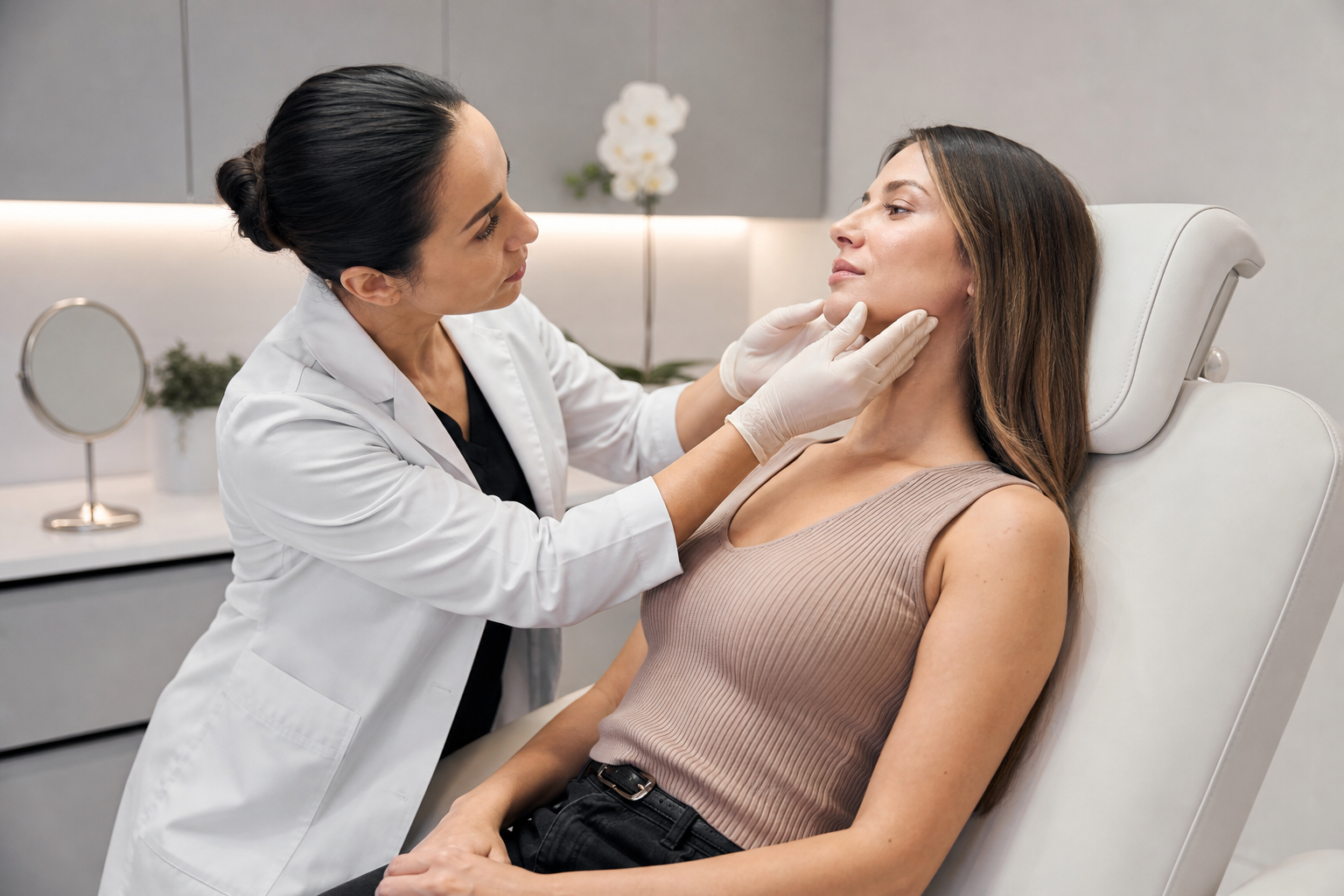
Changes in Smile or Chewing Function After Lower Face Treatments
Botox treatments in the lower face can affect smiling and chewing due to their impact on key facial muscles. Understanding these c...
Read more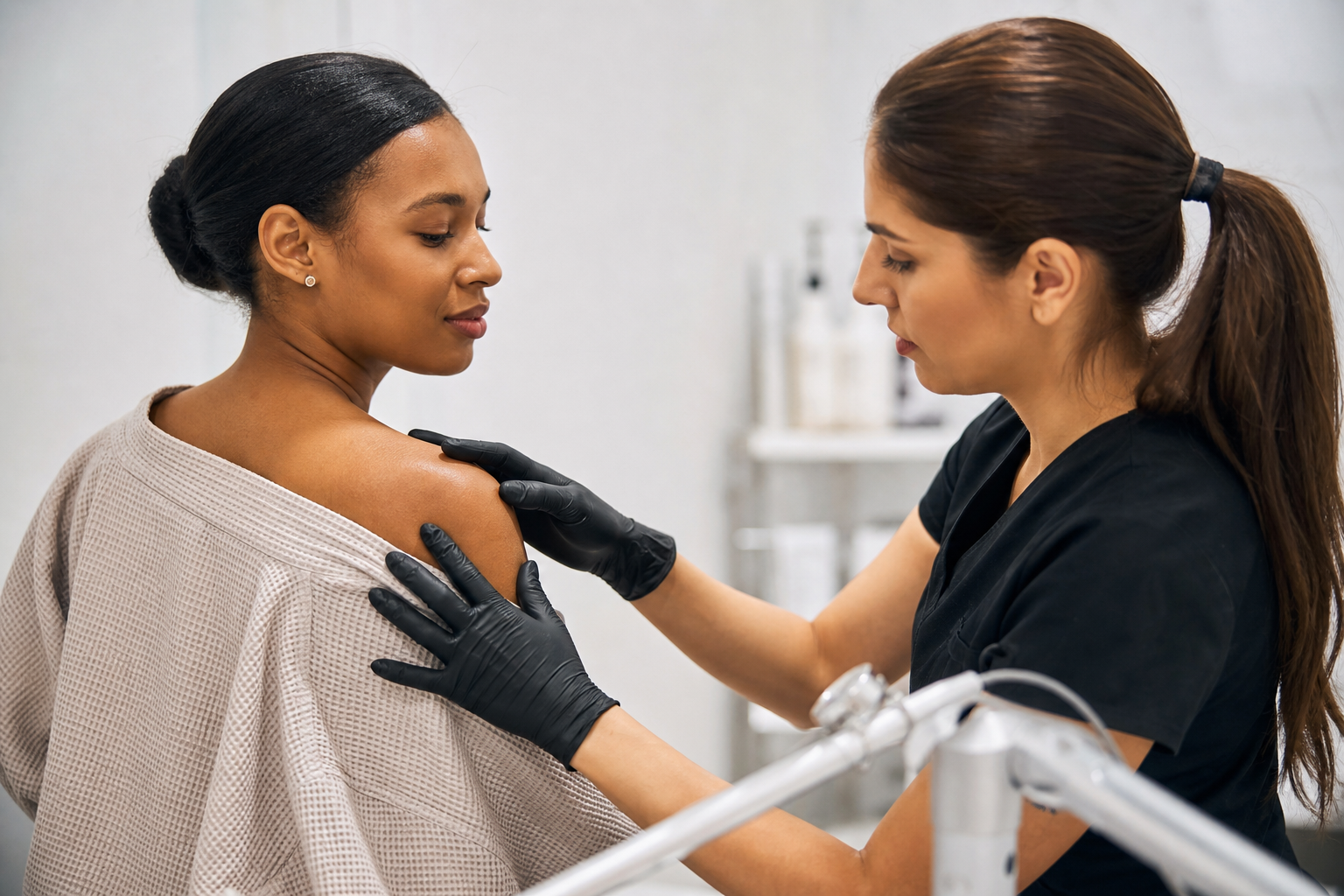
Laser Test Spots: When Are They Especially Important?
Laser test spots are crucial preliminary steps before full laser treatments, especially for individuals with darker or tanned skin...
Read more
Leg Capillaries: Are They Treated with the Same Laser as Facial Capillaries?
Leg and facial capillaries differ significantly in their anatomy and causes, requiring distinct laser treatments. Understanding th...
Read more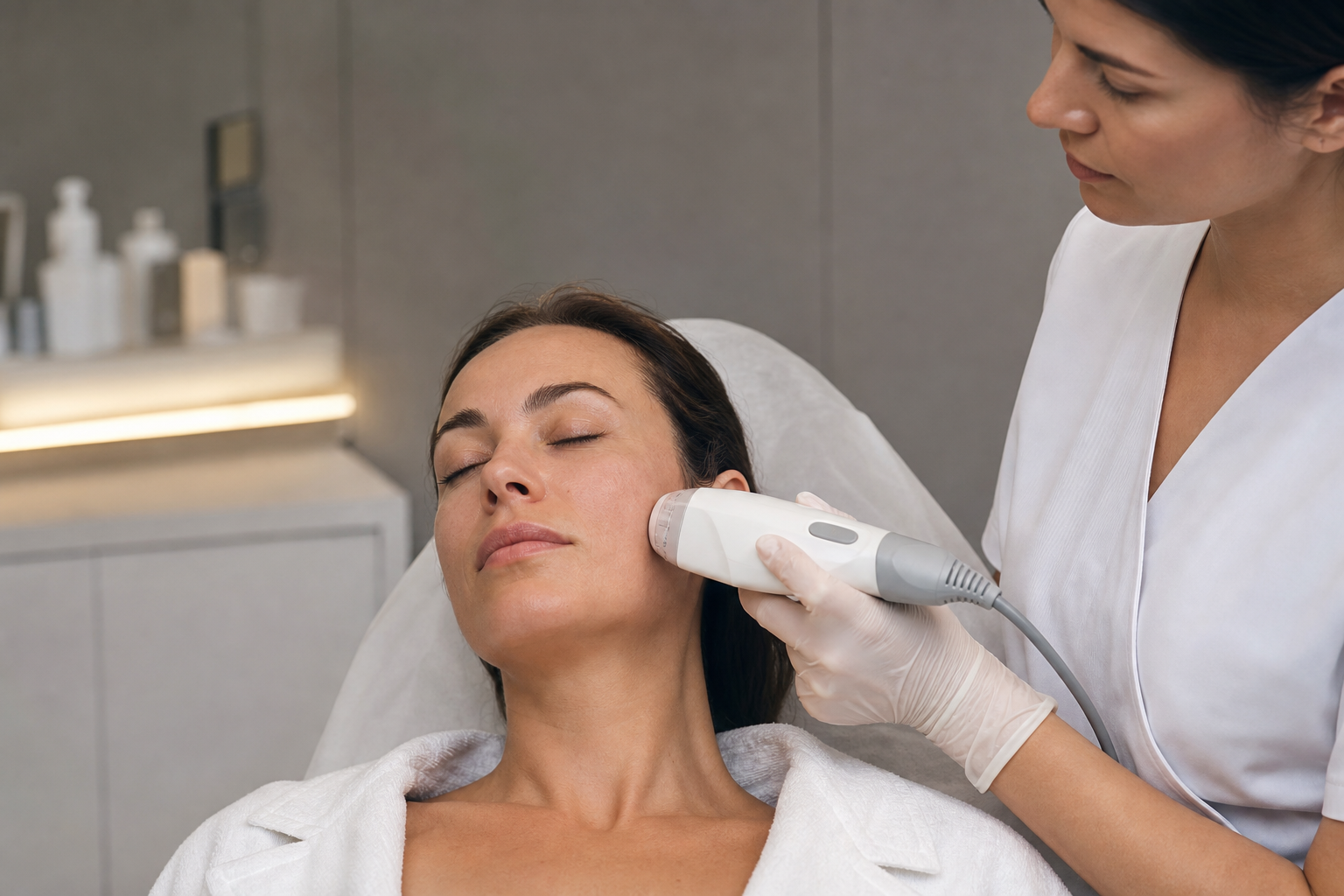
Does RF Lifting Hurt?
Radiofrequency (RF) lifting is a non-invasive skin tightening treatment that stimulates collagen production for firmer, youthful s...
Read more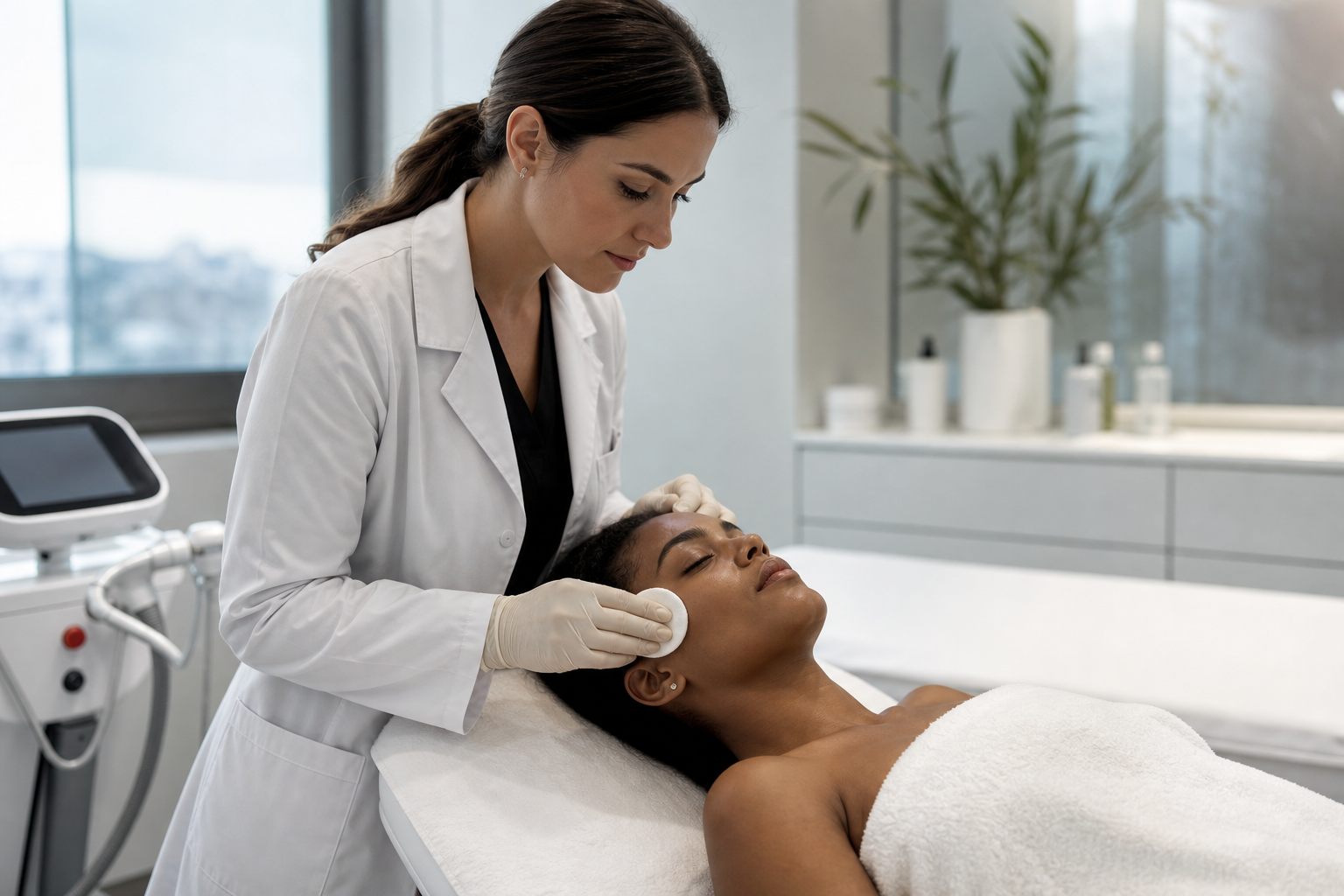
Laser Treatments for Darker Skin Phototypes
Laser treatments for darker skin phototypes require specialized approaches to balance efficacy and safety due to higher melanin co...
Read more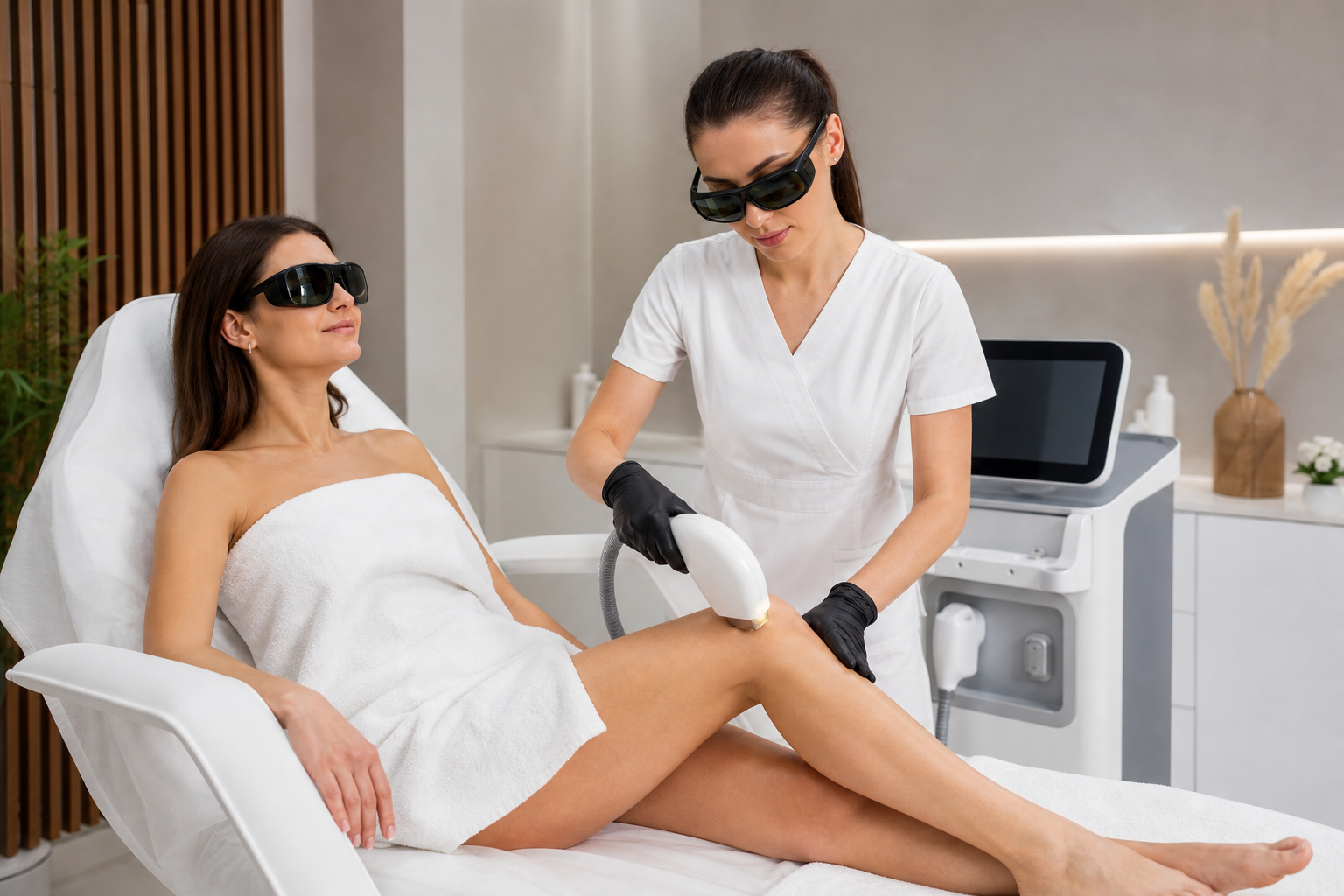
Understanding the Hair Growth Cycle and Why It Matters for Laser Hair Removal
Laser hair removal efficacy depends heavily on the natural hair growth cycle, which dictates hair follicle responsiveness to treat...
Read more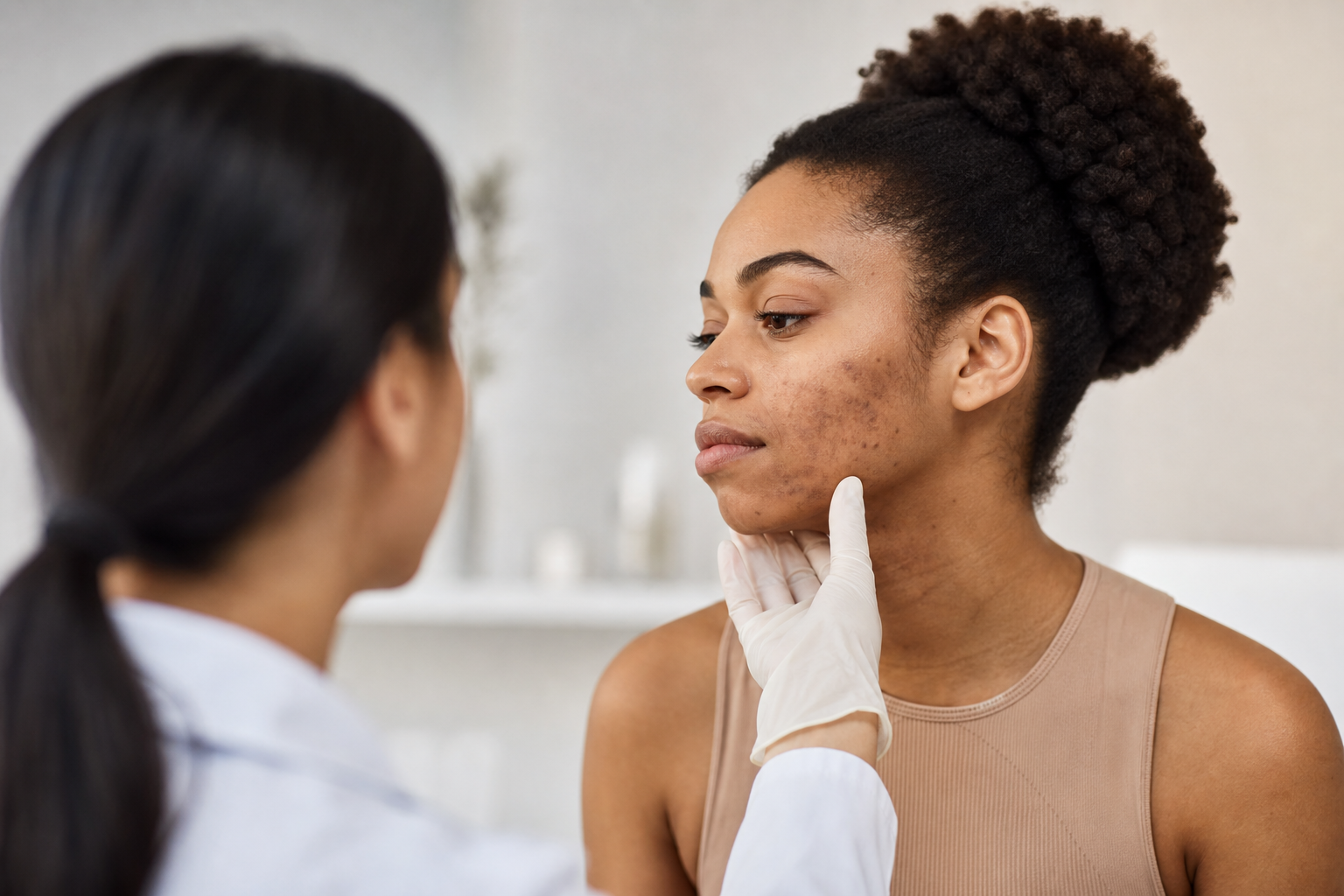
What Is Post-Inflammatory Hyperpigmentation?
Post-inflammatory hyperpigmentation (PIH) manifests as dark patches on the skin following inflammation or injury, particularly aff...
Read more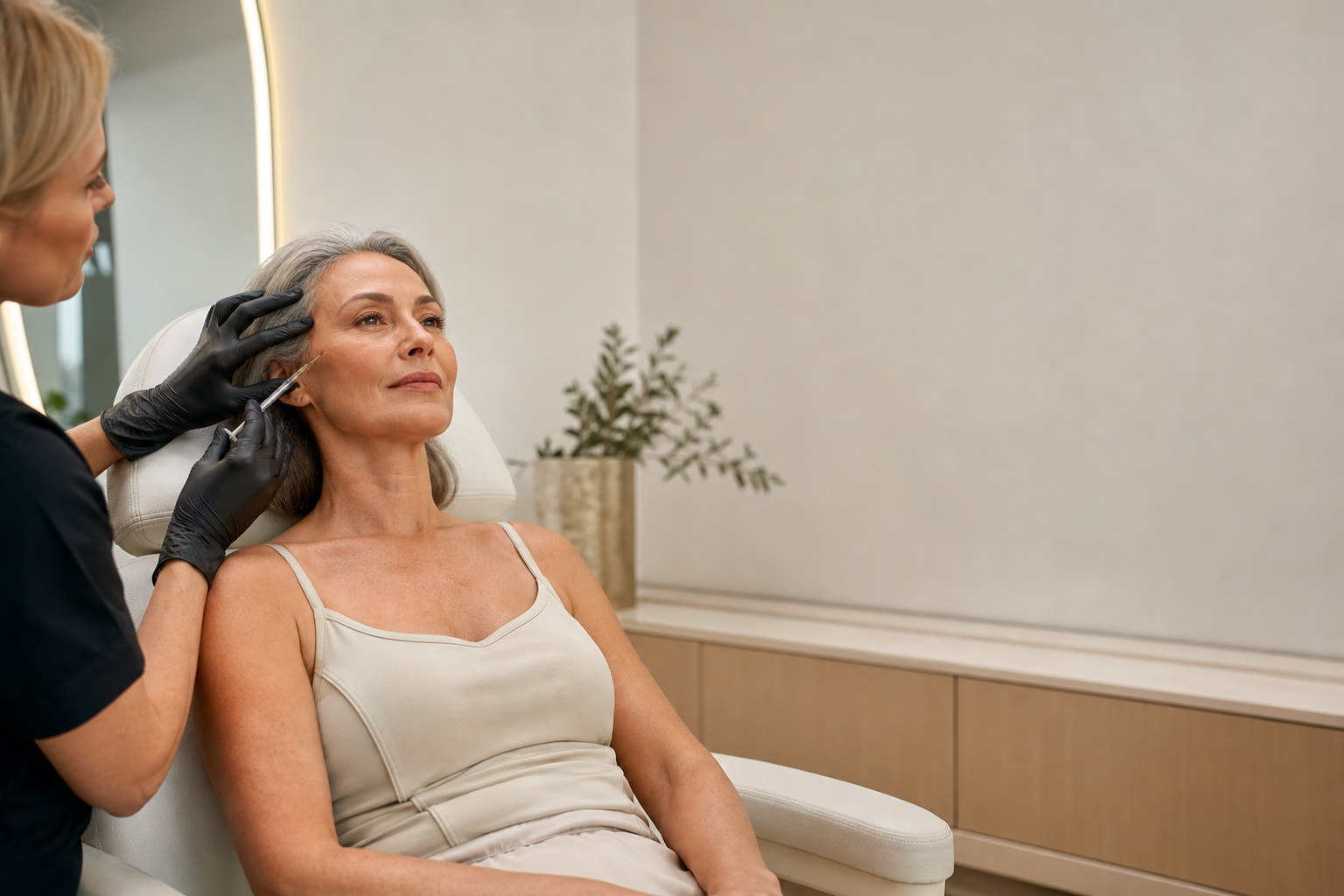
Botox in Your Fifties: Impact of Skin Quality and Volume
Botox in your fifties requires a tailored approach that considers the complex changes in skin quality and facial volume accompanyi...
Read more
Botox and Other Aesthetic Treatments
Botox and other aesthetic treatments offer effective non-surgical options for reducing wrinkles, restoring facial volume, and impr...
Read more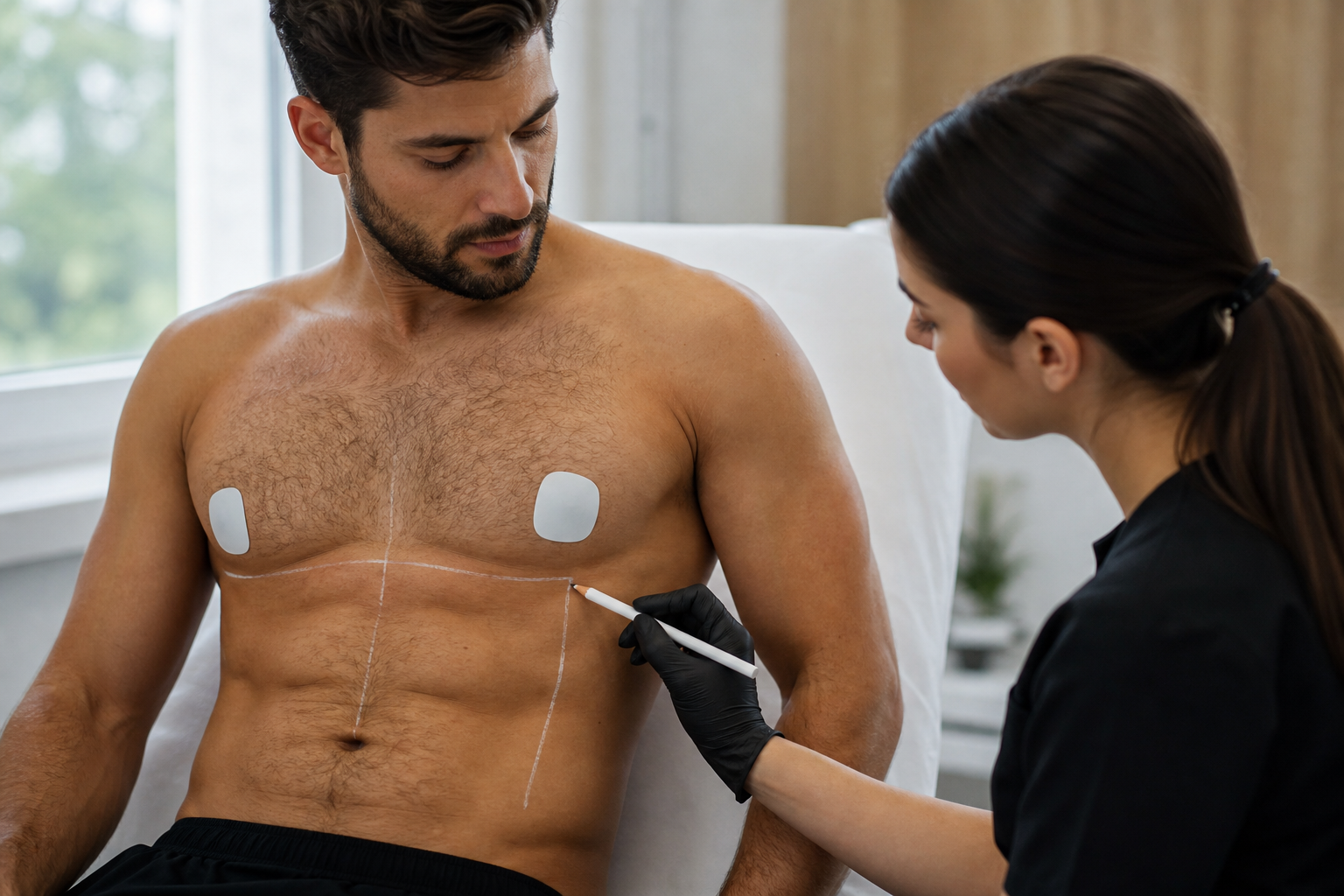
Chest Laser Hair Removal for Men
Chest laser hair removal for men offers tailored solutions ranging from complete removal to subtle thinning, ensuring natural hair...
Read more
Why Does Botox Last Shorter for Some People?
Botox's effect duration varies among individuals due to factors like metabolism, injection site activity, and immune responses. Un...
Read more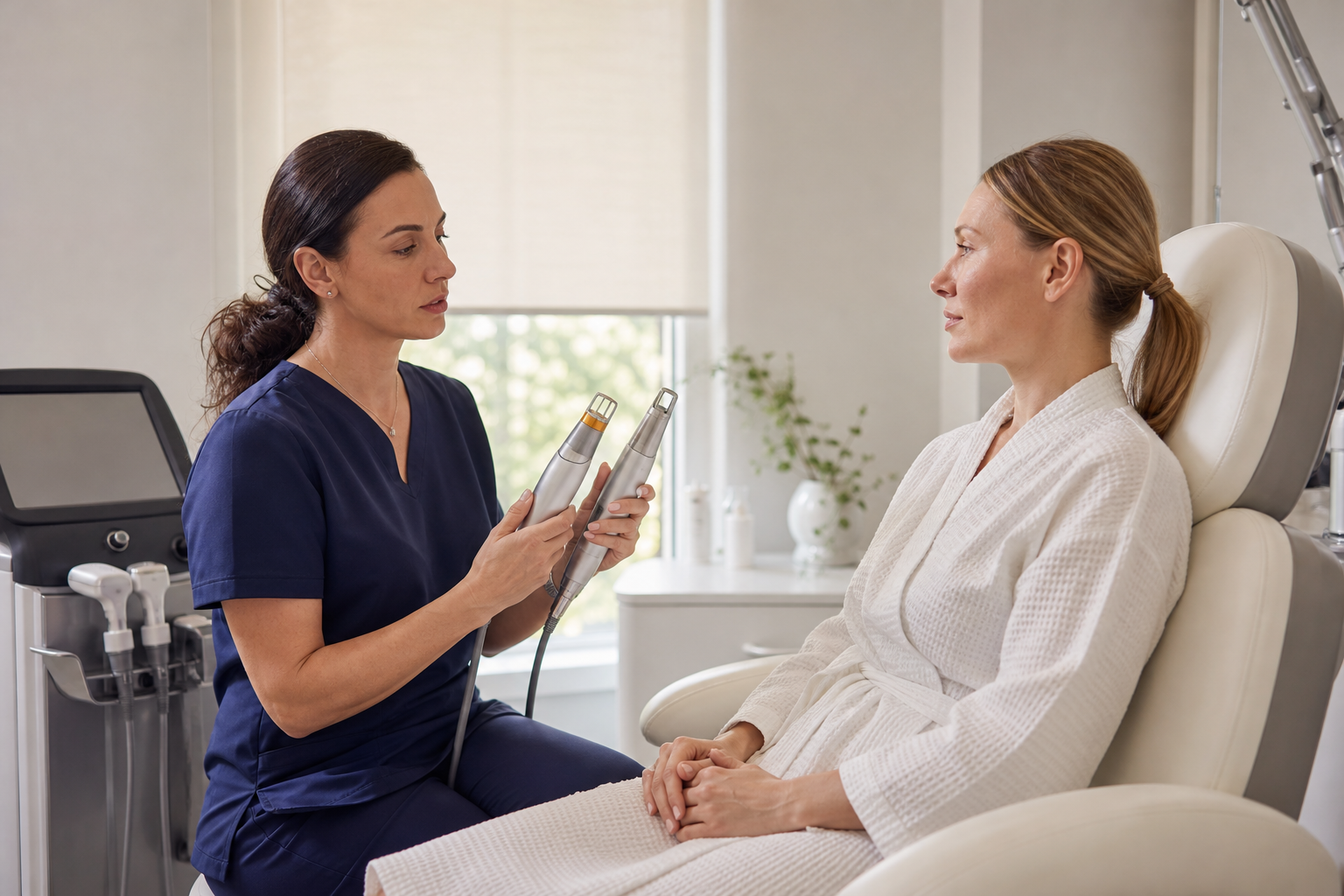
Can Laser Therapy Reduce Rosacea-Related Redness?
Laser therapy offers a targeted approach to reduce the persistent redness caused by rosacea by addressing dilated blood vessels. W...
Read more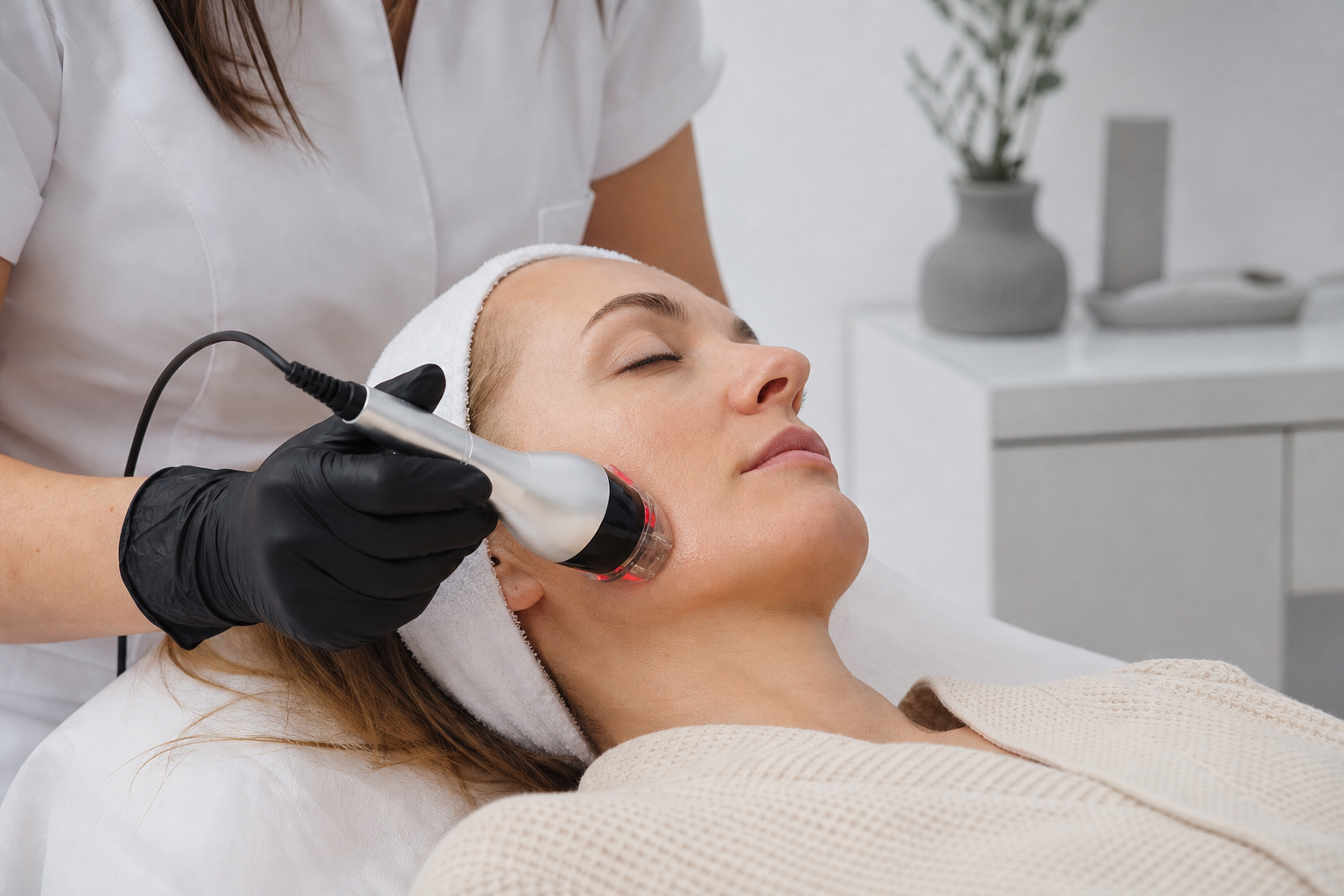
How Many RF Treatments Are Needed?
RF lifting uses radiofrequency energy to stimulate collagen production for firmer skin. Treatment numbers vary by procedure and sk...
Read more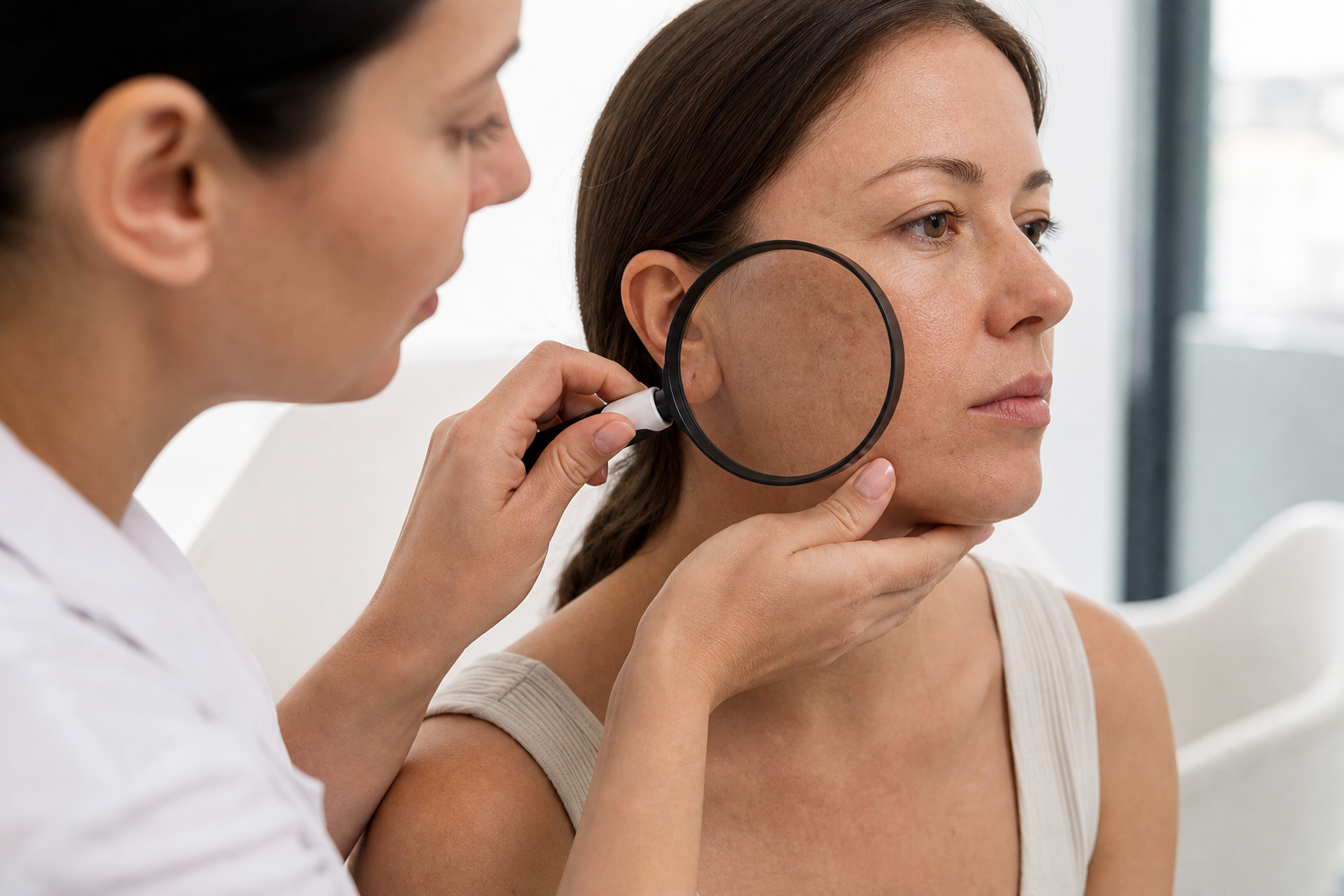
What Can Before-and-After Photos Show – and What Can They Not Show?
Before-and-after photos are vital visual tools in aesthetic medicine that reveal physical improvements from treatments like laser...
Read more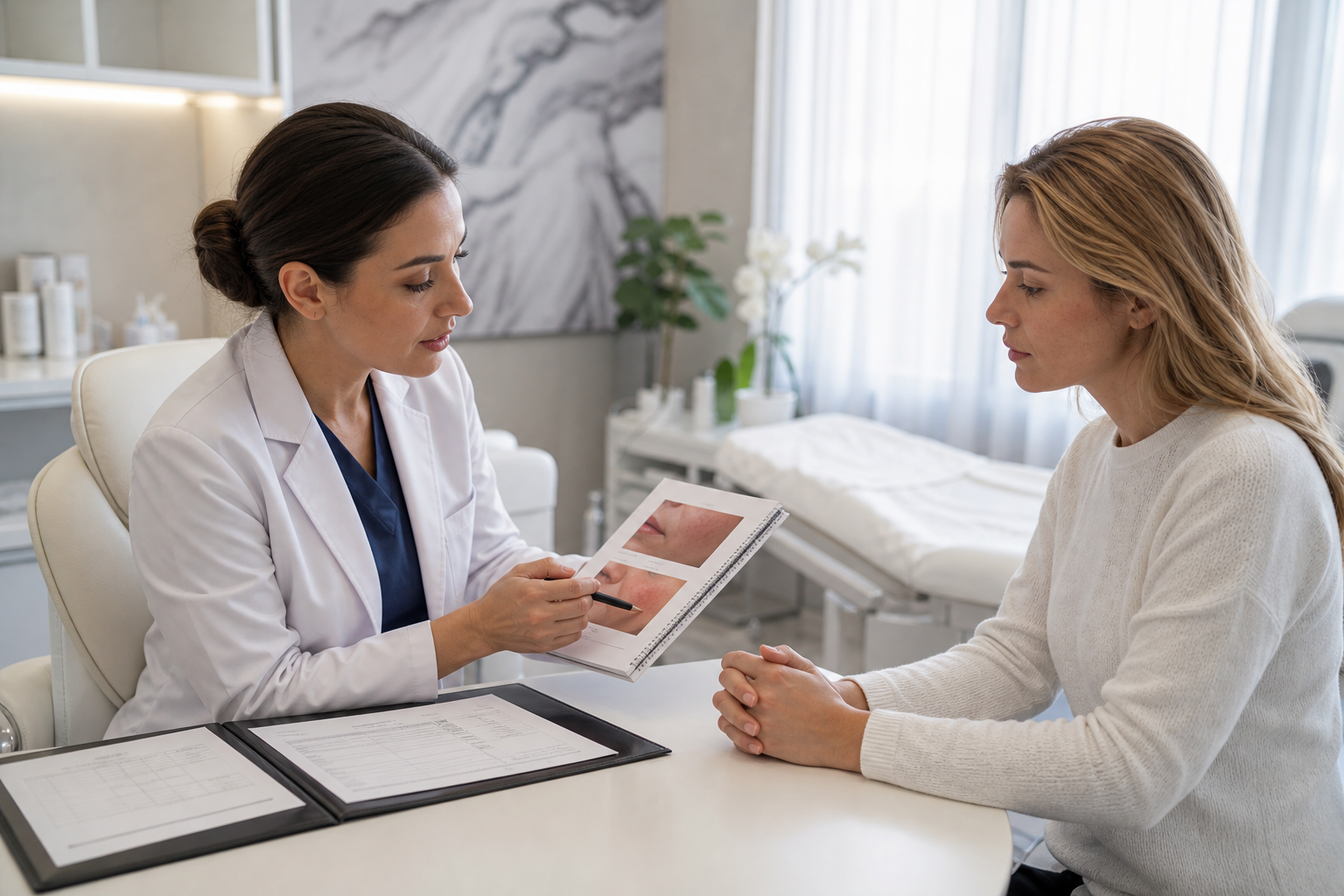
Redness and Swelling After Laser – What Is Expected?
Redness and swelling are common, expected responses after laser skin treatments, reflecting the skin's healing process. Understand...
Read more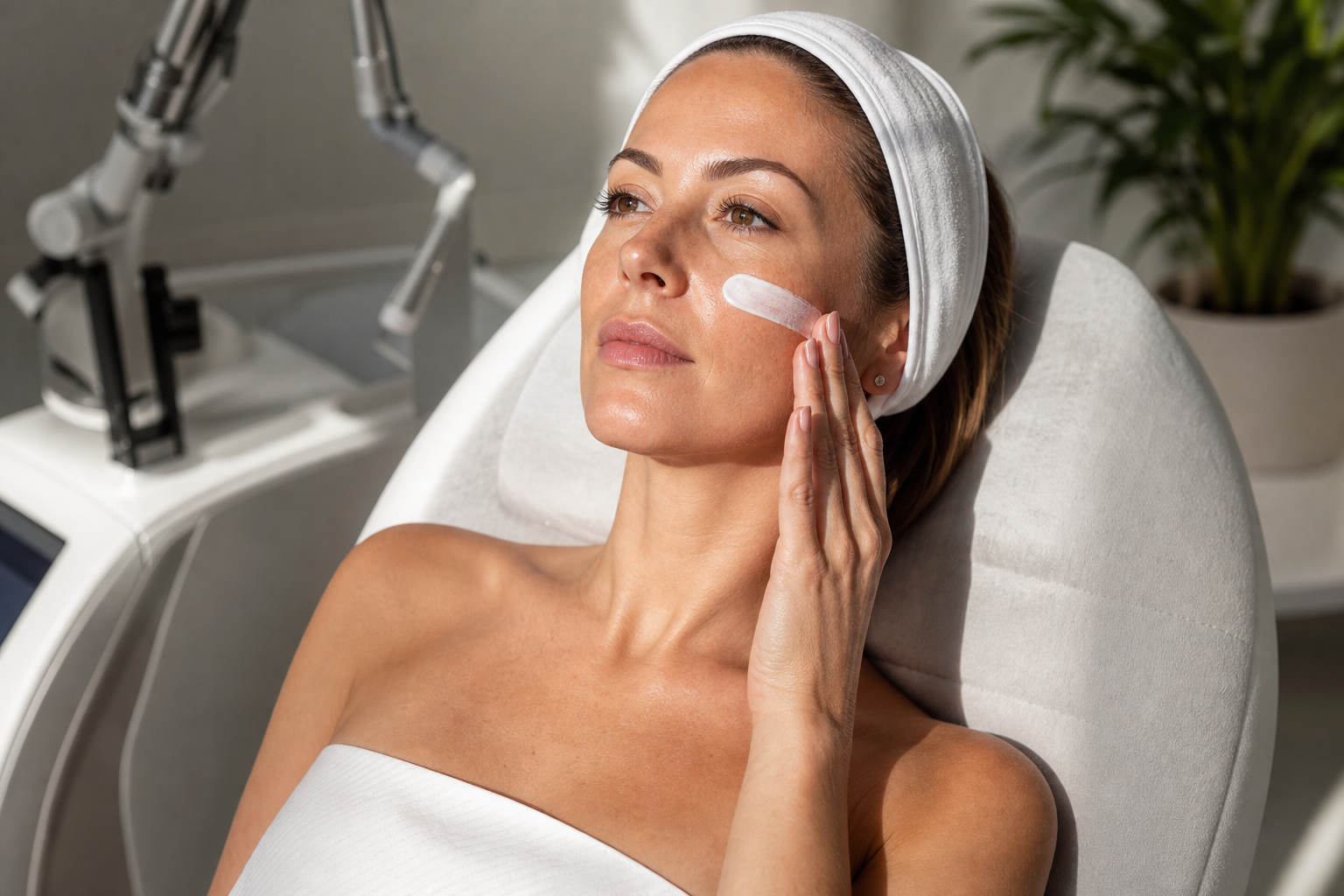
SPF After Laser Treatment: Why Is It Essential?
Post-laser treatment skin is vulnerable and requires meticulous sun protection to prevent complications like hyperpigmentation and...
Read more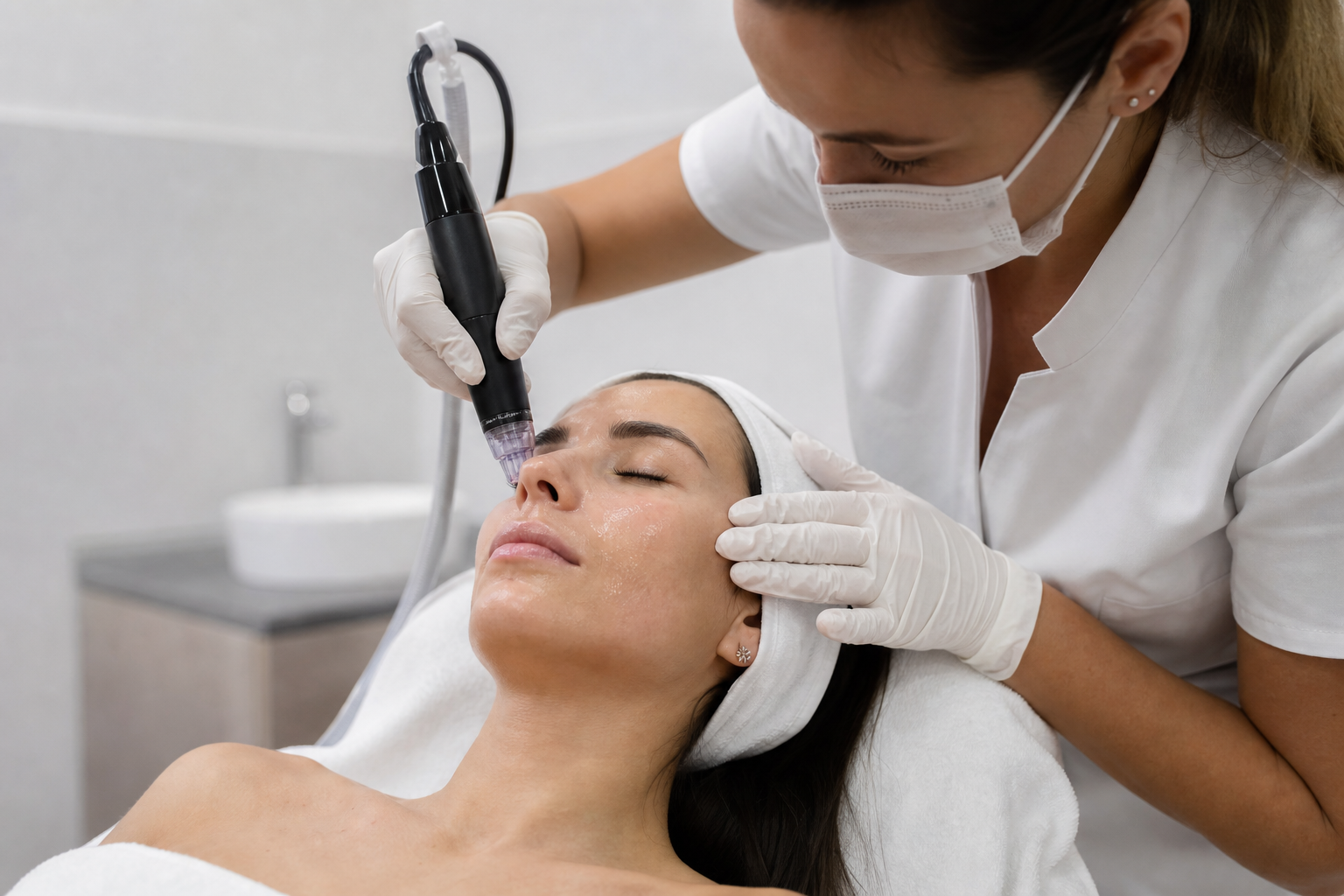
RF Microneedling: The Fusion of Microneedles and Radiofrequency
RF microneedling combines microneedles with radiofrequency energy to stimulate collagen and elastin production, improving skin tex...
Read more
Botox-Induced Facial Asymmetry: When to Consult Your Doctor
Botox-induced facial asymmetry occurs when uneven muscle relaxation disrupts facial balance after treatment. Understanding its cau...
Read more
Neuromuscular Diseases and Botulinum Toxin
Botulinum toxin (Botox) has become an important treatment for managing symptoms in neuromuscular diseases by reducing muscle overa...
Read more
How Long Does One Facial Capillary Treatment Take?
Facial capillary laser treatment sessions typically last between 15 and 30 minutes, depending on factors like treatment area size...
Read more
How a Dermatologist Assesses Pigmentation Before Laser Treatment
Accurate dermatologic assessment of pigmentation is crucial before laser treatment to ensure safety and effective results. Dermato...
Read more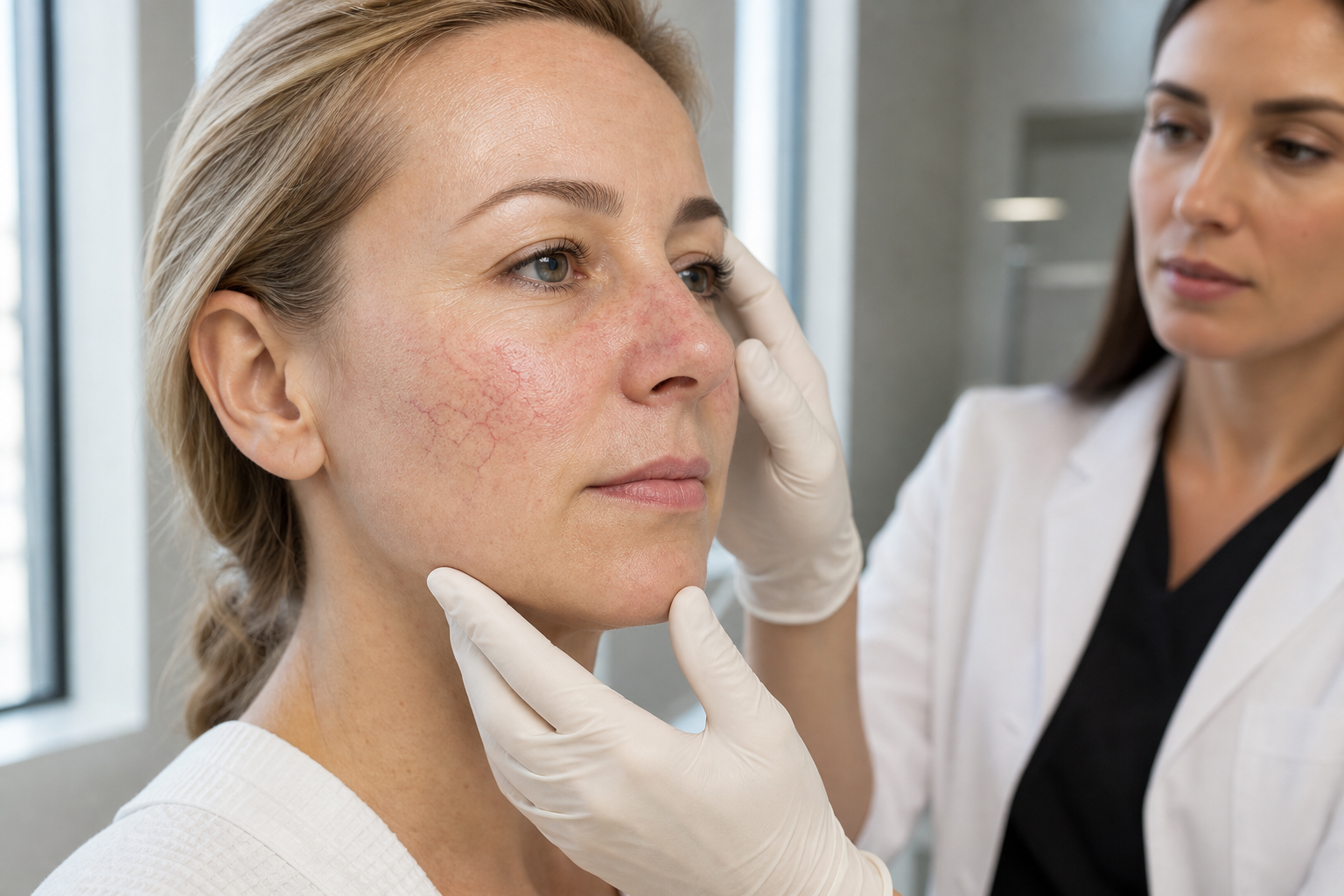
How IPL Works for Capillaries and Redness
Intense Pulsed Light (IPL) is a versatile dermatological technology that effectively treats visible capillaries and redness by tar...
Read more
Masseter Botox for Lower Face Contouring
Masseter Botox offers a non-invasive way to refine the lower face by reducing masseter muscle bulk, softening jawline contours, an...
Read more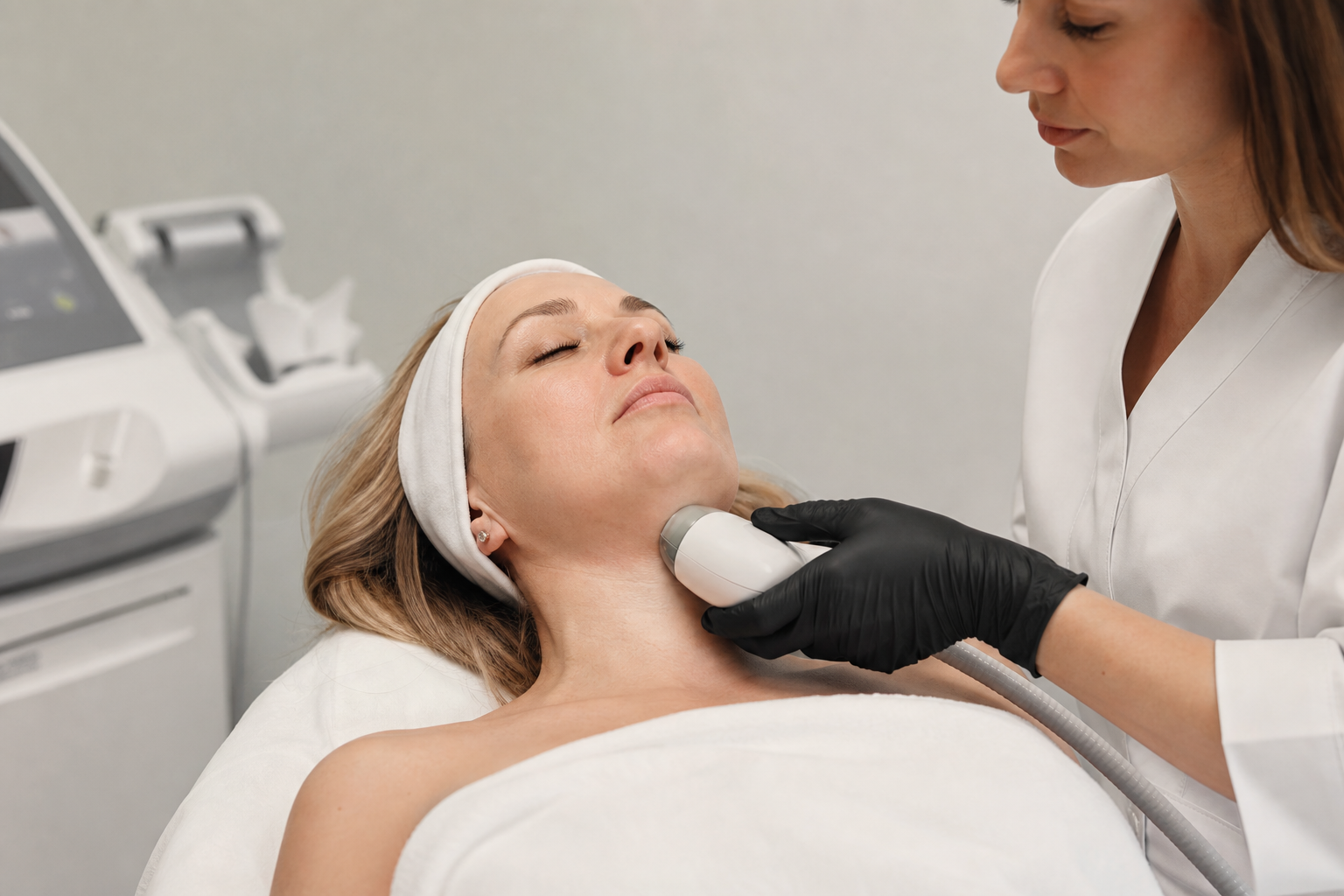
Radiofrequency Treatment for Double Chin: Capabilities and Limitations
Radiofrequency treatment offers a non-invasive approach to reduce double chin fat and tighten skin by stimulating natural collagen...
Read more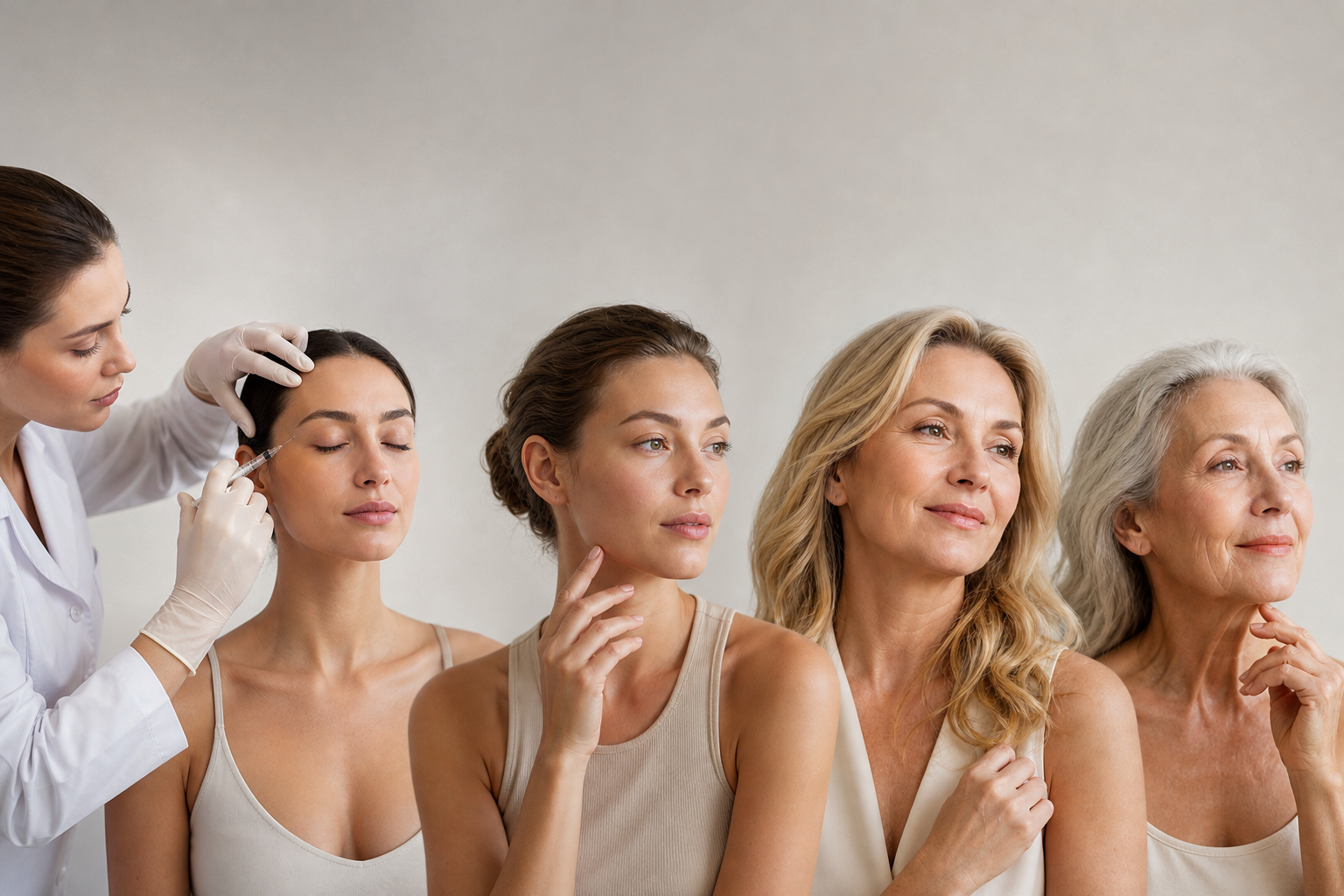
Botox Across Different Life Stages
Botox treatment adapts uniquely to each life stage, from preventive use in the twenties to advanced correction in later decades. U...
Read more
What to Document in Treatment Records?
Accurate documentation of Botox treatment records is vital for ensuring patient safety, facilitating effective communication, and...
Read more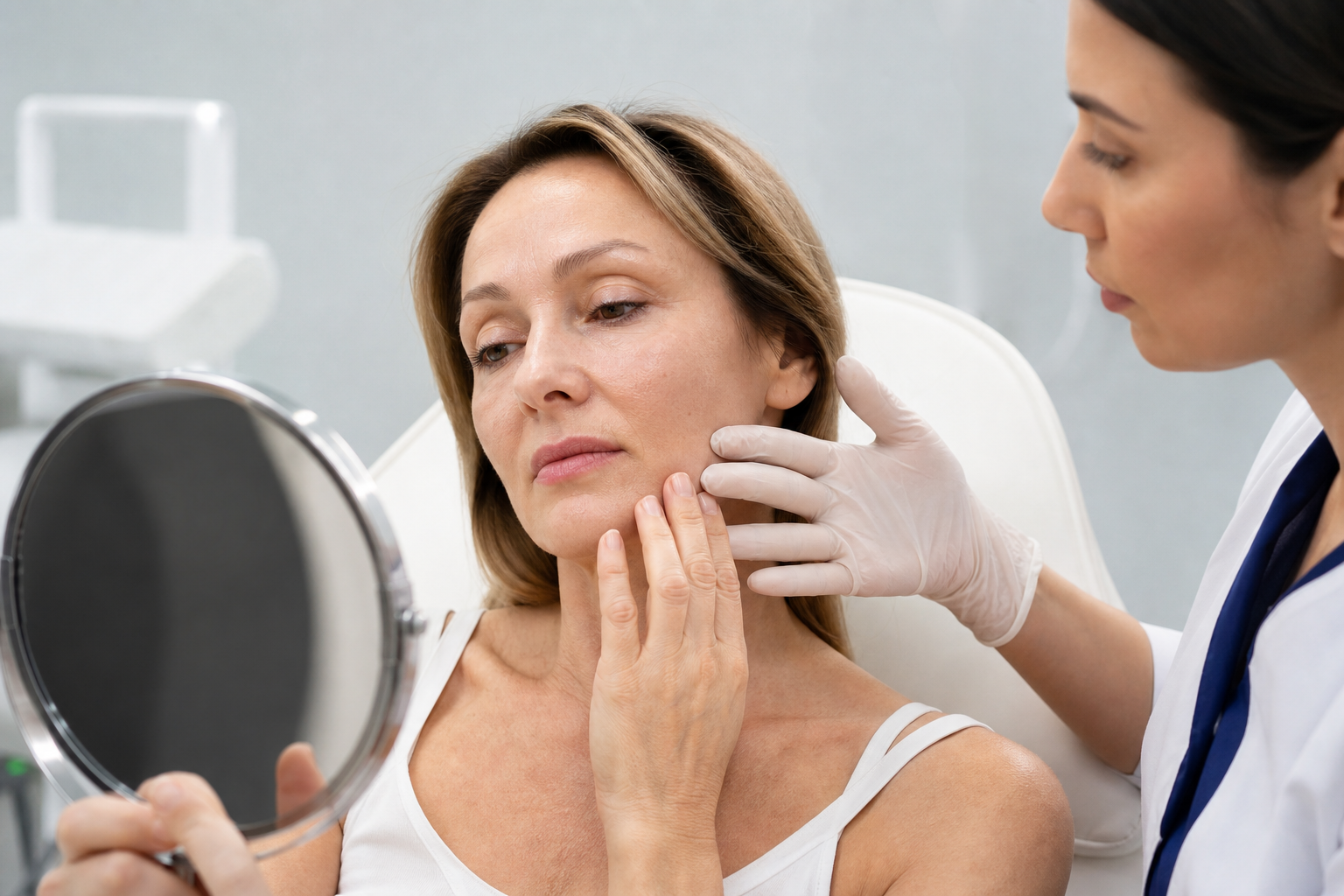
Potential Complications of Radiofrequency Treatments
Radiofrequency treatments offer non-invasive skin tightening options, but they carry varying risks depending on the method used. U...
Read more
What Is Melanin and Why Is It Important for Laser Hair Removal?
Melanin, the natural pigment determining our skin, hair, and eye color, plays a crucial role in laser hair removal effectiveness a...
Read more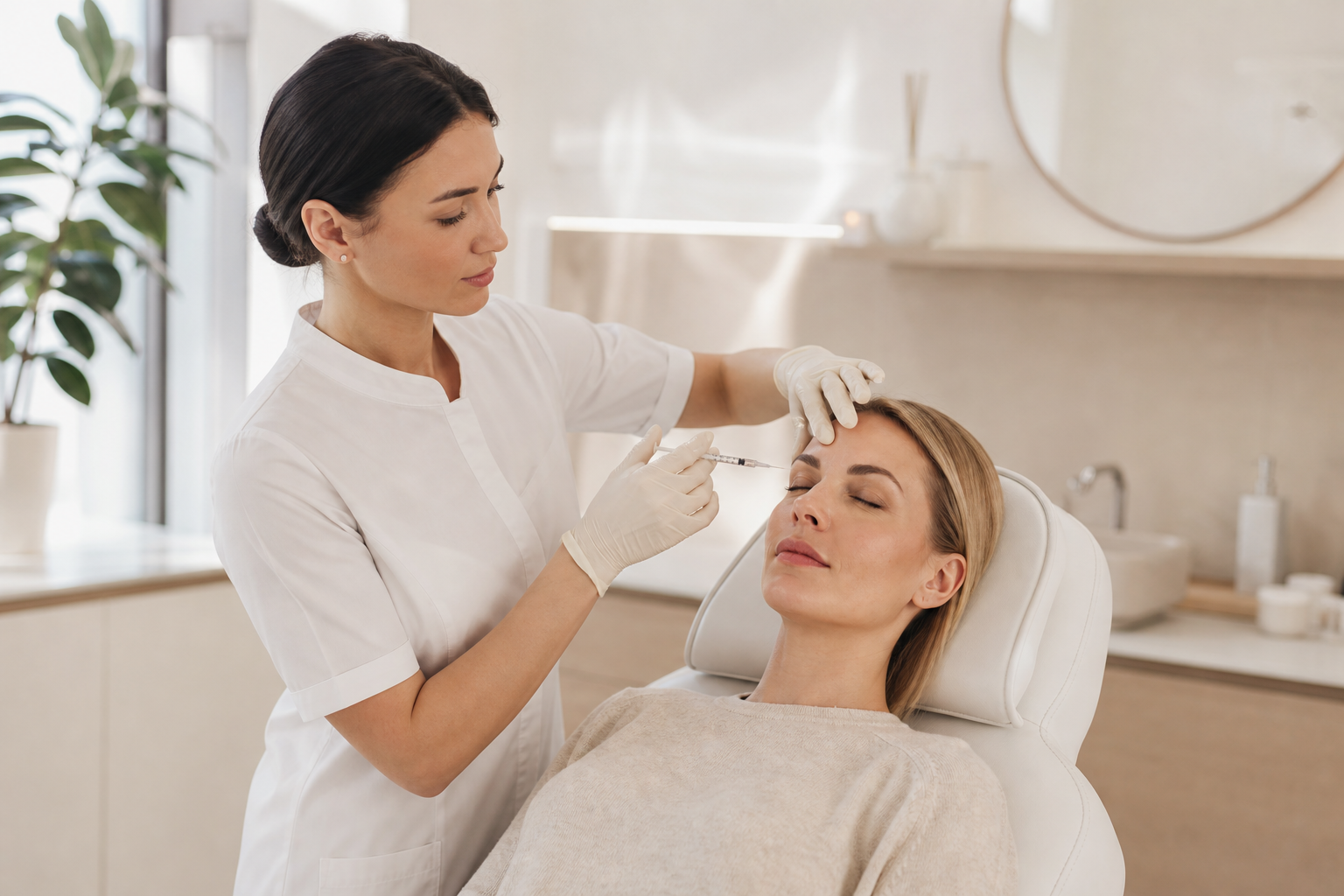
Botox Discounts and Promotions: What to Verify Before Payment
This article offers a practical and expert guide to navigating Botox discounts, emphasizing the importance of verifying product au...
Read more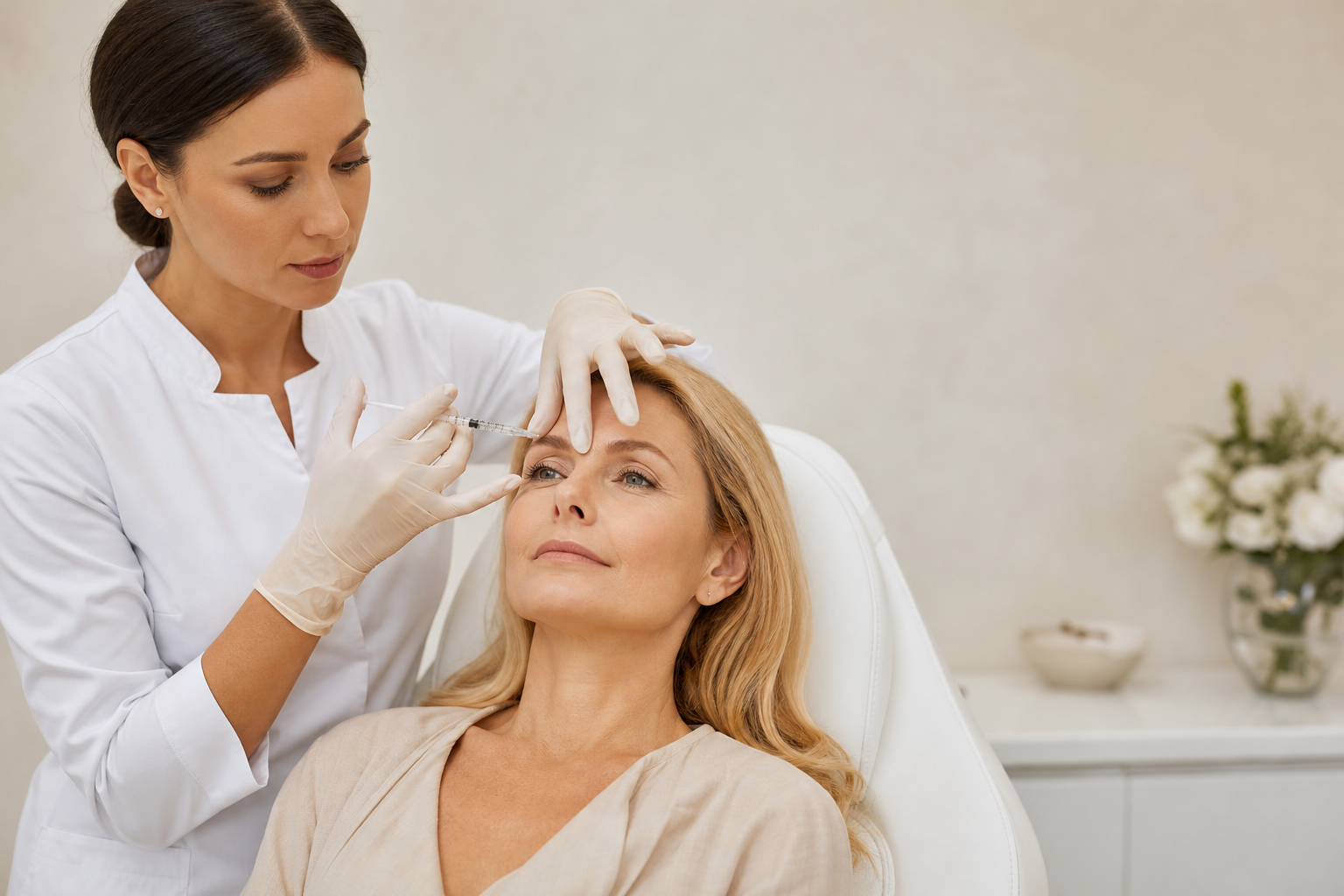
Lowered Eyebrows: What to Assess Before Botox Treatment
Lowered eyebrows can create a tired or somber facial expression, posing unique challenges in cosmetic treatment. Botox offers a nu...
Read more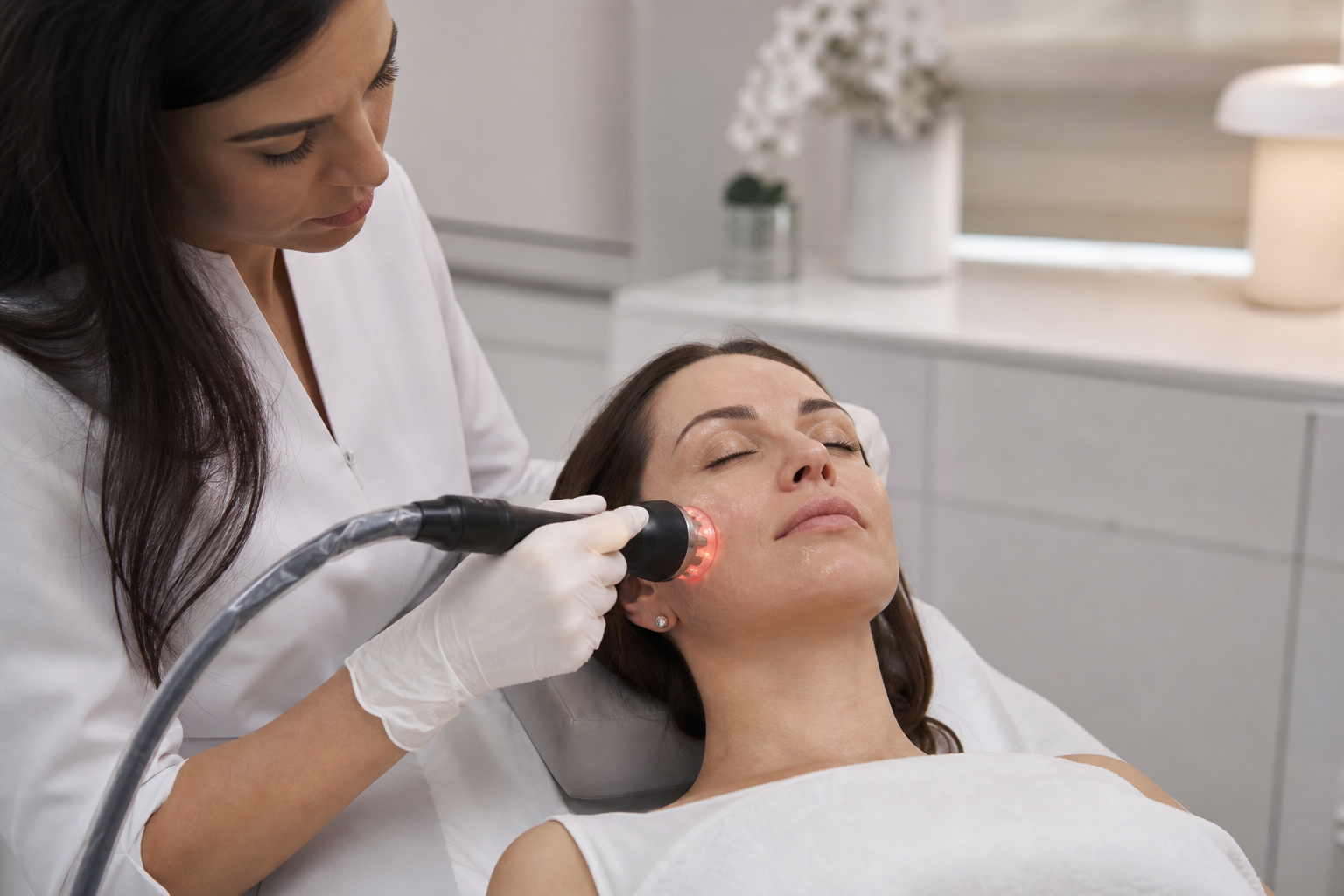
When Do You See Results from RF Facial Lifting?
RF facial lifting is a non-invasive treatment that gradually enhances skin firmness by stimulating collagen production. Visible re...
Read more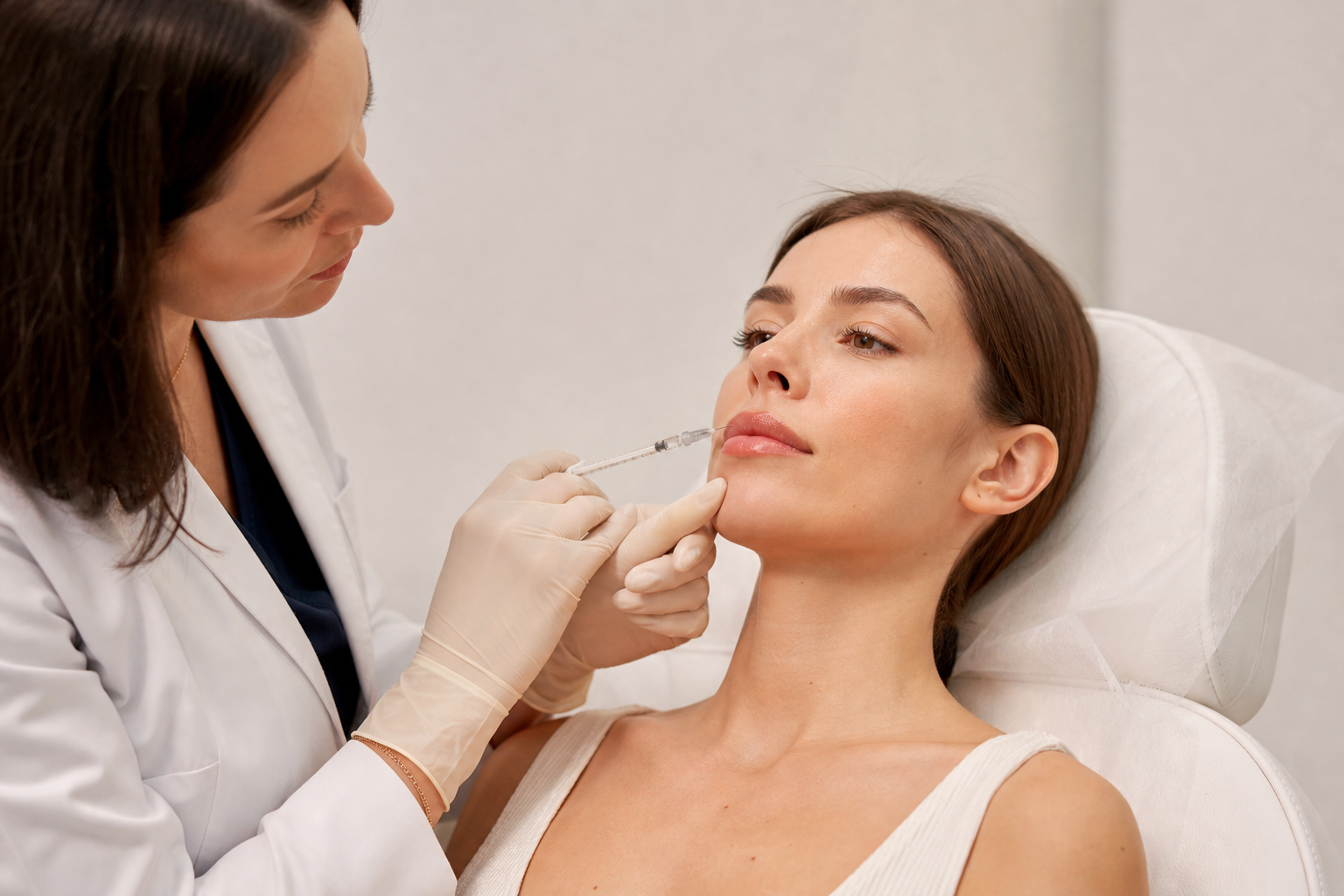
Lip Flip with Botox: Understanding the Effect
The lip flip with Botox is a subtle cosmetic procedure that relaxes lip muscles to enhance upper lip shape without adding volume....
Read more
Can a Hair Follicle Regenerate After Laser Hair Removal?
Laser hair removal effectively damages hair follicles to reduce hair growth, but follicles can sometimes regenerate depending on t...
Read more
Needle Phobia: How to Discuss Your Treatment Concerns
Needle phobia can hinder individuals from pursuing Botox treatments, despite their benefits for facial rejuvenation. This article...
Read more
Does Botox Hurt and How to Ease Discomfort?
This article offers an expert analysis of the Botox injection experience, focusing on understanding and managing discomfort. It de...
Read more
Is Laser Skin Rejuvenation Safe?
Laser skin rejuvenation offers a non-surgical way to address signs of skin aging by stimulating natural regeneration. Understandin...
Read more
Why Does Pigmentation Return and How Can the Risk Be Reduced?
Pigmentation can return after laser treatment due to the skin's natural melanin production stimulated by factors like UV exposure...
Read more
Do Wrinkles Get Worse After You Stop Treatments?
This article explains what happens to wrinkles after stopping Botox treatments, clarifying that wrinkles typically return to their...
Read more
How to Identify an Irresponsible Approach in Consultations
Consultations are critical in ensuring safe and effective Botox treatments by establishing realistic expectations and assessing pa...
Read more
What Defines a Quality Botox Consultation?
A quality Botox consultation is essential for safe, effective, and satisfying treatment outcomes. It involves expert evaluation, c...
Read more
Laser Hair Removal in Winter
Laser hair removal in winter offers practical benefits such as reduced UV exposure and easier coverage of treated areas, enhancing...
Read more
How to Care for Your Skin After RF Treatment
Radiofrequency (RF) skin tightening is a non-invasive procedure that enhances skin firmness by stimulating collagen. Proper post-t...
Read more
Cheek Capillaries: Possible Causes and Treatments
Visible cheek capillaries, or telangiectasias, manifest as fine red lines beneath the skin and arise due to factors like genetic p...
Read more
Bruising and Darkening of Blood Vessels After Treatment
Bruising and darkening of blood vessels commonly occur after vascular laser treatments targeting visible capillaries. These expect...
Read more
Differences Between Botulinum Toxin Types A and B
Botulinum toxin types A and B, both derived from Clostridium botulinum, differ in molecular targets, clinical applications, and du...
Read more
When Is a Dark Spot More Than a Cosmetic Concern?
Dark spots on the skin, commonly known as hyperpigmentation, are often viewed as cosmetic issues but can sometimes indicate seriou...
Read more
RF Microneedling for Acne Scar Improvement
RF microneedling combines microneedling with radiofrequency energy to deeply stimulate skin and improve acne scars by promoting co...
Read more
Who Should Avoid Botox?
Botox is an effective neurotoxin treatment for smoothing wrinkles, but it is not suitable for everyone. Key contraindications incl...
Read more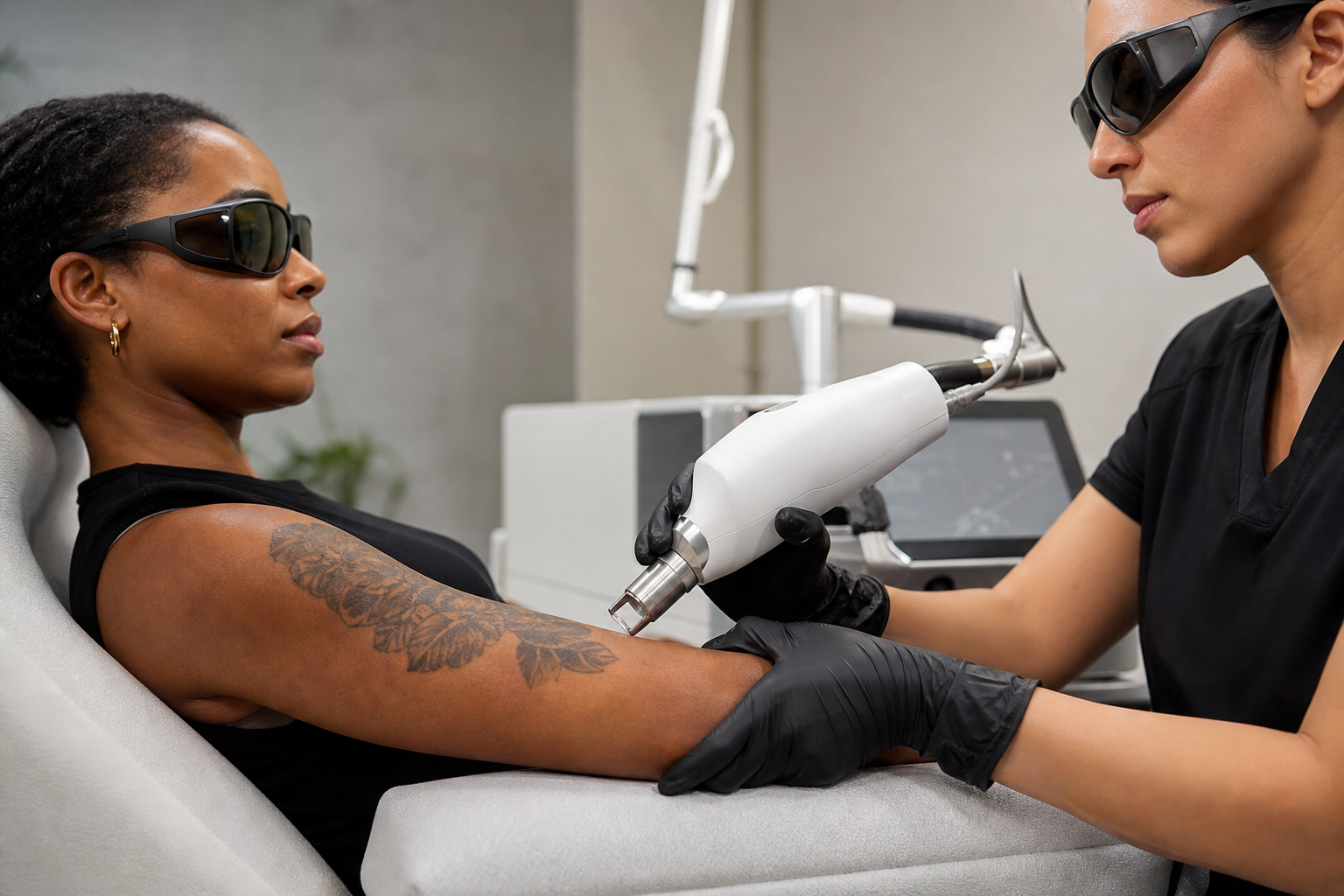
Tattoo Removal in Darker Skin
Tattoo removal in darker skin requires specialized laser techniques to minimize risks like pigment changes. Understanding melanin'...
Read more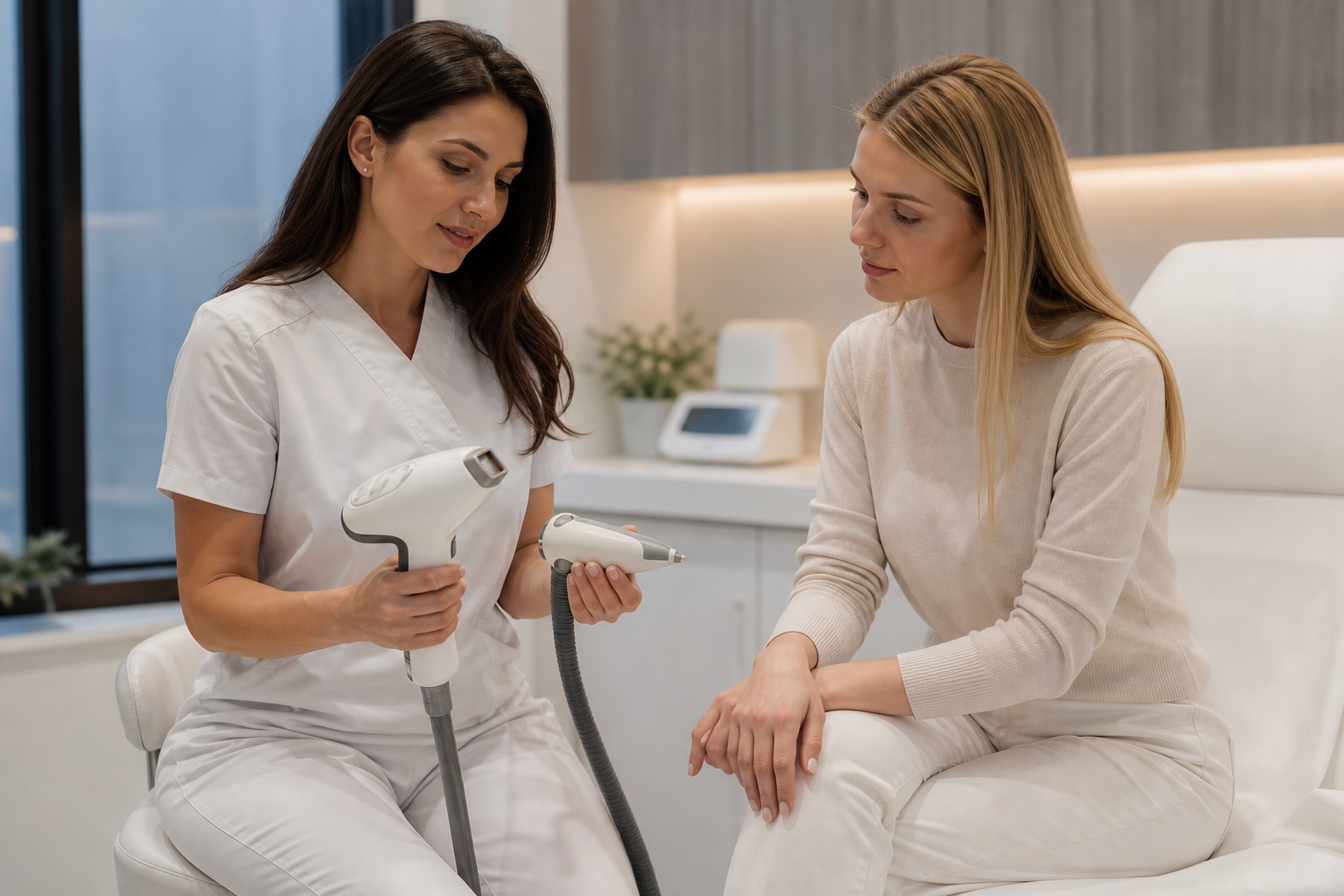
What Should You Ask at a Consultation Before Treatment?
A thorough consultation before treatment is essential for understanding procedure details, assessing your suitability, and setting...
Read more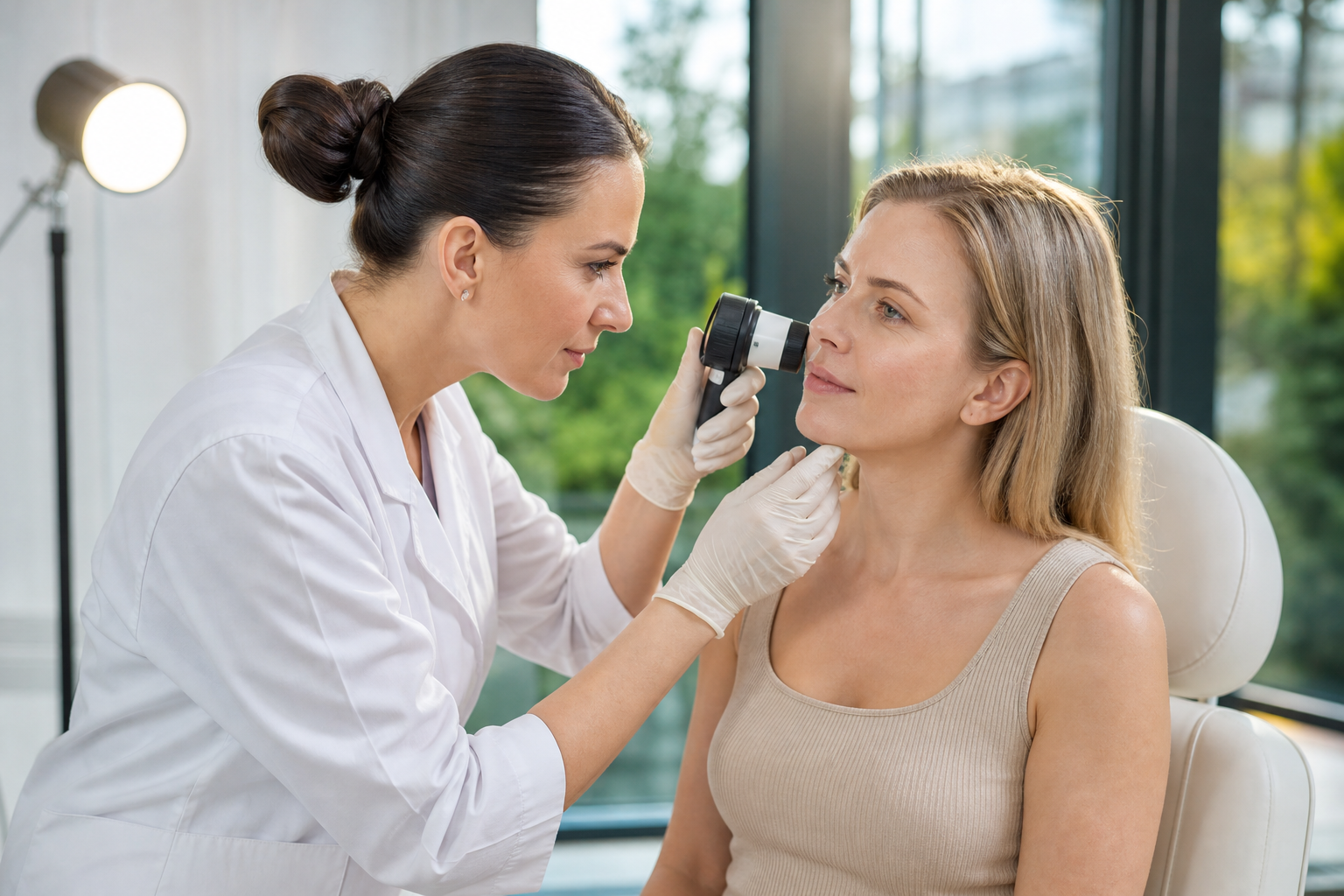
How to Care for Your Skin After Capillary Removal?
Proper skin care following capillary removal via laser treatment is essential for healing and long-term results. This article outl...
Read more
Why Pre-Botox Photography Matters
Pre-Botox photography is essential for safe, personalized treatment planning. It provides a clear visual baseline to assess facial...
Read more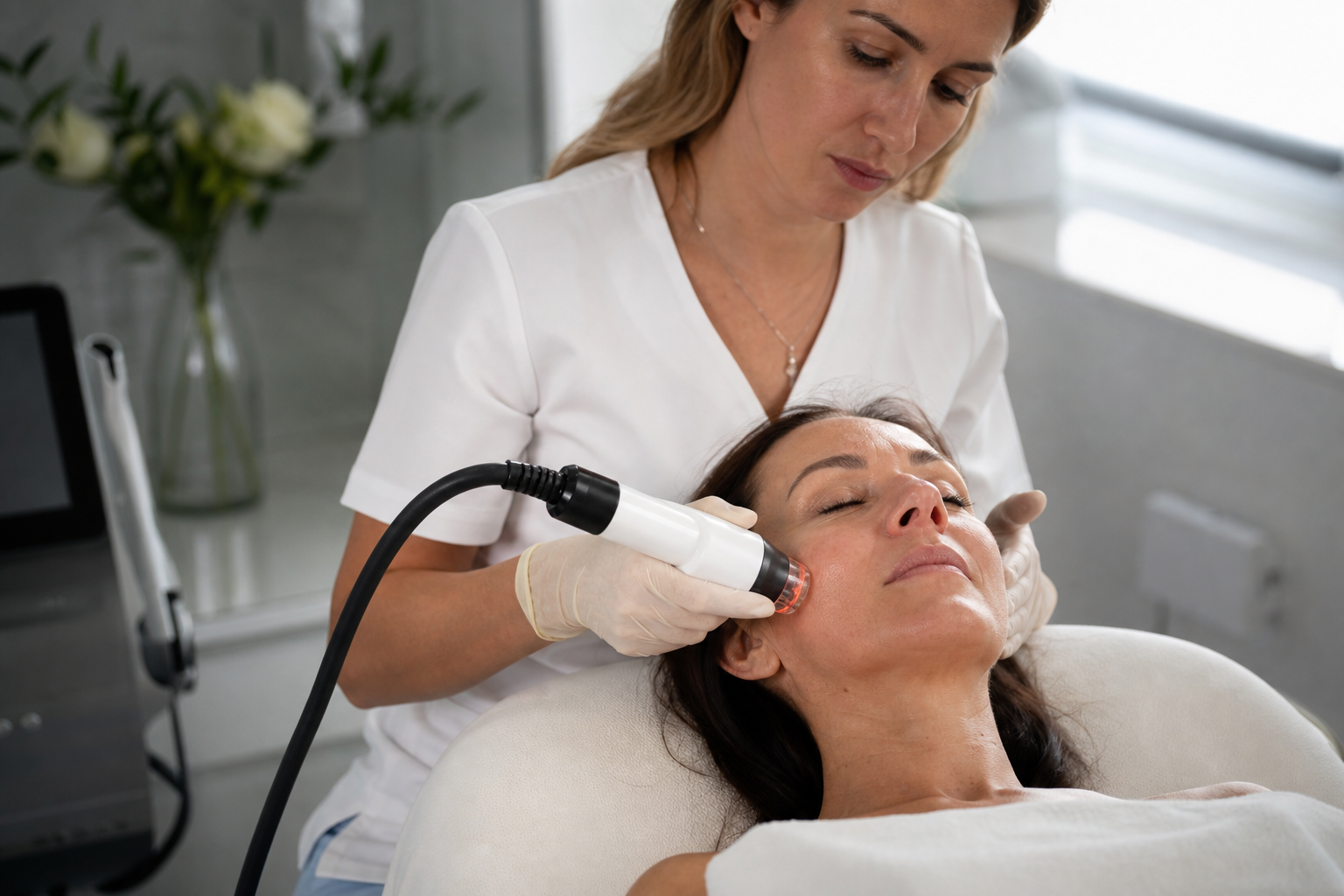
Can RF Treatments Restore Lost Facial Volume?
Radiofrequency (RF) treatments enhance facial skin firmness and texture by stimulating collagen regeneration, offering subtle lift...
Read more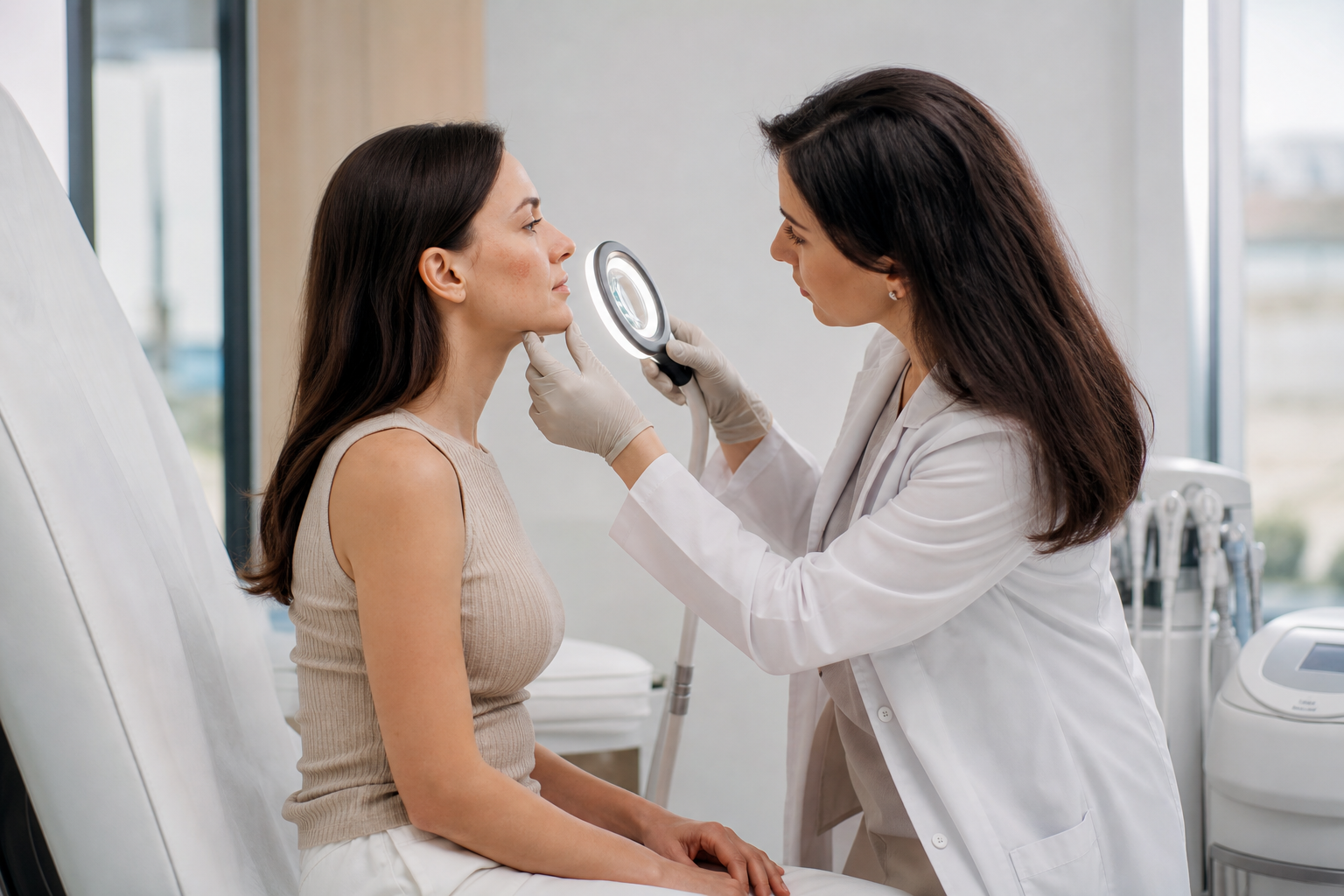
Is the Device Name Enough to Choose the Right Treatment?
Choosing the right treatment for vascular skin issues requires much more than relying on the device name alone. Understanding the...
Read more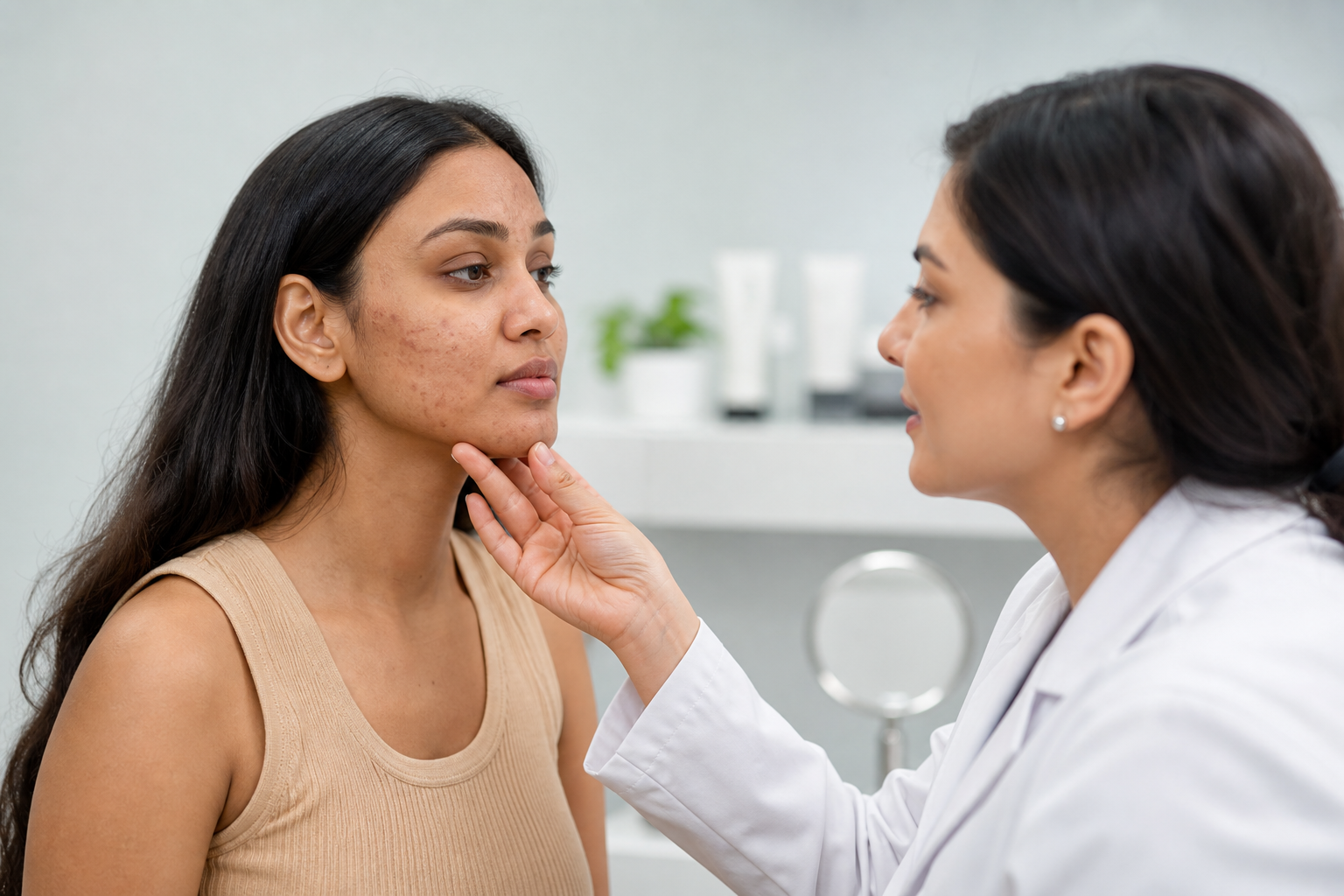
Red vs Brown Marks After Acne: What Is the Difference?
This article clarifies the differences between red and brown marks after acne, explaining their causes and management. It emphasiz...
Read more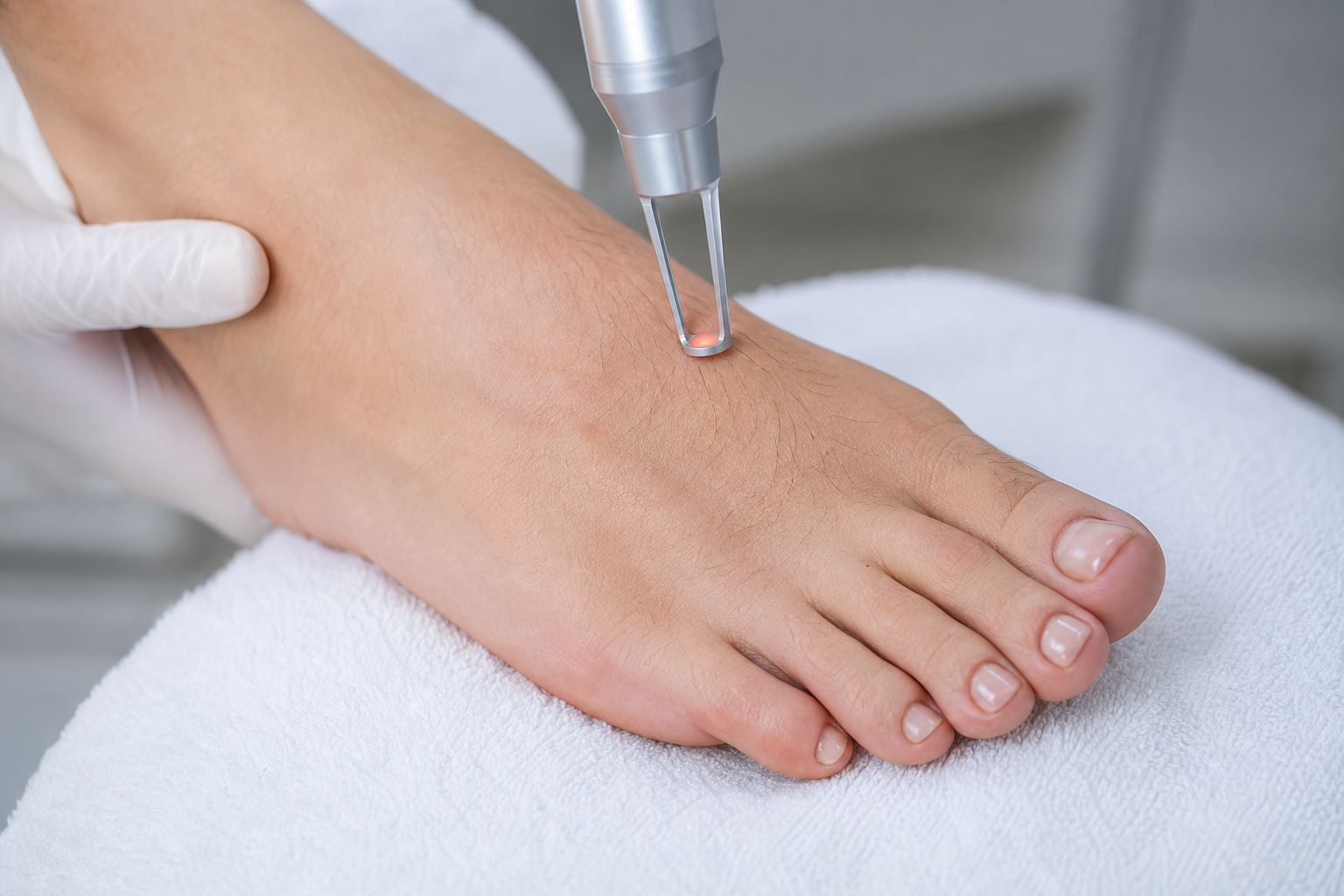
Foot and Toe Laser Hair Removal
Foot and toe laser hair removal targets the small, sensitive areas of the feet with precision to reduce unwanted hair. This specia...
Read more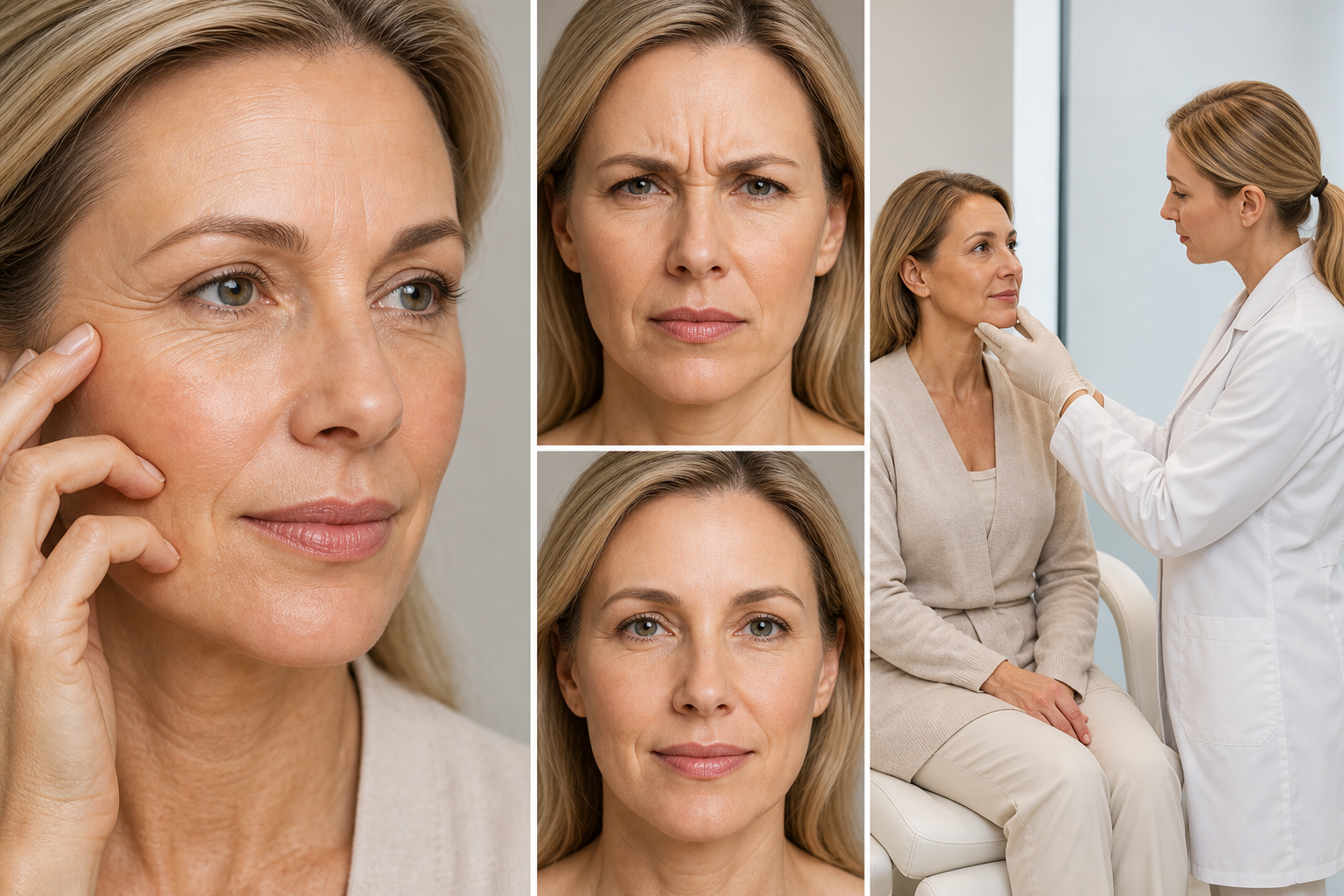
Dynamic vs. Static Wrinkles: Understanding Their Importance
Dynamic and static wrinkles form through different biological processes, influencing how they respond to treatments like Botox. Un...
Read more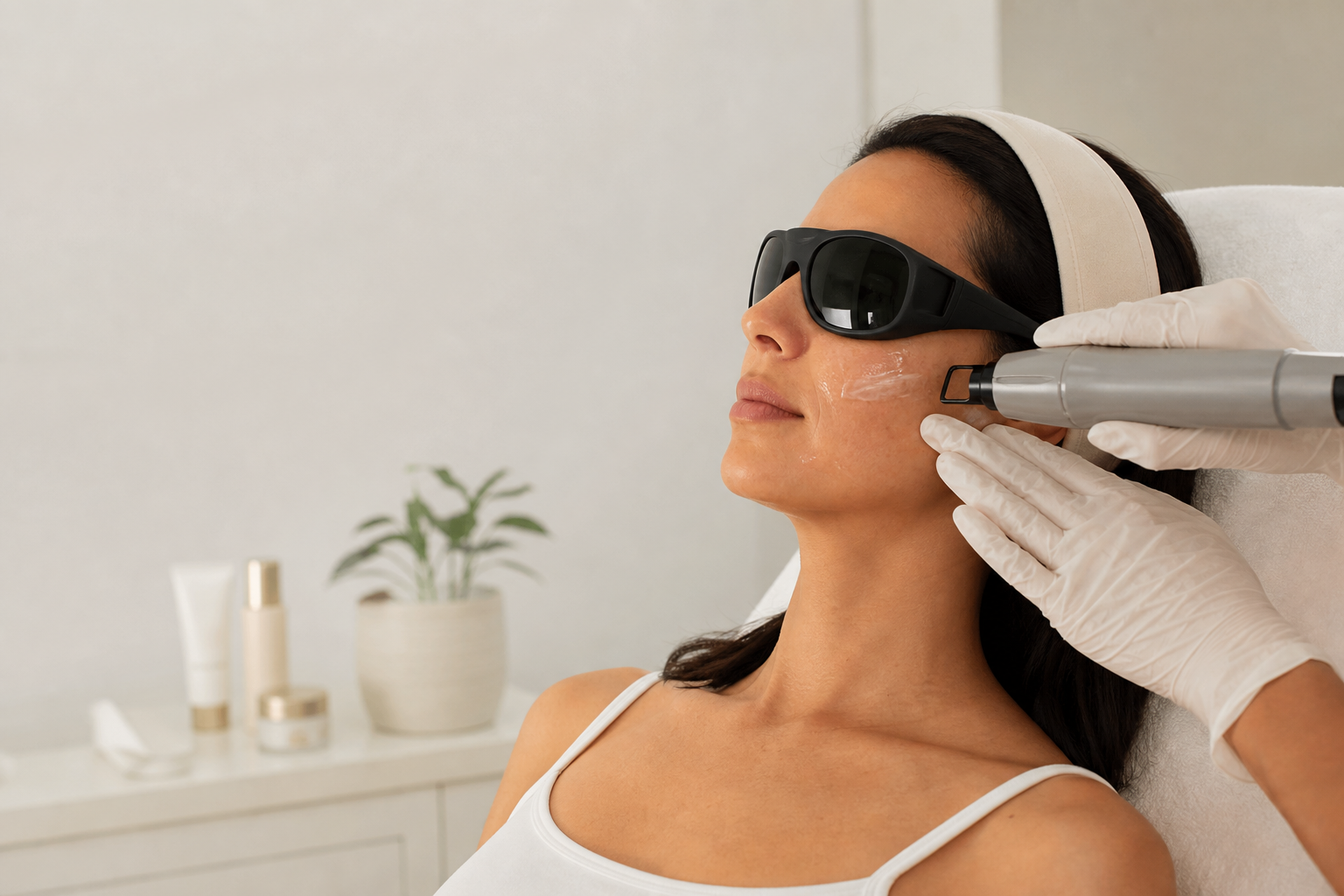
How to Maintain Results During Summer
Maintaining laser pigmentation treatment results during summer requires tailored preparation, diligent photoprotection, and ongoin...
Read more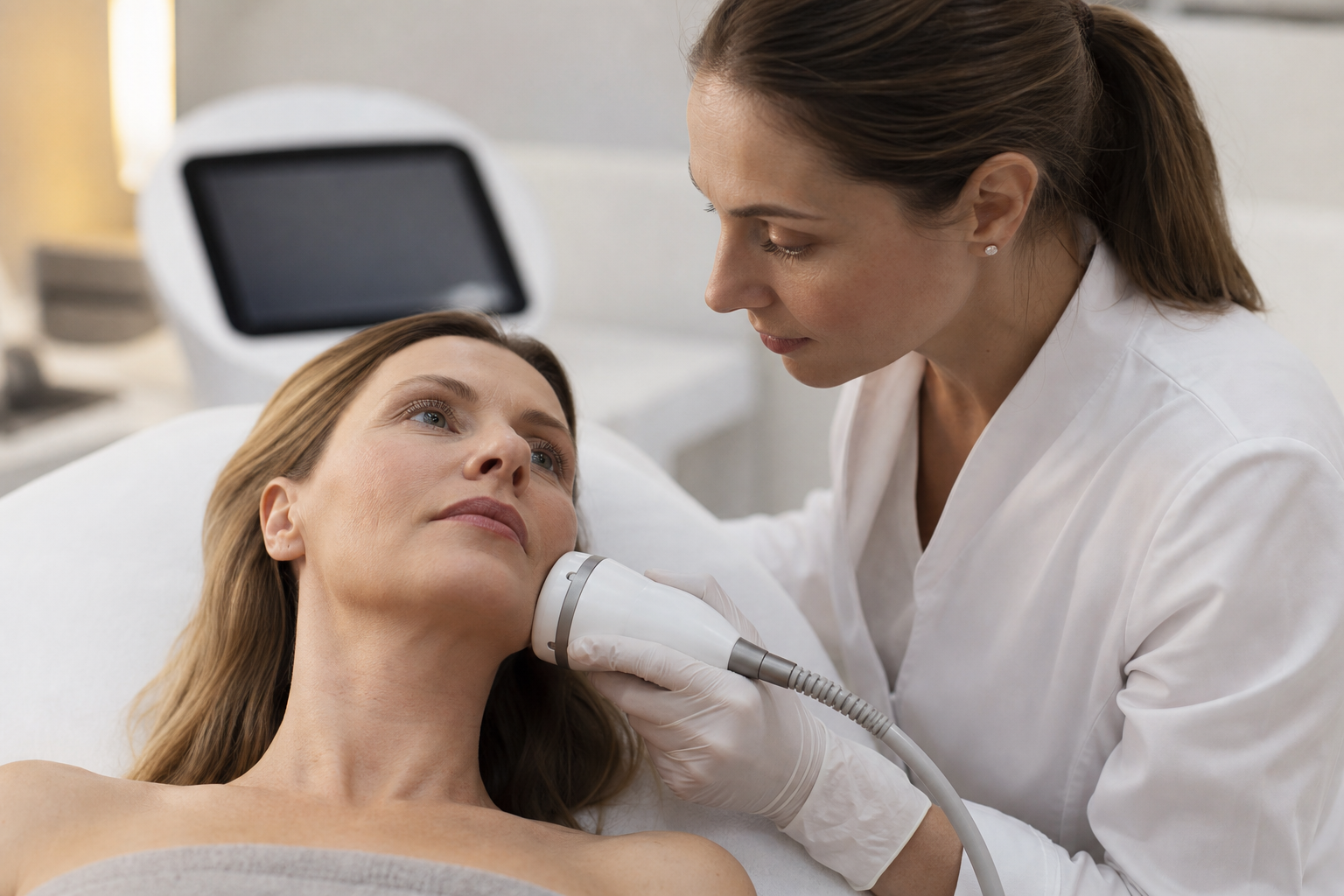
Medical vs. Cosmetic RF Devices: Understanding the Differences
Radiofrequency (RF) devices play a pivotal role in skin tightening, with distinct differences between medical and cosmetic types....
Read more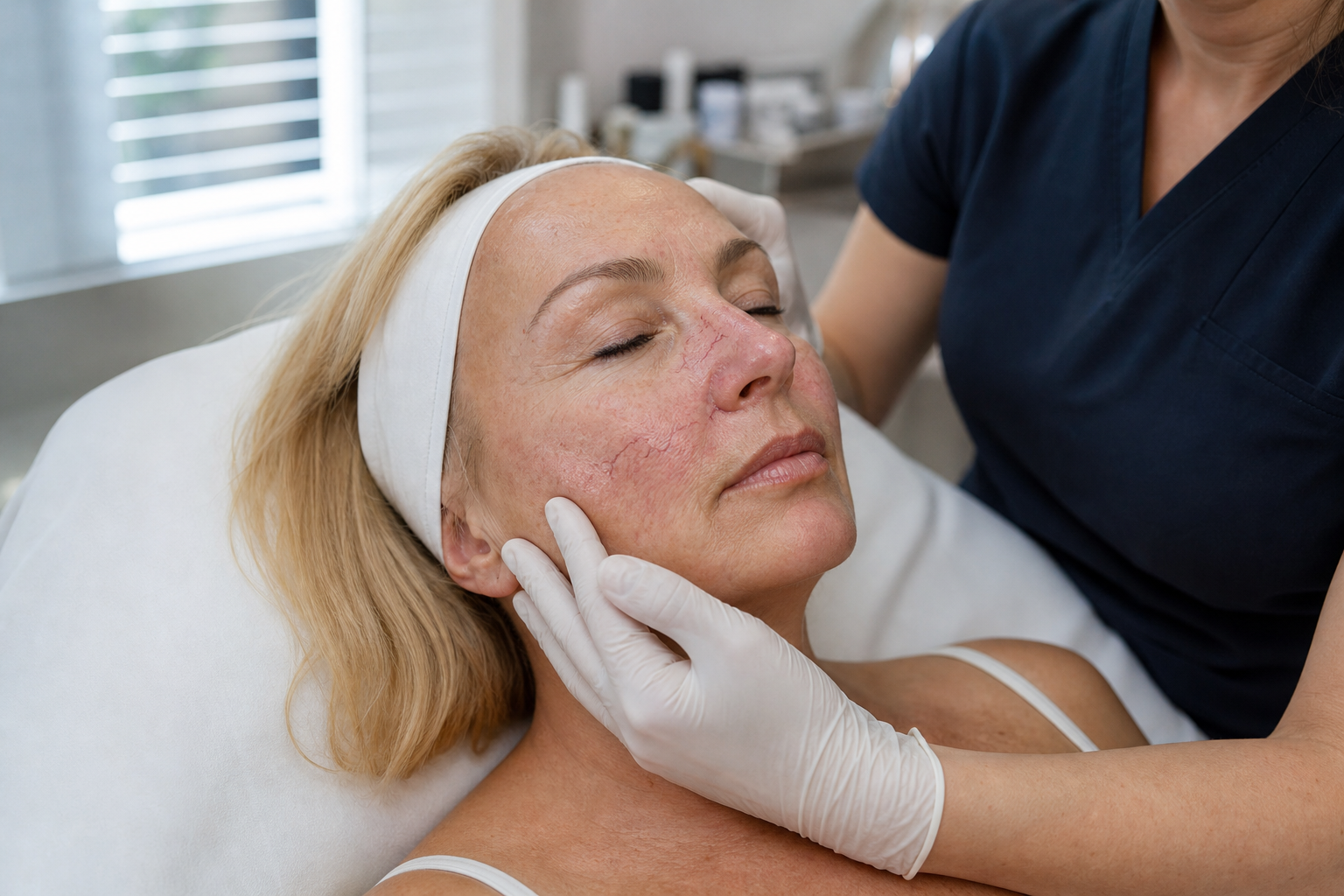
Swelling After Laser Capillary Treatment
Swelling after laser capillary treatment is a common, temporary inflammatory response signaling the skin's healing process. Unders...
Read more
Four Wavelengths in Laser Hair Removal – Do They Really Deliver Better Results?
Laser hair removal systems that offer four wavelengths—755, 808/810, 940, and 1064 nm—provide a versatile approach to treating var...
Read more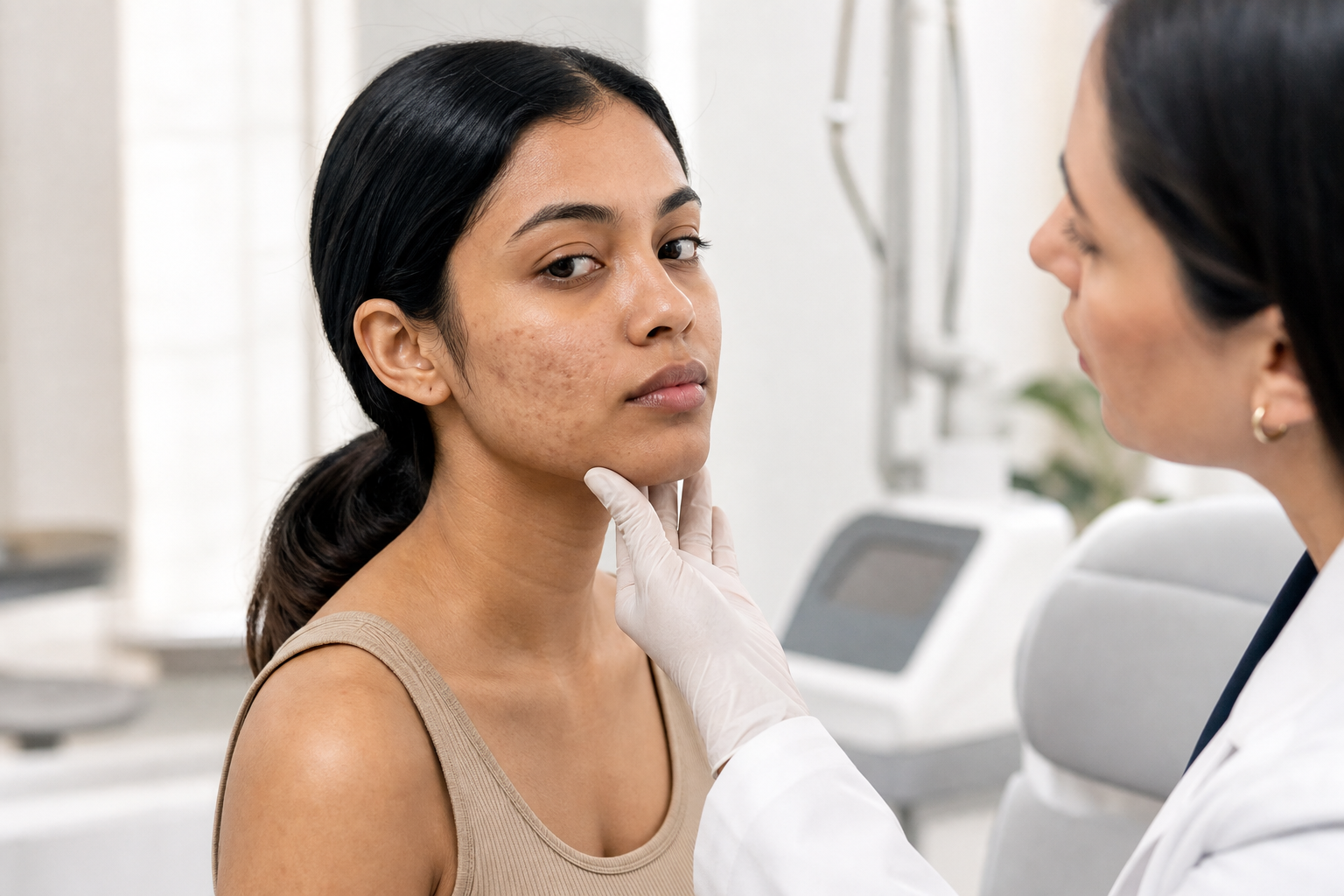
Fractional Laser for Both Acne Scars and Pigmentation
Fractional laser therapy offers a nuanced approach to treating both acne scars and post-inflammatory pigmentation by targeting ski...
Read more
Why Photoprotection Determines Melasma Treatment Outcomes
Photoprotection is essential in managing melasma, a chronic pigmentary disorder characterized by facial dark patches. This article...
Read more
What to Do If You're Unhappy with Your Botox Results
Botox treatments offer a popular way to reduce dynamic wrinkles, but dissatisfaction can occur due to unrealistic expectations, te...
Read more
Pigment Changes After Tattoo Removal
Laser tattoo removal can cause changes in skin pigmentation, particularly hyperpigmentation and hypopigmentation, due to laser int...
Read more
What Information Should You Give the Practitioner Before Treatment?
Before undergoing pigment removal treatments like laser tattoo or permanent makeup removal, providing thorough medical, lifestyle,...
Read more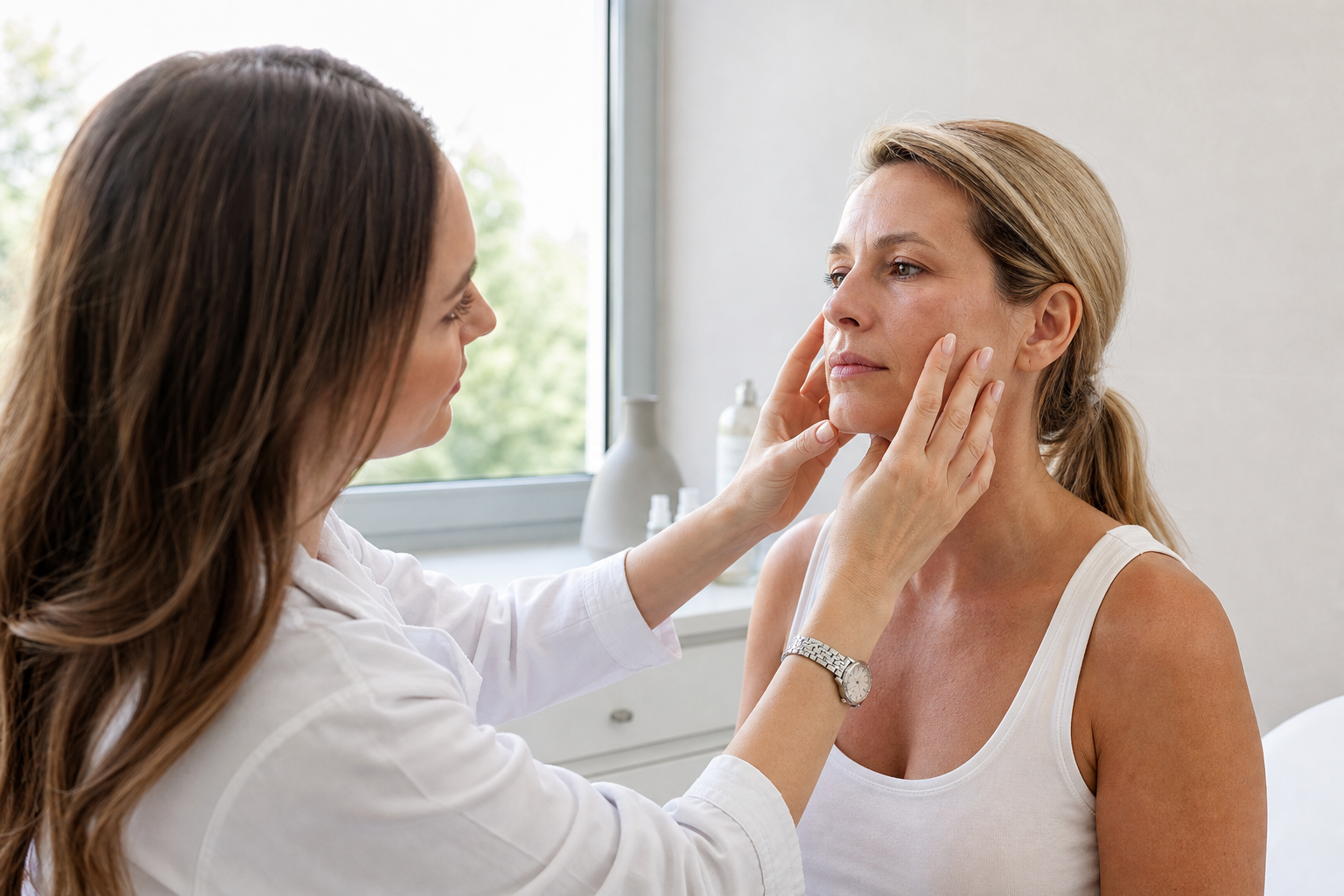
What Determines the Cost of Laser Skin Rejuvenation?
Laser skin rejuvenation costs vary primarily due to differences between ablative and non-ablative treatments, technology quality,...
Read more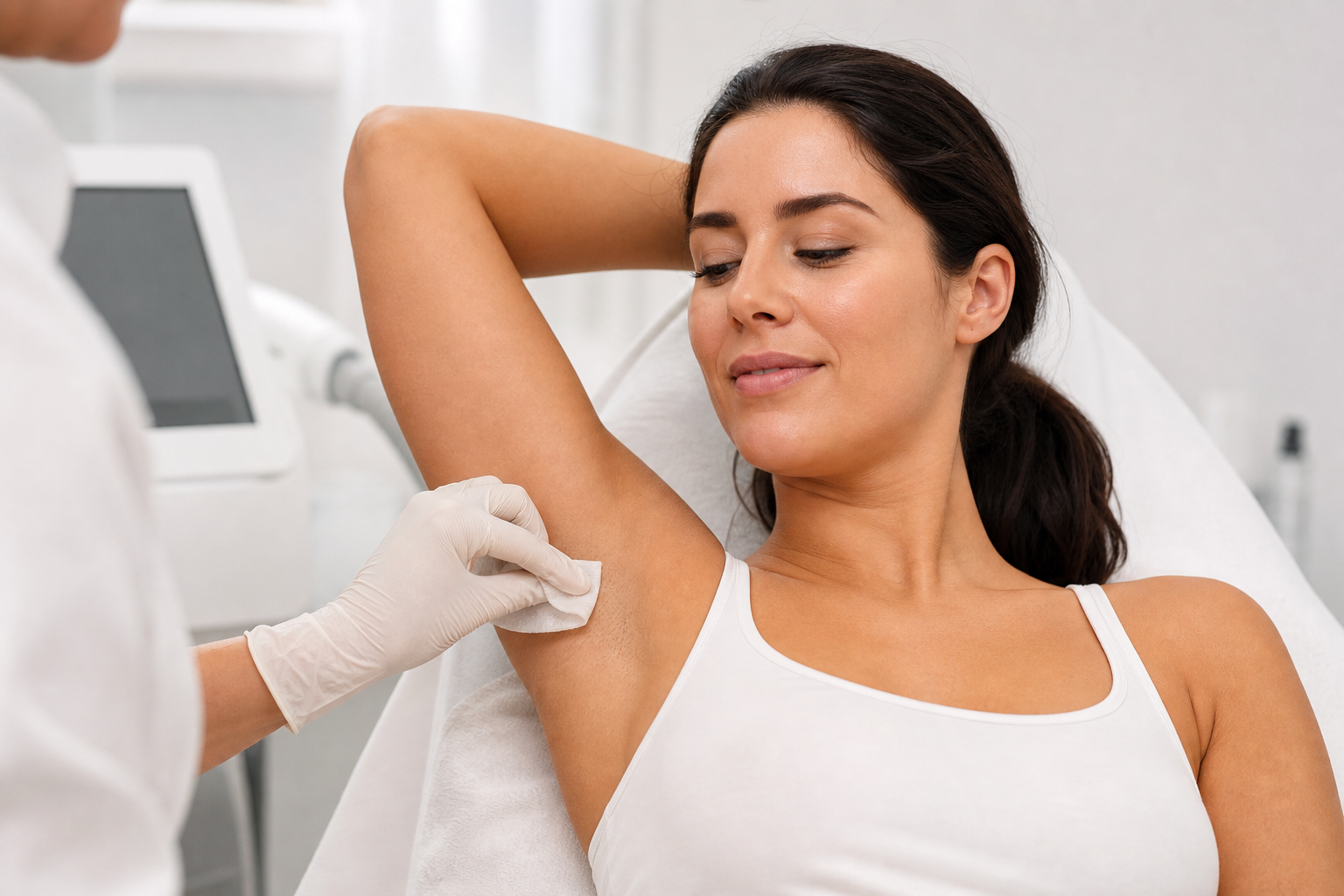
Underarm Laser Hair Removal
Underarm laser hair removal offers a long-term solution for reducing unwanted hair, especially effective for darker, coarser hairs...
Read more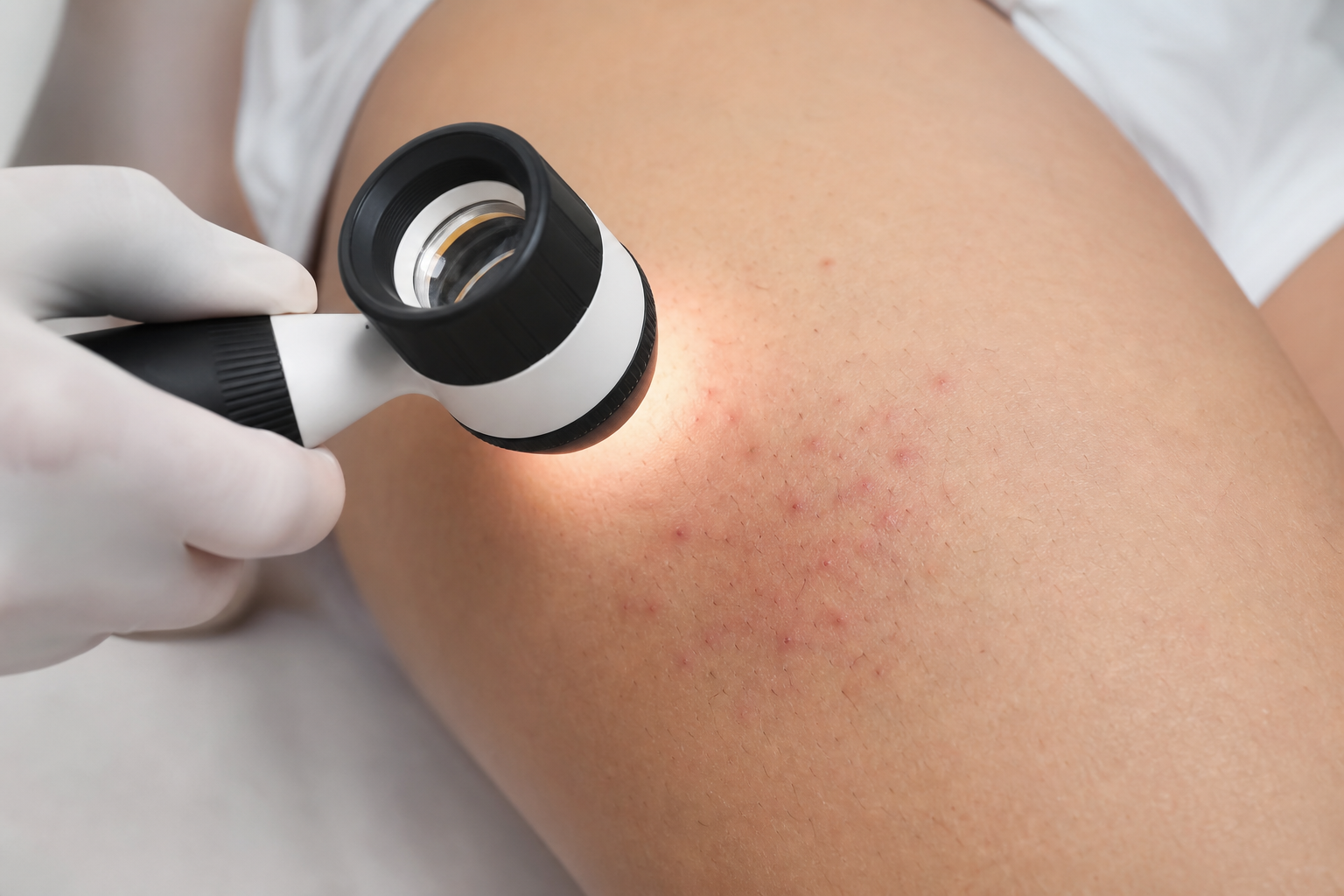
Folliculitis After Laser Hair Removal
Folliculitis after laser hair removal is an inflammatory condition that can cause painful, pustular lesions around hair follicles....
Read more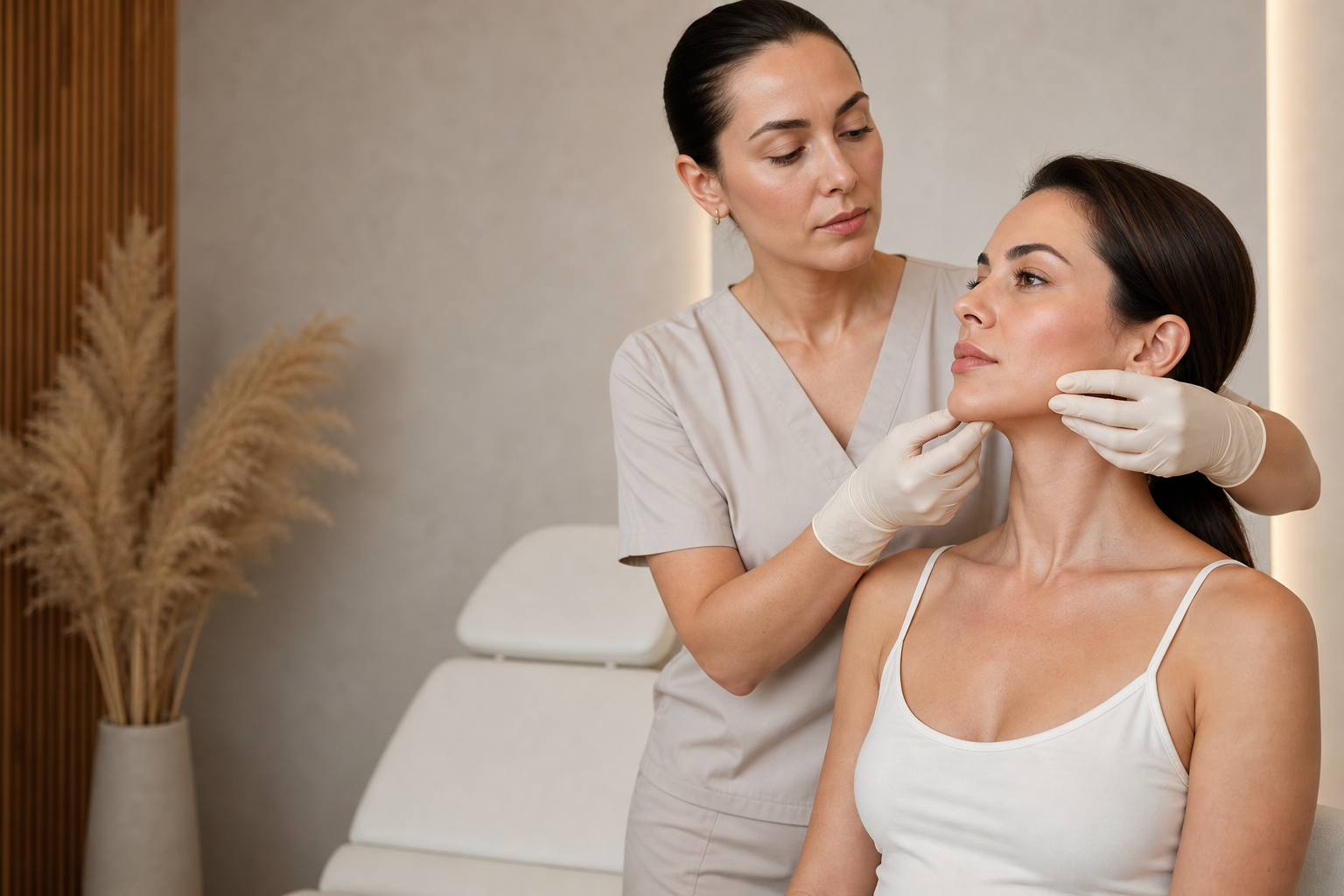
Masseter Botox and Skin Laxity: Key Assessment Factors
Masseter Botox is a popular, minimally invasive treatment to reduce jaw muscle bulk and reshape the lower face. Assessing skin lax...
Read more
When Are Maintenance Laser Hair Removal Sessions Needed?
Maintenance laser hair removal sessions play a crucial role in sustaining initial hair reduction results. Timing these follow-ups...
Read more
IPL Is Not a Laser: What’s the Real Difference?
IPL and laser treatments use light energy for skin and vascular concerns but differ fundamentally. IPL emits broad-spectrum, pulse...
Read more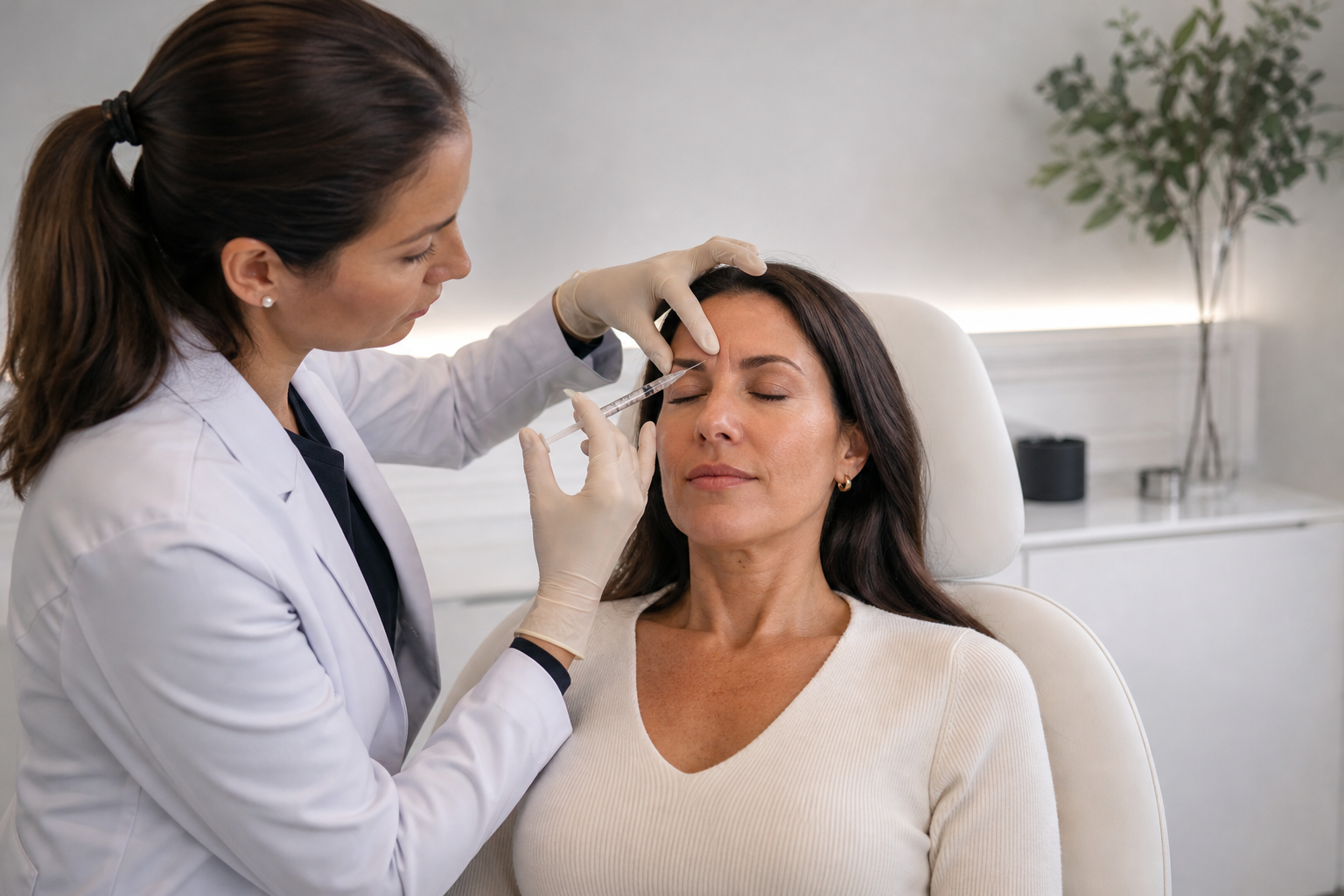
Botox for Frown Lines: Expert Guidance on Treatment Between the Eyebrows
Botox effectively softens frown lines—vertical wrinkles between the eyebrows—by relaxing the underlying muscles responsible for cr...
Read more
Botox in Your Twenties: When Is a Consultation Necessary?
Botox in your twenties is increasingly viewed as a proactive measure to maintain youthful skin by preventing wrinkle formation. Th...
Read more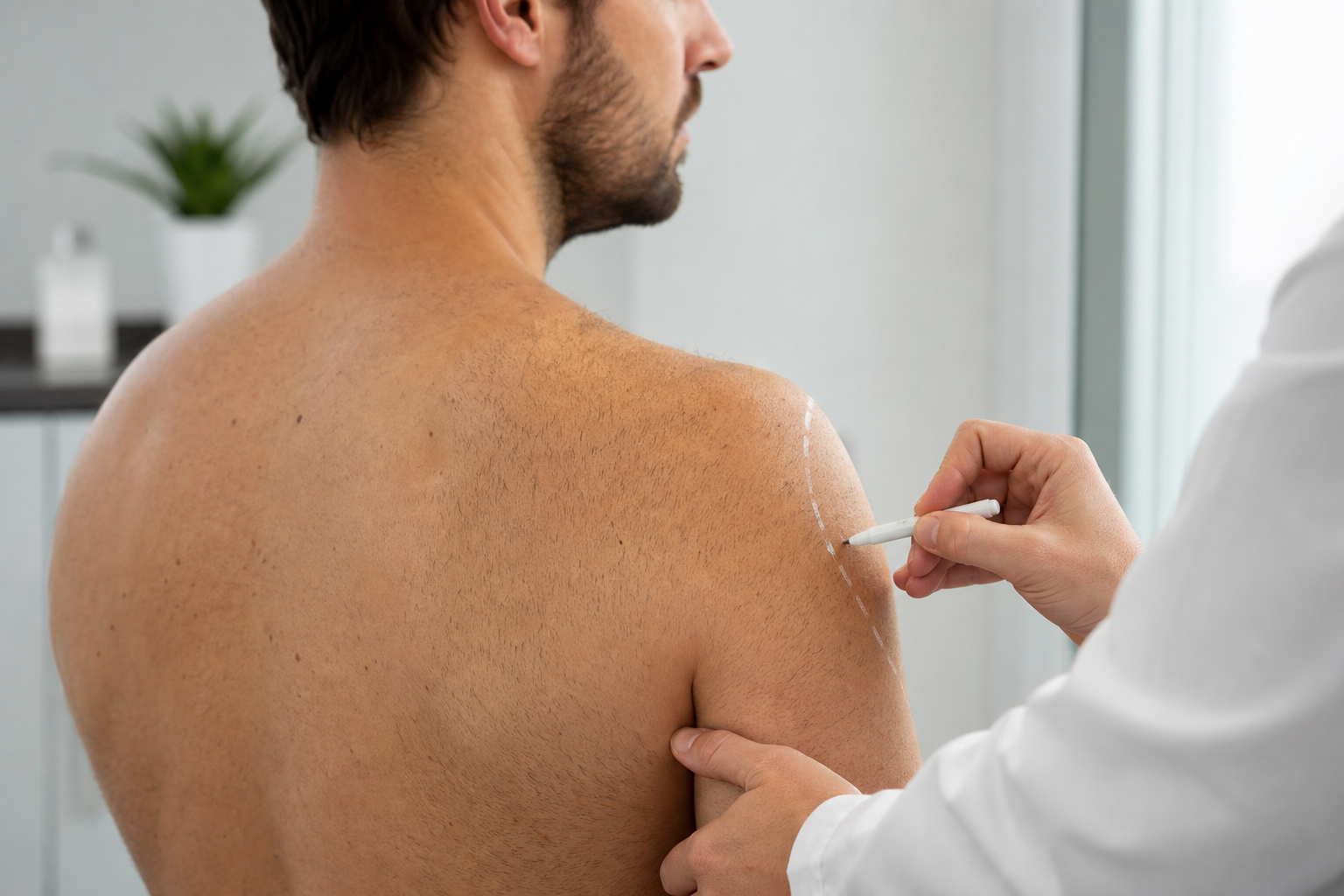
Shoulder Laser Hair Removal for Men
Shoulder laser hair removal for men offers a targeted, long-lasting solution to reduce dense, coarse hair and enhance upper body a...
Read more
Why Does Pigmentation Temporarily Darken After Treatment?
Temporary darkening of pigmentation after laser treatment, known as postinflammatory hyperpigmentation (PIH), is a common skin res...
Read more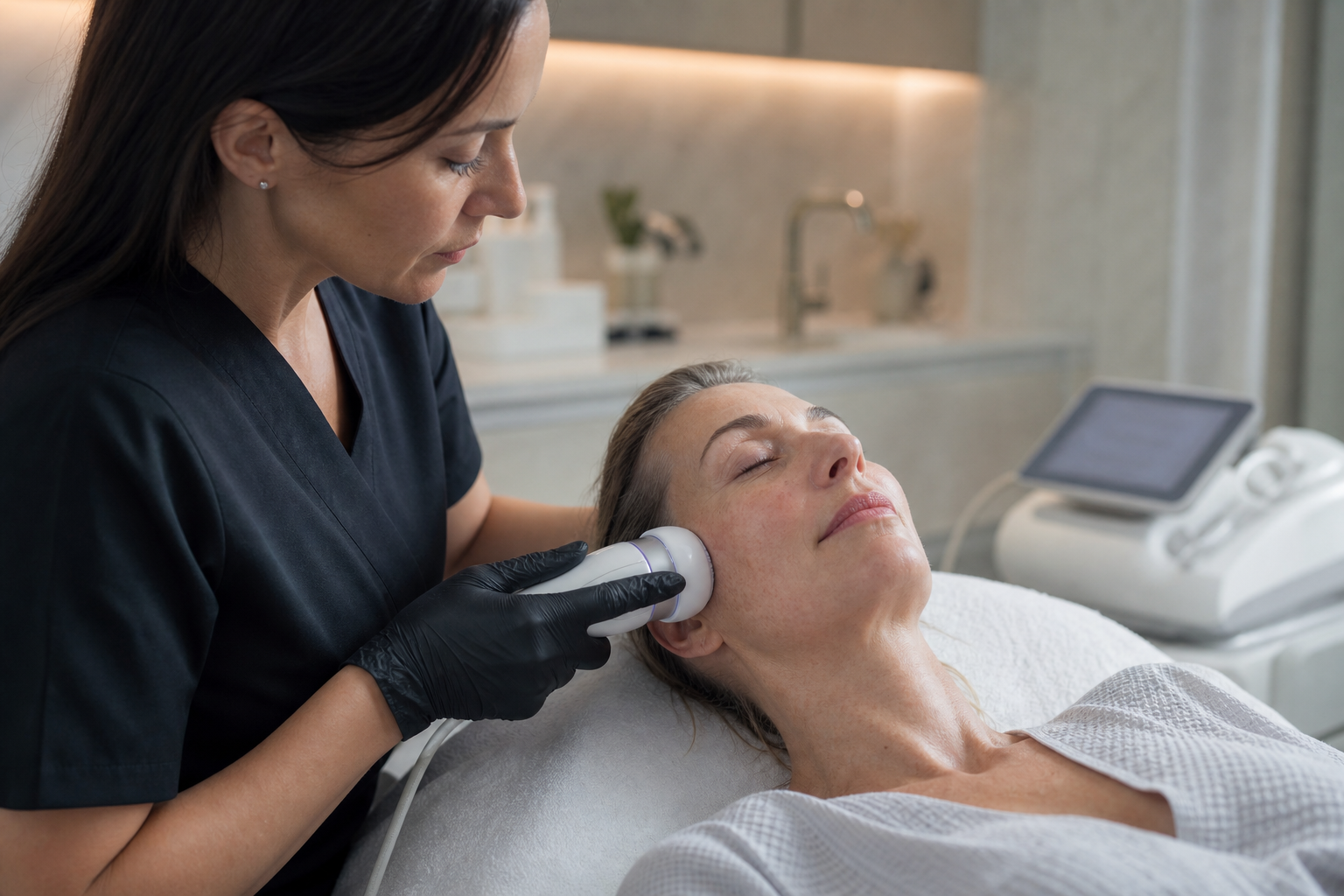
When Are Results Temporary and When Are They Gradual?
Radiofrequency (RF) lifting delivers skin tightening results that can be either immediate but temporary or gradual and lasting. By...
Read more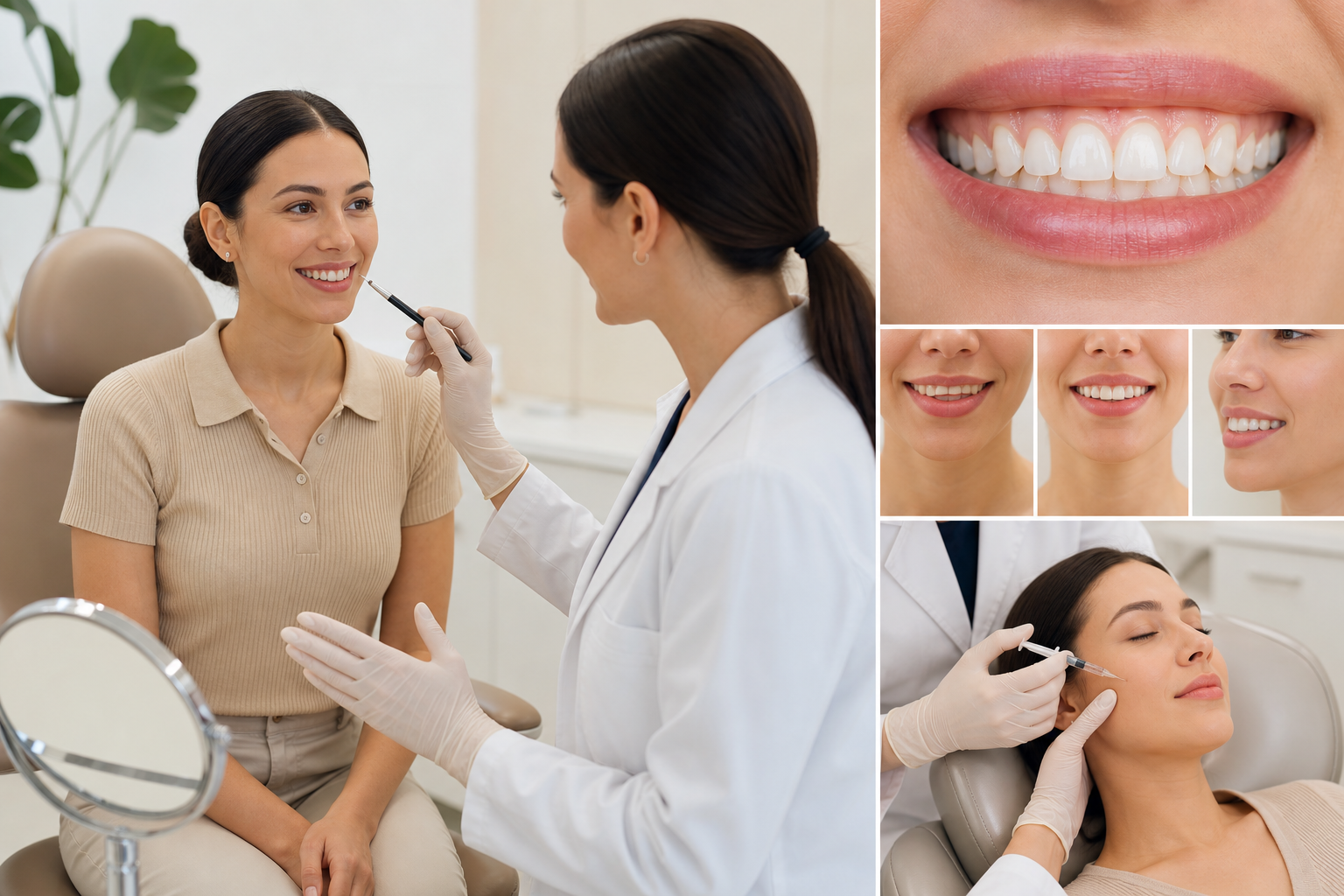
Understanding the Different Causes of a Gummy Smile: Why Treatment Varies
A gummy smile, marked by excessive gum visibility when smiling, arises from diverse anatomical and muscular causes. Understanding...
Read more
Excessive Sweating: When to Seek Medical Evaluation
Excessive sweating, or hyperhidrosis, is a condition causing uncontrollable sweat beyond normal levels and can severely impact qua...
Read more
Laser Treatment for Post-Acne Marks in Darker Skin
Laser treatment for post-acne marks in darker skin involves careful differentiation between brown hyperpigmentation and red erythe...
Read more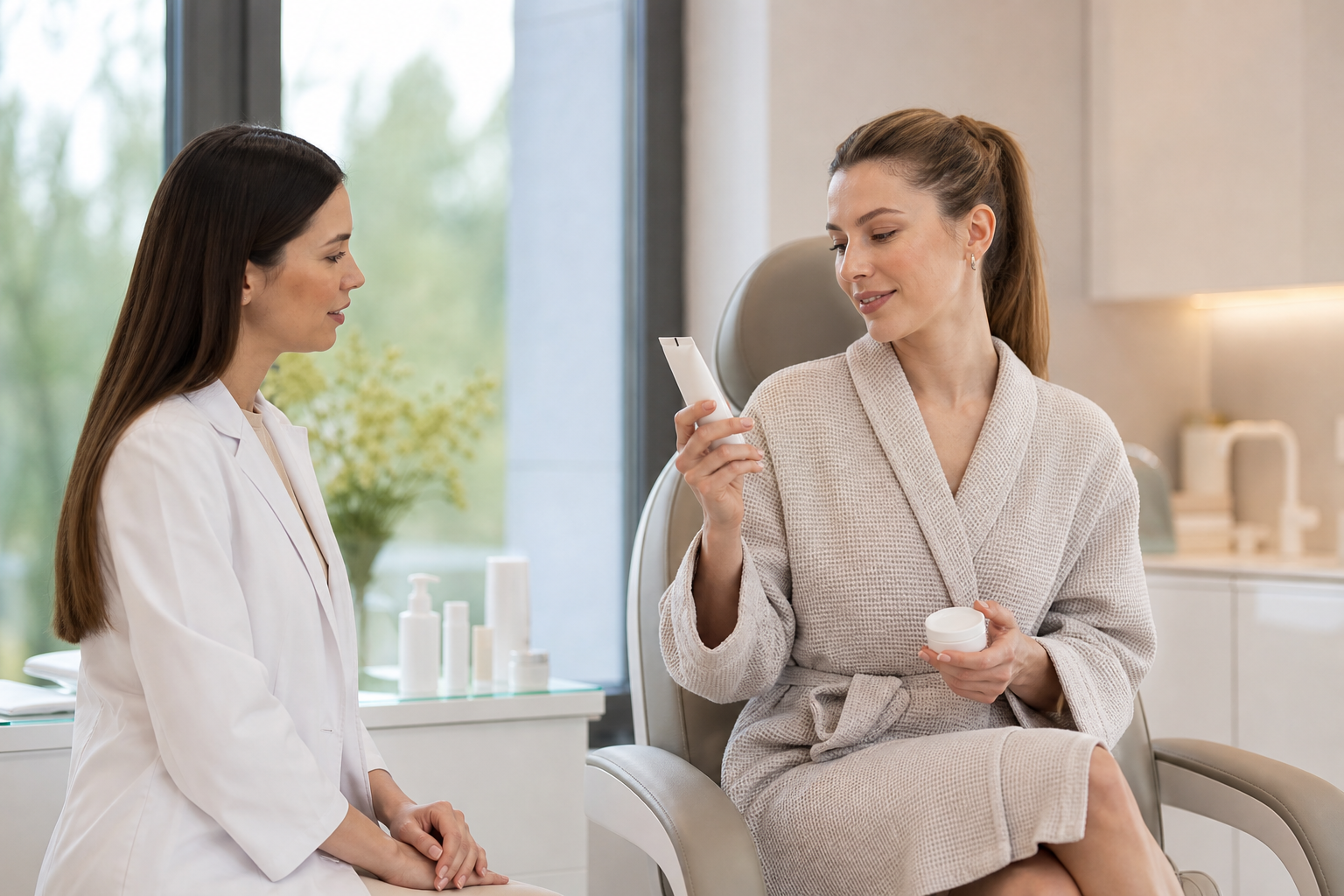
Laser or Fillers – Skin Quality Versus Volume
This article delineates the distinct roles of laser treatments and dermal fillers in facial rejuvenation, focusing on skin quality...
Read more
Why Does the Same Type of Laser Produce Different Results?
Laser treatments deliver variable results despite using the same technology due to individual skin differences and procedural fact...
Read more
Couperose and Rosacea: Are They the Same Condition?
Couperose and rosacea both cause facial redness and visible blood vessels, but they are distinct conditions with different causes...
Read more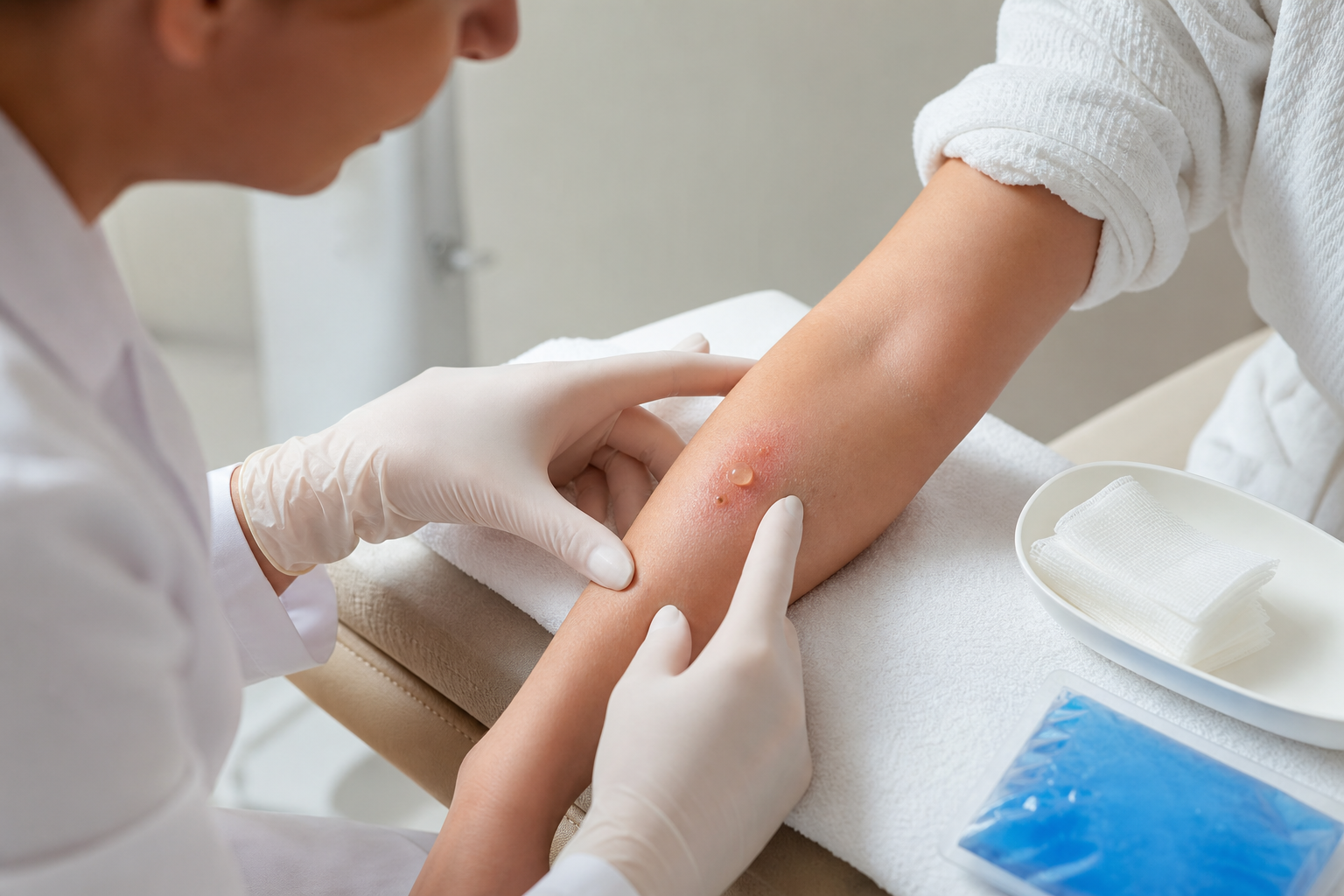
Burns After Laser Hair Removal
Burns after laser hair removal differ from expected mild warmth and redness by involving severe or worsening pain, blisters, and s...
Read more
Understanding Resistance to Botulinum Toxin: The Challenge of Secondary Non-Response
Resistance to botulinum toxin, particularly secondary non-response, poses a complex challenge in aesthetic treatments. Understandi...
Read more
Swallowing Difficulties: Essential Considerations Before Botox Treatment
Swallowing difficulties, or dysphagia, require careful evaluation before Botox treatment due to the intricate neuromuscular contro...
Read more
Why Electrode Count Doesn't Tell the Whole Story of Treatment Quality
Electrode count in radiofrequency (RF) skin tightening procedures is often overemphasized as the key to treatment quality. However...
Read more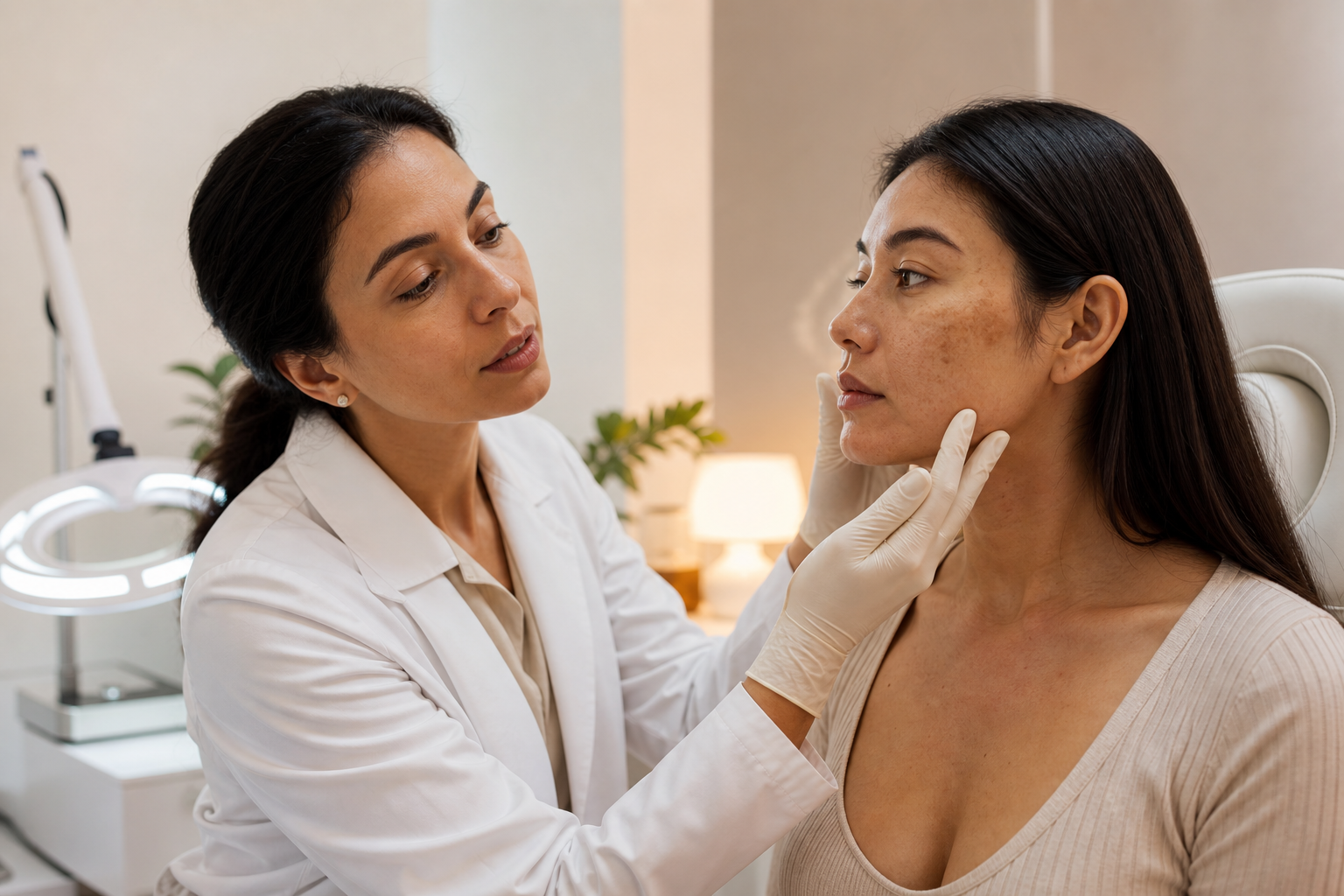
Epidermal vs Dermal Pigmentation: Why Pigment Depth Changes Treatment
Pigmentation in the skin varies by depth, primarily categorized as epidermal or dermal, influencing how treatments like laser ther...
Read more
Botulinum Toxin for Hemifacial Spasm
Botulinum toxin offers an effective, minimally invasive treatment for hemifacial spasm, a neurological disorder causing involuntar...
Read more
Can Laser Treatment Completely Remove Wrinkles?
Laser treatments offer significant wrinkle reduction by stimulating collagen and resurfacing skin, yet they cannot guarantee compl...
Read more
How Long Do Laser Skin Tightening Results Last?
Laser skin tightening offers a non-surgical solution to rejuvenate skin by stimulating collagen production and improving firmness....
Read more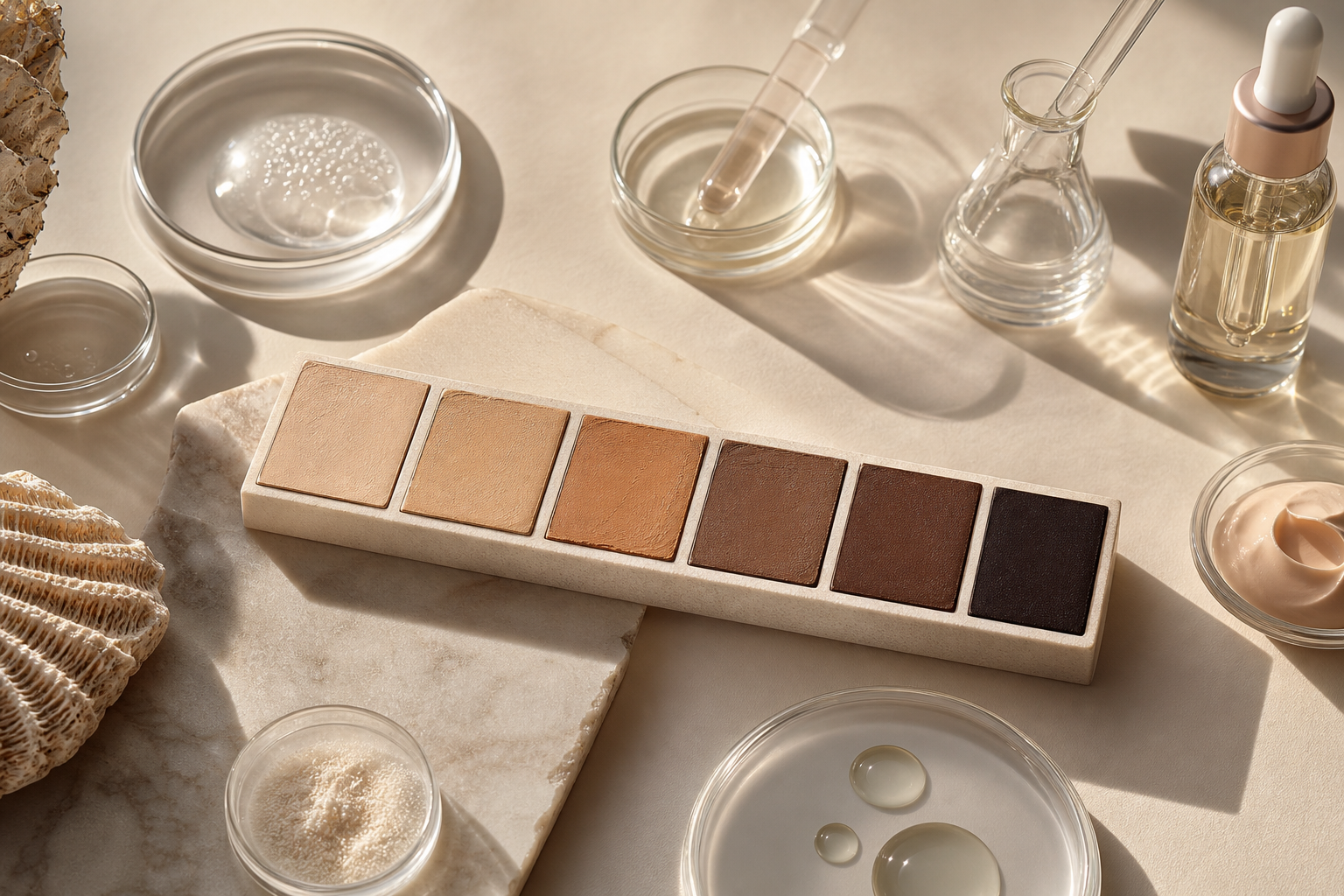
Fitzpatrick Skin Types Explained
The Fitzpatrick Skin Type system categorizes skin based on its response to UV exposure, aiding in risk assessment and tailored tre...
Read more
How Many Treatments Are Needed for Facial Capillaries?
Facial capillaries, visible as fine red lines on the skin, can be effectively treated with vascular laser therapies. While treated...
Read more
How Muscle Activity Influences Botox Outcomes
Muscle activity significantly affects the effectiveness and duration of Botox treatments. Understanding the interaction between mu...
Read more
Why Can Melasma Worsen After Laser Treatment?
Melasma is a complex skin condition often challenging to treat, especially with laser therapy which can sometimes worsen pigmentat...
Read more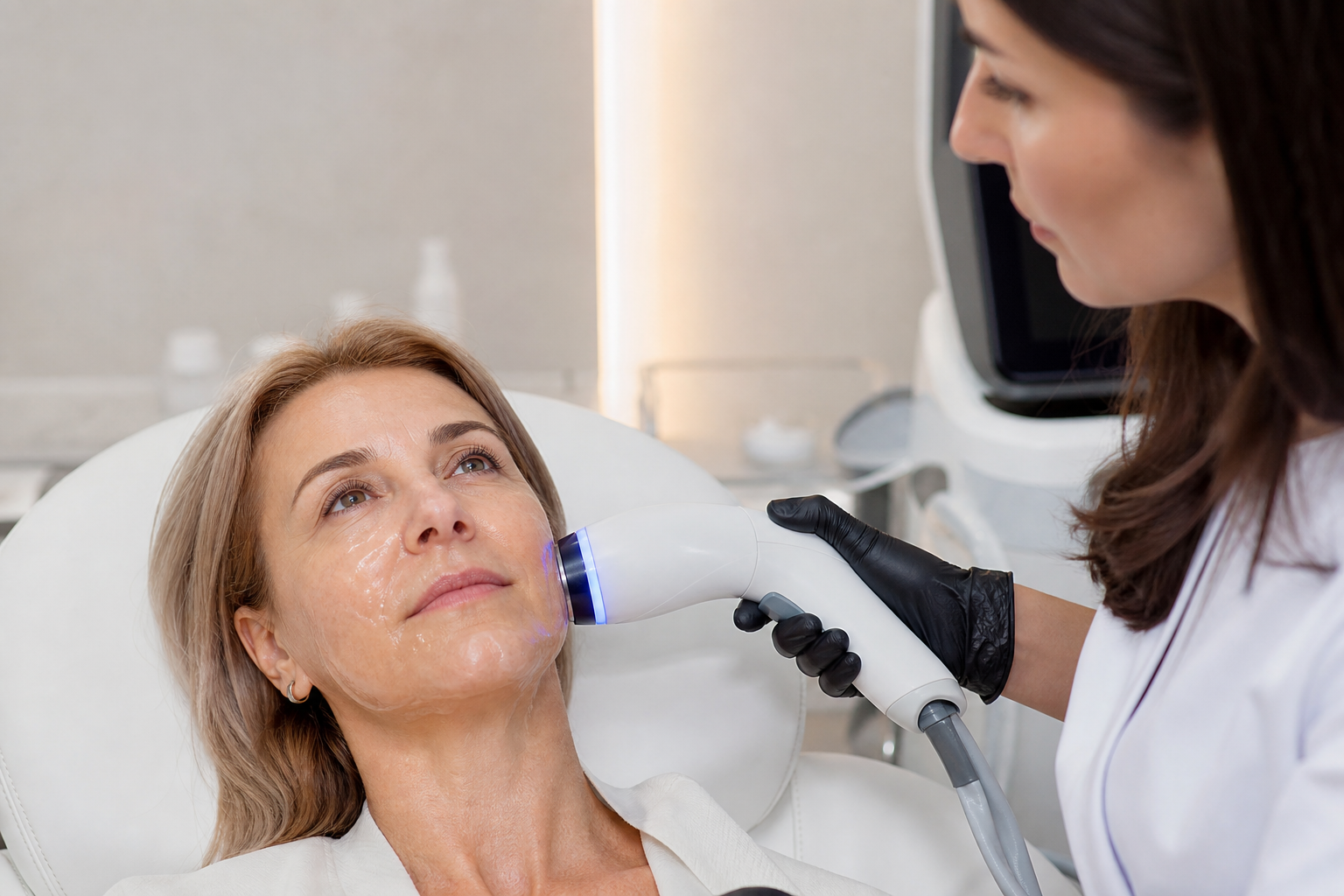
RF Treatment for Mild Facial Skin Laxity
Radiofrequency (RF) treatment offers a non-invasive approach to gently tighten and rejuvenate mildly lax facial skin by stimulatin...
Read more
Can Laser Treatments Lift Sagging Skin?
Laser treatments offer a non-invasive approach to lifting sagging skin by stimulating collagen production, improving firmness and...
Read more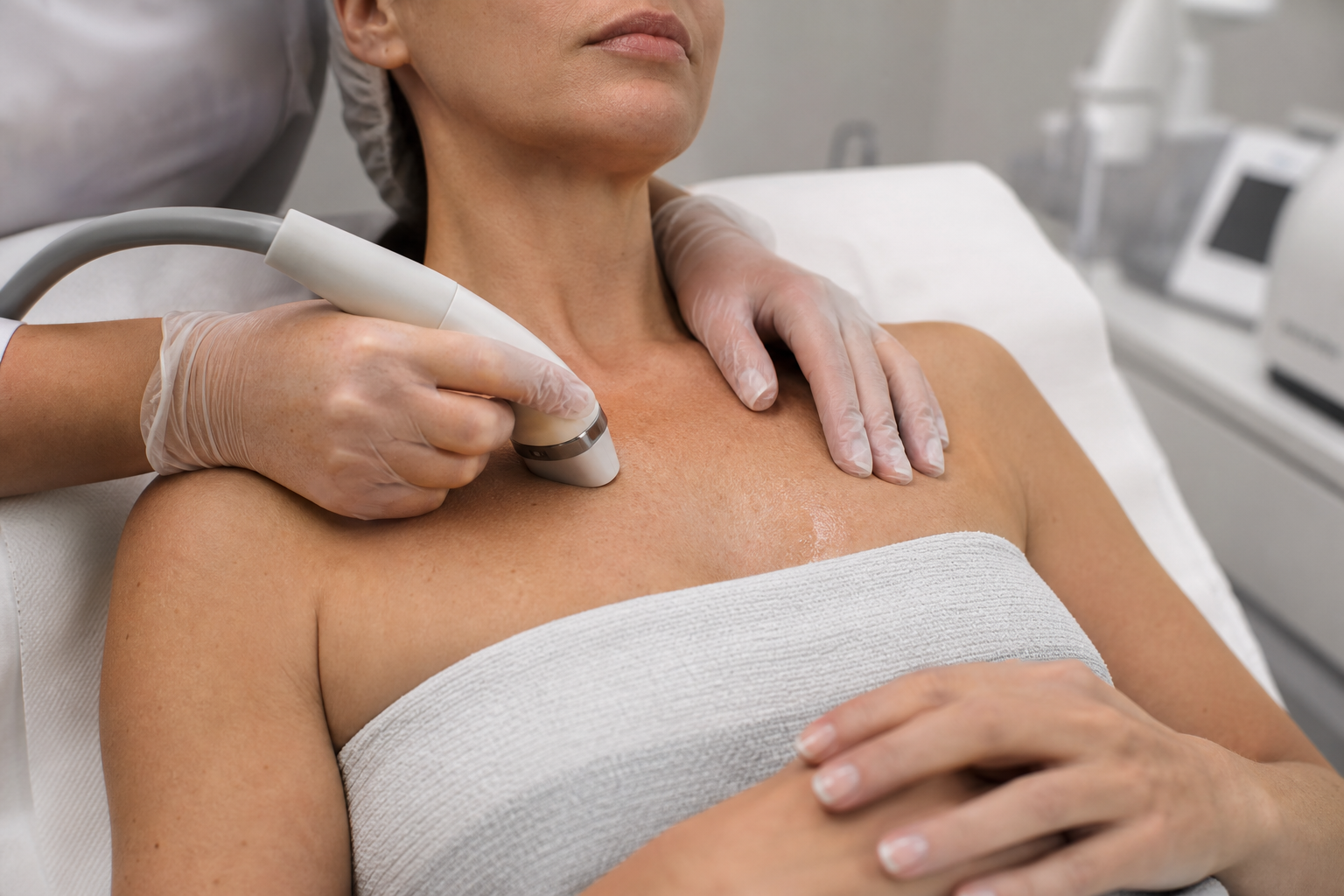
RF Treatment for Neckline and Hands
Radiofrequency (RF) treatment offers a modern, non-invasive method to rejuvenate and tighten the delicate skin of the neckline and...
Read more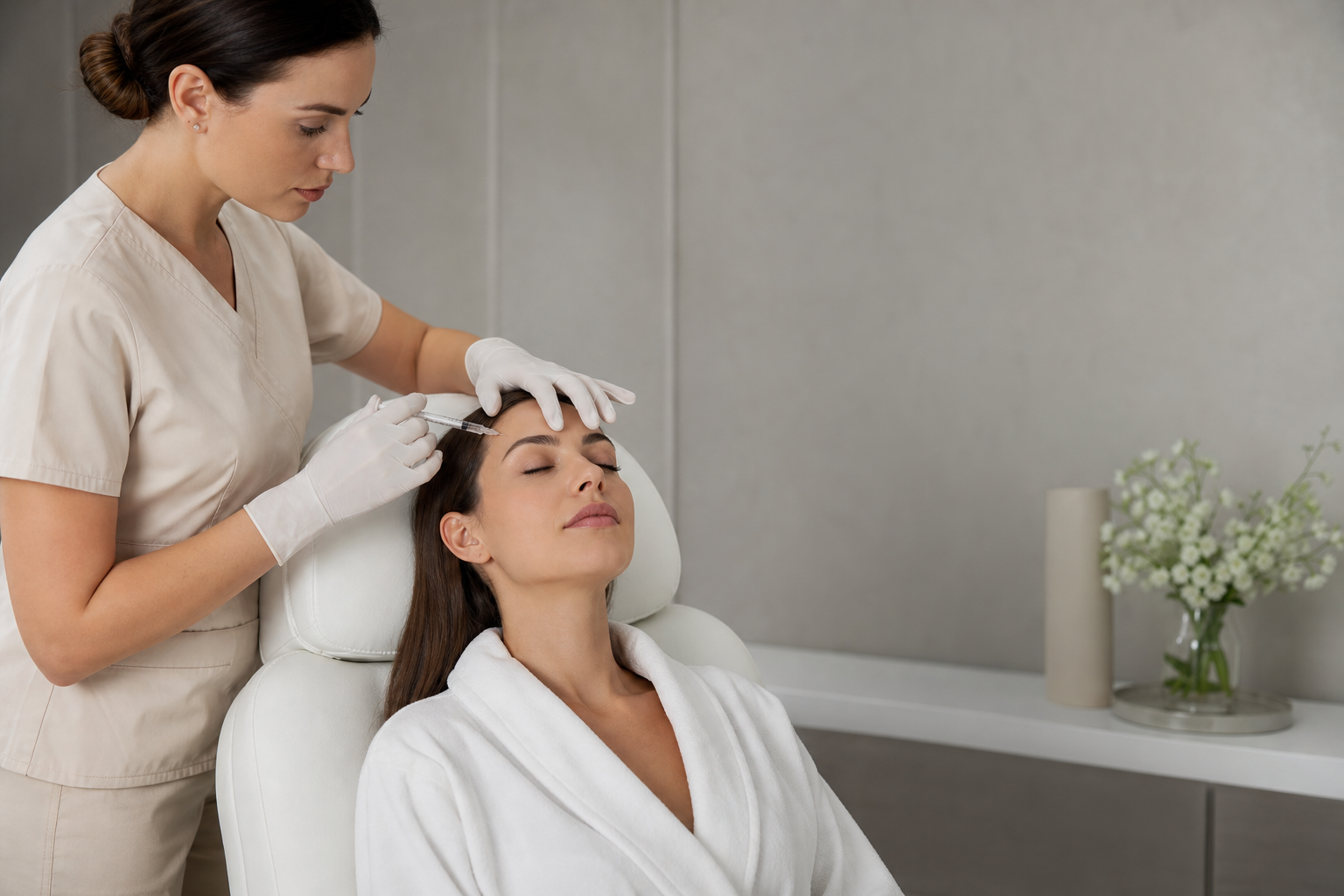
When to Assess the Full Effect of Botox
Botox gradually takes full effect within 7 to 14 days after injection, making this period ideal for assessing treatment results. U...
Read more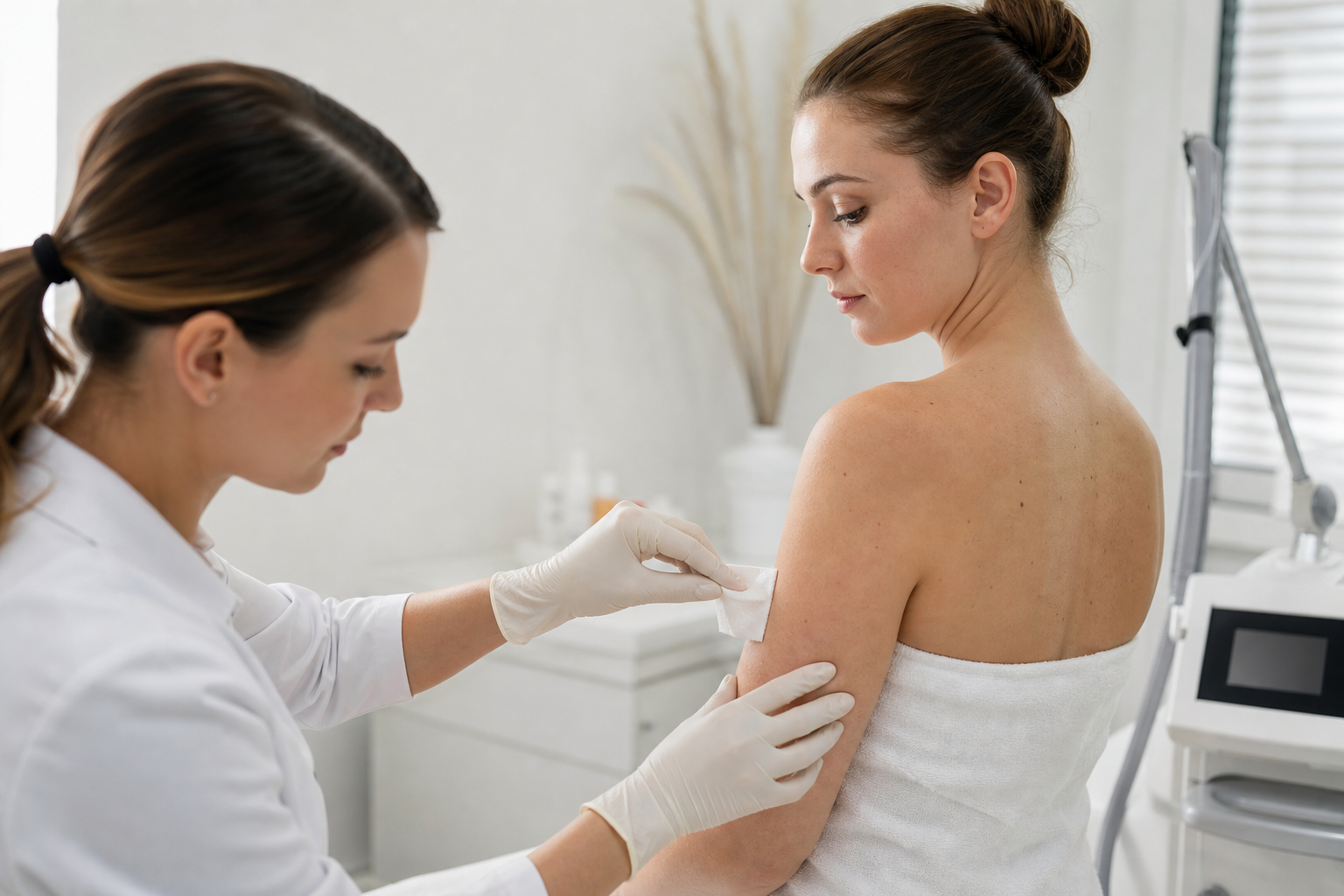
How Long Do Fractional Laser Results Last?
Fractional laser treatments provide skin rejuvenation by stimulating collagen and elastin production, addressing imperfections lik...
Read more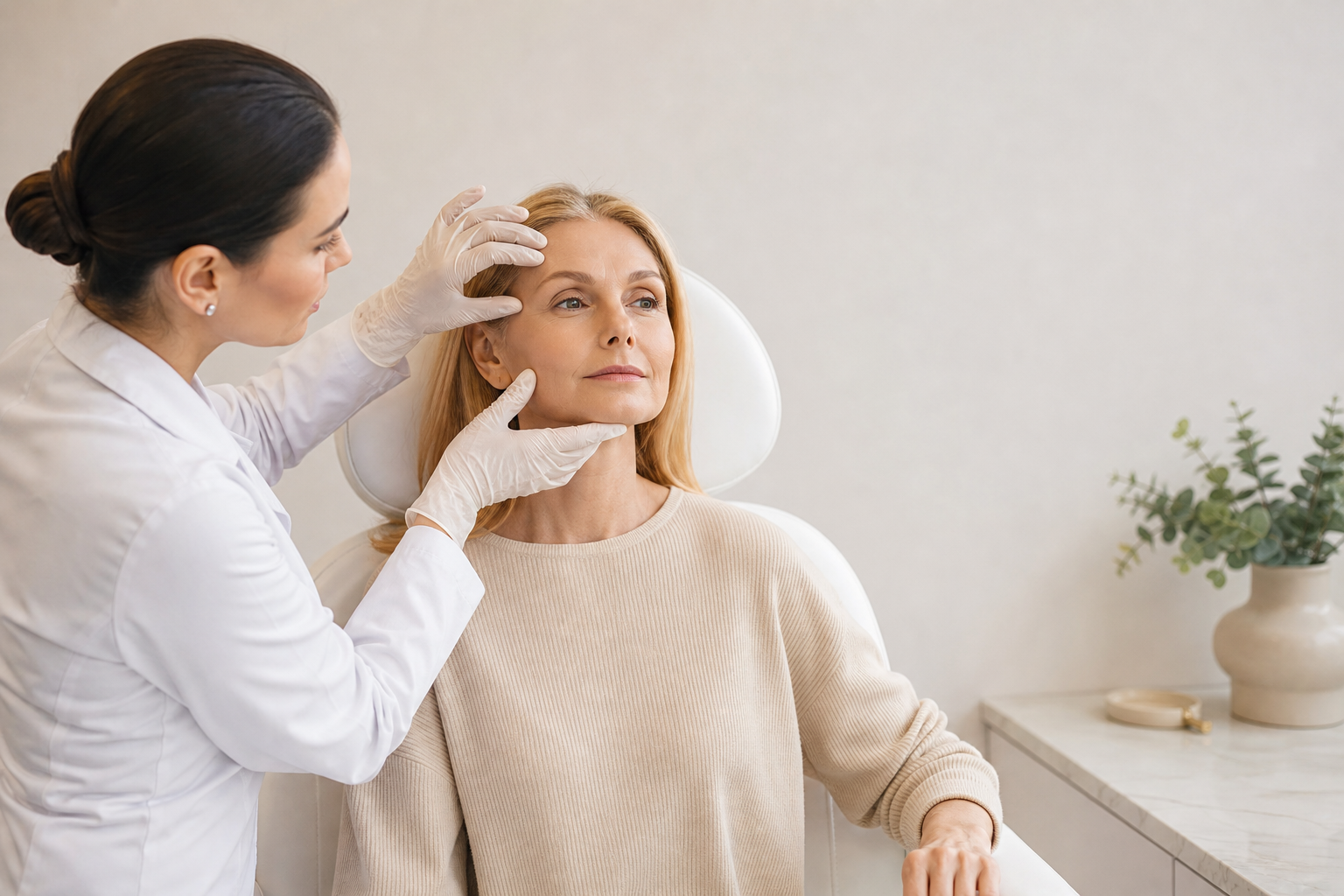
Wrinkles and Facial Aging: Understanding Where Botox Fits In
Wrinkles and facial aging manifest through dynamic and static lines, each requiring distinct approaches. Botox effectively targets...
Read more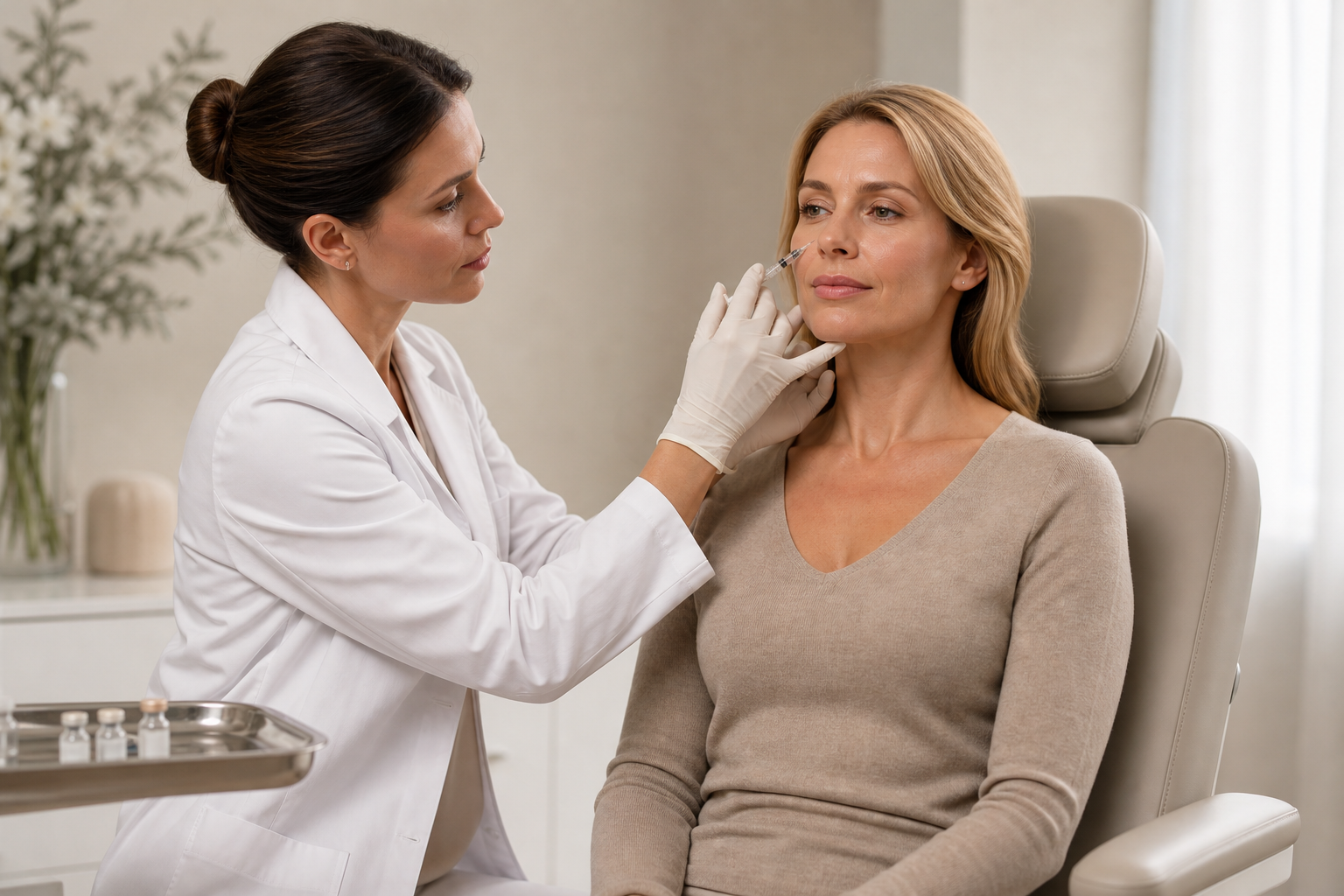
Botox vs. Botulinum Toxin: Understanding the Difference Between Brand and Substance
This article clarifies the difference between botulinum toxin, the neurotoxic substance, and Botox, its well-known branded formula...
Read more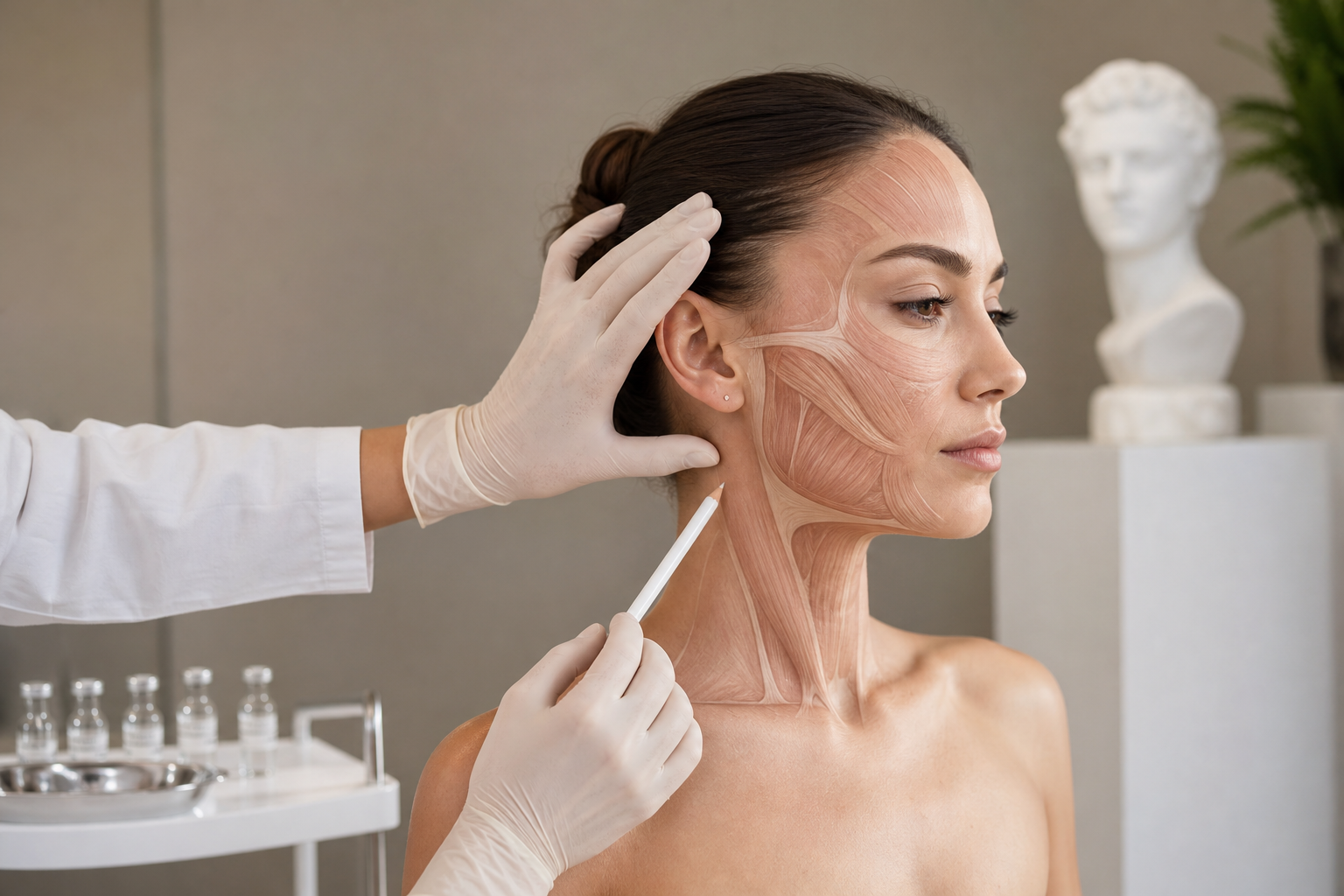
How Muscle Anatomy Influences Botox Planning
Understanding the intricate anatomy of facial muscles is essential for effective Botox treatment, as it guides precise injection p...
Read more
Medical Applications Beyond Aesthetic Treatments
Botulinum toxin and hyaluronic acid are increasingly recognized for their medical applications beyond aesthetic treatments. These...
Read more
How Often Should Botox Treatments Be Repeated?
Botox treatments require repetition every three to six months to maintain their wrinkle-reducing effects. Treatment frequency depe...
Read more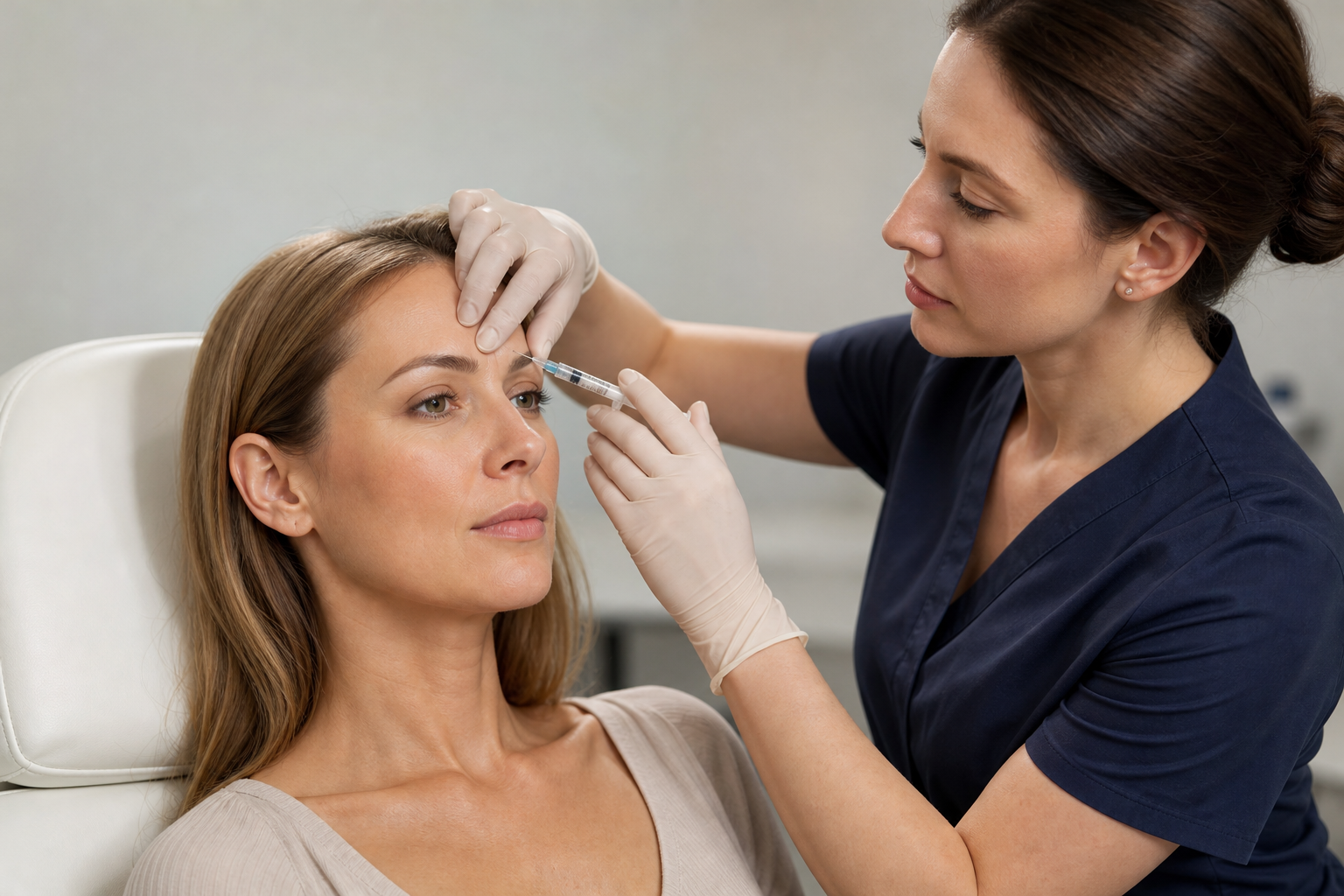
Why the Forehead and Area Between the Eyebrows Are Evaluated Together
The forehead and the area between the eyebrows are evaluated together for Botox treatment due to their interconnected muscle anato...
Read more
Your First Botox: From Decision to Consultation
This article guides you through the journey of your first Botox treatment, from making the decision to the initial consultation. I...
Read more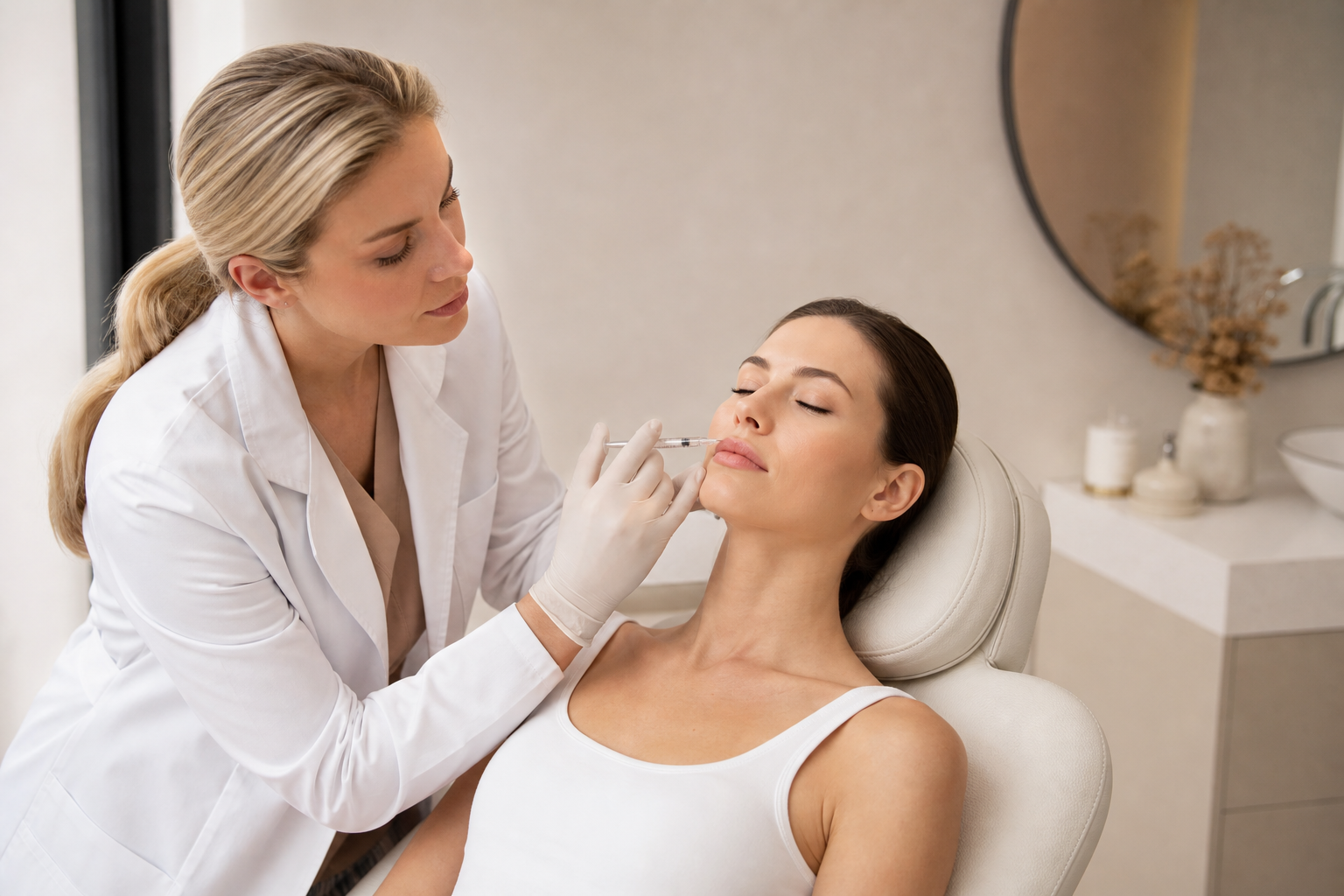
Botox Treatments for Nose, Lips, and Smile Lines
Botox treatments for the nose, lips, and smile lines offer subtle, natural enhancements by modulating facial muscles to improve ex...
Read more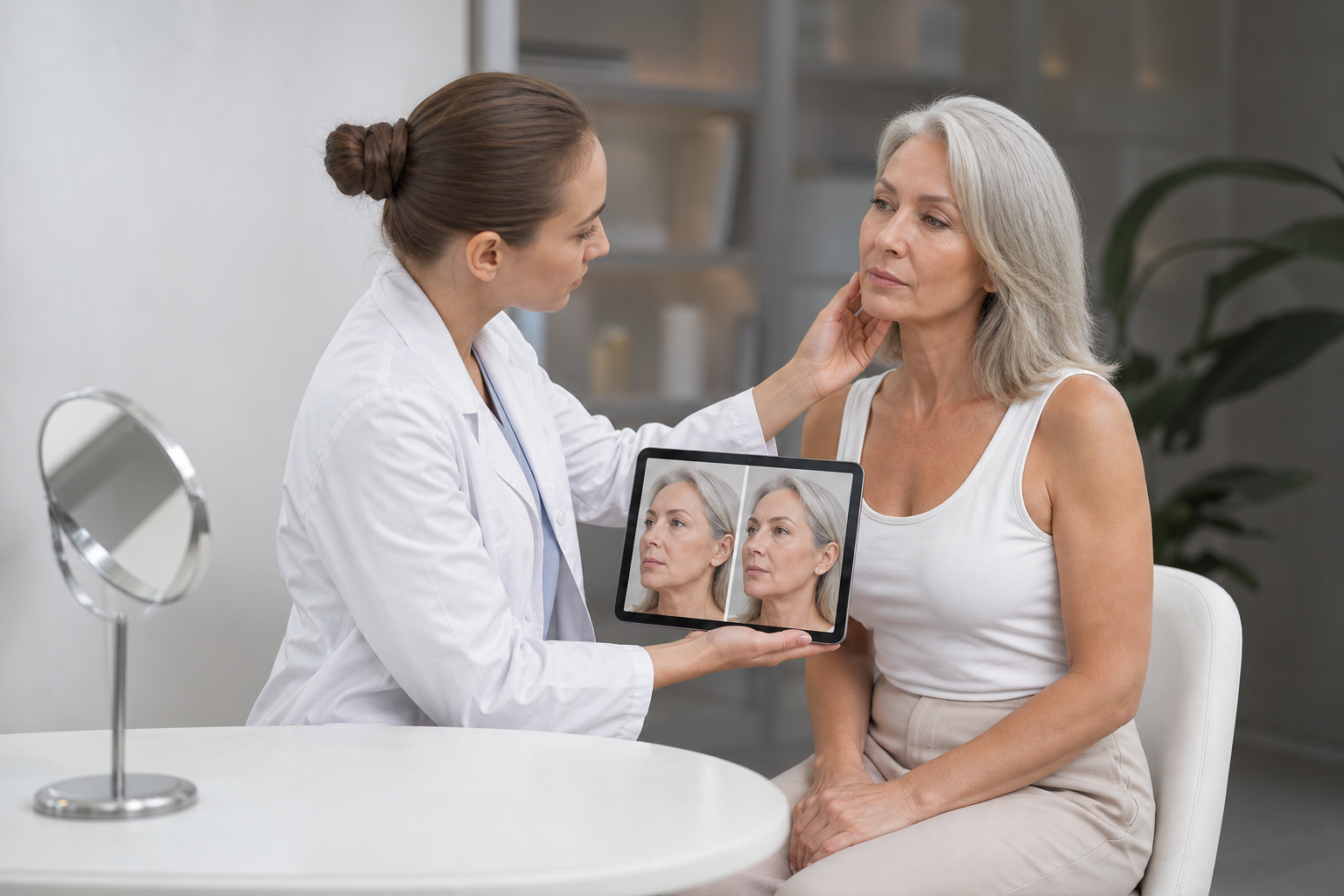
Botox Before and After: How to Spot Deceptive Photos
This article provides expert guidance on how to accurately evaluate Botox before and after photos, revealing common manipulations...
Read more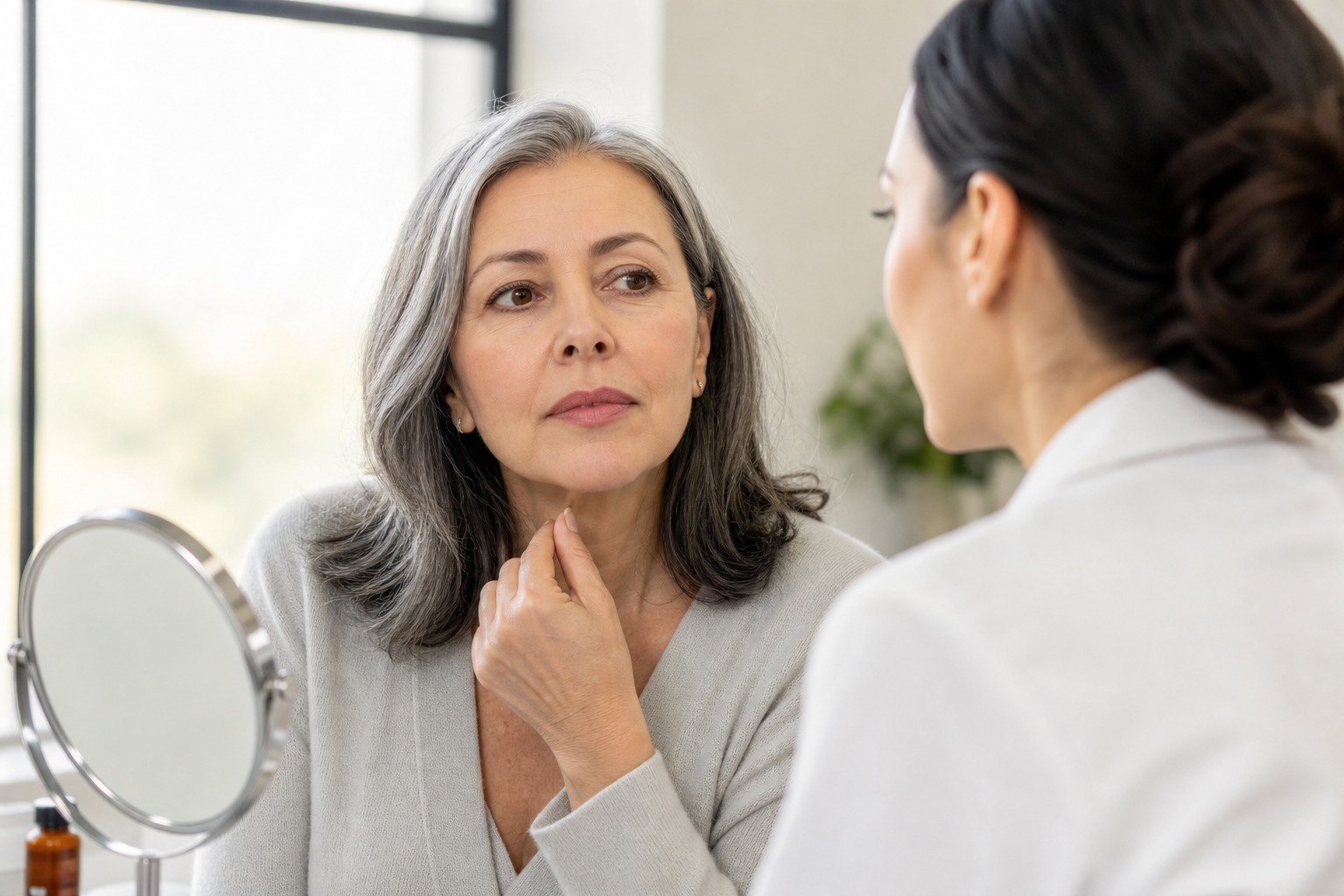
Menopause and Changes in Hair Growth
During perimenopause and menopause, women often experience a unique combination of scalp hair thinning and new terminal facial hai...
Read more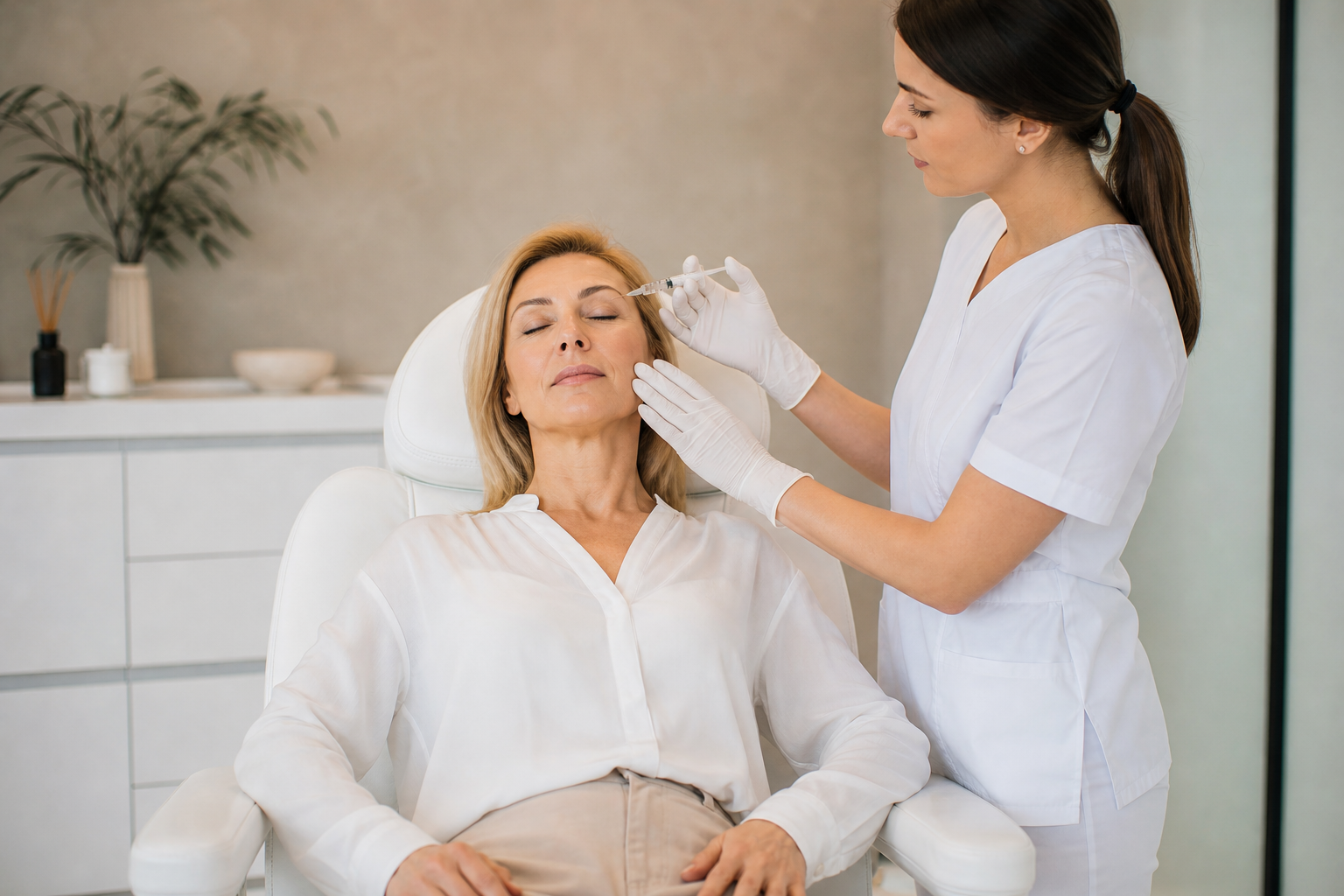
Duration and Repeat Treatments of Botox: What to Expect
Botox offers a non-surgical approach to reducing wrinkles, with effects typically lasting three to six months. This article explai...
Read more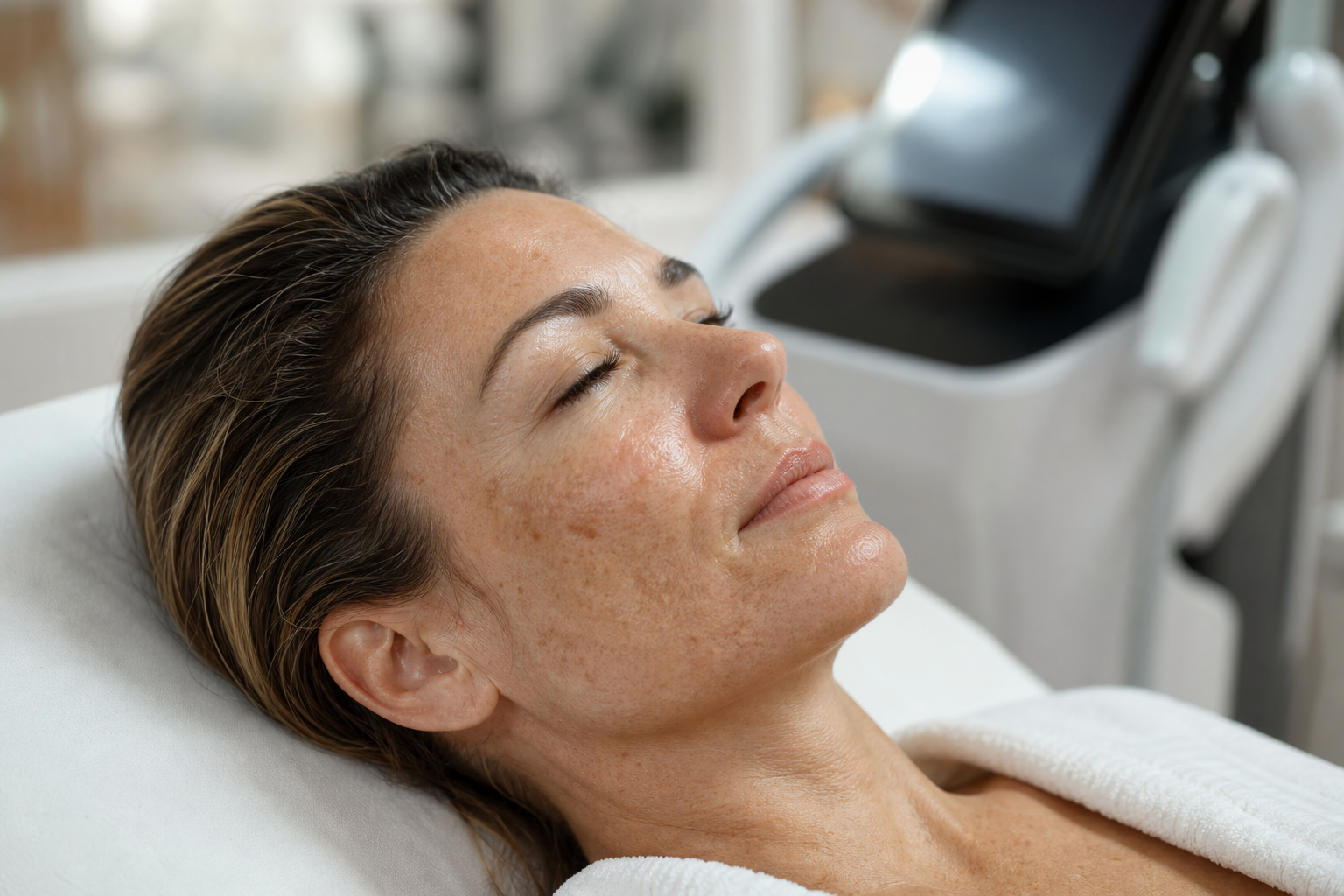
Can One Laser Address Wrinkles, Spots and Enlarged Pores?
Laser treatments can significantly improve wrinkles, pigmentation spots, and enlarged pores by softening lines, evening skin tone,...
Read more
Intimate Area Laser Hair Removal
Intimate area laser hair removal offers a professional, discreet solution for permanent reduction of unwanted hair in sensitive re...
Read more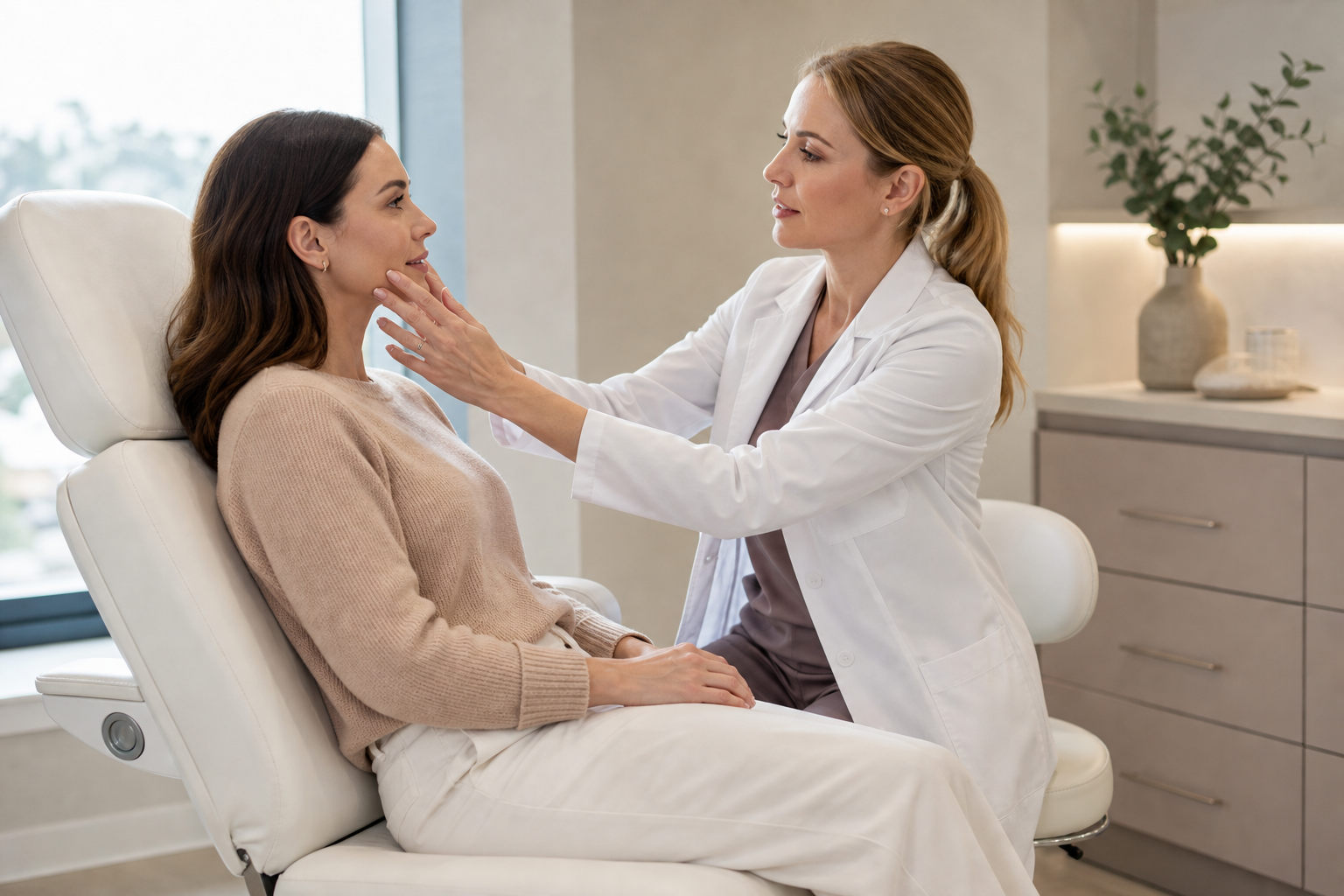
What to Expect During Your Post-Botox Checkup
The post-Botox checkup is a crucial step in ensuring optimal aesthetic results and patient safety. This follow-up visit assesses t...
Read more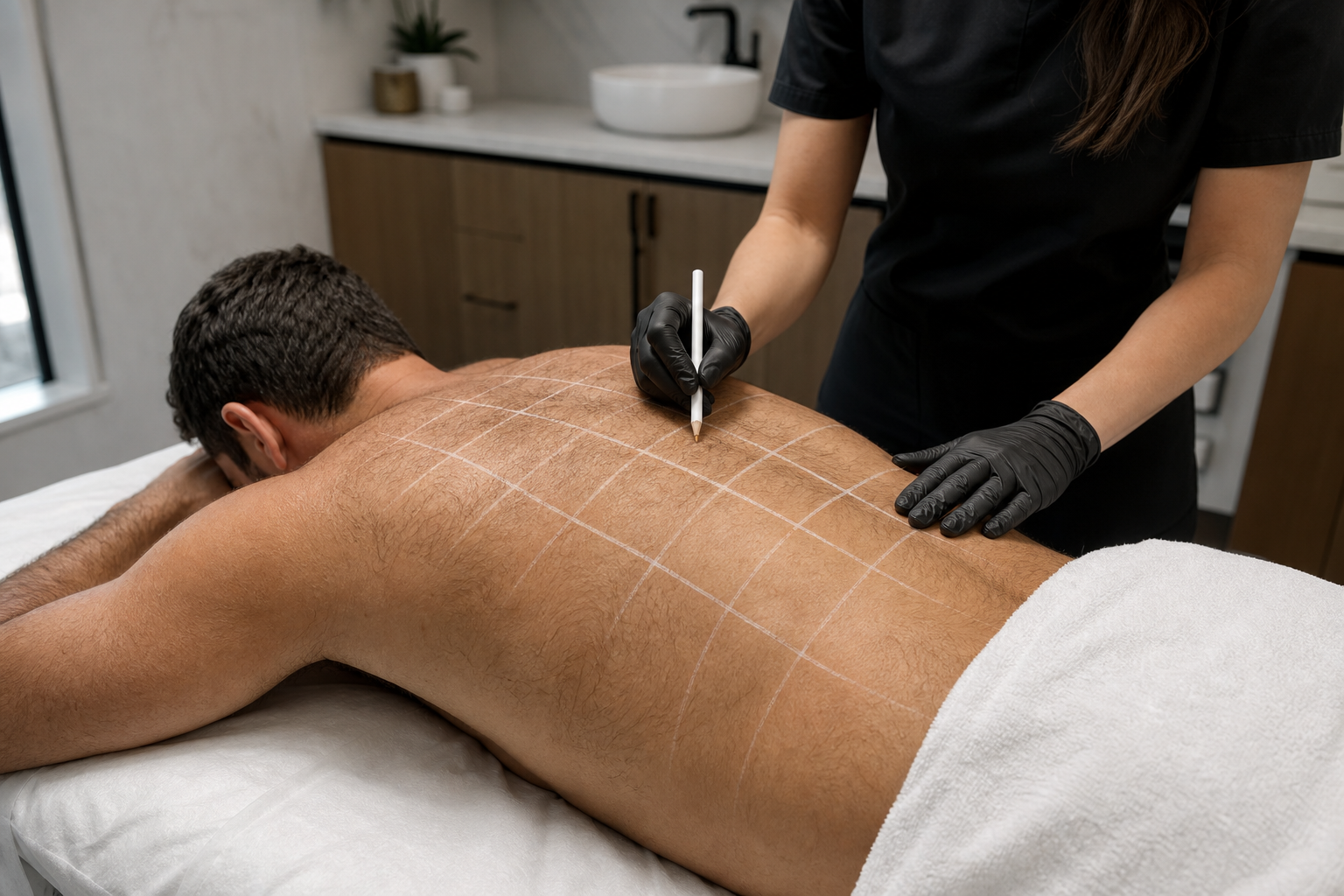
Back Laser Hair Removal
Back laser hair removal offers a lasting solution for reducing unwanted hair on the upper and lower back, addressing challenges li...
Read more
Is Winter the Best Time for Laser Hair Removal?
Winter offers practical advantages for laser hair removal due to lower UV exposure and coverage by clothing, promoting safer and m...
Read more
Who Is a Good Candidate for Laser Skin Tightening?
Laser skin tightening is a non-invasive procedure that stimulates collagen production to improve skin firmness and elasticity. Ide...
Read more
What to Avoid After RF Treatments
RF skin tightening offers a non-invasive way to rejuvenate skin by stimulating collagen. Following the procedure, avoiding sun exp...
Read more
When Can You Wear Makeup Again After Laser Treatment?
Determining when to wear makeup after laser treatment depends on the type of laser, treatment intensity, and individual skin facto...
Read more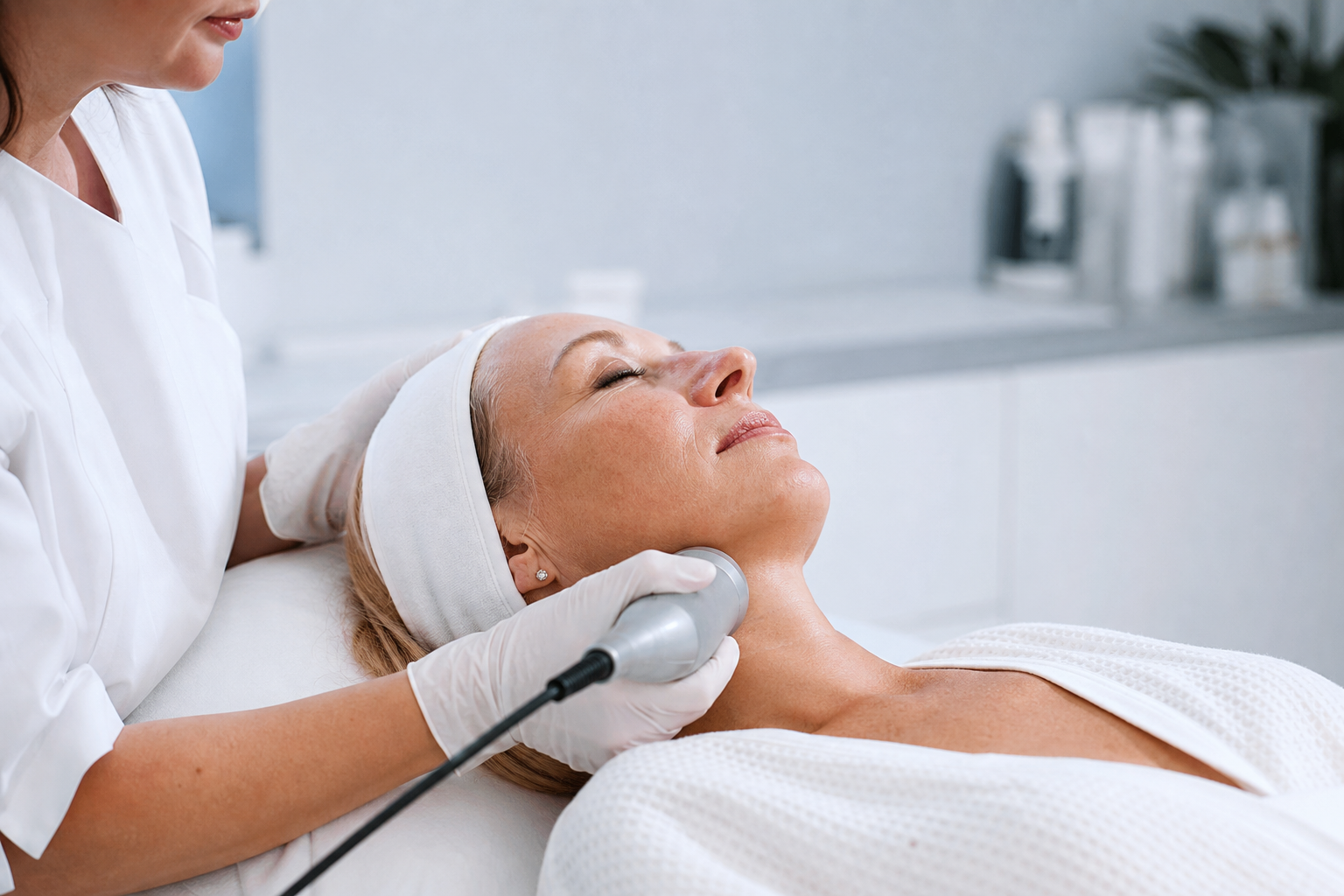
RF Treatments and Implanted Electronic Devices
Radiofrequency (RF) treatments use targeted energy to stimulate collagen production for skin tightening and rejuvenation. This art...
Read more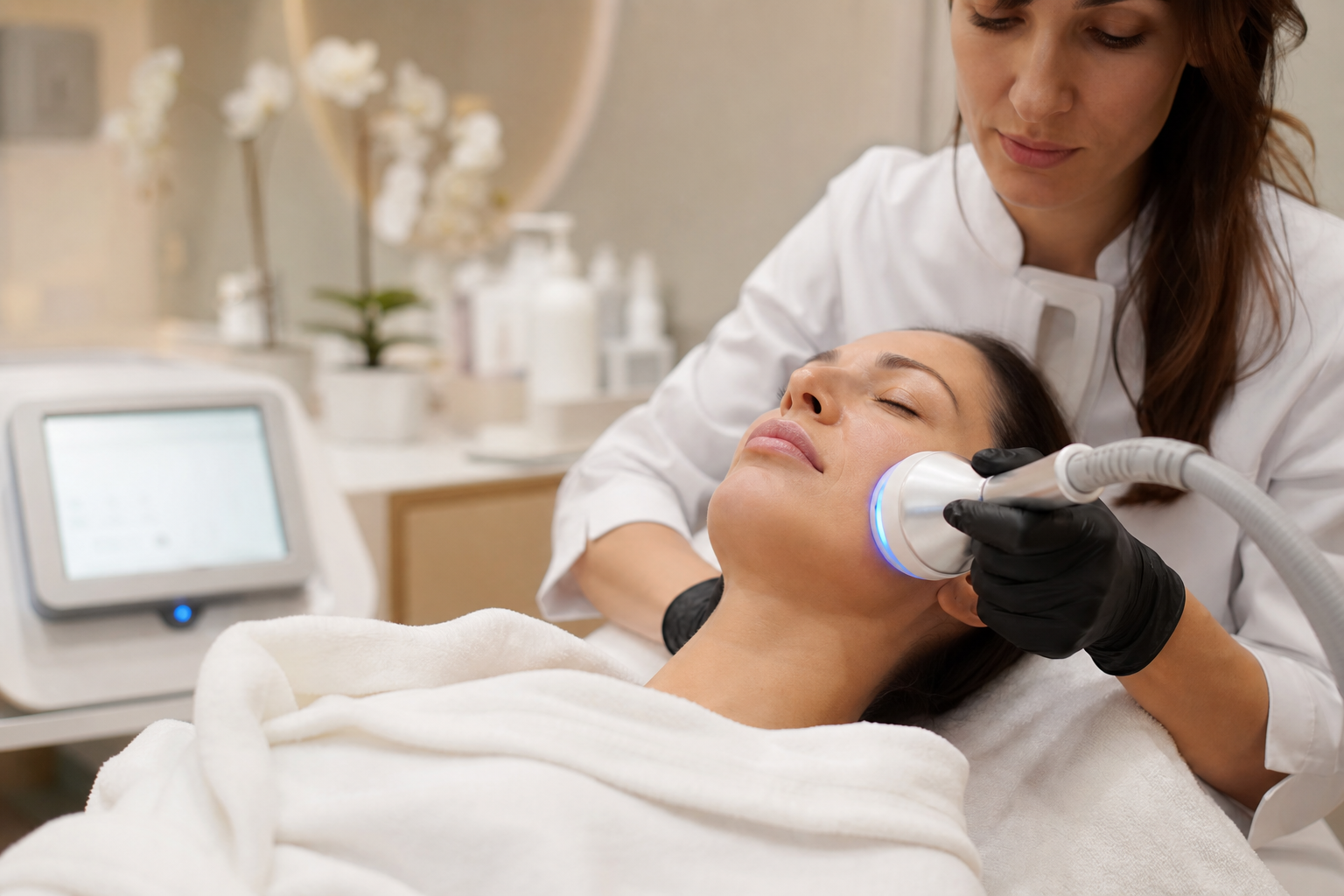
Needle-Free Fractional RF: How It Works
Needle-free fractional RF is a non-invasive skin rejuvenation technology that uses fractionated radiofrequency energy to stimulate...
Read more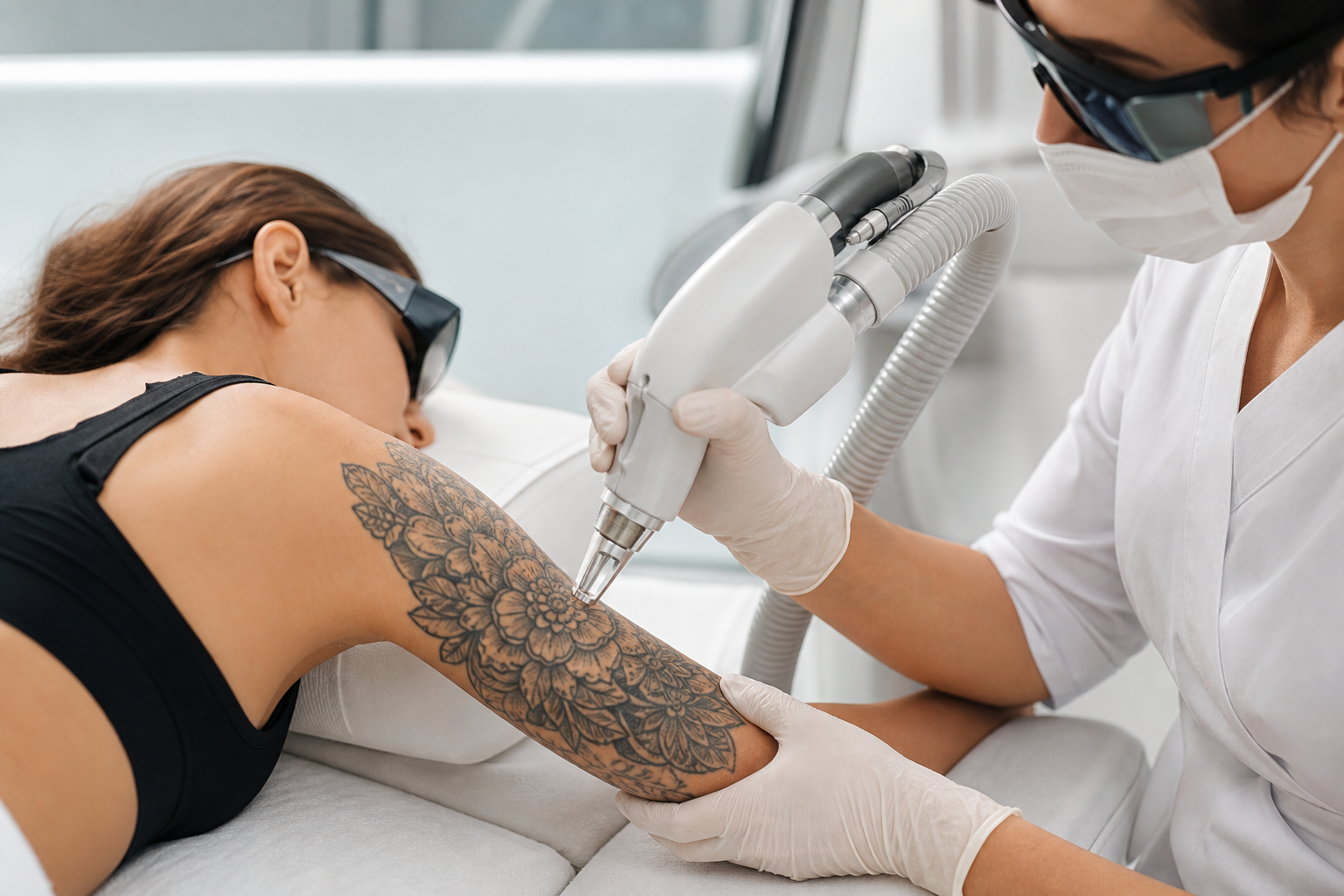
Can a Tattoo Be Removed Completely?
Laser tattoo removal offers a safe and effective method to significantly fade or eliminate tattoos, but complete, scar-free remova...
Read more
Botulinum Toxin for Overactive Bladder: An Expert Review
Botulinum toxin is an innovative treatment for overactive bladder (OAB), especially for patients who do not respond to conventiona...
Read more
Why Lower Cost Doesn’t Necessarily Mean a Better Botox Offer
Choosing Botox treatments based solely on low cost can compromise safety, quality, and results. This article explains why price do...
Read more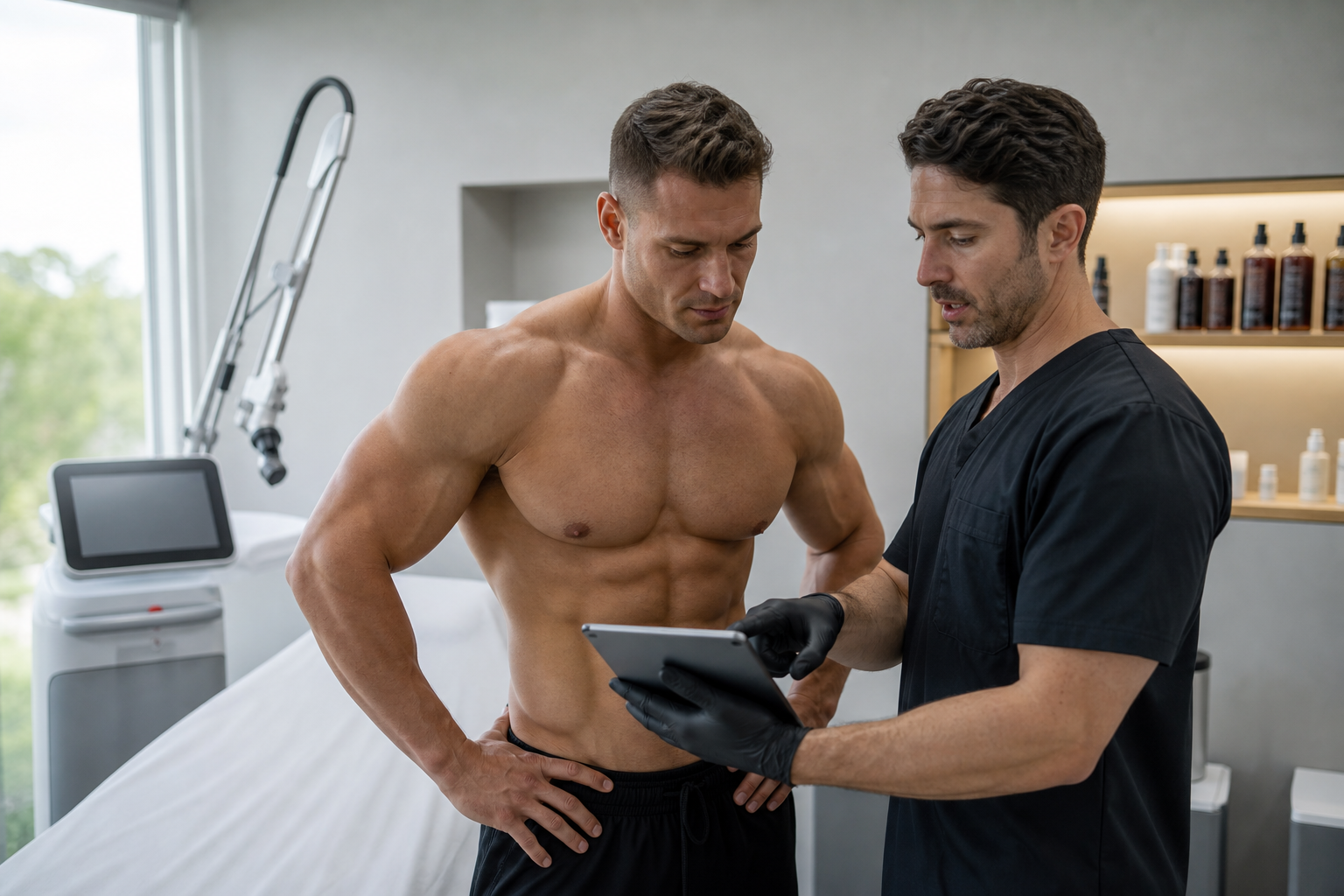
Bodybuilding and Laser Hair Removal
Laser hair removal offers bodybuilders and fitness competitors a strategic advantage by enhancing muscle definition and skin appea...
Read more
Can Hair Grow Back Years After Laser Hair Removal?
Hair can sometimes appear years after laser hair removal due to hormonal changes, ageing, and activation of dormant follicles. Und...
Read more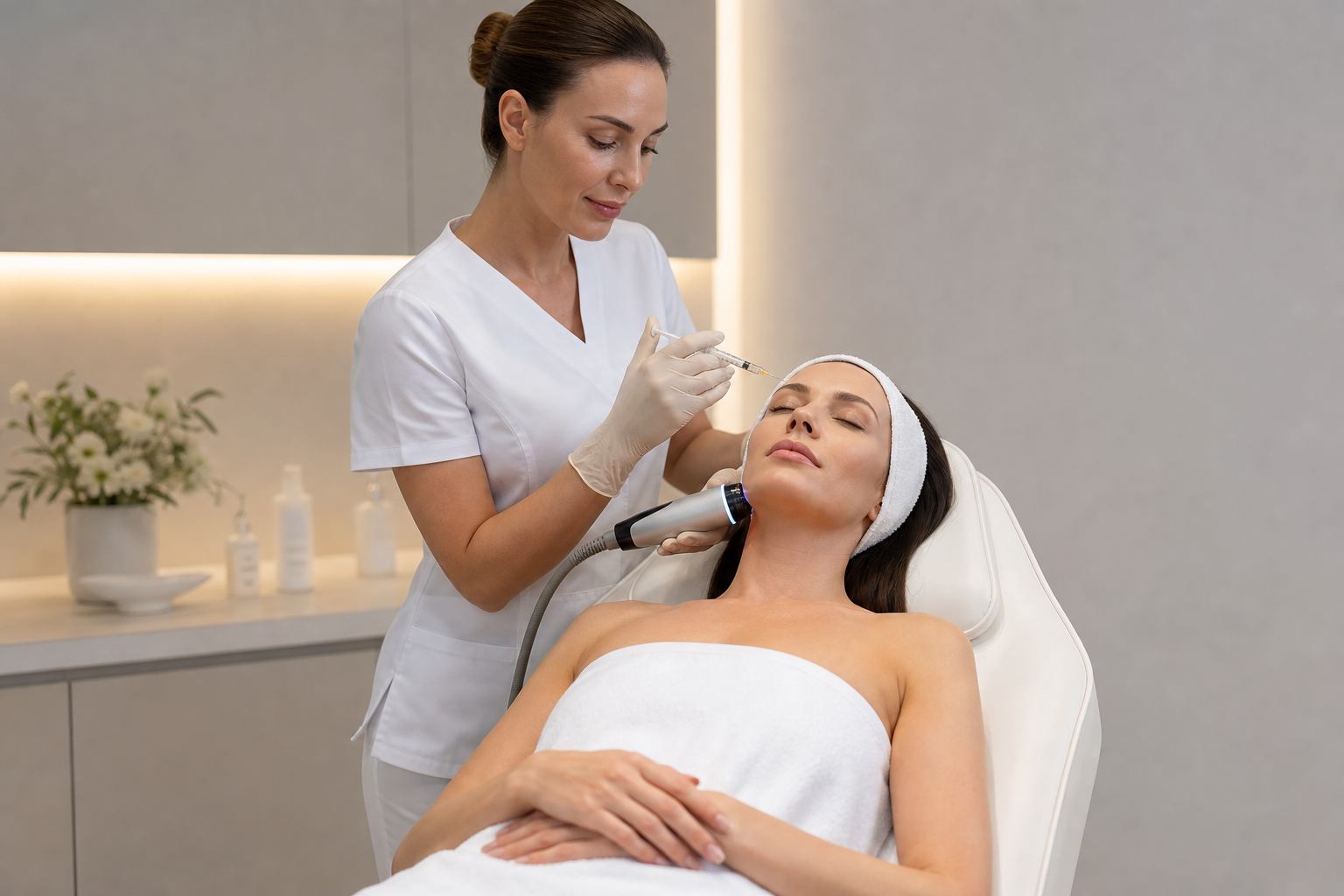
Botox and Radiofrequency: How to Combine These Treatments Effectively
This article explores the effective combination of Botox and radiofrequency treatments for facial rejuvenation, explaining their d...
Read more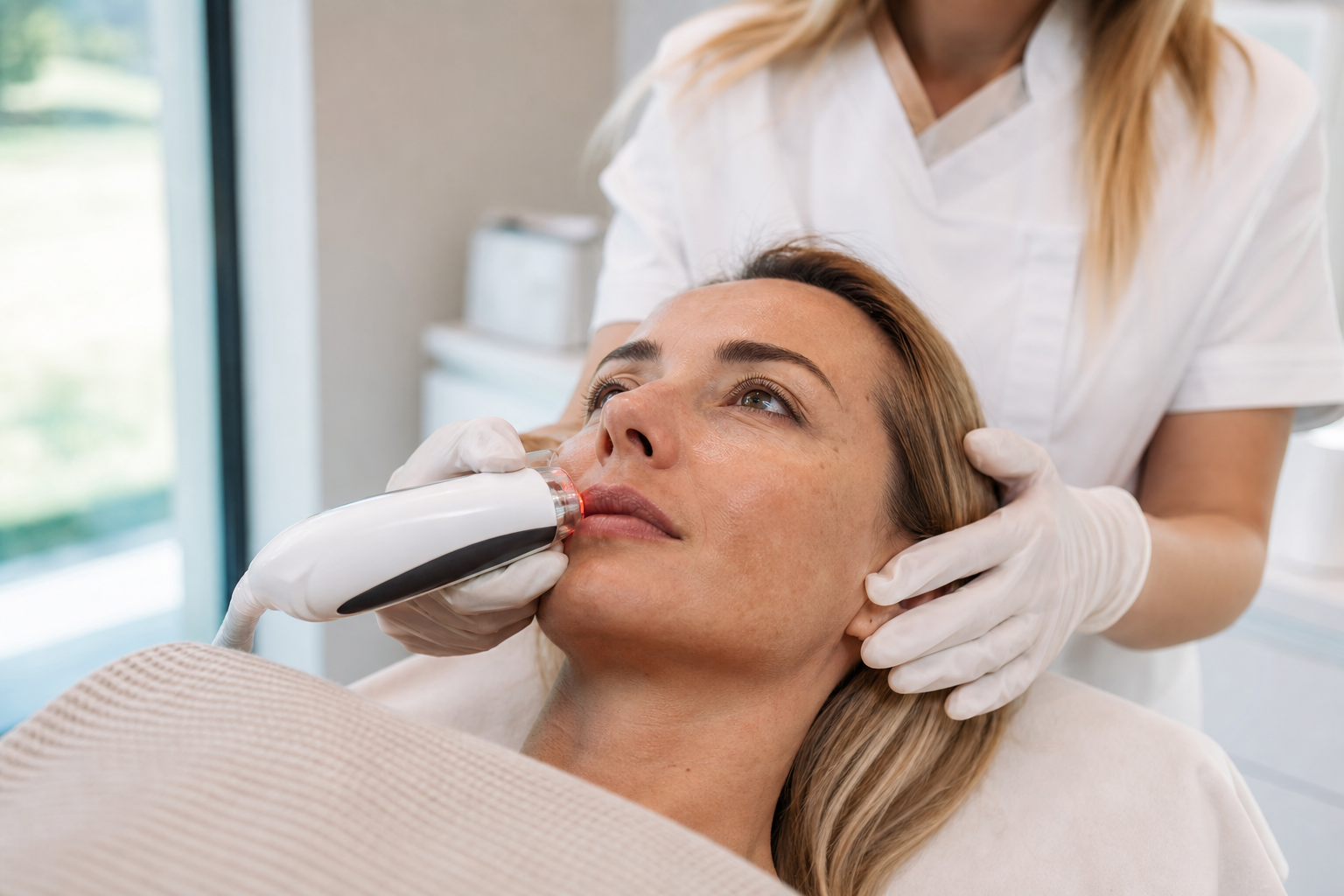
Does RF Treatment Stimulate Collagen Production?
Radiofrequency (RF) treatments stimulate collagen production by delivering controlled heat to the skin's dermis, promoting tighten...
Read more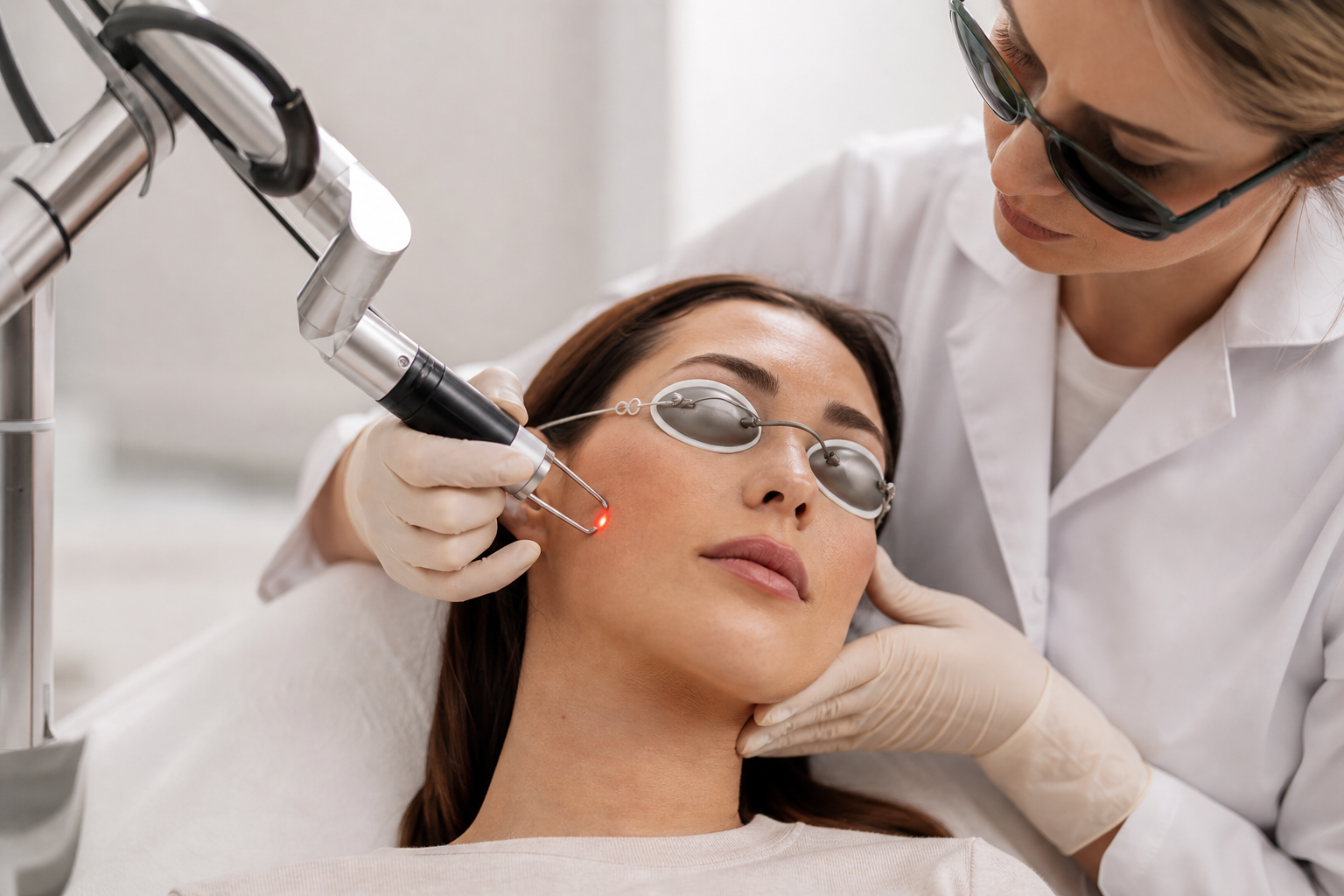
CO2 Laser and Pigmentation: Benefits and Limitations
CO₂ laser technology offers targeted treatment for various superficial pigmentation disorders by ablating damaged skin layers and...
Read more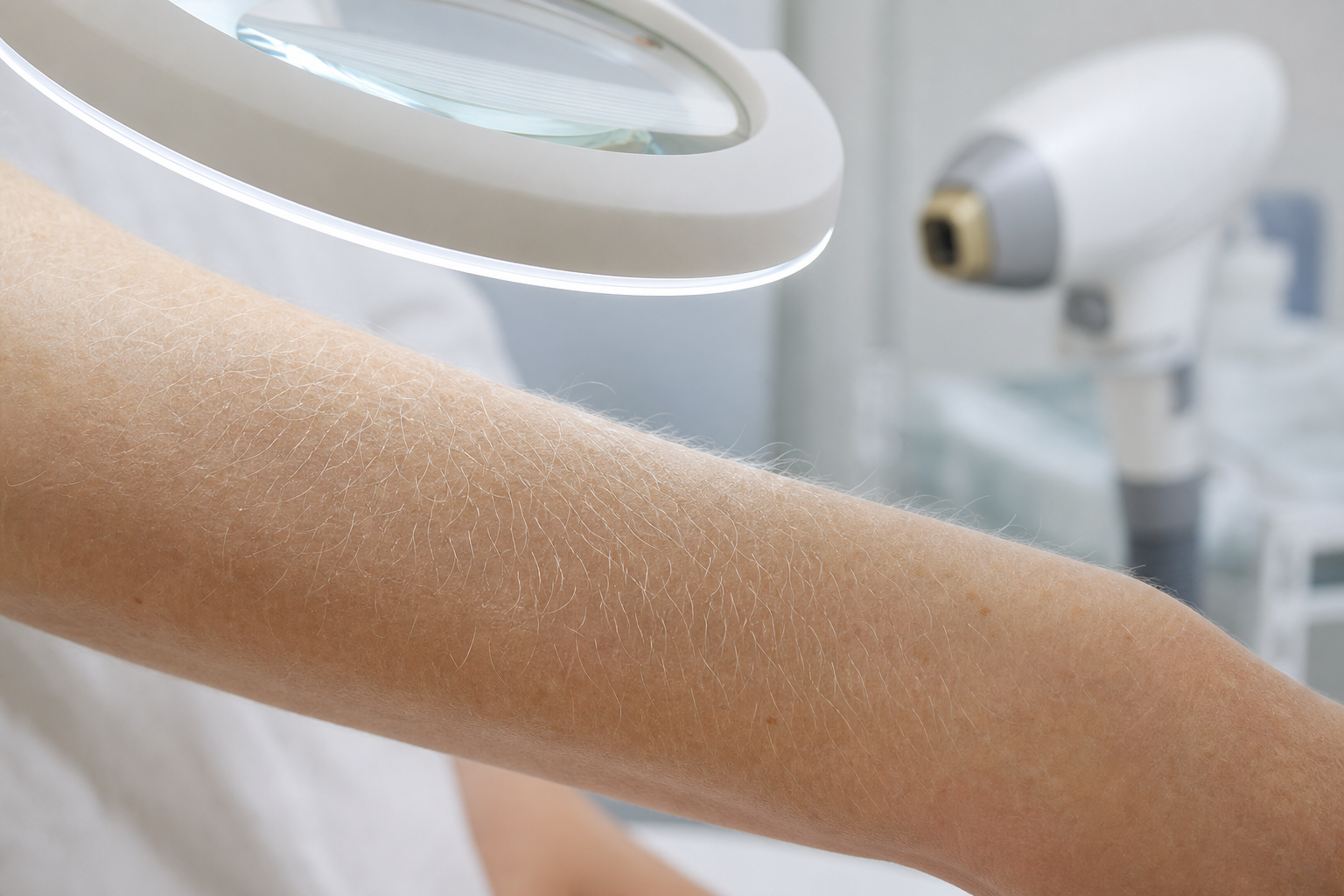
Laser Hair Removal for Blonde Hair
Laser hair removal relies on melanin to target hair follicles effectively, making it less successful for blonde hair due to its lo...
Read more
Why Botox May Not Deliver the Expected Results
Botox offers effective reduction of dynamic wrinkles by relaxing facial muscles, but unmet expectations often stem from misunderst...
Read more
IPL vs Laser – Complete Guide to Differences, Benefits and Results
IPL and laser treatments are distinct light-based therapies used for hair removal, pigmentation correction, and skin rejuvenation....
Read more
Previous Fillers and Aesthetic Procedures: Essential Information You Need to Know
This article clarifies how previous dermal fillers and other aesthetic procedures impact subsequent Botox treatments. It outlines...
Read more
When Can You Expect to See Results from Laser Capillary Removal?
Laser capillary removal uses targeted laser technology to close visible facial capillaries, reducing redness and spider veins. Res...
Read more
CO2 Laser for the Face – Results, Recovery and Risks
The CO2 laser is a leading facial skin resurfacing technology known for its ablative approach that removes outer skin layers to st...
Read more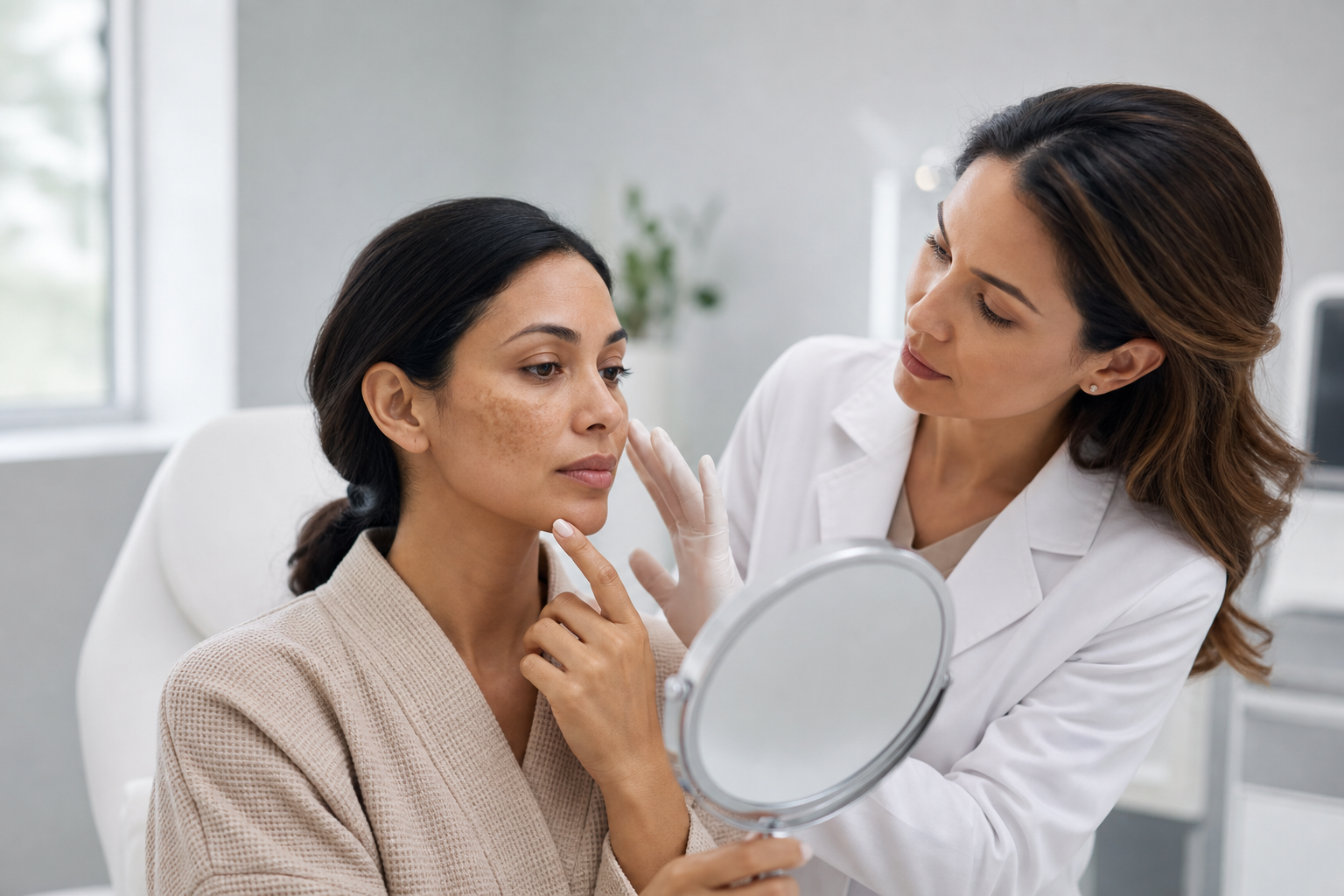
IPL and Melasma: Who May Benefit and Who May Not?
Intense Pulsed Light (IPL) may benefit select melasma patients, particularly those with lighter skin and superficial pigmentation....
Read more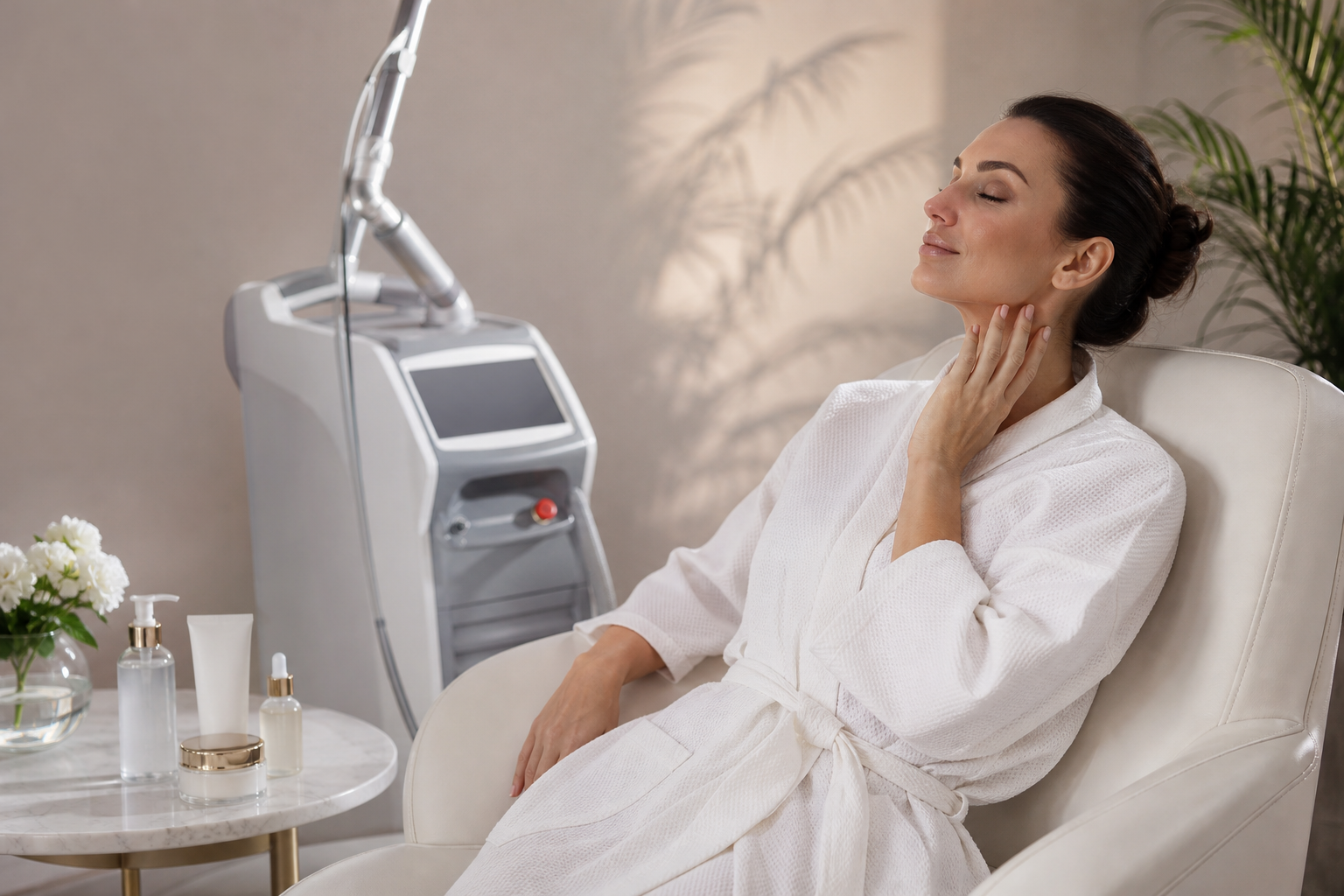
Recovery After Laser Skin Tightening – What to Expect
Laser skin tightening is a non-invasive procedure that stimulates collagen production to enhance skin elasticity and firmness. Und...
Read more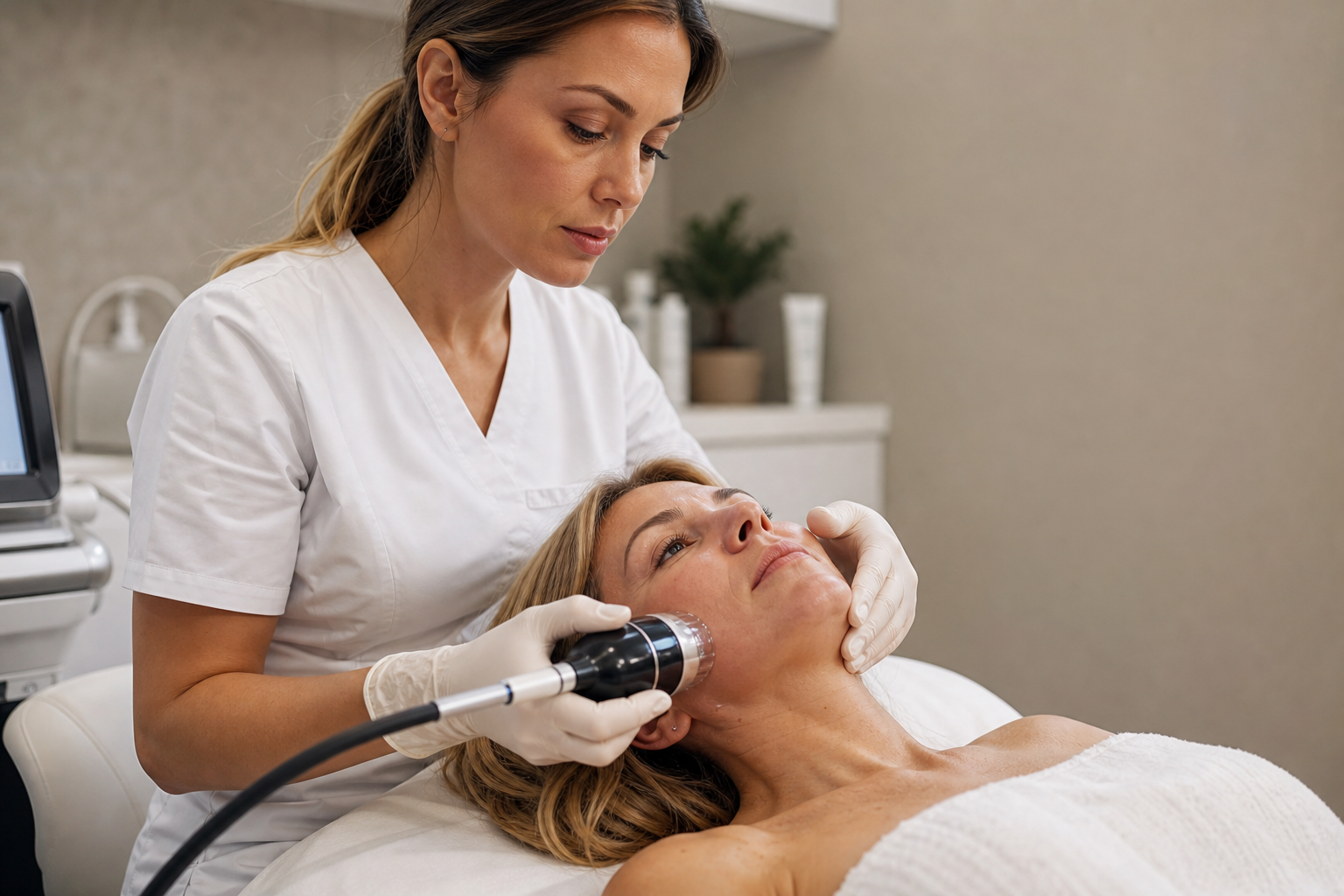
What Factors Determine the Cost of Radiofrequency Skin Treatments?
Radiofrequency skin treatments offer non-invasive options for skin tightening and rejuvenation. The procedure's cost varies based...
Read more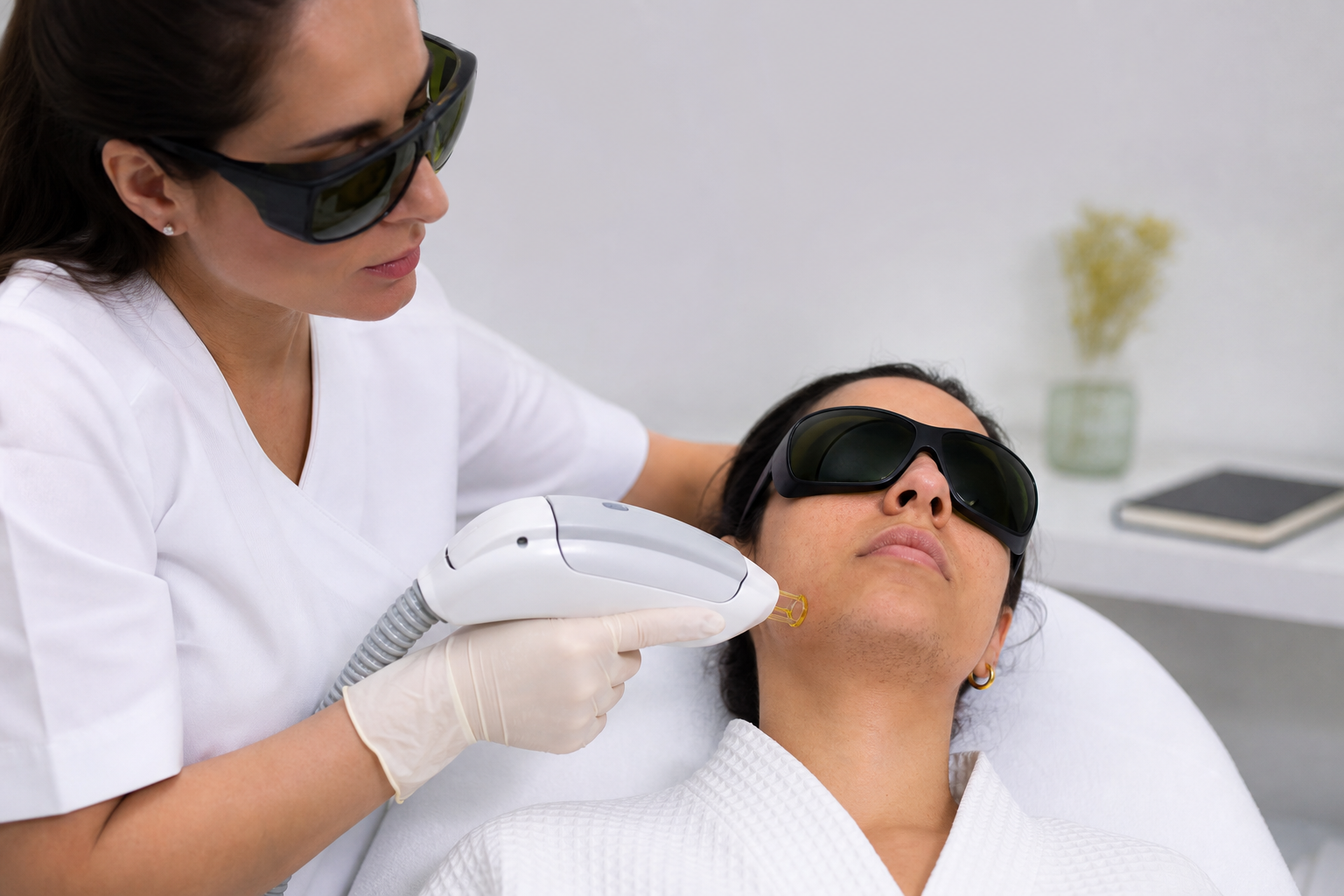
Can Laser Help with Hormonal Hair Growth?
Laser hair removal can effectively reduce thick, pigmented hair caused by hormonal imbalances but does not address the hormonal tr...
Read more
When Does Skin Return to Normal After CO2 Laser?
CO₂ laser resurfacing requires a healing period that generally spans from one to four weeks for the skin to regain a normal appear...
Read more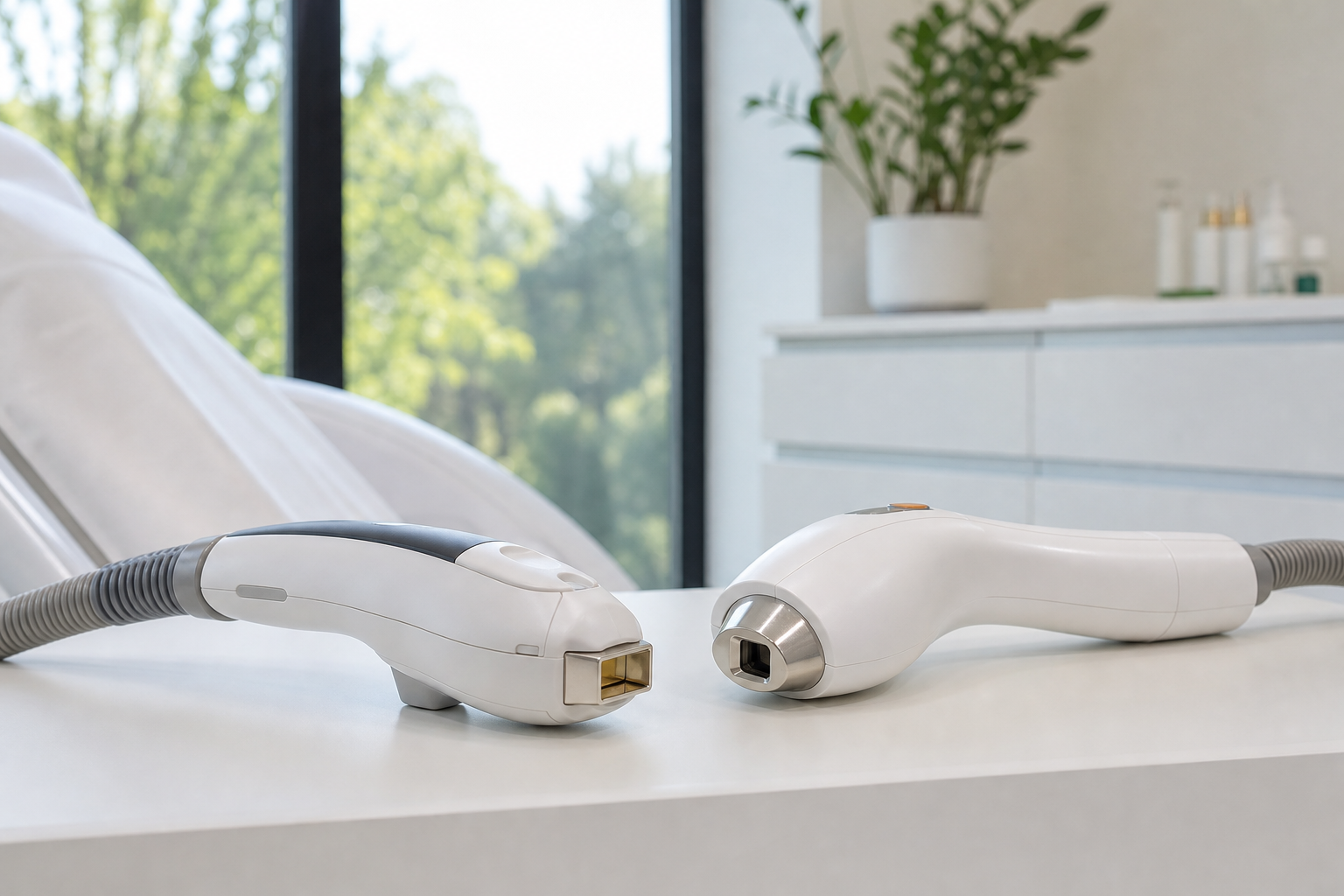
SPF After Laser – Why Sun Protection Matters
Laser treatments enhance skin rejuvenation but leave the skin temporarily vulnerable to sun damage. Proper application of broad-sp...
Read more
Facial Redness and Rosacea: When Can Laser Treatments Help?
Facial redness arises from various conditions like rosacea, couperose, and sensitive skin, each requiring distinct care approaches...
Read more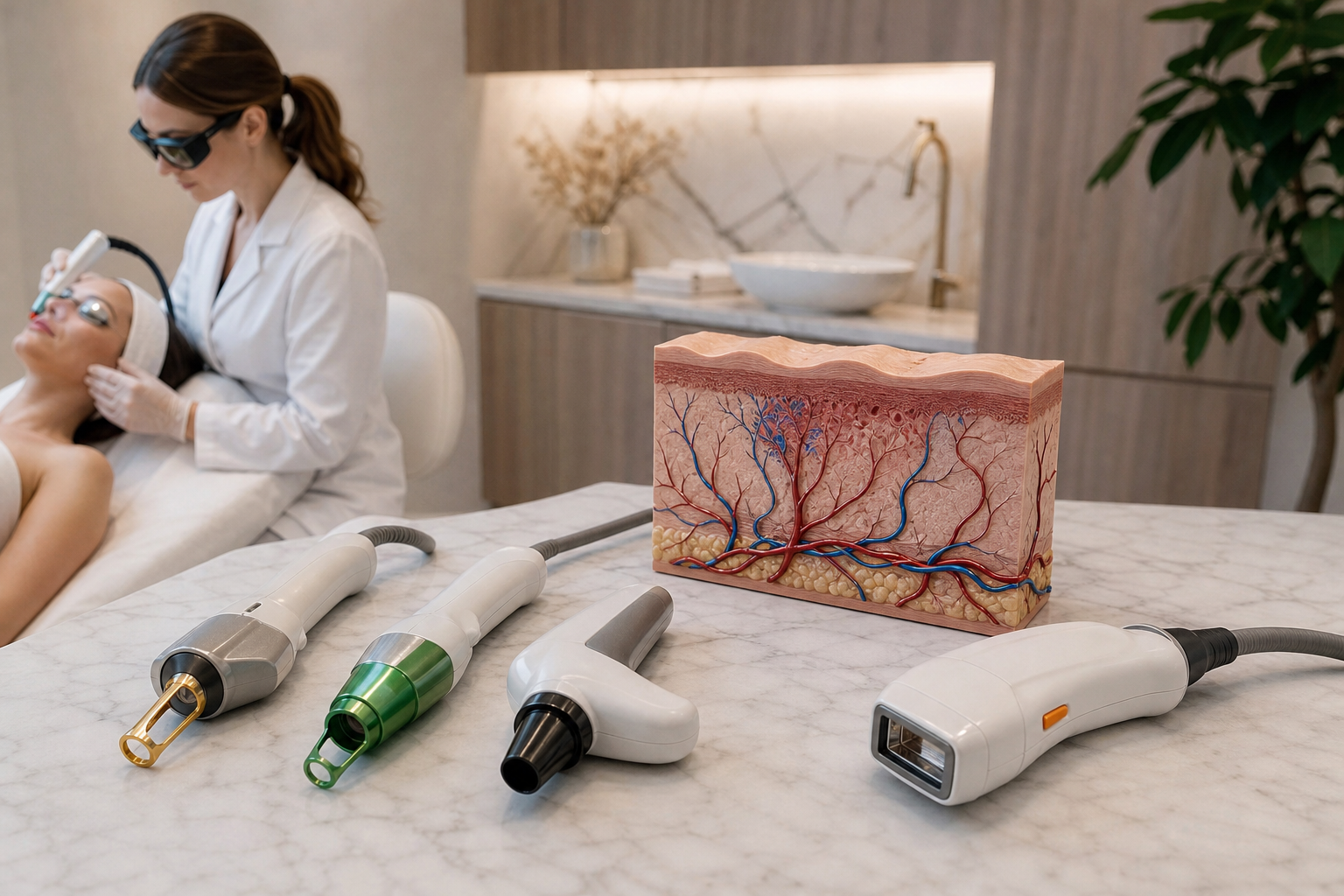
Vascular Lasers for Capillaries and Redness: Types and Mechanisms of Action
Vascular lasers offer targeted treatment for visible capillaries and facial redness by using selective photothermolysis to precise...
Read more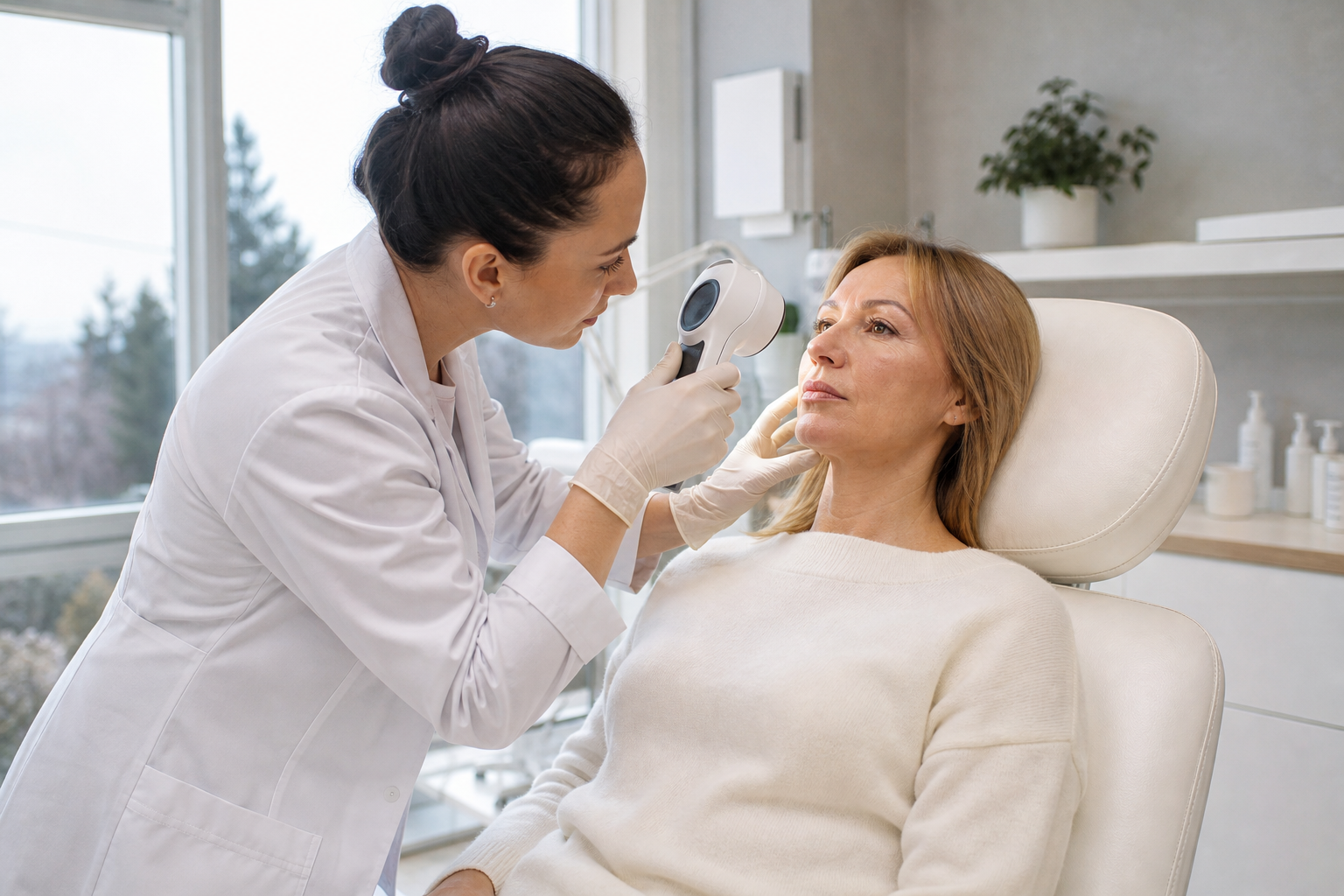
Why Do Facial Capillaries Appear?
Facial capillaries, also known as telangiectasias or spider veins, are tiny, visible blood vessels near the skin's surface that co...
Read more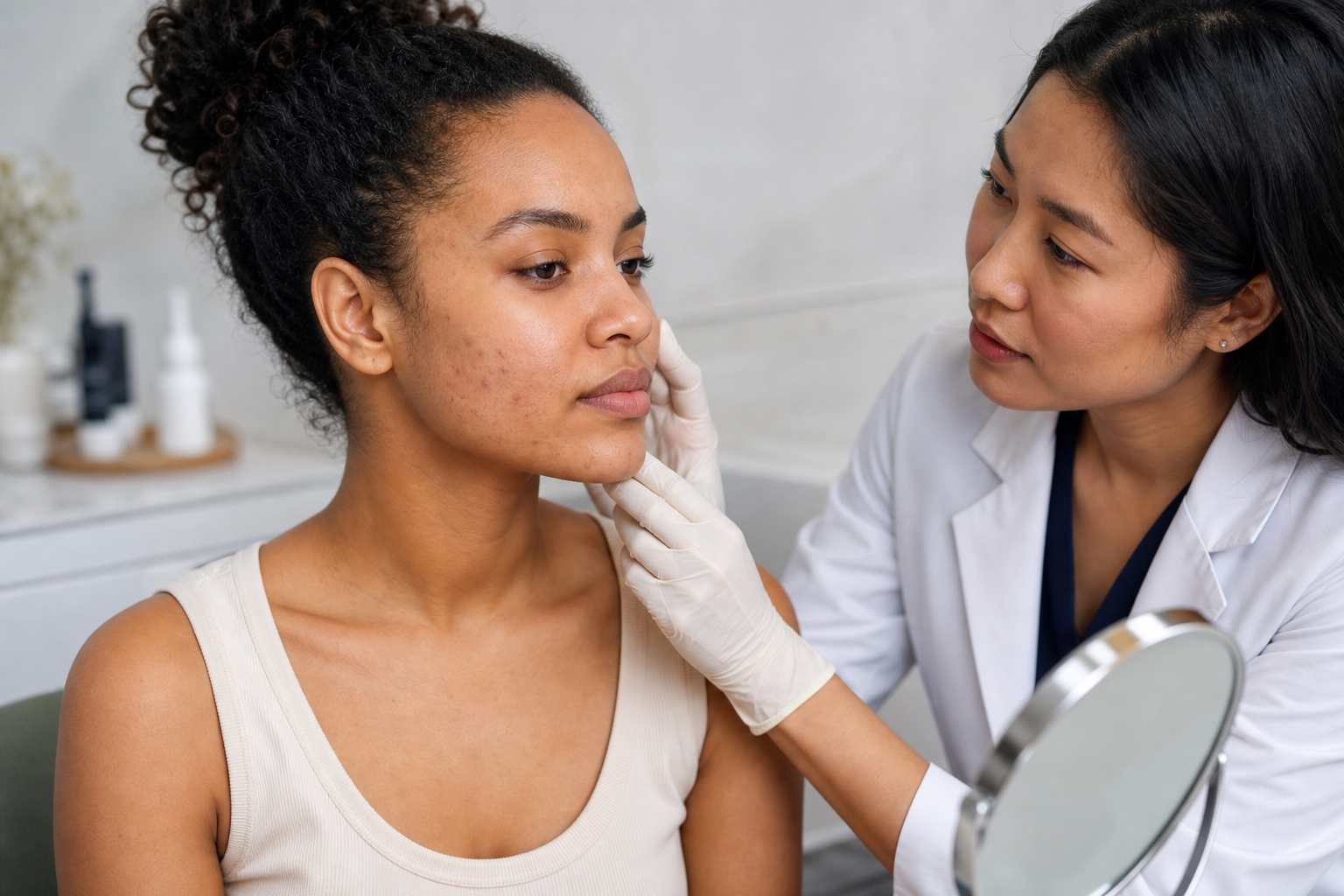
Picosecond Laser for Post-Inflammatory Dark Spots
Post-inflammatory hyperpigmentation (PIH) causes stubborn dark spots after skin inflammation. Picosecond laser treatment offers pr...
Read more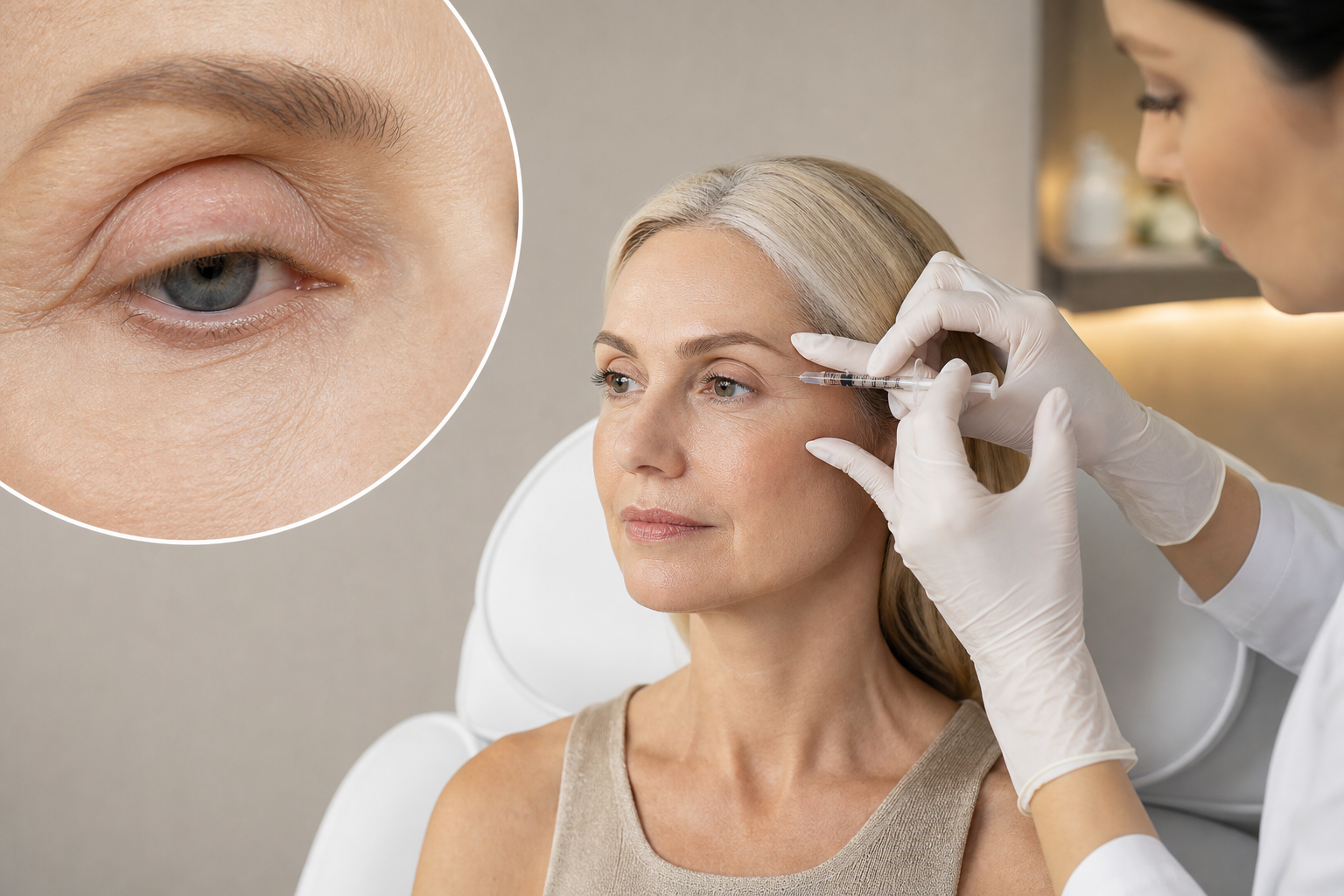
Eyelid Drooping After Botox: Causes and Expert Solutions
Eyelid drooping after Botox, known as ptosis, arises when the neurotoxin affects muscles controlling eyelid elevation. This articl...
Read more
When to Start Laser Hair Removal Before Summer
Planning laser hair removal before summer necessitates understanding hair growth cycles, treatment intervals, and UV exposure risk...
Read more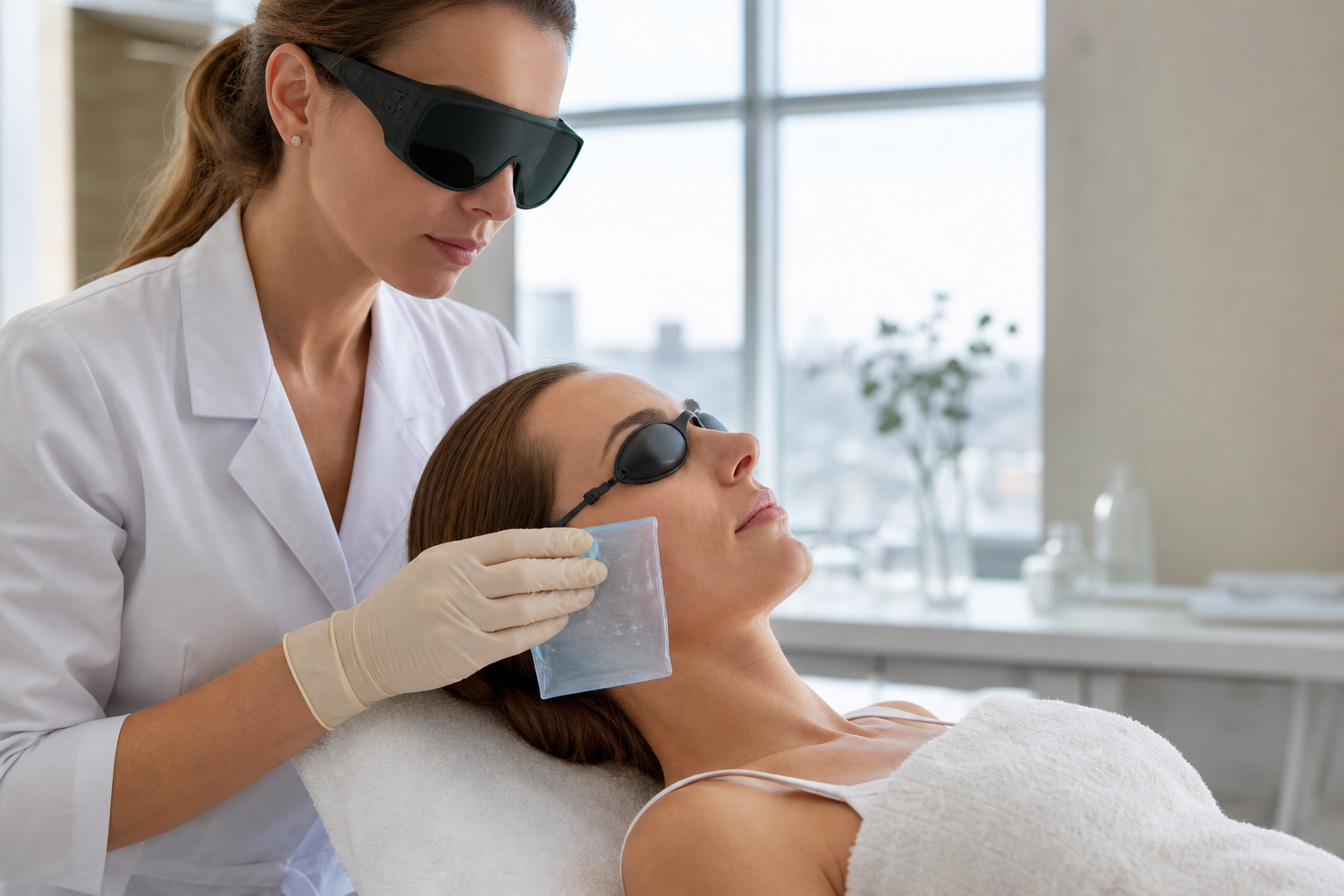
Capillaries and Sun Exposure: How Does UV Radiation Affect Blood Vessels?
Ultraviolet (UV) radiation from sun exposure can damage the skin's delicate capillaries, causing them to dilate, rupture, and beco...
Read more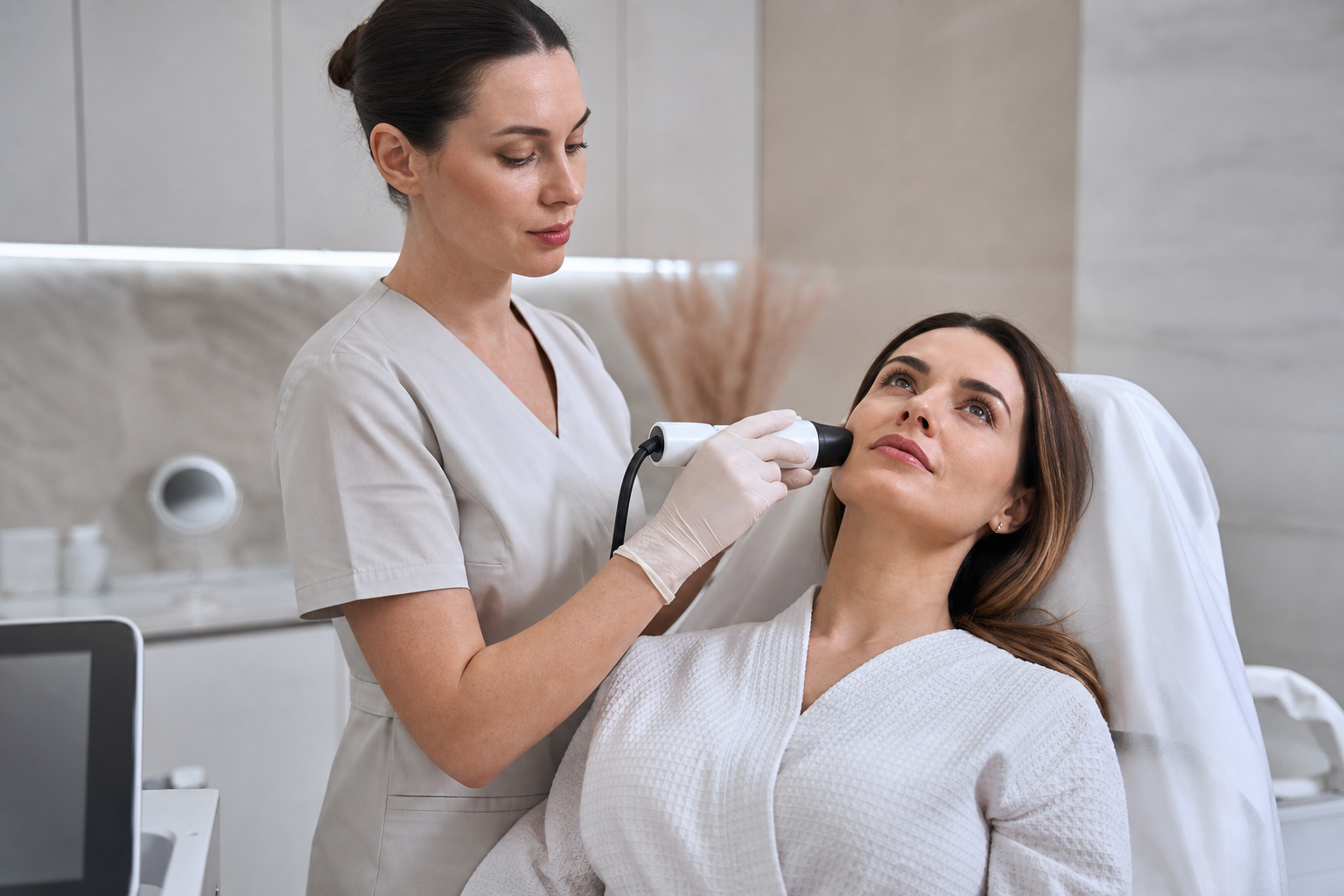
How to Choose the Right RF Treatment, Device, and Trusted Clinic
Radiofrequency (RF) skin tightening offers a safe, non-invasive way to rejuvenate and firm the skin by stimulating collagen produc...
Read more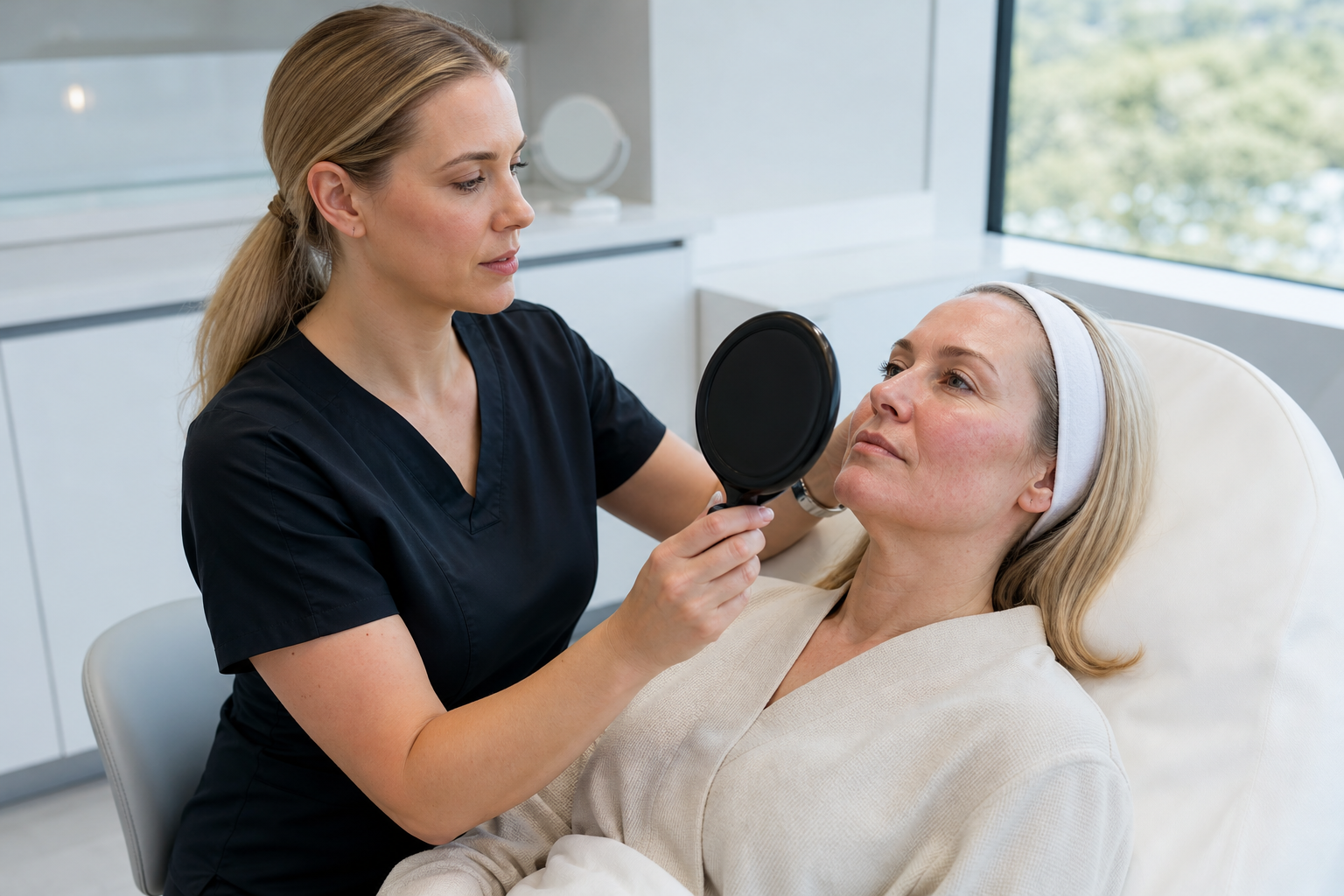
Why Are Laser Parameters Customized for Each Patient?
Laser treatments for vascular skin concerns require individualized parameter settings to ensure safety and effectiveness. Customiz...
Read more
How to Keep Accurate Records of Previous Botox Treatments
Accurate record-keeping of Botox treatments is essential for achieving personalized, safe, and effective results. Detailed documen...
Read more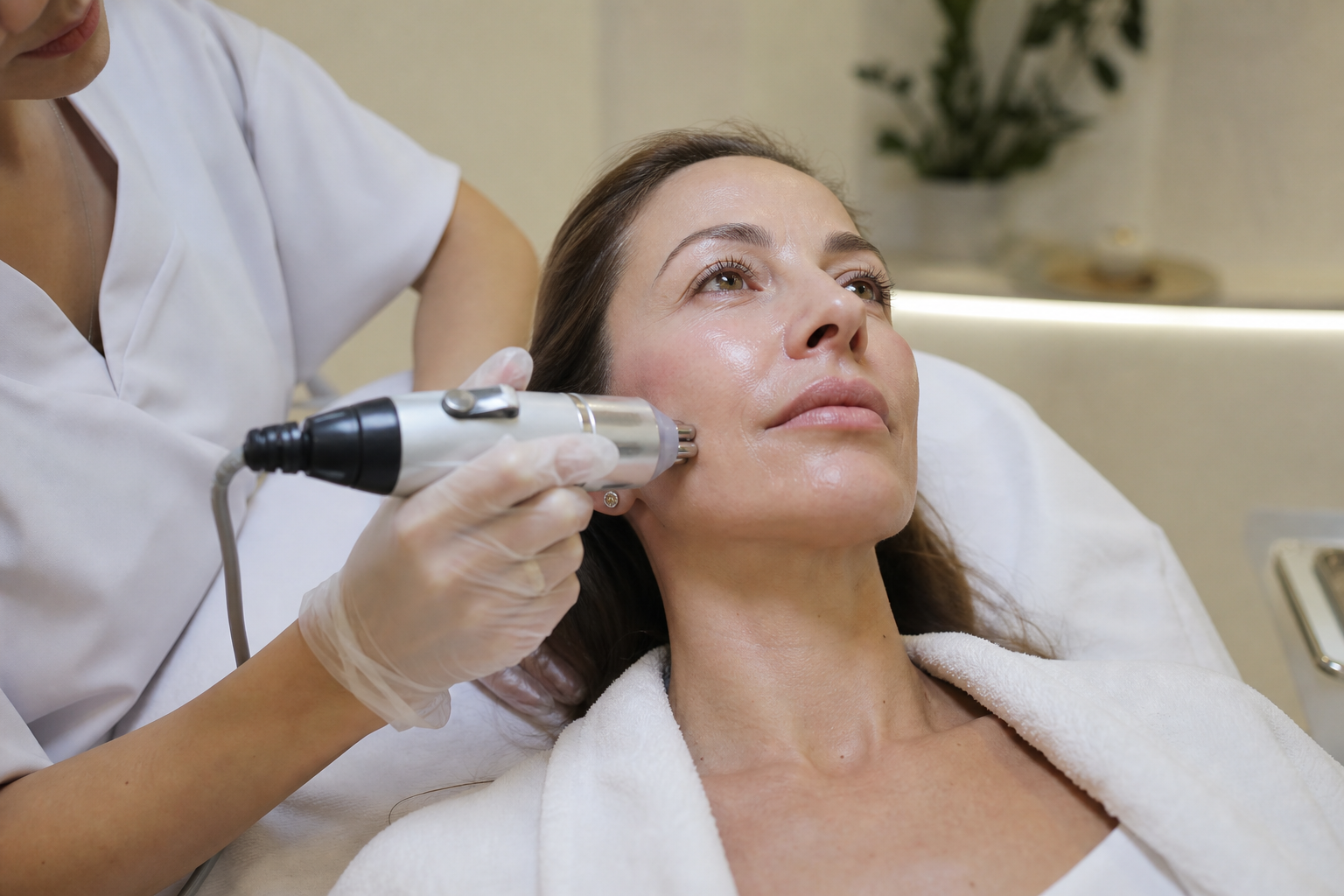
RF Lifting Results: When to Expect Them, Duration, and Treatment Frequency
RF lifting is a non-invasive treatment that enhances skin tone and elasticity by stimulating collagen production. Results vary by...
Read more
Redness After Vascular Laser: How Long Can It Last?
Redness after vascular laser treatment is a common, temporary response caused by inflammation as the skin heals from targeted bloo...
Read more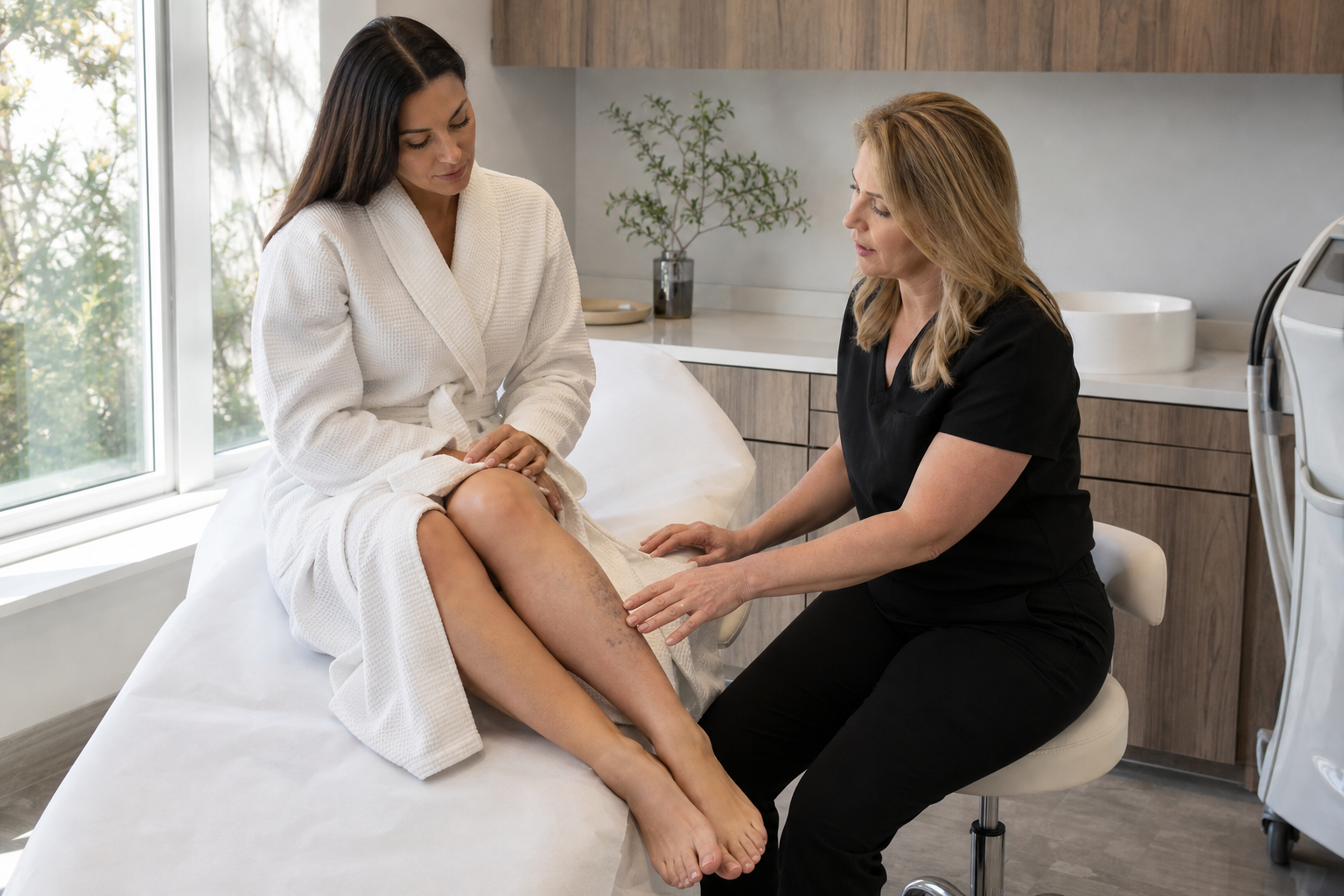
Who Is Not a Candidate for Vascular Laser Treatment?
Vascular laser treatment effectively reduces visible blood vessels and redness but isn't suitable for everyone. This article detai...
Read more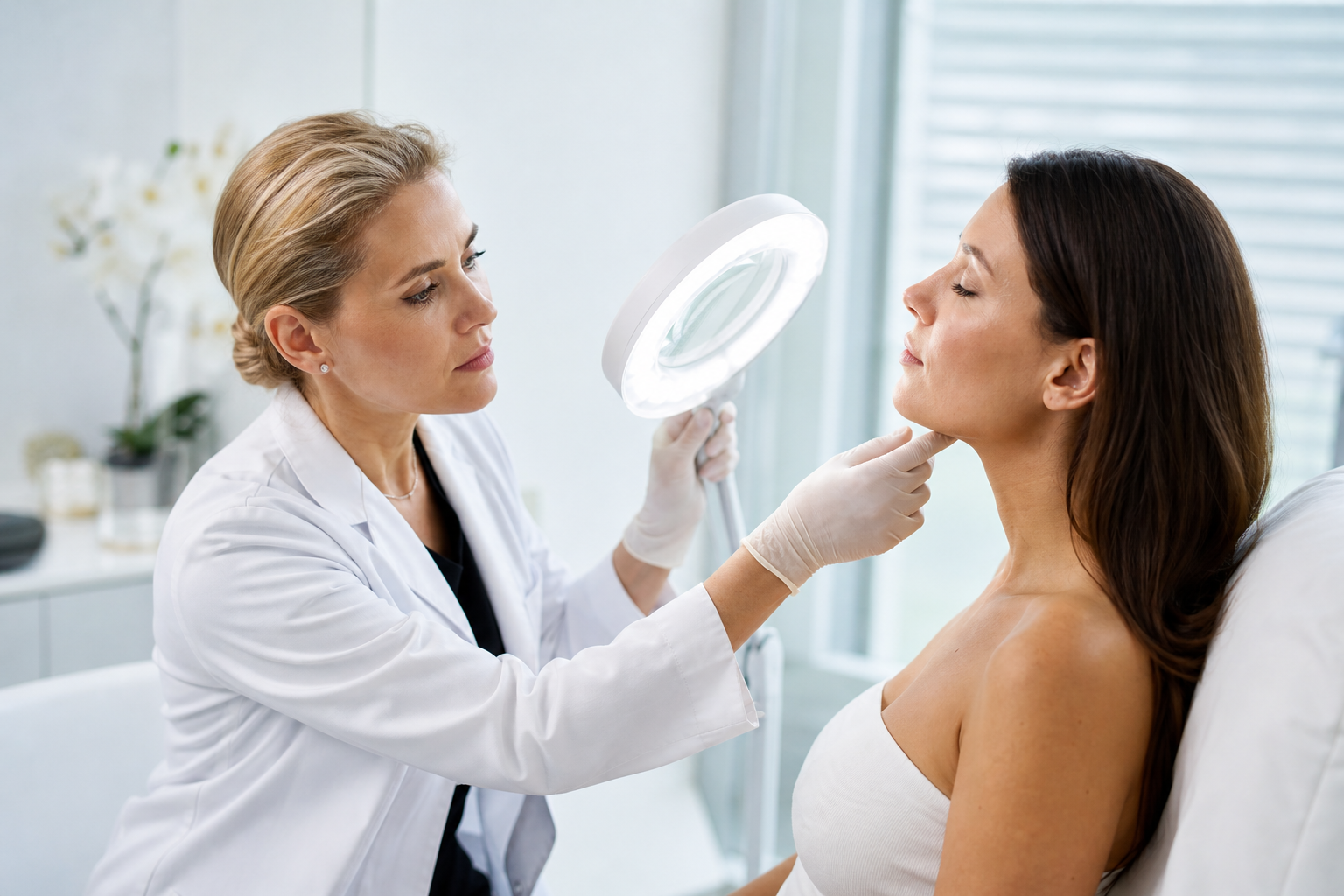
What to Avoid Before and After a Laser Treatment
Laser treatments require careful adherence to specific avoidances before and after sessions to ensure safety and effective results...
Read more
What Should an Informed Consent Include?
Informed consent for Botox is essential for ensuring patient understanding of the treatment’s biological mechanism, realistic outc...
Read more
Post-Acne Redness: Can Laser and IPL Treatments Help?
Post-acne redness, caused by dilated blood vessels after acne heals, can persist for months or years. Laser and IPL treatments off...
Read more
Forehead Heaviness After Botox: Understanding Causes and Safety
Forehead heaviness after Botox is a common, temporary sensation resulting from neuromuscular changes and mild inflammation followi...
Read more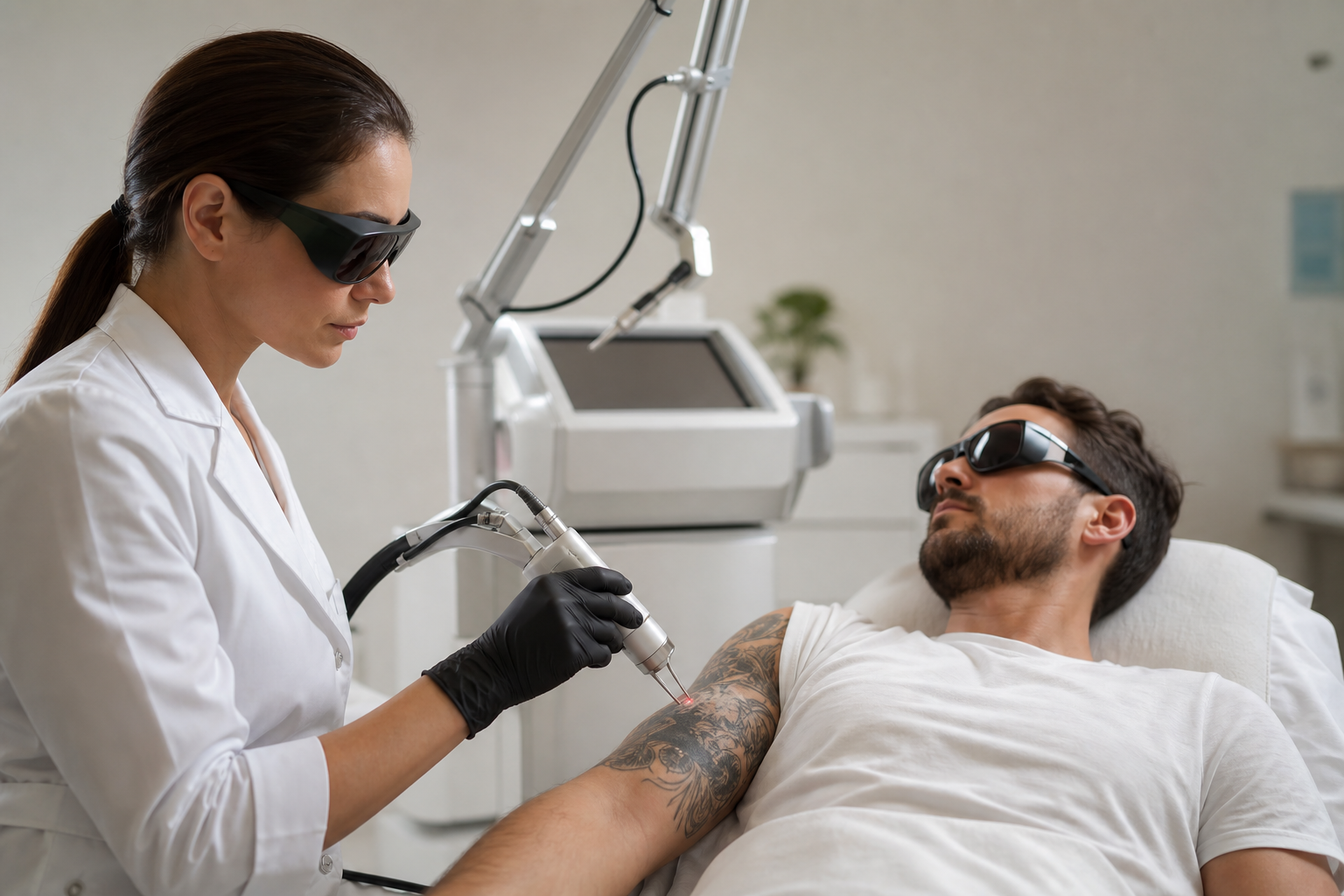
Why Are Multiple Treatment Sessions Needed?
Laser tattoo removal requires multiple sessions because tattoo ink is deeply embedded and must be fragmented and cleared by the bo...
Read more
Botulinum Toxin for Chronic Migraine: Who Is It Intended For?
Botulinum toxin offers a scientifically supported treatment for chronic migraine patients unresponsive to conventional therapies....
Read more
Does Laser Power Matter? A Complete Guide to Power, Energy and Real Laser Performance
This comprehensive guide explores the critical roles of laser power, energy, pulse duration, and other parameters in advanced lase...
Read more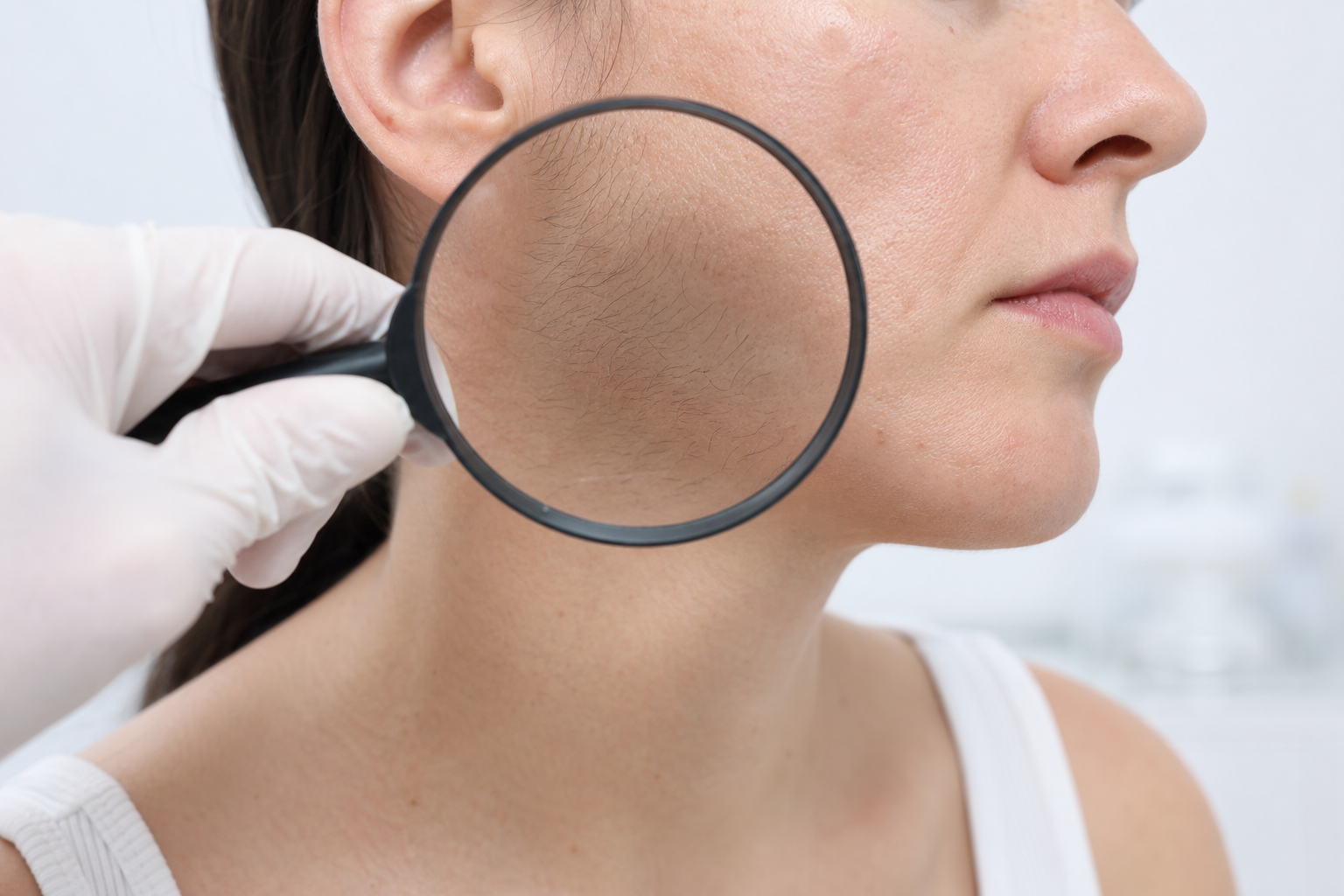
How to Recognise Hormonally Influenced Hair Growth
Hormonally influenced hair growth often manifests as new coarse, pigmented hair in androgen-dependent areas, signaling possible ho...
Read more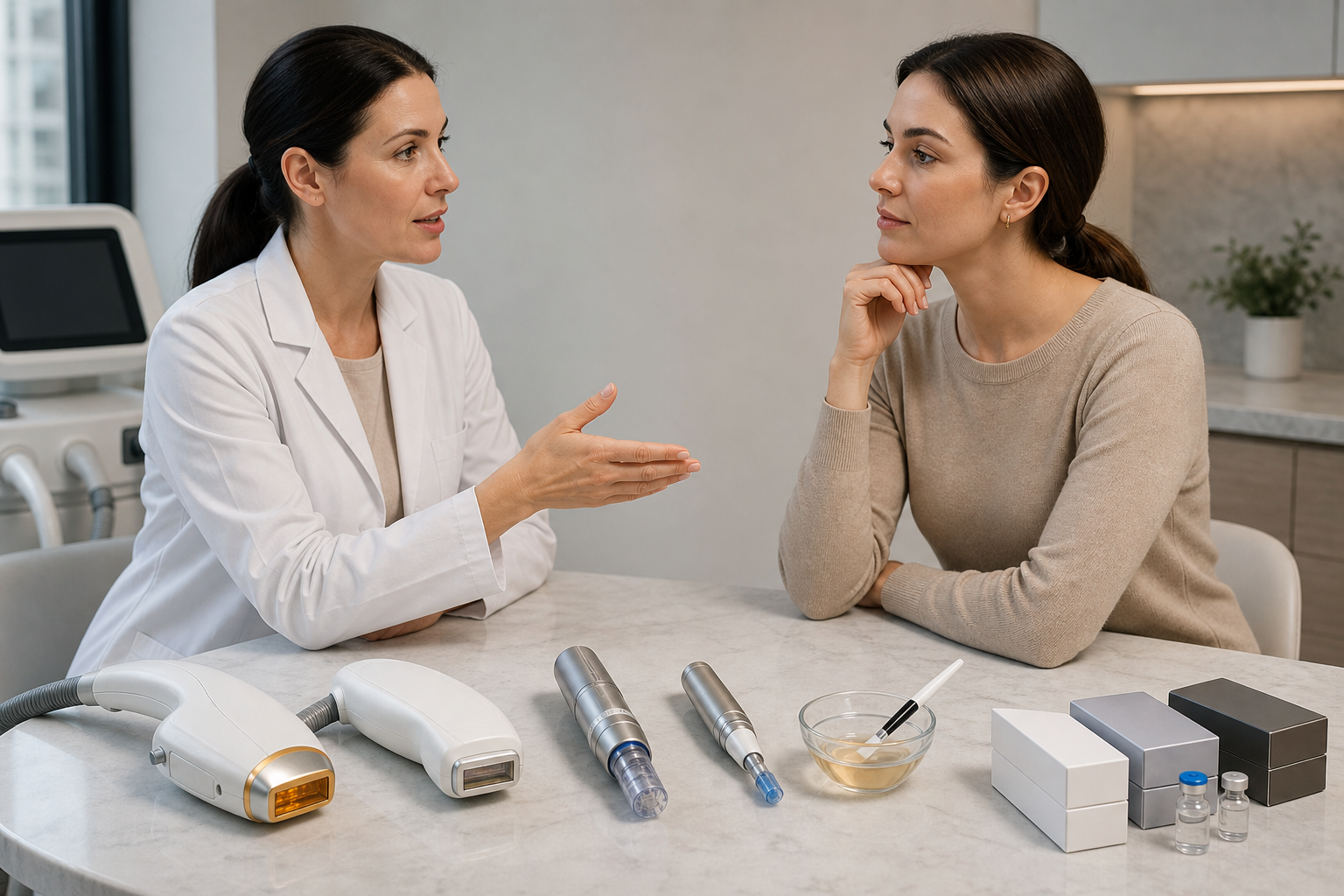
Laser, IPL, RF or Microneedling – Comparing Skin Rejuvenation Treatments
This article compares skin rejuvenation treatments including lasers, IPL, RF, and microneedling by examining their mechanisms, ben...
Read more
What Happens During a Facial Laser Treatment, Step by Step?
Facial laser treatment involves applying targeted laser energy to improve skin concerns like wrinkles, pigmentation, and scars. Th...
Read more
Can Visible Capillaries Disappear on Their Own?
Visible capillaries, commonly seen as fine red or purple lines on the skin, rarely disappear on their own, especially when caused...
Read more
How Hormones, Heat and Sun Exposure Contribute to Melasma Recurrence
Melasma is a chronic hyperpigmentation condition influenced by hormones, heat, and sun exposure, with multifactorial triggers caus...
Read more
How to Prepare for Laser Skin Rejuvenation
Laser skin rejuvenation enhances skin vitality by stimulating collagen and improving texture, with preparation playing a crucial r...
Read more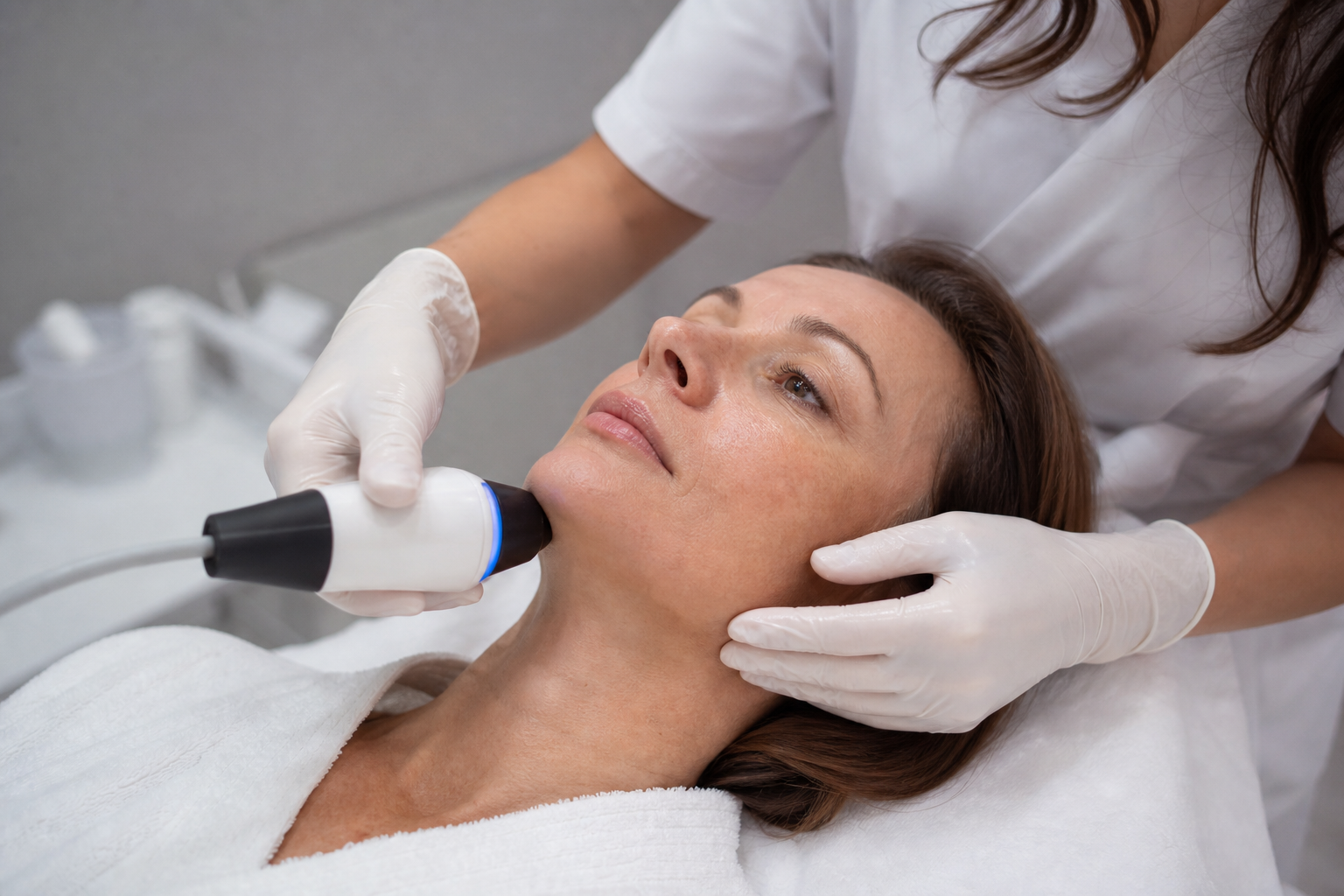
RF Lifting for Jawline and Lower Face Contouring
RF lifting uses radiofrequency energy to non-surgically tighten skin and stimulate collagen production in the jawline and lower fa...
Read more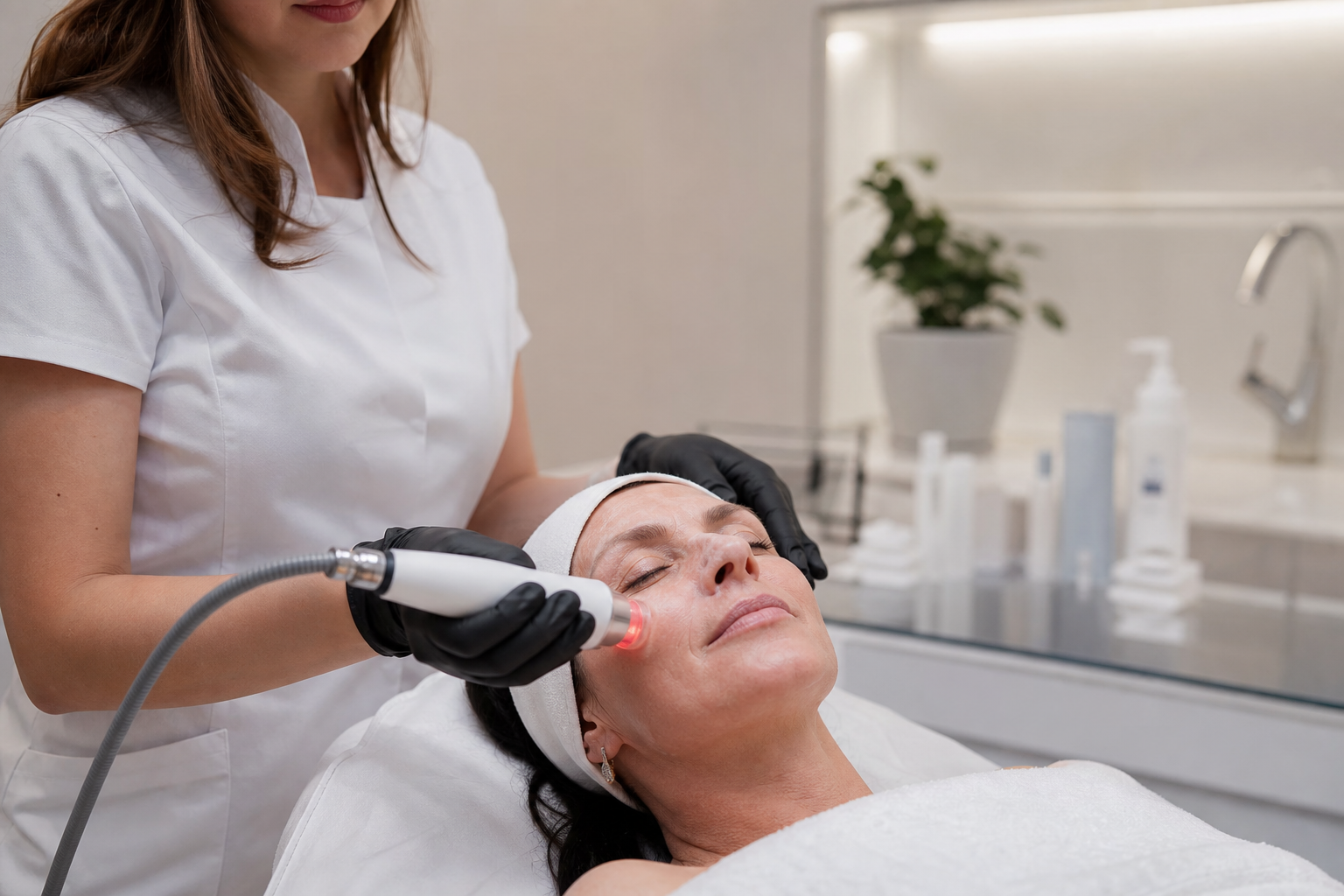
How Much Does RF Facial Lifting Cost?
RF facial lifting provides a non-invasive method to rejuvenate and tighten skin using controlled radiofrequency energy. Costs vary...
Read more
Which Questions Reveal Whether a Clinic Has a Strong Safety Protocol?
Understanding a clinic's safety protocol is crucial before undergoing laser treatments. Key questions focus on practitioner qualif...
Read more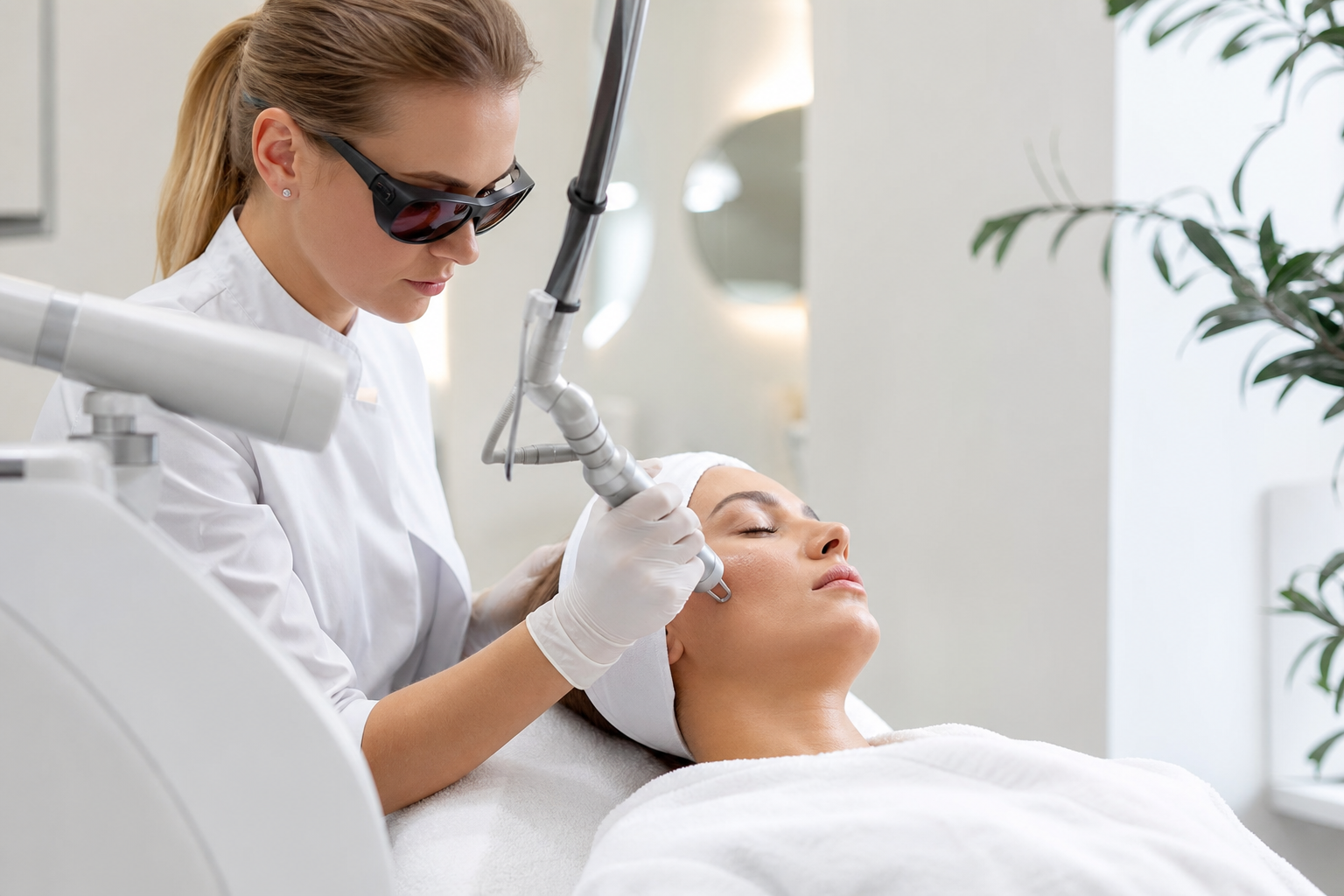
Fractional Laser and Pigmentation: When Does It Make Sense?
Fractional laser is a precise dermatological tool for treating select pigmentation disorders by targeting melanin and promoting sk...
Read more
Preparing for Radiofrequency (RF) Skin Tightening Treatments
Radiofrequency (RF) skin tightening is a popular non-invasive method to rejuvenate and firm the skin by boosting collagen and elas...
Read more
Botulinum Toxin: What It Is and How It Works
Botulinum toxin, derived from Clostridium botulinum, is a potent neurotoxin widely used in medicine and aesthetics to modulate mus...
Read more
Is Laser Hair Removal Safe?
Laser hair removal is generally safe when done by experienced professionals with proper assessment of skin type and hair character...
Read more
Laser or Biorevitalisation – Do They Address the Same Concern?
Laser treatments and biorevitalisation offer distinct methods for skin rejuvenation, targeting different concerns through unique m...
Read more
What Happens During a Consultation Before Laser Pigmentation Treatment?
A consultation before laser pigmentation treatment is essential to tailor the procedure to individual skin types and conditions. I...
Read more
Radiofrequency Skin Treatment Above the Upper Lip
Radiofrequency skin treatment above the upper lip is a non-invasive procedure that tightens and rejuvenates the delicate skin by s...
Read more
Can Capillaries Reappear After Laser Treatment?
Laser treatment effectively reduces visible capillaries by collapsing targeted vessels, improving skin appearance. However, new ca...
Read more
Step-by-Step Guide to the Botox Treatment Process
Botox treatment involves precise injections to relax facial muscles, reducing dynamic wrinkles and rejuvenating appearance safely....
Read more
Botox Pricing and Cost Planning
Botox pricing varies based on units used, practitioner expertise, and geographic location, making cost planning vital for sustaina...
Read more
How to Photograph Results Under Comparable Conditions
Accurate photography under comparable conditions is crucial for assessing Botox treatment outcomes. This article guides healthcare...
Read more
Preparation and Process of Botox Treatments
Botox treatments involve meticulous preparation, individualized medical evaluation, and precise administration to achieve natural...
Read more
Assessing Drooping Eyebrows After Botox: Expert Insights
Eyebrow drooping after Botox is a rare but significant complication resulting from muscle imbalance caused by toxin diffusion. Thi...
Read more
Onset of Action and Evaluation of Results
This article provides an in-depth exploration of the onset of action and result evaluation in Botox aesthetic treatments. It guide...
Read more
PCOS and Laser Hair Removal
Laser hair removal offers effective long-term reduction of unwanted hair caused by PCOS-related androgen excess. Understanding its...
Read more
Headaches After Botox: When to Seek Professional Advice
Headaches after Botox injections are a recognized side effect that can range from mild, temporary discomfort to more concerning sy...
Read more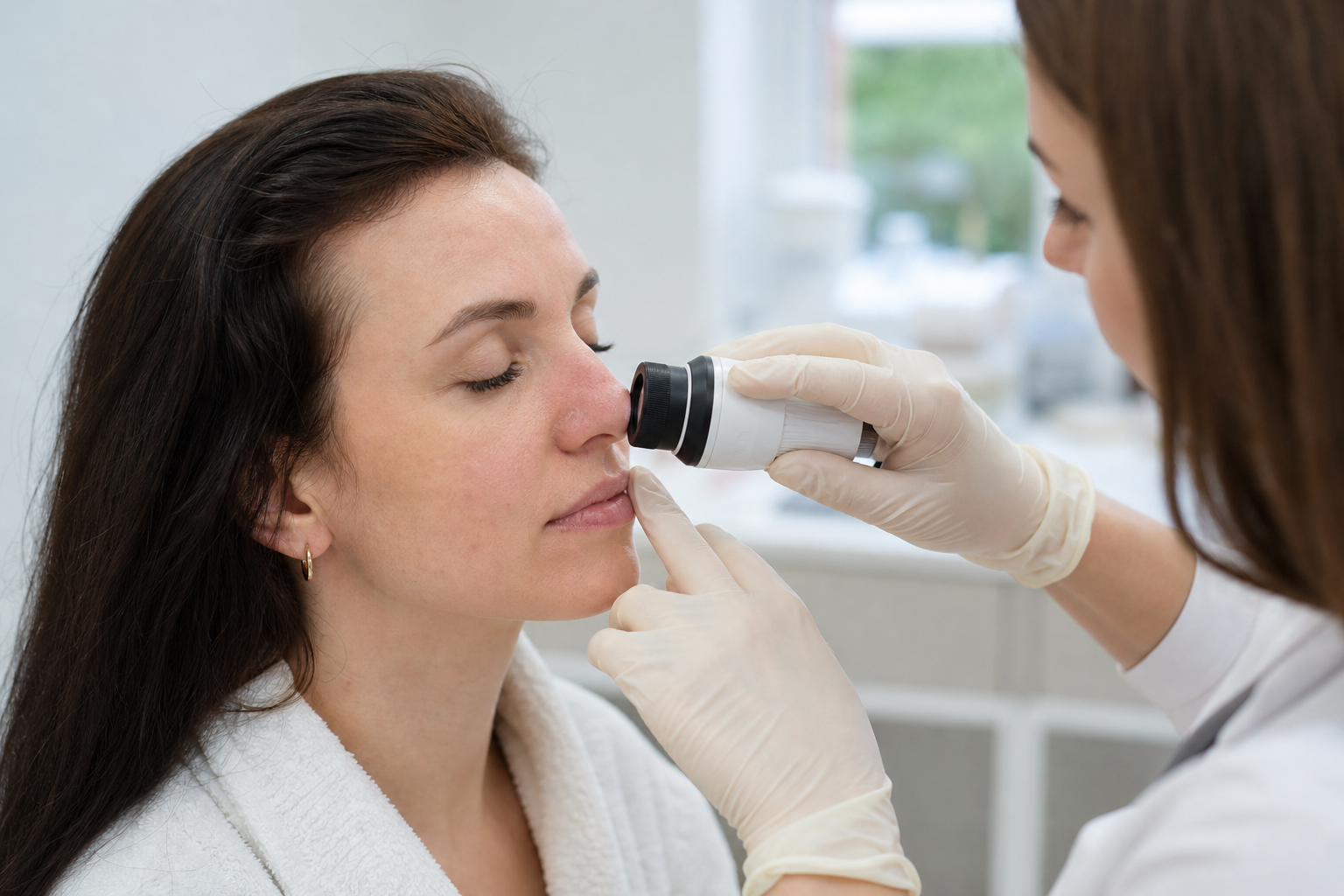
Which Laser Is Used for Nose Capillaries?
Visible capillaries on the nose, known as telangiectasias, can be effectively treated using specialized vascular lasers. Understan...
Read more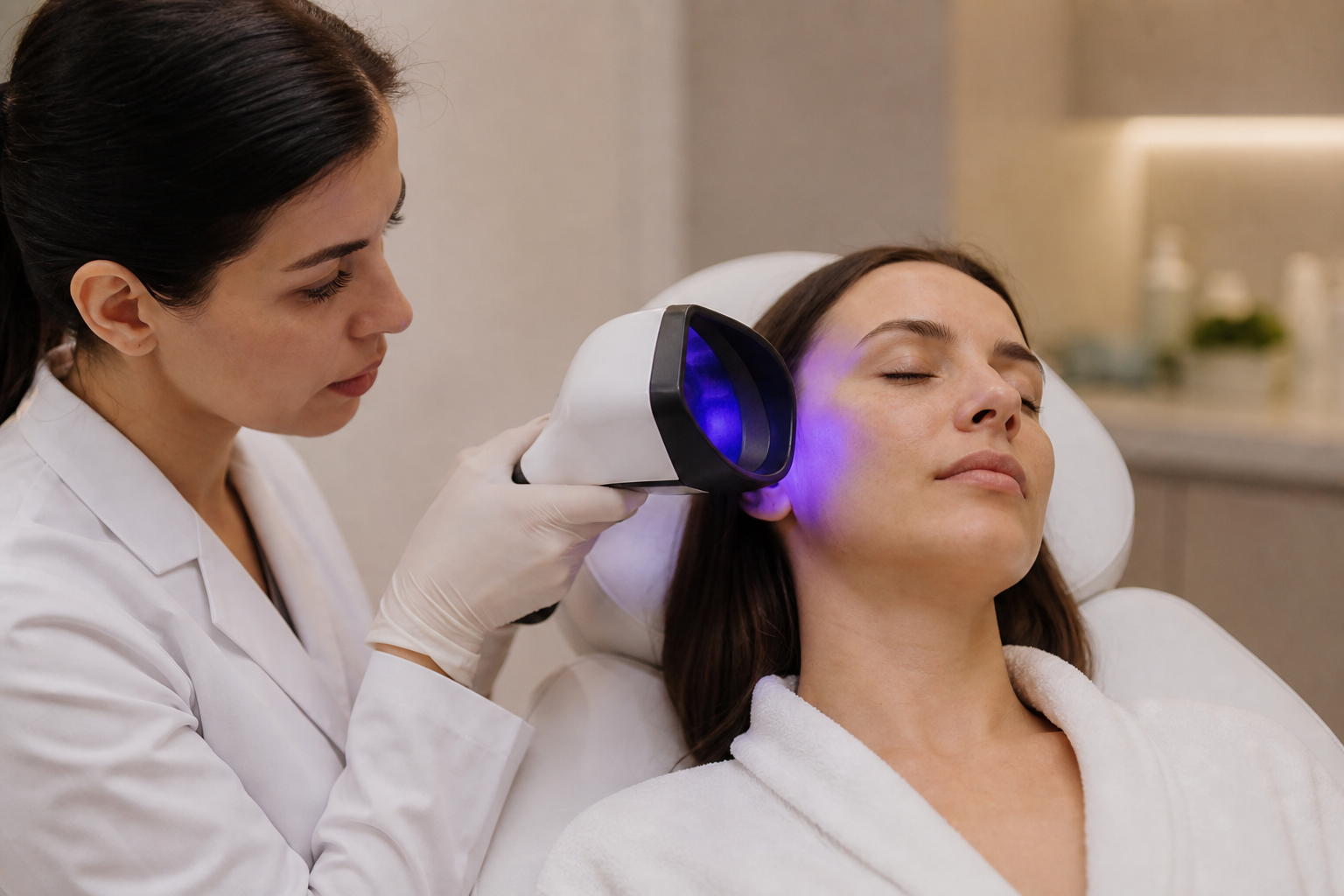
What Is a Wood's Lamp and How Does It Help Assess Pigmentation?
A Wood's lamp is a specialized ultraviolet light tool used in dermatology to assess skin pigmentation disorders. It reveals pigmen...
Read more
First Botox Treatment: Essential Insights Before Booking
Embarking on your first Botox treatment requires understanding its function, realistic outcomes, and safety considerations. This g...
Read more
Laser or RF Treatment for Skin Tightening?
Laser and radiofrequency (RF) treatments provide distinct non-surgical options for skin tightening by stimulating collagen product...
Read more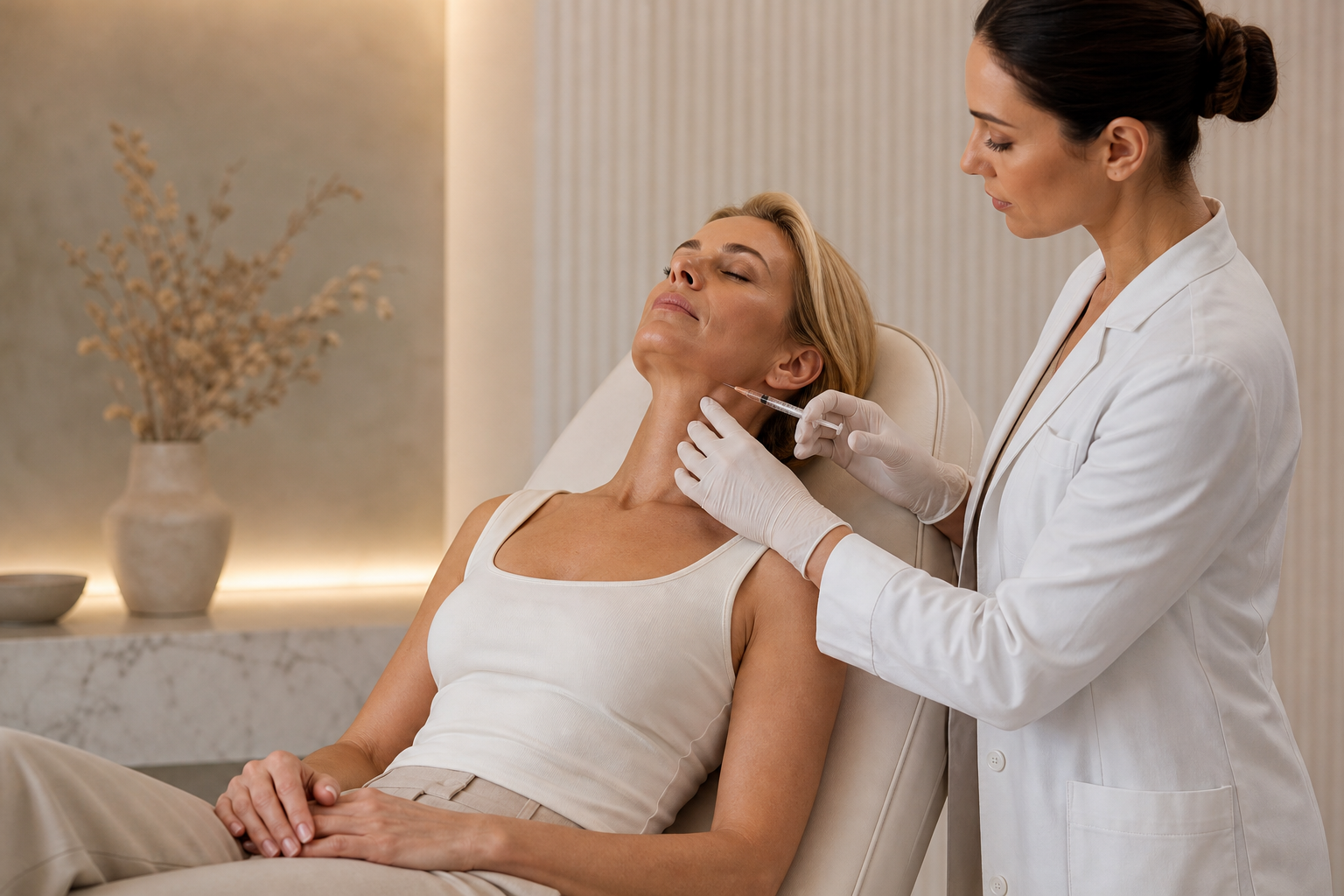
Botox for the Lower Face and Neck
Botox treatments for the lower face and neck offer nuanced cosmetic improvements beyond the traditional upper facial areas. This a...
Read more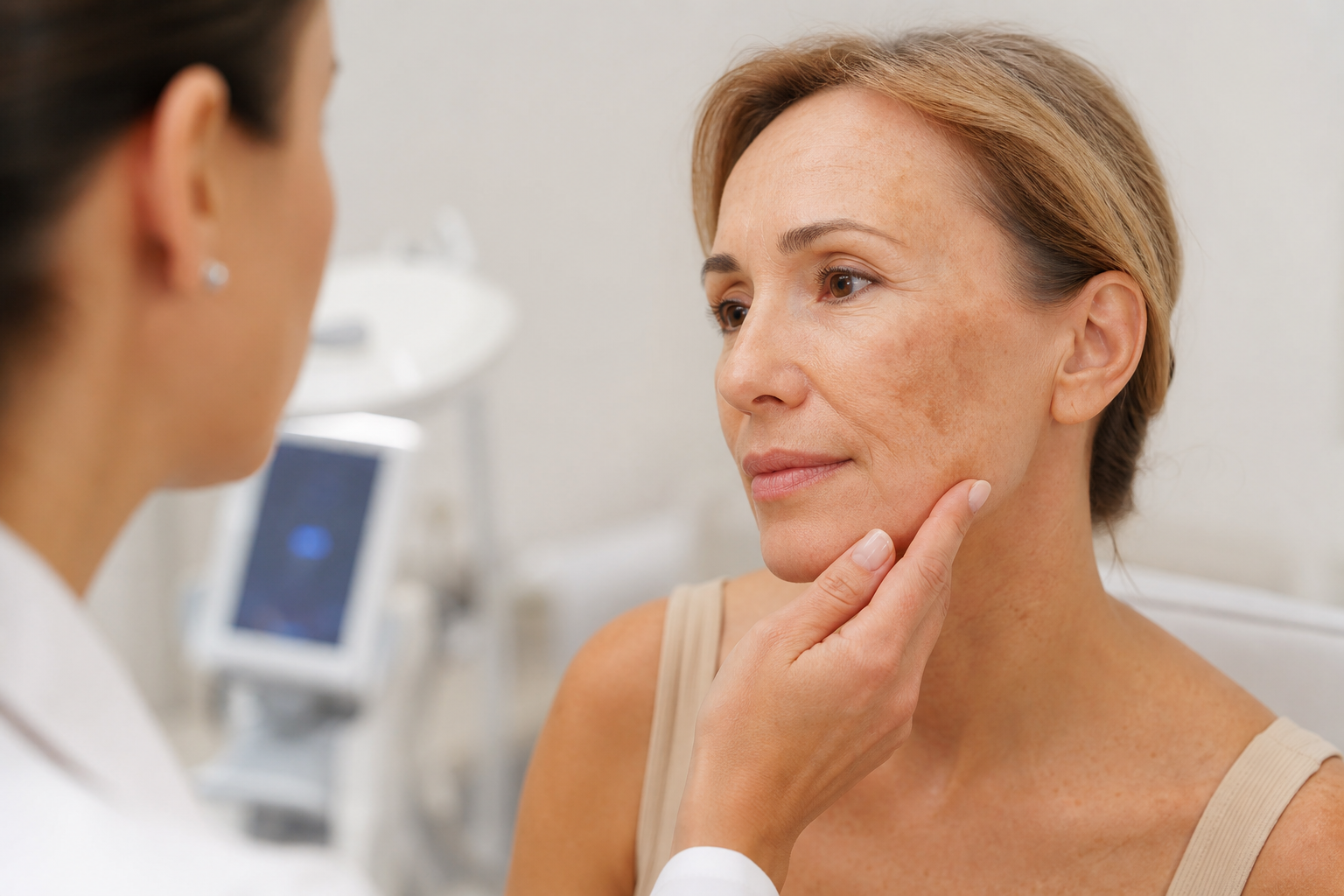
Laser Removal of Dark Spots on the Face
Laser removal is an advanced, precise method to treat dark spots like solar lentigines on the face, offering effective pigment red...
Read more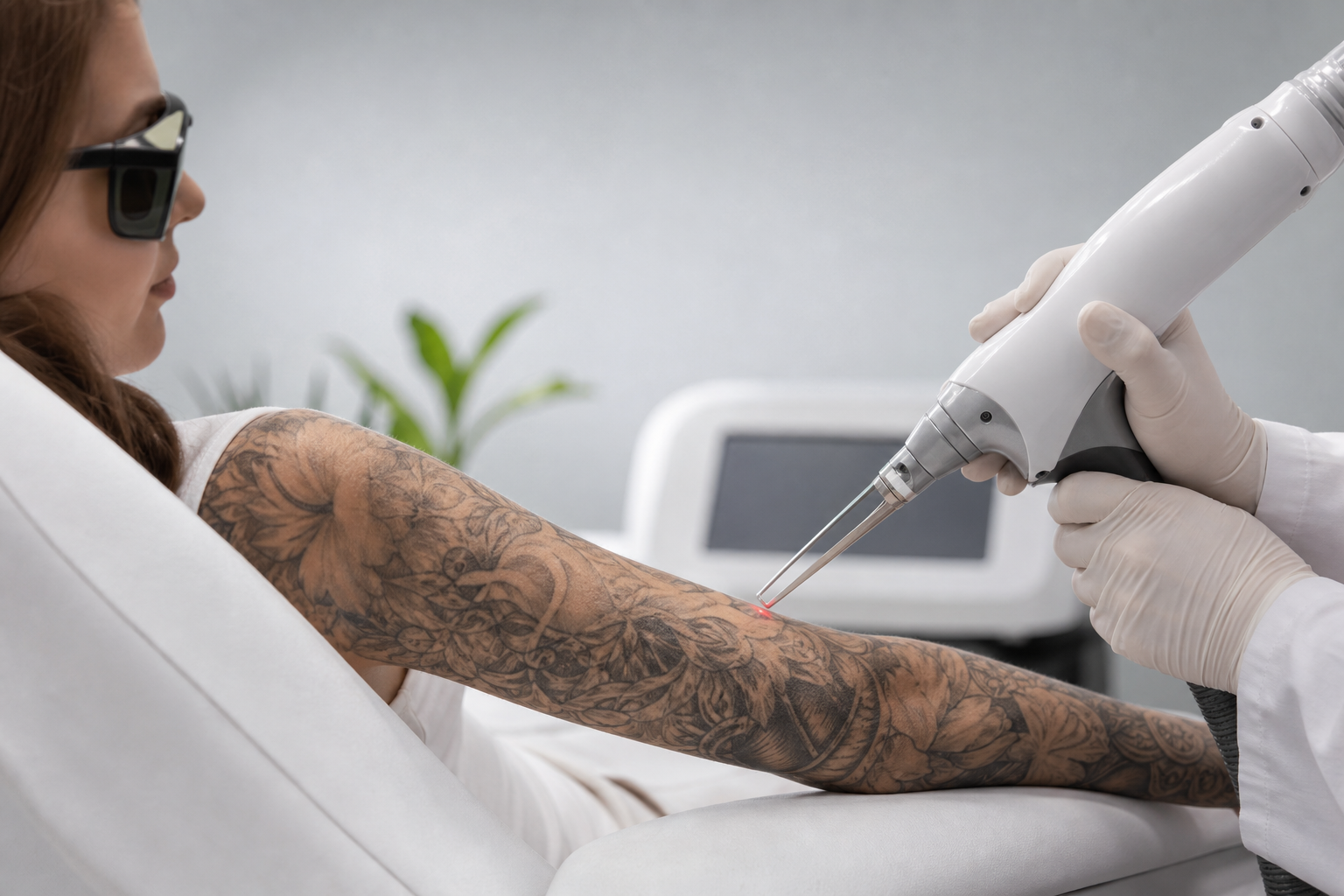
Why Does a Tattoo Fade Gradually After Each Treatment?
Laser tattoo removal results in gradual fading because each treatment breaks down pigment molecules into smaller fragments which t...
Read more
Redness Around the Nose: Capillaries, Dermatitis, or Rosacea?
Redness around the nose can result from various conditions such as dilated capillaries, dermatitis, or rosacea, each requiring dis...
Read more
What Instructions Should You Receive After a Botox Treatment?
After receiving Botox treatment, following precise post-care instructions is vital to ensure safety and maximize aesthetic results...
Read more
Myths, Expectations, and Dissatisfaction with Treatment Outcomes
This article explores the myths and realistic expectations surrounding Botox and hyaluronic acid filler treatments in aesthetic me...
Read more
The Biology of Permanent Hair Reduction: How Laser Hair Removal Creates Long-Term Results
Laser hair removal offers a lasting solution to unwanted hair by targeting hair follicle biology with precise laser technology. Th...
Read more
Early Allergic Reactions to Cosmetic Preparations: How to Respond
Early allergic reactions to Botox, though rare, require prompt recognition and appropriate response to ensure patient safety. Unde...
Read more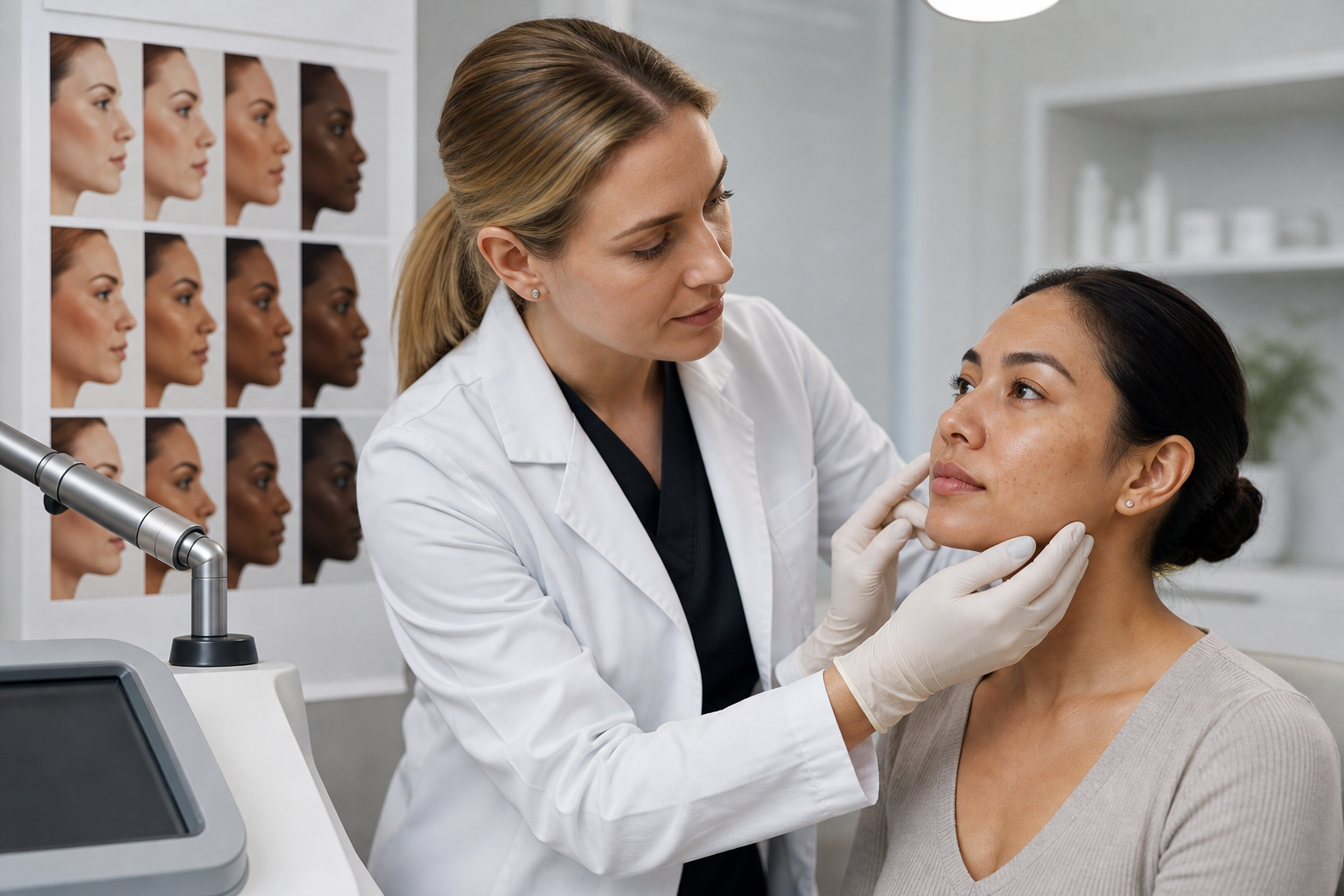
Fitzpatrick Skin Type and Laser Selection for Pigmentation
The Fitzpatrick skin type classification is essential for selecting safe and effective laser treatments for pigmentation. Understa...
Read more
How to Choose the Right Doctor for Botox
Choosing the right doctor for Botox is essential to achieving safe, natural, and effective results. This guide explains the qualif...
Read more
Does a More Expensive Radiofrequency Device Ensure Better Results?
Radiofrequency skin tightening is a popular non-surgical method to rejuvenate the skin by stimulating collagen production. However...
Read more
Infection or Skin Irritation: When to Postpone Treatment?
Botox treatments require healthy skin to ensure safety and optimal results. This article explains how to distinguish skin infectio...
Read more
Pregnancy and Changes in Hair Growth
Pregnancy induces significant changes in hair growth cycles and distribution due to hormonal shifts, often leading to thicker hair...
Read more
Can Laser Hair Removal Cause Scars?
Laser hair removal rarely causes scarring when performed correctly, as it targets hair follicles without damaging surrounding skin...
Read more
Does Skin Colour Affect Laser Hair Removal Results?
Skin colour influences laser hair removal by affecting melanin absorption and the safety window, but treatment outcomes also depen...
Read more
What RF Treatment Can and Cannot Change
Radiofrequency (RF) skin tightening offers a non-invasive method to rejuvenate and firm skin by stimulating collagen production. W...
Read more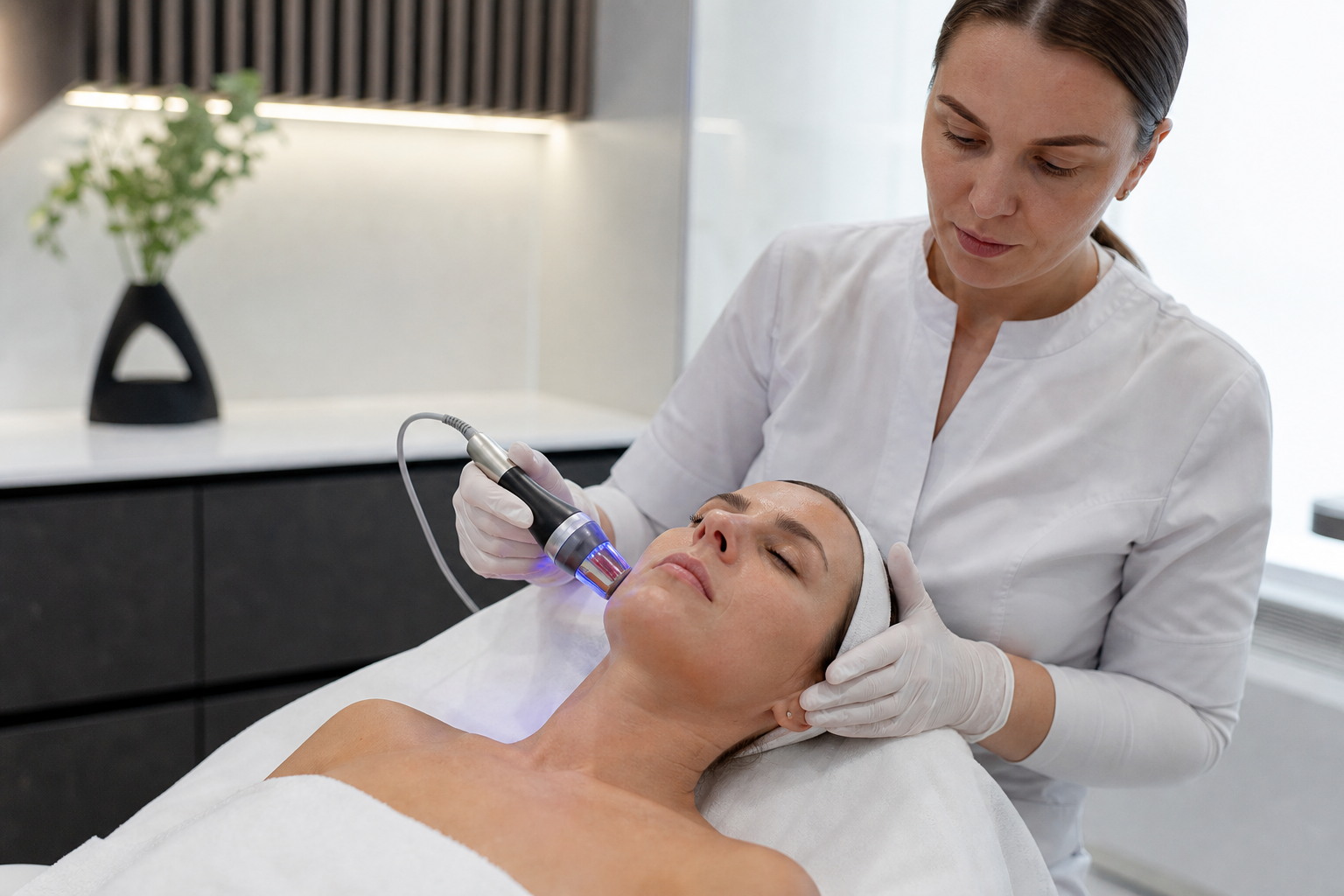
RF Facial Treatment: Preparation, Procedure, and Recovery
RF facial treatment uses radiofrequency waves to non-invasively stimulate collagen production, improving skin firmness and elastic...
Read more
Does Laser Treatment for Capillaries Hurt?
Laser treatment for capillaries offers a targeted approach to diminish visible blood vessels with typically mild and manageable di...
Read more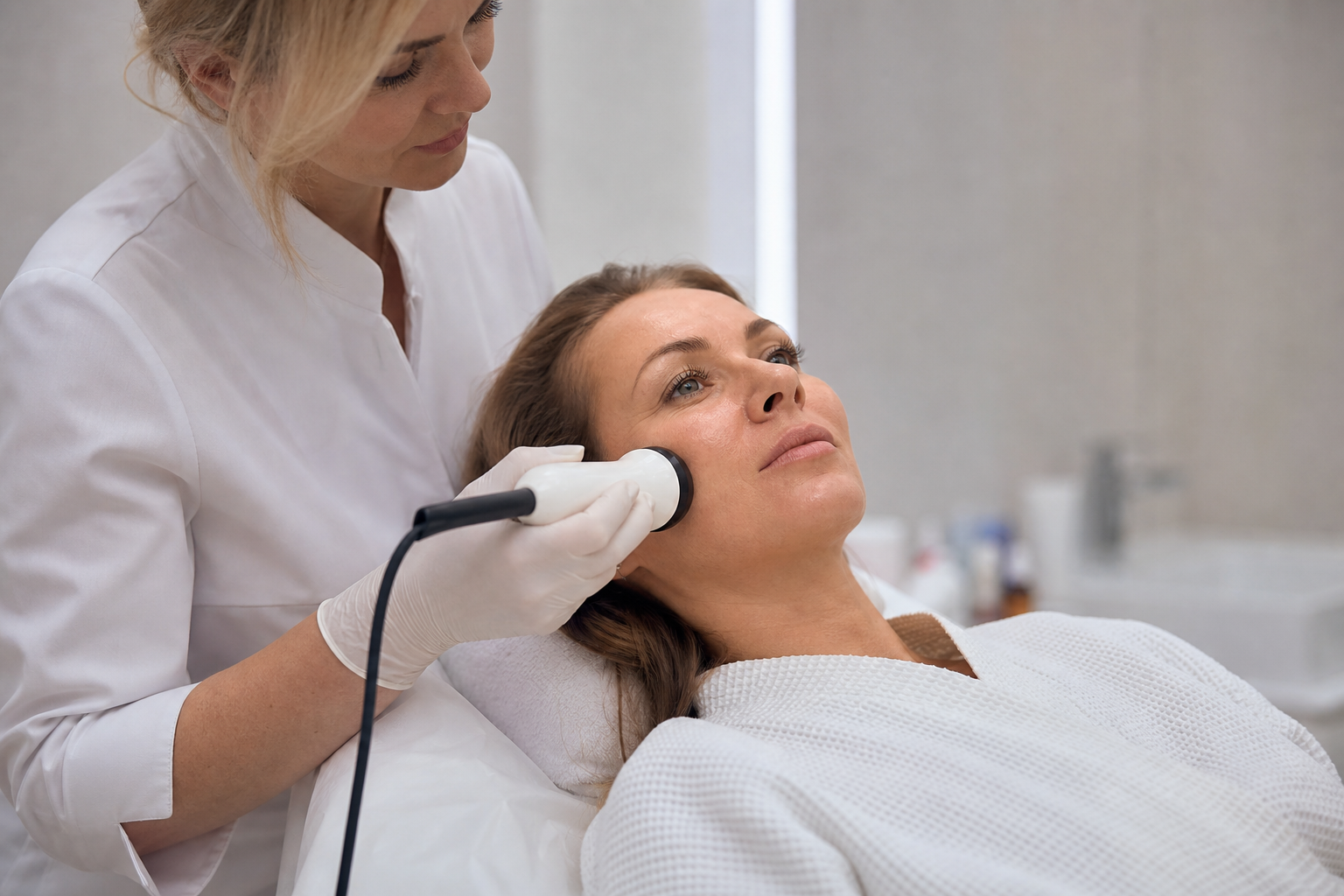
What Can Be Treated with Facial RF Lifting?
Facial RF lifting is a non-invasive skin tightening treatment targeting sagging skin, fine wrinkles, and loss of facial definition...
Read more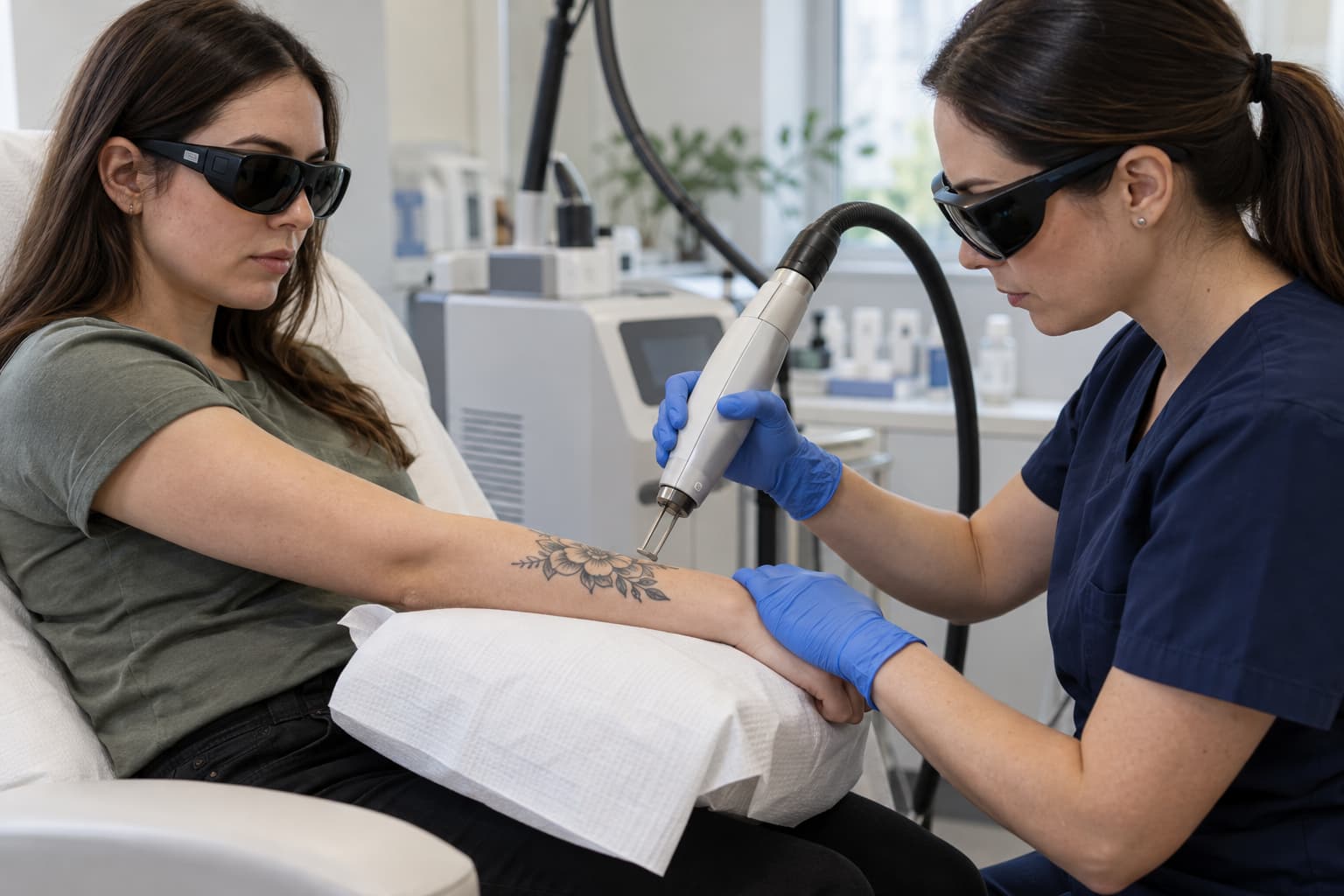
Is Laser Tattoo Removal Safe?
Laser tattoo removal is a sophisticated procedure requiring individualized assessment to balance effectiveness with safety. Unders...
Read more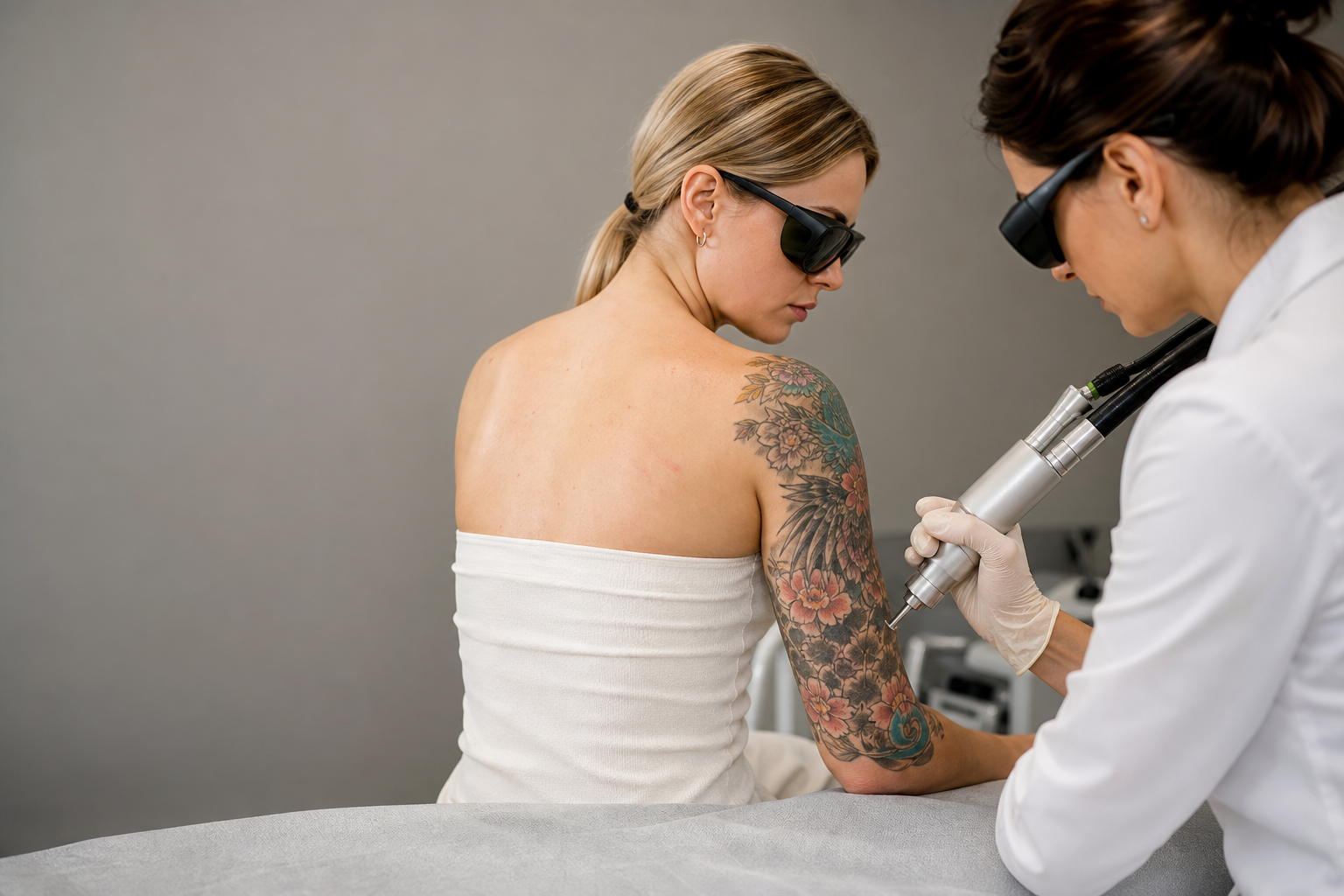
What Determines the Number of Laser Treatment Sessions?
The number of laser treatment sessions varies widely depending on factors such as pigment type, skin characteristics, lesion depth...
Read more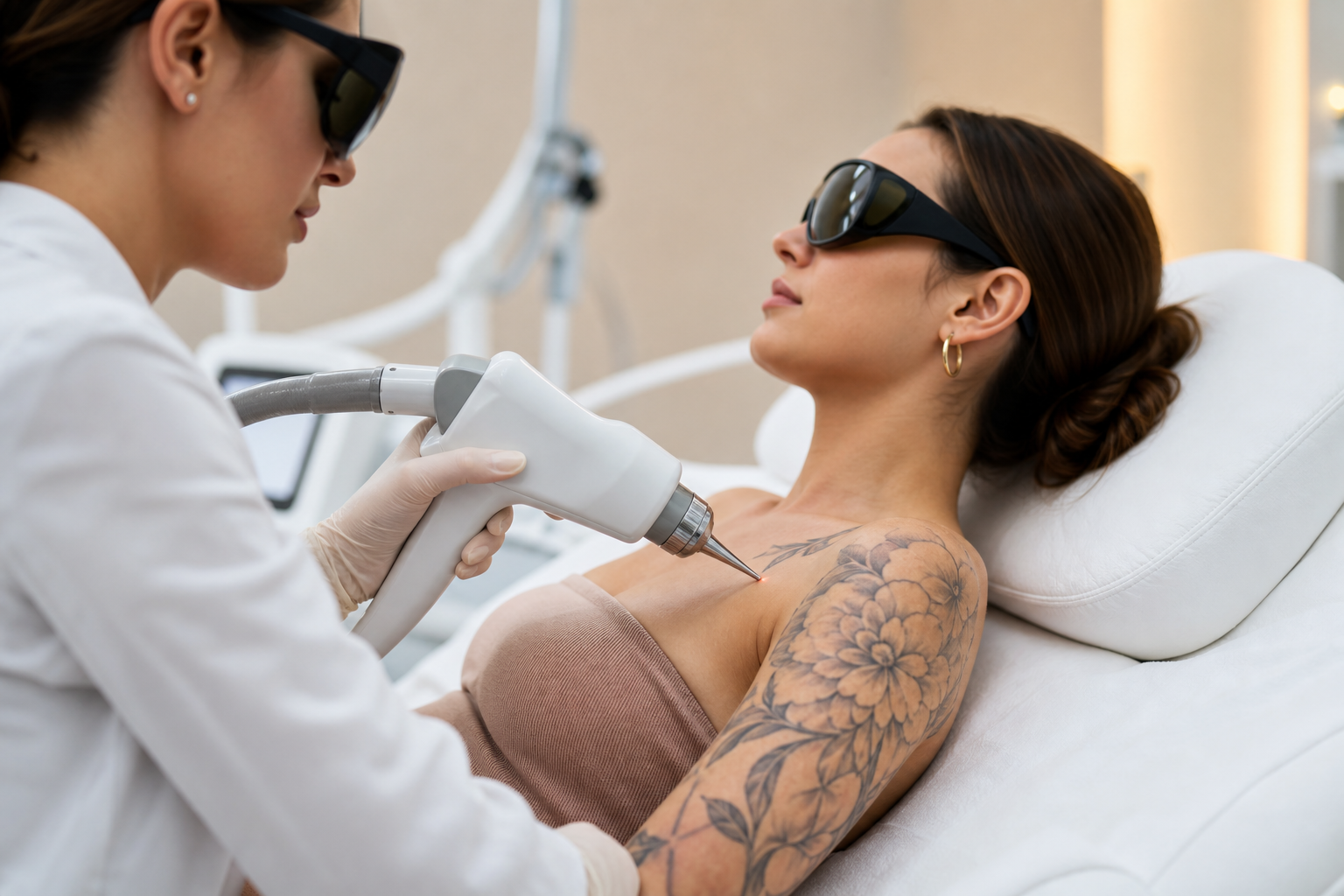
Which Lasers Are Used for Tattoo Removal?
Laser tattoo removal employs advanced technologies like Q-switched and picosecond lasers to target and break down ink pigments. Un...
Read more
Botox to Correct Nose Tip Drooping When Smiling: Options and Limitations
Botox offers a minimally invasive solution to address nose tip drooping during smiling by relaxing specific facial muscles. This t...
Read more
Gummy Smile: When Can Botulinum Toxin Help?
A gummy smile reveals excessive gum tissue, affecting confidence and social interactions. Botox offers a minimally invasive treatm...
Read more
Medications That May Affect the Safety of Botulinum Toxin Treatments
Botulinum toxin treatments require careful consideration of concomitant medications to ensure safety and efficacy. Certain drugs c...
Read more
How Long Does Botox Last?
Botox provides temporary wrinkle reduction by relaxing facial muscles and typically lasts three to six months. Its duration varies...
Read more
Nasal Capillaries: Causes and Treatment Approaches
Nasal capillaries, visible as fine red or purple lines on the nose, often result from dilated superficial blood vessels known as t...
Read more
How Much Does Botox Cost in Serbia?
Botox in Serbia offers effective wrinkle smoothing with costs influenced by dosage, clinic quality, and location. Understanding pr...
Read more
How Does Wavelength Determine Which Pigment a Laser Targets?
Wavelength determines the selective targeting of skin pigments in laser treatments, enabling tailored approaches for conditions in...
Read more
Active Illness and Fever: When to Postpone Your Botox Appointment
Botox treatments require careful consideration of a patient's health, especially during active illness or fever. Postponing appoin...
Read more
Post-Botox Symptoms That Require Immediate Medical Attention
Botox is widely used to reduce facial wrinkles by temporarily relaxing muscles. Understanding which post-treatment symptoms are no...
Read more
Post-Botox Care and Activity Guidelines
Proper post-Botox care and adherence to activity guidelines are crucial for maximizing treatment effectiveness and minimizing side...
Read more
Botox vs. Alternative Treatments for Jawline Contouring
This article explores Botox's role in jawline contouring, detailing how it modulates muscle activity to reshape the lower face. It...
Read more
Non-Ablative Fractional Laser – Rejuvenation with Shorter Downtime
Non-ablative fractional lasers provide effective skin rejuvenation by stimulating collagen production with minimal downtime, makin...
Read more
When Is an Ophthalmologist's Examination Essential Before Aesthetic Treatments?
Botox is widely used to smooth wrinkles around the eyes and eyebrows, but due to the delicate anatomy involved, an ophthalmologist...
Read more
Medications and Supplements: What You Must Disclose to Your Doctor
Disclosing all medications and supplements to your doctor before Botox treatment is crucial for safety and optimal results. Certai...
Read more
Chronic Migraine Treatment with Botulinum Toxin: A Comprehensive Professional Guide
Botulinum toxin offers a scientifically supported treatment option for chronic migraine, effectively reducing attack frequency and...
Read more
Botox Touch-Ups: When to Consider Them
Botox touch-ups are additional injections given after the initial treatment to maintain a youthful appearance by softening wrinkle...
Read more
Fine Hair and Laser Hair Removal
Laser hair removal is less effective on fine hair due to low pigment and small hair mass, complicating heat absorption and increas...
Read more
Classic RF vs. RF Microneedling: Understanding the Differences
Classic RF and RF microneedling both use radiofrequency energy for skin tightening but differ in technique and intensity. Classic...
Read more
RF Wrinkle Treatment: What Realistic Improvements Can You Expect?
RF wrinkle treatment uses radiofrequency energy to non-invasively stimulate collagen production, targeting mild to moderate wrinkl...
Read more
Facial Redness and Stinging: When to Consult a Dermatologist?
Facial redness and stinging can indicate various skin conditions ranging from sensitive skin to chronic inflammatory disorders lik...
Read more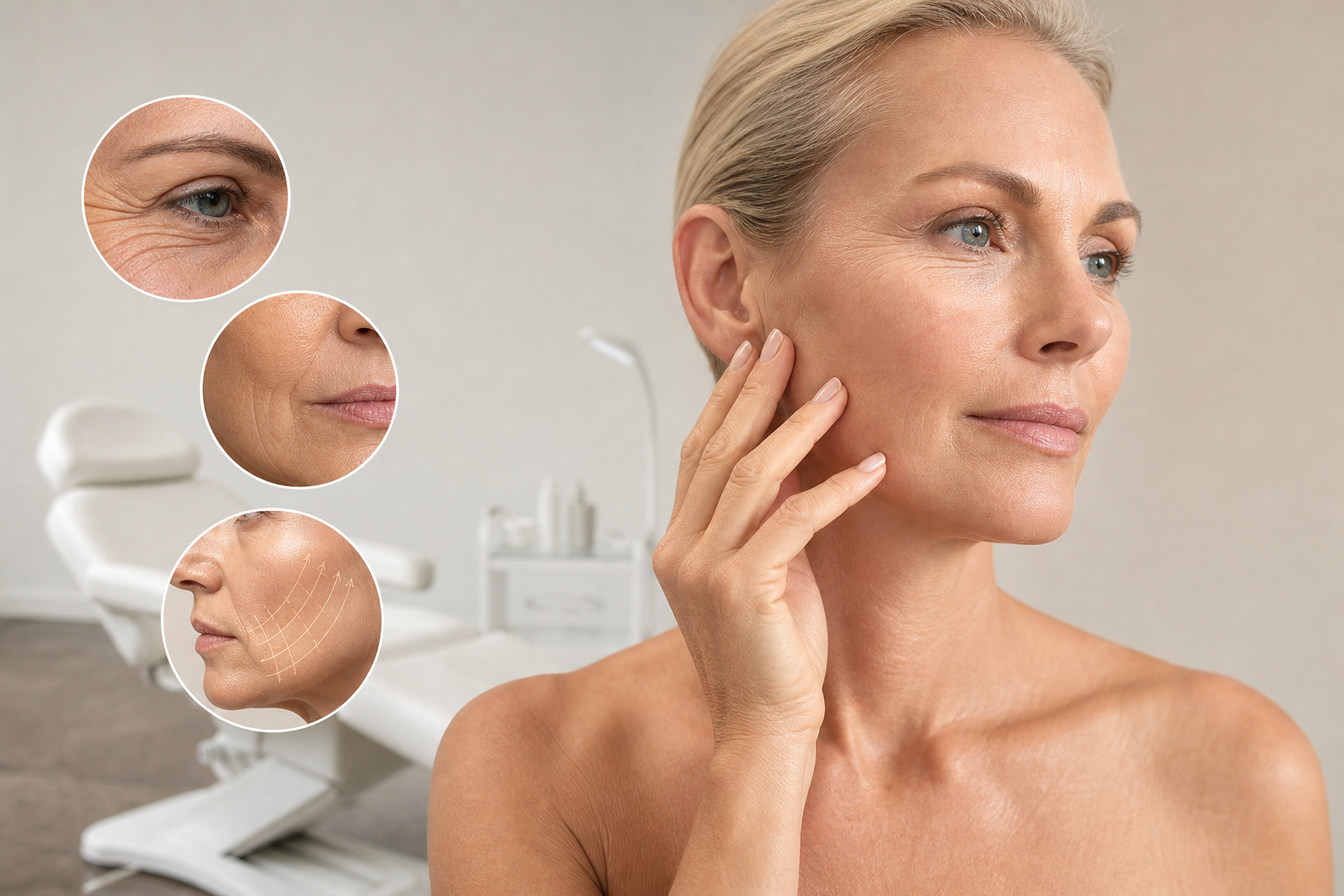
Wrinkles vs. Volume Loss: Understanding the Differences
Wrinkles and volume loss are distinct yet interconnected aspects of facial aging that require different cosmetic approaches. This...
Read more
Regional vs. Per-Unit Pricing: How to Compare Botox Offers
This article examines the differences between regional (per-area) and per-unit Botox pricing, helping clients understand various c...
Read more
Botulinum Toxin for Cervical Dystonia
Botulinum toxin offers a targeted, effective treatment for cervical dystonia by relieving involuntary neck muscle contractions. Ad...
Read more
Is the Device Name More Important Than Practitioner Expertise?
This article explores the critical balance between device brands and practitioner expertise in laser treatments. It highlights why...
Read more
How to Prepare for Vascular Laser Treatment
Preparing effectively for vascular laser treatment enhances safety and results by addressing skin type, medication use, and lifest...
Read more
Post-Botox Cosmetic Treatments: What to Coordinate?
Post-Botox cosmetic treatments require careful coordination to maintain and enhance the procedure's results. This article outlines...
Read more
What Are Solar Lentigines and Why Do They Develop?
Solar lentigines, commonly known as sun spots, are benign brown patches on sun-exposed skin caused by chronic ultraviolet damage....
Read more
Should You Take Breaks Between Botox Treatment Cycles?
Botox effectively smooths wrinkles by temporarily relaxing facial muscles, but the question of whether to take breaks between trea...
Read more
Why Do Laser Rejuvenation Results Differ Between People?
Laser rejuvenation outcomes vary significantly across individuals due to differences in skin type, laser technology, and post-trea...
Read more
When Do Hairs Begin to Shed After Laser Hair Removal?
Hair shedding after laser hair removal typically begins several days to a few weeks post-treatment and occurs gradually in waves,...
Read more
Horizontal Forehead Lines: Factors Influencing Treatment Choices
Horizontal forehead lines, common signs of aging caused by muscle activity and skin changes, demand tailored treatment approaches....
Read more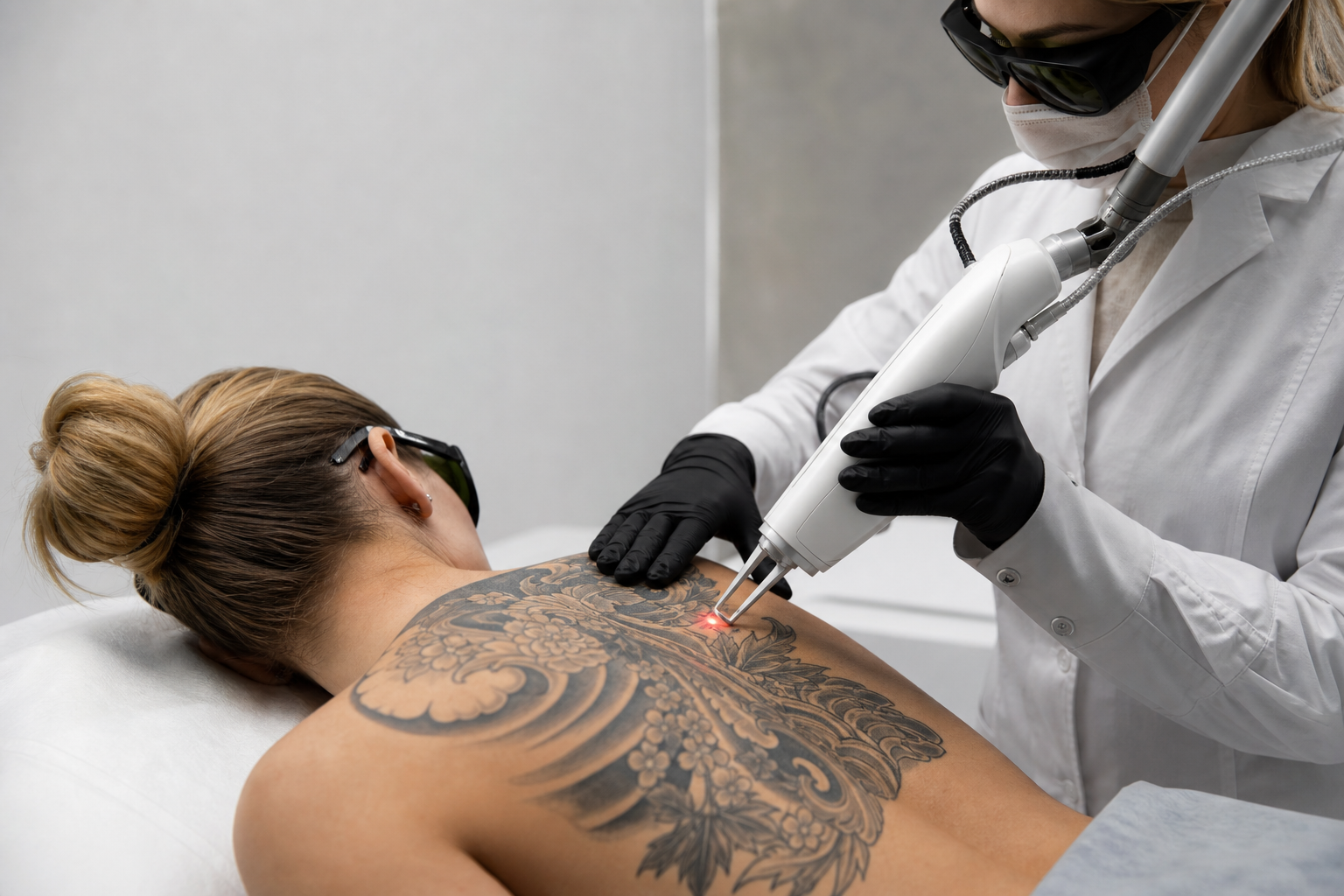
Picosecond vs Q-Switched Lasers: What Are the Differences?
This article thoroughly compares picosecond and Q-switched lasers for tattoo removal, highlighting their mechanisms, advantages, a...
Read more
Rosacea Triggers: What Can Worsen Facial Redness?
Rosacea triggers like sun exposure, temperature changes, stress, diet, and skincare products can worsen facial redness. Understand...
Read more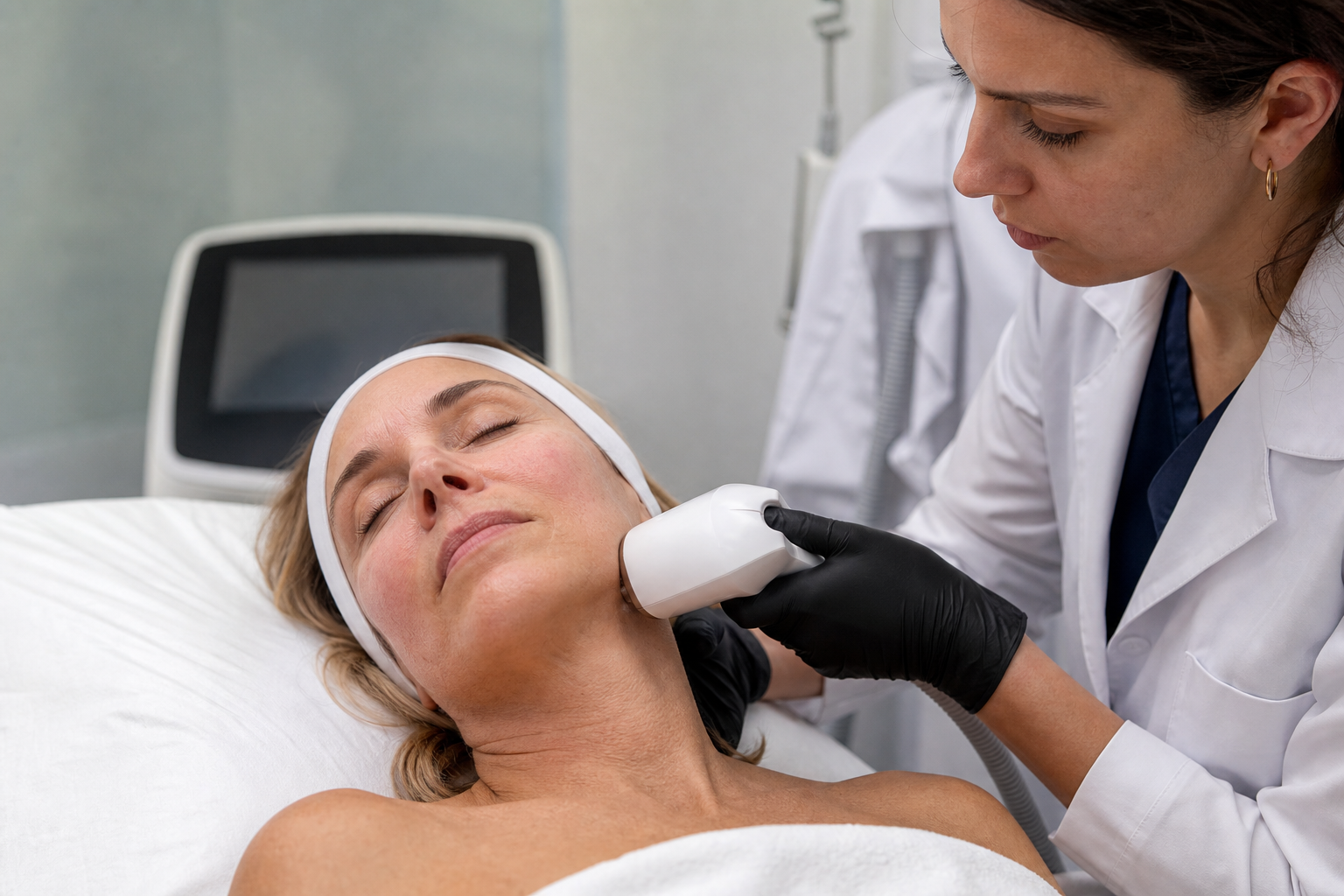
Can RF Treatments Cause Fat Loss?
Radiofrequency (RF) skin tightening primarily stimulates collagen production without causing fat loss, making it a popular non-inv...
Read more
Lip Flip vs. Lip Fillers: Key Differences Explained
Lip flip and lip fillers are two popular non-surgical lip enhancement techniques that differ fundamentally in method and effect. W...
Read more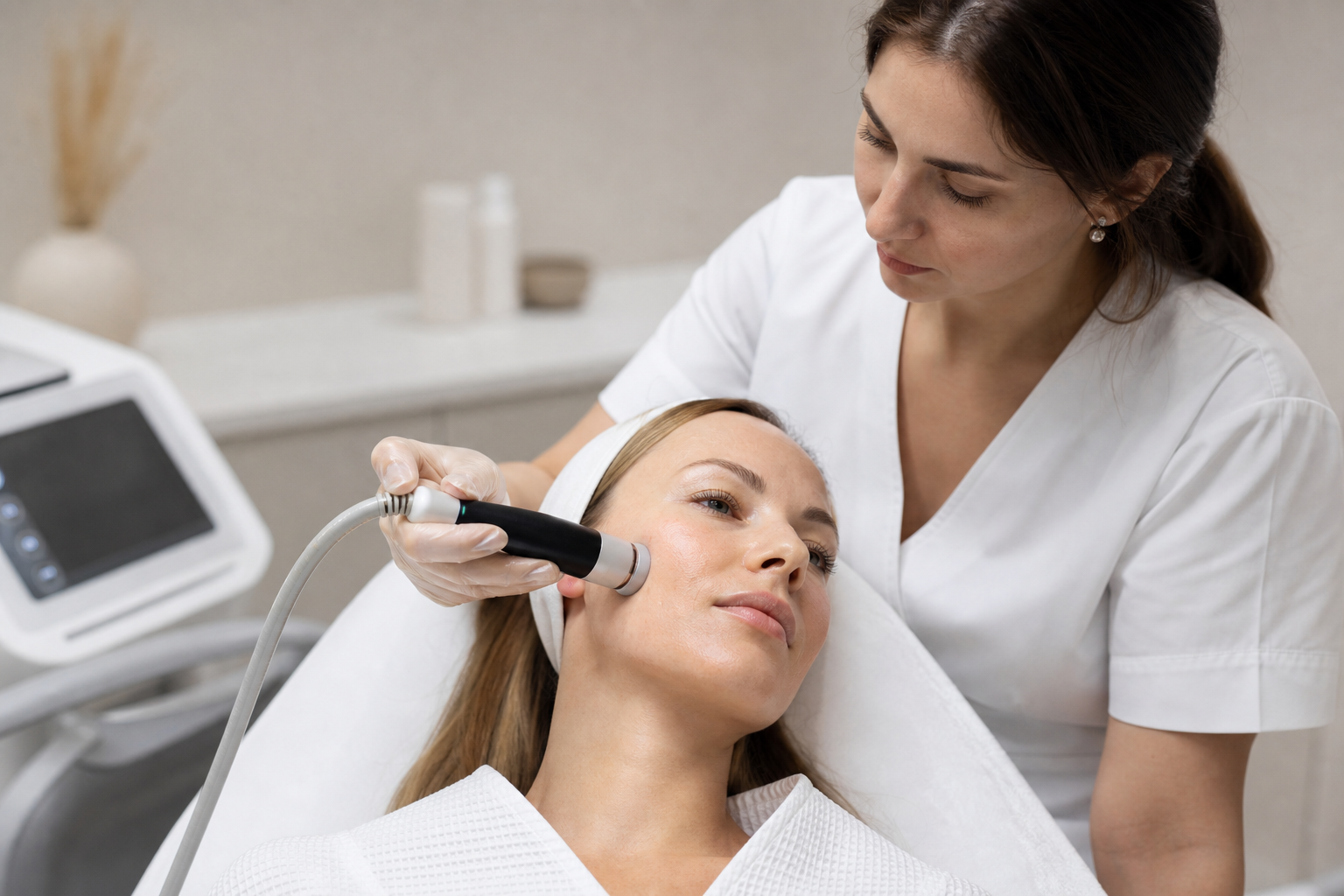
Is a Single RF Treatment Enough?
Radiofrequency (RF) skin tightening is a non-invasive method that rejuvenates skin by stimulating collagen production. While a sin...
Read more
Post-Botox Exercise: Following Medical Guidelines Safely
Understanding the interaction between Botox treatment and physical exercise is crucial for maximizing aesthetic results and ensuri...
Read more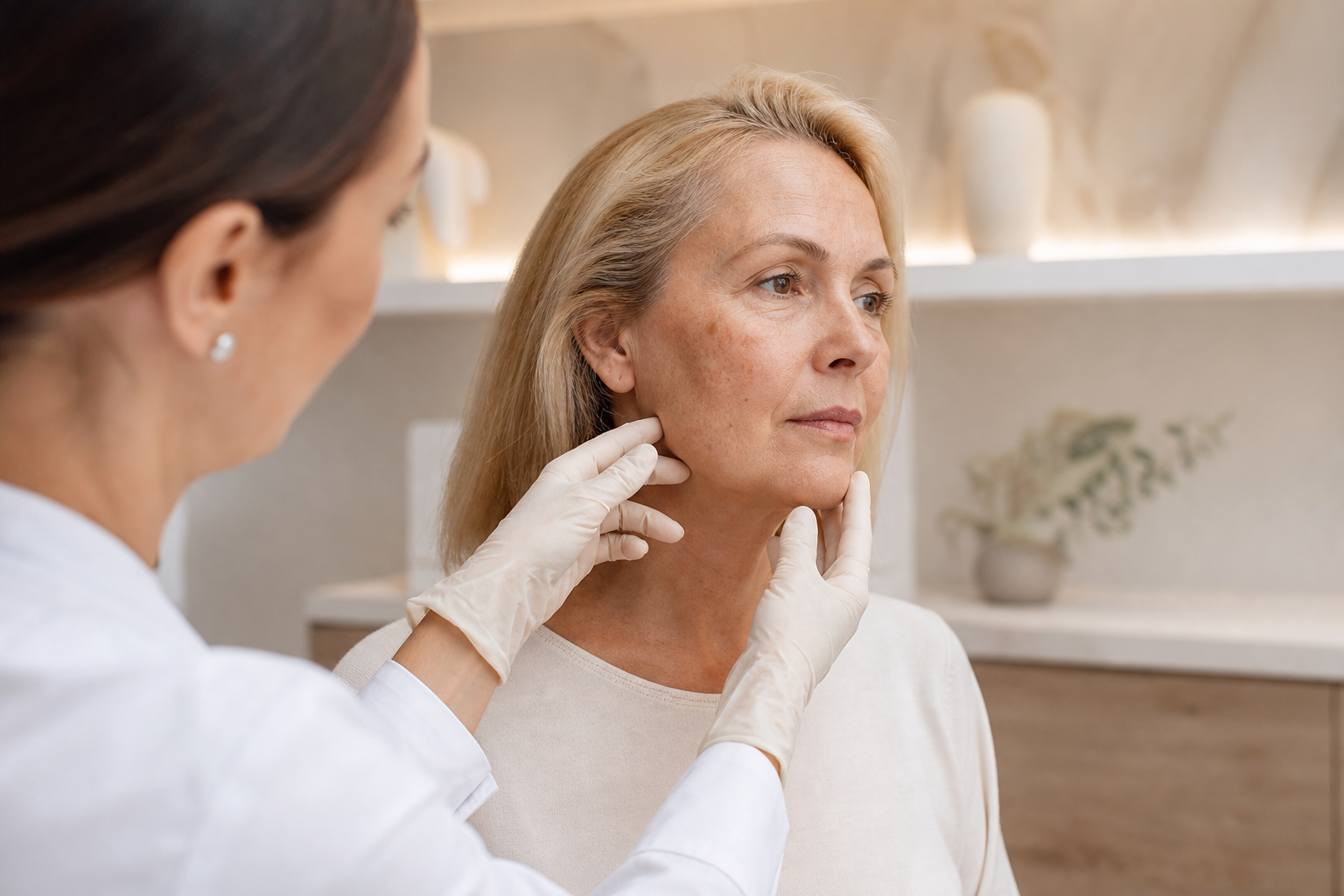
How Many Treatments Are Needed for Sun Spots?
Sun spots, or solar lentigines, are common pigment changes due to UV exposure that often require multiple treatments for effective...
Read more
Red Cheeks: When It's More Than Just Sensitive Skin?
Persistent red cheeks can indicate more than sensitive skin, potentially signaling conditions like rosacea, dermatitis, or post-ac...
Read more
Can Sun Spots Return After Laser Treatment?
Sun spots, or solar lentigines, are brown patches caused by chronic sun exposure that can be reduced with laser treatment. While l...
Read more
Botulinum Toxin for Excessive Foot Sweating
Botulinum toxin offers an effective, targeted treatment for excessive foot sweating by temporarily blocking nerve signals that sti...
Read more
RF Lifting vs. Laser Rejuvenation: Choosing the Right Non-Surgical Skin Refresh
RF lifting and laser skin rejuvenation are leading non-surgical methods to enhance skin vitality by improving texture, firmness, a...
Read more
When Is It Sensible to Postpone Your Botox Decision?
Deciding when to undergo Botox involves more than desire; it requires understanding health factors, psychological readiness, and r...
Read more
How Does RF Energy Work on the Skin?
Radiofrequency (RF) energy offers a non-invasive solution to skin aging by stimulating collagen and elastin production beneath the...
Read more
Botox After Sixty: A Personalized Assessment
Botox after sixty requires a personalized approach to address the unique changes in aging skin and muscles. This article explores...
Read more
Potential Complications Following Capillary Treatment
Capillary treatments use vascular lasers to improve skin appearance but carry risks such as redness, bruising, burns, pigmentation...
Read more
Hyperpigmentation After Laser – Causes and Risk Factors
Hyperpigmentation after laser treatment involves darkened skin patches caused by inflammatory melanin overproduction. This article...
Read more
Why Does Laser Hair Removal Require Multiple Sessions?
Laser hair removal requires multiple sessions because it targets hair follicles only during their active growth phase. Understandi...
Read more
Natural Forehead Expression After Botox: The Importance of a Personalized Treatment Plan
Botox treatments for forehead wrinkles demand a delicate balance between reducing lines and preserving natural facial expressions....
Read more
Recovery After RF Microneedling
RF microneedling combines microneedling with radiofrequency energy to stimulate collagen and improve skin texture. Recovery involv...
Read more
How Long Does a Botox Appointment Last?
Botox appointments typically last between 20 to 60 minutes, including consultation, skin preparation, and injection phases. Unders...
Read more
Laser Toning for Melasma: What You Need to Know
Laser toning offers a cautious and measured approach to managing melasma, a complex pigmentation disorder. This non-ablative laser...
Read more
How to Recognise Unrealistic Claims in Treatment Advertising
This article guides prospective patients on identifying unrealistic claims in treatment advertising, emphasizing verifiable eviden...
Read more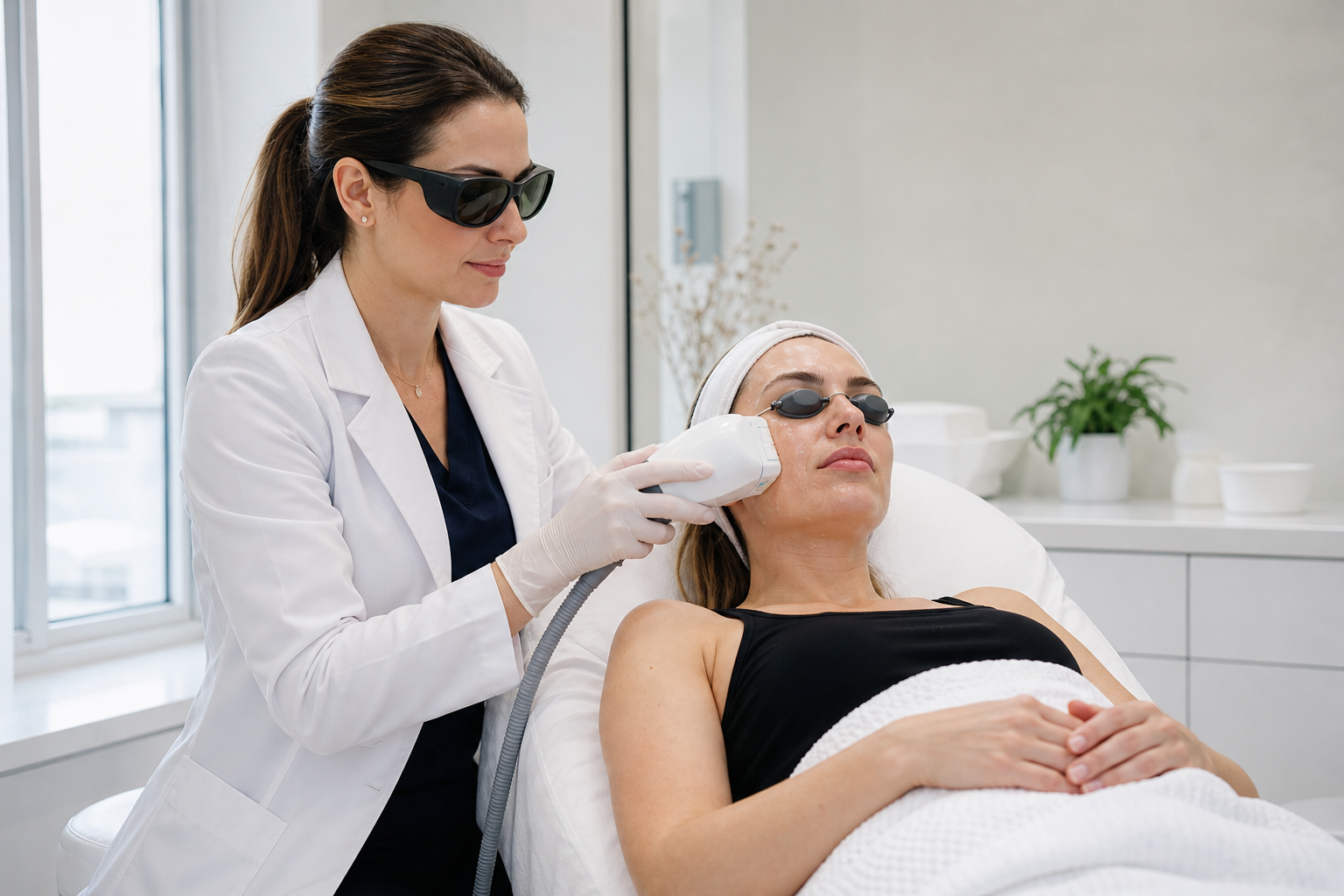
Superficial vs. Deep Blood Vessels: Why Are Treatments Different?
Understanding the fundamental differences between superficial and deep blood vessels is essential in dermatology for effective vas...
Read more
Contraindications and Special Considerations in Aesthetic Treatments
Aesthetic treatments using botulinum toxin and hyaluronic acid fillers require careful evaluation of contraindications and patient...
Read more
Can Laser Permanently Remove Melasma?
Laser treatment can significantly improve melasma's appearance but does not offer a permanent cure. Effective management requires...
Read more
How Many Laser Hair Removal Sessions Are Needed?
Laser hair removal requires multiple sessions due to individual hair growth cycles, body area differences, and personal hair and s...
Read more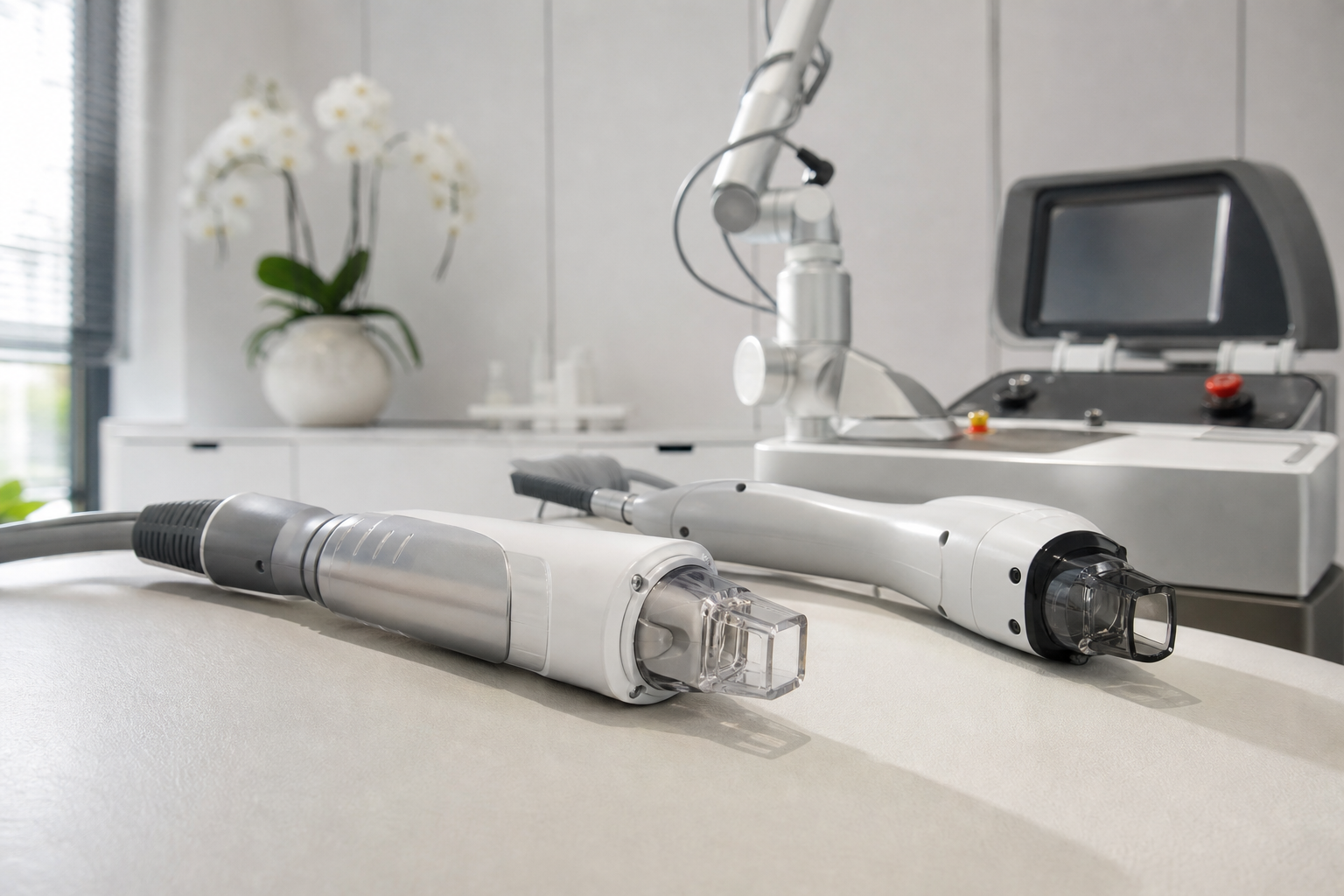
What Is a Fractional Laser and How Does It Work on Skin?
Fractional lasers are advanced dermatological tools that create microscopic treatment zones to stimulate skin repair with minimal...
Read more
Ablative vs Non-Ablative Lasers – What Is the Difference?
Ablative and non-ablative lasers represent two core approaches in skin rejuvenation, differing primarily in their interaction with...
Read more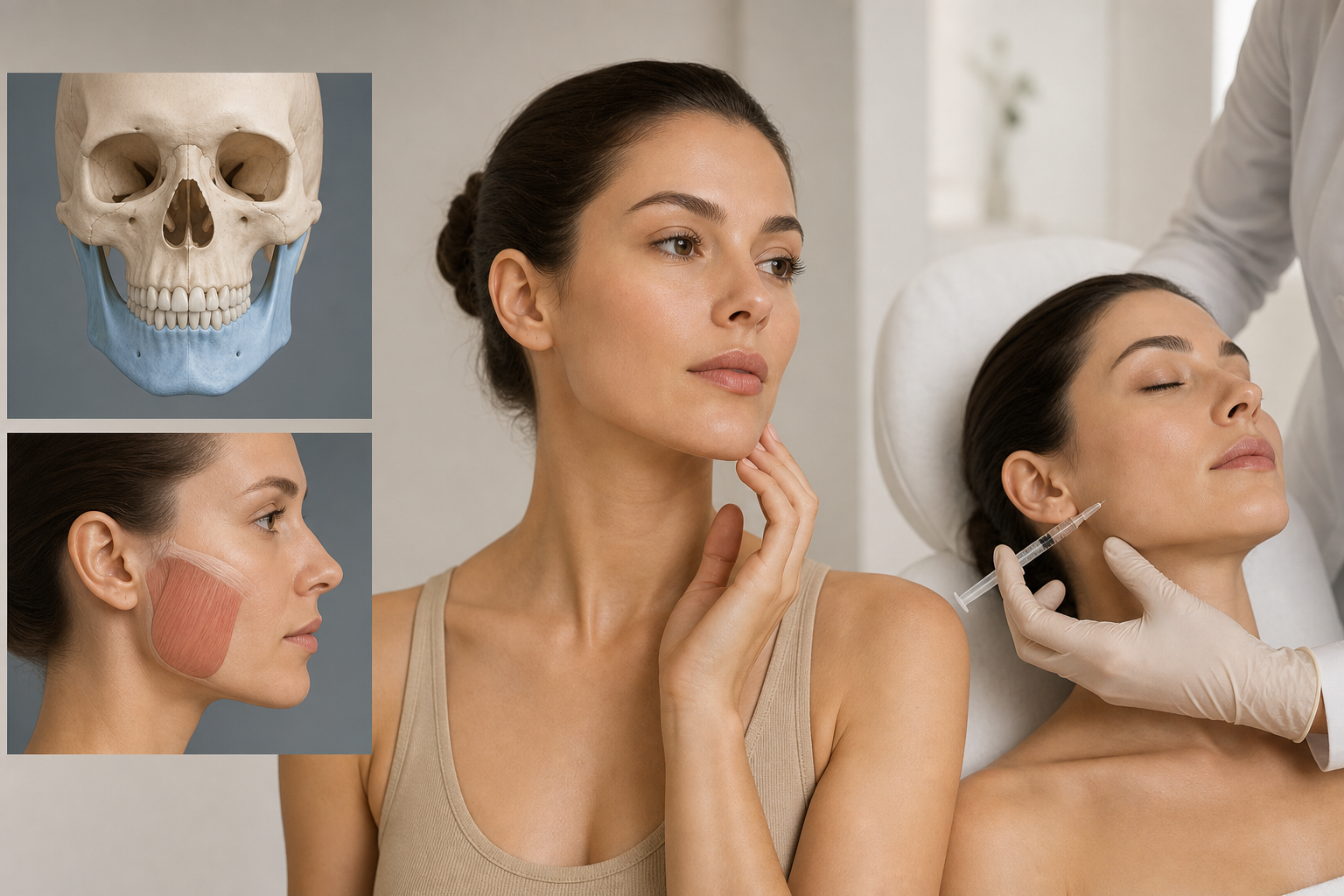
Wide Jawline: Is It Muscle or Bone Structure?
A wide jawline can result from either bone structure or muscle enlargement, particularly of the masseter muscle. Understanding thi...
Read more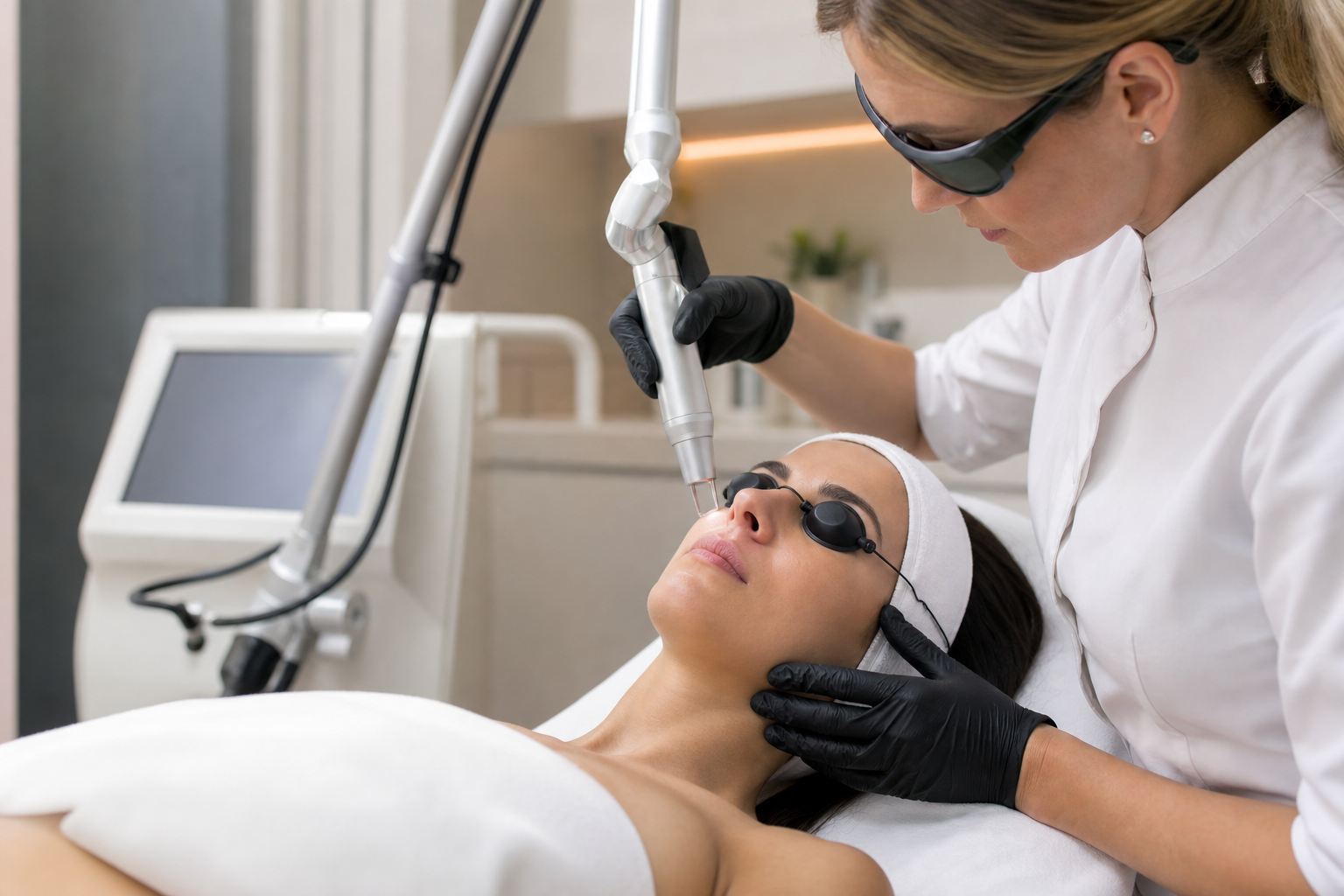
Picosecond Laser for Pigmentation: How Does It Differ From Nanosecond Lasers?
Pigmentation irregularities such as melasma and lentigines are commonly treated with advanced laser technologies. Picosecond and n...
Read more
Laser Treatments During Pregnancy and Breastfeeding
Laser treatments offer effective solutions for various skin concerns but are generally advised against during pregnancy and breast...
Read more
How Botulinum Toxin Affects Muscles
Botulinum toxin works by temporarily inhibiting nerve signals to muscles, leading to controlled muscle relaxation. This action hel...
Read more
Can a Single Treatment Eliminate Nasal Capillaries?
Nasal capillaries, visible tiny blood vessels on and around the nose, can be effectively reduced with laser treatments. However, a...
Read more
How to Prepare for Hyperhidrosis Treatment?
Hyperhidrosis causes excessive sweating that can disrupt daily life, but targeted treatments like botulinum toxin offer relief. Pr...
Read more
What Should Be Included in the Price?
Understanding the full price of Botox treatment involves more than just the cost of the product. This article explains the various...
Read more
IPL or Laser – What Is the Difference?
IPL and laser treatments are popular options for skin rejuvenation, hair removal, and pigmentation correction but differ significa...
Read more
Sun Exposure and Laser Hair Removal
Sun exposure increases epidermal melanin, affecting the safety and efficacy of laser hair removal. Different types of UV exposure—...
Read more
How Treatment Area Affects the Duration of Botox Effects
Botox’s effect duration varies significantly depending on the treatment area due to differences in muscle activity and anatomy. Un...
Read more
Fractional Laser or Chemical Peel – How Do They Differ?
Fractional laser and chemical peel treatments are popular skin rejuvenation options that differ in mechanism, depth, recovery, and...
Read more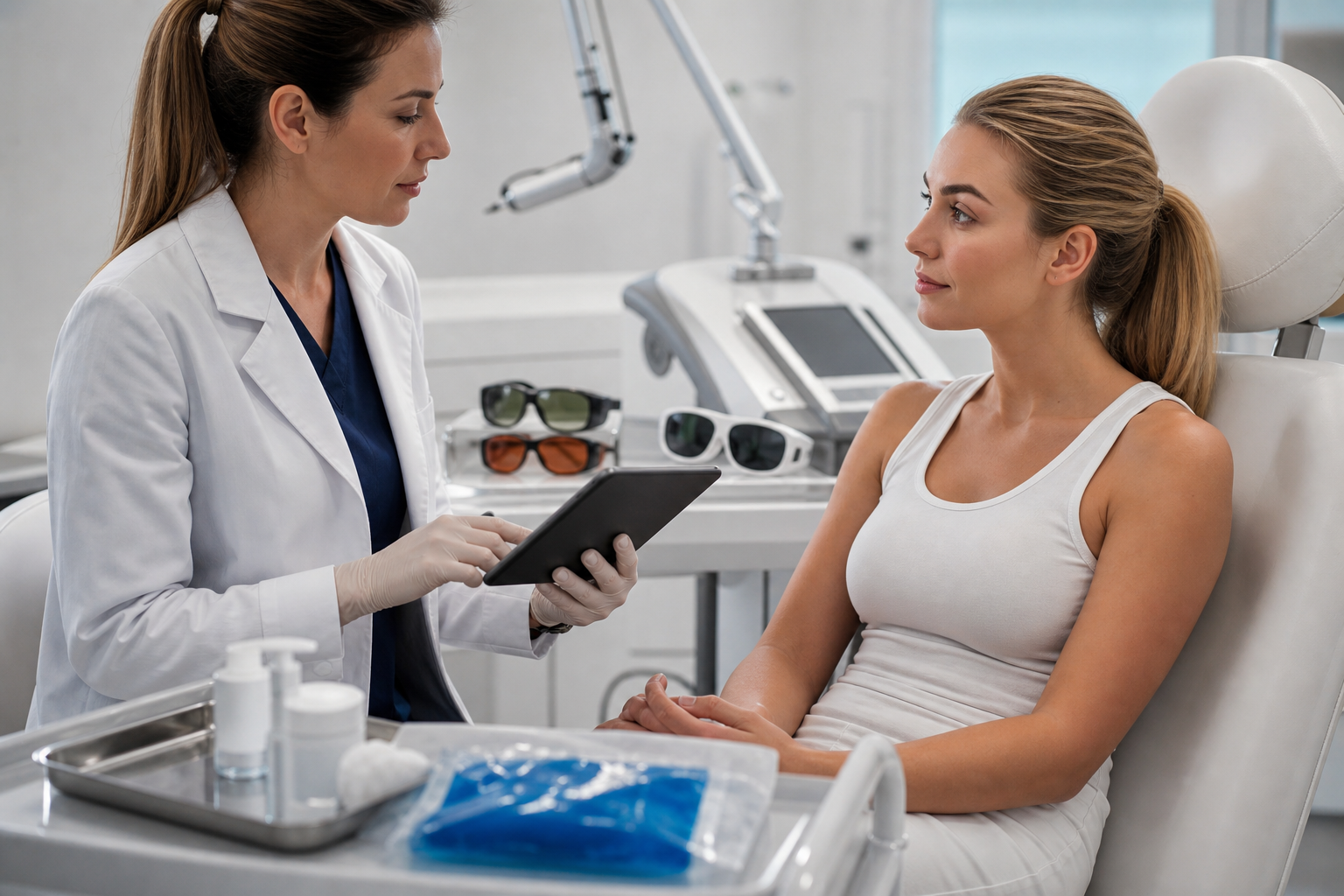
Laser Treatment Safety – Contraindications, Risks and Practitioner Selection
Laser treatment offers advanced solutions for skin rejuvenation and more, but ensuring safety requires understanding contraindicat...
Read more
Duration of Effects of Excessive Sweating Treatments
Botulinum toxin injections offer a targeted and effective treatment for excessive sweating (hyperhidrosis), with effects typically...
Read more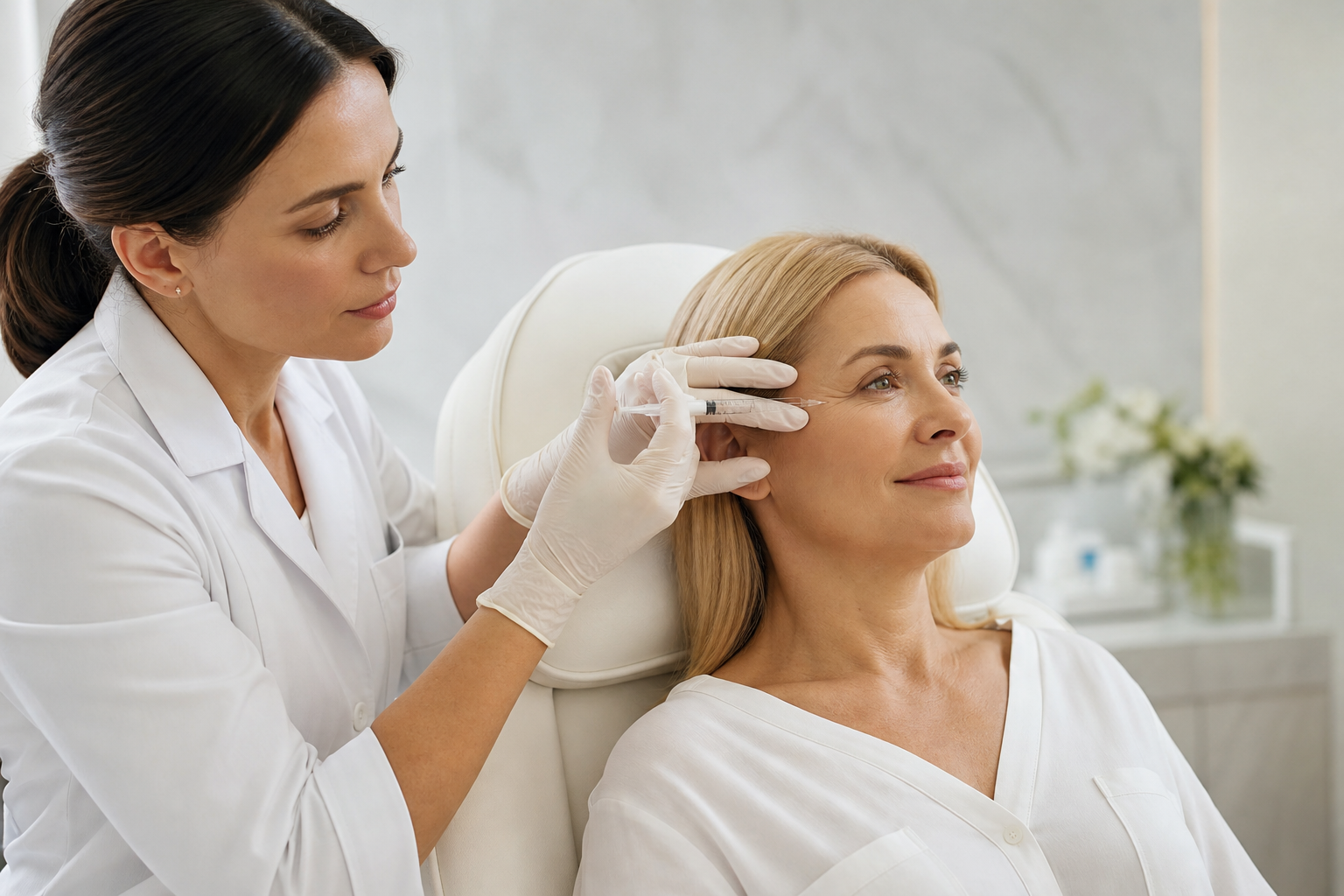
Botox for Eye Wrinkles: Who Is It For?
Botox is a leading non-surgical treatment for smoothing eye wrinkles like crow's feet by temporarily relaxing muscles responsible...
Read more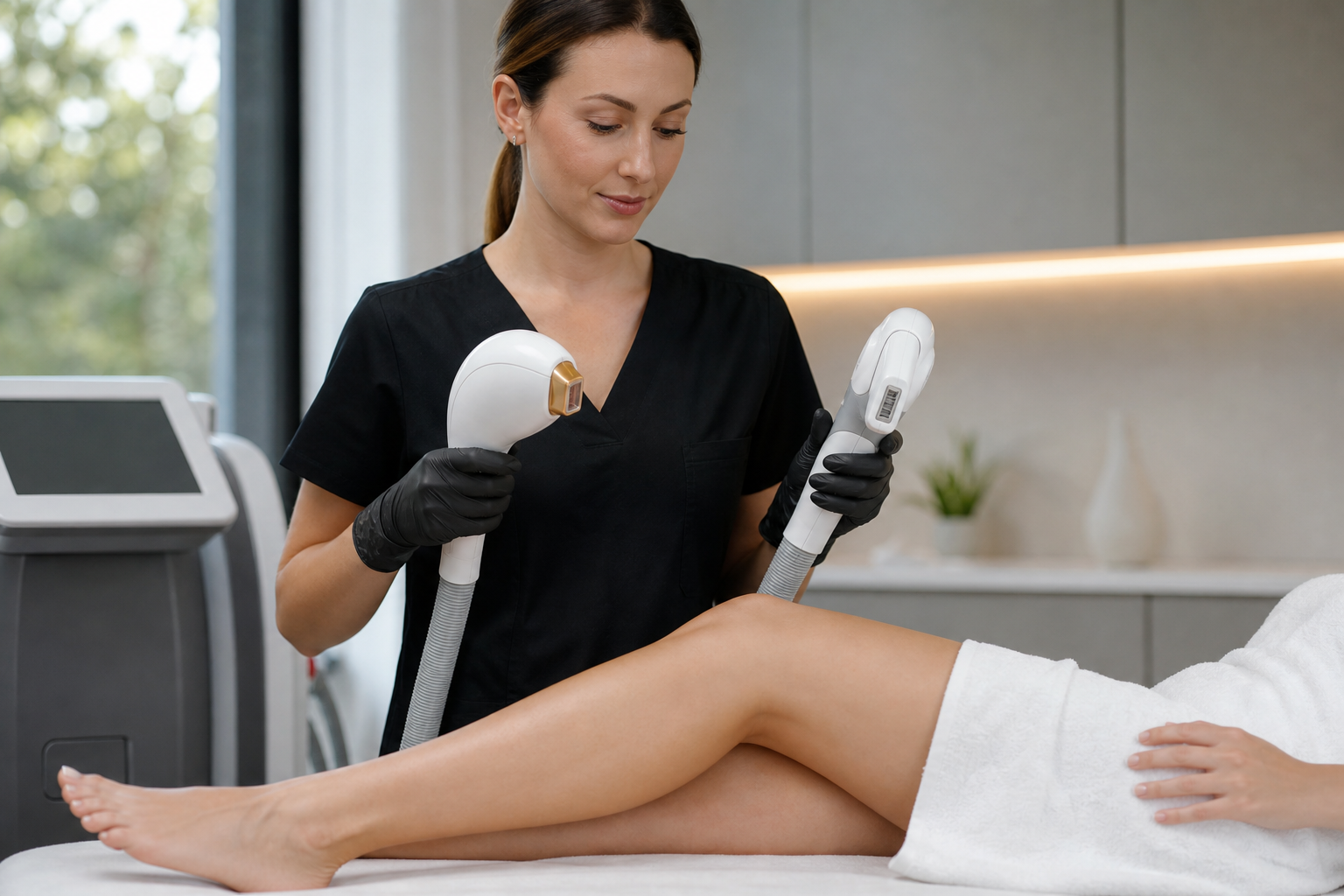
Laser vs. IPL for Capillaries: Understanding the Differences
This article provides a clear comparison between laser and IPL treatments for visible capillaries, highlighting their differences...
Read more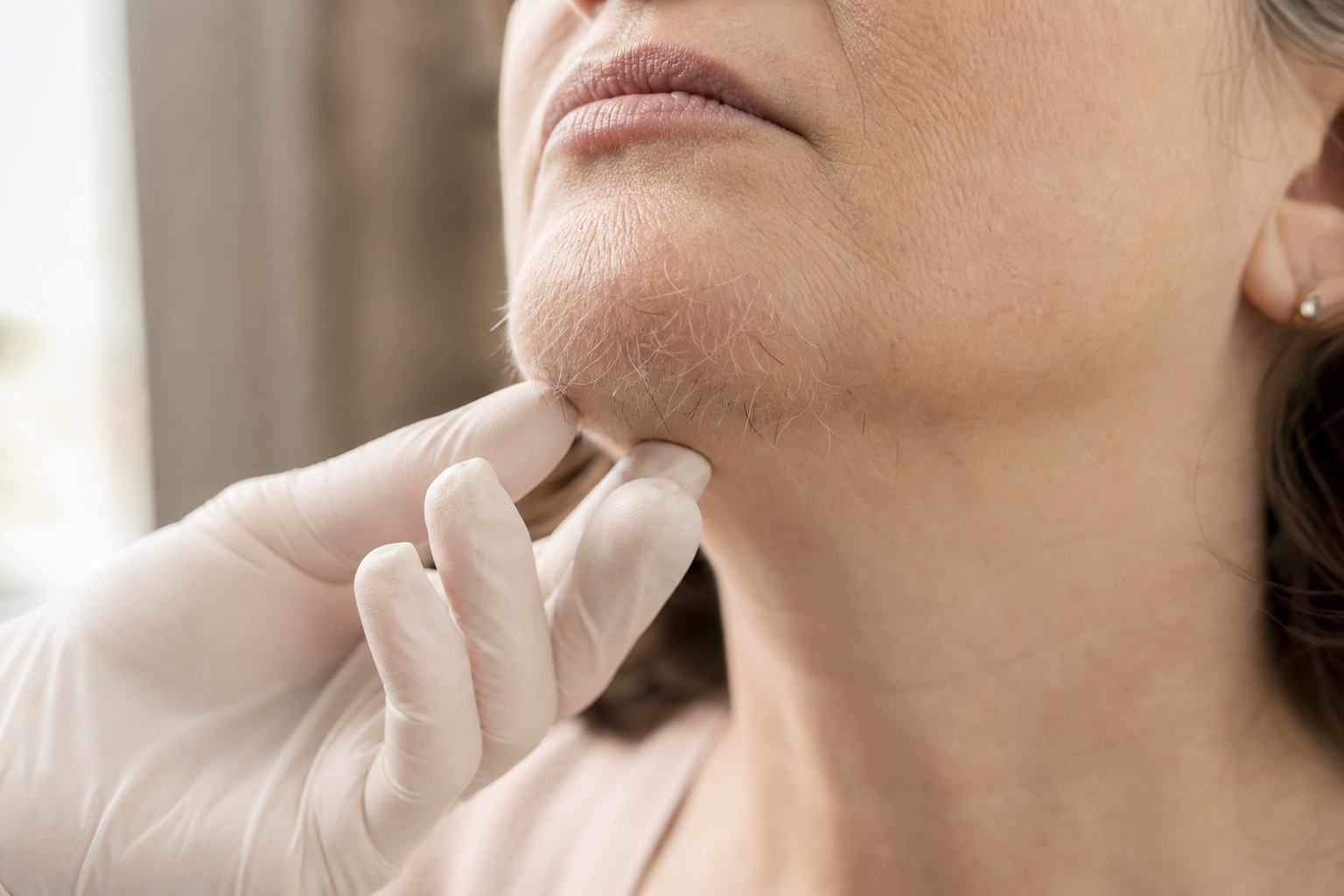
Laser Hair Removal for Grey and White Hair
Laser hair removal is generally ineffective on grey and white hair due to the absence of melanin, the pigment lasers target. This...
Read more
Traveling After Botox: How to Plan Your Follow-Up Appointment
Traveling after Botox requires careful planning to ensure optimal results and maintain safety. This guide explains how to coordina...
Read more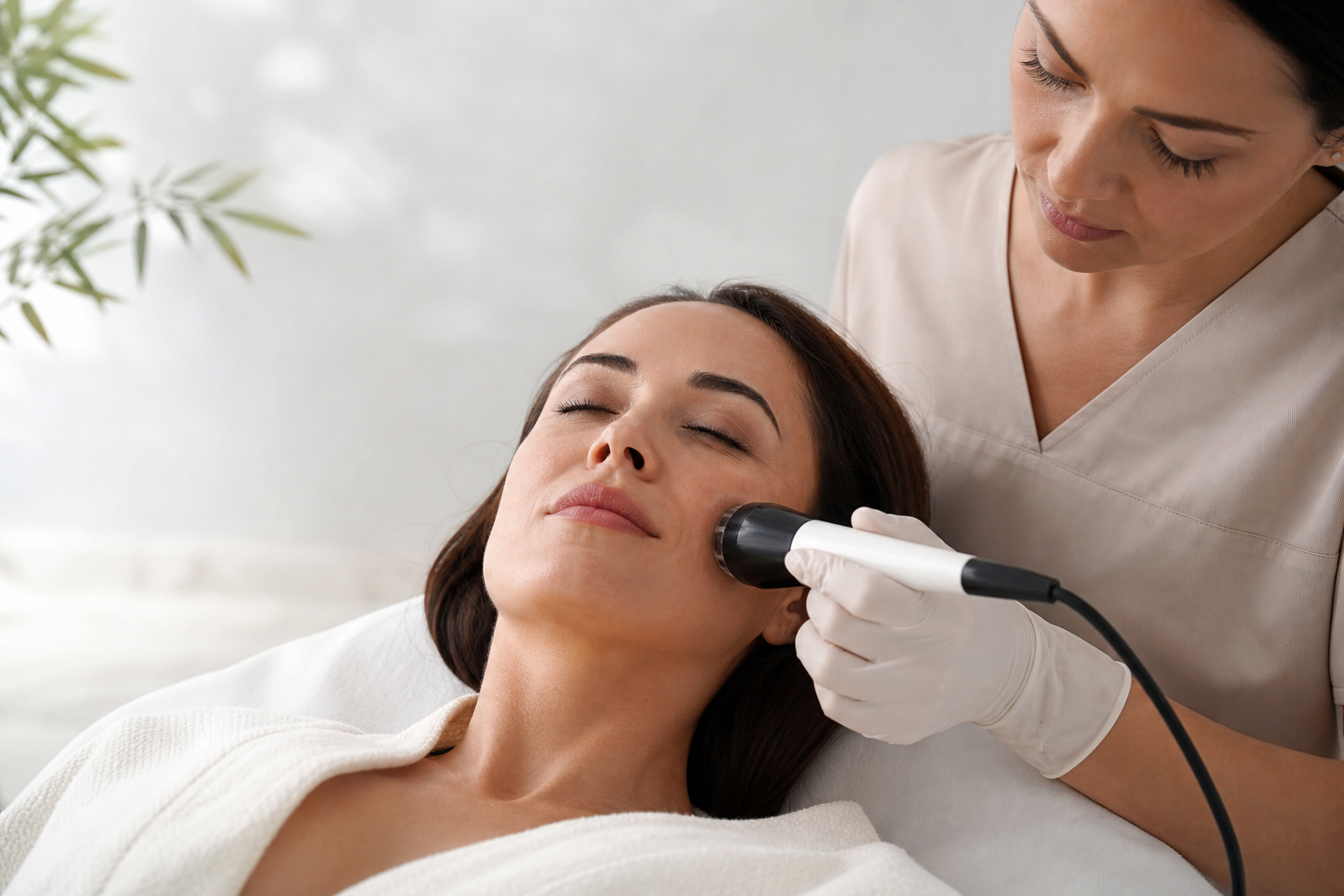
Is RF Lifting Safe to Perform During Summer?
RF lifting is a popular non-invasive skin tightening treatment that stimulates collagen production to rejuvenate skin. This articl...
Read more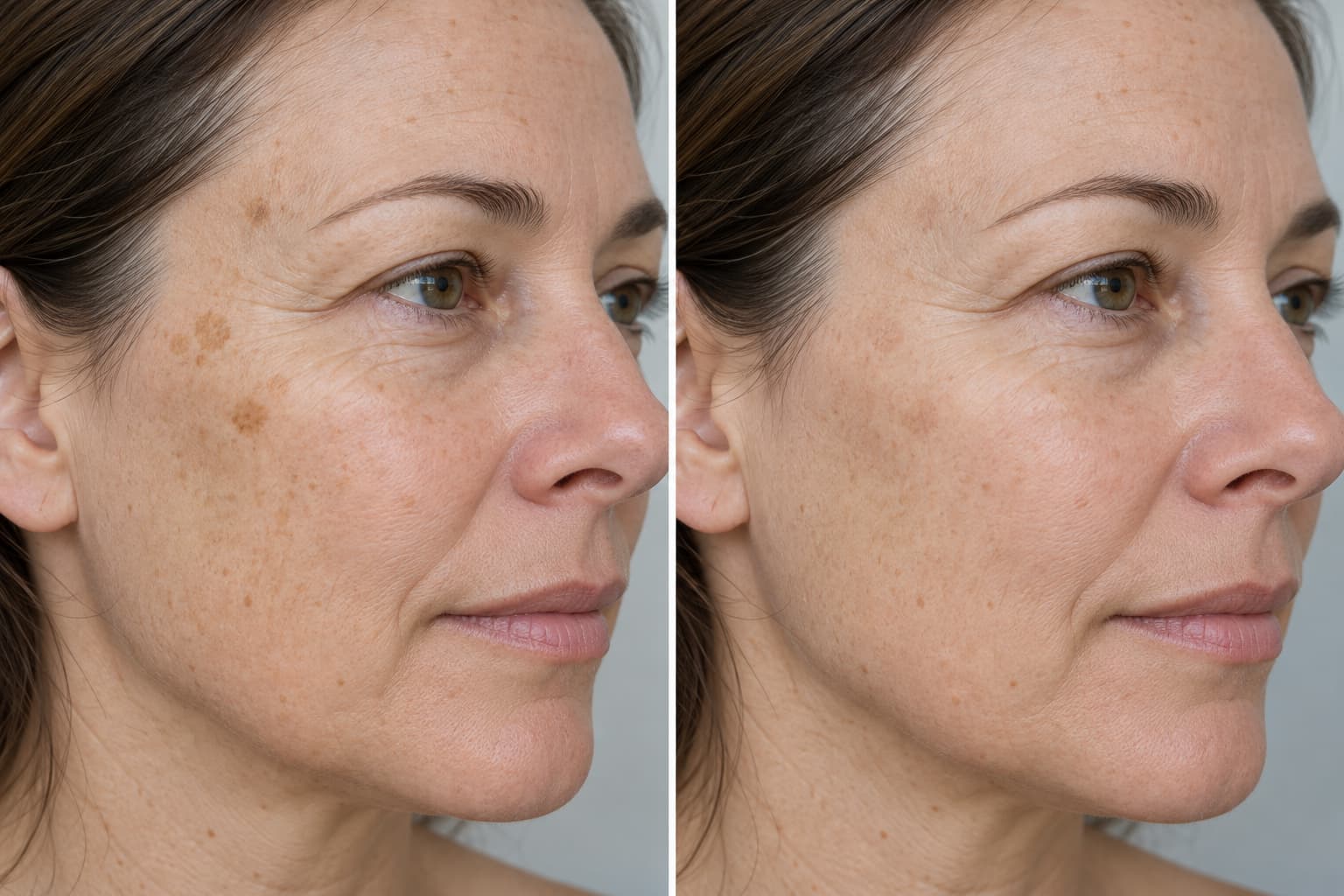
Before and After Laser Treatment for Pigmentation
Laser treatment for pigmentation targets stubborn dark spots and uneven skin tone using precise light technology. Understanding pr...
Read more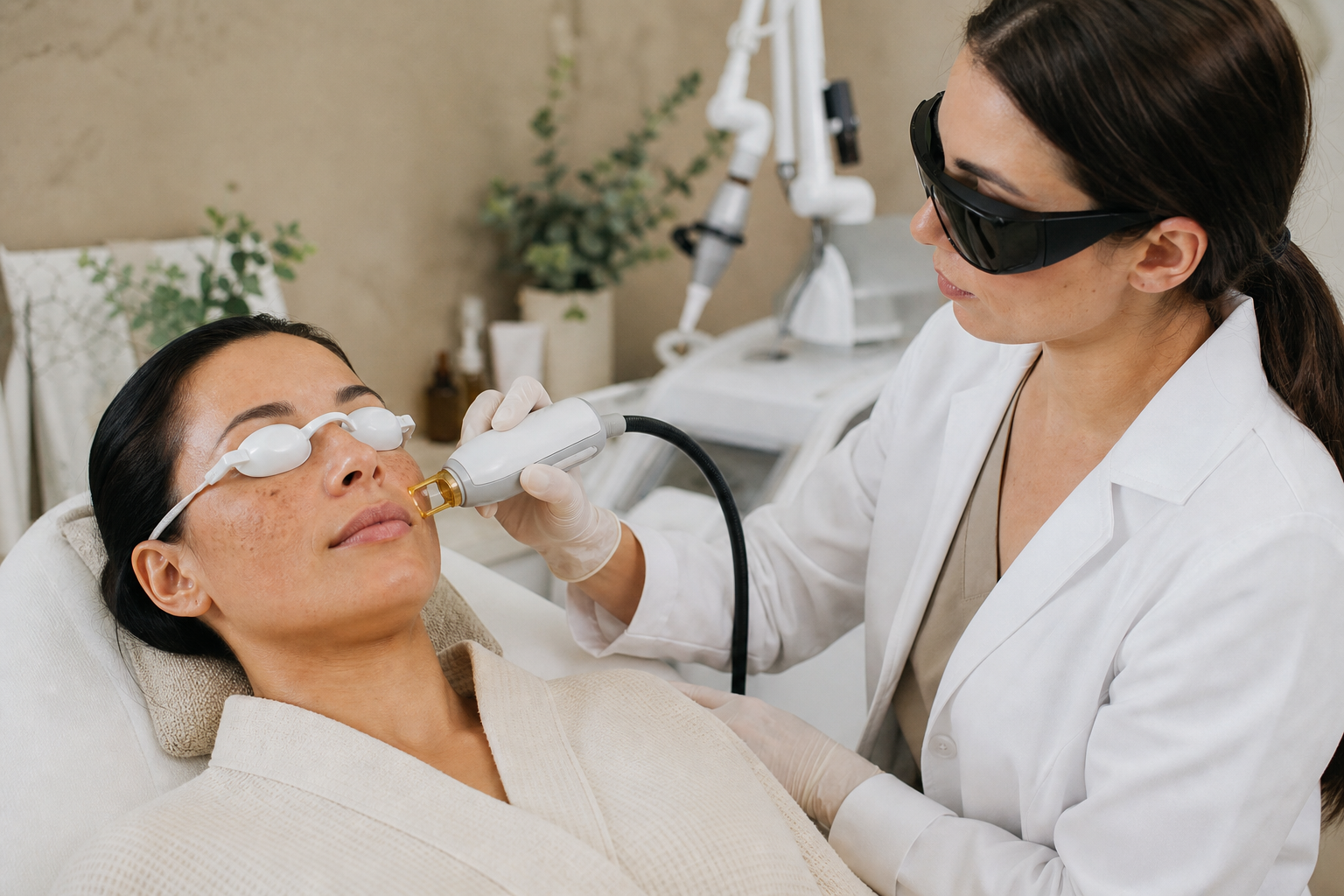
Safety of Laser Pigmentation Treatments: Skin Type, Risks and Contraindications
Laser pigmentation treatments offer targeted solutions for hyperpigmentation by selectively breaking down melanin deposits. Safety...
Read more
Best Laser for Skin Tightening and Lifting
Laser skin tightening and lifting harness advanced technology to stimulate collagen production, improving skin firmness and reduci...
Read more
The History of Botulinum Toxin: From Medical Use to Aesthetic Applications
Botulinum toxin, originally a deadly neurotoxin, has evolved into a vital therapeutic and aesthetic tool. Understanding its histor...
Read more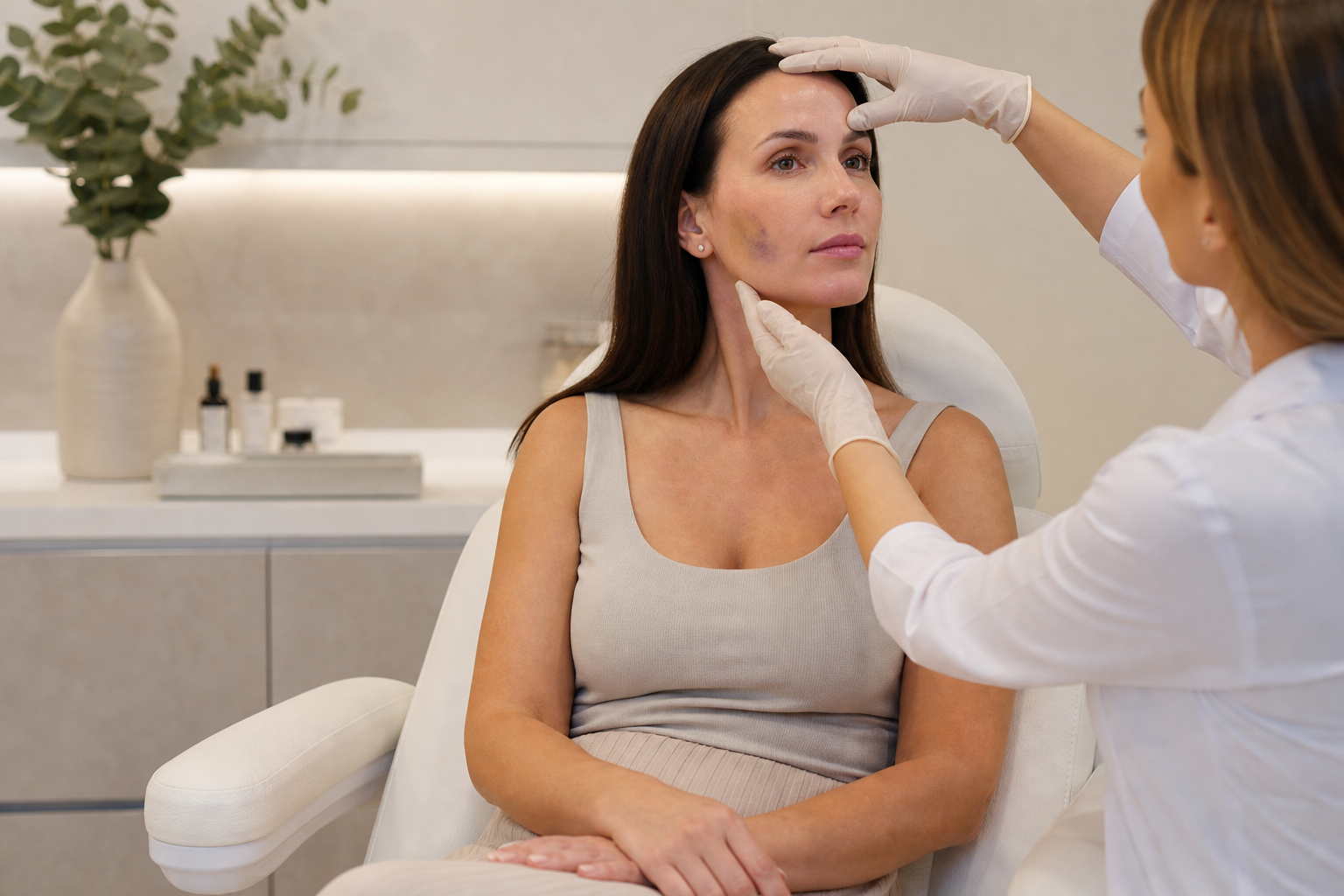
Bruising After Botox: What to Expect
Bruising is a common side effect of Botox injections caused by microvascular injury during needle insertion. Understanding its cau...
Read more
Nd:YAG Laser for Capillaries: When Is It Used?
The Nd:YAG laser offers a targeted and effective treatment for deeper and more persistent capillary issues, such as prominent redn...
Read more
Is Anesthesia Necessary for RF Treatment?
Radiofrequency (RF) skin tightening offers a non-surgical method to rejuvenate and firm skin by stimulating collagen production th...
Read more
What Happens to Tattoo Ink After Laser Treatment?
Laser tattoo removal breaks down ink particles using light energy, allowing the body’s immune system to gradually clear the fragme...
Read more
Key Questions to Ask Before Undergoing RF Lifting
RF lifting is a non-invasive procedure that uses radiofrequency energy to stimulate collagen production and tighten skin. Before u...
Read more
How to Verify the Professional Qualifications of Treatment Providers
Verifying the professional qualifications of Botox treatment providers is essential for safety and successful outcomes. This artic...
Read more
Does Laser Hair Removal Destroy the Hair Root?
Laser hair removal targets the hair root by using light energy absorbed by melanin, converting it to heat that damages the follicl...
Read more
Laser Treatment for Pigmentation and Sun Spots
Laser treatment for pigmentation and sun spots offers a targeted, non-invasive approach to soften darkened patches caused by sun e...
Read more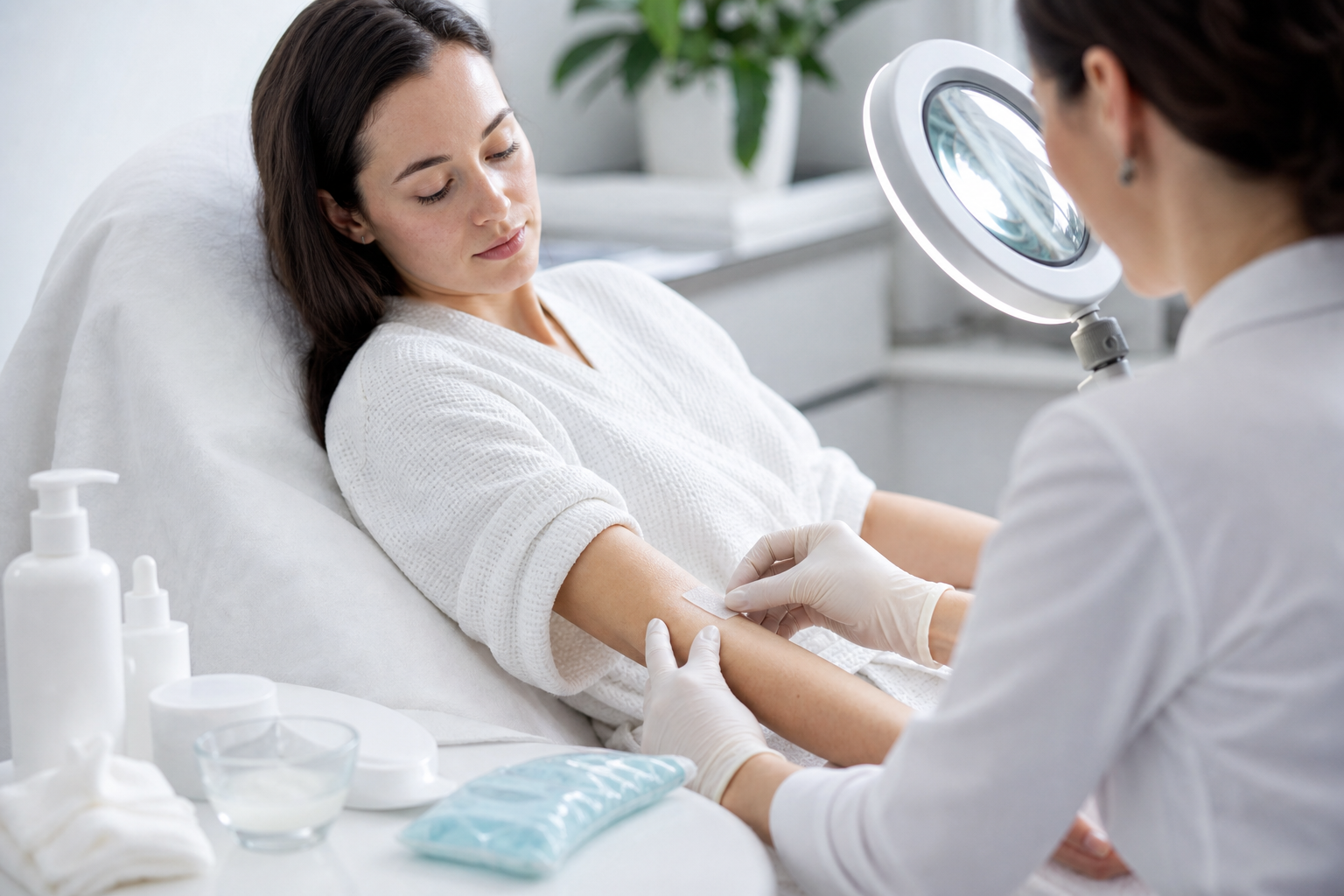
Laser Hair Removal for Sensitive Skin
Laser hair removal offers effective long-term hair reduction, but sensitive skin poses unique challenges that require careful asse...
Read more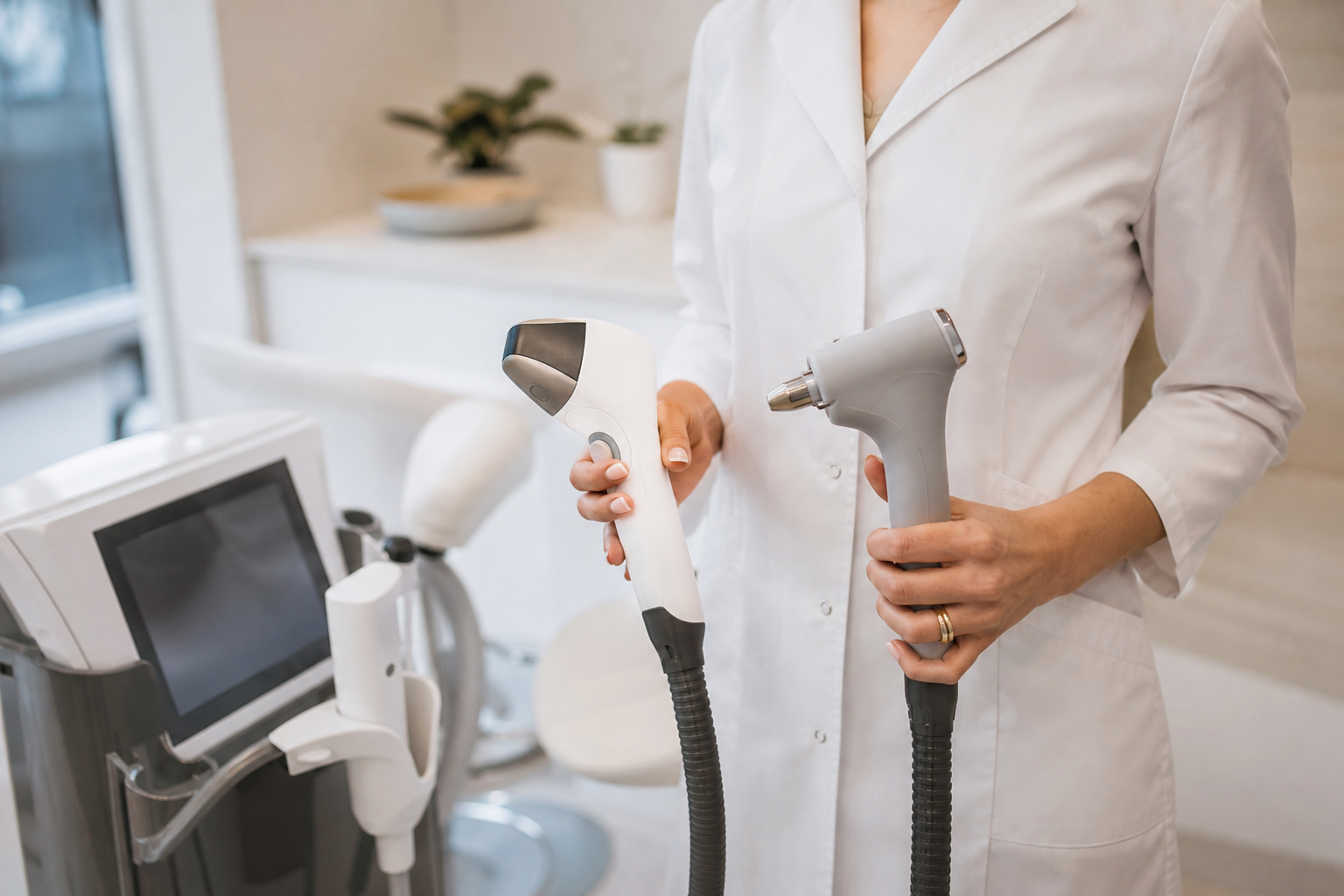
How to Check the Device and Practitioner Expertise
Ensuring the safety and success of laser and advanced skin treatments hinges on verifying both the device's certification and the...
Read more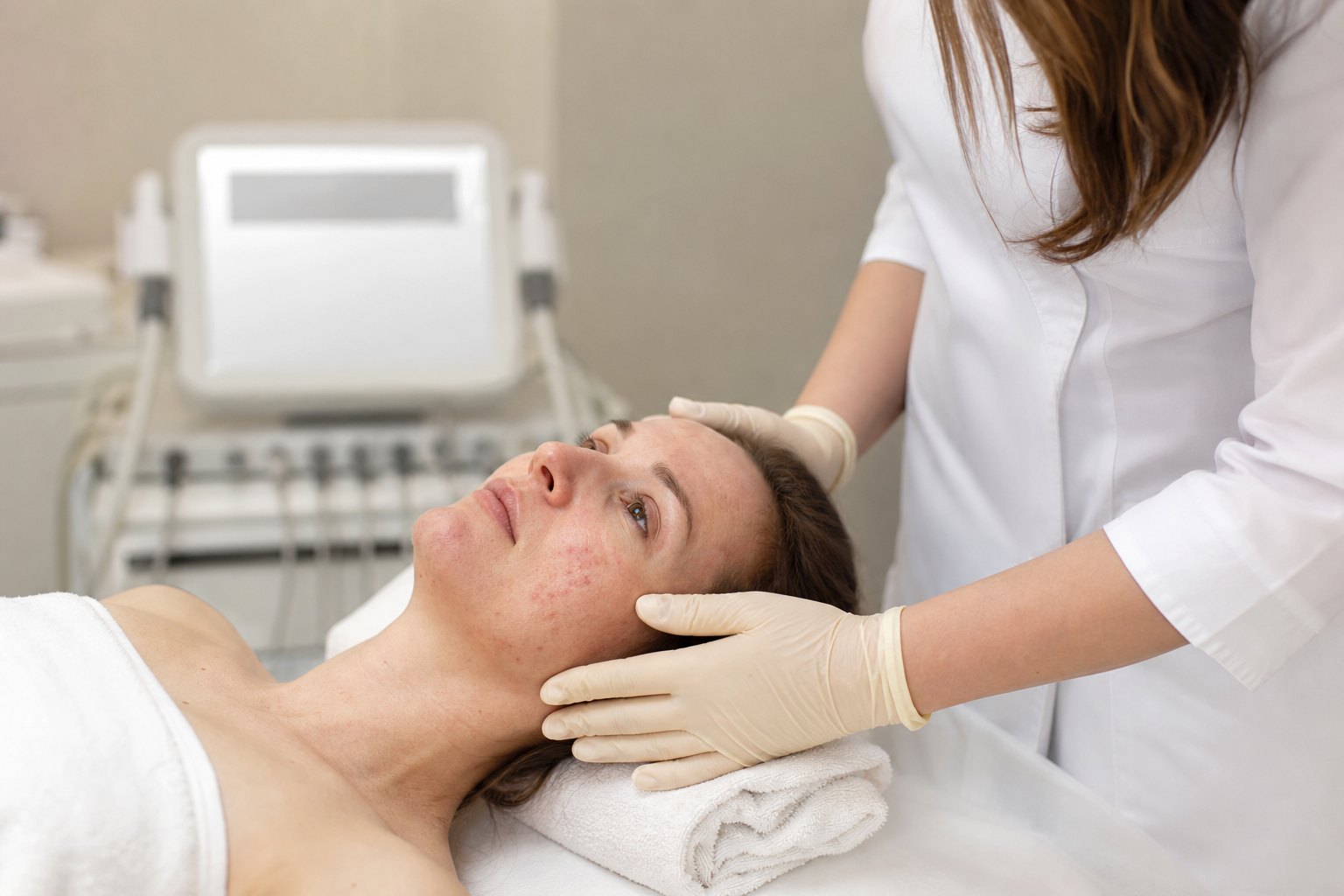
Active Infections and Radiofrequency Treatments
Radiofrequency (RF) treatments use radio waves to tighten skin by stimulating collagen production, offering non-surgical rejuvenat...
Read more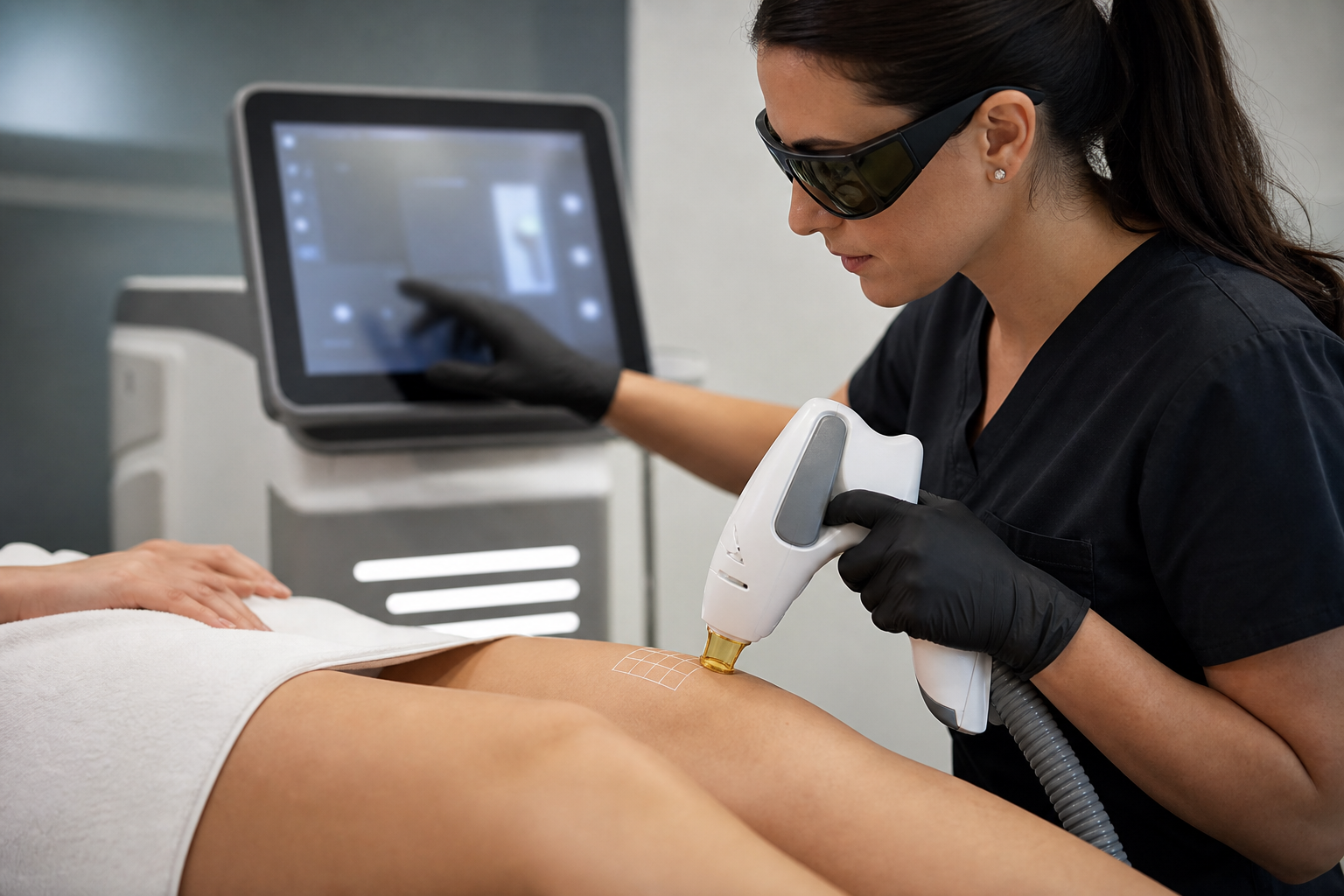
How Laser Settings Are Adapted to Skin Type
Laser settings for aesthetic treatments are expertly tailored based on individual skin phototypes, pigmentation, hair characterist...
Read more
Who Is Not a Candidate for Laser Skin Treatment?
Laser skin treatments offer effective solutions for various skin concerns but are not suitable for everyone. This article outlines...
Read more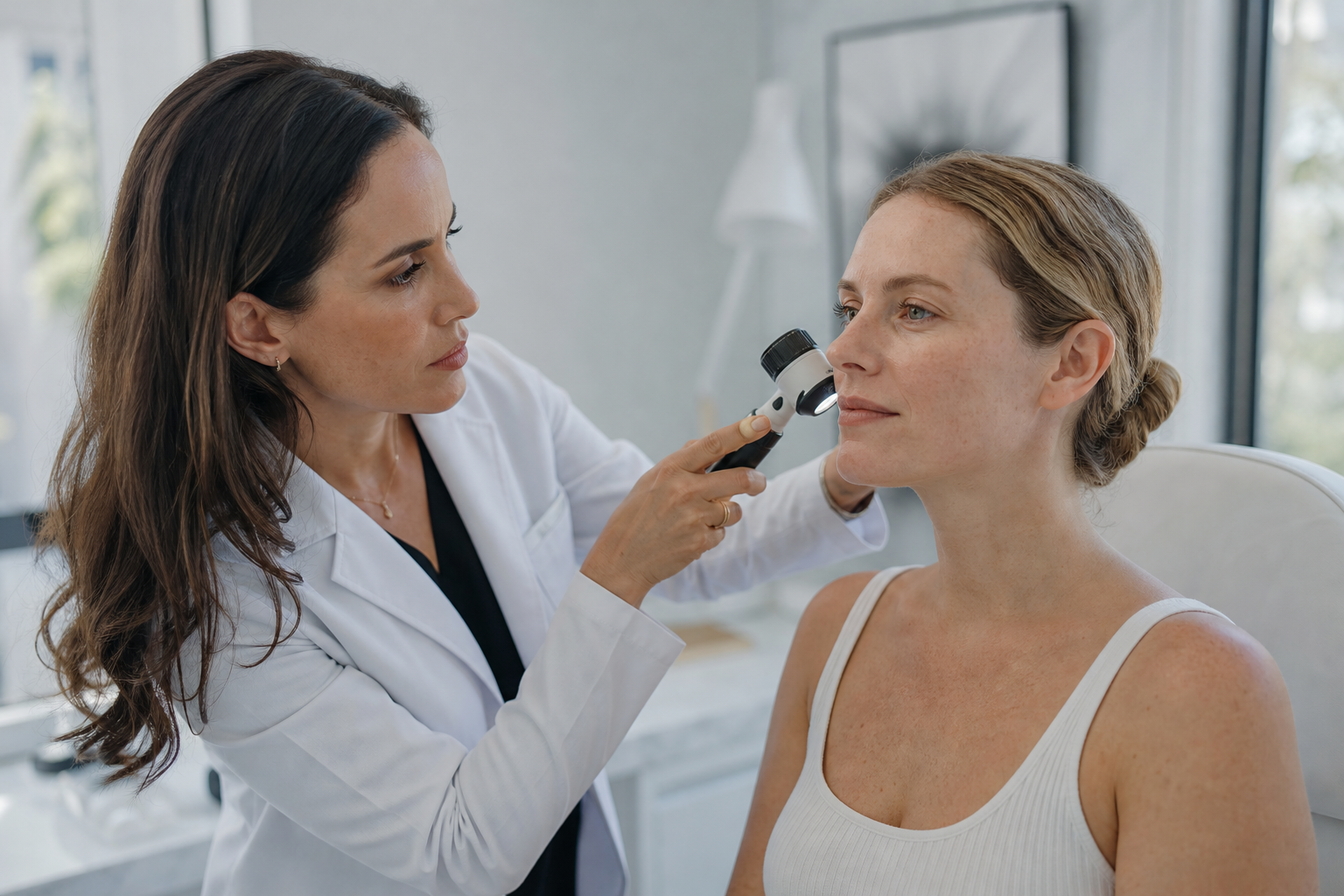
Does Laser Cure Rosacea or Just Relieve Symptoms?
Laser therapy effectively reduces facial redness and visible blood vessels in rosacea patients by targeting vascular symptoms. How...
Read more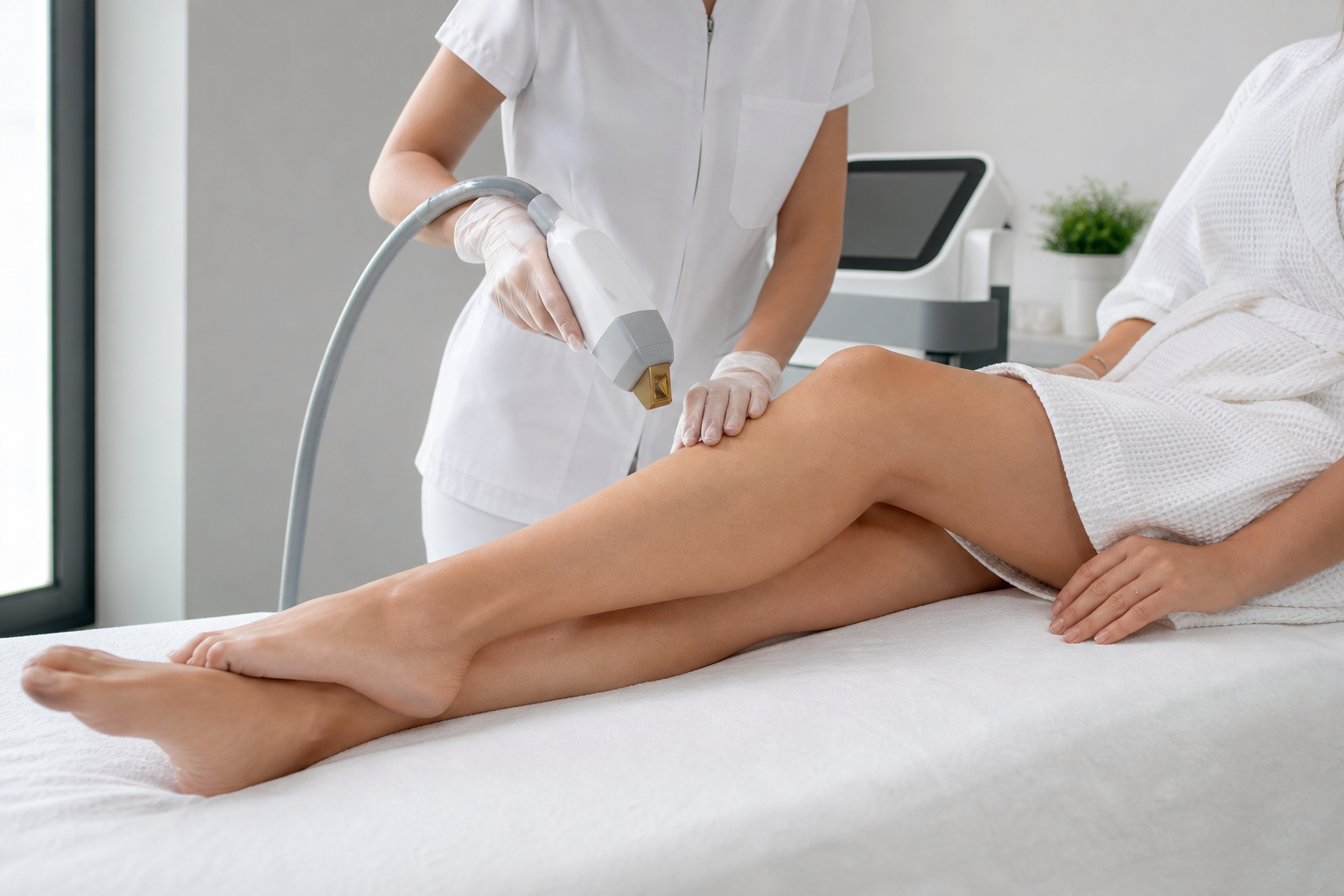
Leg Laser Hair Removal
Leg laser hair removal offers a modern solution for reducing unwanted hair across the extensive skin surface of the legs. Understa...
Read more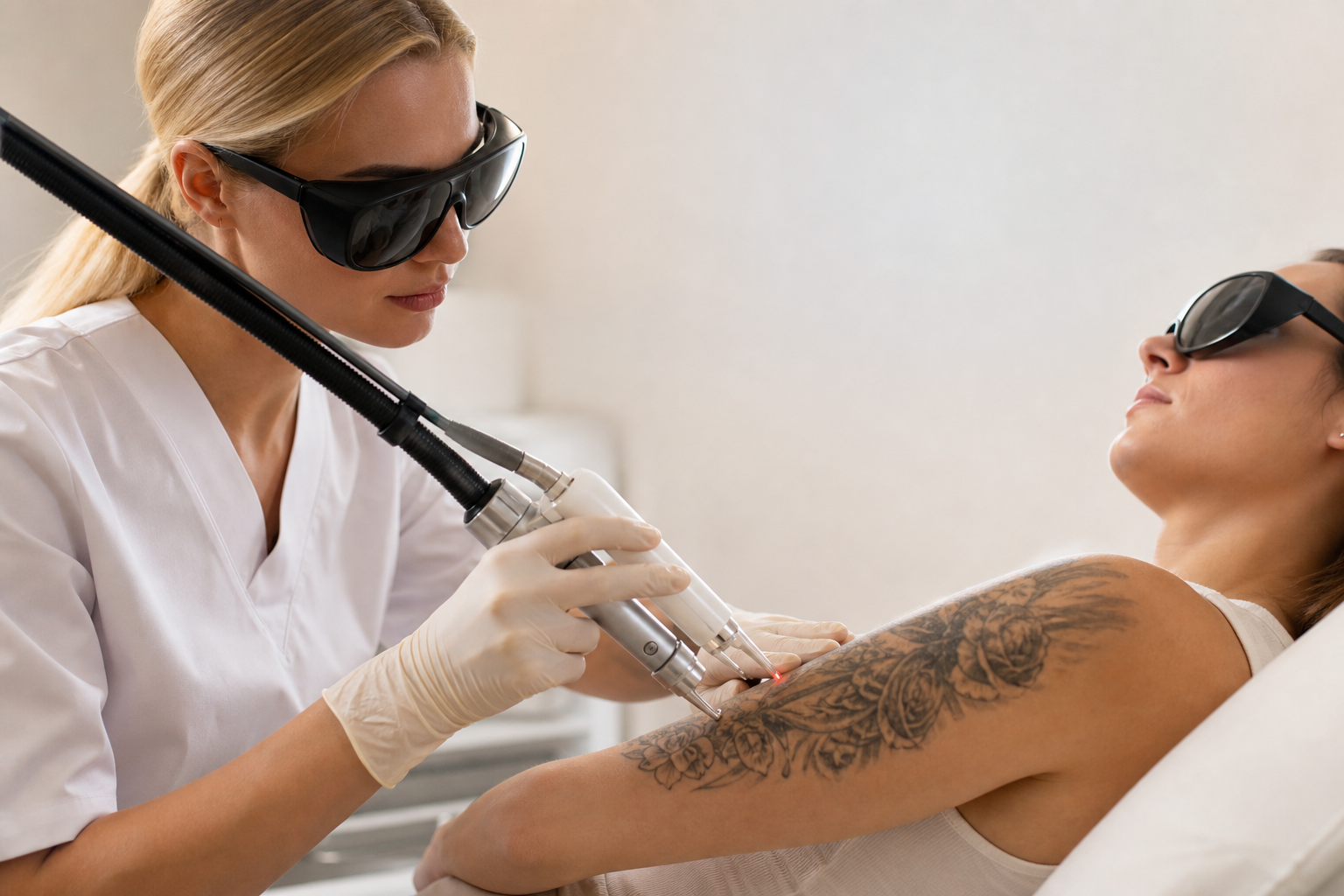
Q-Switched Lasers: How Are They Used for Tattoos?
Q-switched lasers are a leading technology for tattoo removal, offering precise targeting of ink pigments with minimal skin damage...
Read more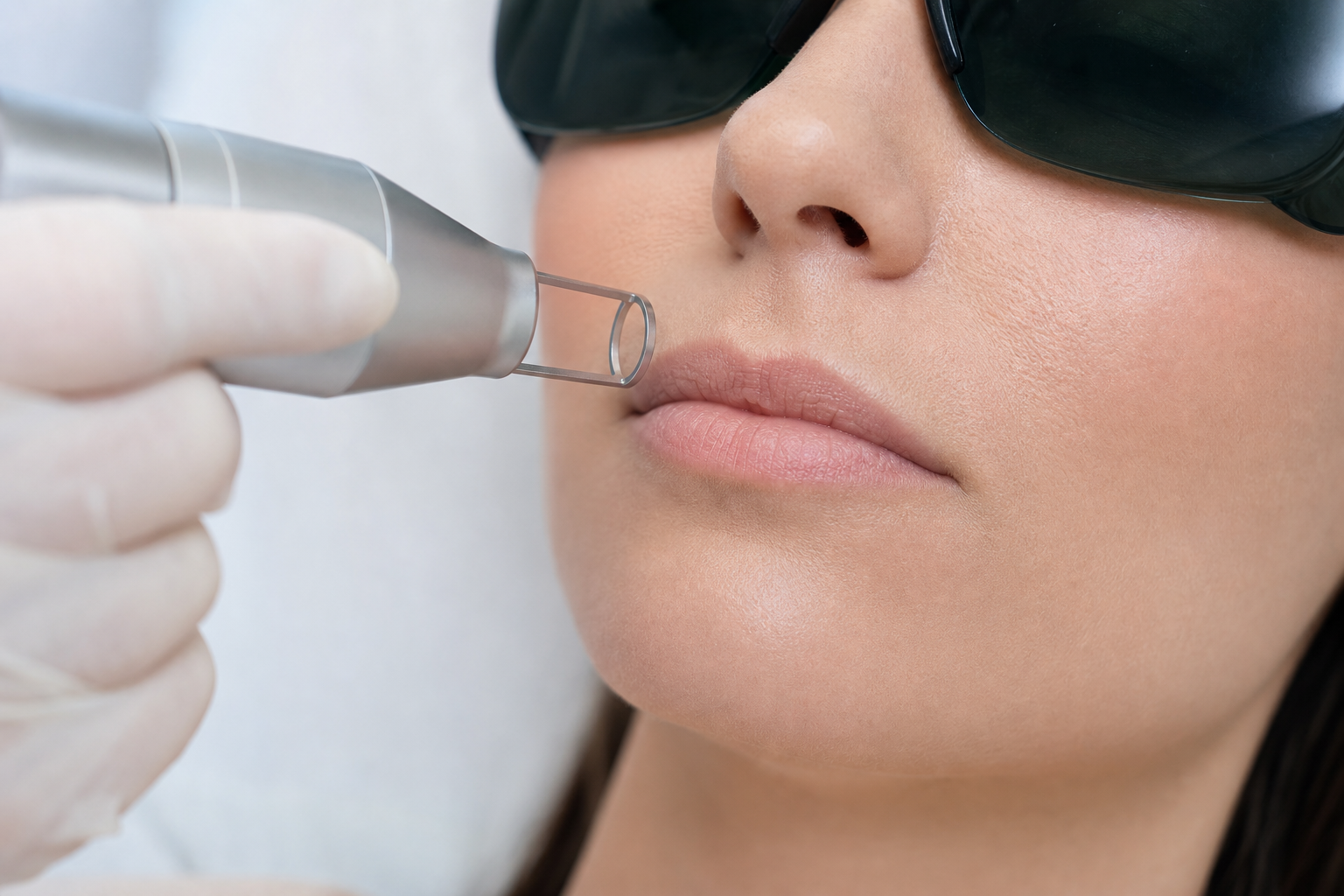
Upper Lip Laser Hair Removal
Upper lip laser hair removal offers a precise, long-term solution to persistent hormonal hair growth above the lip. This treatment...
Read more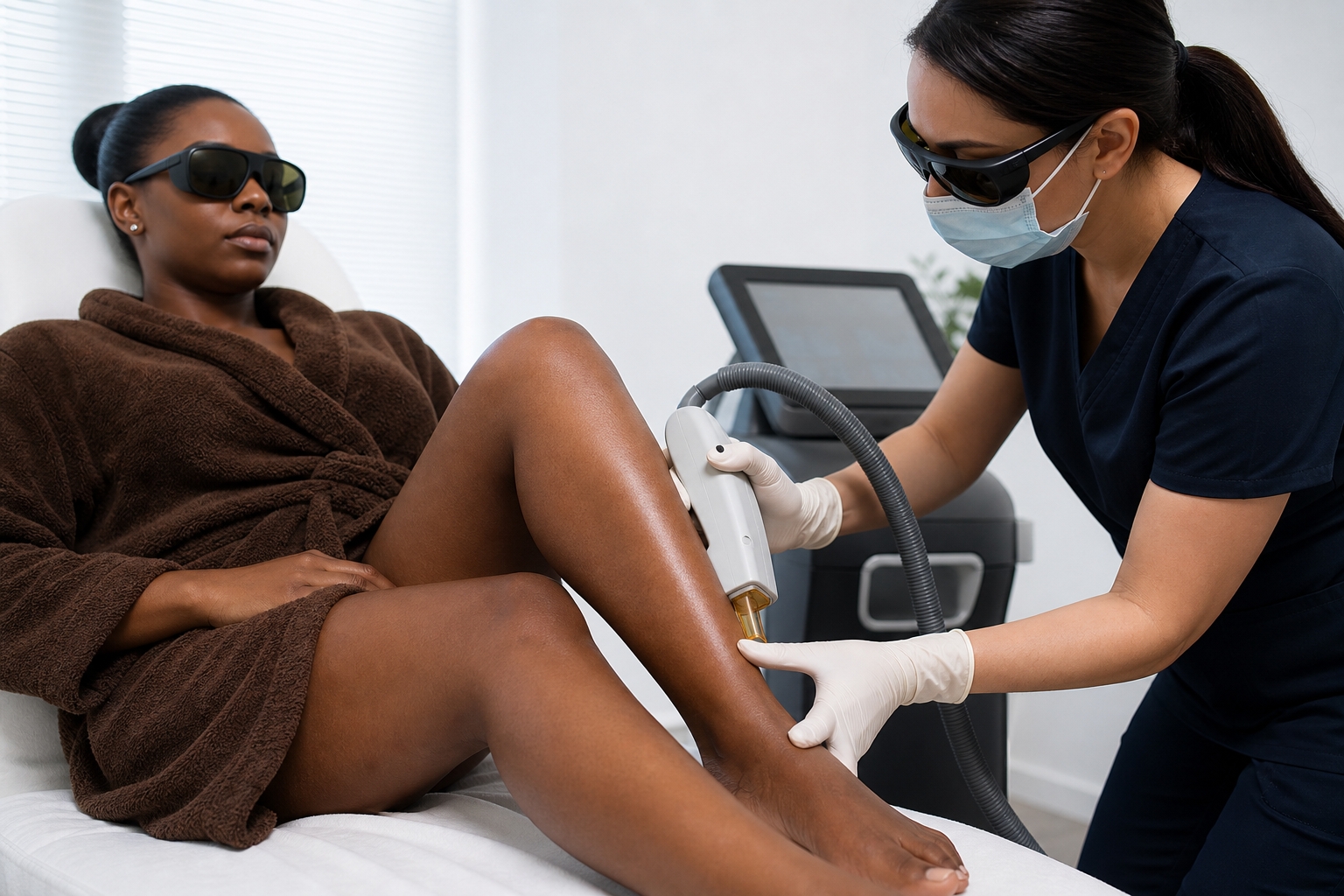
Laser Hair Removal for Dark Skin
Laser hair removal for dark skin involves unique considerations due to higher melanin levels that reduce contrast between hair and...
Read more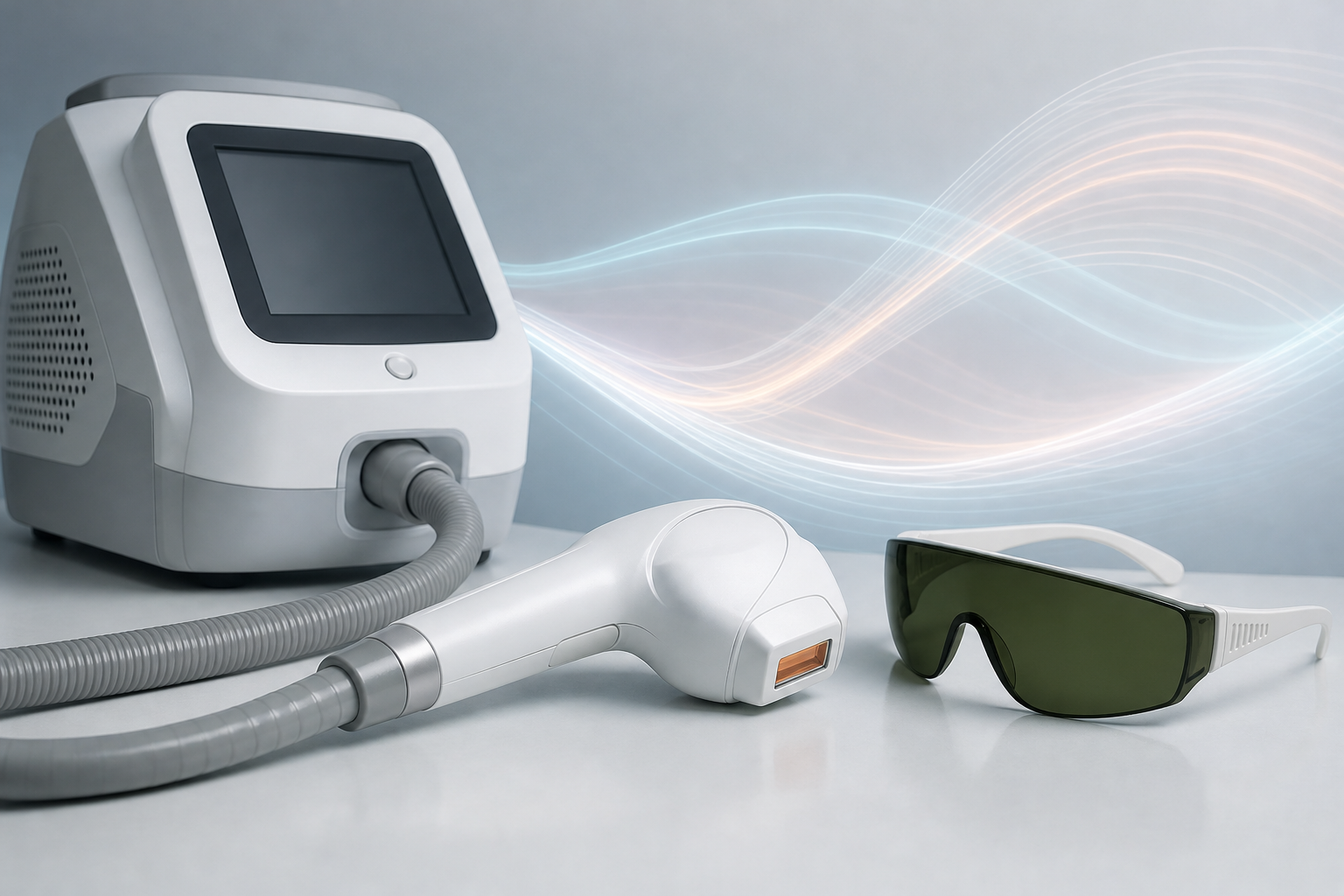
Arm Laser Hair Removal
Arm laser hair removal offers a precise method to reduce unwanted hair on the upper arms, forearms, and hands, addressing variatio...
Read more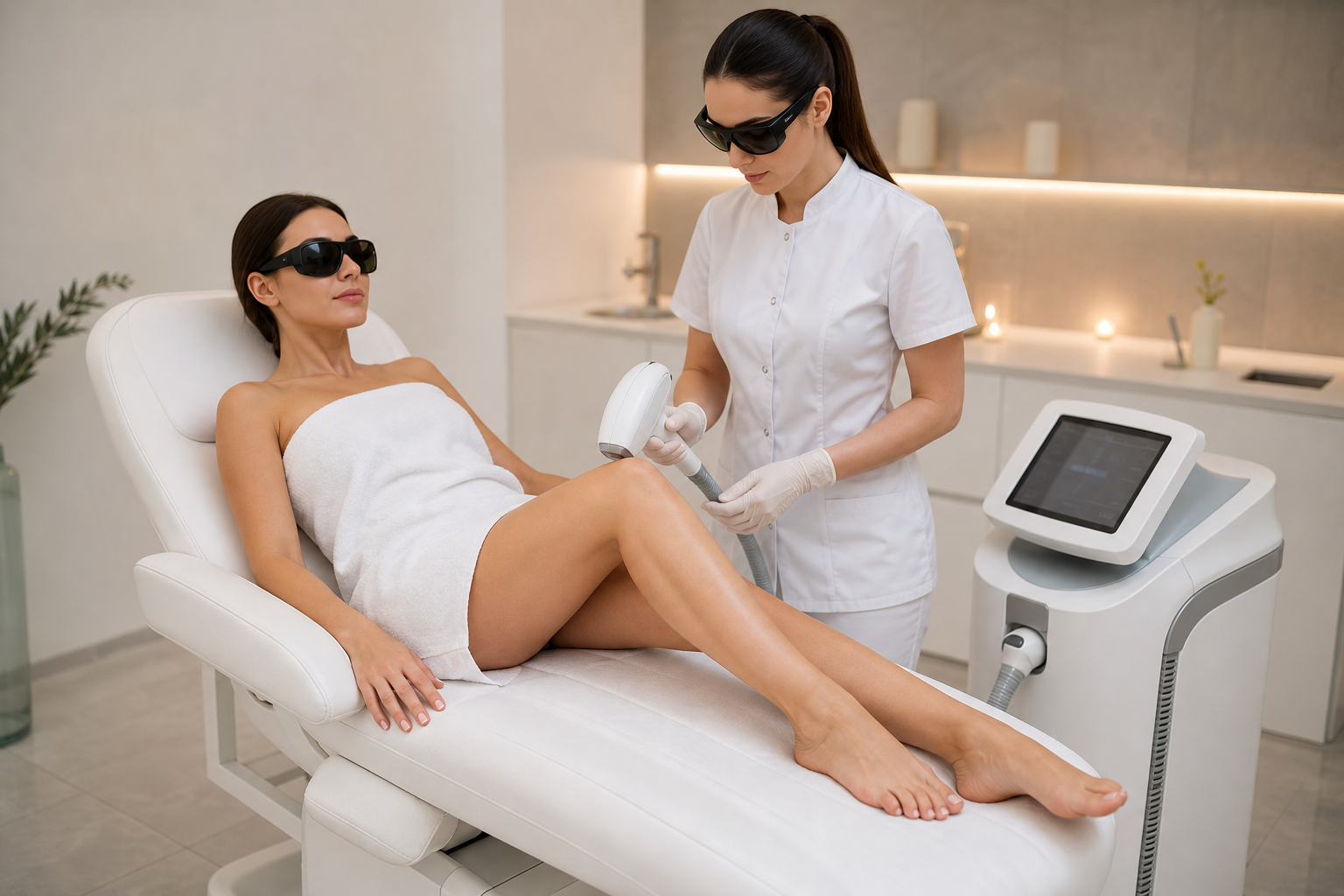
Diode Laser – Complete Guide to Technology, Applications and Results
The diode laser offers advanced, targeted solutions for hair removal, skin rejuvenation, pigmentation correction, and vascular tre...
Read more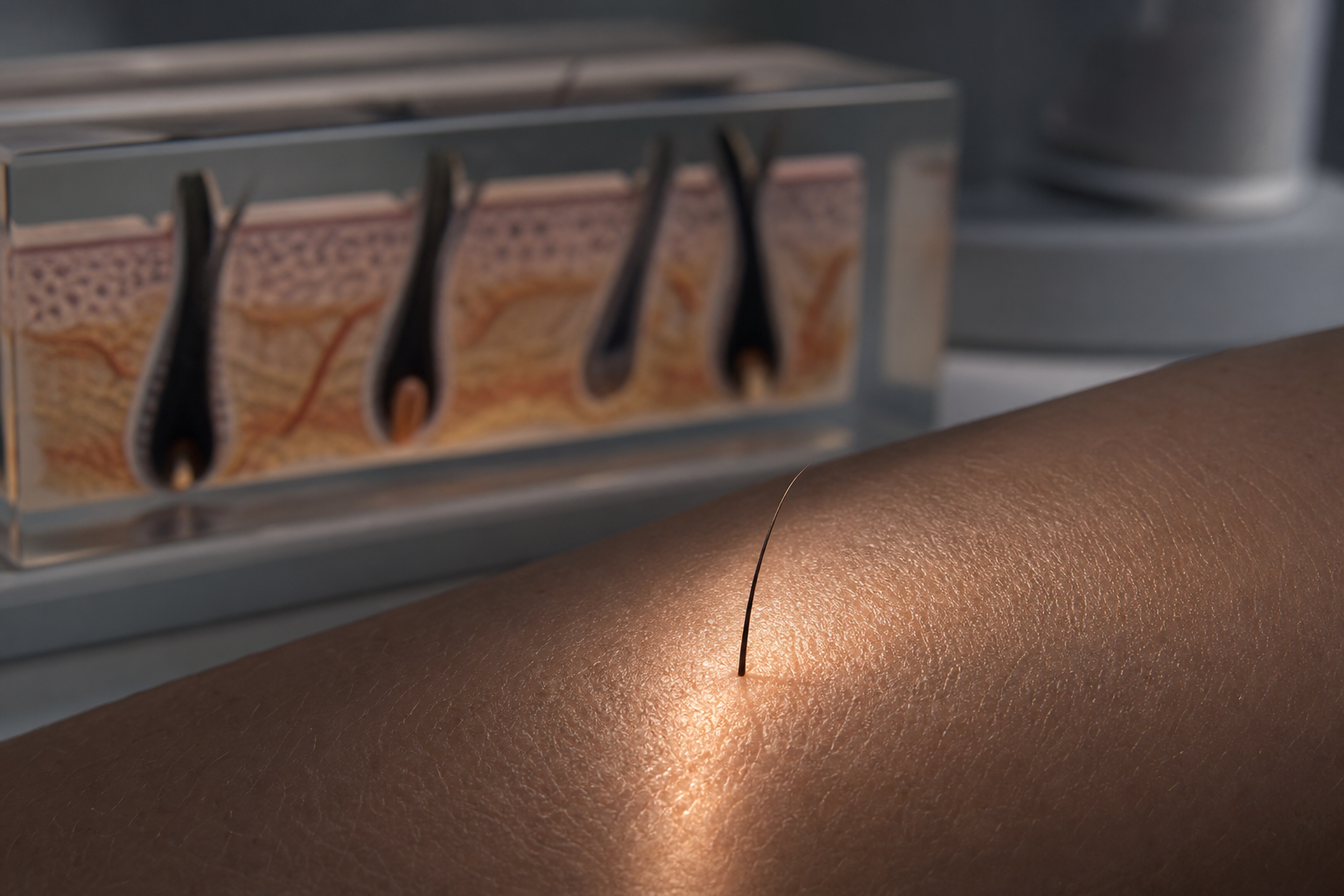
Why Dark Hair Often Responds Best to Laser
Laser hair removal is most effective on dark hair due to its high melanin content, which absorbs laser energy more efficiently. Th...
Read more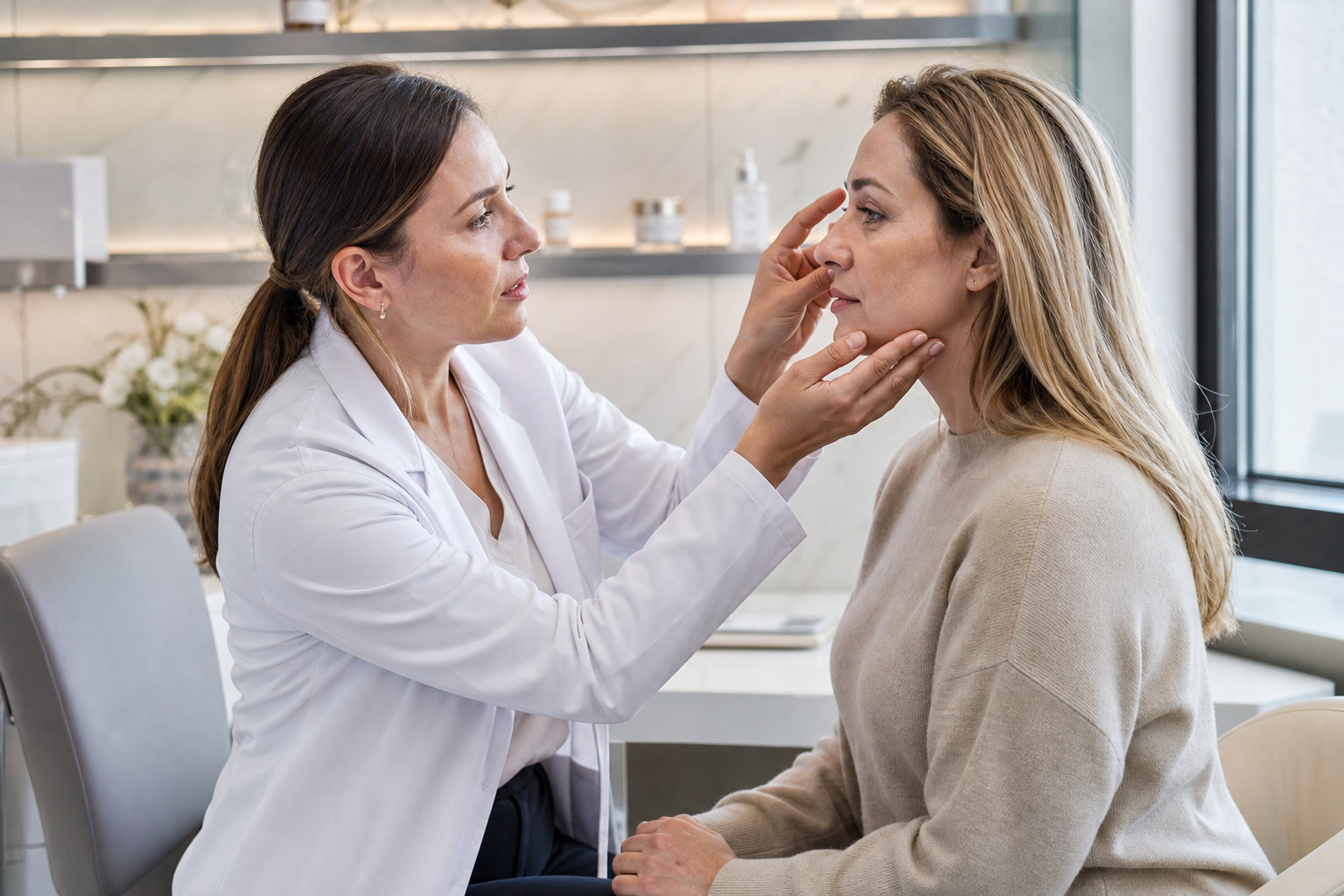
Who Should Perform Laser Skin Rejuvenation?
Laser skin rejuvenation requires expert handling to ensure safety and effective results. This article clarifies who should perform...
Read more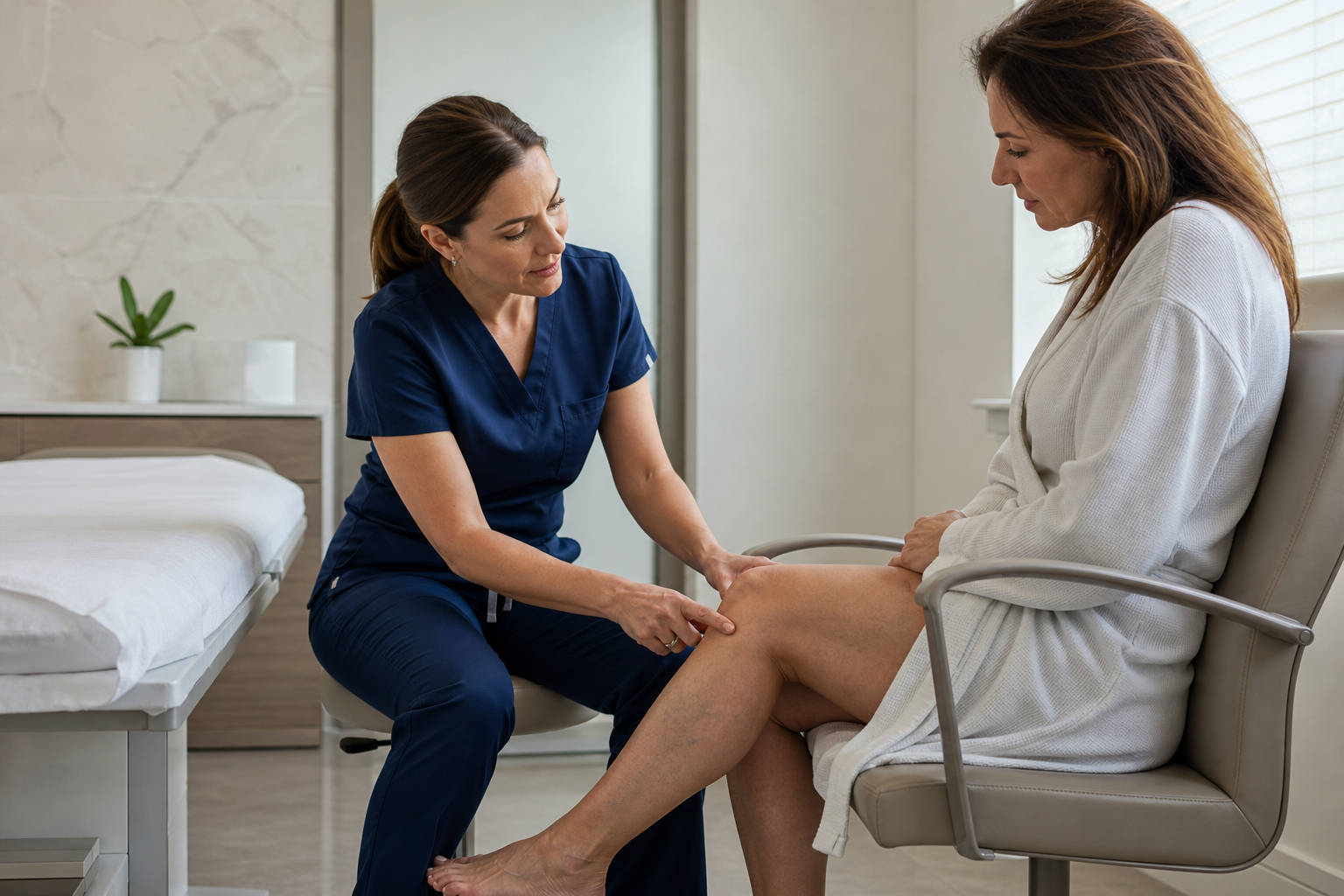
When Can You Use Makeup After Treatment?
Laser treatment for capillaries and redness requires a careful makeup-free recovery to protect the healing skin barrier. Timing to...
Read more
Itching After Laser Hair Removal
Itching after laser hair removal is a common, temporary response caused by heat, dryness, or slight inflammation around hair folli...
Read more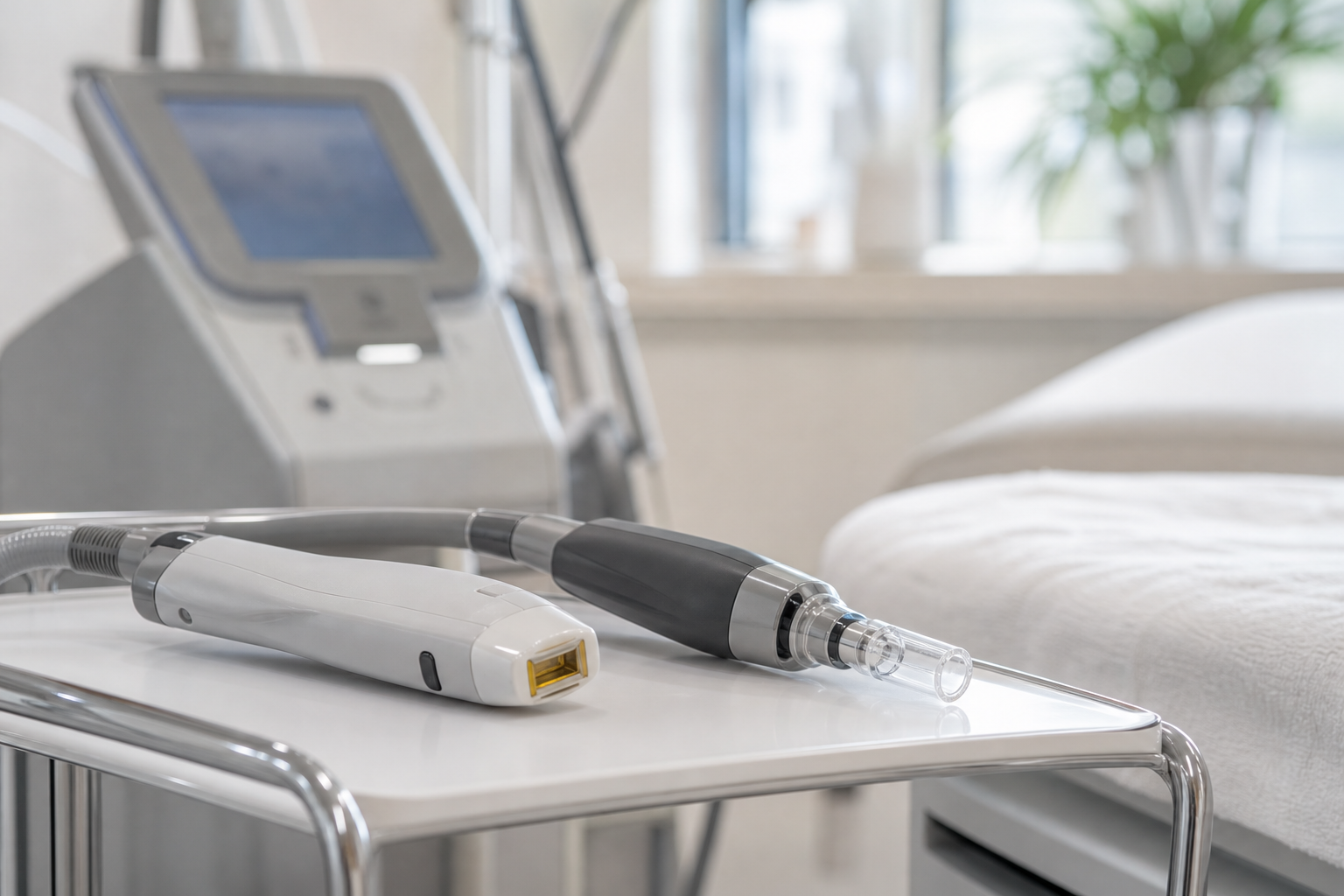
Can Laser Improve the Appearance of Skin Laxity?
Laser treatments offer a non-surgical approach to improve the appearance of mild to moderate skin laxity by stimulating collagen p...
Read more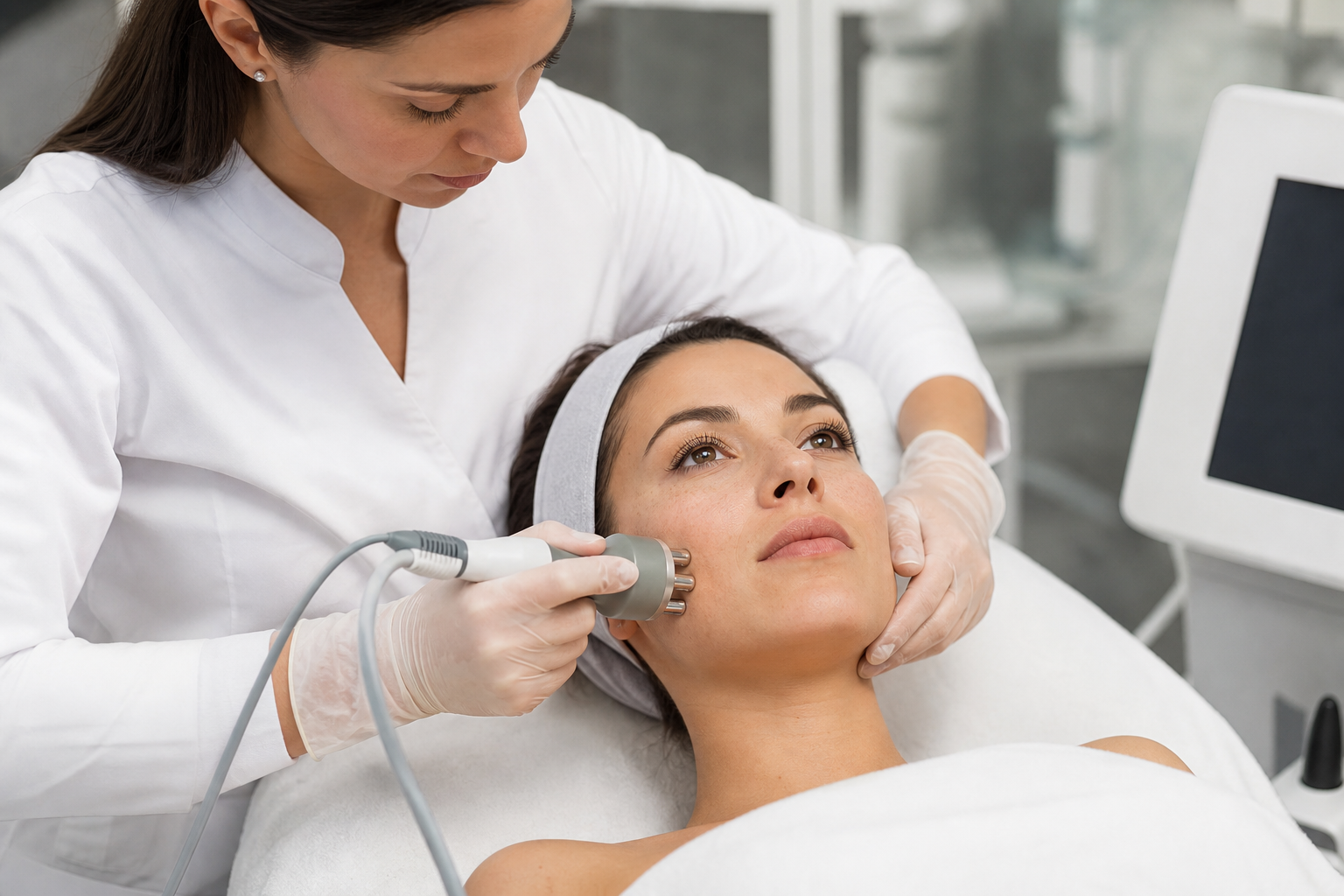
Bipolar RF: Features and Facial Applications
Bipolar RF is a precise, non-invasive facial treatment that uses controlled radiofrequency energy to stimulate collagen and elasti...
Read more
Bikini Line Laser Hair Removal
Laser hair removal for the bikini line offers a long-term solution for reducing unwanted hair in intimate areas. Understanding the...
Read more
Nd:YAG Laser – Complete Guide to Technology, Applications and Results
The Nd:YAG laser is a versatile tool in dermatology and aesthetic medicine, effective for hair removal, vascular lesions, pigmenta...
Read more
Q-Switched Nd:YAG Laser for Pigmentation: How It Works and What It Treats
The Q-switched Nd:YAG laser offers a precise, minimally invasive approach to treating various pigmentation disorders by targeting...
Read more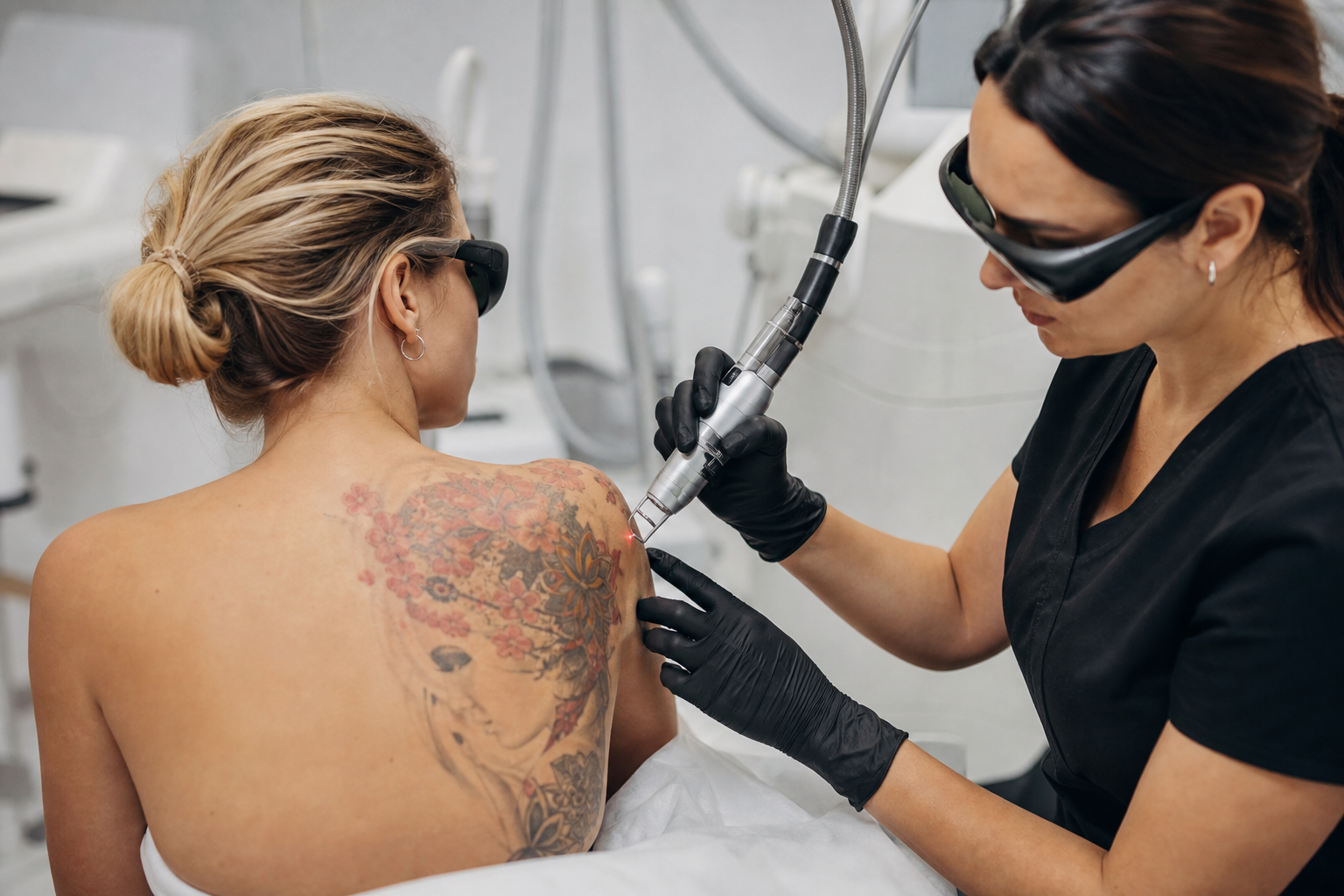
Laser Removal of Red Tattoos
Laser removal of red tattoos involves unique challenges due to the complex chemistry of red pigments and their varied response to...
Read more
Alexandrite vs Nd:YAG Laser – Which Is Better for Laser Hair Removal?
Laser hair removal using Alexandrite and Nd:YAG lasers offers tailored solutions based on skin type and hair characteristics. Unde...
Read more
Is It Possible to Tighten Skin Without Surgery?
Non-surgical skin tightening offers a promising alternative for individuals seeking firmer, younger-looking skin without surgery....
Read more
When Do Laser Rejuvenation Results Become Visible?
Laser rejuvenation results vary based on the type of laser used. Ablative treatments yield visible changes after an initial healin...
Read more
Laser Hair Removal for Light Skin
Laser hair removal for light skin relies on the contrast between skin tone and hair color to optimize effectiveness and safety. Un...
Read more
Which Laser Is Used for Which Skin Concern?
This article provides a medically-informed guide to selecting appropriate laser treatments for various skin concerns. It clearly d...
Read more
Tanning Beds and Laser Hair Removal
Tanning beds emit intense UV rays that increase skin pigment and can elevate risks like burns and pigment changes during laser hai...
Read more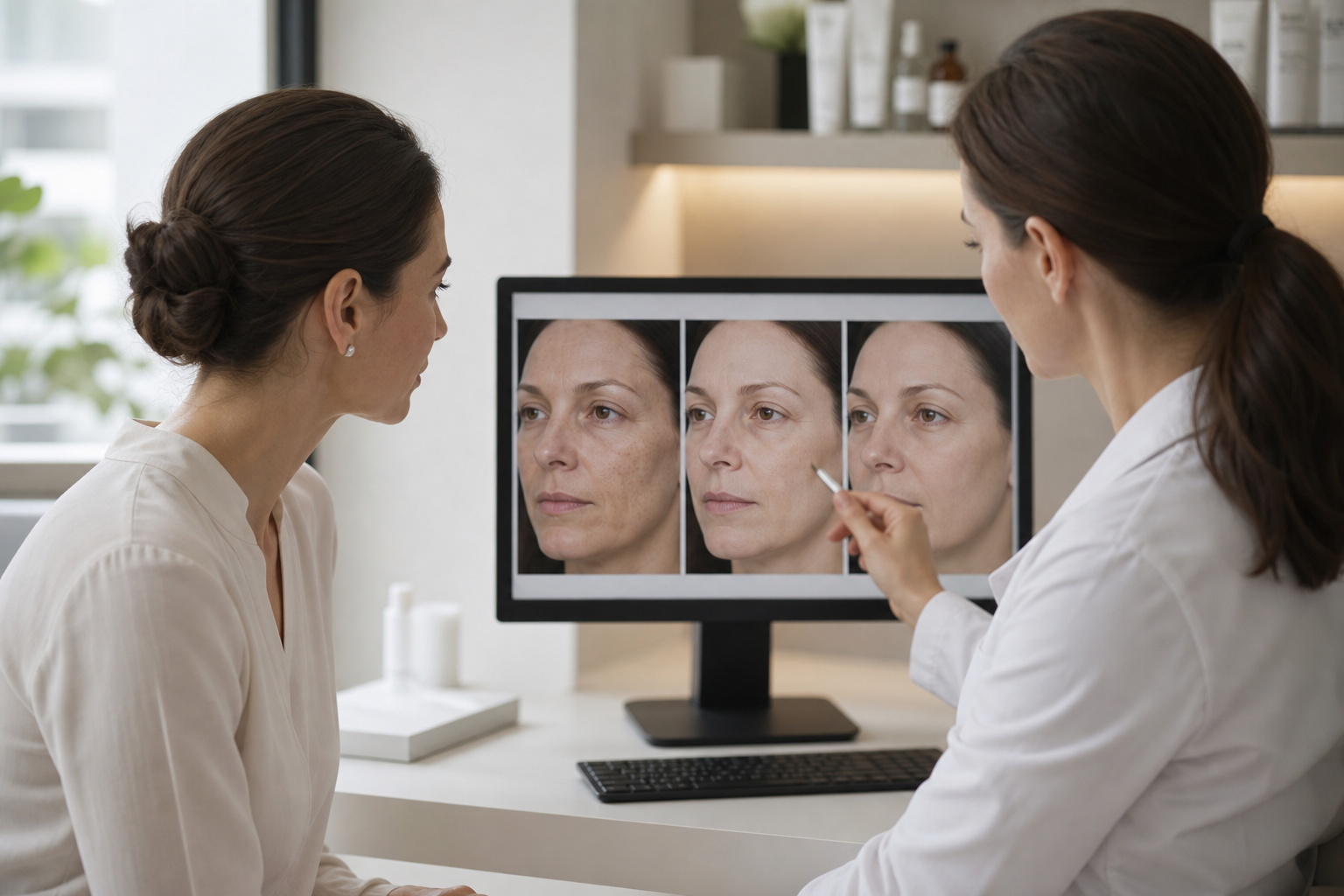
Laser Rejuvenation Results – When They Appear and How Long They Last
Laser rejuvenation offers a scientifically supported method to gradually improve skin texture, tone, and elasticity by stimulating...
Read more
Facial Laser Treatment – Preparation, Procedure and Recovery
Facial laser treatment offers a precise approach to skin rejuvenation, targeting aging signs, pigmentation, and scars with tailore...
Read more
Neck Laser Hair Removal
Neck laser hair removal effectively removes unwanted hair from both the front and back of the neck using precise laser technology....
Read more
Laser Treatment for Post-Inflammatory Hyperpigmentation and Acne Marks
Post-inflammatory hyperpigmentation (PIH) and acne marks are common and challenging skin concerns resulting from inflammation. Las...
Read more
Laser Treatment for Melasma: Benefits, Limitations and Risk of Recurrence
Laser treatment for melasma offers a nuanced option that can improve pigmentation, especially when topical therapies fail. However...
Read more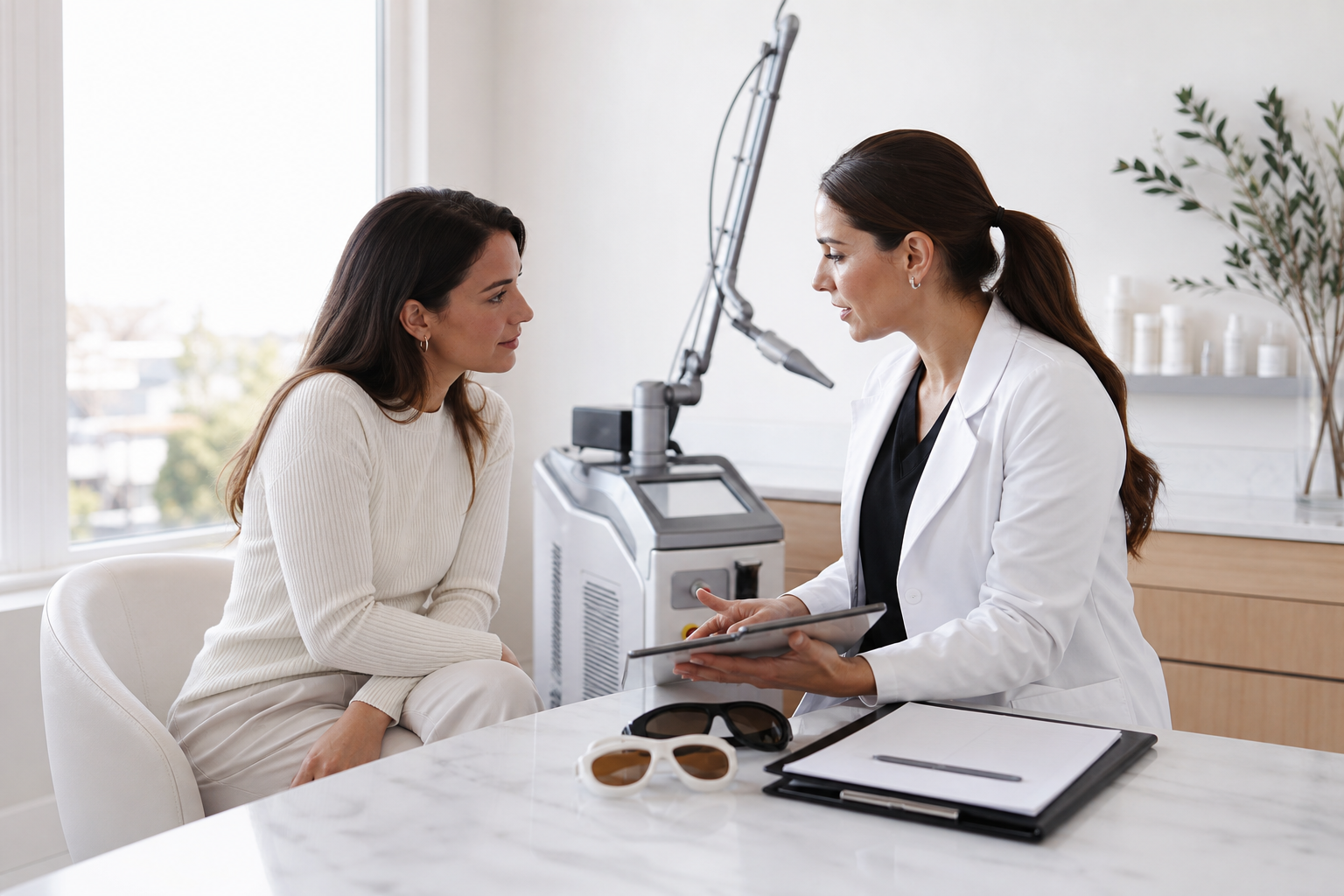
How to Choose a Laser Treatment and a Reputable Clinic
Choosing the right laser treatment and a reputable clinic requires understanding your skin type, specific concerns, and realistic...
Read more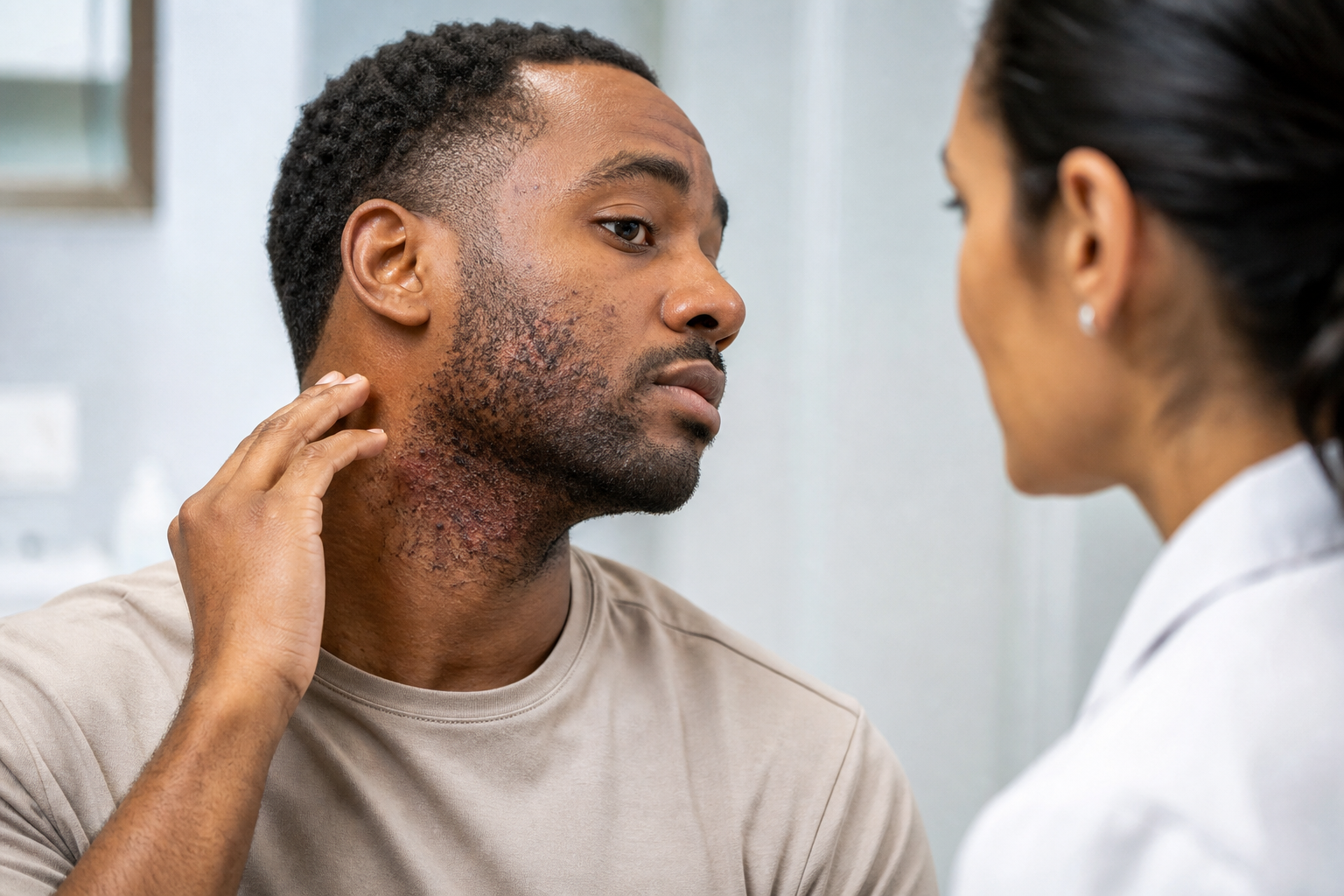
Male Beard Laser Hair Removal and Ingrown Hairs
Pseudofolliculitis barbae causes inflamed ingrown beard hairs, especially in men with coarse, curved hair. Proper shaving and lase...
Read more
What to Do After Laser Hair Removal
Laser hair removal requires careful aftercare to ensure safety and optimal results. Key steps include gentle cooling, mild cleansi...
Read more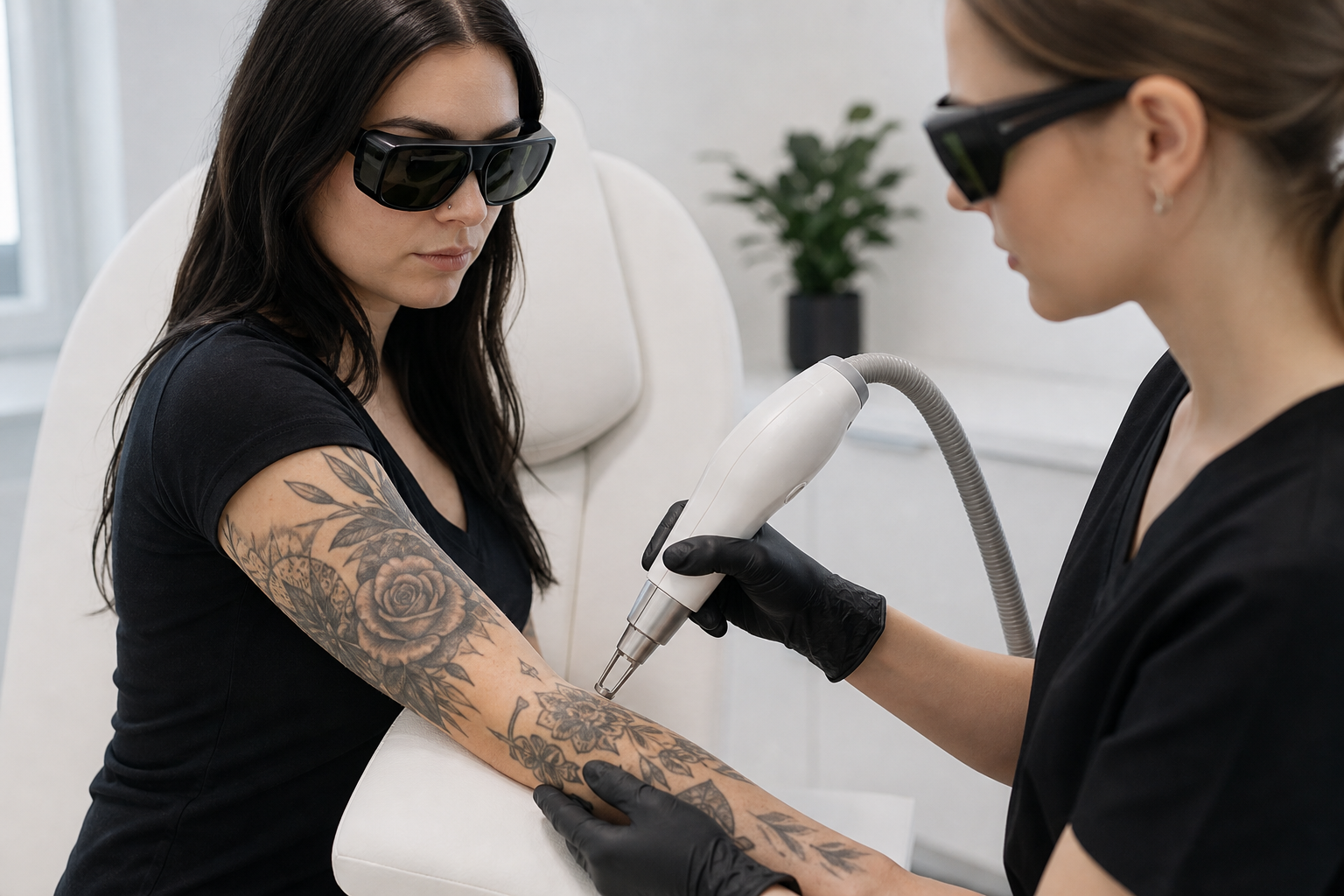
Why Are Black Tattoos Usually the Easiest to Remove?
Black tattoos are typically the easiest to remove because their carbon-based pigments absorb laser wavelengths more effectively, a...
Read more
Chin Laser Hair Removal
Chin laser hair removal offers women a targeted approach to reduce unwanted facial hair, particularly influenced by hormones or PC...
Read more
Laser Treatment for Wrinkles – What Can You Realistically Expect?
Laser treatment for wrinkles offers a promising non-invasive method to soften fine lines and enhance skin texture. This article ex...
Read more
Pulsed Dye Laser: Which Red Skin Lesions Does It Treat?
Pulsed dye laser (PDL) effectively treats various red skin lesions by targeting abnormal blood vessels with precise wavelength ene...
Read more
Laser Hair Removal for the Face
Laser hair removal for the face offers women a long-lasting solution to unwanted facial hair by targeting hair follicles with spec...
Read more
Laser Hair Removal Results After 6 Sessions: What to Expect
After six laser hair removal sessions, most individuals experience significant hair thinning, slower regrowth, and finer hair stra...
Read more
Why Do Capillaries Burst on the Face?
Visible facial capillaries, or telangiectasias, appear as tiny red or blue lines on the skin and result from dilated or damaged ve...
Read more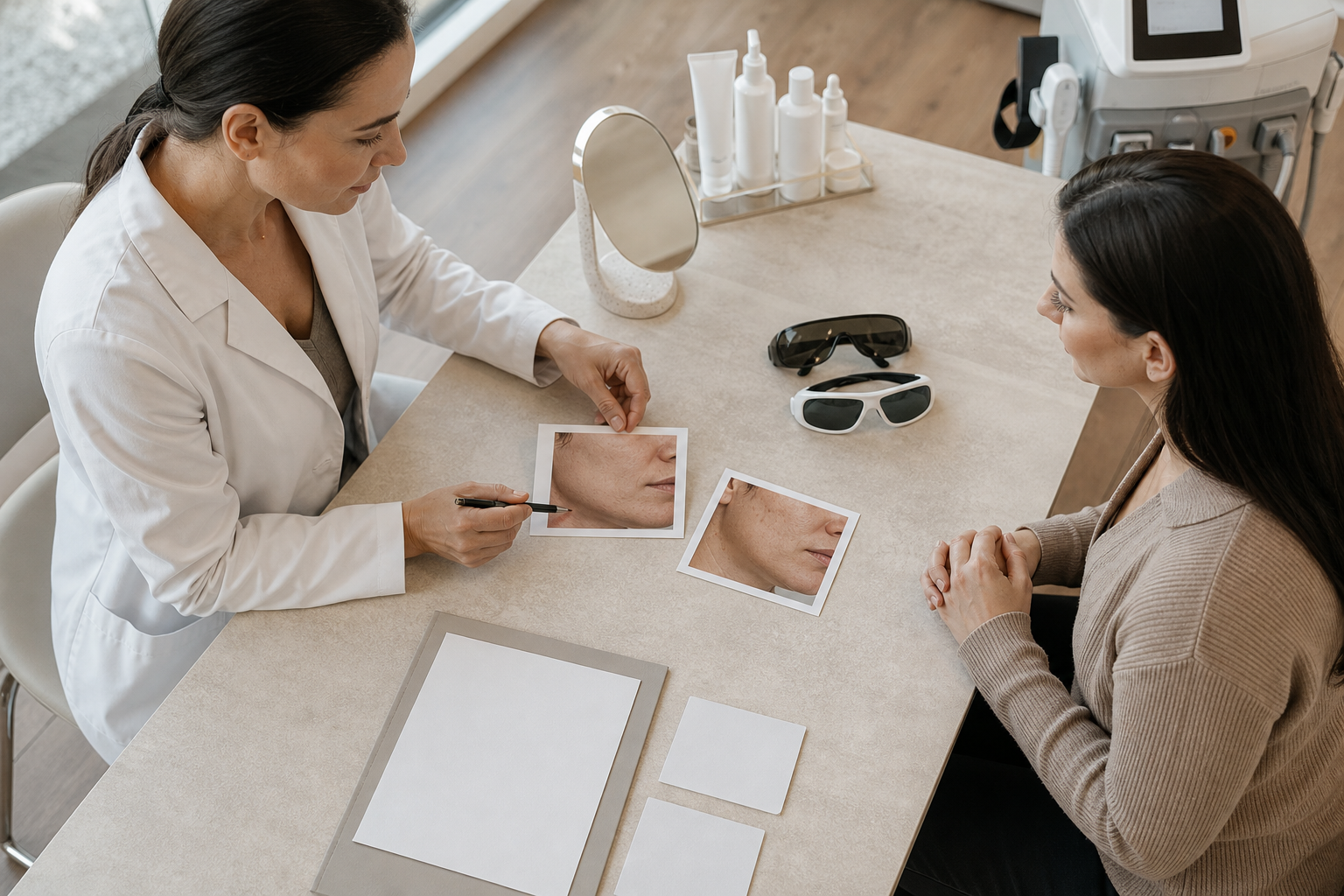
Laser or Microneedling for Scars and Skin Texture?
This article compares laser therapy and microneedling for treating scars and improving skin texture, highlighting their mechanisms...
Read more
How to Care for Skin After a Laser Treatment
Effective skin care after laser treatment is crucial for promoting healing, minimizing complications, and enhancing results. Tailo...
Read more
Monopolar vs. Bipolar RF for Facial Rejuvenation: Which Is Right for You?
Radiofrequency (RF) skin tightening offers non-invasive facial rejuvenation through monopolar and bipolar technologies, each deliv...
Read more
Why Are There No Results After the First Laser Session?
Laser hair removal results are not immediately visible after the first session due to the hair growth cycle and follicle activity....
Read more
Neck Laser Hair Removal for Men
Neck laser hair removal for men addresses unique hair growth patterns and skin sensitivities to reduce shaving irritation, ingrown...
Read more
Does Laser Treatment Stimulate Collagen Production?
Laser treatments stimulate collagen production by activating the skin's natural repair processes through controlled injury or ther...
Read more
Laser Treatment for Enlarged Pores and Uneven Skin Texture
Laser treatment for enlarged pores and uneven skin texture offers a dermal remodeling approach that improves skin smoothness and r...
Read more
Laser Removal of Permanent Eyebrows
Laser removal of permanent eyebrows offers a precise and medically responsible approach to fade or eliminate unwanted micropigment...
Read more
Medical Laser or Cosmetic Device – What Is the Difference?
Medical lasers and cosmetic devices serve distinct roles in skin treatments, differing primarily in regulation, intensity, and cli...
Read more
Can Facial Laser Treatment Be Done in Summer?
Facial laser treatments can be performed in summer but require careful consideration due to increased skin sensitivity from UV exp...
Read more
RF Lifting During Pregnancy and Breastfeeding
RF lifting is a skin-tightening procedure that stimulates collagen production for a youthful appearance. During pregnancy and brea...
Read more
Combining Lasers with Other Aesthetic Procedures
Combining lasers with other aesthetic procedures allows for tailored skin rejuvenation addressing multiple concerns concurrently....
Read more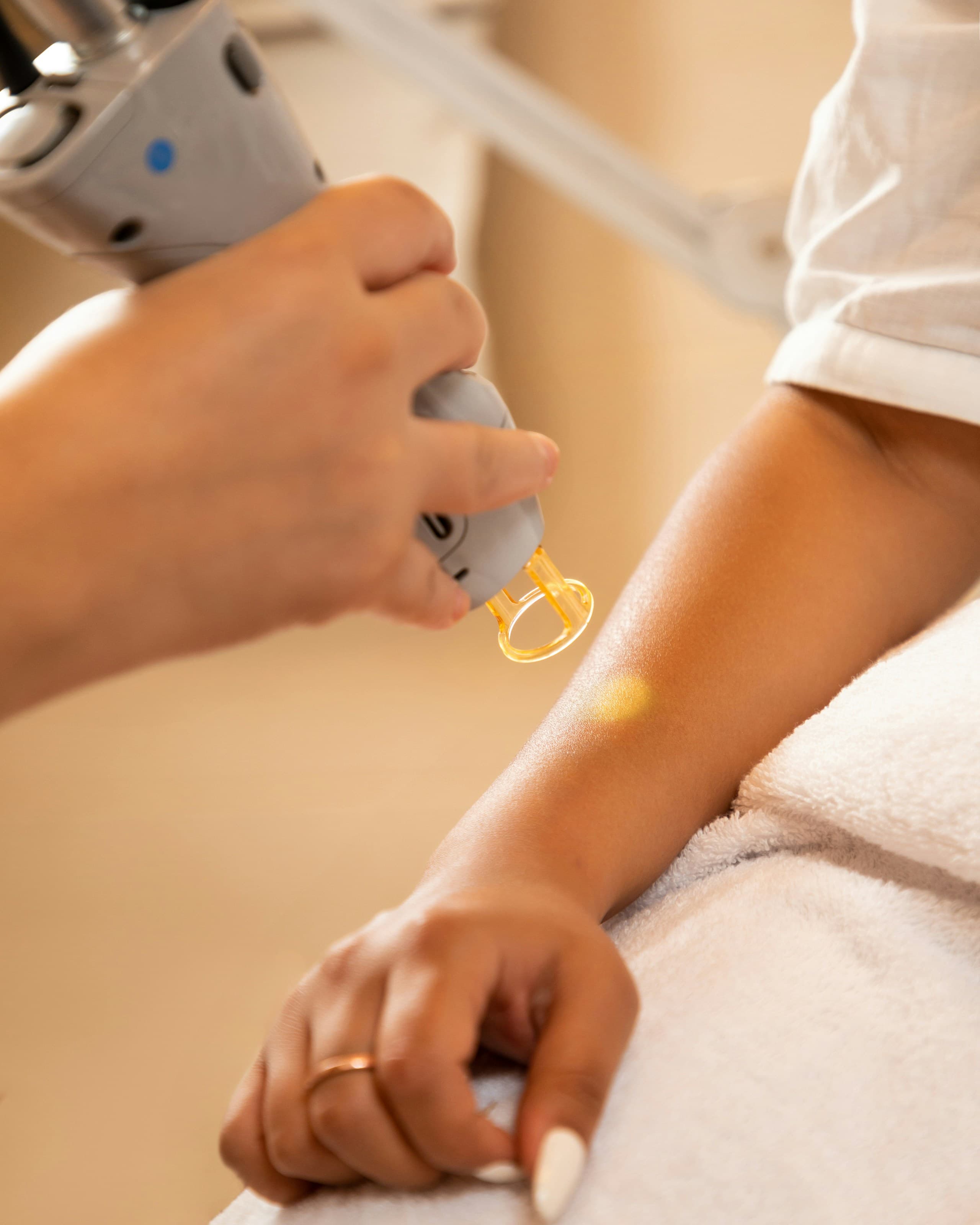
Which Laser Is Best for Hair Removal? Comparing Diode, Alexandrite and Nd:YAG Technologies
Laser hair removal offers long-lasting solutions using diode, Alexandrite, and Nd:YAG technologies, each suited to specific skin t...
Read more
Does Laser Skin Rejuvenation Hurt?
Laser skin rejuvenation offers a non-surgical option to refresh skin appearance, but concerns about pain are common. This article...
Read more
Safety of Vascular Lasers: Risks, Contraindications, and Patient Selection
Vascular lasers offer effective treatment for visible blood vessels and redness, but ensuring safety requires careful patient sele...
Read more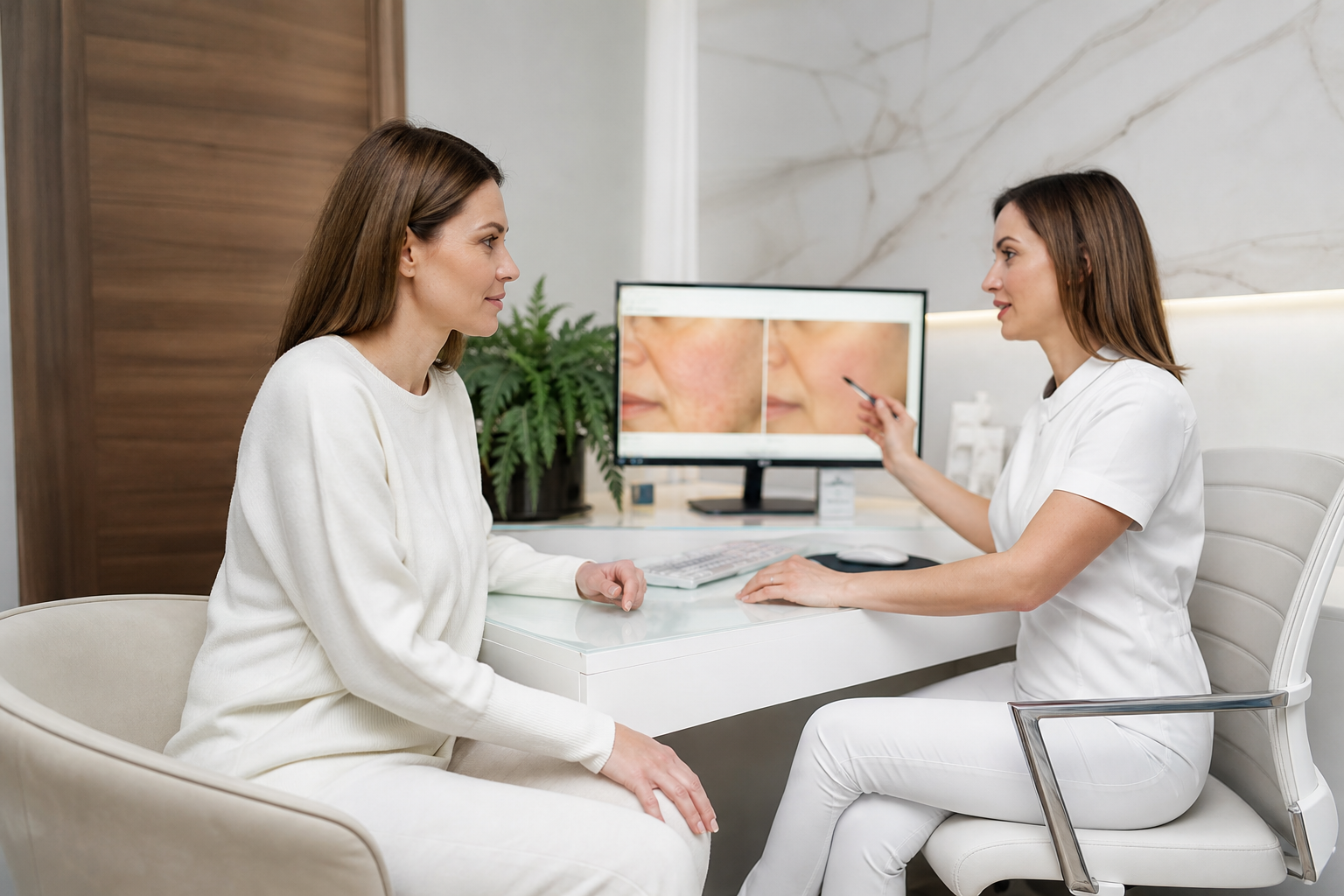
Laser Treatment for Capillaries: When Results Appear and How Long They Last
Laser treatment for capillaries gradually closes visible blood vessels, with results appearing weeks after sessions. Multiple trea...
Read more
Laser Treatment and Herpes – Why Prior Consultation Matters
Laser treatments offer advanced skin care benefits but require careful evaluation for patients with herpes simplex virus due to ri...
Read more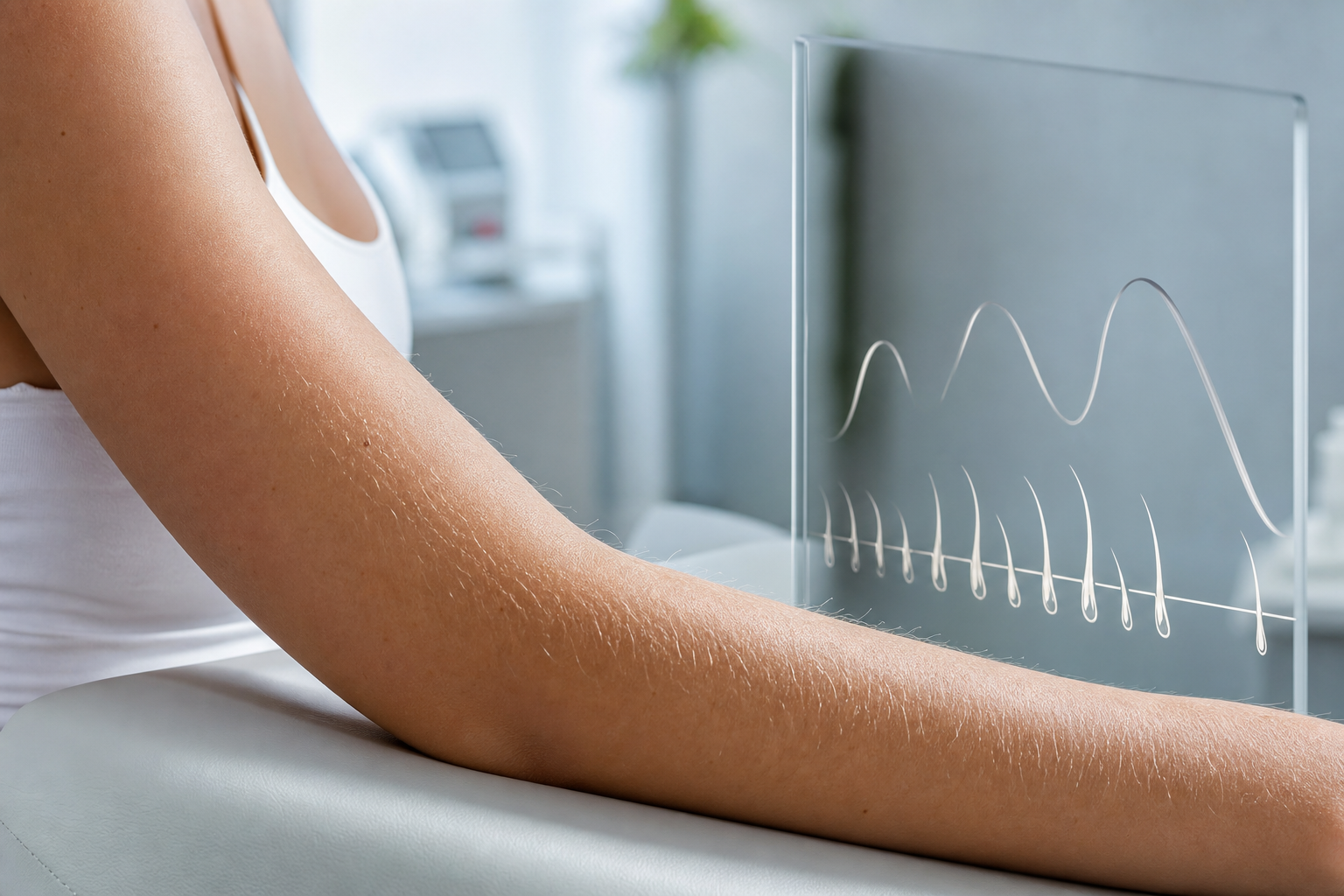
Why Does Hair Grow Between Laser Sessions?
Laser hair removal targets hairs in the active anagen growth phase, so hairs appearing between sessions are from follicles in rest...
Read more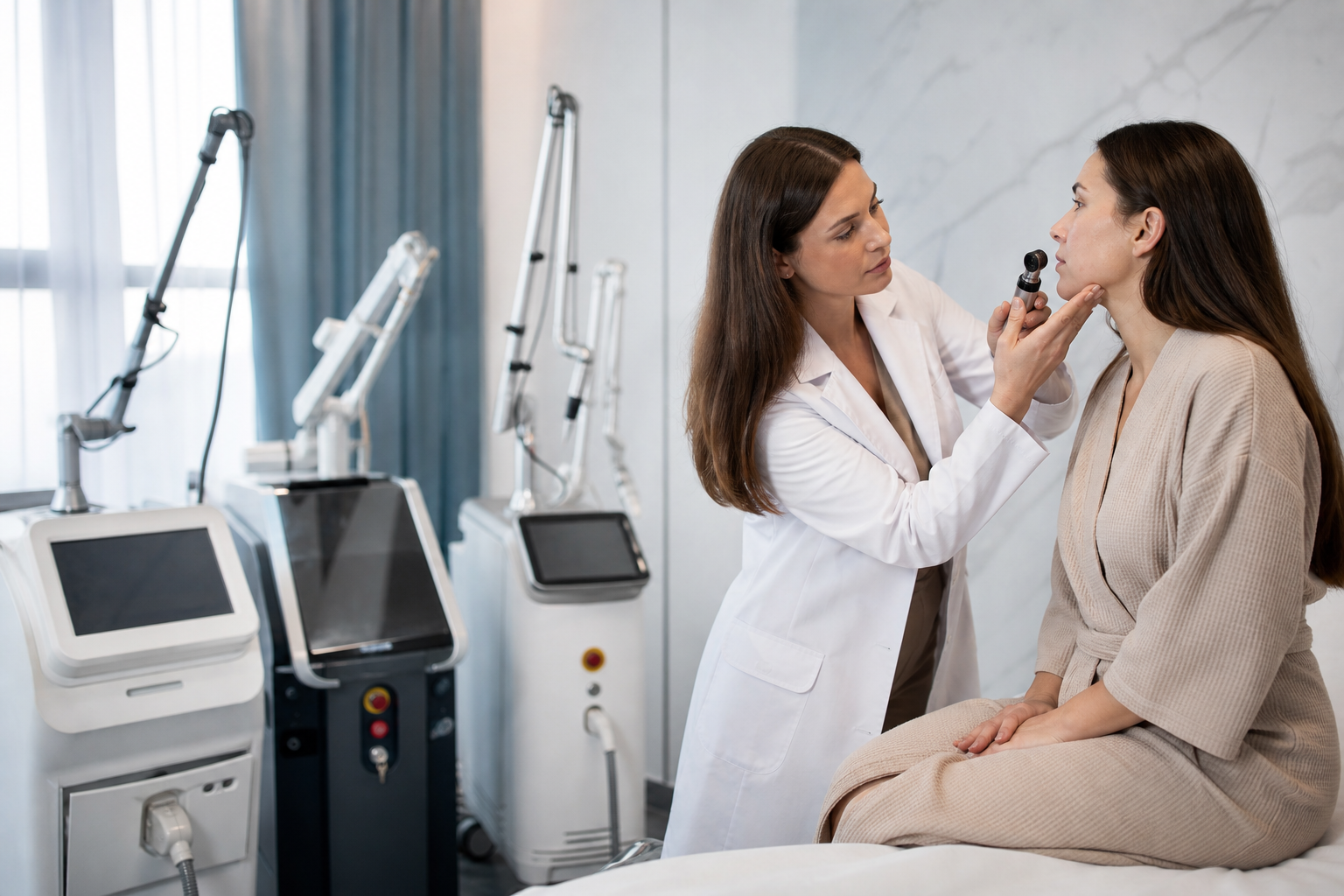
How to Recognise a Serious Reaction After Laser Treatment
Laser treatments are effective for skin enhancement but can occasionally cause serious reactions. This article highlights key symp...
Read more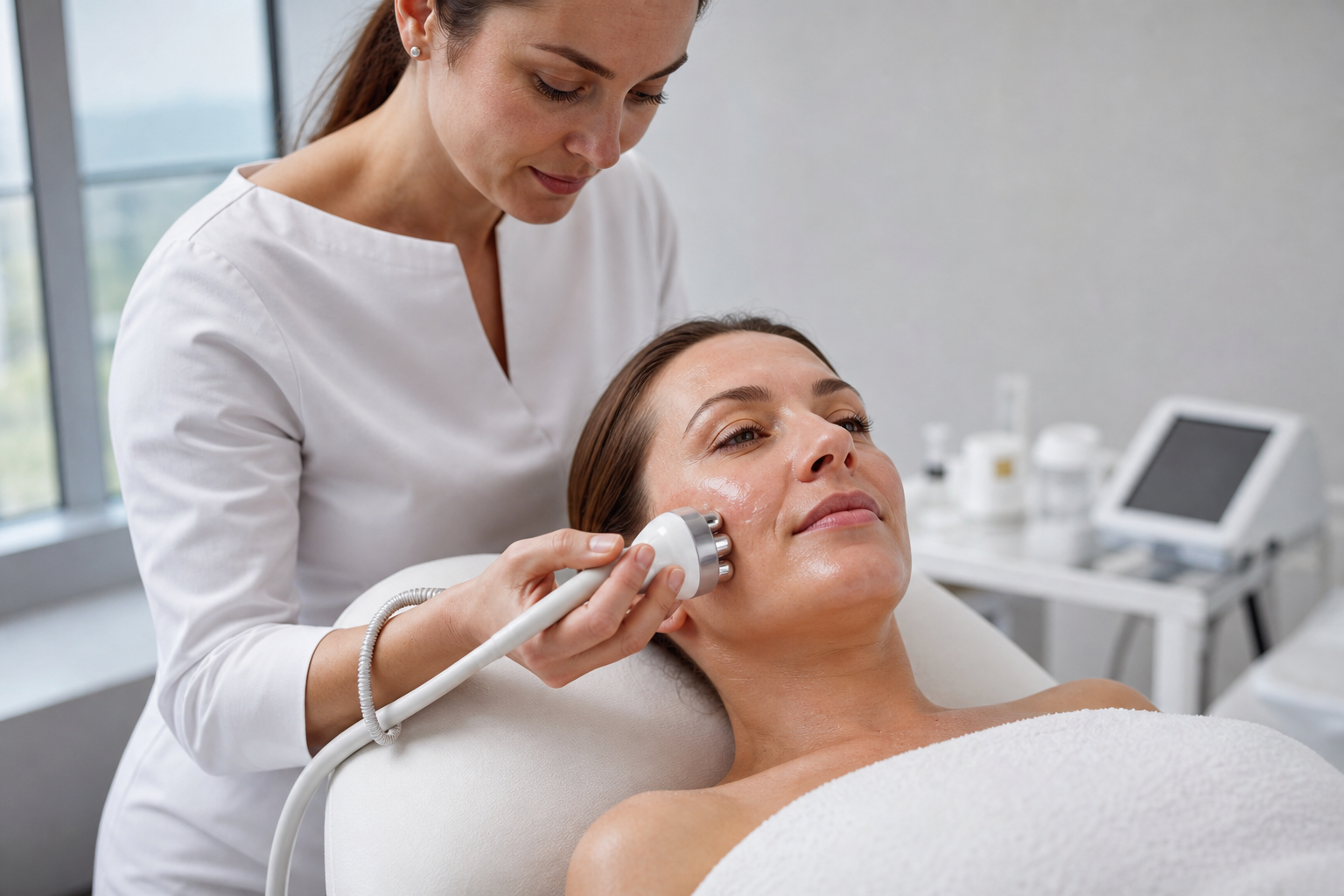
Multipolar RF Treatment: Understanding What This Term Means
Multipolar RF treatment is a non-invasive radiofrequency technique that uses multiple electrodes to promote collagen production, i...
Read more
Capillaries Around the Nose: Laser, IPL, or Other Treatments?
Visible capillaries around the nose, known as telangiectasias, are tiny dilated blood vessels that can affect skin appearance. Tre...
Read more
Nd:YAG vs. IPL for Visible Blood Vessels: A Clinical Comparison
Visible blood vessels, such as spider veins and broken capillaries, can be treated using Nd:YAG laser or Intense Pulsed Light (IPL...
Read more
Laser or Botulinum Toxin for Wrinkles – Why They Are Not Substitutes
Laser treatments and botulinum toxin injections address wrinkles through distinct mechanisms and are not substitutes. Laser therap...
Read more
Possible Complications of Facial Laser Treatment
Facial laser treatments offer aesthetic benefits but carry potential complications ranging from mild redness to burns and pigment...
Read more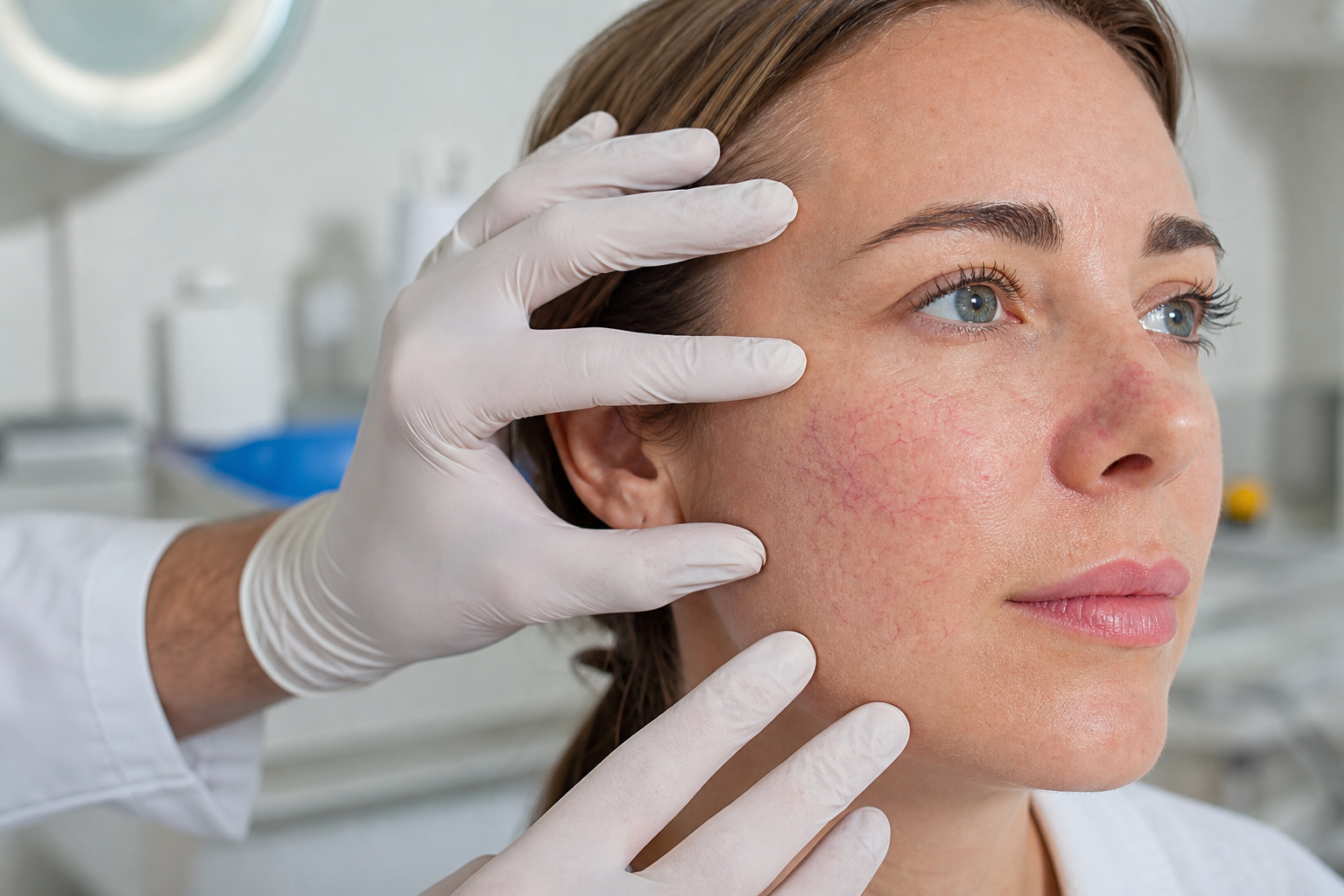
Spider Veins vs. Visible Capillaries: Are They the Same?
Spider veins and visible capillaries are distinct types of vascular skin changes that often cause cosmetic concerns. Understanding...
Read more
Er:YAG Laser – Who Is It For and How Does It Differ from CO2?
The Er:YAG laser is a precise dermatological tool for treating superficial skin issues with minimal damage and quicker recovery. U...
Read more
Types of Lasers for Skin Rejuvenation – Ablative, Non-Ablative and Fractional Treatments
Laser skin rejuvenation encompasses ablative, non-ablative, and fractional treatments, each offering distinct mechanisms for impro...
Read more
Laser Removal of Sun Spots and Solar Lentigines
Sun spots and solar lentigines are pigmented skin lesions caused by prolonged sun exposure, commonly appearing on the face, hands,...
Read more
Which Lasers Are Used to Treat Pigmentation?
Laser treatments offer targeted solutions for various pigmentation disorders by using specific wavelengths to selectively break do...
Read more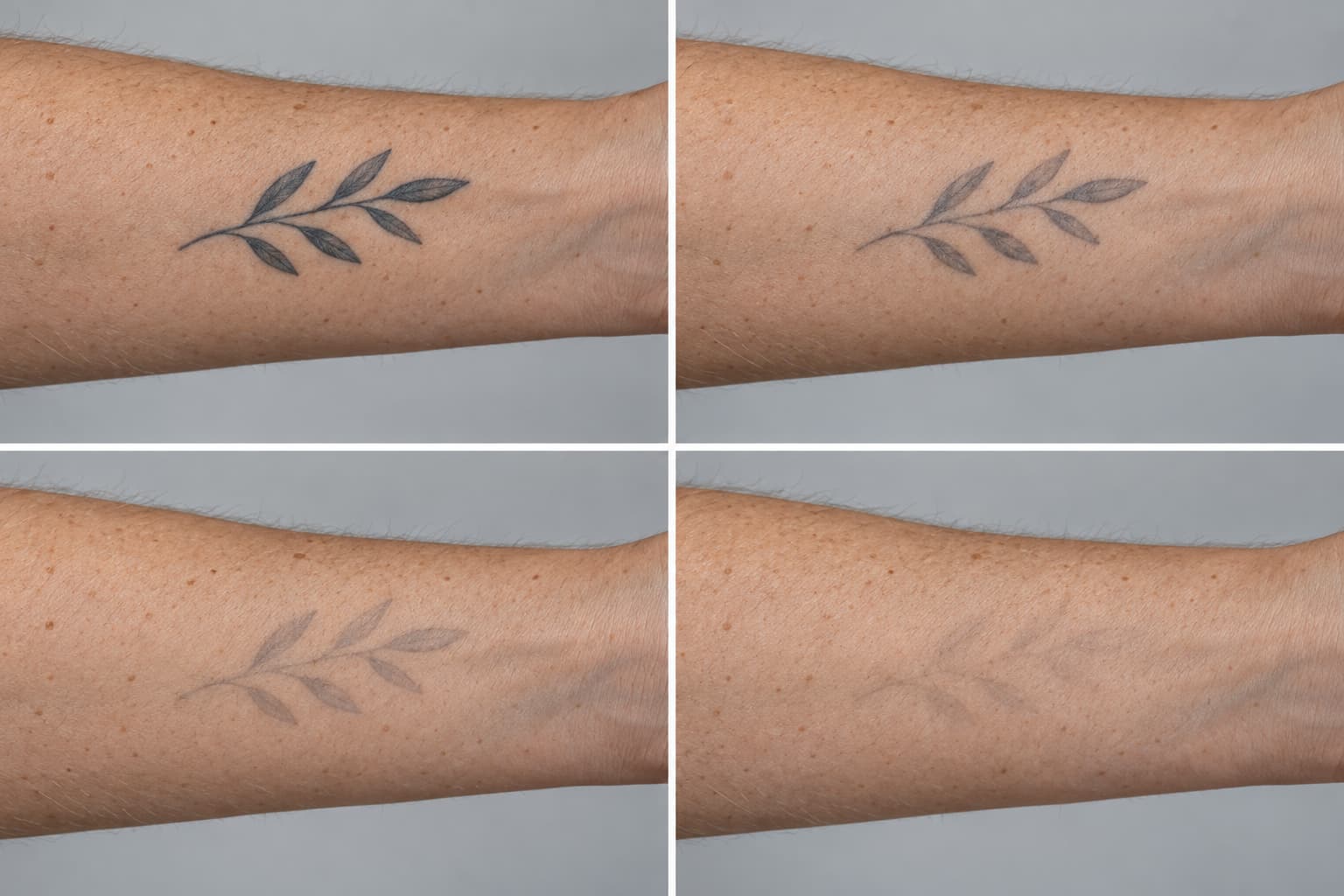
How Many Sessions Are Needed for Tattoo Removal?
Laser tattoo removal sessions vary widely depending on tattoo color, depth, size, and individual skin factors. Understanding these...
Read more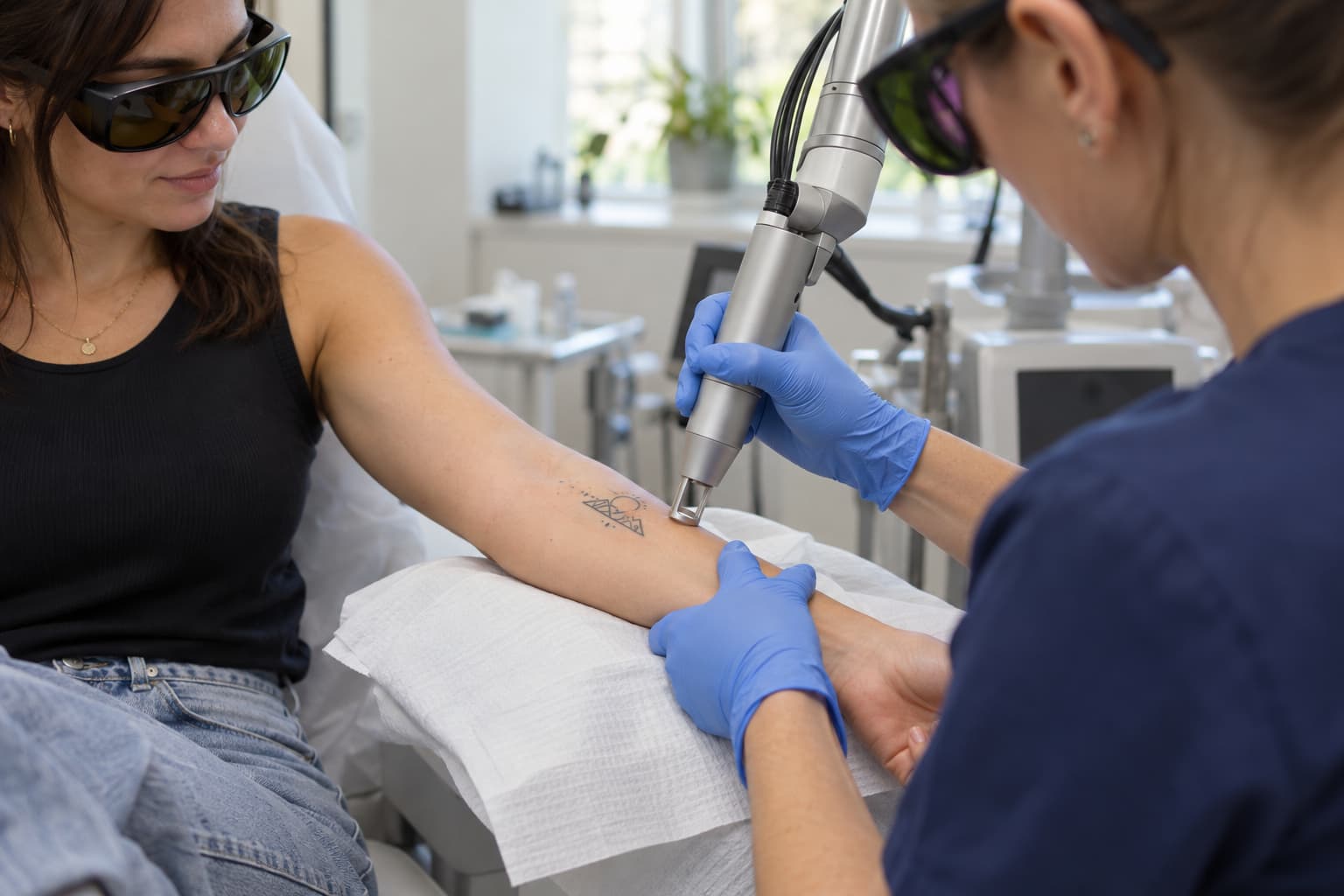
How Does Laser Tattoo Removal Work?
Laser tattoo removal employs targeted laser pulses to break down tattoo pigments, which the body gradually clears. Success depends...
Read more
Laser Resurfacing – What Does the Term Actually Mean?
Laser resurfacing in dermatology uses targeted laser energy to improve skin texture, tone, and signs of aging by removing or stimu...
Read more
Laser Treatments for Redness and Visible Capillaries
Laser treatments for redness and visible capillaries offer a focused approach to reduce vascular skin concerns like rosacea and su...
Read more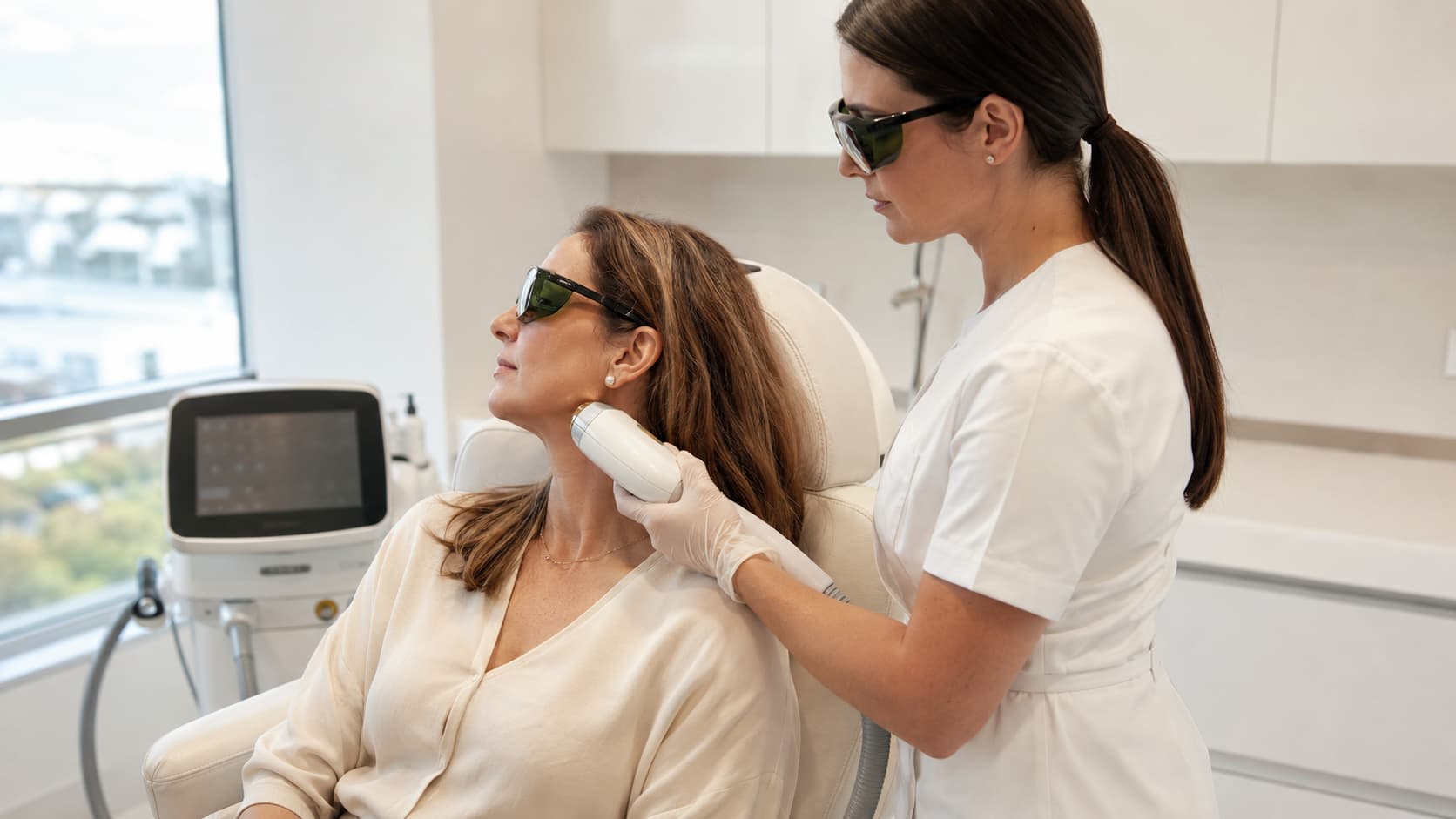
How Laser Treatments Improve Skin Elasticity and Boost Collagen
Laser treatments offer a minimally invasive solution to improve skin elasticity by stimulating collagen production. These procedur...
Read more
What to Expect from Laser Treatment for Capillaries
Laser treatment for capillaries offers a precise solution to reduce visible blood vessels and facial redness. Outcomes depend on f...
Read more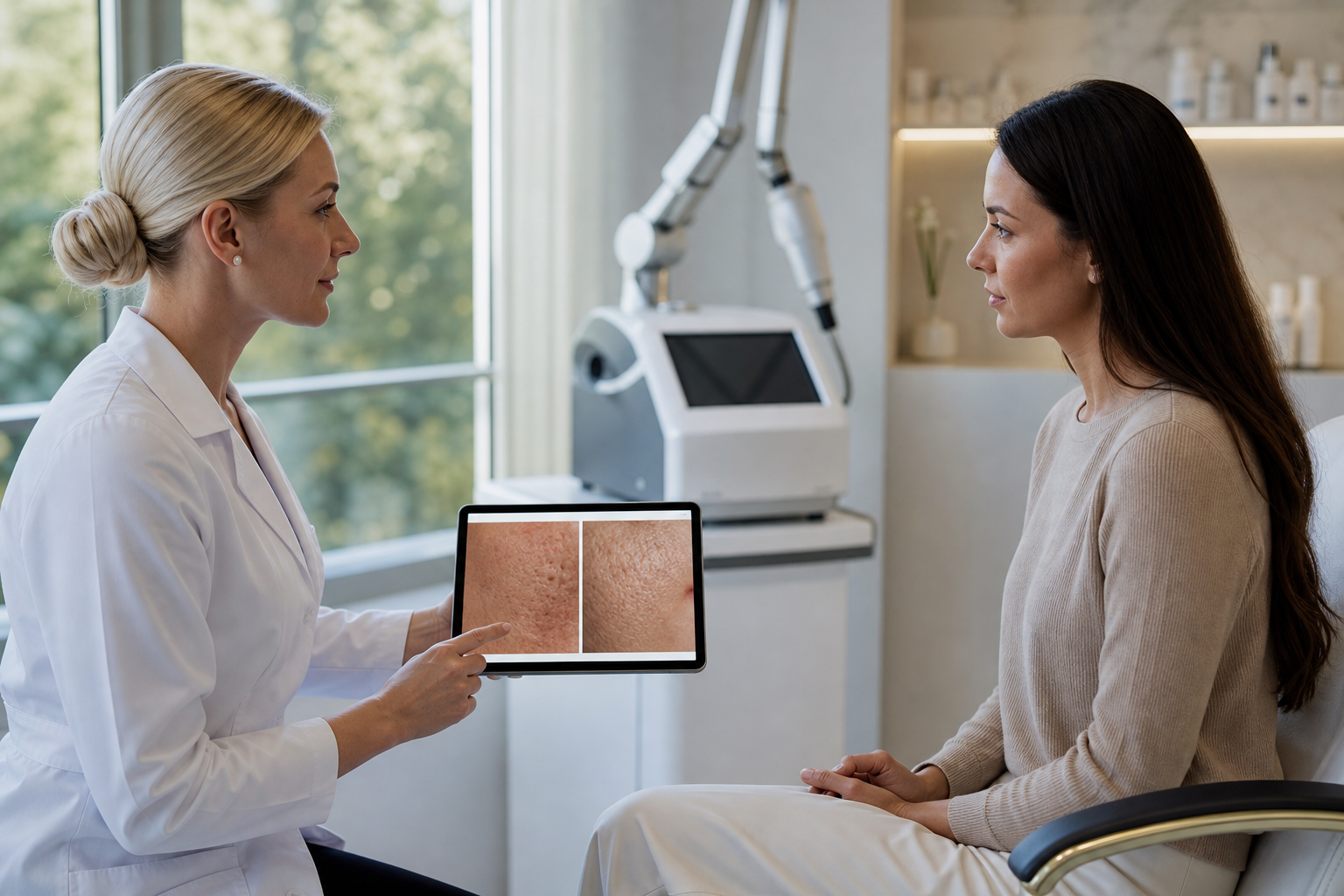
CO2 Laser or RF Microneedling – Key Differences
This article delineates the principal distinctions between CO2 laser and RF microneedling skin rejuvenation treatments, focusing o...
Read more
Laser Treatment for Fine Lines Around the Eyes and Lips
Laser treatment offers a precise, minimally invasive option to soften fine lines around the eyes and lips by stimulating collagen...
Read more
KTP Laser for Redness and Superficial Capillaries
KTP laser therapy offers a precise and effective solution for reducing facial redness and superficial capillaries, especially in i...
Read more
Understanding Selective Photothermolysis in Vascular Treatments
Selective photothermolysis is a precise laser technique targeting abnormal blood vessels beneath the skin without harming surround...
Read more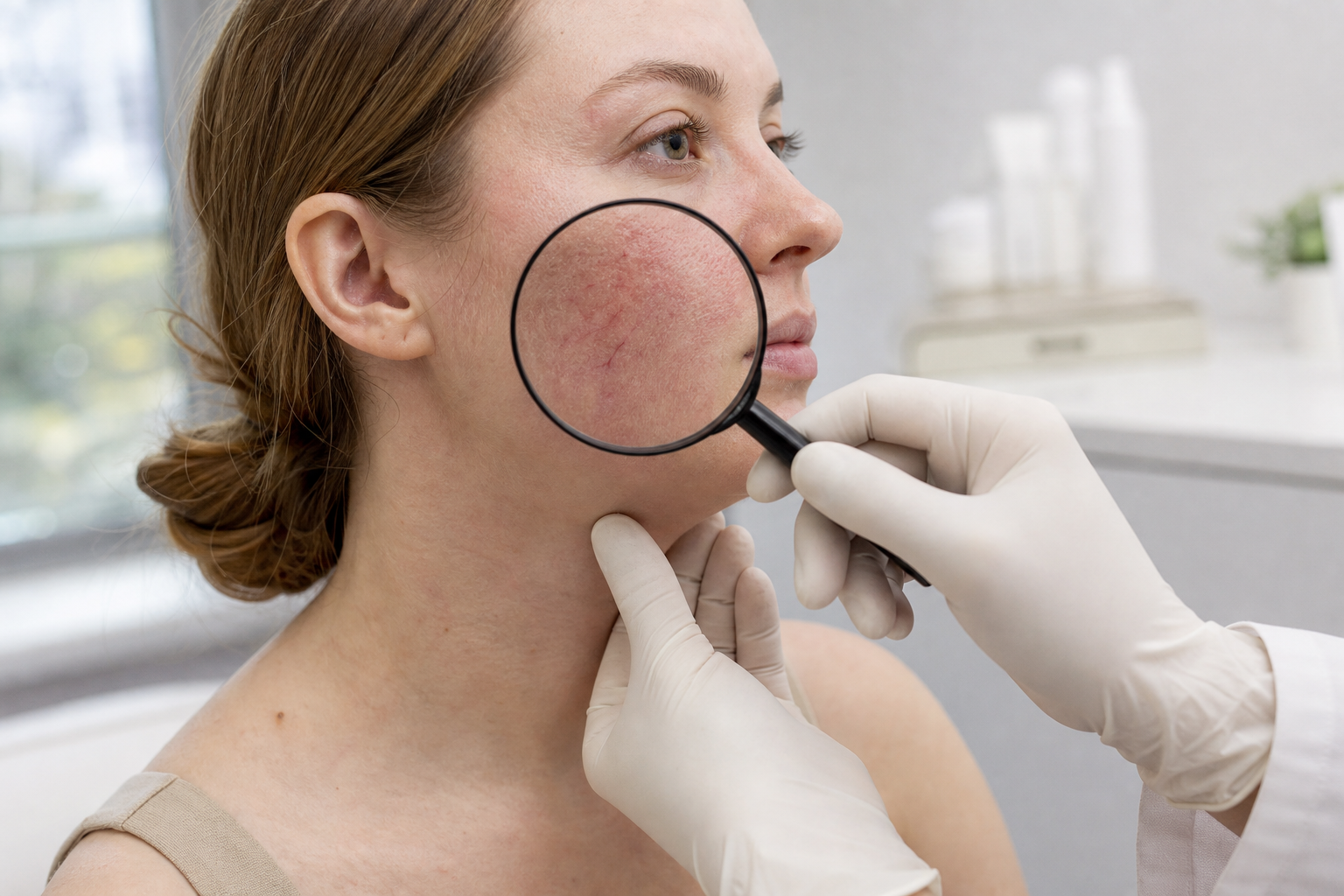
Why Is Your Face Constantly Red? Common Causes Explained
Persistent facial redness can stem from conditions such as rosacea, dermatitis, sensitive skin, or post-acne erythema. Understandi...
Read more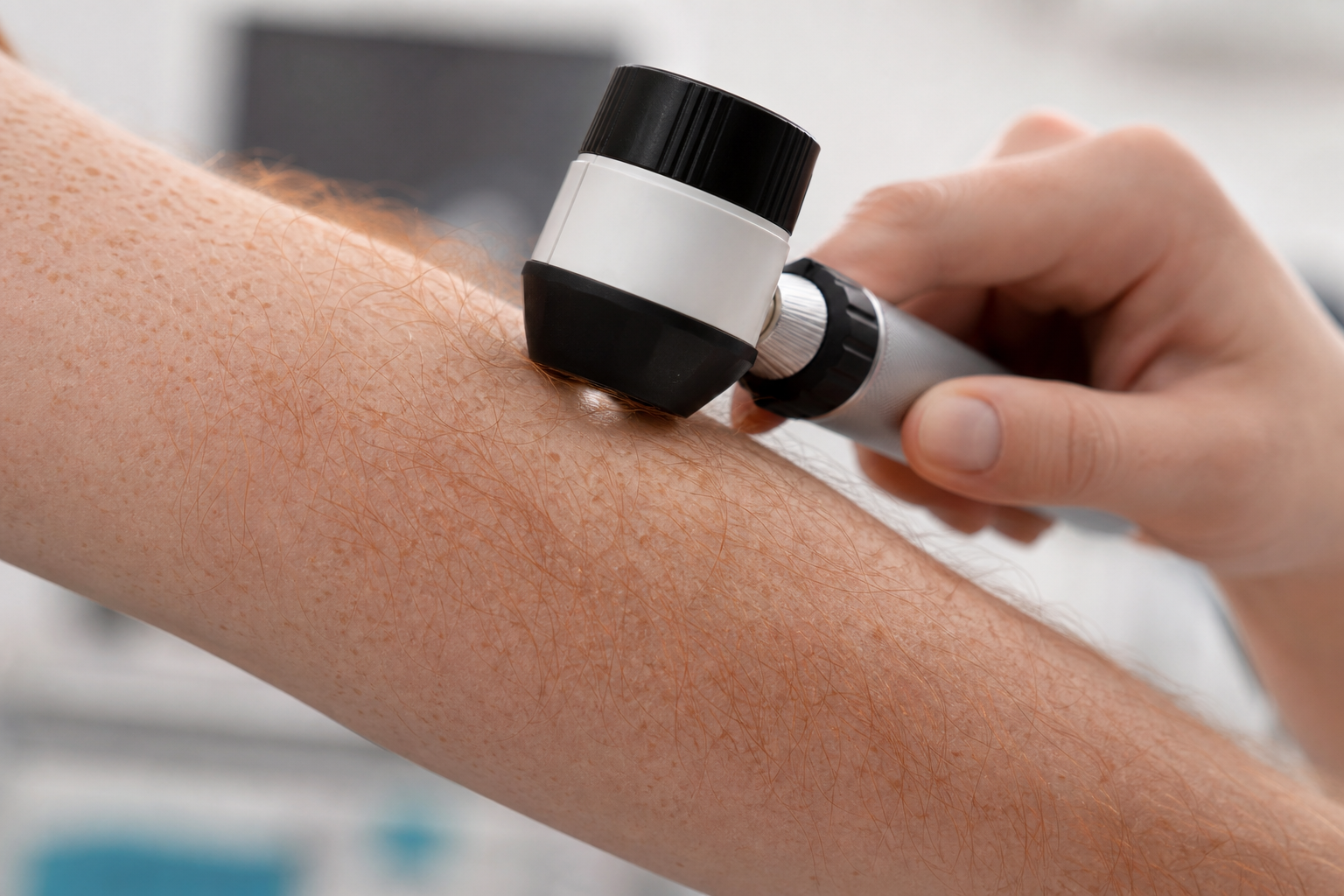
Laser Hair Removal for Red Hair
Red hair poses unique challenges for laser hair removal due to its primary pigment, pheomelanin, which absorbs laser wavelengths l...
Read more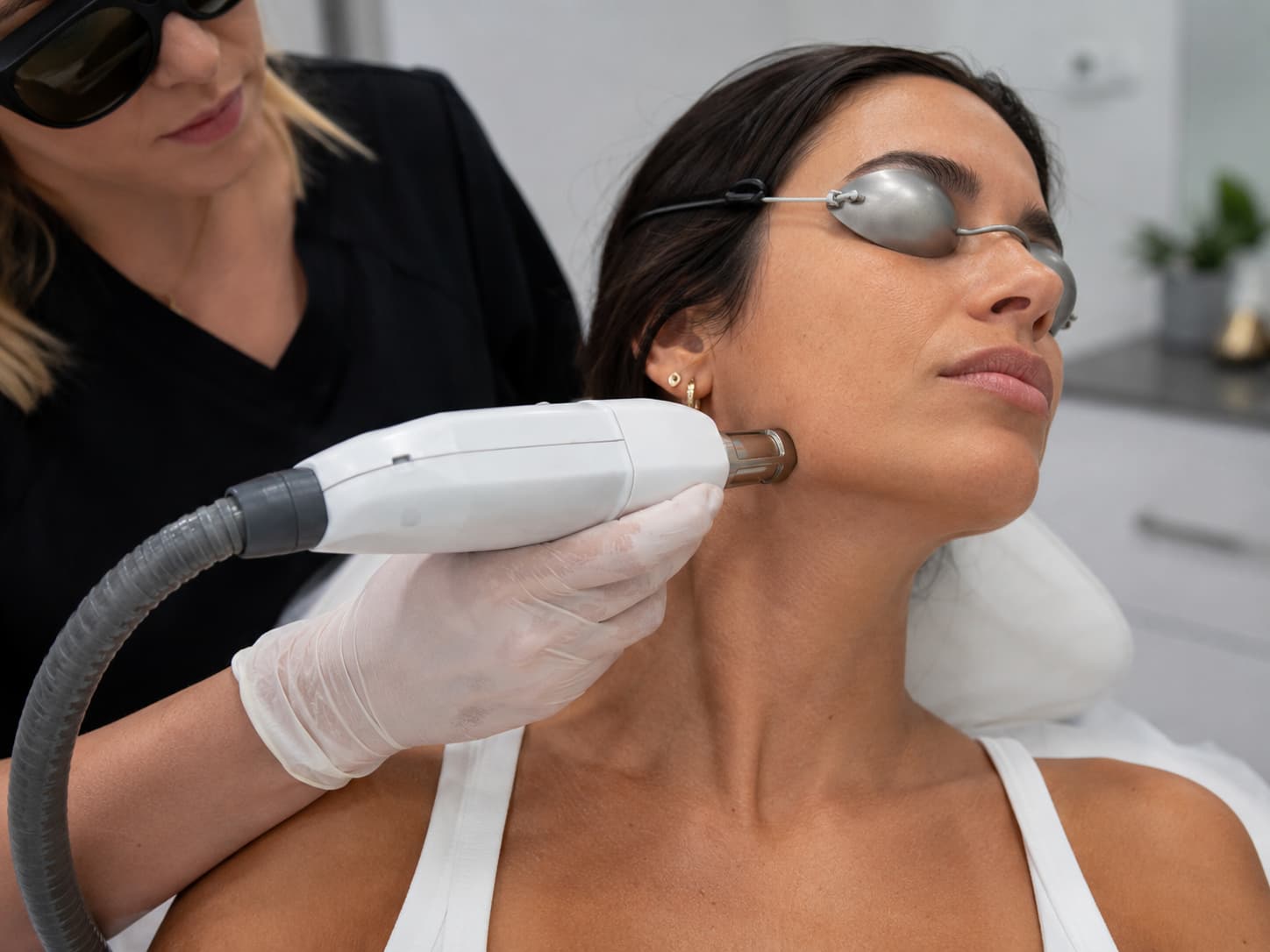
Laser Treatments for Jawline Contouring Without Surgery
Laser treatments offer a non-surgical approach to jawline contouring by tightening skin and reducing fat for a natural, youthful f...
Read more
Is Laser Treatment for Broken Capillaries Safe?
Laser treatment is a widely used option for reducing the appearance of broken capillaries, offering targeted skin rejuvenation. Th...
Read more
How Long Is Recovery After Fractional Laser?
Fractional laser treatment offers effective skin rejuvenation with variable recovery times depending on laser type, treatment inte...
Read more
How Important Is SPF After Capillary Treatment?
Sun protection factor (SPF) plays a vital role after capillary laser treatments to protect sensitive skin from UV damage, prevent...
Read more
Permanent vs. Temporary Facial Redness: Key Differences
Facial redness manifests as either temporary or permanent, each with distinct causes and implications. Understanding these differe...
Read more
What Is Radiofrequency Skin Tightening?
Radiofrequency skin tightening is a non-invasive treatment that uses radiofrequency waves to stimulate collagen and elastin produc...
Read more
When to Contact a Dermatologist After Laser Hair Removal
Laser hair removal can cause a range of skin reactions, from mild redness to serious complications. Knowing when symptoms warrant...
Read more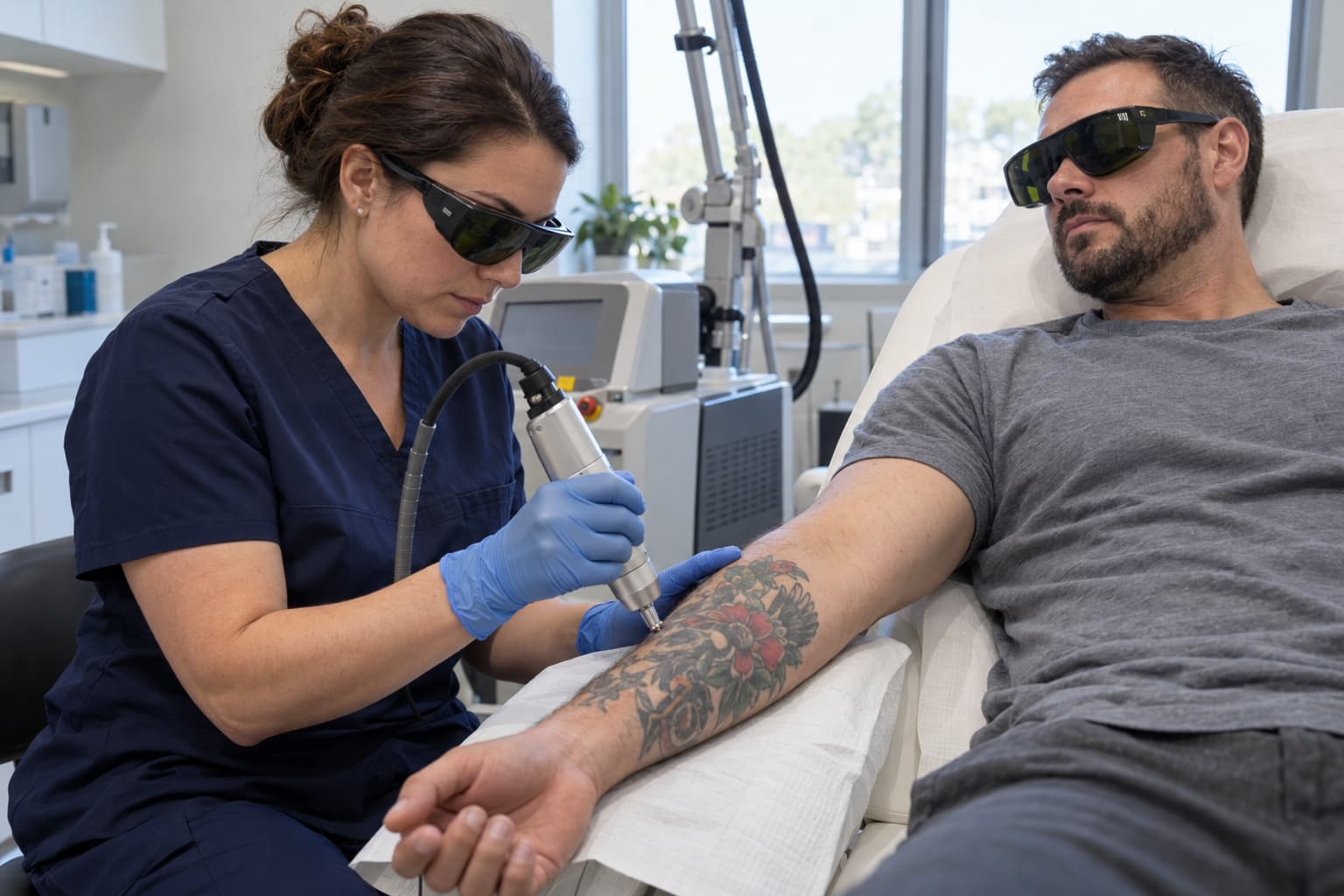
Which Tattoo Colours Are Easiest and Hardest to Remove?
Tattoo ink colour significantly affects the ease and effectiveness of laser removal. Dark inks like black and dark blue absorb las...
Read more
Natural Skin Lifting Without Fillers Using Laser Technology
Natural skin lifting using laser technology offers a non-invasive alternative to fillers, stimulating collagen production for grad...
Read more
How Laser Hair Removal Works – The Science Behind Long-Term Hair Reduction
Laser hair removal provides a long-term solution by targeting hair follicles with precise laser light, reducing unwanted hair more...
Read more
Laser Treatment for Capillaries: Preparation, Procedure, and Recovery
Laser treatment for capillaries is a precise, minimally invasive procedure that targets visible blood vessels to improve skin appe...
Read more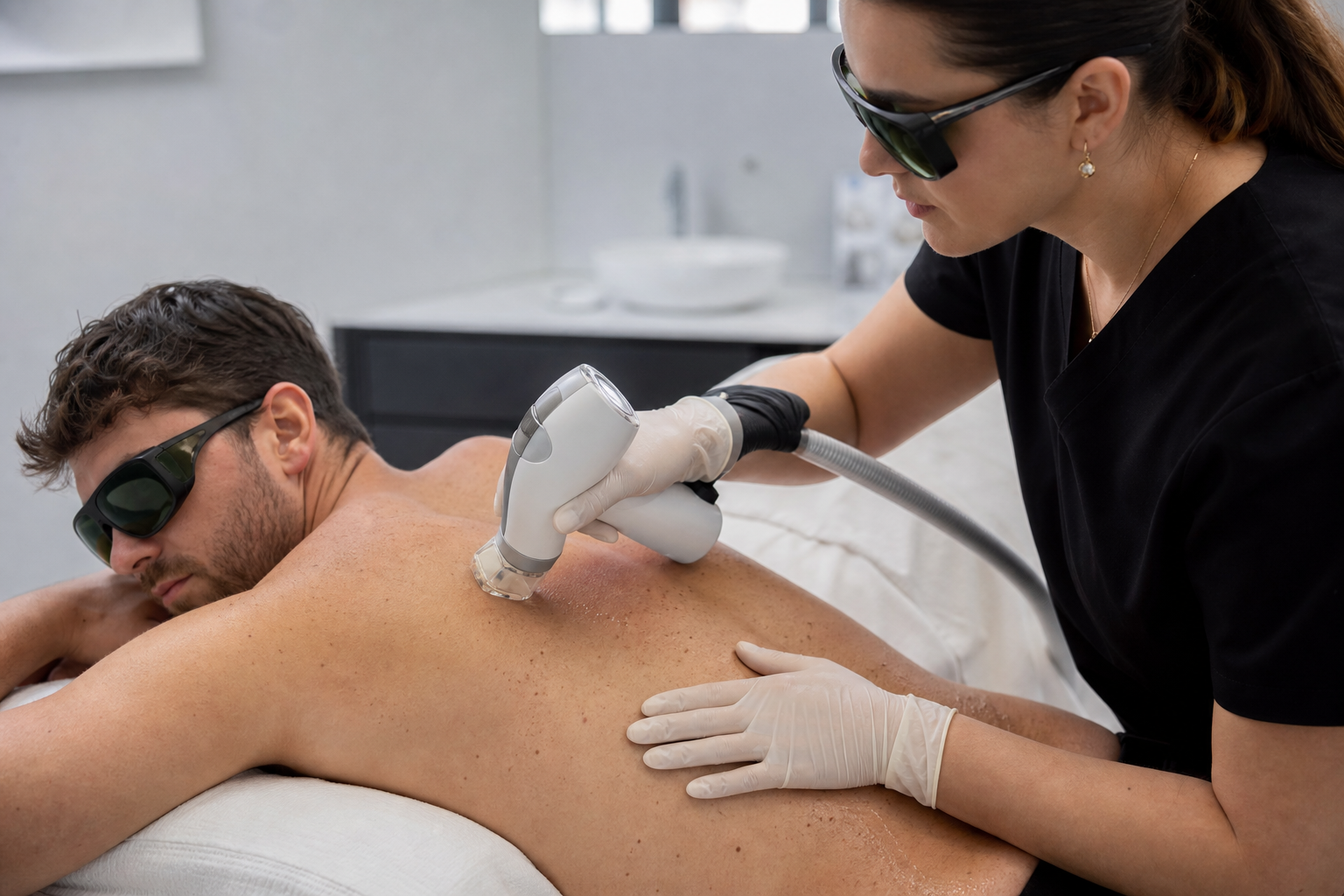
How Painful Is Laser Hair Removal for Men?
Laser hair removal pain in men is influenced more by hair density, skin area, and individual sensitivity than by gender. Different...
Read more
Understanding Telangiectasias: Appearance and Distinctions
Telangiectasias are small, dilated blood vessels visible near the skin's surface, appearing as fine red or bluish lines or network...
Read more
What to Expect During Laser Pigmentation Treatment
Laser pigmentation treatment offers a precise solution for uneven skin tone issues like dark spots and melasma by targeting pigmen...
Read more
Which Laser Is Most Commonly Used for Sun Spots?
Sun spots, or solar lentigines, are common pigmentary lesions caused by UV exposure. This article identifies Q-switched Nd:YAG and...
Read more
Which Skin Concerns Can Laser Rejuvenation Address?
Laser rejuvenation targets a variety of skin concerns including fine lines, pigmentation irregularities, acne scars, and vascular...
Read more
How Vascular Lasers Work on Capillaries
Vascular lasers precisely target capillaries by using wavelengths absorbed by hemoglobin, enabling selective treatment of visible...
Read more
Which Types of Pigmentation Can Be Treated With Lasers?
Laser treatments offer targeted solutions for various skin pigmentations such as melasma, solar lentigines, freckles, and postinfl...
Read more
Laser Removal of Permanent Makeup
Laser removal of permanent makeup is a medically advanced technique aimed at safely fading or correcting embedded pigments. This a...
Read more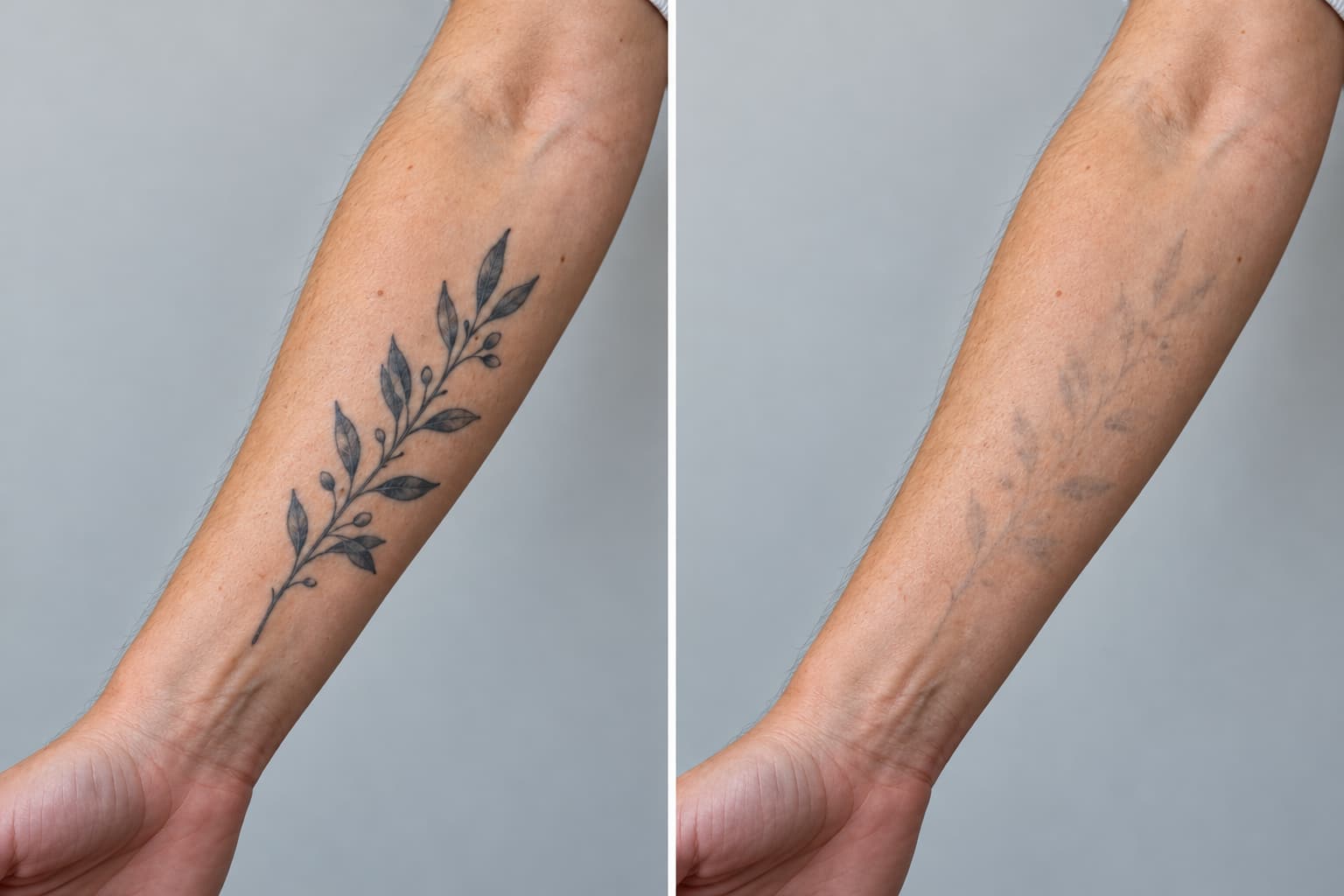
Before and After Laser Tattoo Removal
Laser tattoo removal is a careful medical process designed to fade or erase unwanted tattoos through multiple specialized sessions...
Read more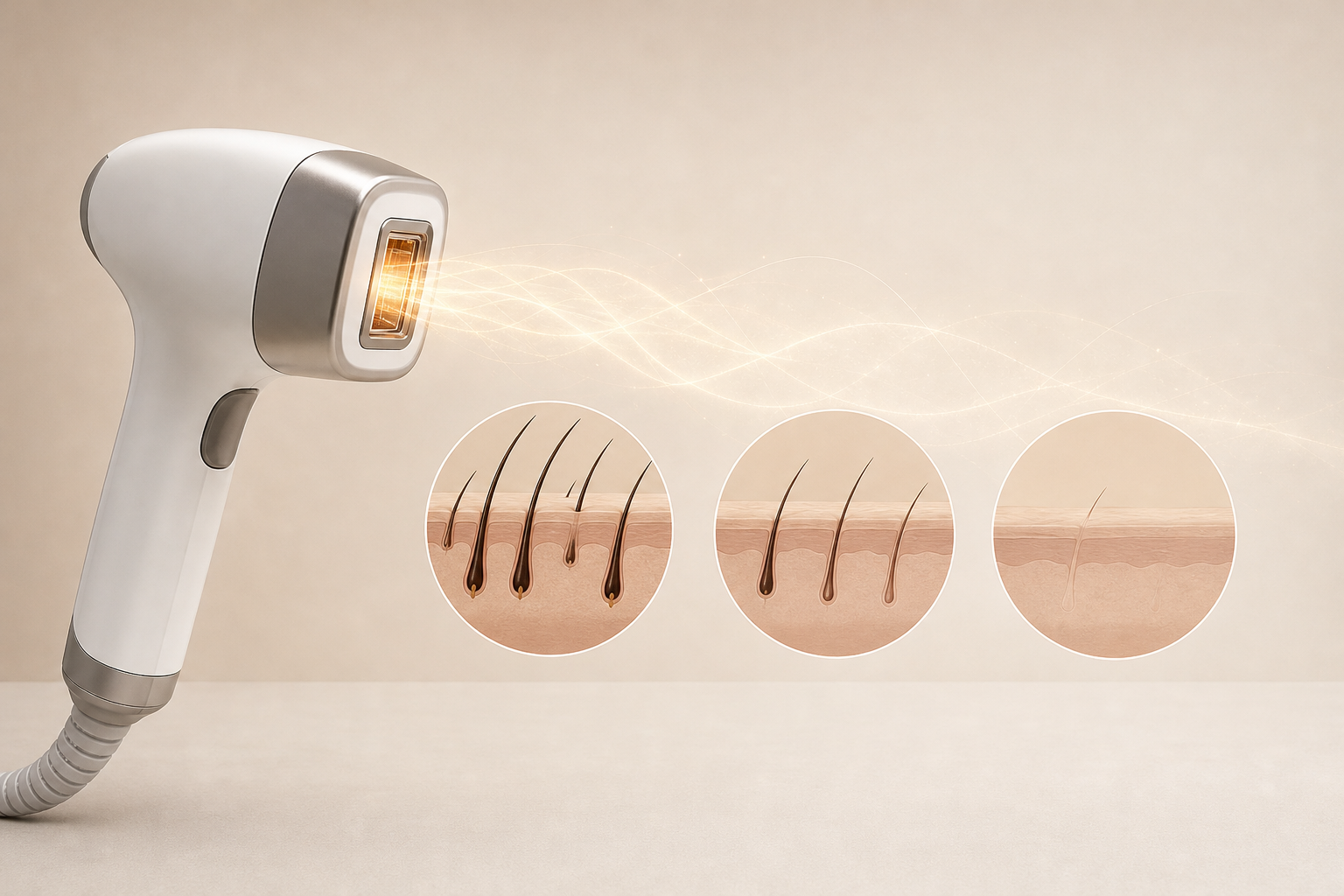
Laser Hair Removal Results After 3 Sessions: What to Expect
After three laser hair removal sessions, many observe noticeable hair thinning, slower growth, and patchy results, though response...
Read more
Microblading and Laser Removal: What You Need to Know
Microblading and laser removal are key procedures in permanent makeup, each with distinct processes, risks, and recovery considera...
Read more
Laser vs. IPL for Capillaries and Redness: Understanding the Differences in Treatments
This article offers a detailed comparison between laser and Intense Pulsed Light (IPL) treatments for visible capillaries and skin...
Read more
How Does a Laser Identify Hair? The Science Behind Selective Laser Hair Removal
Laser hair removal works through selective photothermolysis, where light at specific wavelengths targets melanin in hair follicles...
Read more
What Is a Hair Follicle and Why Does It Matter in Laser Hair Removal?
A hair follicle is a complex mini-organ essential to hair growth, and it plays a pivotal role in the effectiveness of laser hair r...
Read more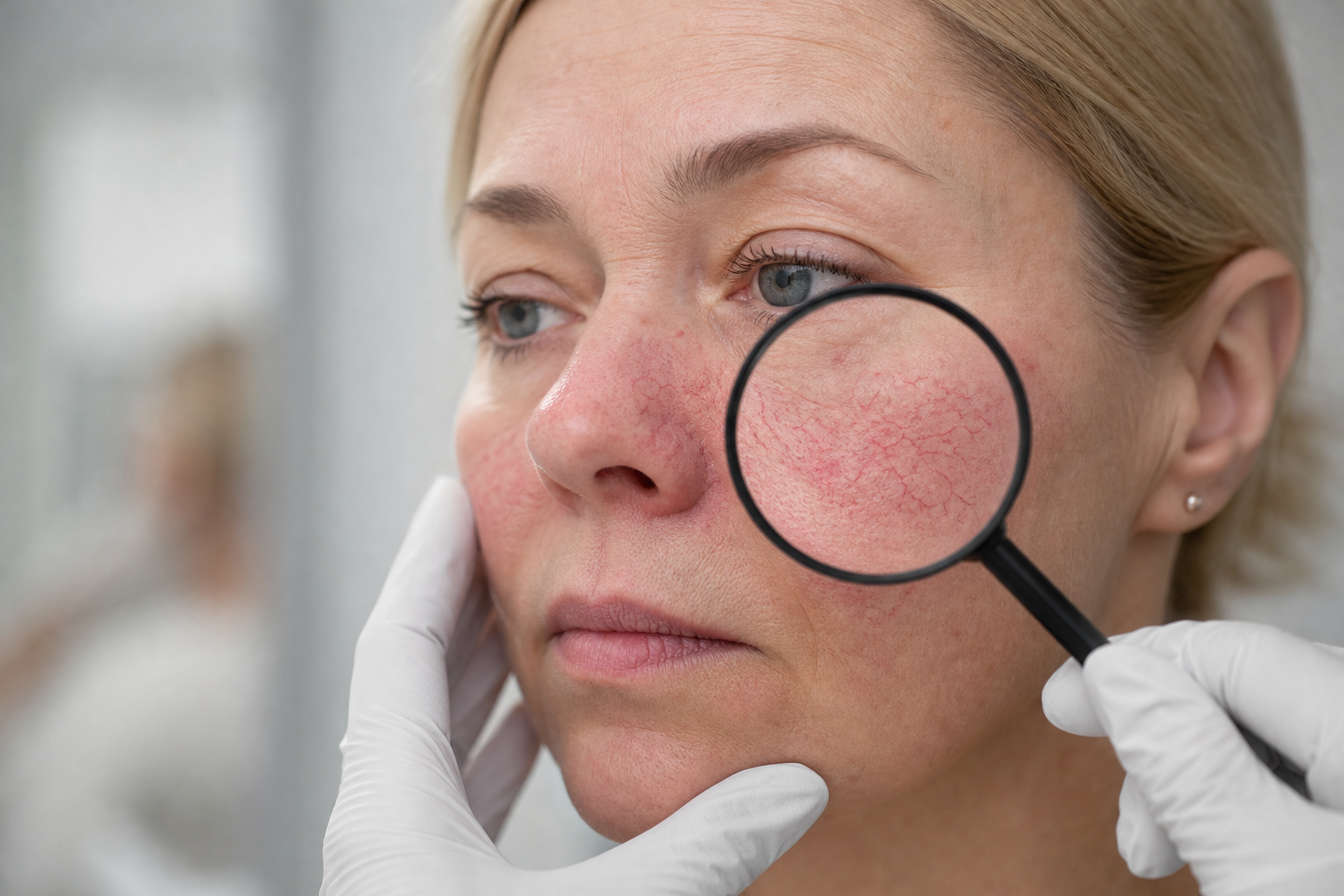
Visible Facial Capillaries: Causes, Treatments, and Removal Options
Visible facial capillaries, known as telangiectasias, are small dilated blood vessels often seen on the nose, cheeks, and chin. Th...
Read more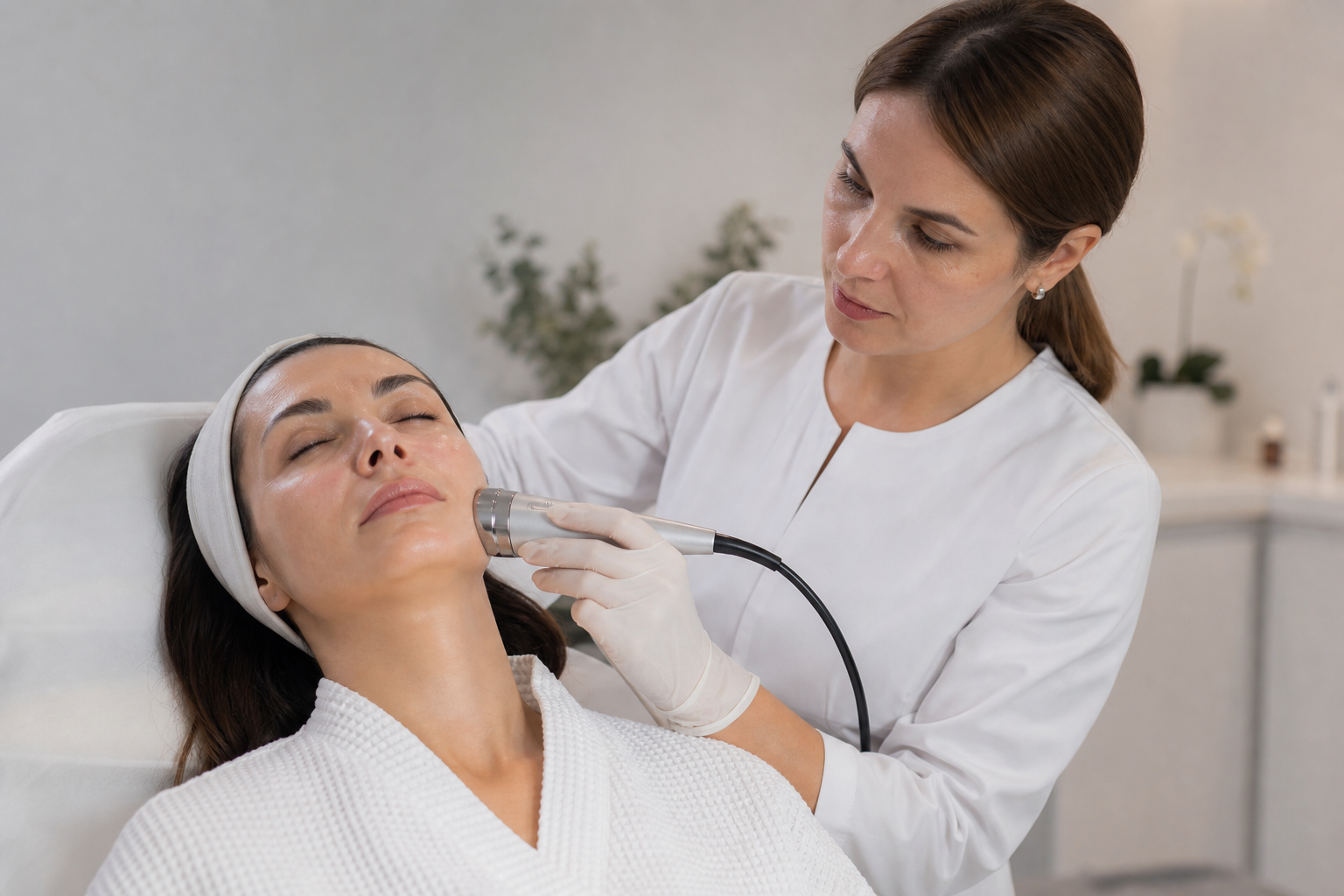
What Is Facial RF Lifting and How Does Radiofrequency Affect the Skin?
Facial RF lifting uses radiofrequency energy to non-invasively tighten and rejuvenate the skin by stimulating collagen and elastin...
Read more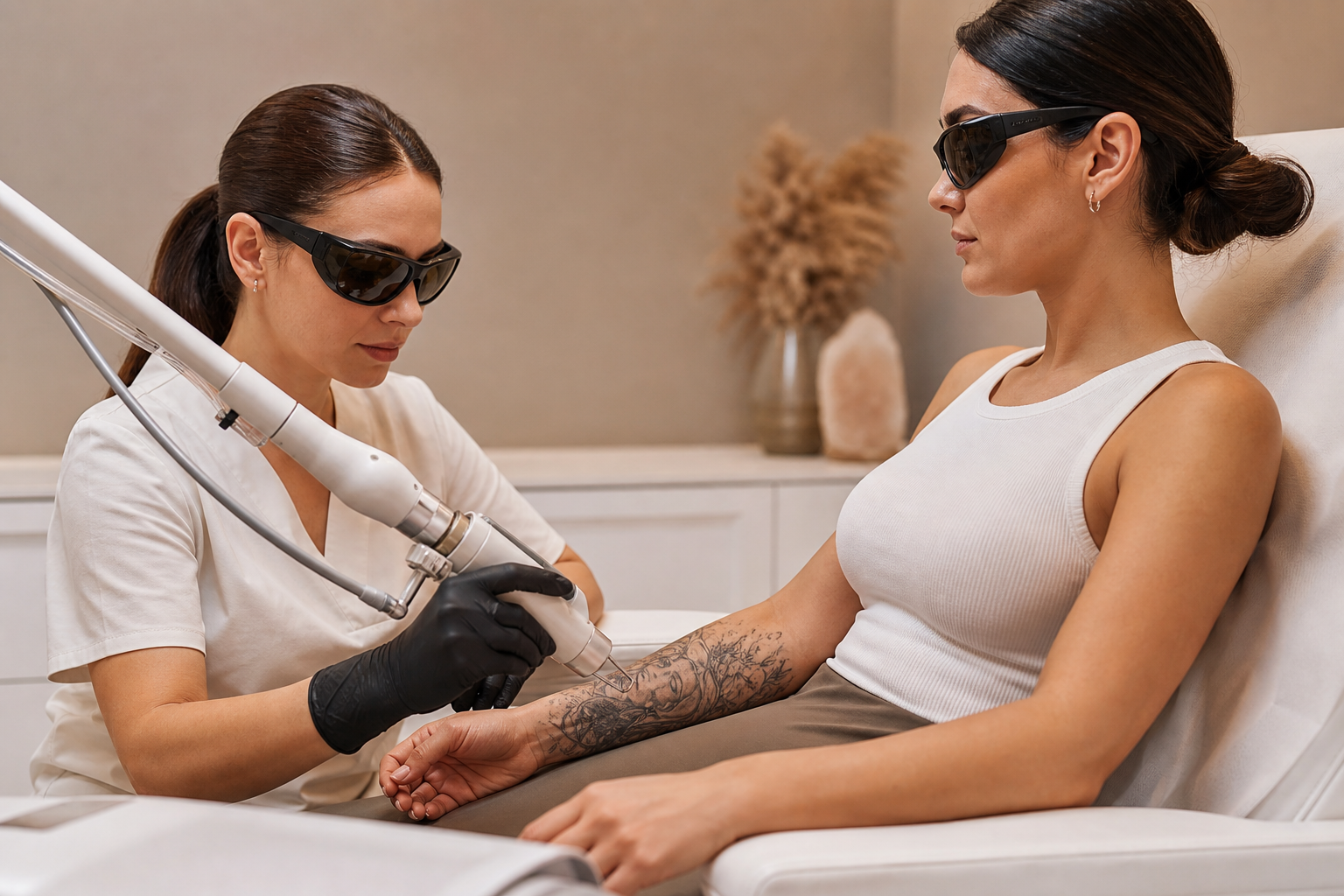
Laser Tattoo Removal Across Different Skin Types
Laser tattoo removal effectiveness and safety vary significantly across different skin types due to melanin's role and skin photot...
Read more
Is RF Lifting Safe? Risks, Contraindications, and Choosing the Right Specialist
RF lifting is a non-invasive cosmetic procedure that uses radiofrequency energy to stimulate collagen and elastin production, enha...
Read more
Types of RF Treatments: Monopolar, Bipolar, Multipolar, and Fractional RF
Radiofrequency skin tightening offers a non-invasive method for skin rejuvenation through various treatment types including monopo...
Read more
RF Lifting, HIFU, Laser, or Microneedling: Understanding What Each Treatment Does
RF lifting, HIFU, laser therapy, and microneedling each offer distinct approaches to skin rejuvenation, targeting various skin lay...
Read more
Laser Hair Removal for Men
Laser hair removal for men provides a scientifically grounded solution tailored to male hair growth patterns and skin types. This...
Read more
Laser Treatments for Pigmentation: A Complete Guide to Types of Dark Spots, Lasers, Results and Risks
This comprehensive guide explores laser treatments for pigmentation, detailing how different types of dark spots develop and the l...
Read more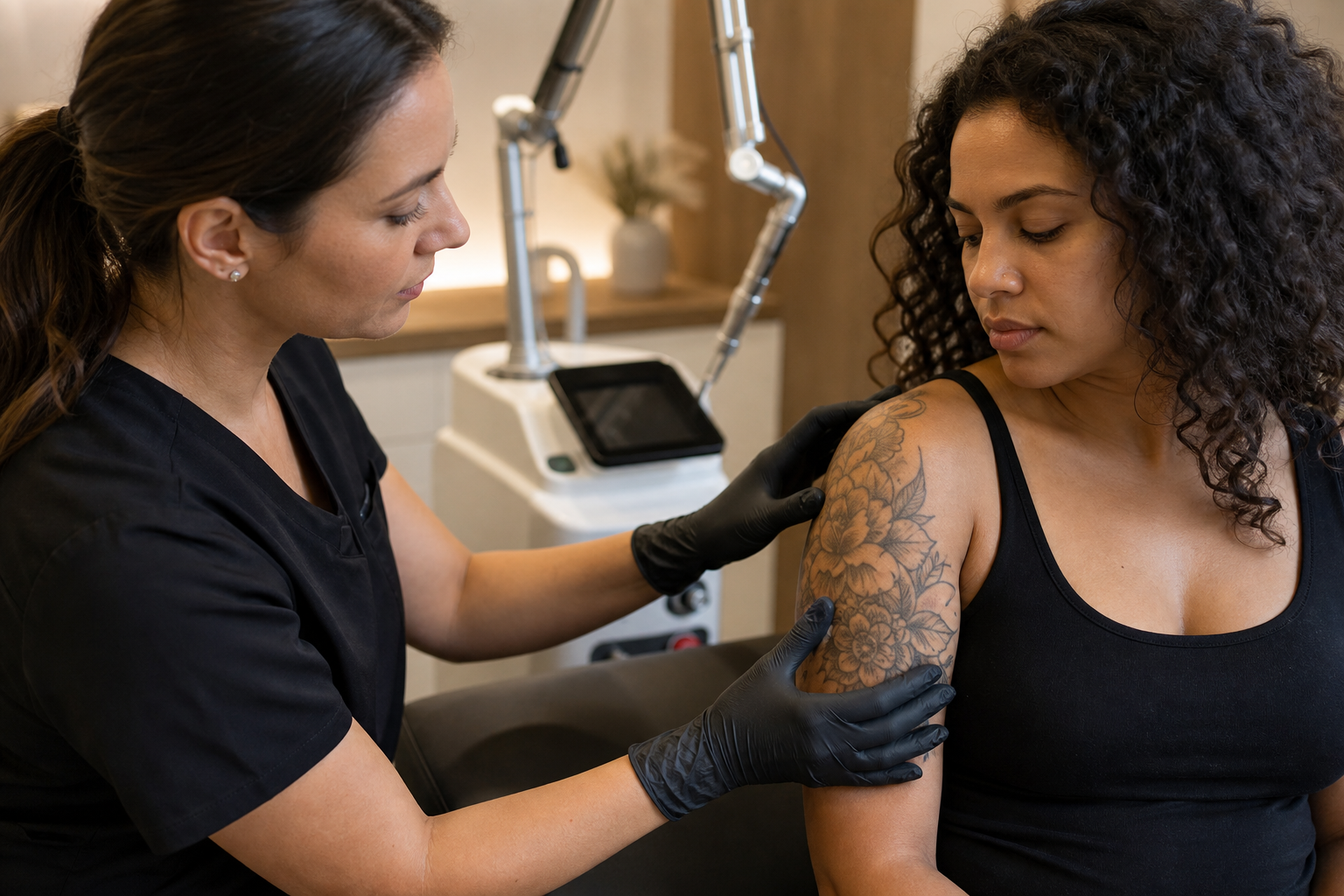
Laser Tattoo Removal: A Complete Guide to Lasers, Treatments, Results and Risks
Laser tattoo removal uses specialized Q-switched and picosecond lasers to fragment ink pigments, enabling natural clearance from t...
Read more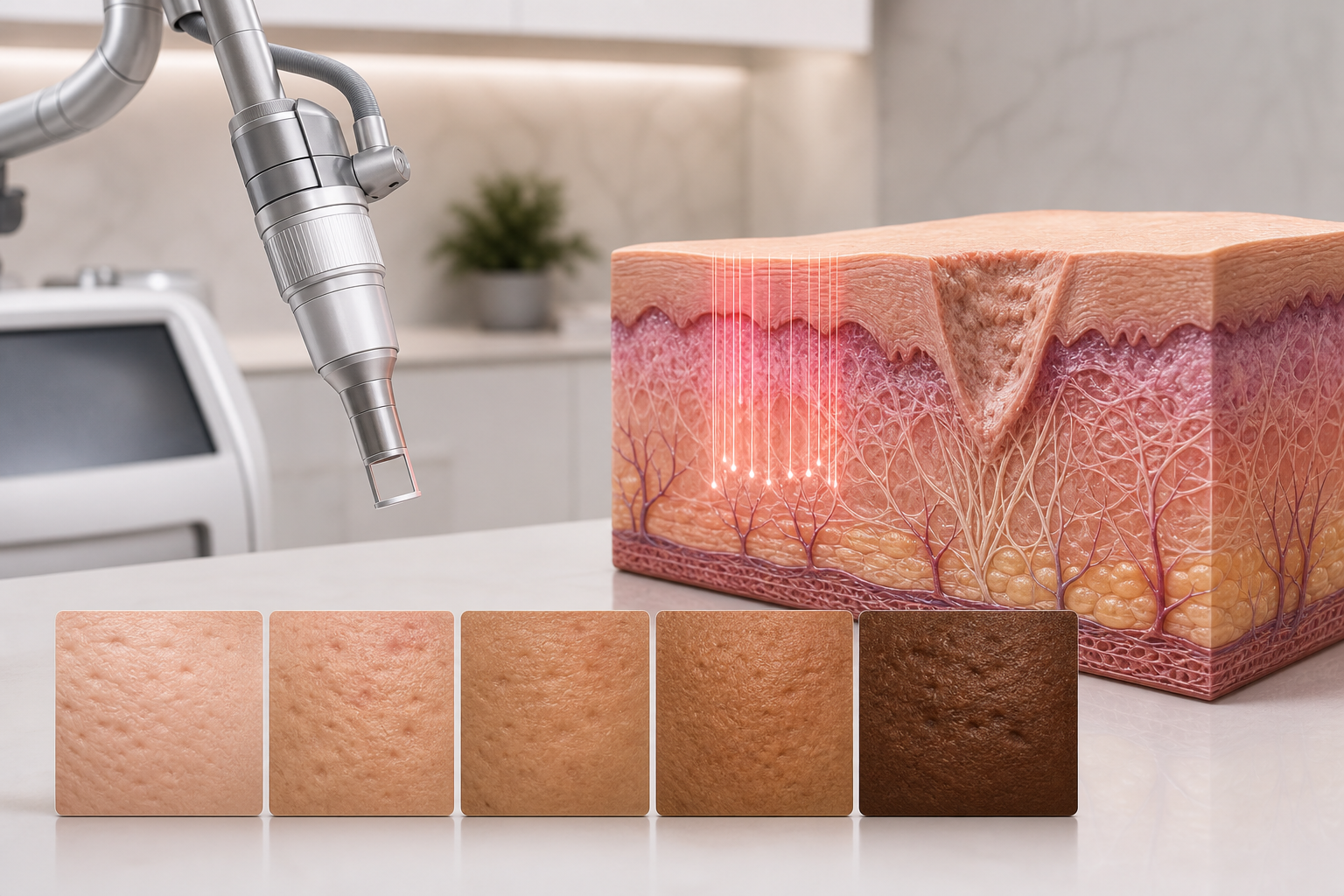
Laser Treatments for Acne and Acne Scars: A Complete Guide
This comprehensive guide clarifies the distinctions between active acne, post-inflammatory erythema (PIE), post-inflammatory hyper...
Read more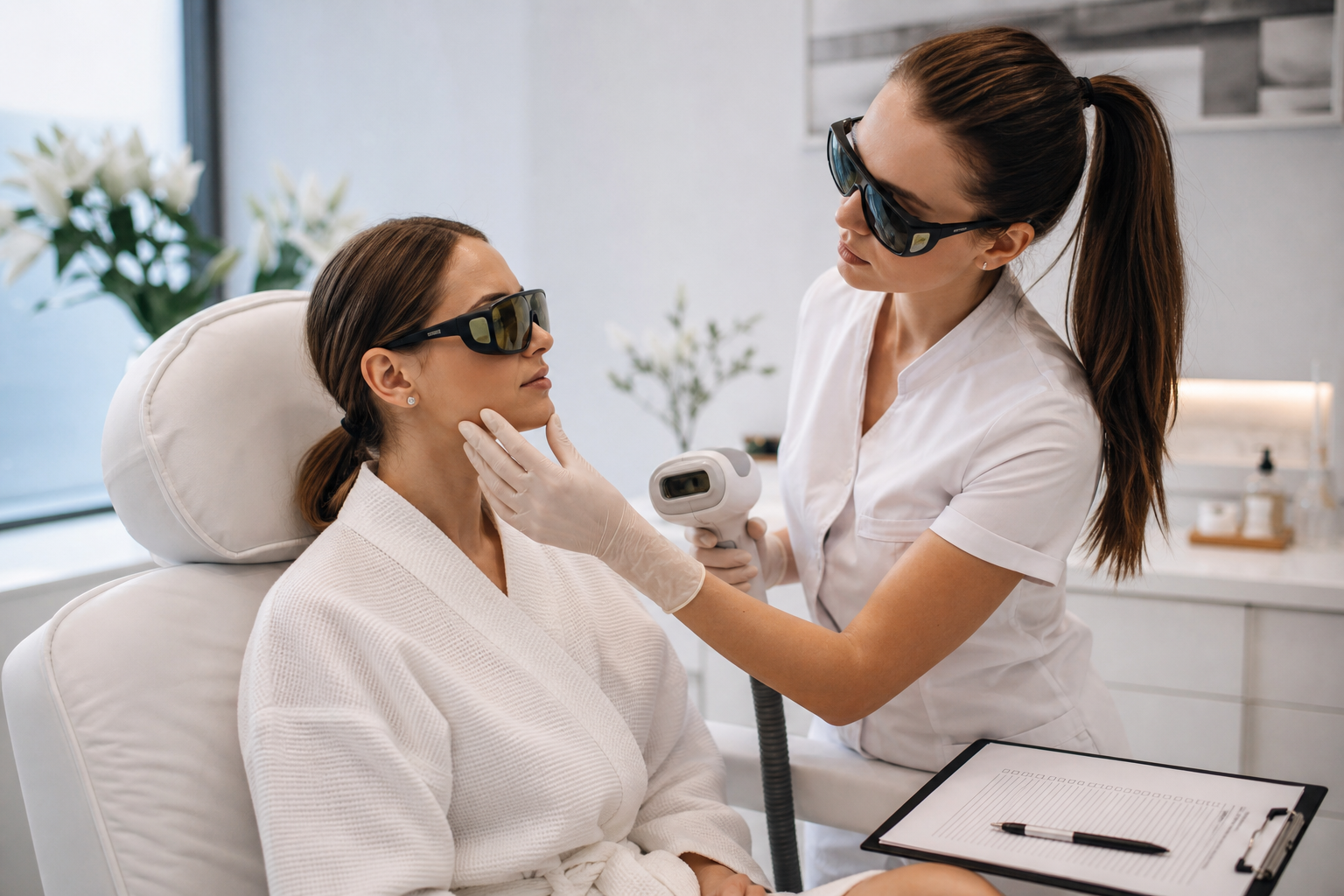
Laser Hair Removal Safety
Laser hair removal safety depends on personalized assessment of skin type, hair color, device choice, and operator expertise. Unde...
Read more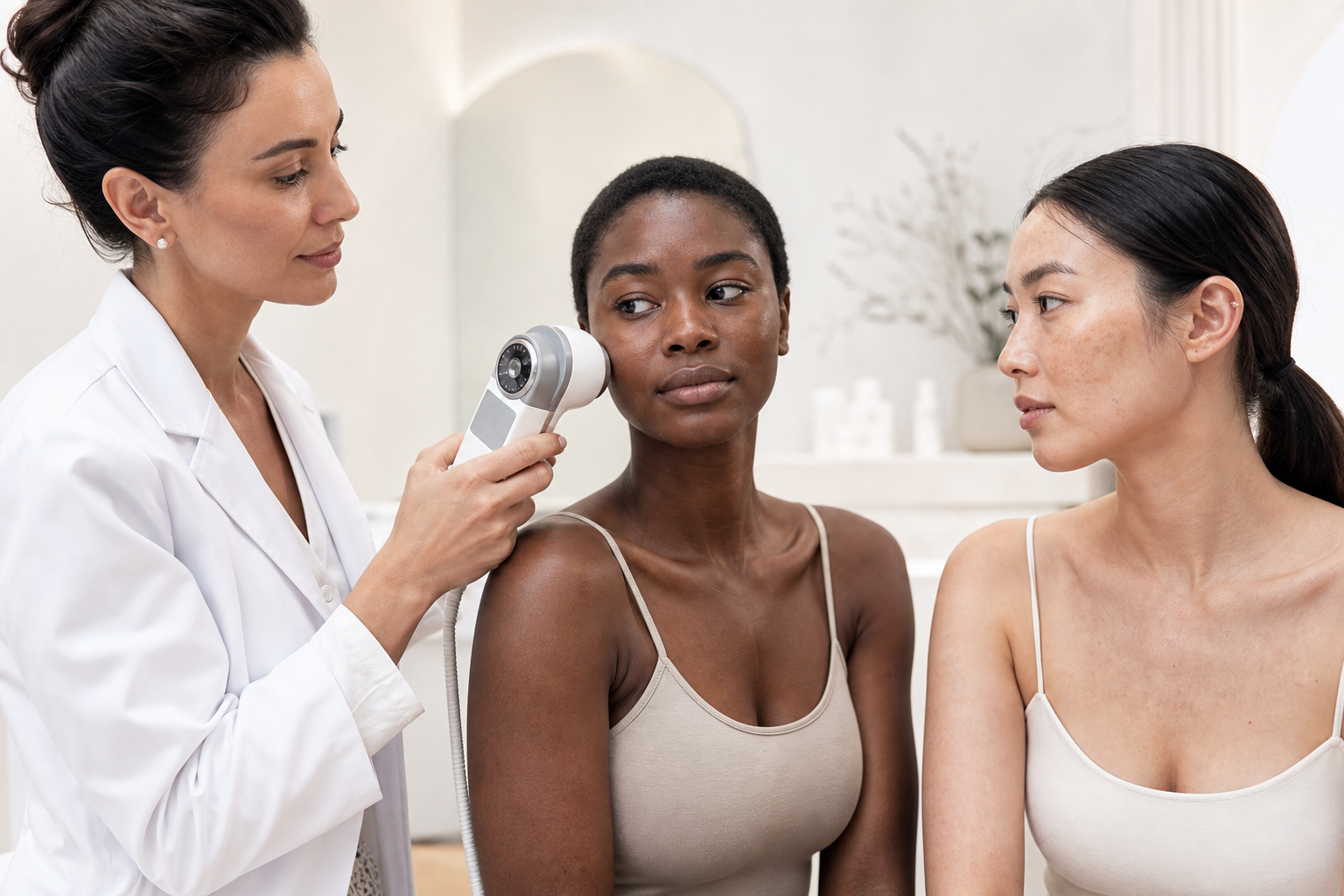
Laser Hair Removal and Skin Type
Laser hair removal effectiveness and safety depend on understanding diverse skin types and their interaction with laser technology...
Read more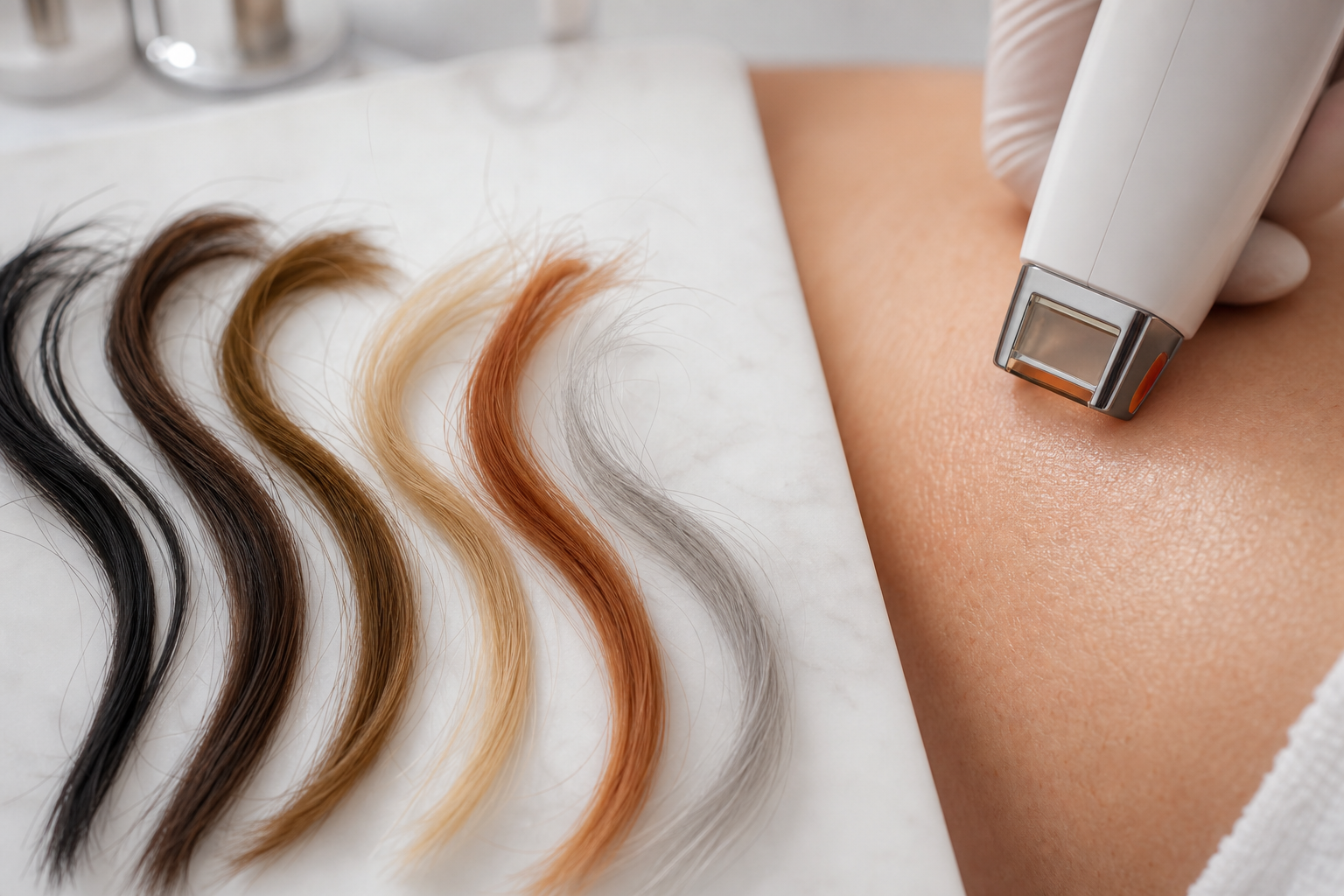
Laser Hair Removal and Hair Type
This expert guide explains how hair type critically influences laser hair removal outcomes. It covers melanin's role, compares dif...
Read more
Laser Hair Removal Through the Seasons
Laser hair removal suitability depends on factors like current tanning, UV exposure, skin phototype, and aftercare rather than the...
Read more
Laser Skin Rejuvenation – A Complete Guide to Treatments, Results and Recovery
Laser skin rejuvenation utilizes advanced laser technologies to enhance skin texture, tone, and firmness by stimulating collagen p...
Read more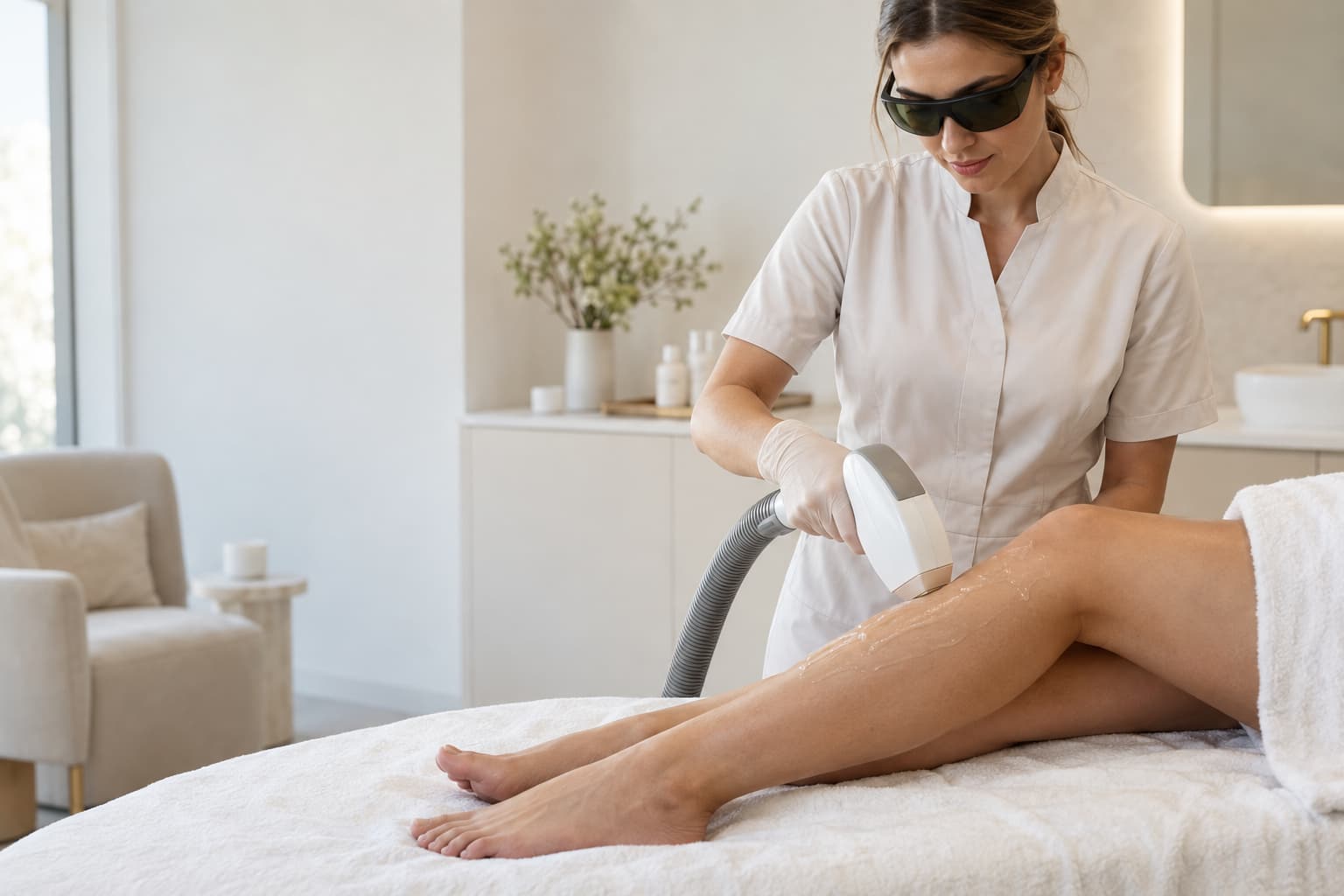
Laser Hair Removal – The Complete Guide to Treatment, Results and Expectations
Laser hair removal offers a lasting solution to unwanted body hair by targeting hair follicles with concentrated light, resulting...
Read more
Laser Hair Removal Results – What to Realistically Expect
Laser hair removal offers significant long-term reduction of unwanted hair by targeting follicles during growth cycles. Results va...
Read more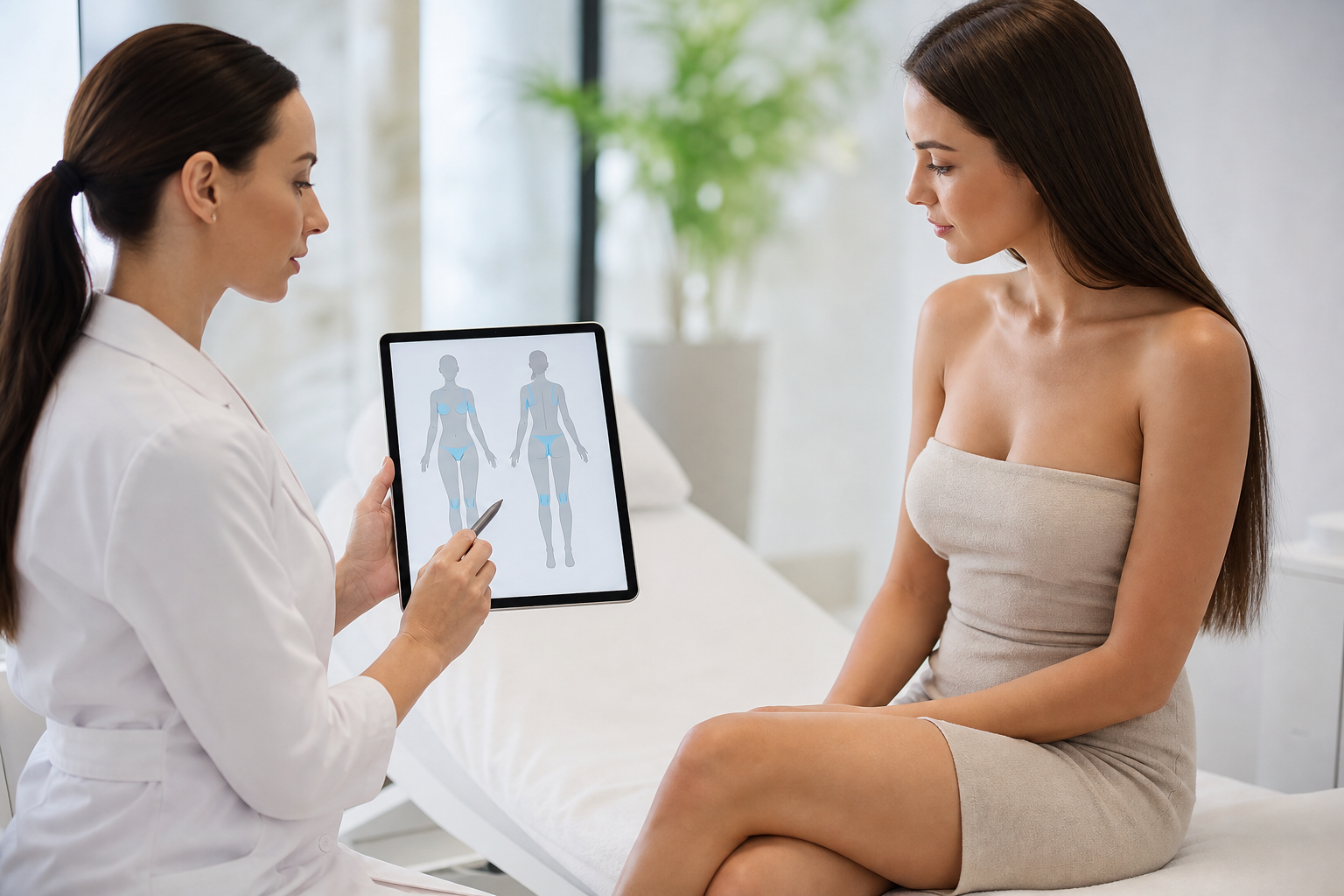
Laser Hair Removal by Body Area
Laser hair removal varies significantly across body areas due to differences in hair density, skin sensitivity, and hormonal influ...
Read more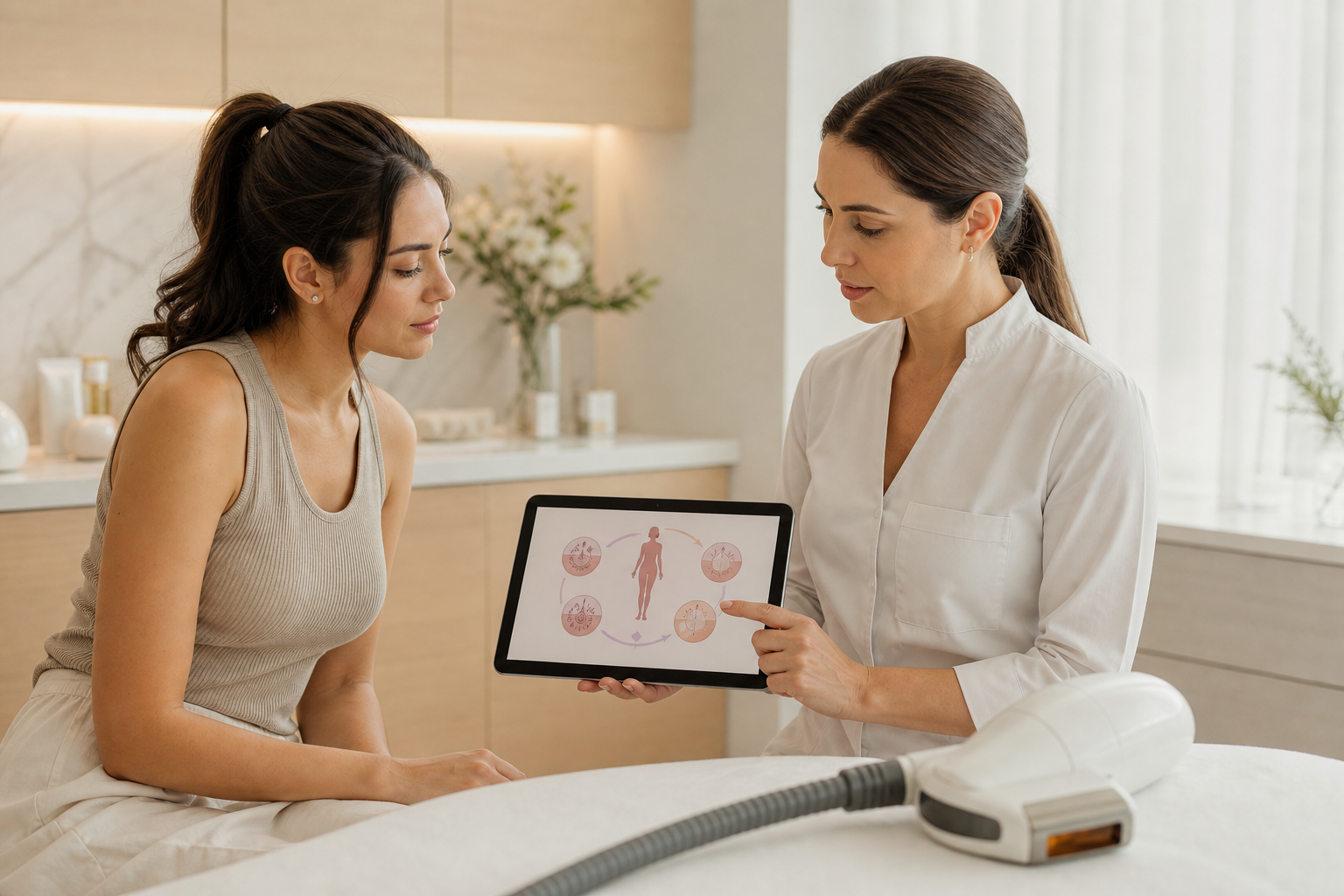
Laser Hair Removal and Hormones
Laser hair removal offers a long-term cosmetic solution for hormonally influenced unwanted hair but does not treat the underlying...
Read more
Laser Skin Tightening – Complete Guide to Lifting and Firming the Skin
Laser skin tightening is a non-surgical aesthetic procedure that stimulates collagen production to lift and firm the skin. Ideal f...
Read more
Laser Treatment for Visible Vessels and Redness – Complete Guide
Visible facial veins and persistent redness can be effectively addressed with tailored laser and light-based treatments. This guid...
Read more
RF Facial Lifting: A Complete Guide to Radiofrequency Skin Tightening
Write a medically precise, readable, search-intent optimized English magazine article. Explain that “RF facelift” is marketing lan...
Read more
Laser Treatments for Loose Skin After Weight Loss
Loose skin after significant weight loss can affect self-confidence and comfort. Laser treatments offer a non-surgical method to t...
Read more