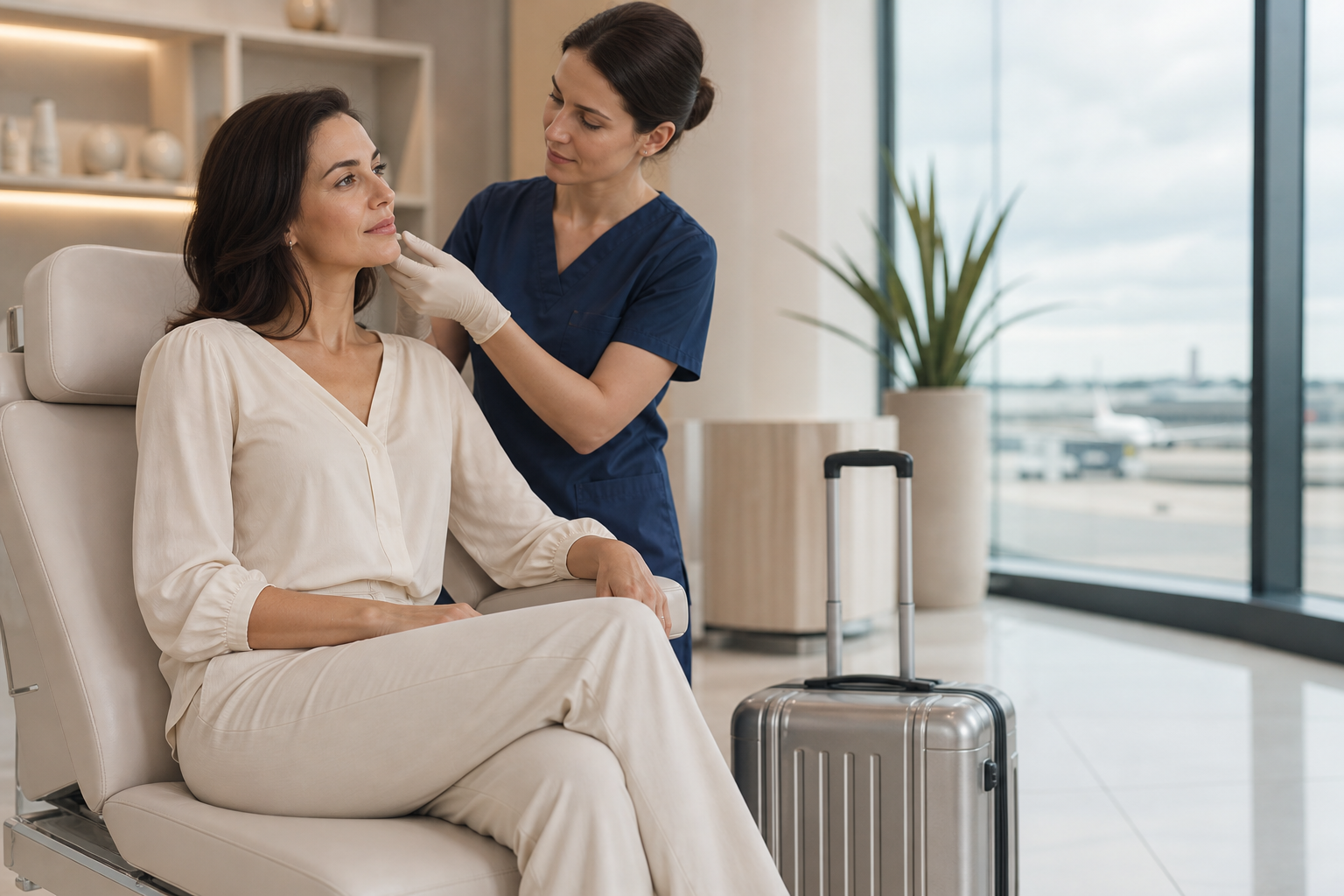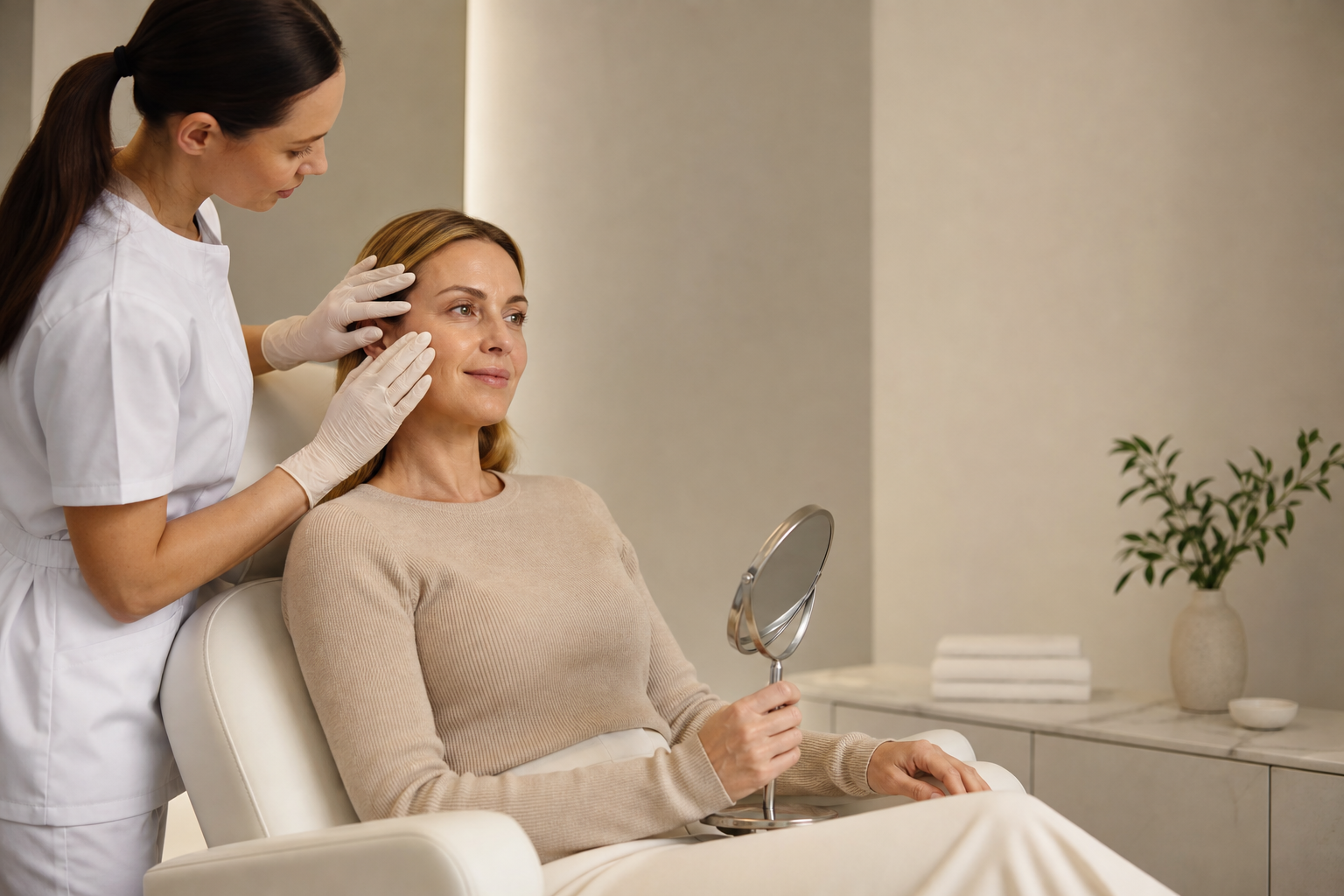
Botox has firmly established itself as a leading aesthetic treatment worldwide, primarily celebrated for its ability to minimize wrinkles and help preserve a youthful skin appearance. While much attention focuses on the procedure itself—how the neurotoxin is carefully injected to relax dynamic facial muscles—the story does not end there. Post-Botox care and activity guidelines play an indispensable role in determining the ultimate success and longevity of the treatment. Understanding how to manage the recovery period and engage in appropriate behaviors afterward can maximize the cosmetic benefits and reduce the risk of unwanted side effects.
This editorial is intended not only for individuals planning to undergo Botox therapy or those who have recently received it but also for anyone wishing to comprehend the essential post-treatment precautions and practices. By following expert advice on what to expect in the hours and days following injection, how best to care for your skin, and which activities to embrace or avoid, you set the stage for the treatment to deliver its full promise. These insights empower patients to approach their post-Botox period with confidence and realistic expectations.
Below, we delve into the pivotal facets of post-Botox care: from the critical initial hours through to longer-term routines and special considerations. We also address when to seek medical attention and highlight the importance of personalized guidance based on individual treatment specifics and health factors.
Immediate Post-Treatment Period: Preserving Precision in the First Hours
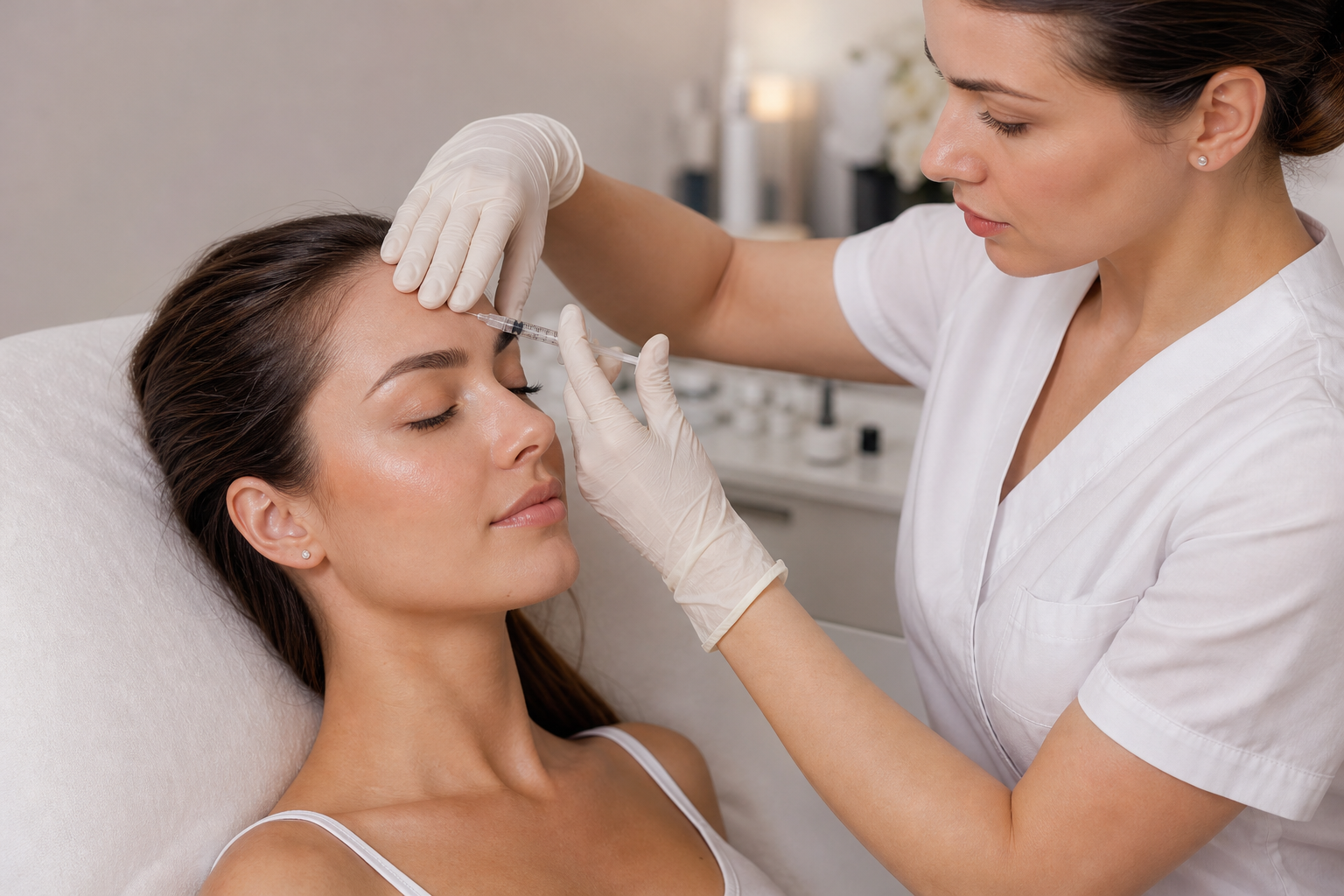
Right after a Botox injection, the localized placement of the neurotoxin is crucial. The botulinum toxin needs to remain in the target muscles without dispersing to adjacent areas, as this containment ensures it can effectively inhibit nerve signals that cause muscle contractions responsible for dynamic wrinkles.
During the first few hours post-injection, patients are advised to avoid touching, rubbing, or massaging the treated areas. Manipulating the injection sites may unintentionally shift the neurotoxin, leading to asymmetries, the onset of unwanted muscle paralysis in non-target zones, or increased bruising. Likewise, patients should refrain from lying down or bending their head forward for at least four to six hours. These postural restrictions further safeguard the toxin from dispersing via gravity or diffusion.
Moreover, it is wise to avoid strenuous physical exertion during this crucial window. Vigorous exercise amplifies blood circulation and sweating, which could hasten the spread of Botox and diminish its intended effects or provoke localized inflammation. Gentle movement, such as a light walk, is acceptable, but more intense training is discouraged initially.
Physical Exercise Recommendations After Botox Injections
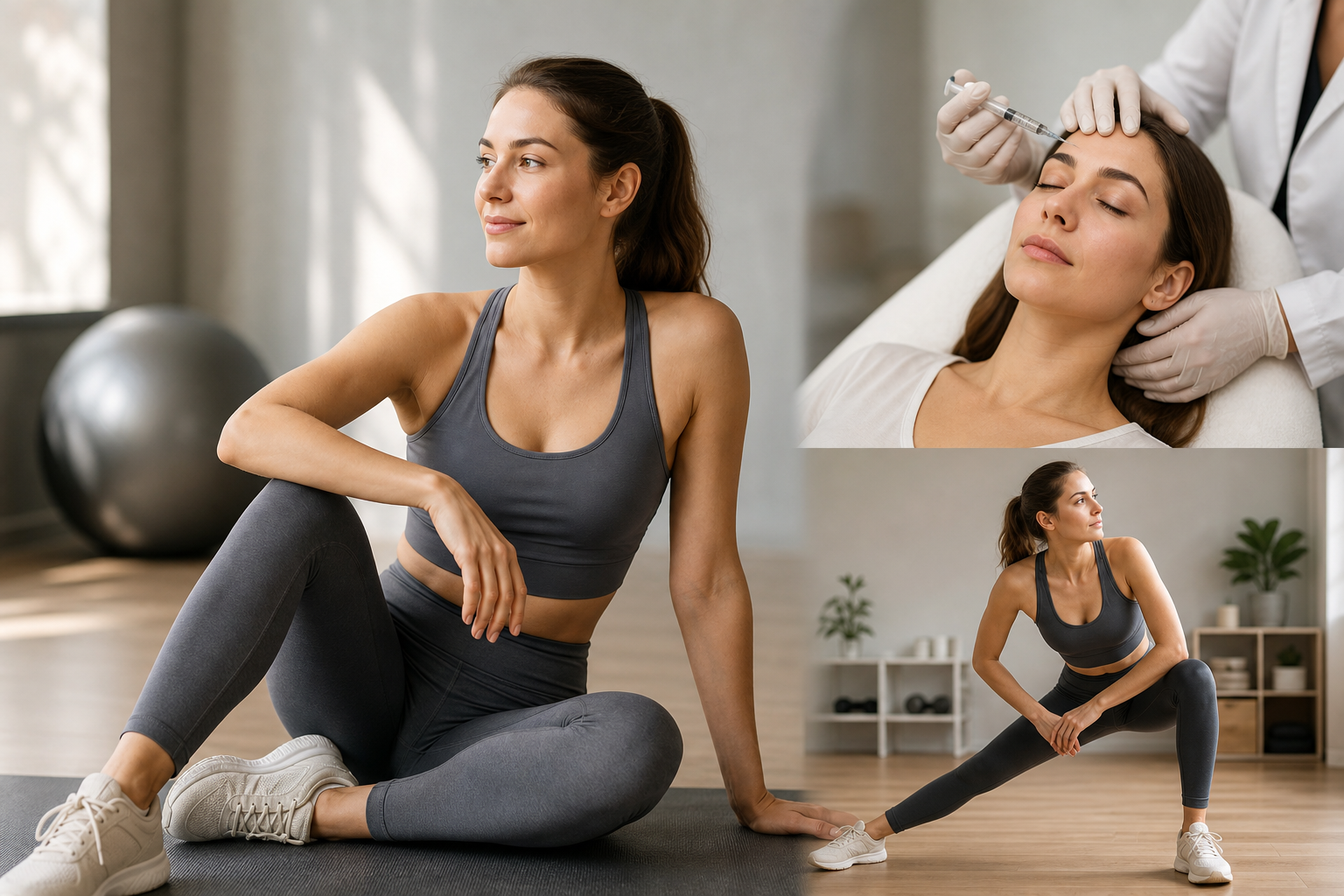
Physical activity is generally beneficial for overall health and even skin vitality. However, immediately following Botox treatment, the dynamics change. High-intensity workouts that increase heart rate and blood flow may jeopardize the localized effect of the injection. Enhanced circulation can cause the neurotoxin to disseminate from the precise injection points, which might reduce efficacy or cause side effects such as drooping eyelids or altered facial expressions.
Therefore, experts advise limiting physical exertion for at least 24 to 48 hours after the procedure. During this period, light exercise like casual walking is acceptable, but activities involving vigorous head movement, heavy sweating, or forceful facial muscle engagement should be avoided. Specific caution applies to workouts that require frequent bending or inversion positions of the head, which can encourage the toxin’s migration.
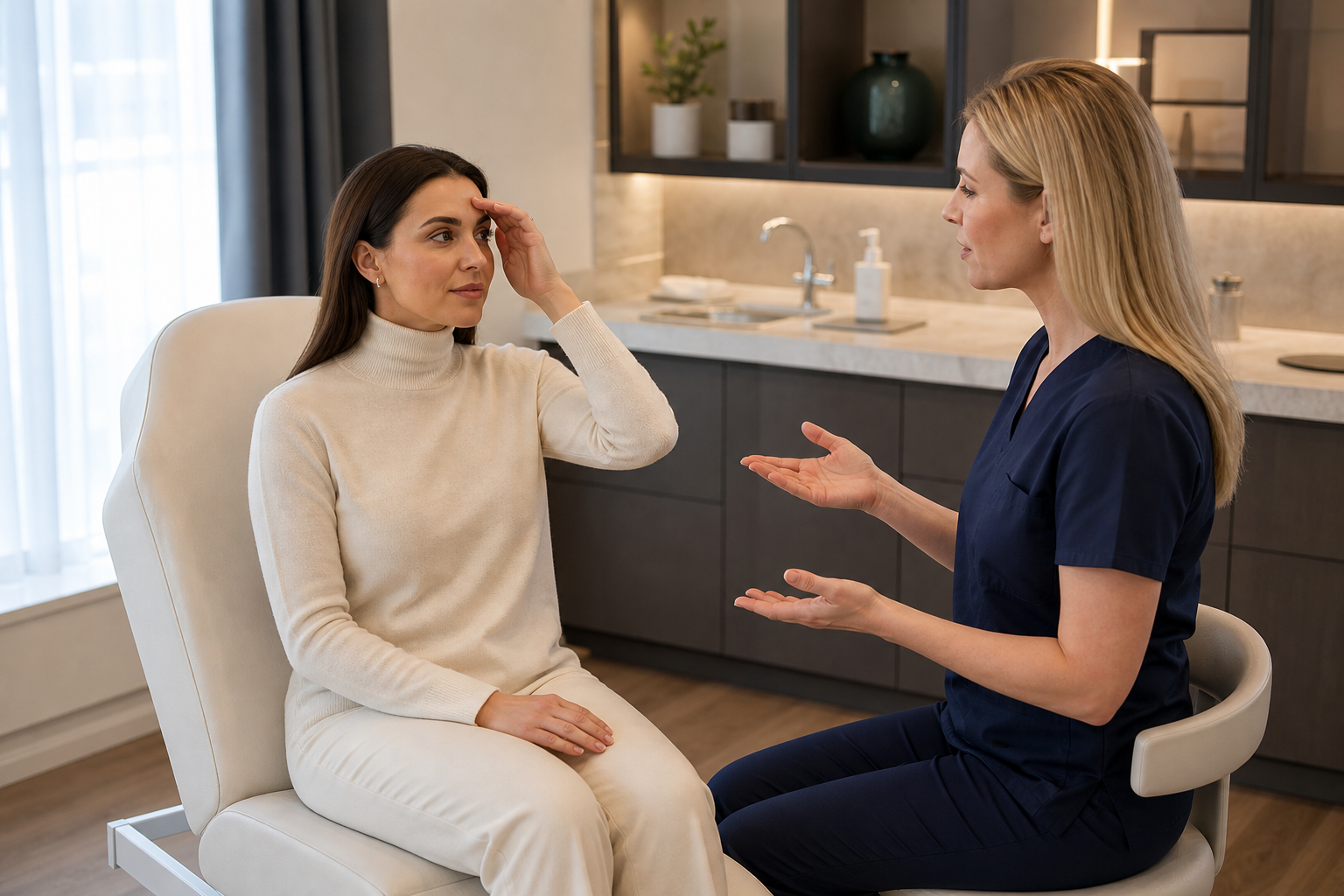
It is essential to recognize that the exact duration and degree of exercise restriction can vary individually. Medical professionals tailor advice based on the treatment area—whether targeting the eye and brow region or other facial muscles—the amount of Botox used, and the patient's lifestyle. Personalized guidance ensures safety without unnecessary limitations.
Impact of Heat Exposure on Botox Efficacy and Skin Recovery
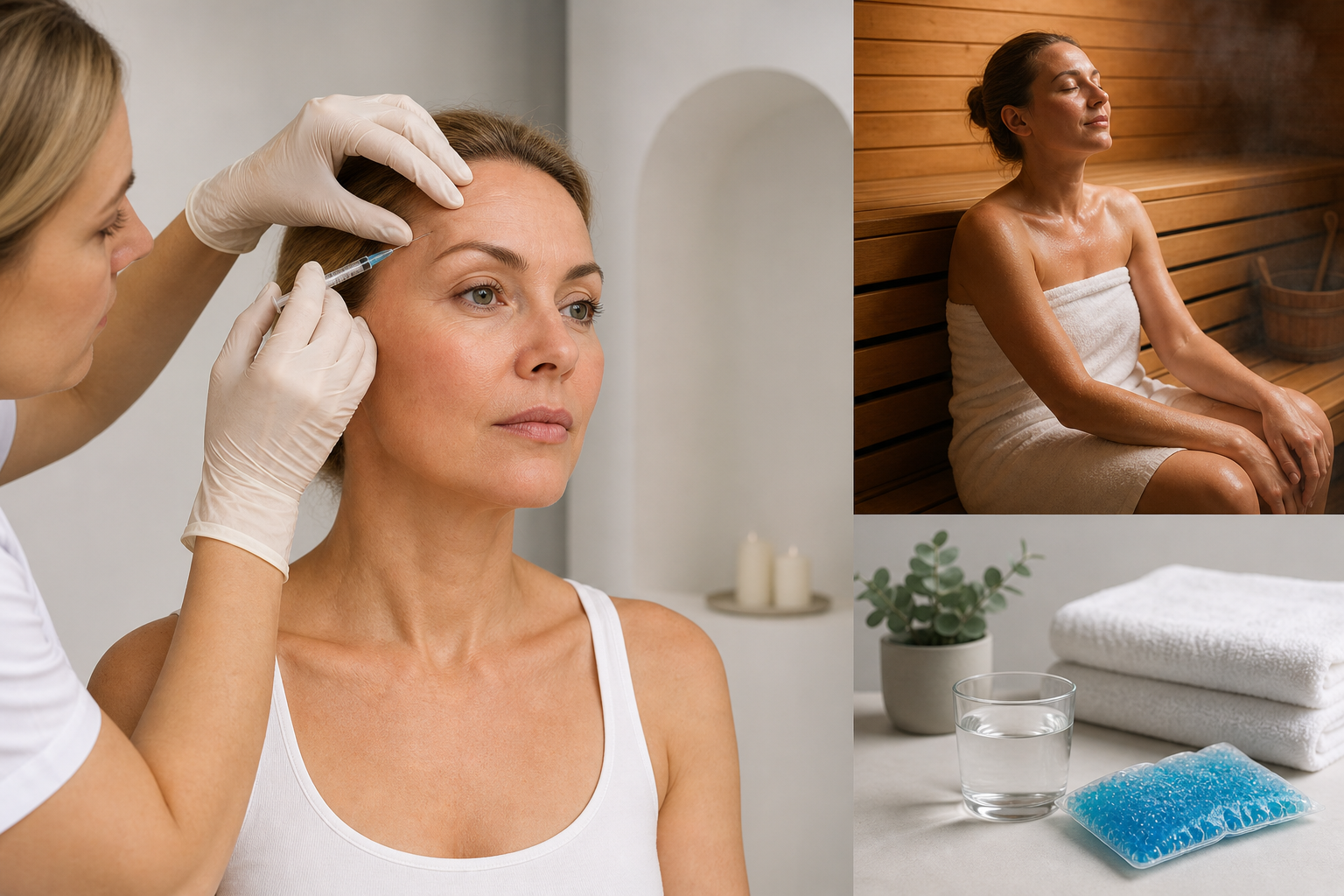
Exposure to high temperatures from sources such as saunas, hot showers, and direct sunlight has a notable influence on Botox results. Heat triggers vasodilation, increasing blood flow to the skin and muscles, which can expedite the breakdown and clearance of the neurotoxin. This process may shorten the duration of wrinkle smoothing or diminish overall effectiveness.
In addition to accelerating neurotoxin metabolism, excessive heat shortly after Botox injections may aggravate local skin reactions. Patients might experience swelling, redness, or uncomfortable sensations at the injection sites due to increased inflammation and sensitivity under heat stress.
Consequently, aesthetic clinicians recommend avoiding heat-intensive environments for about one week following treatment. For unavoidable sun exposure, the use of broad-spectrum sunscreens suited to one’s skin type is imperative. Adopting protective measures helps prevent irritation and supports lasting cosmetic outcomes.
Optimal Facial Care and Cleansing Practices Post-Botox
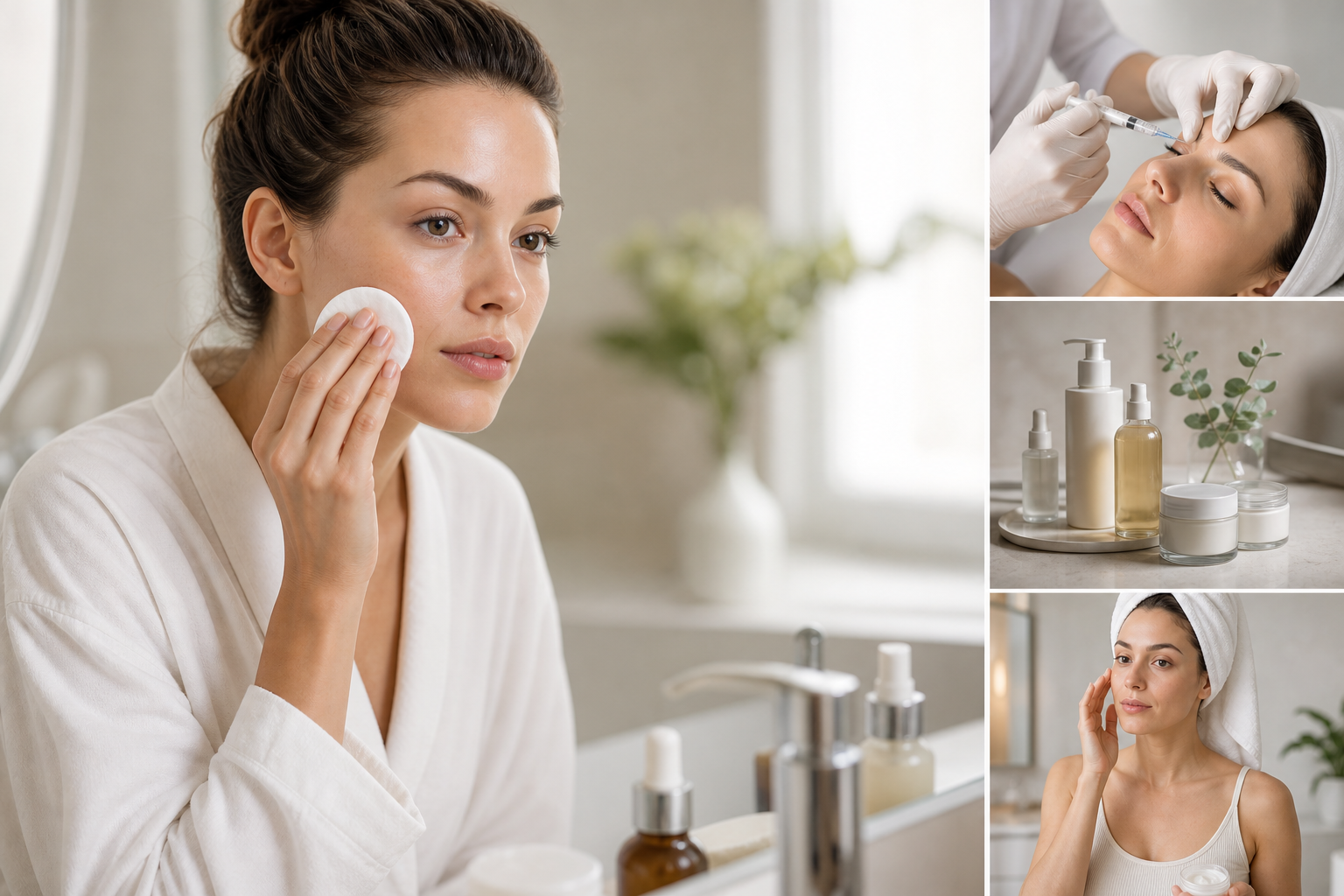
After receiving Botox, the skin requires gentle handling to preserve both the integrity of the treatment and the health of the epidermis. Patients should adopt a mild cleansing routine, using lukewarm water and gentle, non-irritating cleansers that do not strip natural oils or provoke inflammation.
Avoiding vigorous scrubbing or exfoliating treatments in the initial days post-injection is crucial. Aggressive physical or chemical peels can compromise skin barrier function, potentially triggering irritation or altering neurotoxin activity. When drying the face, patting motions with a soft towel are preferred over rubbing to prevent mechanical stress on treated areas.
Hydration is another cornerstone of post-Botox skin care. Utilizing soothing creams or serums recommended by dermatologists help maintain moisture balance and support skin recovery. Maintaining a consistent, gentle skincare regimen fosters an environment for the neurotoxin to operate effectively and for the skin to reflect a smooth, radiant appearance.
Makeup Use After Botox: Timing and Techniques
While makeup is not categorically forbidden after Botox treatment, caution and timing are important. Patients are generally advised to postpone applying cosmetics for several hours following injections to reduce mechanical irritation and allow for optimal toxin absorption.
When reintroducing makeup, choosing light, non-comedogenic products is advisable to prevent clogged pores or inflammatory reactions. Application should be performed using gentle strokes, avoiding vigorous pressure particularly near injection sites. Proper makeup removal with gentle cleansers further minimizes risks of irritation or damage.
If any discomfort, redness, or swelling occurs in response to cosmetic products, patients should seek advice from their healthcare provider. Tailoring the makeup routine to the skin’s condition after treatment contributes to maintaining results without compromising skin health.
Facial Massages and Other Cosmetic Procedures Following Botox Treatments
Facial massages offer relaxation and promote circulation under usual circumstances but are generally discouraged immediately after Botox injections. Massaging can inadvertently move the neurotoxin from intended muscles to surrounding tissues, reducing the effectiveness or causing adverse effects such as muscle weakness in unintended areas.
Particularly, deep tissue or vigorous massages targeting the face should be avoided for at least several days, often up to two weeks, depending on individual care plans. Similarly, other cosmetic interventions—like chemical peels, microdermabrasion, or laser therapies—require careful scheduling around Botox treatments.
Consultation with your treating specialist about timing and compatibility of these procedures is essential. Customized recommendations secure patient safety and preserve the integrity of the aesthetic outcomes.