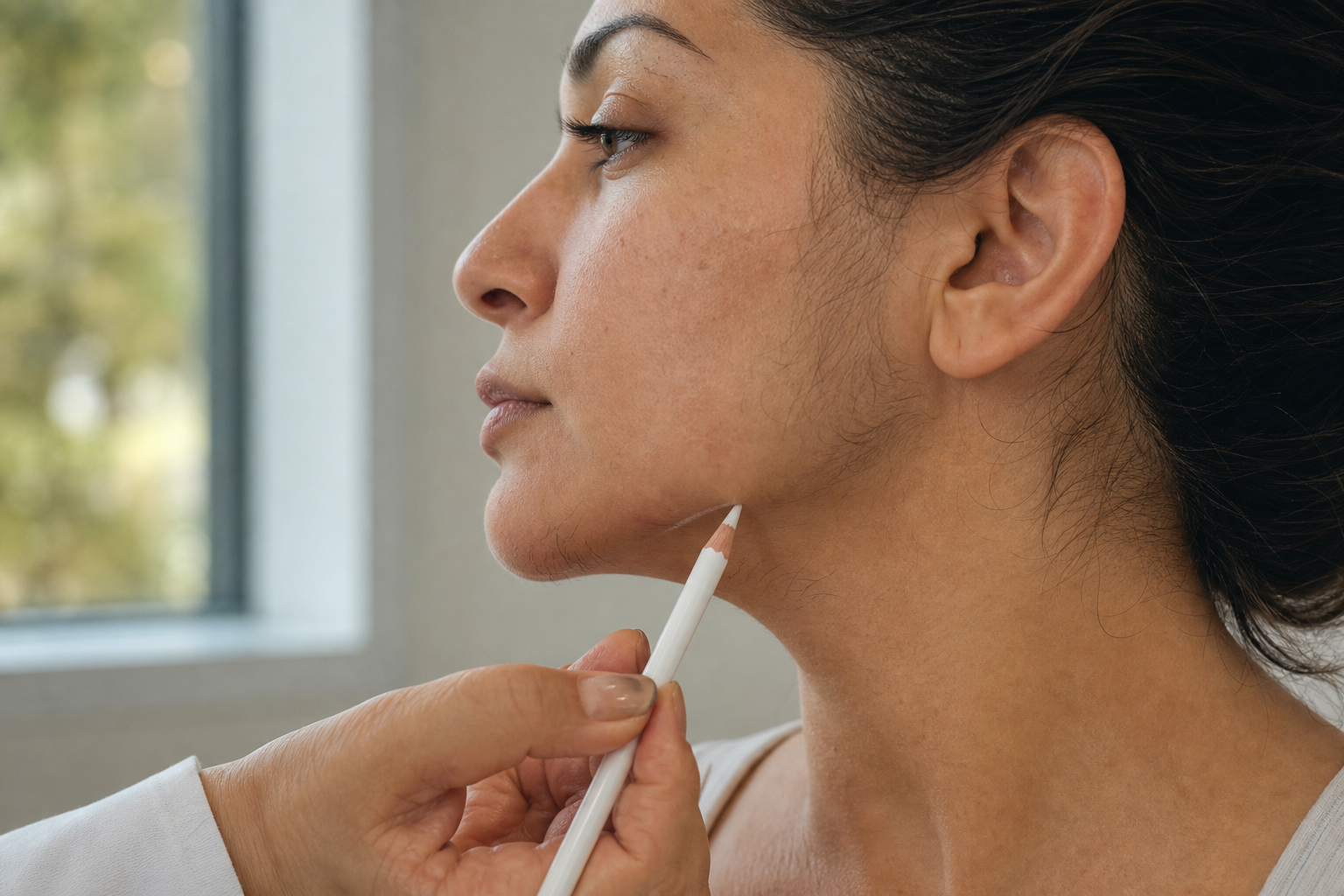
Hormonally influenced facial hair is a complex and often sensitive issue affecting many individuals, predominantly women, who experience increased hair growth in areas usually characterized by fine, light hairs. This condition involves the appearance of thicker, darker hair on regions such as the chin, jawline, neck, and upper lip, commonly attributed to hormonal fluctuations or imbalances. Understanding the nature of hormonally influenced hair, its underlying causes, and management options is vital for those affected, as it impacts confidence and quality of life.
This article is intended for individuals confronting the challenges posed by hormonal facial hair growth, including those seeking effective hair removal options like laser hair removal tailored to this specific condition. It aims to demystify the distinctions between terminal and fine hairs, explain hair growth cycles relevant to treatment timing and effectiveness, outline candidacy for laser therapy, assess associated risks, and set realistic expectations regarding results and maintenance requirements. Additionally, it discusses when sudden changes in facial hair growth indicate the need for medical assessment, ensuring a holistic view of this condition.
Given that hormonally influenced facial hair can occasionally signal deeper endocrine or reproductive health issues, recognizing patterns linked to conditions such as polycystic ovary syndrome (PCOS) is crucial. This editorial strives to equip readers with informed perspectives for making prudent decisions concerning both aesthetic treatments and medical care.
What Are Hormonally Influenced Facial Hairs and Why Do They Develop?
Facial hair growth influenced by hormonal factors typically manifests as an increase in the number, thickness, and pigmentation of hairs in areas where women normally present soft, vellus hair. This transformation is driven chiefly by androgen hormones, which promote the conversion of fine vellus hairs to coarse terminal hairs. Terminal hairs are darker, thicker, and more rigid compared to fine hairs and tend to appear in a male-pattern distribution on the face—particularly on the chin, jawline, along the neck, and upper lip.
The underlying hormonal causes may be physiological, including puberty, pregnancy, menopause, or transient shifts in hormone levels. However, pathological endocrine imbalances, such as those seen in PCOS or thyroid disorders, can provoke excessive terminal hair growth, clinically termed hirsutism.
This hormonally influenced hair growth represents more than a cosmetic concern; it can reflect disruptions in hormonal balance, necessitating careful evaluation and appropriate intervention. The visibility of these hairs often affects self-esteem and social well-being, underlining the importance of effective management strategies.
Distinguishing Terminal from Fine Hairs: Implications for Treatment
One of the fundamental considerations when addressing facial hair is correctly identifying the type of hair present. Fine (vellus) hairs are thin, light-colored, and soft; they are barely noticeable and do not typically warrant hair removal interventions. In contrast, terminal hairs are coarser, darker, and more deeply rooted, making them more conspicuous and more resistant to removal efforts.
For treatment modalities such as laser hair removal, terminal hairs are the optimal target due to their higher melanin content. The pigment within terminal hairs absorbs laser energy efficiently, allowing precise follicle disruption. Fine hairs, low in melanin, often respond poorly to laser treatment, leading to suboptimal results and potential misallocation of resources.
Understanding these hair types assists clinicians in assessing suitability for laser procedures and setting realistic patient expectations. It also helps tailor alternative or adjunctive treatments for vellus hairs, which may require different approaches due to their subtle nature.
The Hair Growth Cycle Explained: Why Timing Matters in Laser Treatment
Effective management of hormonally influenced facial hair through laser technology requires comprehension of the hair growth cycle, composed of three distinct phases: anagen (growth), catagen (transition), and telogen (resting). Each follicle cycles independently, meaning that at any given time, some hairs are actively growing while others are dormant.
Lasers selectively target hairs in the anagen phase, when the follicle is actively producing hair and melanocytes are abundant, maximizing laser absorption. Hair follicles in catagen and telogen phases contain less melanin and do not respond well to laser energy, making treatment during these phases largely ineffective.
This cyclical nature necessitates multiple treatment sessions spaced appropriately, typically several weeks apart, to coincide with successive pulses of follicles entering the anagen phase. This approach enhances the probability of comprehensive follicle damage, leading to long-term hair reduction.
Determining Candidacy for Laser Hair Removal of Hormonally Influenced Facial Hair
Not everyone experiencing hormonally influenced facial hair is an ideal candidate for laser hair removal. Optimal candidates typically exhibit terminal hairs that are dark and thick, paired with lighter skin tones which contrast well with the hair pigment. This contrast allows the laser to selectively target hair follicles while sparing the surrounding skin, reducing risks such as burns or pigmentation changes.
Individuals with very fine, light-colored, or unpigmented hairs may not achieve satisfactory results. Those with darker skin types require specialized laser devices designed for safe and effective treatment, as increased skin melanin can cause absorption of laser energy, risking adverse effects.
Patients with known hormonal disorders such as PCOS may benefit from laser hair removal, but their hormonal imbalance should ideally be under medical supervision to maximize treatment success and minimize hair regrowth due to ongoing endocrine stimulation.
Risks Associated with Laser Treatment of Unpigmented or Fine Hairs
Laser treatment of unpigmented, very fine, or vellus hairs entails intrinsic limitations and risks. The insufficient melanin in these hairs reduces laser energy absorption, making permanent removal unlikely. As a result, such treatments may lead to partial hair reduction or temporary results, potentially causing frustration.
Moreover, inappropriate laser parameters or techniques may provoke skin irritation, redness, hyperpigmentation, or hypopigmentation, especially in sensitive or darker skin types. Hence, precise assessment by trained professionals and use of suitable laser devices tailored to hair and skin type are critical to minimizing complications.
Patients should be informed about the potential for limited efficacy and the requirement for alternative approaches or adjunct therapies when dealing with non-pigmented or very fine hair.
Setting Realistic Expectations and Understanding Maintenance Needs After Treatment
Laser hair removal in the context of hormonally influenced facial hair is not a one-time solution. Typically, a series of 6 to 10 sessions, spaced about 4 to 6 weeks apart, is required to achieve significant reduction in hair density and thickness. Treatment efficacy accumulates progressively as more follicles in the anagen phase are targeted over time.
Due to the hormonal influence behind the hair growth, particularly in endocrine disorders, some hair regrowth may occur after treatment completion. This phenomenon reflects ongoing hormonal stimulation of hair follicles that were not permanently destroyed or new follicular activation.
Consequently, periodic maintenance sessions at intervals determined by the individual's response and hormonal status are often necessary to sustain satisfactory results. Patients should view laser therapy as part of an ongoing regimen rather than a permanent cure, especially when underlying hormonal imbalances persist.
Signs That Warrant Medical Evaluation for Sudden or Irregular Facial Hair Changes
Sudden onset or rapid escalation of facial hair, irregular menstrual cycles, unexplained weight changes, severe acne, hair loss on the scalp, or other systemic symptoms can indicate significant hormonal disturbances. Such manifestations necessitate prompt medical consultation with endocrinologists or gynecologists to identify underlying causes.
Conditions such as PCOS, thyroid disorders, adrenal hyperplasia, or medication side effects can present with these features. Proper diagnosis allows for targeted treatment, potentially mitigating hair growth and associated symptoms beyond what laser hair removal alone can achieve.
Regular health monitoring and interdisciplinary care enhance outcomes and ensure that facial hair symptoms are managed comprehensively.
Integrating Laser Hair Removal with Broader Hormonal Management
While laser hair removal addresses the physical manifestation of hormonally influenced facial hair, it does not modify hormonal pathways causing hair growth. Treatment of hormonal disorders often involves pharmacological interventions like oral contraceptives, anti-androgen medications, or lifestyle modifications, in conjunction with aesthetic therapies.
Individuals with PCOS or other endocrine conditions can benefit from a combined approach incorporating medical management and laser hair removal. This strategy improves hair reduction durability and overall wellbeing.
Maintaining regular follow-up appointments with healthcare providers ensures that laser sessions are timed appropriately in relation to hormonal control and that potential side effects are monitored.


