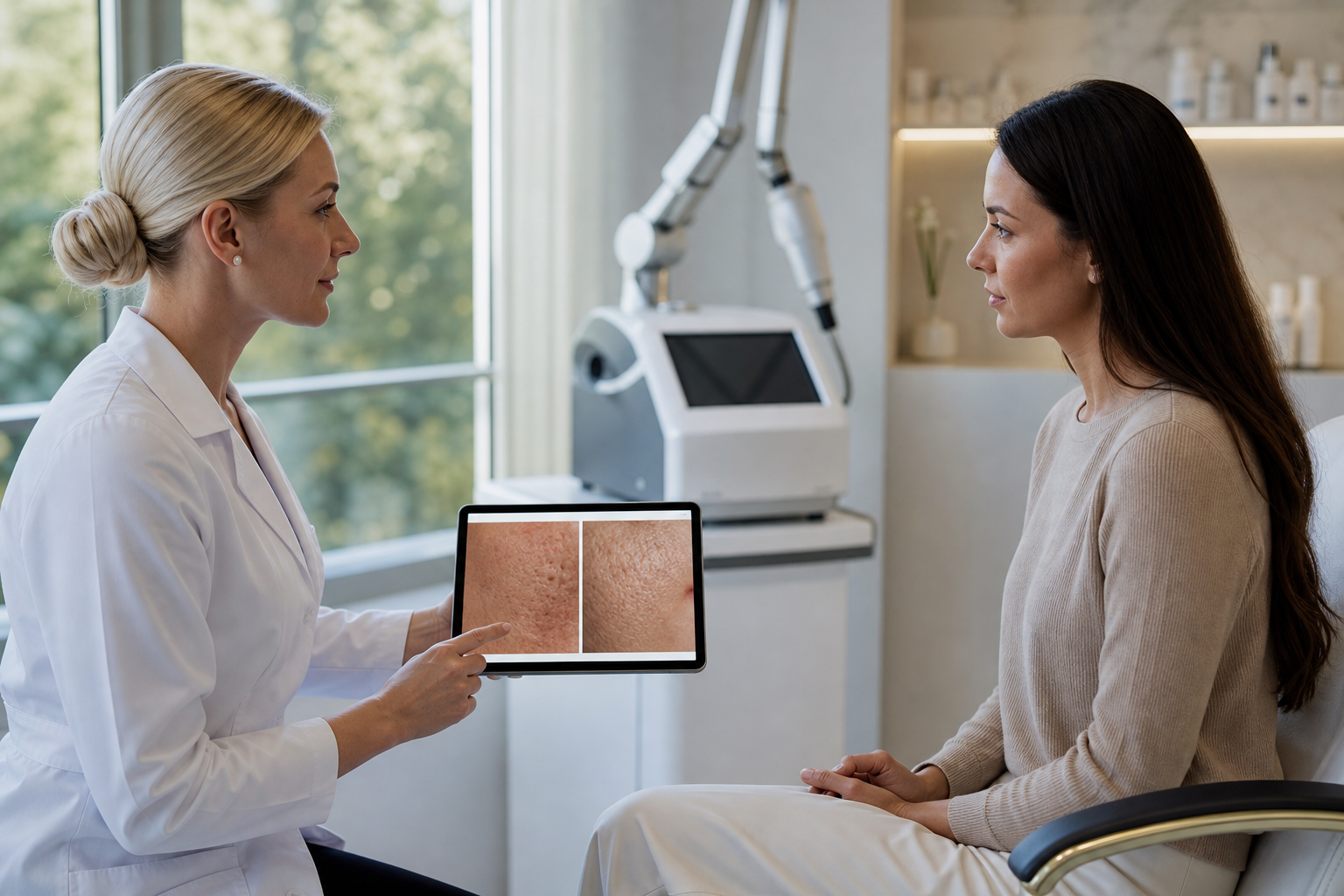
The choice between CO2 laser and RF microneedling represents a pivotal question in the realm of advanced skin rejuvenation treatments. Both techniques have garnered considerable attention for their ability to stimulate skin regeneration, yet they embody fundamentally different mechanisms, target indications, downtime requirements, and risk profiles. Understanding these key distinctions is essential for patients and practitioners seeking to tailor interventions to specific skin concerns, desired results, and lifestyle considerations.
This comprehensive editorial explores the critical differences between CO2 laser and RF microneedling, focusing on their modes of action, candidacy parameters, recovery timelines, and safety considerations. While the landscape of skin rejuvenation includes numerous modalities, including IPL and chemical peels, it is important to distinguish that IPL is not a laser, and thus differs notably from the treatments discussed here. Given the impending FDA guidance regarding RF microneedling devices expected in 2025, an informed perspective on the benefits and limitations of these technologies is particularly timely.
By unpacking how these procedures function, the ideal candidates for each, their anticipated benefits, potential risks, and recovery expectations, readers can gain clarity on which treatment aligns best with their unique skin requirements and goals. This article forms part of a broader discourse available in related literature such as Laser, IPL, RF or Microneedling – Comparing Skin Rejuvenation Treatments and Laser Skin Rejuvenation – A Complete Guide to Treatments, Results and Recovery, which delve deeper into the nuances of laser and non-ablative skin enhancements.
What Are the Fundamental Mechanisms Behind CO2 Laser and RF Microneedling?
Understanding the core technology and biological response stimulated by CO2 laser and RF microneedling is crucial to appreciating their clinical applications and expected outcomes. CO2 laser therapy utilizes fractional ablative laser technology to create micro-injuries in the skin by precisely vaporizing thin layers of the epidermis and portions of the dermis. This process triggers a robust wound-healing cascade leading to collagen synthesis, tissue remodeling, and the replacement of damaged skin cells. The ablative nature means that there is an intentional removal of skin layers, resulting in significant skin resurfacing effects.
On the other hand, RF microneedling represents a hybrid modality combining the principles of mechanical microinjury and radiofrequency energy delivery. Microneedles penetrate the skin minimally invasively, creating controlled channels that induce collagen production. Simultaneously, the radiofrequency energy heats the dermis, further stimulating neocollagenesis without ablating the epidermis. This non-ablative heating enhances skin tightening and texture improvement while preserving the outermost skin barrier, leading to a gentler profile.
This mechanistic dichotomy — ablative versus non-ablative stimulation — fundamentally distinguishes the two treatments, affecting everything from the intensity of results to recovery time and side effect profile. The CO2 laser’s ability to remove damaged skin layers is effective for deeper imperfections, whereas RF microneedling's approach offers remodeling with reduced downtime and risk.
Who Are the Ideal Candidates for CO2 Laser Compared to RF Microneedling?
Patient selection is paramount in optimizing outcomes and minimizing adverse effects for both CO2 laser and RF microneedling. CO2 laser resurfacing is typically best suited for individuals exhibiting pronounced signs of photoaging, such as deeper wrinkles, significant acne scarring, uneven pigmentation, and loss of skin tone and elasticity. Candidates who are able and willing to accommodate a longer recovery phase and more comprehensive post-treatment care are generally appropriate for this modality. The procedure is often favored for patients seeking substantial rejuvenation and correction in a single session.
Conversely, RF microneedling fits well for those presenting with mild to moderate skin laxity, fine lines, and superficial textural irregularities. It is a particularly appealing option for individuals with sensitive skin types or those seeking rejuvenation with minimal interruption to daily life, given its shorter downtime. Patients aiming for gradual improvements through a series of treatments often benefit from this approach. However, candidacy must be thoroughly assessed by a qualified dermatologist or aesthetic surgeon, especially considering contraindications and individual health status.
It is essential to recognize that neither treatment proves universally superior; rather, efficacy hinges on aligning patient skin characteristics, treatment goals, and tolerance for downtime with the appropriate technology.
What Are the Distinctive Benefits of CO2 Laser Versus RF Microneedling?
The CO2 laser’s ablative properties enable it to deliver profound resurfacing by removing damaged epidermal tissue and triggering a substantial regenerative response in the dermis. Patients may observe marked diminution of deep wrinkles, acne scars, pigmentation irregularities, and skin laxity, often manifesting after a single treatment session. This profound remodeling capacity is what makes CO2 laser an attractive choice for more advanced concerns. Additionally, the precision of fractional laser technology allows targeted treatment of affected areas while sparing adjacent skin.
On the other hand, RF microneedling offers a less invasive alternative with meaningful improvements in skin tone, texture, and mild sagging. By preserving the epidermis, it circumvents many of the complications associated with ablative procedures and promotes a quicker return to routine activities. The synergy of microneedling and radiofrequency enables a controlled thermal induction of collagen remodeling over several weeks, with cumulative results achievable through multiple sessions. This method also tends to integrate well with complementary treatments, tailoring comprehensive skin rejuvenation programs.
Ultimately, the choice revolves around balancing the desire for more visible and immediate correction against the appetite for less invasive treatment with progressive enhancement.
How Do Recovery and Post-Treatment Care Differ Between CO2 Laser and RF Microneedling?
The recovery period following CO2 laser resurfacing is notably longer and demands meticulous skincare to ensure optimal healing and minimize complications. Typical post-procedure symptoms include pronounced redness, swelling, crusting, and peeling, which can extend over several weeks. Patients require strict sun protection, hydration protocols, and, in some cases, prescribed topical or systemic medications to manage inflammation and prevent infection. This extended downtime necessitates thoughtful scheduling, particularly for those with occupational or social commitments.
In contrast, RF microneedling generally entails a brief recovery marked by mild erythema and transient swelling, usually resolving within hours to a day. The absence of skin ablation means patients can often resume normal activities immediately with simpler aftercare focused primarily on gentle cleansing and protection. This rapid recovery profile makes it an attractive option for individuals prioritizing convenience and lower lifestyle disruption.
What Are the Safety Considerations and Risks Associated with Each Treatment?
While both CO2 laser and RF microneedling are widely regarded as safe when performed by skilled professionals, they carry distinct risk profiles aligned with their mechanisms of action. CO2 laser's ablative nature inherently increases the potential for adverse reactions such as infections, post-inflammatory hyperpigmentation, persistent erythema, and rarely, scarring if aftercare is inadequate or pre-existing conditions complicate healing. Therefore, comprehensive pre-treatment assessment and post-treatment management by experienced clinicians are imperative.
RF microneedling's minimally invasive approach reduces these risks but does not eliminate them. Possible complications include temporary redness, swelling, mild discomfort, and infrequent infections if sterile technique and post-care are compromised. Importantly, upcoming FDA warnings specific to RF microneedling systems — anticipated by 2025 — underscore the need for rigorous device standards, operator training, and informed consent to uphold patient safety.
In both cases, individualized evaluation of skin type, medical history, and realistic expectations must precede treatment selection, emphasizing that education and professional consultation are cornerstones of safe practice.
How to Make an Informed Choice Between CO2 Laser and RF Microneedling?
Deciding on either CO2 laser or RF microneedling mandates a thoughtful dialogue with a board-certified dermatologist or cosmetic surgeon. During consultation, an expert will examine skin quality, discuss personal cosmetic objectives, evaluate potential contraindications, and review past treatments. This comprehensive appraisal facilitates a tailored recommendation, considering the trade-offs between efficacy, recovery, risks, and costs.
Patients should come prepared to inquire about practical considerations such as number of sessions, expected sensations during treatment, realistic outcomes, and required post-treatment regimen. Understanding the nature of each procedure—from the fractional tissue removal of CO2 laser to the combined electrothermal stimulus of RF microneedling—enables a confident choice aligned with individual lifestyle and skin health.
Moreover, exploring ancillary information from authoritative sources and related topics like Fractional Laser or Chemical Peel – How Do They Differ? or Laser or Microneedling for Scars and Skin Texture? can enrich understanding of the broader context of skin therapies.


