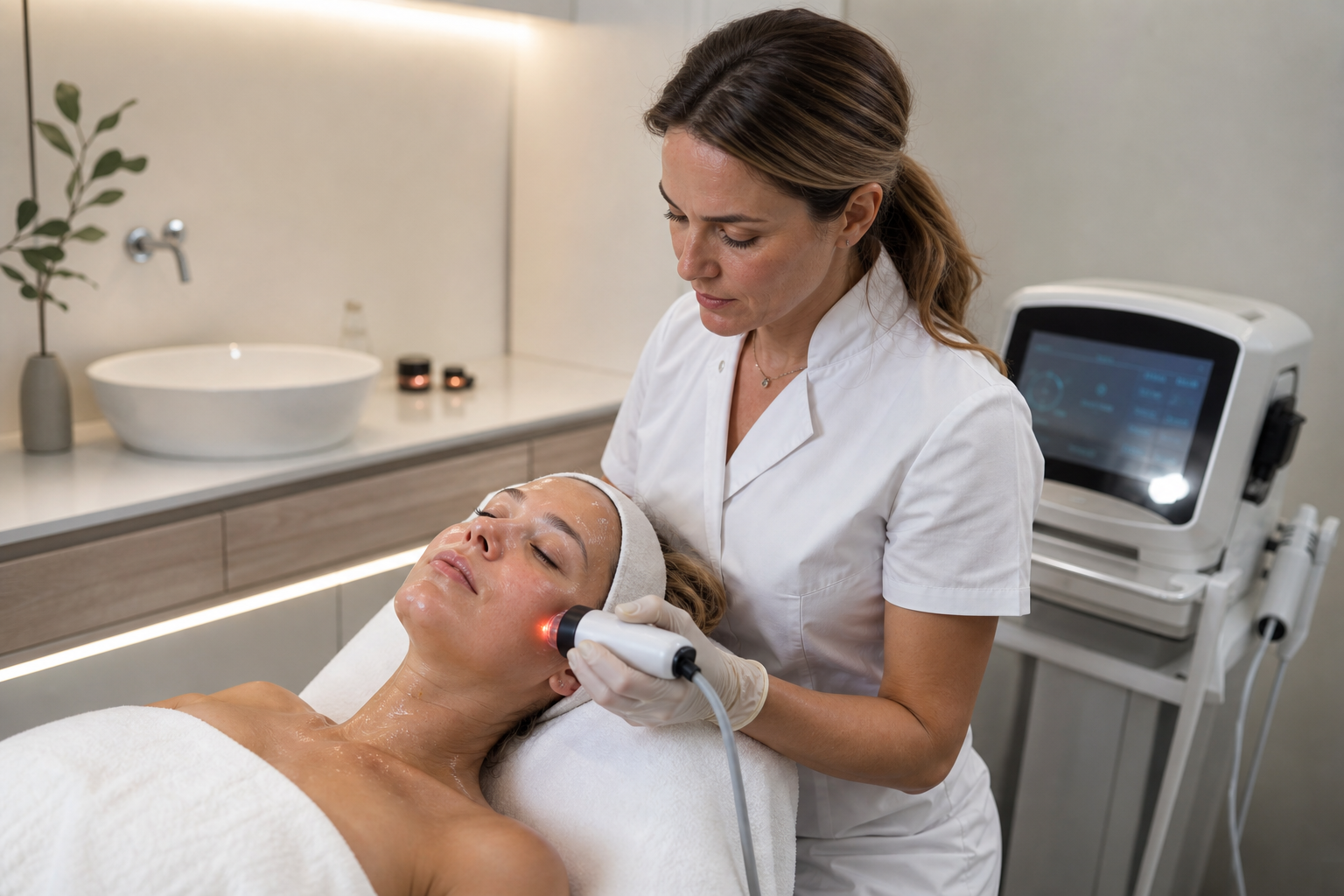
Radiofrequency (RF) technology has emerged as a cornerstone in the rapidly evolving field of aesthetic skin treatments, renowned for its capacity to tighten, lift, and rejuvenate the skin without surgery. As interest grows in non-invasive and minimally invasive cosmetic procedures, a key topic that surfaces repeatedly is the difference between medical and cosmetic RF devices. Understanding this distinction is essential—not only for those seeking to improve their skin's appearance but also for practitioners aiming to offer safe, effective treatment options tailored to individual needs.
RF devices harness radio waves to deliver controlled thermal energy deep into the dermis, stimulating collagen remodeling and elastin production. The result is improved skin firmness, reduction in fine lines, and enhanced contouring without the downtime associated with surgical facelifts. However, the makeup, regulatory oversight, capabilities, and expected outcomes of medical versus cosmetic RF devices differ significantly. Getting to grips with these differences equips patients and professionals alike to make informed decisions, optimizing results while managing expectations.
This article serves as a comprehensive guide to the landscape of RF skin treatments. It unpacks the technological nuances separating medical from cosmetic devices, clarifies the various types of RF treatments available—including non-invasive RF, fractional RF without needles, and RF microneedling—and explains who benefits most from each approach. By shedding light on realistic outcomes and common misconceptions, the discussion aims to demystify RF lifting and empower readers considering this technology for skin tightening and rejuvenation.
What Are Medical and Cosmetic RF Devices, and How Do They Work?
Radiofrequency devices use electromagnetic waves in a specific frequency range to generate heat in the skin’s deeper layers. Unlike surface treatments, RF energy penetrates beyond the epidermis, targeting the dermis and subcutaneous tissue where collagen and elastin fibers reside. This controlled heating causes immediate collagen contraction and stimulates fibroblast activity, promoting neocollagenesis and elastogenesis, essential for skin tightening and youthful texture.
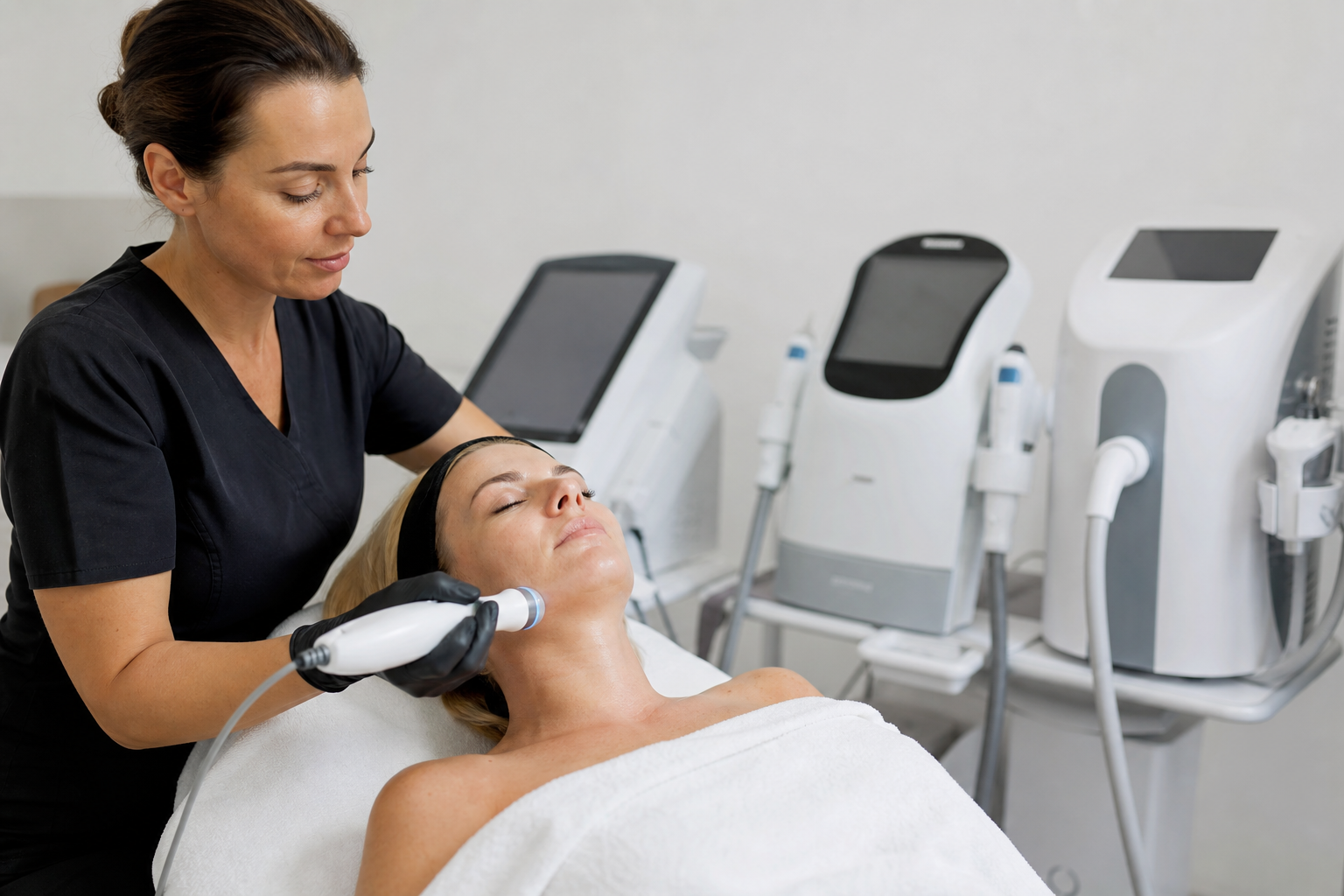
Medical RF devices are designed, manufactured, and regulated as medical equipment. They offer customizable parameters such as power intensity, pulse duration, and treatment depth, enabling precise targeting of problematic areas according to individual patient needs. Their robust construction and regulatory clearance affirm their safety and efficacy for medical practitioners conducting professional treatments under clinical supervision.
Cosmetic RF devices, often available for use in spa settings or even at home, generally produce lower energy outputs and feature limited settings to prioritize user safety without specialized supervision. Their design is tailored toward mild skin improvement and maintenance rather than profound remodeling. The penetration depth and heating intensity of cosmetic RF devices tend to be more superficial, making them less potent but safer for non-professional contexts.
Who Should Consider Medical Versus Cosmetic RF Treatments?
The choice between medical and cosmetic RF devices depends largely on individual skin concerns, treatment goals, and tolerance for procedural intensity.
Individuals experiencing moderate to advanced symptoms of skin laxity, such as visible sagging or deeper wrinkles, will often benefit from medical RF treatments. The greater power and versatility of these devices enable deeper tissue stimulation, which is necessary to achieve more substantial tightening and collagen remodeling effects. Patients with specific dermatological conditions like scar remodeling or cellulite reduction frequently require medical-grade interventions supported by evidence and clinical oversight.
Conversely, cosmetic RF treatments are ideal for those in the early stages of visible aging or for consumers interested in preventative care. These devices offer gentle stimulation that can freshen skin tone, improve texture, and maintain elasticity in younger or mildly affected skin. Because cosmetic devices are safer for unsupervised use, they can be integrated into routine skincare regimens to prolong the benefits of professional treatments, though their effects are typically less dramatic.
Exploring Different Types of RF Treatments: Non-Invasive RF, Fractional RF Without Needles, and RF Microneedling
RF skin tightening technology encompasses several modalities, each differing in mechanism, invasiveness, and clinical utility.
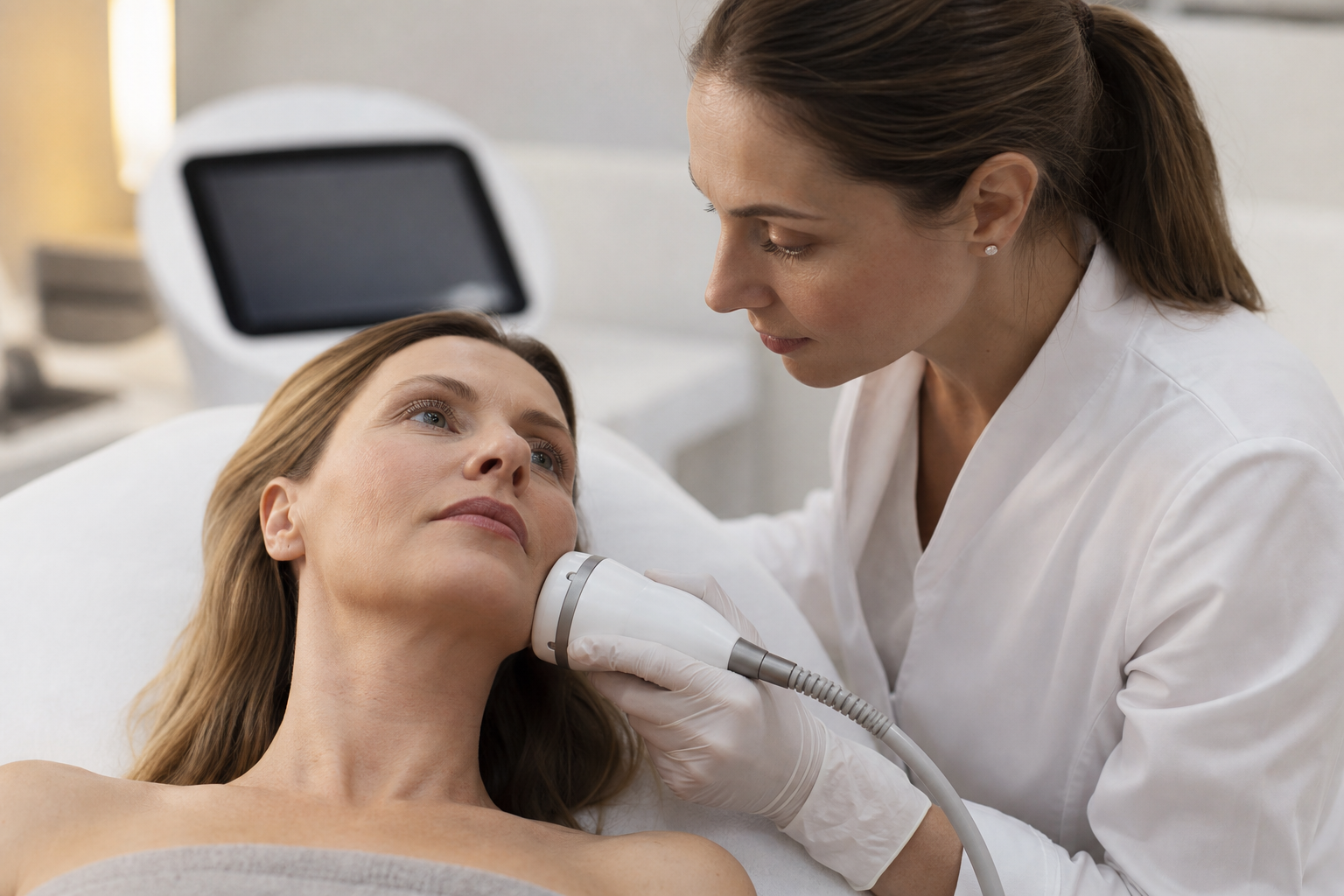
Non-invasive RF treatments are performed by applying an RF device externally to the skin surface. Monopolar, bipolar, and multipolar RF configurations dictate energy flow patterns and penetration depths. Multipolar RF, for instance, utilizes multiple electrodes to deliver heat more uniformly and efficaciously to targeted layers, offering improved results with minimal discomfort. This approach is well-suited for patients seeking gradual skin tightening without downtime.
Fractional RF without needles represents a more advanced method that delivers the energy in microscopic, controlled 'fractions' to the dermis, stimulating regeneration without breaking the skin barrier. This technique enhances collagen synthesis while preserving the epidermis, enabling faster recovery and fewer side effects compared to ablative procedures. It is effective for fine lines, texture refinement, and mild skin laxity.
RF microneedling blends the mechanical action of tiny needles penetrating the skin with simultaneous delivery of RF energy to deeper layers. This minimally invasive process targets precise dermal depths, promoting robust collagen remodeling and addressing more significant signs of aging, acne scarring, and skin irregularities. While requiring short recovery periods, RF microneedling can produce more pronounced and longer-lasting results than purely non-invasive RF treatments.
What Distinguishes Medical RF Devices from Cosmetic Ones in Terms of Safety, Regulation, and Performance?
Medical RF devices undergo stringent testing and certification processes as per health authority regulations, such as the FDA or equivalent bodies worldwide. These certifications ensure that devices meet established safety, efficacy, and manufacturing quality standards. Only licensed healthcare professionals are permitted to operate medical-grade RF equipment in accredited clinics, providing monitored treatment environments that can manage potential complications effectively.
On the other hand, cosmetic RF devices, especially those marketed for at-home or spa use, are designed with safety features to mitigate risks without requiring medical oversight. These include capped energy output, automatic shutoffs, and simplified controls. Regulatory pathways for cosmetic devices may differ, often allowing them to reach the market with less rigorous clinical evaluation, reflecting their intended lower-risk use profile.
Performance-wise, medical RF devices deliver higher power and customizable settings, allowing for deeper, more substantial skin remodeling. The ability to switch between different modes and adjust parameters provides practitioners with versatility tailored to various skin types and conditions. Cosmetic devices offer convenience and accessibility but are limited by their safer yet less potent design, which affects the intensity and longevity of skin improvements.
Why RF Treatments Are Not a Replacement for Surgical Facelift Procedures
A common misconception is equating RF skin tightening with non-surgical facelifts. While RF treatments provide significant improvements in skin quality and mild lifting, they operate fundamentally differently from surgical interventions. A surgical facelift mechanically repositions, tightens, and removes excess skin and underlying tissues to restructure facial contours dramatically. The results are typically immediate and long-lasting but come with increased risks and downtime.
Contrastingly, RF treatments work by enhancing the skin's structural proteins over time without physically repositioning tissues. The improvements tend to be more subtle and progressive, requiring multiple sessions and maintenance treatments to sustain outcomes. For many individuals, RF is an excellent option for natural enhancement or to delay surgical needs, but it does not replicate the volume alterations or profound contour adjustments a surgical facelift achieves.
What Realistic Outcomes Can Be Expected from RF Facial Lifting and Skin Tightening Procedures?
Patients undergoing RF facial lifting can anticipate improvements in skin firmness, elasticity, and overall texture. Fine lines and shallow wrinkles typically become less visible as collagen networks rebuild, resulting in a smoother complexion and subtle lifting effect. These changes generally manifest gradually over weeks to months as the biological remodeling processes unfold.
Clinical evidence and patient experiences indicate that results from professional medical RF treatments tend to be longer-lasting and more noticeable than those from cosmetic or at-home devices. However, no treatment is permanent — repeated procedures are often recommended to maintain and enhance results. Moreover, outcomes depend on factors like skin condition, age, and lifestyle habits.
For minimally invasive methods such as RF microneedling, patients can expect enhanced skin tightening and scar improvement with a short recovery period, although some redness and mild swelling may occur immediately post-treatment. With non-invasive RF, side effects are typically minimal, enabling patients to return to daily activities promptly.
How to Choose the Right RF Treatment: Key Considerations for Patients and Practitioners
Selection of an RF treatment should be personalized, taking into account the patient’s skin concerns, medical history, aesthetic goals, and tolerance for invasive procedures.
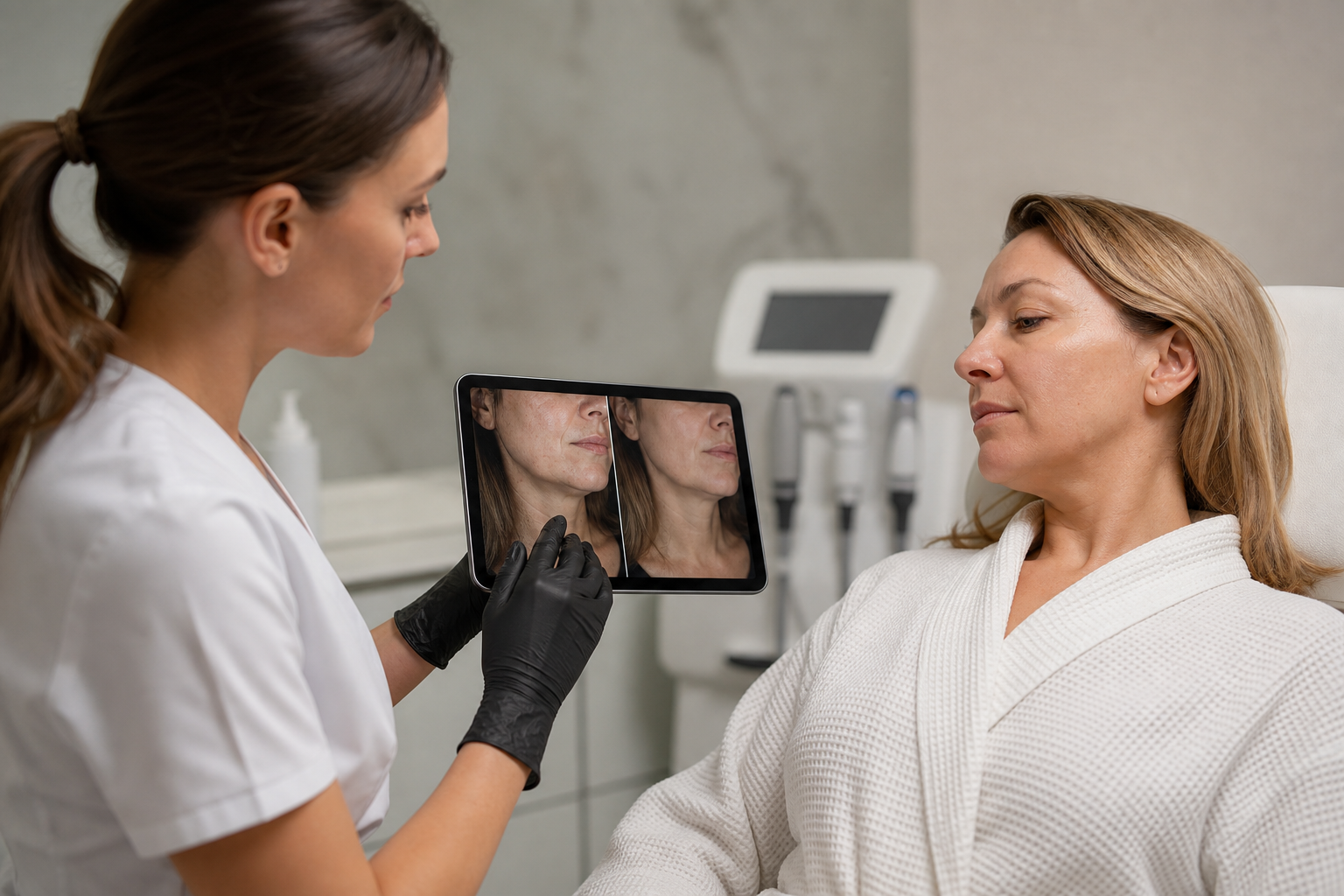
Consultation with a qualified dermatologist or licensed aesthetic practitioner is crucial to assess skin laxity, texture, and underlying health. This evaluation helps determine whether a non-invasive cosmetic device suffices to maintain skin quality or if a medical-grade intervention is warranted for deeper rejuvenation.
Other considerations include the desired timeframe for results, willingness to undergo multiple sessions, and acceptance of potential downtime. For instance, patients seeking modest skin maintenance might elect at-home or spa treatments, while those desiring significant tightening or scar remodeling may opt for in-clinic medical RF procedures or RF microneedling.
Understanding the differences between monopolar, bipolar, and multipolar RF technologies, along with fractional and microneedling variations, informs expectations about treatment comfort, efficacy, and safety. A tailored approach that aligns technology choice with individual skin anatomy and repair capacity optimizes outcomes and patient satisfaction.