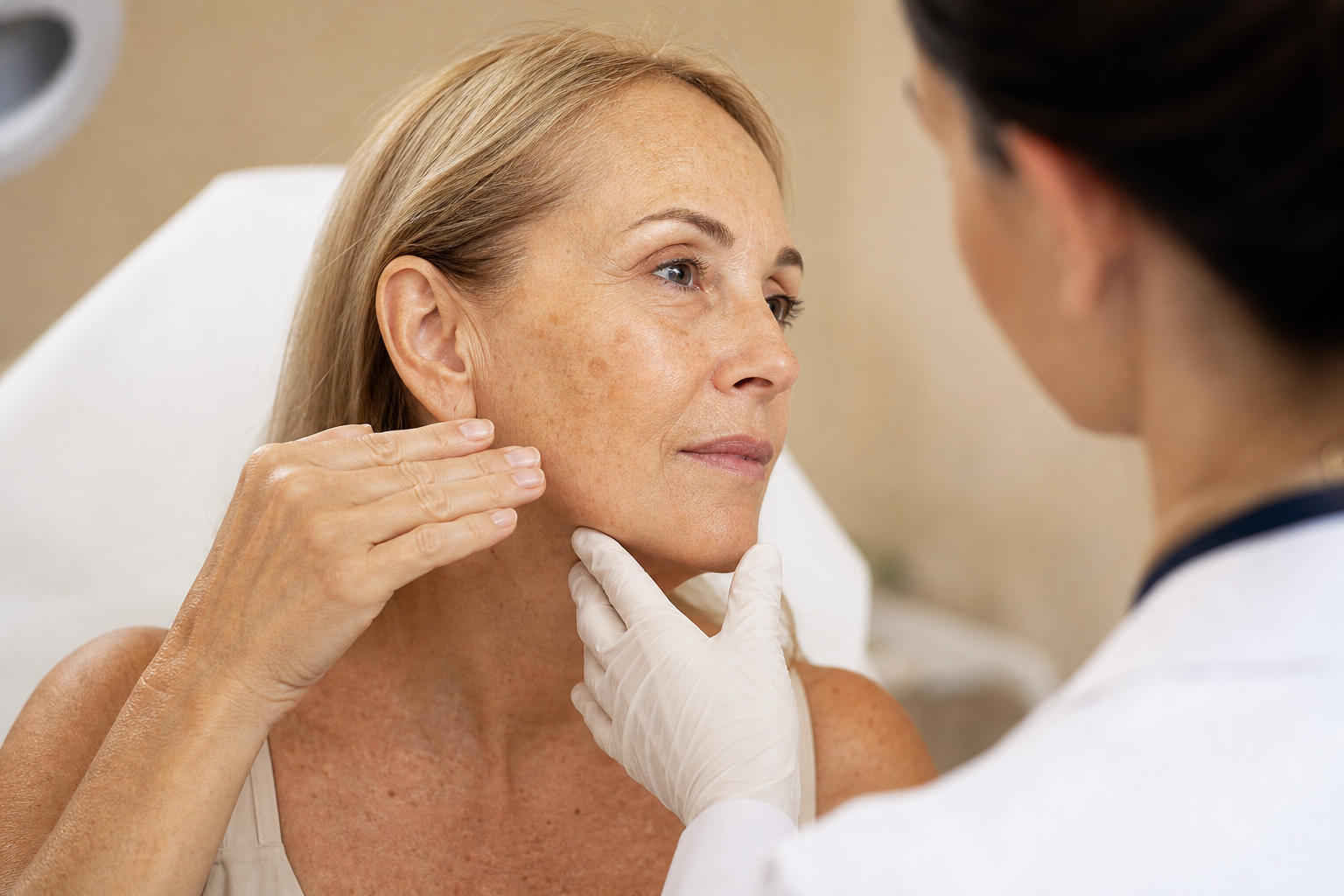
Photoaging and pigmentation are two deeply intertwined skin concerns that often present together, especially in individuals with prolonged and unprotected exposure to ultraviolet (UV) radiation. While these changes might initially appear as mere cosmetic annoyances—such as sun spots or uneven skin tone—they are in fact manifestations of complex biological processes that compromise skin integrity, appearance, and health over time. Understanding when and why photoaging and pigmentation should be treated simultaneously is essential for anyone seeking to preserve or restore youthful skin, as well as for clinicians aiming to offer effective, targeted interventions.
This article delves into the foundations of photoaging, the types of pigmentation linked to sun damage, and the rationale behind combined treatment approaches. It caters to individuals noticing sun-related skin changes, those planning to undergo cosmetic procedures for skin rejuvenation, and professionals in dermatology or aesthetic medicine looking for a comprehensive framework to manage these conditions prudently and effectively.
Beyond simply addressing aesthetic concerns, harmonizing the treatment of both photoaging and pigmentation is about optimizing skin health, preventing recurrence, and setting realistic expectations. Throughout, we explore diagnostic considerations, tailored therapeutic strategies, and the indispensable role of photoprotection. Addressing suspicious lesions through dermatological assessment before cosmetic interventions is highlighted to ensure both safety and targeted efficacy.
What Constitutes Photoaging and How Does It Impact Skin?
Photoaging refers to the premature aging of the skin induced specifically by chronic exposure to ultraviolet radiation, primarily UVA and UVB rays. Unlike intrinsic aging, which unfolds naturally due to genetic and metabolic factors, photoaging accelerates cutaneous deterioration through cumulative UV damage.
At the molecular level, UV radiation degrades collagen and elastin fibers within the dermis, the skin’s supportive framework, resulting in diminished firmness and elasticity. The generation of reactive oxygen species intensifies inflammatory pathways, further impairing cellular function and encouraging the formation of wrinkles, textural irregularities, and laxity.
This process manifests clinically as roughness, fine lines that deepen into wrinkles over time, and an overall loss of skin resilience. Beyond cosmetic ramifications, photoaged skin carries an elevated risk of dysplasia and skin cancers, underscoring the importance of preventive and restorative care.
Which Pigmentation Disorders Are Commonly Associated with Photoaging?
Ultraviolet exposure triggers melanocytes, the pigment-producing cells, to increase melanin synthesis as a protective response. However, this can lead to uneven and excessive pigmentation, often manifesting as distinct dermatological phenomena tied to photoaging.
Solar lentigines, commonly known as sun spots or age spots, are flat, brownish macules appearing predominantly on sun-exposed areas such as the face, hands, and décolletage. They result from localized proliferation of melanin and melanocytes in response to UV insult and are a hallmark sign of cumulative sun damage.
Melasma
Post-inflammatory hyperpigmentation often arises after skin inflammation or injury is compounded by sun exposure, deepening discoloration and prolonging recovery.
In combination with epidermal and dermal changes from photoaging, such pigmentation irregularities markedly affect skin tone uniformity and perceived vitality.
How Should Dermatologists Diagnose Photoaging and Pigmentation Before Treatment?
An accurate and thorough diagnosis forms the foundation of successful intervention. Dermatological evaluation begins with a detailed visual examination of the skin, assessing the extent and patterns of wrinkles, laxity, and pigmentary changes relative to UV exposure history.
Diagnostic tools such as dermoscopy enhance visualization of pigment network and vascular structures, helping to differentiate benign from suspicious lesions. When atypical or suspicious spots appear, further examination via biopsy or histopathology may be necessary to rule out malignancy.
Assessment also includes phototype classification, skin thickness, hydration status, and an evaluation of previous treatments or sensitivities. This comprehensive appraisal allows clinicians to devise personalized treatment plans that address the intricate interplay of structural and pigmentary components.
Why Is Simultaneous Treatment of Photoaging and Pigmentation Often Recommended?
Given that photoaging and pigmentation share a common etiological factor—UV exposure—and frequently coexist, treating them simultaneously is both logical and beneficial. Addressing only one component may yield partial or temporary improvements, as untreated pigmentary irregularities or textural changes can undermine overall outcomes.
Simultaneous approaches aim to rejuvenate dermal matrix components to restore firmness and smoothness while directly targeting pigmentary deposits to achieve more even skin tone and clarity.
Moreover, combined treatment reduces the risk of exacerbating pigmentation through inflammatory processes triggered by interventions focusing solely on aging signs. In practice, integrated management results in enhanced patient satisfaction, more natural-looking outcomes, and potentially fewer treatment sessions.
What Are the Most Effective Treatment Modalities for Concurrent Photoaging and Pigmentation?
Advances in laser and light-based technologies have revolutionized treatment options for these complex conditions. Among notable choices are:
Fractional lasers employ microscopic columns of thermal injury to stimulate collagen synthesis and dermal remodeling while breaking up melanin deposits. Both ablative and non-ablative variants can be tailored according to patient tolerance and clinical goals.
Intense Pulsed Light (IPL)
Q-Switched Nd:YAG lasers specifically target melanin granules with high-energy pulses, ideal for stubborn pigment spots, including solar lentigines, without damaging surrounding tissue.
Combining these technologies or sequencing treatments can optimize results, addressing both structural defects and pigmentation in a holistic manner.
How Is Treatment Selection Tailored to Individual Skin Types and Expectations?
Clinicians consider numerous variables—skin phototype, severity of photoaging, pigment depth, patient age, prior treatments, and lifestyle factors—to select suitable modalities.
Patients with lighter skin tones may tolerate more aggressive treatments with quicker visible effects, while those with darker skin require more cautious protocols to avoid post-inflammatory hyperpigmentation.
Discussing realistic expectations is paramount; multiple sessions might be necessary, and maintenance strategies must include ongoing sun protection to sustain benefits.
What Should Patients Expect During and After Treatment Sessions?
While modern procedures are designed for safety and patient comfort, transient side effects are common. These can include redness, mild swelling, and superficial flaking, mostly resolving within days.
Post-procedure care involves gentle cleansing, moisturizing, and applying broad-spectrum sunscreens with high SPF. Strict sun avoidance during healing phases helps prevent pigment relapse and supports skin repair mechanisms.
Follow-up visits enable the practitioner to monitor progress and adjust treatment plans accordingly. Patient adherence to care instructions directly influences outcome durability.
Why Is Photoprotection a Cornerstone in Managing Photoaging and Pigmentation?
Photoprotection is indispensable both for preventing the onset and progression of photoaging and pigmentation, and for maintaining treatment results. Sunscreens with high UVA and UVB protection reduce melanocyte stimulation and oxidative stress on collagen and elastin fibers.
Complementary strategies, such as protective clothing and behavioral modifications, further mitigate UV exposure risks.
Neglecting photoprotection after intervention can swiftly negate benefits, leading to recurrence or worsening of pigmentation and structural changes.
What Are Common Patient Concerns Regarding Combined Treatments?
Patients often inquire about procedure discomfort, treatment duration, safety, recovery time, and how treatments may fit into their daily lives. Advances in technology have minimized pain and downtime, with most sessions lasting less than an hour.
Recovery ranges from immediate return to activities for IPL to several days of skin peeling for certain laser therapies. Practitioners reassure patients about these timelines and emphasize that patience is critical for optimal, gradual improvement.
Ensuring treatments are performed by qualified professionals mitigates risks of side effects and adverse events.
When Is the Optimal Time to Address Photoaging and Pigmentation Together?
Early intervention upon noticing initial uneven tone, fine wrinkles, or pigmented spots enhances treatment effectiveness and allows for less invasive options with quicker recovery.
Individuals with genetic predisposition or extensive sun exposure histories should consider periodic evaluations to initiate timely preventative or corrective care.
Delaying treatment often necessitates more complex protocols and extends overall therapy duration, increasing patient burden.
The Importance of Integrated Management of Photoaging and Pigmentation
Photoaging and pigmentation share a causative link centered on ultraviolet exposure and frequently co-manifest, demanding a comprehensive treatment strategy. Coordinated interventions targeting both dermal structure and pigment irregularities produce more harmonious, youthful outcomes than isolated therapies.
A meticulous dermatological assessment informs personalized treatment plans utilizing advanced laser and light-based technologies. Patient education on realistic results, diligent post-treatment care, and lifelong photoprotection is essential to maximize benefits and prevent recurrence.
Ultimately, treating photoaging and pigmentation concurrently not only elevates aesthetic quality but also safeguards skin health, ensuring a more radiant and resilient complexion over time.


