Radiofrequency skin tightening, commonly known as RF lifting, has rapidly gained popularity as a non-surgical technique to rejuvenate and tighten the skin. This treatment harnesses controlled radiofrequency energy to heat the deeper layers of the skin, stimulating collagen and elastin production—two essential proteins responsible for the skin's firmness and elasticity. As the demand for minimally invasive aesthetic procedures continues to rise, many individuals considering RF treatments often face a critical question: does investing in a more expensive radiofrequency device guarantee better outcomes?
This question holds substantial weight for potential patients who seek effective, safe, and lasting skin rejuvenation but want to ensure their investment in the treatment is worthwhile. It is equally important for practitioners who choose specific devices for their practices and aim to deliver optimal results to their clients. Understanding the relationship between device cost and treatment efficacy can help everyone involved make informed decisions aligned with expectations and needs.
In this editorial, we will explore the nuances behind radiofrequency technology, the variables influencing treatment success, and why price alone does not determine the outcome. Whether you are new to RF lifting or have previously undergone treatments with varying equipment, this comprehensive discussion will illuminate the factors you should consider beyond sticker price to achieve natural, durable, and safe skin tightening results.
What Is Radiofrequency Skin Tightening and How Does It Work?
To evaluate the impact of cost on radiofrequency device performance, it is essential first to grasp the fundamental principles of RF skin tightening. This aesthetic treatment leverages radiofrequency energy waves that penetrate the skin's surface without causing damage to the epidermis. The targeted heating effect reaches the dermis and subcutaneous layers, stimulating fibroblasts—the cells responsible for producing collagen and elastin.
Collagen and elastin are structural proteins that provide the skin with strength, elasticity, and resilience. As we age, their production declines, contributing to sagging skin, wrinkles, and loss of firmness. By gently heating the dermis, RF treatments promote neocollagenesis and remodeling of the extracellular matrix, fostering a tighter, smoother, and more youthful skin appearance over time.
Radiofrequency skin tightening includes various treatment modalities, such as:
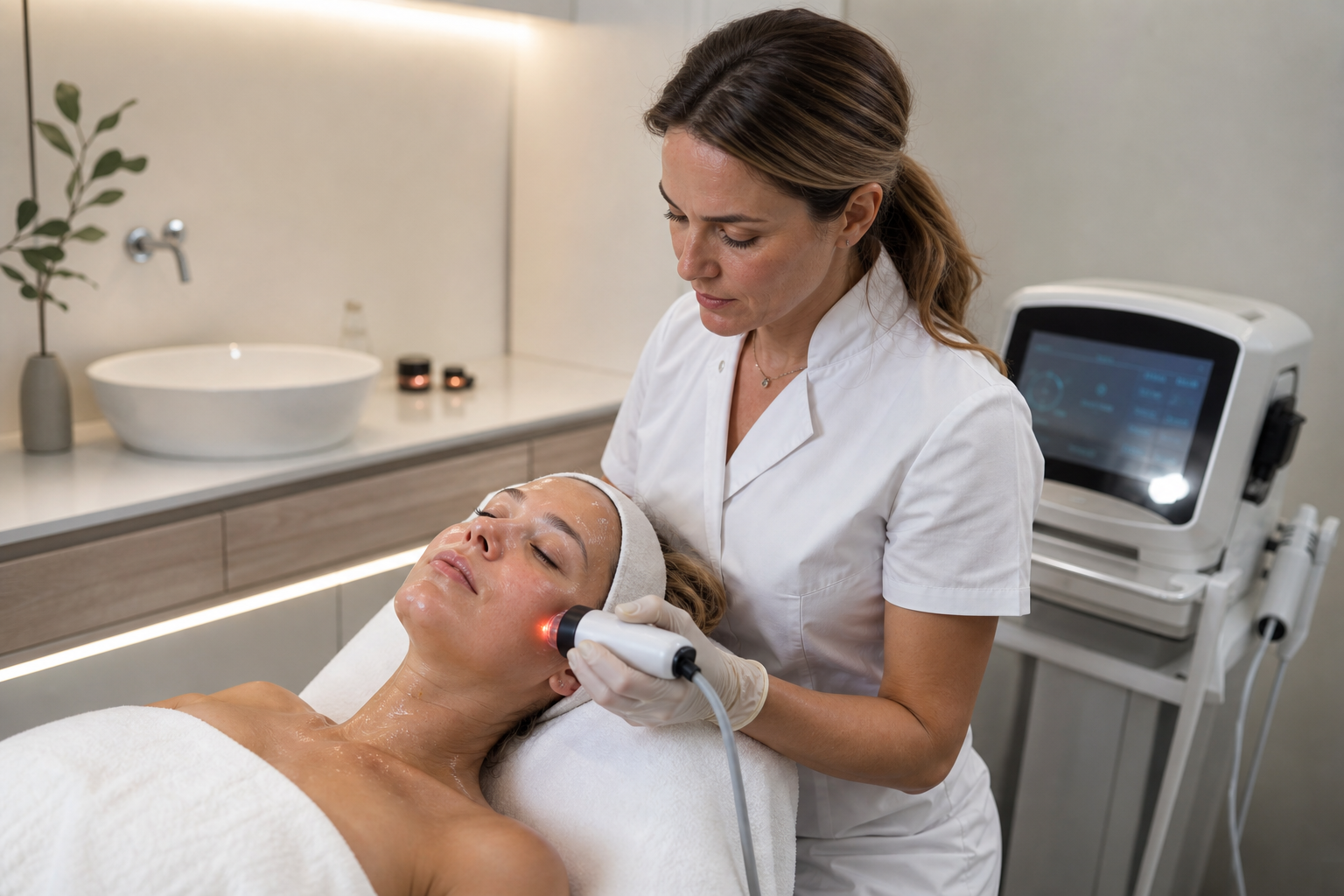
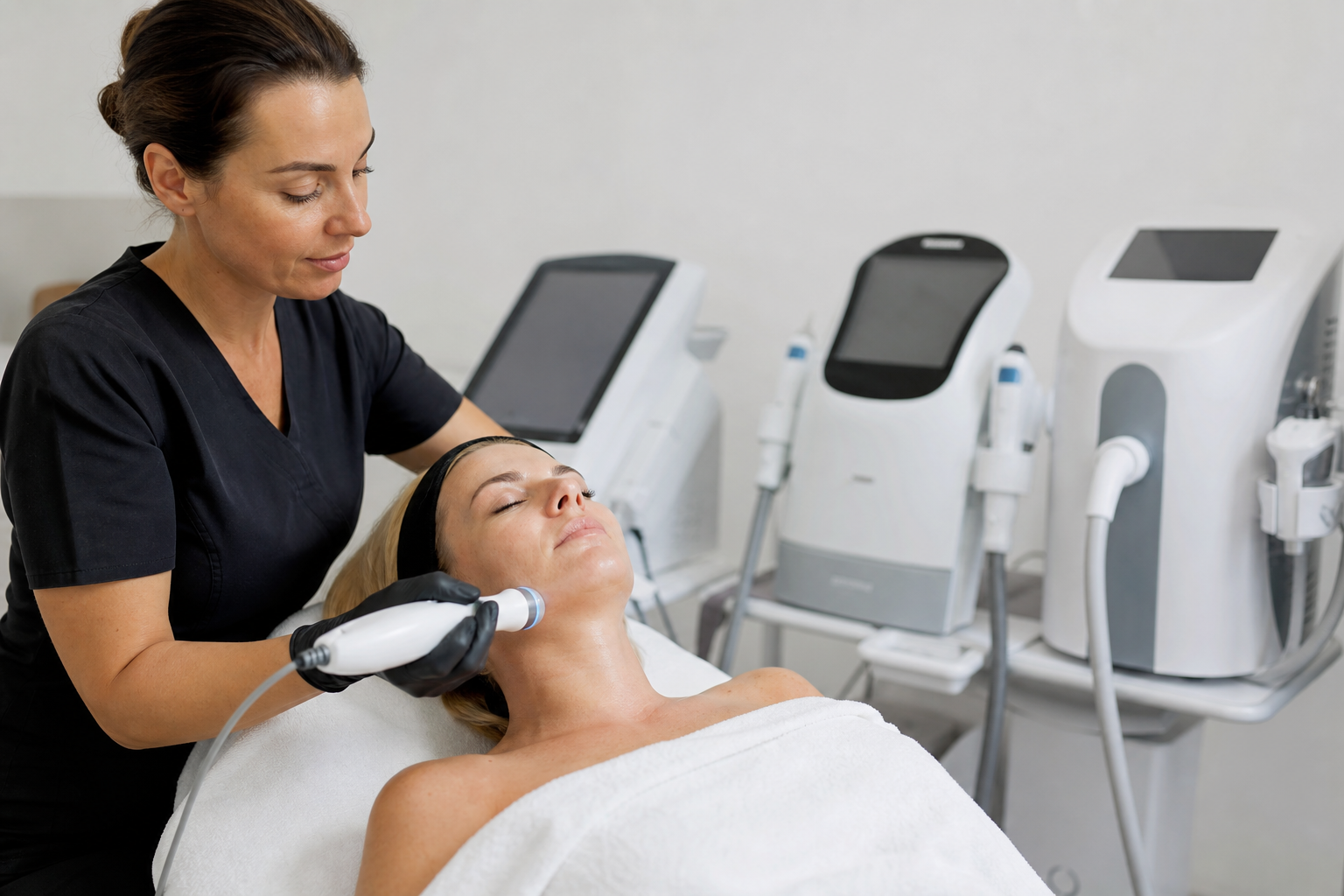
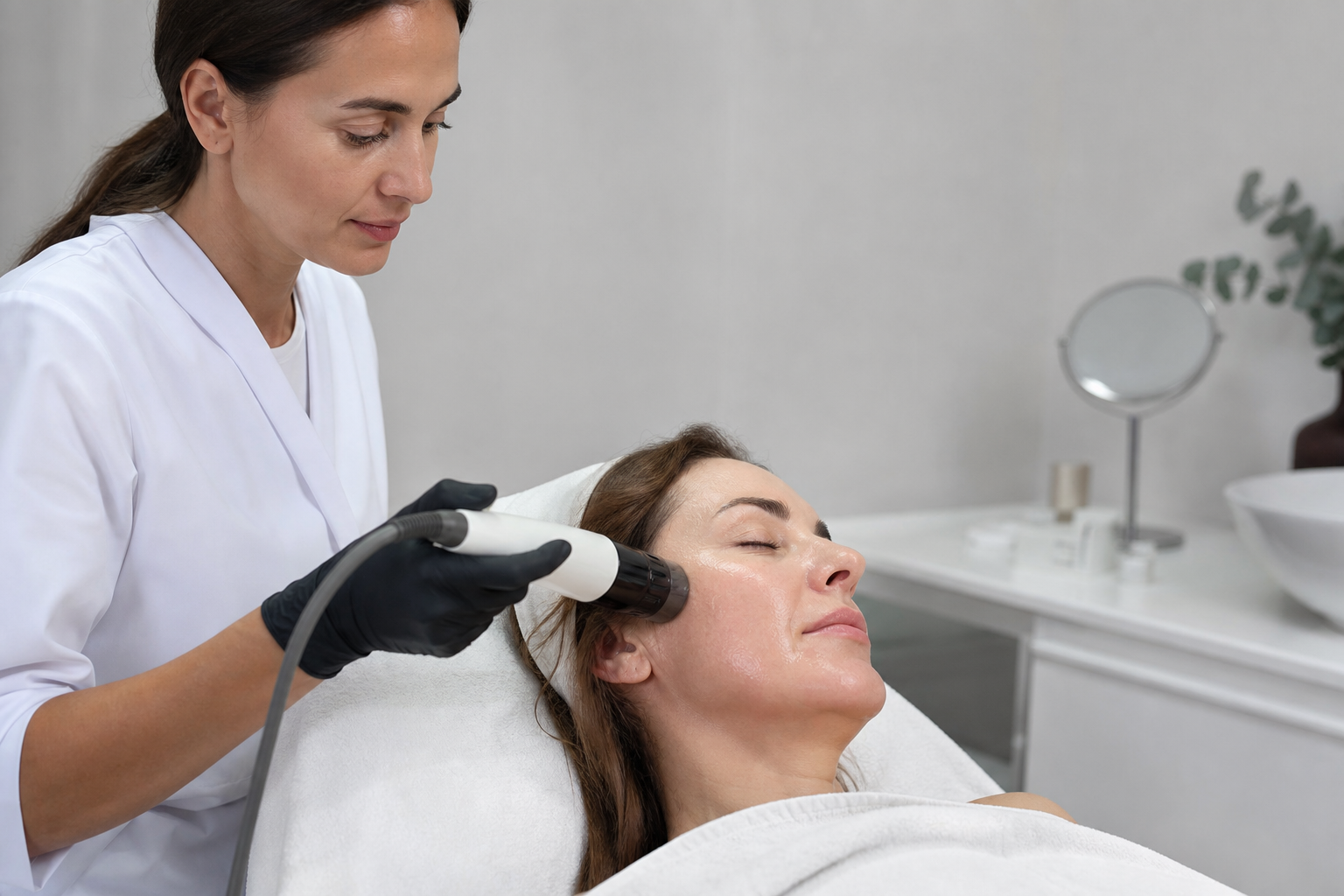
Non-invasive RF treatments involve external application of radiofrequency waves using electrodes moved over the skin surface. This approach is gentle and suitable for gradual skin improvement, especially for individuals seeking minimal downtime.
Fractional RF treatments deliver energy in a fractionated pattern, targeting deeper dermal layers while sparing surrounding tissue, often combining microneedling techniques for enhanced collagen stimulation.
RF with microneedles (invasive fractional RF) employs insulated needles to deliver controlled radiofrequency energy directly into the deeper skin layers, achieving more significant tightening and rejuvenation, typically requiring more recovery time.
Who Benefits Most from RF Treatments, Regardless of Device Cost?
Radiofrequency skin tightening is suitable for adults experiencing early to moderate skin laxity, loss of elasticity, or superficial wrinkles. It is an attractive option for those who desire facial or body rejuvenation without the risks and downtime of surgical procedures.
However, individual skin conditions, age, lifestyle factors, and expectations significantly influence treatment outcomes. A more expensive device does not inherently compensate for inadequate candidacy or unrealistic goals. The ideal candidate exhibits mild to moderate skin laxity, good overall health, and understands the progressive nature of RF results.
Moreover, skin thickness, location of treatment, and prior cosmetic procedures all factor into the final result. For instance, RF facial lifting can reduce fine lines and improve contours effectively when applied appropriately, but it may not produce dramatic results in cases of severe sagging, where surgical intervention might be necessary.
What Determines the Results of Radiofrequency Treatments Beyond Device Price?
While device cost sometimes correlates with technology sophistication, it is not a standalone indicator of efficacy. Multiple interdependent elements govern the success of radiofrequency skin tightening.
Technology and Frequency: The radiofrequency frequency, power settings, and delivery method affect the energy penetration depth and distribution. Devices operating at optimal frequencies with reproducible settings tend to achieve better collagen stimulation, but this does not always equate to higher price tags.
Tip Design and Contact Cooling: Advanced handpieces with efficient contact cooling protect the epidermis during treatment, allowing higher energy levels to be applied comfortably and safely. Superior tip ergonomics facilitate uniform energy delivery, enhancing clinical outcomes.
Practitioner Skill and Protocols: The competence and experience of the clinician performing the treatment critically influence results. Customized treatment protocols tailored to skin types and regions surpass generic approaches, regardless of the device's cost.
Patient Compliance and Aftercare: Following recommended post-treatment care, maintaining hydration, sun protection, and healthy lifestyle supports sustained effects. Neglecting these aspects limits how much a device's capability can translate into visible improvements.
When Do You Typically See Results from RF Facial Lifting?
Radiofrequency skin tightening generally produces gradual improvements, with initial effects often noticeable within weeks after the treatment session. The heat-induced collagen contraction may immediately tighten the skin slightly, but the more marked and lasting changes appear as new collagen forms and remodels the dermal matrix over subsequent weeks to months.
Individual response varies, influenced by metabolic rate, age, and baseline skin condition. Typically, a series of treatments spaced several weeks apart yields optimal cumulative benefits. Many patients observe significant skin texture improvement and firmness enhancement three to six months post-treatment.
How Long Do RF Lifting Results Last and What Influences Longevity?
RF lifting results are not permanent since aging and environmental factors continue to degrade collagen and elastin. However, effects can last from 6 months up to 2 years, depending on the individual's skin health, maintenance treatments, and lifestyle.
Regular follow-up sessions can prolong the benefits by stimulating ongoing collagen production. Lifestyle modifications such as avoiding excessive sun exposure, quitting smoking, and maintaining good nutrition contribute to sustaining firmer skin.
It is crucial to approach RF lifting as an incremental rejuvenation strategy rather than a one-time fix. With consistent care, the visible improvements can become a durable aspect of one’s skin quality.
Does Paying More for an RF Device Guarantee Better Skin Tightening Outcomes?
The straightforward answer is no; a higher price tag does not automatically assure superior clinical results. Some cost factors relate to brand reputation, marketing, import taxes, or additional features that may not directly enhance treatment efficacy.
More affordable RF devices with proven safety profiles and effective energy delivery can achieve comparable results to premium machines when used correctly. Conversely, even the most expensive equipment underperform when operated by inexperienced providers or misapplied on unsuitable patients.
When evaluating devices, it is prudent to consider independent clinical studies validating performance, user testimonials, technological specifications, and after-sale technical support rather than basing decisions solely on price.
What Should You Look for When Choosing an RF Treatment Provider?
Ultimately, the expertise of the practitioner and the treatment design tailored to your skin take precedence over the device’s price. Seek experienced clinicians certified in their technology and versed in patient assessment and customization.
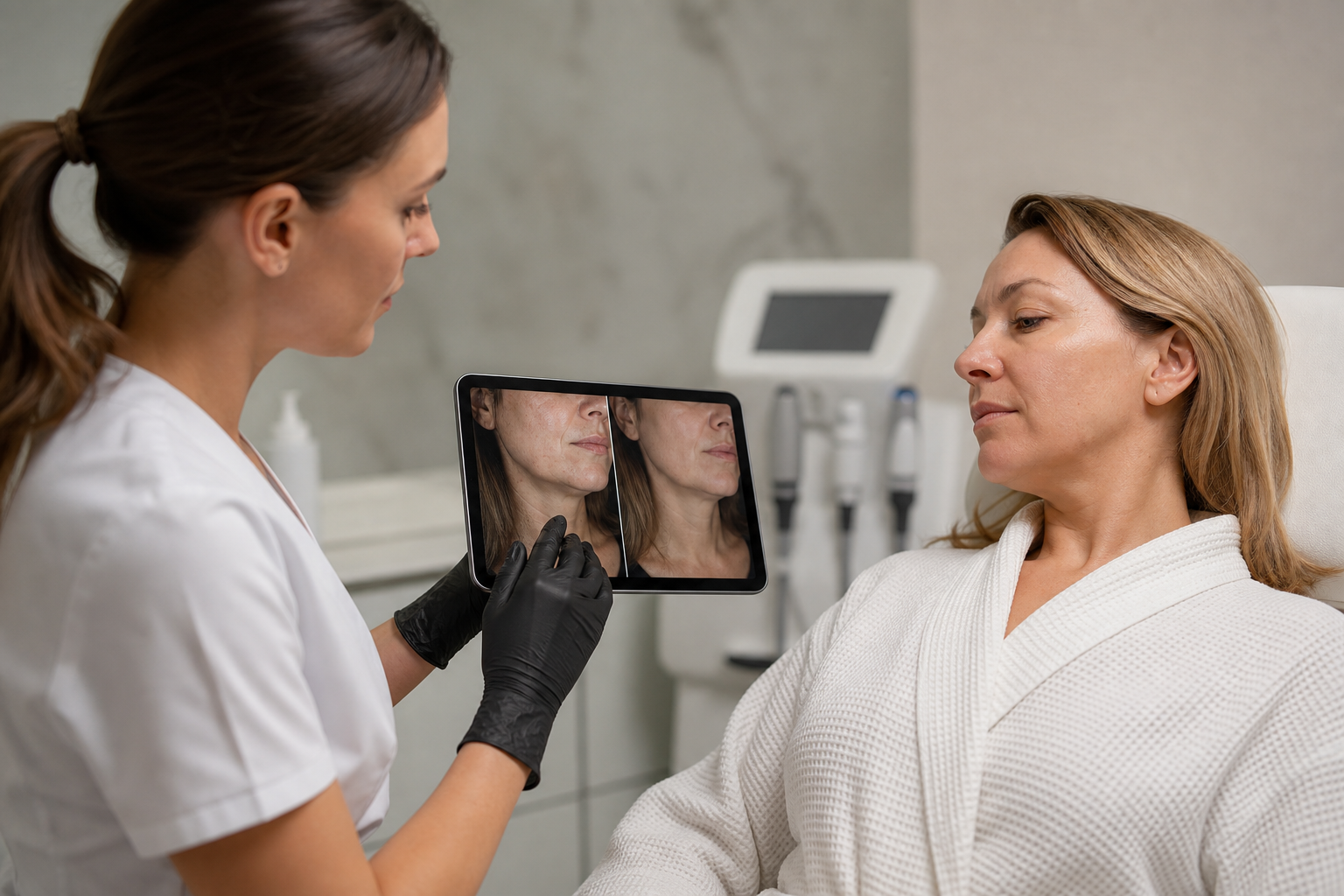
Providers who perform thorough consultations, including skin analysis and realistic expectation setting, are more likely to deliver satisfactory outcomes. Additionally, ensure the clinic maintains strict hygiene standards, uses FDA-cleared or CE-marked devices, and has transparent policies regarding treatment protocols and follow-up care.
Patient safety and comfort should be prioritized in all aesthetic procedures—not just the allure of cutting-edge or costly technologies.
The Role of Innovation and Research in Advancing RF Technologies
Continuous research and technological innovation fuel improvements in radiofrequency treatments. Advances such as fractionated RF with microneedles, combination therapies integrating RF with ultrasound or light-based modalities, and enhanced cooling mechanisms have expanded the effectiveness and safety of non-invasive skin tightening.
Prices often reflect early adoption costs and proprietary developments, but once innovations become mainstream, economies of scale and new competition may reduce prices without compromising results. Thus, staying informed about emerging evidence and technology trends helps consumers and providers make thoughtful choices beyond superficial pricing considerations.