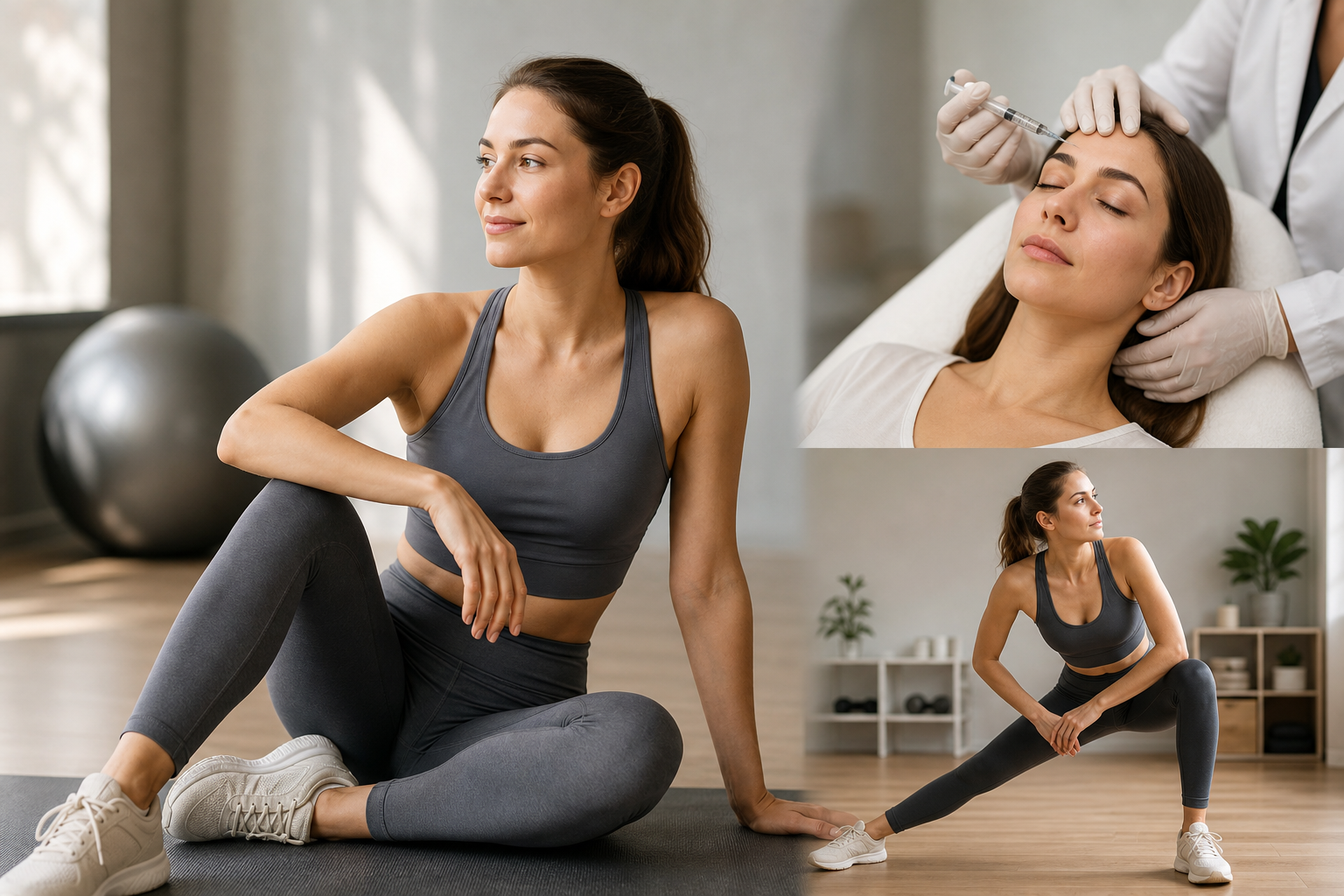
Post-Botox exercise and physical activity have become a hot topic among individuals seeking both aesthetic enhancement and active lifestyles. Botox, widely known for its efficacy in smoothing wrinkles and providing a youthful facial appearance, demands not only expert application but also attentive aftercare to maximize results and ensure safety. One crucial aspect of this aftercare involves understanding how and when to resume exercise following Botox treatments.
This article serves as a comprehensive editorial guide for those who have recently undergone Botox injections or are contemplating the procedure and want to learn how to manage physical activity responsibly afterward. It synthesizes medical perspectives and practical advice to clarify how exercise interacts with Botox’s mechanism, the effect of physical exertion on treatment outcomes, and the timelines recommended to avoid complications. Awareness of these factors is important not only for cosmetic longevity but also to safeguard against unintended adverse effects like swelling, bruising, or unnatural muscle dynamics.
Whether you are a fitness enthusiast eager to return to your regular routine, a newcomer balancing wellness goals with aesthetic treatments, or a healthcare professional advising patients, understanding post-Botox guidelines about exercise is critical. Informed adherence fosters optimal results, a smoother recovery, and brings confidence in managing this popular non-surgical intervention as part of your broader lifestyle.
The Physiological Interaction Between Botox and Muscle Activity
At the core of Botox’s effectiveness is its ability to modulate neuromuscular communication. Botox injections contain botulinum toxin type A, which temporarily blocks nerve signals to targeted muscles. This prevents these muscles from contracting, thereby softening dynamic wrinkles caused by repetitive facial movements, especially in areas like the forehead, around the eyes, and between the brows.
This temporary muscular paralysis is highly localized but sensitive to mechanical factors. Immediately after injection, the toxin is in a state where it needs to bind and stabilize within the nerve terminals to exert its action effectively. Excessive muscle movement during this critical window can cause the toxin to diffuse or migrate incorrectly, potentially compromising the symmetry or longevity of effects.
Furthermore, vigorous physical activity involving strenuous facial expressions or head movements soon after treatment could lead to uneven distribution of Botox, resulting in undesirable outcomes such as drooping eyelids, asymmetrical appearance, or diminished wrinkle relaxation. Hence, it is mandatory to respect post-treatment muscle rest protocols to maintain both the aesthetic and functional integrity of the injection sites.
Recommended Timing and Types of Post-Botox Physical Activities
Medical professionals generally advise refraining from all forms of rigorous physical exercise for a minimum of 24 to 48 hours following Botox administration. This period allows the botulinum toxin to diffuse optimally and bind irreversibly to nerve endings, stabilizing its effect.
During the initial 48 hours, activities that could elevate heart rate substantially or induce excessive facial muscle contractions should be avoided. This includes high-intensity interval training (HIIT), aerobic sessions, weightlifting involving strenuous neck or face involvement, and contact or impact sports.
After the initial 48-hour window, patients may gradually resume low-impact activities such as gentle walking, light stretching, or restorative yoga, which do not strain the injected muscles significantly. However, any movement triggering pronounced facial expressions or rapid head movements should still be approached cautiously and avoided if possible for at least the first week.
Some practitioners recommend extending cautionary periods up to 7 to 10 days in cases involving larger dosages or particularly sensitive injection zones. Personalized timelines based on individual treatment plans, injection sites, and health conditions are essential for safe reintegration of exercise routines.
The Impact of Sweating and Elevated Body Temperature on Botox Efficacy
The relationship between sweating, body temperature, and Botox results is often underappreciated but equally important. Intense physical exertion leads to increased sweating, which can irritate the delicate injection sites. Such irritation potentially disrupts the skin’s healing environment, possibly increasing the risk of infection or inflammation.
Moreover, elevated body temperature causes vasodilation—expansion of blood vessels—which heightens blood flow around the injection areas. This could theoretically accelerate the clearance of the toxin from the targeted muscles, thereby shortening Botox’s effective duration and reducing the treatment’s longevity.
Thermal activities such as visiting saunas, steam rooms, or sunbathing immediately after Botox injections pose similar risks. Exposure to high heat should generally be limited for at least one week post-treatment to avoid diminishing the toxin’s effects and preventing unexpected local side effects such as bruising or swelling caused by increased blood circulation.
Practical Guidelines for Care and Exercise Post-Botox
Post-Botox care entails a comprehensive approach where gentle skin hygiene and cautious behavior converge. After treatment, it is vital to cleanse the face delicately without applying pressure or vigorous rubbing on the injection zones. Harsh scrubs or chemical exfoliants should be avoided during the initial recovery period to prevent irritation.
Hydration plays a supportive role in healing; skin should be moisturized with non-comedogenic, fragrance-free products recommended by the practitioner. Protecting the skin from direct sunlight using physical barriers or mineral-based sunscreens is another essential step.
Regarding exercise, start with light activities to assess how your body and treated muscles respond. If discomfort, redness, or swelling occurs, reduce intensity or pause workouts and consult your healthcare provider. A gradual reintegration tailored to your physical condition and Botox protocol is safest and most effective.
Follow-up appointments are crucial for monitoring the treatment area and adjusting post-care plans. These evaluations help detect any complications early and provide reassurance during the recovery phase.
When to Seek Medical Advice about Post-Botox Physical Activity
While minor redness and swelling after Botox can be normal and transient, certain symptoms warrant immediate medical attention. Persistent or worsening pain, long-lasting swelling, skin discoloration, or signs of infection such as warmth and pus require prompt evaluation.
If any unusual neurological symptoms occur—such as difficulty in eye movement, drooping eyelids, or visual disturbances—stop exercising immediately and consult your specialist. Likewise, patients with autoimmune conditions, coagulation disorders, or prior allergic reactions to botulinum toxin components should engage in detailed discussions with their clinician before resuming physical exertion.
Experts also recommend that patients engage in open communication about their exercise habits before Botox injection. This ensures personalized advice can be given according to activity intensity and treatment parameters for enhanced safety.


