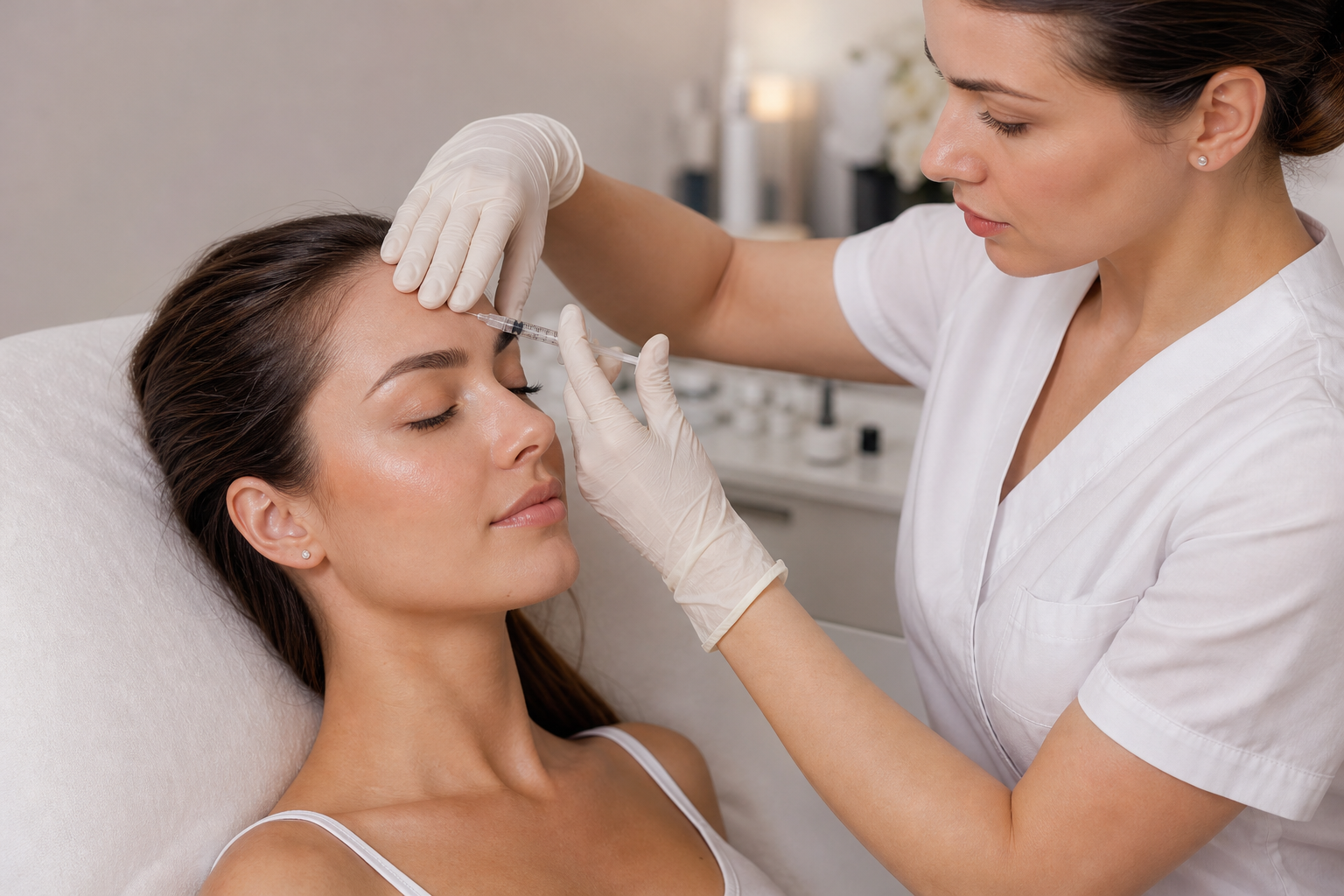
Botox has become one of the most sought-after minimally invasive aesthetic treatments, prized for its ability to smooth wrinkles and rejuvenate the skin without surgery. As more individuals opt for this procedure to refresh their appearance, it becomes equally important to understand how to care for the skin afterward to protect and extend the desired results. Among the many questions patients ask, a key concern is how and when to resume applying makeup after Botox injections without causing irritation or compromising the skin's delicate healing process.
This article aims to serve those who have recently undergone Botox treatments or are planning to do so, and who wish to continue their makeup routines safely. It explores practical, expert guidance on post-Botox skincare within the framework of "Post-Botox Care and Activity Guidelines," especially focusing on avoiding injection site irritation during makeup application. We will delve into the biological effects of Botox on the skin, the timeframe for safely applying cosmetics, suitable product choices, and the importance of hygiene and gentle skin care. We will also highlight when professional consultation is advisable to maintain skin health and treatment efficacy.
Understanding how Botox affects your skin and the injection sites is central to appreciating the need for a careful makeup approach. Botox works by temporarily blocking nerve signals to facial muscles, reducing muscle activity that causes wrinkles. However, the injection itself triggers a mild localized inflammatory response—an effect natural to any needle puncture. This response makes the skin at the injection points more vulnerable and sensitive during the initial recovery phase, elevating the risk of irritation from commonly used cosmetic products or mechanical friction from makeup application tools.
The Physiological Impact of Botox on Skin Sensitivity and Healing
Botox injections introduce a neurotoxin into the muscle tissue, but the process inevitably involves piercing the skin with fine needles, causing minor trauma. This trauma initiates a local inflammatory cascade characterized by redness, slight swelling, and tenderness around the injection sites. While these effects are typically mild and transient, lasting from 24 to 72 hours, they signify that the skin barrier has been temporarily compromised.
During this acute phase, the skin's natural defenses are minimized, and the epidermis is in a repair mode. This heightened sensitivity renders the area susceptible to irritants commonly found in makeup products, such as fragrances, preservatives, alcohol, and certain pigments. Additionally, mechanical irritation—like vigorous rubbing or pressure from brushes and sponges—can exacerbate inflammation, prolong healing, and even increase the likelihood of minor infections.
Recognizing this is critical because improper makeup use during this period may lead to adverse reactions including redness, itchiness, swelling, or the occurrence of small pustules or folliculitis at the needle sites. These complications not only cause discomfort but can also impair the cosmetic benefits of the Botox treatment.
Recommended Timeline for Resuming Makeup Application After Botox
Dermatologists and aesthetic practitioners typically recommend waiting at least 24 to 48 hours before reapplying makeup to the treated areas. This window allows the skin to initiate its repair processes and reduces the risk of introducing microbes or irritants into the puncture wounds. Abstaining from makeup during this healing period helps minimize inflammation and ensures that Botox's effect on muscle relaxation is not interfered with by swelling or external stress.
For many patients, this short hiatus from cosmetics is manageable and beneficial. It is important to understand that patience during this recovery phase contributes meaningfully to achieving optimal, long-lasting results from the procedure. Rushing back to makeup application too soon not only risks irritation but may also diminish patient satisfaction due to the appearance of transient side effects.
Once the initial healing period passes, you may gradually reintroduce makeup, ideally selecting gentler, more skin-friendly products. The focus should be on minimizing chemical and physical stress on the skin, favoring formulations designed for sensitive or compromised skin barriers.
Choosing the Right Makeup Products to Protect Post-Botox Skin
When resuming makeup after Botox, product selection becomes a cornerstone of skin health management. Opt for cosmetics with hypoallergenic labels, free from fragrances, parabens, alcohol, and heavy oils that could clog pores or irritate fragile skin. Mineral-based foundations often provide a gentler alternative, offering not only aesthetic coverage but also a breathable barrier that allows the skin to heal.
Ingredients such as aloe vera, hyaluronic acid, and ceramides incorporated into makeup or primer formulations can have a soothing and hydrating effect, supporting the skin's restoration. Additionally, products with antibacterial properties might help reduce the risk of infections at injection sites.
Creamy or liquid foundations tend to be preferable over powders, as powders can settle into tiny injection punctures or exacerbate dryness. However, it is essential that the selected products do not contain heavy silicones or harsh pigments that could provoke irritation or allergic reactions. Always perform a patch test if trying a new product post-treatment, and discard any makeup with an expired shelf life to avoid contamination.
The application tools also matter; use clean, soft brushes and sponges, and avoid excessive rubbing motions. Gentle tapping or light strokes are more appropriate techniques to apply makeup without traumatizing healing skin.
The Role of Skincare and Hygiene in Preventing Injection Site Irritation
Complementing careful makeup use, maintaining a conservative and attentive skincare routine is imperative in the days following Botox. Cleansing should be done with gentle, pH-balanced products that preserve the natural skin barrier. Abrasive exfoliants, scrubs, or chemical peels should be avoided during the initial post-Botox healing phase, as they can aggravate inflammation and delay recovery.
Hydration is equally important; mild, non-comedogenic moisturizers help support barrier repair while reducing dryness and tightness. Avoid products containing retinoids or strong acids in the first few days, as these can increase sensitivity and irritation risk.
Additional factors such as refraining from exposure to extreme heat (including sauna usage), avoiding excessive sweating and sun exposure, contribute to reducing vascular dilation and swelling at injection sites. These measures collectively create an environment conducive to optimal healing and preservation of Botox effects.
Identifying When Professional Guidance is Needed for Post-Botox Skin Care
While many patients navigate post-Botox makeup and skin care smoothly with proper education, certain situations warrant prompt medical consultation. Persistent or escalating redness, swelling beyond expected norms, pain, formation of pustules, or other signs of infection at injection sites should be evaluated by a qualified healthcare professional.
Individuals with sensitive skin types, histories of allergic reactions to cosmetics, or autoimmune disorders may require tailored post-treatment plans and product recommendations to prevent complications. Proactive discussion with your cosmetic practitioner before undergoing Botox can facilitate personalized guidance for a safer makeup regimen.
Continuous communication with your provider following treatment enhances safety and satisfaction. Early intervention in case of adverse events ensures timely treatment and helps maintain both the aesthetic and medical integrity of the Botox results.


