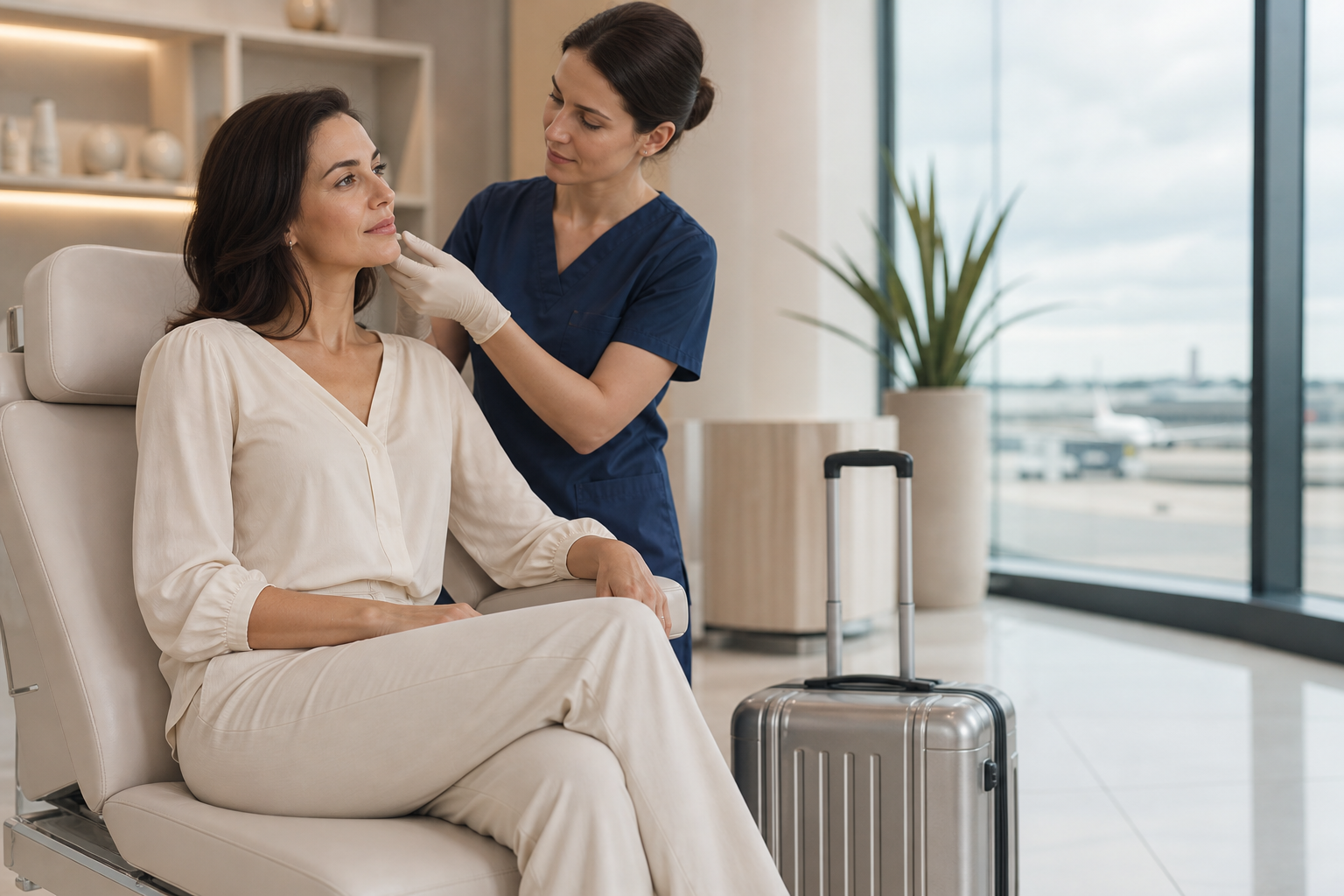
Traveling after receiving Botox injections has become an increasingly relevant topic for individuals who wish to maintain their youthful appearance while adhering to a busy lifestyle marked by frequent trips, whether for business or leisure. Botox, a leading non-surgical treatment known for reducing wrinkles and preventing early signs of aging, requires a precise approach to post-treatment care to ensure optimal results and minimize risks. For those who have planned travels shortly after their procedure, understanding how to effectively coordinate follow-up appointments and customize aftercare routines is vital to preserving the effects and safety of the treatment.
Within the framework of advanced aesthetic therapies, particularly under the category of Botox and dermal fillers, this editorial aims to provide a comprehensive and professional guide on traveling after Botox. We will explore the nuances of post-Botox care, the importance of timely follow-up consultations, and the practical strategies for maintaining skin health and treatment efficacy amid changing environments and schedules. This article is intended for Botox patients who face the challenge of integrating their beauty regimen with travel plans, as well as for healthcare professionals seeking to advise patients accurately on risks, expectations, and aftercare protocols.
Traveling soon after Botox injections raises critical issues because the treatment effect hinges on the delicate biological interplay at the injection sites where the neurotoxin temporarily blocks nerve signals to specific facial muscles. Any disruption during the initial phase following the procedure can affect the distribution and fixation of the toxin, potentially leading to uneven results or complications such as bruising or swelling. Consequently, an informed approach incorporating medical supervision and adapted skin care is essential when planning journeys around Botox treatments.
Understanding the Impact of Travel on Post-Botox Recovery
The body's recovery process after Botox injections involves a sensitive adjustment period, typically lasting from several hours to two weeks, during which the neurotoxin settles into the targeted muscles and begins to manifest its wrinkle-reducing effects. This period is crucial for achieving the desired smoothness and symmetry. However, travel, especially by air or to destinations with significant environmental contrasts, can introduce factors that may influence the healing trajectory.
Air travel exposes the skin to low humidity levels and fluctuating cabin pressure, conditions that can contribute to skin dehydration and increased sensitivity. Dehydrated skin is more prone to irritation and may slow down the subtle processes that support Botox efficacy. Furthermore, the stress associated with long-distance travel, irregular sleep patterns, and potential changes in diet can affect the body's overall condition, potentially influencing skin repair and regeneration.
Heat and sun exposure, common during vacations in warm climates, can also impact Botox-treated areas negatively. Ultraviolet radiation may irritate healing skin and prompt inflammatory responses that compromise treatment outcomes. Similarly, high temperatures from saunas, hot tubs, or prolonged exposure to direct sunlight can increase blood flow, potentially dispersing the Botox away from intended sites and diminishing its effectiveness. Therefore, understanding these travel-related factors helps patients and clinicians develop realistic expectations and precautionary measures.
Essential Post-Botox Care Practices Before and During Travel
The first 24 to 48 hours following Botox injections represent a sensitive window where care routines significantly influence the final aesthetic results. It is generally advised to avoid massaging or applying pressure to the treated areas to prevent unintended migration of the product. This means that patients must exercise caution, especially when packing or handling luggage, sleeping arrangements, and other activities that might inadvertently disturb facial muscles.
Gentle cleansing with lukewarm water and mild, non-irritating skincare products is recommended to maintain skin hygiene without exacerbating sensitivity. Patients should abstain from using harsh exfoliants or cosmetic treatments like chemical peels or microdermabrasion during this early phase, as such interventions can interfere with skin barrier function and encourage inflammation.
Hydration is paramount both topically and systemically. Applying non-comedogenic moisturizers supports the skin barrier and comfort, while adequate water intake helps maintain dermal health, which in turn supports the longevity of the Botox effects. Travelers should also plan attire and accessories that shield the face from intense sunlight, such as wide-brimmed hats and UV-protective clothing, as sunscreen alone might not suffice on freshly treated skin.
Patients are advised to avoid intense physical activities that could elevate heart rate and blood circulation excessively, as increased blood flow might affect the settling of Botox. This includes strenuous workouts, heavy lifting, and inverted yoga poses. Planning a travel itinerary that allows for rest and minimal exertion during the initial days post-injection can be beneficial for outcome stabilization.
Strategizing Follow-Up Appointments Around Travel Itineraries
Scheduling follow-up consultations after Botox treatment is a cornerstone of professional care, enabling the clinician to monitor results, address potential asymmetries, and manage any adverse events promptly. For travelers, strategic planning of these visits is essential to avoid treatment compromise due to delayed or missed evaluations.
Ideally, Botox patients should schedule their initial treatment at least two weeks prior to any planned travel. This timeframe accommodates the 7 to 14 day window during which Botox effects become fully apparent and any touch-ups or corrections may be performed. If circumstances require travel sooner, it is imperative to arrange a follow-up visit either immediately before departure or promptly upon return, possibly utilizing telemedicine options for remote assessment if geographical constraints exist.
Healthcare providers can facilitate continuity of care by documenting treatment details comprehensively and communicating any tailored aftercare instructions explicitly. Patients should be encouraged to maintain an open line of communication with their treating specialist, reporting symptoms such as unusual swelling, redness, prolonged bruising, or functional impairments that could signify complications demanding timely intervention.
Addressing Safety Considerations for Post-Botox Travelers
Patient safety is the foundational principle underpinning all aesthetic treatments, including Botox injections. Travel introduces unique challenges that may increase risks if not properly managed. The risk of developing hematomas or infections, although generally low when professional techniques and protocols are adhered to, can be exacerbated by certain travel-related behaviors.
Exposure to crowded or unsanitary environments, such as busy airports or public transport, elevates the likelihood of encountering pathogens. While Botox injections themselves do not directly increase infection risk, the skin barrier may be transiently compromised by multiple micro-injections, necessitating vigilant hygiene measures. Frequent hand washing and careful facial touching habits can mitigate these hazards.
Additionally, the psychological stress of travel may modulate immune responses, potentially affecting healing. For patients with known immune or dermatologic conditions, consulting with their specialist before scheduling Botox treatments and travel is advisable to formulate individualized plans.
Adjusting travel plans to avoid extreme altitudes or climates and incorporating rest days after the procedure can further enhance safety and comfort. Awareness of the body's responses and listening to signs that warrant medical consultation, such as severe pain or unexpected physical changes, are part of responsible post-Botox travel behavior.
Optimizing Botox Longevity and Results Amidst Travel Demands
The aesthetic benefits of Botox, typically lasting three to six months, depend largely on consistent adherence to post-procedure recommendations and environmental factors that influence skin quality. Travel can either challenge or support these outcomes depending on how well the patient adjusts their routines.
Maintaining a balanced diet rich in antioxidants and nutrients supports collagen integrity and skin resilience, complementing Botox’s muscle-relaxing effects. Likewise, avoiding smoking, excessive alcohol consumption, and extended sun exposure during travel can preserve skin vitality and prevent premature degradation of results.
Integrating skincare products designed for sensitive or post-injection skin, which often contain soothing and hydrating ingredients, helps manage dryness and enhance comfort during periods of environmental change. Regular use of broad-spectrum sunscreens is indispensable, particularly when traveling to sunny or high-altitude destinations.
Proper sleep hygiene during travel is also a contributor to skin health; sufficient rest facilitates cellular regeneration and supports overall metabolic stability, which can reflect positively on the treatment’s appearance and longevity.
Collaborative Patient-Provider Communication for Successful Botox and Travel Experiences
The cornerstone of favorable Botox outcomes when combined with travel lies in proactive, clear, and collaborative communication between patients and medical professionals. Prior to treatment, discussing upcoming travel plans allows the clinician to advise on ideal timing, precautionary measures, and contingency plans.
Patients should feel empowered to ask questions about potential side effects, modifications in skincare or medication routines, and what to expect during follow-up appointments. Creating a personalized care plan that integrates travel specifics, such as destination climate and type of transportation, can significantly enhance satisfaction and safety.
Embracing technology, many practitioners now offer virtual consultations that accommodate patients on the move and reduce the burden of in-person visits during busy schedules. These check-ins allow for assessment of healing progress, reinforcement of guidelines, and timely intervention if complications arise.
Post-travel evaluations are equally important to assess if environmental exposures have influenced treatment efficacy or skin condition and to consider corrective treatments if necessary. Such continuity consolidates trust and ensures that patients enjoy sustained benefits from their Botox procedures.


