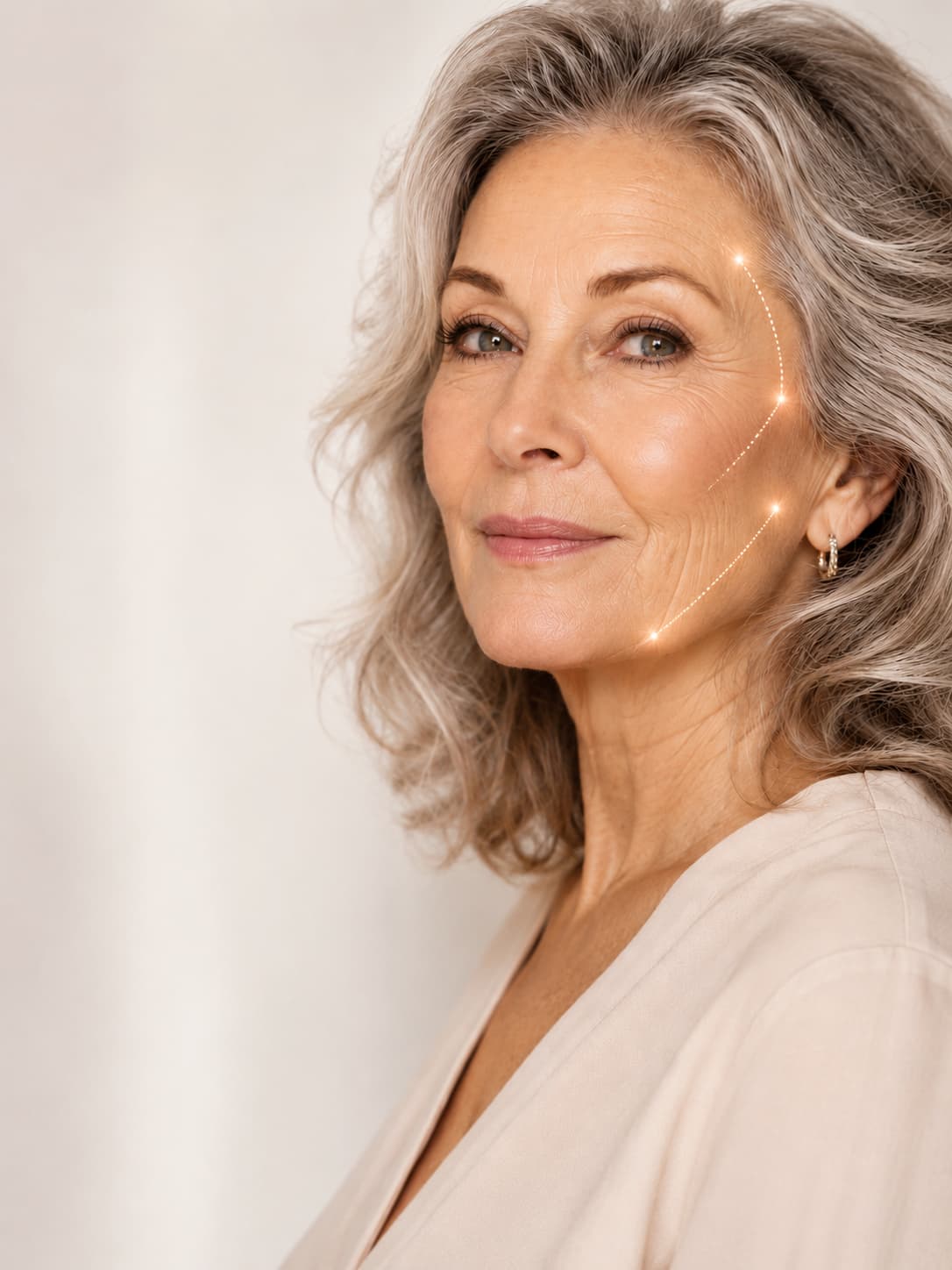
In the realm of aesthetic treatments, the quest for youthful, firm skin has led to significant advancements in non-invasive procedures designed to combat sagging and loss of elasticity. Among these innovations, laser treatments have emerged as a popular option for individuals seeking to lift sagging skin without undergoing surgery. But can laser treatments truly lift sagging skin, or are they merely a temporary fix? This article aims to unravel the efficacy and mechanisms of laser-based skin tightening, providing a comprehensive understanding for those interested in aesthetic enhancement and skin rejuvenation.
This topic is especially relevant for adults experiencing the natural effects of aging on their skin, including sagging, fine lines, and wrinkles. It is also valuable for individuals looking for alternatives to surgical facelifts and invasive procedures — those who desire a refreshed appearance with minimal downtime. Understanding whether laser treatments can achieve meaningful lifting results is crucial for making informed decisions about cosmetic care.
Exploring how laser skin tightening works will also shed light on the broader category of laser procedures, such as pigmentation correction and vascular treatments, situating skin lifting within a comprehensive spectrum of dermatological innovations. Ultimately, we seek to confirm whether these treatments can deliver the firm, naturally youthful skin many desire, and guide readers through what to expect from the process.
What Are Laser Skin Tightening Treatments?
Laser skin tightening treatments are non-surgical procedures that utilize focused laser energy to stimulate collagen production beneath the skin's surface. Collagen is a vital protein responsible for maintaining skin’s structure and elasticity. As people age, natural collagen production declines, contributing to skin laxity and sagging.
During a laser skin tightening session, the controlled thermal energy from the laser penetrates the dermal layers without damaging the outer skin. This heat initiates a natural wound-healing response, encouraging the body to produce new collagen. Over subsequent weeks and months, the increased collagen can result in firmer, tighter skin and an overall lifted appearance.
These treatments are part of a broader category of laser procedures commonly used in aesthetic medicine, which also includes laser hair removal, pigmentation correction, and vascular treatments. Within the spectrum of skin rejuvenation, laser skin tightening specifically targets the restoration of elasticity and firmness, addressing concerns associated with aging skin.
Who Is an Ideal Candidate for Laser Skin Tightening?
Laser skin tightening can be suitable for a range of individuals, but it is particularly effective for those with mild to moderate skin sagging. Ideal candidates are typically adults in their 30s to 60s who are beginning to notice a loss of skin elasticity but do not yet require invasive surgery.
People with realistic expectations about the outcomes will benefit most. It is important to understand that laser treatments promote natural collagen regeneration, which offers gradual and subtle tightening rather than immediate or dramatic lifting. Therefore, individuals seeking a gentle yet effective option to enhance skin firmness without the risks and recovery time associated with surgical facelifts are excellent candidates.
Additionally, the procedure is generally suitable for most skin types. However, a consultation with a certified dermatologist or aesthetic specialist is essential to tailor treatment plans according to individual skin conditions, history, and goals. Those with certain medical conditions, sensitive skin, or active infections may need to explore alternative options.
How Do Laser Treatments Tighten and Lift Skin?
The core mechanism behind laser skin tightening involves the application of controlled heat energy beneath the skin's surface, typically targeting the dermis where collagen fibers reside. This process triggers a complex cascade of biological events that culminate in collagen synthesis and remodeling.
Initially, laser energy creates precise microthermal zones, inducing a mild controlled injury to the skin tissue. The body responds by initiating repair mechanisms to heal this controlled trauma. Fibroblast cells, responsible for collagen production, become activated, resulting in the generation of new collagen and elastin fibers. As these proteins rebuild and reorganize, the skin's structural framework is reinforced.
Improved collagen density enhances skin tightness and elasticity, effectively reducing the appearance of sagging. Moreover, laser treatments can also improve blood circulation and stimulate cellular renewal, contributing to smoother, more vibrant skin texture complementary to the tightening effect.
What Types of Lasers Are Used for Skin Lifting?
Several laser technologies are employed for skin tightening, each with distinct characteristics.
1. Fractional Lasers: These lasers create microscopic columns of thermal injury surrounded by unaffected tissue, promoting rapid healing and collagen production. Fractional lasers can offer skin tightening benefits while improving texture and pigmentation.
2. Non-ablative Lasers: These lasers heat the dermis without damaging the epidermis, making them a popular choice for minimal downtime. Examples include Nd:YAG and diode lasers that stimulate collagen over time.
3. Ablative Lasers: Such as CO2 and Er:YAG lasers, these remove layers of the skin to encourage regeneration. While they can provide significant tightening, they involve more recovery time and are usually reserved for more severe cases.
Advanced laser systems often combine these approaches to customize treatments suitable for different skin types and conditions. The choice of laser depends on the individual's skin laxity, desired results, and tolerance for downtime.
How Effective Are Laser Treatments at Lifting Sagging Skin?
Scientific studies and clinical experience suggest that laser treatments can offer noticeable improvements in skin tightness and lifting, especially for mild to moderate sagging. However, results may vary based on factors such as age, skin condition, laser technology used, and treatment protocol.
Improvements are generally progressive, with collagen remodeling continuing for 3 to 6 months after treatment. Multiple sessions are often recommended to maximize outcomes and maintain results over time. Patient satisfaction tends to be high among those who seek subtle, natural-looking enhancements rather than dramatic changes.
It is important to note that while laser skin tightening can firm and lift the skin, it may not replace surgical facelifts in cases of significant skin laxity or volume loss. Instead, it should be viewed as an effective non-invasive option that improves skin quality and reduces sagging in appropriate candidates.
What Are the Benefits of Choosing Laser Skin Tightening Over Surgery?
Laser skin tightening offers several advantages compared to surgical interventions:
Minimally Invasive: No incisions or anesthesia are required, reducing risk and discomfort.
Minimal Downtime: Most patients can resume daily activities shortly after treatment.
Natural Results: Stimulating the body's own collagen production creates gradual, subtle improvements.
Cost-Effective: Generally lower cost than surgical options, with flexibility to plan multiple sessions.
Additional Skin Benefits: Procedures can improve skin tone, texture, and pigmentation simultaneously.
These benefits make laser treatments appealing for individuals wary of surgery or those seeking maintenance of youthful skin as part of a long-term aesthetic regimen.
What Should Patients Expect During and After Laser Treatment Sessions?
Treatment sessions typically last between 20 minutes to an hour, depending on the area and type of laser used. Patients may experience a mild warming or tingling sensation as the laser is applied but generally tolerate the procedure well. Topical anesthetics can be used if needed to enhance comfort.
Post-treatment, mild redness or swelling may occur, resembling a slight sunburn, but this usually resolves within a few hours to days. Proper skin care and sun protection are essential after sessions to support healing and protect the renewed skin.
Visible tightening effects often develop gradually over weeks, with multiple treatments spaced several weeks apart recommended for optimal results. Providers typically customize the number of sessions based on individual responses and goals.
Are There Any Risks or Side Effects Associated with Laser Skin Lifting?
Laser skin tightening is generally safe when performed by qualified professionals using appropriate settings. Common side effects are usually mild and temporary, such as redness, swelling, or slight tenderness.
Less common risks include blistering, pigment changes (hyperpigmentation or hypopigmentation), and, rarely, scarring. These risks can be minimized by selecting suitable laser types for the patient’s skin and strictly following pre- and post-treatment guidelines.
Individuals with certain skin disorders, active infections, or a history of abnormal scarring should exercise caution and discuss these factors with their healthcare provider before proceeding.
How Does Laser Skin Tightening Fit Within a Comprehensive Anti-Aging Skincare Plan?
While laser treatments can address skin laxity and improve overall skin health, the best results occur when integrated into a holistic approach to skin aging. This may include daily skincare routines with moisturizers, sunscreens, and products containing ingredients like retinoids and antioxidants that support collagen maintenance.
Other complementary aesthetic treatments, such as injectable fillers or microneedling, may also be combined with laser procedures to address volume loss and refine skin texture. Lifestyle factors like adequate hydration, a balanced diet, and sun avoidance further enhance treatment longevity and skin vitality.


