Recovery after RF microneedling is a crucial phase that can significantly influence the overall success and satisfaction of the treatment. RF microneedling, a technology marrying the benefits of microneedling with radiofrequency energy, is designed to stimulate collagen and elastin production deep within the skin layers. This process promotes skin tightening, improves texture, and reduces the appearance of scars and fine lines, offering a minimally invasive alternative to more aggressive cosmetic interventions.
This procedure is increasingly sought after by individuals aiming to rejuvenate their skin with limited downtime. However, understanding the recovery process, what patients can expect, how to care for the skin post-treatment, and the importance of safety protocols is essential. Well-informed patients are better equipped to achieve optimal results and reduce the risk of complications. This article explores these aspects in depth, providing a comprehensive guide on recovery after RF microneedling.
Whether you are considering RF microneedling for the first time or a professional in the aesthetic field seeking to enhance your patient care knowledge, this detailed examination highlights why recovery management matters profoundly for this advanced skin treatment.
What Is RF Microneedling and Why Does Its Recovery Require Special Attention?
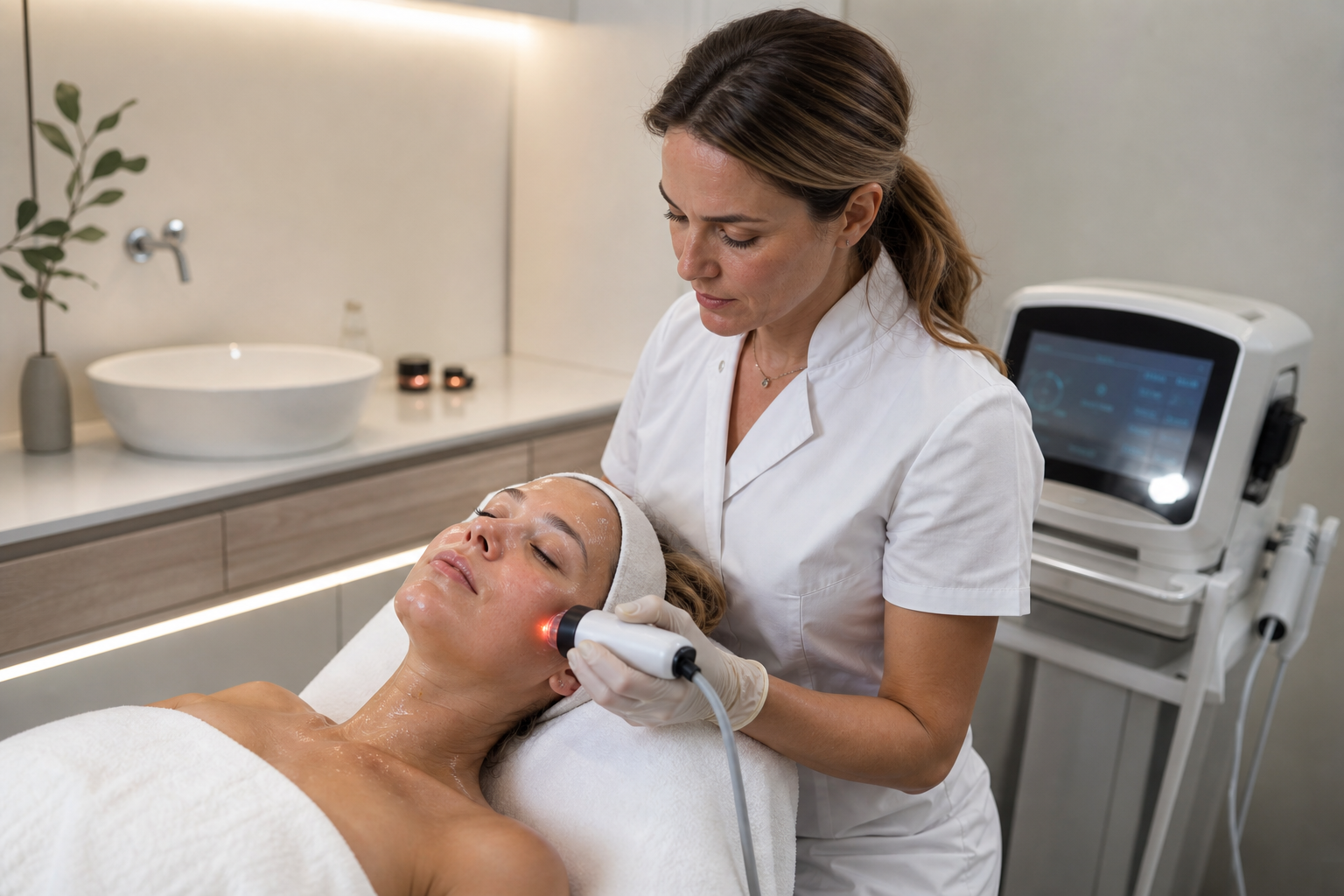
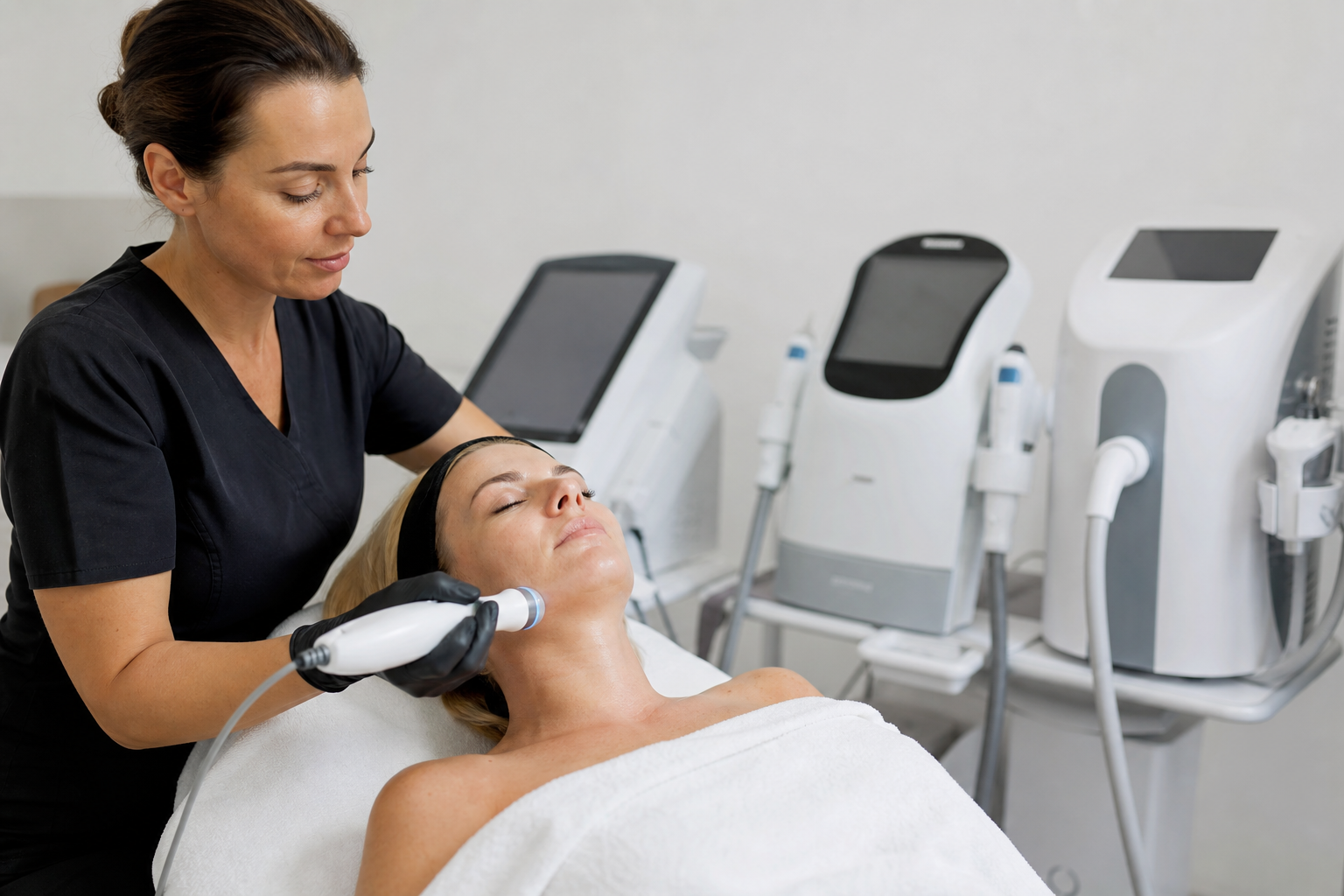
RF microneedling combines microscopic needles with radiofrequency (RF) energy to induce controlled skin injury and thermal stimulation simultaneously. The microneedles create precise microchannels penetrating the epidermis and dermis, while RF energy delivers targeted heat to the deeper layers. This synergy triggers a natural healing response that results in increased collagen and elastin synthesis—key proteins providing structure and elasticity to the skin.
Unlike non-invasive RF facial lifting, which heats the skin surface without penetration, RF microneedling deliberately creates microscopic wounds. Although minimally invasive, this process necessitates a recovery period to allow the skin to repair and regenerate healthily. Immediate post-treatment signs typically include redness, swelling, mild discomfort, and skin sensitivity.
Because the skin barrier is temporarily disrupted, the skin becomes vulnerable to environmental aggressors and infection until fully healed. The recovery phase is thus pivotal to protecting the skin, facilitating tissue regeneration, and achieving lasting aesthetic benefits. Ignoring proper aftercare or underestimating the recovery needs can lead to adverse effects such as prolonged irritation, pigmentation changes, or scarring.
Who Is an Ideal Candidate for RF Microneedling and How Does That Influence Recovery?
Understanding who benefits most from RF microneedling is essential not only for treatment outcomes but also for anticipating the nature of recovery. Ideal candidates typically present with visible signs of skin aging such as fine lines, wrinkles, sagging, and rough texture, or those struggling with acne scars and uneven skin tone. Healthy adults without active skin infections, open wounds, keloid tendencies, or severe dermatological conditions are best suited for this treatment.
Individuals with sensitive skin or predispositions to hyperpigmentation must be advised about recovery expectations since they may experience a longer healing time or heightened inflammation. Similarly, darker skin tones require cautious evaluation due to increased pigmentation risks after skin injury.
Moreover, patient adherence to pre- and post-treatment guidelines strongly correlates with smoother recovery and superior results. Thus, candidacy evaluation includes assessing individual skin type, medical history, and lifestyle factors that can impact healing, such as smoking, sun exposure, and skincare habits.
What Are the Typical Recovery Symptoms and Timeline After RF Microneedling?
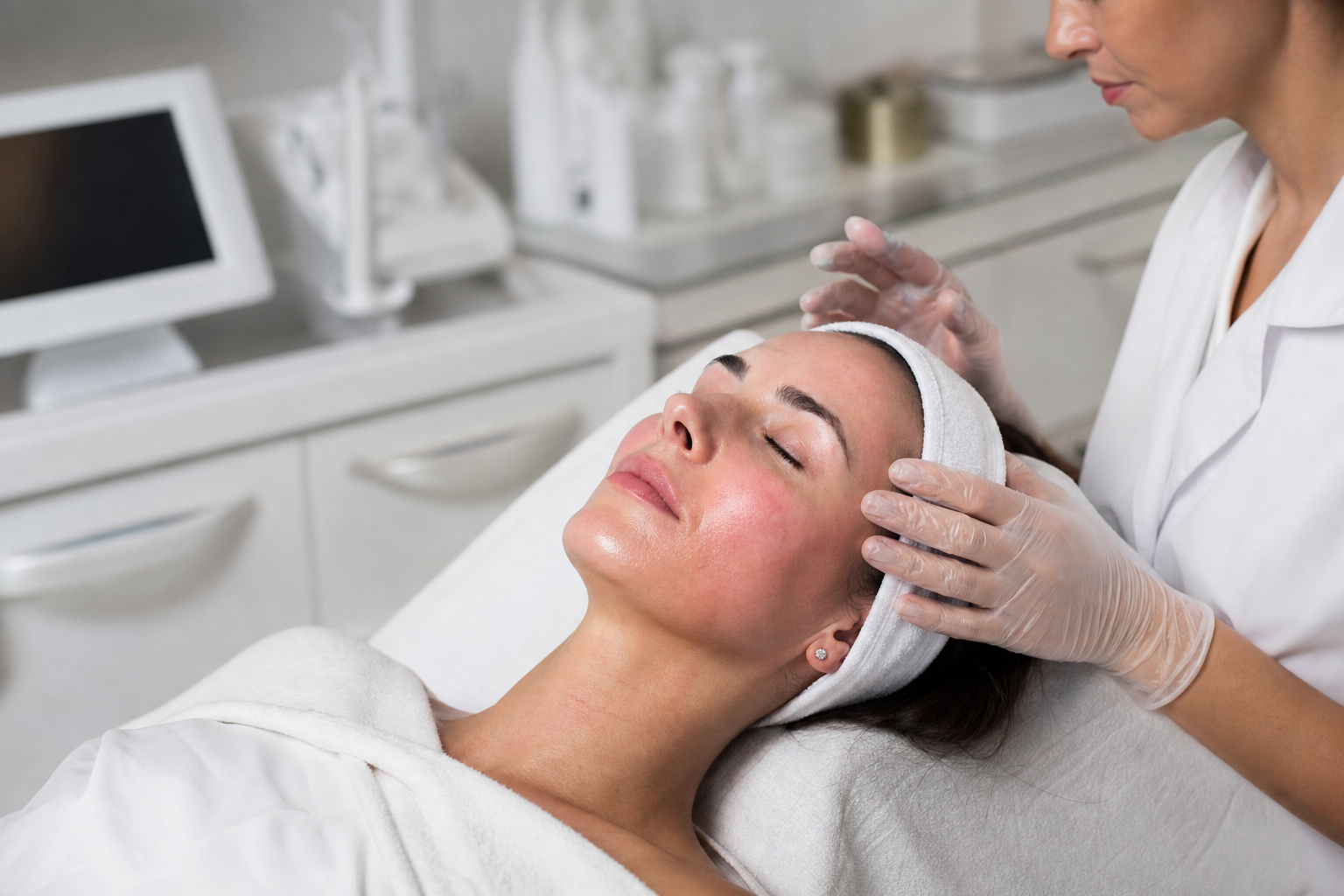
Immediately following RF microneedling, most patients experience redness much like a moderate sunburn, accompanied by mild swelling and a warm sensation. These symptoms usually peak within the first 24 to 48 hours and begin to subside gradually over the following days. Some patients report a tingling, tightness, or occasional stinging sensation as the skin undergoes reparative processes.
Within three to seven days, peeling or flaking may occur as the damaged superficial skin layer exfoliates, revealing fresher skin beneath. Hydration levels fluctuate during this time, so maintaining moisture is vital. The entire visible healing process typically completes within 5 to 7 days; however, deeper restoration of collagen and elastin continues for several weeks.
The length and intensity of recovery symptoms depend on several factors: the depth of needle penetration, the energy level of the RF emission, and the area treated. More aggressive protocols targeting severe skin concerns naturally demand longer recuperation than milder sessions.
How Should One Care for the Skin After RF Microneedling to Support Recovery?
Proper post-procedure skincare is integral to maximizing the benefits of RF microneedling while minimizing risks. Immediately after treatment, it is essential to keep the skin clean and protected. Patients should avoid using makeup or any products containing irritants such as alcohol, fragrances, acids, or retinoids for several days.
Gentle cleansing with a mild, non-abrasive cleanser followed by adequate moisturization helps soothe irritation and supports barrier repair. Using a broad-spectrum sunscreen with at least SPF 50+ is critical to shielding the sensitized skin from ultraviolet damage that can hinder healing and cause pigmentation changes.
Patients must stay away from direct sun exposure and refrain from strenuous activities that induce sweating or overheating, such as vigorous exercise, sauna visits, or hot baths. These measures reduce inflammation and prevent disrupting the fragile epidermis.
Following the practitioner’s specific aftercare instructions, including any recommended topical treatments or scheduled follow-up visits, enhances safety and therapeutic effects.
Why Is Professional Guidance and Adherence to Safety Protocols Essential During Recovery?
RF microneedling, though generally safe, carries inherent risks if performed improperly or if appropriate recovery measures are neglected. The FDA has issued warnings regarding serious adverse events associated with RF microneedling performed by unlicensed providers or using non-approved devices.
Potential complications include burns, scarring, infection, fat loss, nerve damage, and pigmentation disorders. These issues often stem from excessive energy settings, inadequate skin assessment, or poor aftercare compliance.
To safeguard patients, treatments must be undertaken in accredited facilities by trained professionals who utilize FDA-cleared devices. Thorough patient evaluation before initiating therapy helps identify contraindications and tailor the procedure safely. Open communication throughout treatment and recovery empowers patients to report concerns early, enabling timely interventions.
What Kind of Results Can Patients Expect and How Does Recovery Affect These Outcomes?
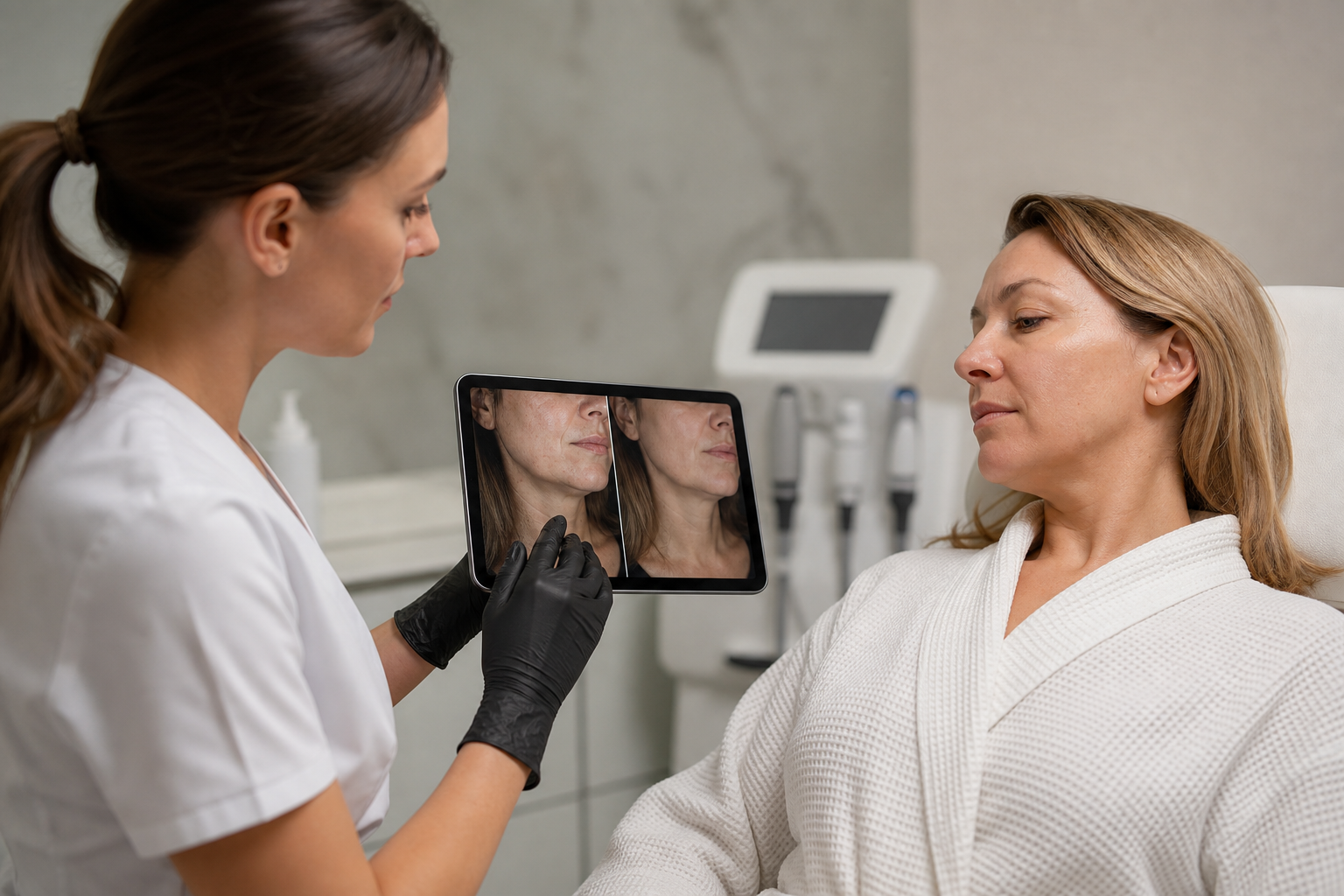
RF microneedling offers progressive improvements in skin texture, firmness, and tone that become most noticeable between four to eight weeks after treatment as collagen remodeling peaks. Patients typically observe reduced wrinkle depth, diminished scar visibility, balanced pigmentation, and an overall rejuvenated complexion.
Consistent, appropriate recovery care helps optimize these results by ensuring the skin heals in an orderly manner without undue inflammation or secondary damage. Conversely, shortcutting recovery protocols or ignoring skin reactions can compromise efficacy and prolong the healing journey.
Some cases may require multiple sessions for ideal effects, with treatments spaced to allow full recovery. Patience is crucial since the procedure initiates a gradual renewal rather than instant transformations seen with invasive surgeries.
How Does RF Microneedling Compare With Other Radiofrequency Treatments Regarding Recovery?
Radiofrequency treatments vary widely in invasiveness, influence on recovery time, and expected outcomes. Non-invasive RF facial lifting gently heats the skin surface to contract collagen fibers and stimulate mild renewal without breaking the skin barrier, resulting in no visible downtime.
Fractured RF without needles involves fractional heating but avoids micro-injuries, offering moderate recovery time with lesser dramatic improvements. RF microneedling, involving controlled micro-wounding combined with RF energy, requires a more deliberate post-treatment rest and care period but yields more profound dermal regeneration.
Choosing between these modalities depends on individual skin concerns, patient tolerance regarding downtime, and desired results. Patients looking for significant correction of scars or deeper wrinkles often opt for RF microneedling despite the longer recovery, while those seeking subtle lifting may prefer gentler RF options.