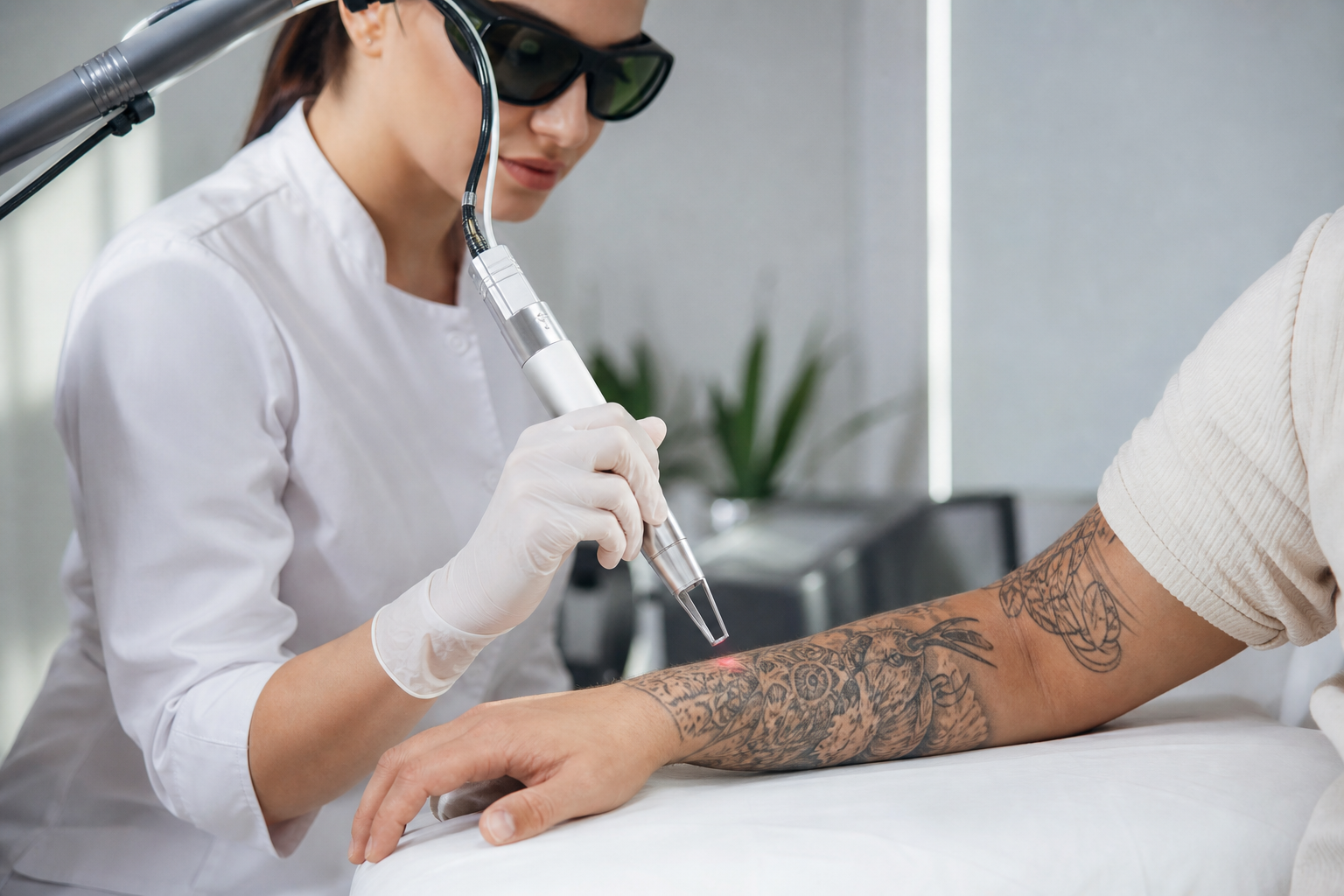
Tattoo removal has become an increasingly frequent consideration among many individuals for a variety of personal, professional, or aesthetic reasons. Whether motivated by a desire to correct or erase an unwanted tattoo or to make way for a new design, understanding what determines the speed of tattoo removal is essential for setting realistic expectations and making informed decisions. This topic touches upon complex interactions between the tattoo itself, the individual's skin and biology, and the technologies employed in the removal process.
This article endeavors to uncover the key factors influencing the pace at which tattoos can be removed, primarily focusing on laser tattoo removal — the contemporary gold standard in the field. The discussion is intended for those contemplating tattoo removal, whether they have old or recent tattoos, amateurs or professionally applied ink, as well as practitioners seeking to offer well-informed guidance regarding treatment plans and outcomes without delving into technical device specifics or unsafe at-home methods.
Through examining the mechanisms behind laser tattoo removal and exploring how variables such as pigment properties, skin characteristics, and immune response interplay, readers will gain a comprehensive understanding of the limitations and realistic timeframes involved. This insight is critical not only for managing expectations but also for ensuring a safe and effective journey through the tattoo fading process.
How Does Laser Tattoo Removal Technology Influence Treatment Speed?
Laser tattoo removal operates by delivering pulses of highly focused light energy targeting the ink pigments embedded within the skin. This energy is absorbed by the tattoo pigment particles, causing them to fragment into smaller pieces through a process known as photothermolysis. These smaller particles can then be gradually cleared away by the body's immune system, primarily the lymphatic drainage.
The speed at which tattoos fade depends heavily on the type of laser technology used. Different lasers emit specific wavelengths of light that are selectively absorbed by particular pigment colors. For example, certain lasers work well with black or dark blue inks, while others target red or green shades more effectively. This color selectivity means that the choice of laser can significantly impact how quickly and thoroughly the pigment breaks down.
Furthermore, the depth of laser penetration affects removal speed. Some laser systems are better equipped to reach ink particles lodged deeper in the dermal layers, which can necessitate a greater number of sessions. It is important to understand that the laser itself does not eliminate the ink; it merely facilitates its fragmentation. The body's clearance mechanisms ultimately dictate the pace of removal, making post-treatment recovery intervals a crucial component of the overall timeline.
What Role Does Tattoo Pigment Composition Have on Removal Duration?
The characteristics of the tattoo's pigment are among the primary determinants of how fast the ink can be removed. The color of the ink substantially affects laser absorption; darker pigments like black and blue absorb laser light more efficiently, often resulting in quicker fading. Conversely, lighter or more vibrant colors such as yellow, white, green, or fluorescent inks are more resistant to laser treatment and can require more sessions.
Beyond color, the chemical makeup and quality of the pigment greatly influence removal effectiveness. Professional tattoo inks typically contain high concentrations of stable, long-lasting compounds, leading to more persistent tattoos that resist fading. On the other hand, amateur tattoos may utilize less dense or unevenly applied ink, which can sometimes accelerate removal but also result in patchy fading.
Additionally, the depth at which pigment is implanted matters. Ink lodged deeper within the dermis is less accessible to laser energy and necessitates more treatments to reach and break down effectively. Superficial tattoos, being closer to the epidermal surface, respond more readily to laser exposure and can fade faster.
How Do Skin Type and Health Status Affect Tattoo Removal Speed?
The individual's skin characteristics significantly influence the duration and success of tattoo removal. Skin tone is a critical factor because lasers target pigment. People with lighter skin tones generally experience faster treatment progress with a lower risk of side effects such as hyperpigmentation or hypopigmentation. In contrast, darker skin tones require careful laser parameter adjustment to avoid damaging melanin-rich skin cells, often extending the overall treatment schedule.
Skin texture, elasticity, and existing damage or scarring also play a role. Healthy, well-maintained skin recovers better from laser sessions and supports more efficient pigment clearance. Conversely, compromised skin may heal more slowly, increasing downtime between treatments and impacting removal speed.
The individual's immune system is perhaps the most critical biological variable. Since laser treatment depends on the immune system to clear fragmented ink particles, a robust and efficient immune response accelerates removal. Factors such as age, nutrition, general health, and immune disorders can either aid or hinder this process, affecting how quickly the tattoo fades after each session.
Why Are Multiple Laser Sessions Necessary for Tattoo Removal?
A common misconception is that tattoo removal can be accomplished in one or two treatments. In reality, multiple sessions—often ranging from five to ten or more—are required to achieve substantial fading. This is because each laser pass fragments the pigment only partially, and the body needs time to metabolize and eliminate these smaller particles before the next session.
Attempting to condense the treatment timeline by increasing laser intensity or frequency carries risks such as tissue damage, scarring, or ink scattering, which can lead to suboptimal results or aesthetic complications. Therefore, spacing treatments by several weeks is standard to allow recovery and effective pigment clearance.
This gradual fade also helps monitor the skin's response and adjust treatment parameters accordingly, ensuring safety and efficacy. Understanding the need for multiple sessions enables patients to plan realistically and maintain adherence to their treatment schedules.
What Are the Limitations and Realistic Expectations for Tattoo Removal?
Despite advances in laser technology, complete and flawless tattoo removal remains a challenge in some cases. Certain colors, especially pastel shades and fluorescent pigments, may never fully disappear and leave a faint shadow or discoloration. Older tattoos, or those with complex layering and heavy saturation, also pose greater difficulties.
Moreover, the skin may not always return to its original appearance. Changes in pigmentation, residual scarring, or texture alterations are potential outcomes. These risks necessitate a prudent approach that balances patient goals with achievable results.
Accepting these limitations is vital for patient satisfaction. The goal of many removal treatments is significant lightening to permit coverage by a new tattoo or to reduce visibility rather than perfect erasure. Consultations with experienced providers should outline these nuances and develop customized plans with measured expectations.
How to Choose the Right Treatment and Specialist for Safe Removal?
Selecting a qualified medical professional with expertise in laser tattoo removal is paramount. Experienced dermatologists or licensed practitioners can assess the tattoo's characteristics and the patient's skin type, recommend appropriate laser technology, and devise a tailored treatment schedule.
During consultation, patients should discuss their medical history, skin sensitivities, and expectations. Providers offering transparent information about the process, potential outcomes, and post-treatment care contribute to safer and more satisfactory experiences.
It is advisable to avoid unverified at-home methods or non-certified providers, as these may result in skin damage, infection, or incomplete removal. Engaging with reputable clinics employing modern, FDA-approved equipment ensures the highest standards of safety and effectiveness.


