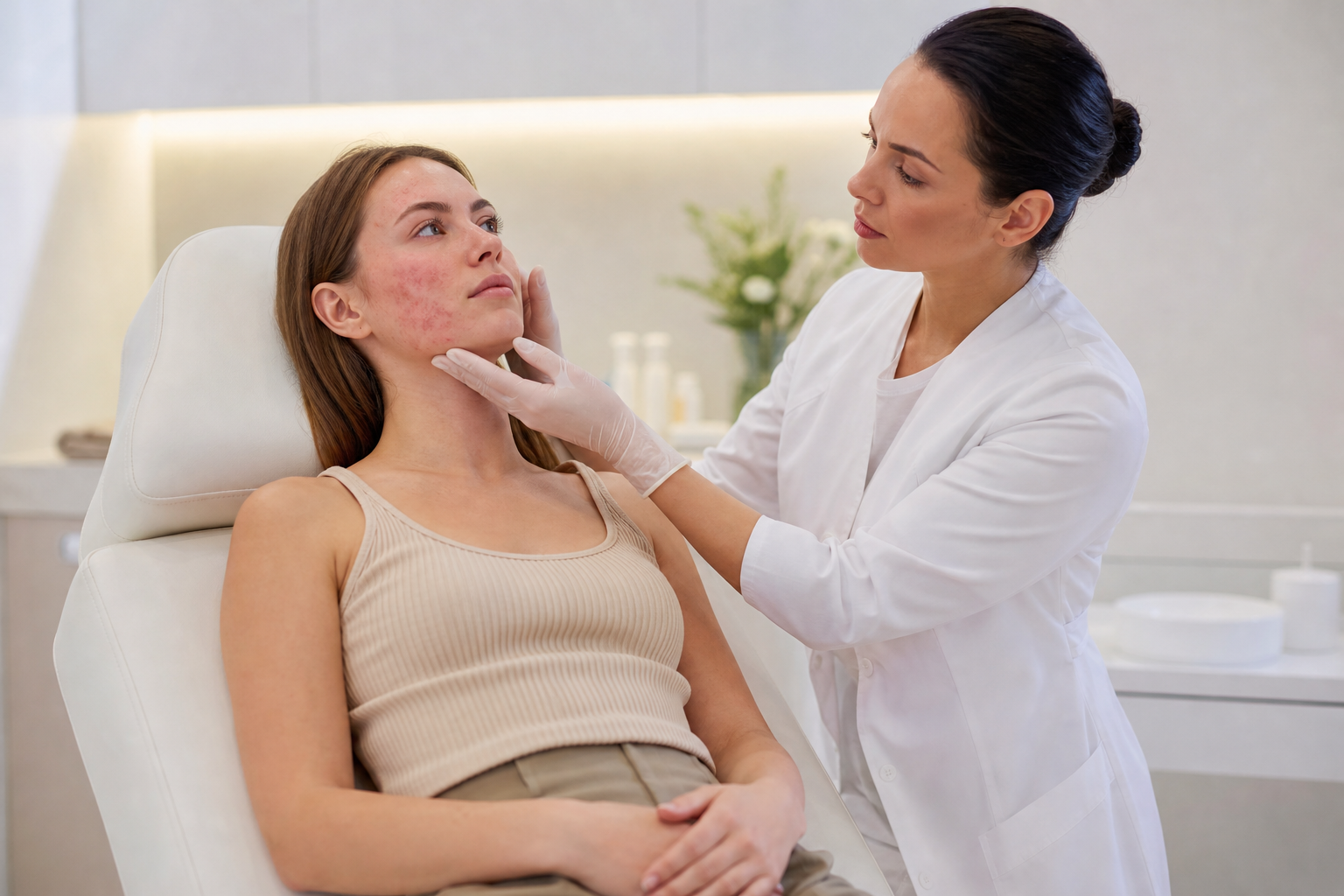
In the realm of aesthetic medicine, Botox has become a widely recognized and trusted treatment to diminish fine lines and wrinkles, offering a non-surgical option to restore youthful facial contours. However, the success and safety of Botox treatments heavily depend on the condition of the skin at the time of application. One critical factor often overlooked by patients and even some practitioners is the presence of skin infections or irritations, which can mandate postponement of the procedure. Understanding when to delay Botox injections is essential not only to protect the patient’s health but also to maximize treatment outcomes.
Botox, a neurotoxin that temporarily reduces muscle activity, is typically injected into specific facial muscles to smooth dynamic wrinkles. While the procedure itself is minimally invasive, the skin serves as the initial barrier and gateway for the treatment. If compromised by infection or inflammation, the risks associated with Botox injections increase significantly. This editorial delves into distinguishing between skin infection and irritation, explains their implications on Botox treatments, guides patients and clinicians on preparation and procedural considerations, and underscores the importance of timely expert consultation.
For both newcomers considering Botox and seasoned users, recognizing the importance of skin health prior to treatment is a vital step in ensuring both safety and efficacy. This article aims to build a comprehensive understanding of how infections and irritations affect the skin’s suitability for Botox, what signs should prompt delay of the treatment, and how professional collaboration optimizes patient care.
Fundamental Skin Physiology and Its Interaction with Botox Treatments
The skin is the body's most extensive organ, acting as a protective shield against environmental insults such as pathogens, ultraviolet radiation, and irritants. Over time, intrinsic aging and extrinsic factors cause the skin's elasticity and structural integrity to decline, which often motivates individuals to seek aesthetic interventions like Botox. Botox works by inhibiting nerve impulses that trigger muscle contractions, thereby smoothing wrinkles caused by repetitive expressions.
Successful Botox application requires intact and healthy skin to serve as a conducive interface. When skin is infected or irritated, its defense mechanisms are compromised. Infections, whether bacterial, viral, or fungal, incite localized inflammation and may disrupt the epidermal barrier. Irritation, often stemming from allergic reactions or dermatologic conditions such as dermatitis, similarly inflames and weakens the skin’s surface.
Injecting Botox into areas affected by these conditions risks exacerbating the underlying skin issues. Infections can potentially propagate deeper into tissues or spread systemically if penetrated by injection needles. Likewise, irritated skin may react adversely to the injection, prolonging inflammation and interfering with the desired cosmetic effects.
Distinguishing Infection from Irritation: Clinical Indicators Prior to Botox Sessions
Correctly identifying whether the skin shows signs of infection or mere irritation is crucial before proceeding with Botox. Skin infection typically manifests as localized redness that is often warm and tender to touch, with accompanying swelling and sometimes discharge or pus formation in bacterial cases. Systemic symptoms such as fever or malaise may also accompany infections, indicating widespread involvement.
In contrast, irritation might present as dryness, scaling, mild redness, itching, or stinging sensations without the hallmark warmth or swelling seen in infections. Causes of irritation might include recent exposure to harsh skincare products, sunburn, or an allergic reaction to cosmetic ingredients.
Clinicians and patients should engage in thorough pre-treatment assessments. This includes visual examination of the injection sites and discussing any recent skin changes or discomfort experienced by the patient. If doubts remain regarding the skin condition, pausing the Botox session until further evaluation and possible treatment of the skin issue is completed safeguards against complications.
Implications of Active Skin Conditions on Botox Safety and Effectiveness
Administering Botox into skin compromised by infection can significantly heighten the risk of adverse events. The breach of a protective barrier allows microbes to travel along the needle track, potentially causing abscesses or spreading infections in deeper tissues or bloodstream. Such complications may require medical intervention and delay future treatments.
Moreover, active inflammation and edema from skin irritation can obscure underlying anatomy, making precise Botox placement challenging. This unpredictability can result in uneven muscle relaxation, asymmetrical appearance, or a shortened duration of Botox effectiveness. Prolonged recovery periods may follow, with increased discomfort and lingering inflammatory signs in the treated region.
The best aesthetic results hinge on the precise delivery of Botox doses into targeted muscles. Irritated or infected skin undermines this precision and compromises not only patient comfort but also treatment outcomes.
Effective Strategies for Skin Preparation Before Botox Applications
Preparation begins with ensuring the skin is free of active infections or irritations. Patients are advised to avoid harsh exfoliants, chemical peels, or abrasive skincare treatments in the days leading up to their Botox appointment to minimize the risk of irritation. Hydration and gentle cleansing support the skin's barrier and overall health.
If signs of infection or irritation emerge prior to treatment, it is imperative to postpone Botox injections until these resolve. Treatment for infections may involve topical or systemic antibiotics, antifungals, or antivirals as appropriate, under medical supervision. For irritations, soothing topical agents such as corticosteroids, moisturizers, or barrier repair creams can facilitate healing.
A collaborative approach involving dermatologists or qualified aesthetic practitioners ensures tailored skin preparation protocols. This professional guidance maximizes the likelihood that Botox treatments proceed on a foundation of optimal skin integrity.
The Crucial Role of Expert Consultation and Patient Communication
Prior to scheduling Botox treatments, a comprehensive consultation with a specialized clinician enables thorough skin assessment and history review. Patients should be encouraged to disclose any recent skin changes, allergies, infections, or use of medications that might impact treatment safety.
In cases where infection or irritation is suspected, the practitioner can recommend postponing the procedure and directing the patient towards necessary medical care. Follow-up evaluations ensure that the skin has sufficiently recovered before proceeding with injections.
Transparent communication fosters patient trust and compliance, which are indispensable for safe and successful aesthetic outcomes. Furthermore, shared decision-making empowers patients to participate actively in their treatment journey.
Setting Realistic Expectations About Botox Outcomes When Skin Issues Are Present
While Botox is highly effective for managing wrinkles and facial lines, it is not a remedy for skin infections or inflammatory dermatoses. Attempting to 'mask' these conditions through cosmetic procedures risks aggravation and suboptimal results.
Patients should understand that skincare health is a prerequisite for meaningful Botox benefits. Only once the skin has returned to a stable state can the treatment deliver its intended smoothing effects predictably and safely.
Maintaining realistic expectations helps prevent disappointment and aligns treatment goals with clinical realities, emphasizing wellness as the foundation for beauty.
Multidisciplinary Coordination to Optimize Treatment Planning and Execution
Advanced aesthetic care for patients prone to skin problems often requires cooperation between dermatologists and aesthetic practitioners. Dermatologists' expertise in managing skin infections and inflammatory conditions complements the technical proficiency of Botox injectors.
This multidisciplinary dynamic facilitates personalized treatment planning, including pre-treatment skin optimization protocols, safe scheduling of injections, and post-treatment skin care regimens. Consequently, patients benefit from enhanced safety margins and improved longevity of results.
Such integrative care models represent the future of aesthetic medicine, prioritizing patient health alongside cosmetic enhancement.


