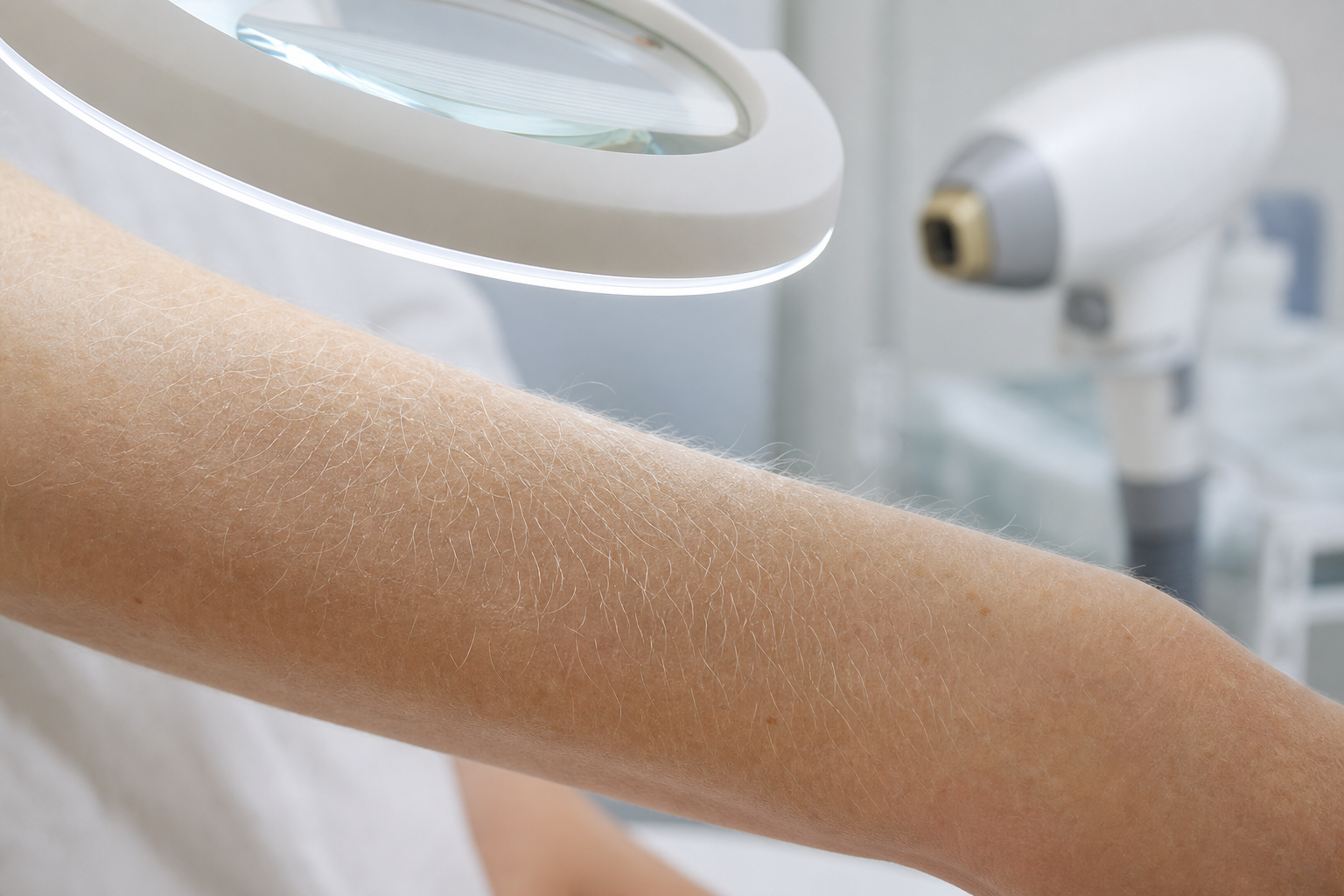
Laser hair removal has emerged as a revolutionary technique for achieving long-lasting reduction of unwanted body hair. By targeting the pigment within hair follicles, lasers can damage these structures and inhibit future hair growth, offering a convenient alternative to traditional hair removal methods. However, when it comes to blonde hair, especially light or nearly white shades, this approach encounters significant challenges. The core reason lies in the reduced melanin content of light-colored hair, which makes it difficult for laser devices to effectively target and disable the follicles.
This topic is especially relevant for individuals with blonde hair who are considering laser hair removal as a permanent or semi-permanent solution. Despite its popularity and proven effectiveness for darker hair, the nuances of treating blonde hair with laser technology often lead to confusion and unmet expectations. Understanding the biology behind hair pigmentation, the role of melanin in laser targeting, and the limitations inherent to laser hair removal for blondes is crucial for anyone contemplating this procedure.
In this comprehensive exploration, we will dissect why blonde hair poses a technical challenge for laser treatments, distinguish between varying shades of blonde and how that affects outcomes, analyze factors such as hair thickness and treatment areas, and evaluate the impact of skin tanning on procedure safety and efficacy. Furthermore, we will critically assess common marketing messages and discuss alternative permanent hair removal methods like electrolysis that might better suit individuals with lighter hair tones. This editorial aims to equip readers with an informed perspective to navigate their options realistically and confidently.
Why Blonde Hair Often Contains Insufficient Melanin for Effective Laser Targeting
The efficacy of laser hair removal is fundamentally linked to the principle of selective photothermolysis — the laser light is absorbed primarily by the melanin pigment in the hair shaft and follicle. This absorption generates heat, which leads to follicular damage and subsequently reduces hair growth. Melanin serves as the chromophore, or target pigment, dictating which structures absorb the laser energy.
In blonde hair, the concentration of melanin is considerably lower than in darker hair colors. This diminished pigment level means the laser energy is not adequately absorbed, leading to insufficient follicular heating and damage. Consequently, the treatment’s ability to achieve permanent hair reduction is compromised. People with fine, light blond, or nearly white hair may notice minimal to no benefit from laser hair removal sessions, as the follicles retain their integrity.
This biological limitation explains why laser hair removal is often associated with the most favorable results in individuals with dark hair and light skin, where high melanin contrast allows precise targeting while minimizing skin damage. Without sufficient melanin in the hair, the laser light is poorly absorbed, sparing the follicle and rendering the treatment largely ineffective for blonde hair.
Distinguishing Between Dark Blonde and Nearly White Hair in Laser Treatment Outcomes
Not all blonde hair is identical in its response to laser hair removal. Dark blonde hair, which contains a moderate amount of melanin, may respond somewhat better than very light blonde or white hair, but typically still less effectively than darker hair colors. The melanin concentration and hair follicle volume in dark blonde hair can facilitate partial absorption of the laser energy.
Nearly white or platinum blonde hair, on the other hand, presents an extreme paucity of melanin, often resulting in negligible laser absorption. The finer calibre and reduced pigment intensity of this hair type create a scenario where laser treatments frequently fail to deliver noticeable reduction. Since laser efficacy depends not only on pigment quantity but also on hair thickness, the combination of a pale hue and thin shafts substantially reduces treatment success rates.
Careful evaluation by a skilled practitioner can distinguish these subtypes and help manage patient expectations. While some dark blonde hairs may be affected minimally, white or very light blonde hairs might not respond at all, necessitating consideration of alternative hair removal methods.
The Roles of Hair Caliber, Treatment Area, and Individual Assessment in Predicting Laser Success
Beyond hair color, hair thickness (caliber) plays a pivotal role in laser hair removal outcomes. Thick, coarse hairs have more melanin by volume and thus absorb laser energy more effectively. Conversely, fine hairs—common among lighter hair colors—contain less pigment and are less likely to be permanently damaged by the laser.
The anatomical location of hair growth also influences treatment efficacy. Hair in certain body areas can differ in thickness and pigmentation. For example, facial hair might be finer than hair on the legs or underarms. Regions with fine, sparse blonde hairs may yield particularly poor results, making the treatment less predictable.
Given these variables, a direct and thorough assessment of skin type, hair color, hair density, hair thickness, and treatment site is essential before initiating laser hair removal. Personalized evaluation helps determine candidacy, optimal laser settings, realistic expected outcomes, and whether adjunct or alternative treatments should be considered.
Why Skin Tanning Does Not Improve Laser Hair Removal Response and Narrows the Safety Window
A commonly misunderstood aspect concerns the impact of tanning on laser hair removal. Some believe that tanning, by increasing melanin in the skin, could enhance laser targeting or outcomes, but this is incorrect and potentially hazardous. Tan skin absorbs more laser energy, reducing the differential absorption between hair and skin, and thereby shrinking the 'safety window' to avoid skin injury.
When melanin-rich skin competes with hair follicles for laser energy absorption, the risk of burns, blistering, hyperpigmentation, or hypopigmentation increases. For individuals with blonde hair, where the follicles already absorb insufficient energy, any rise in skin melanin complicates safe energy delivery, further impeding treatment effectiveness.
Therefore, it is generally advised to avoid laser hair removal on recently tanned skin. Treatment should be scheduled when the skin's natural pigmentation has returned, minimizing risks and permitting adequate laser energy to be safely used.
Analyzing and Debunking Marketing Claims: The Reality of Laser Hair Removal for Blonde Hair
The beauty industry’s marketing often promotes laser hair removal as a universally effective, near-permanent solution for all hair colors, glossing over essential limitations. Many advertisements claim successful removal for blonde hair without contextualizing the biological realities of melanin-dependent laser action.
Such messaging risks engendering unrealistic expectations among consumers with light-colored hair, leading to dissatisfaction, wasted resources, and potential erosion of trust in the procedure. It is important to acknowledge upfront that while laser hair removal excels with dark hair, its efficacy significantly diminishes as hair pigmentation decreases.
Clients should seek transparent consultations that discuss the specific challenges posed by blonde hair, rather than being swayed by overpromising claims. Awareness of the method's constraints fosters informed decisions and prevents disappointment.
Alternatives to Laser Hair Removal: Electrolysis and Its Considerations
Electrolysis stands out as the only FDA-approved method for permanent hair removal that works independently of hair color or skin pigmentation. The technique involves inserting a fine probe into individual hair follicles and delivering electrical current to destroy the growth center.
For people with blonde, white, gray, or very fine hair who experience poor results with laser, electrolysis can offer a viable alternative. However, its individualized, hair-by-hair approach is more time-intensive and can be costly, especially for large treatment areas. Patience and commitment to multiple sessions are required to achieve lasting effects.
Unlike laser hair removal, which can cover broad areas quickly, electrolysis demands precision and practitioner expertise. While it avoids the melanin-dependency pitfalls of lasers, clients must balance these factors when choosing the best method for their hair removal goals.
What Patients Should Expect When Pursuing Laser Hair Removal for Blonde Hair
Prospective patients with blonde hair should anticipate variable and often limited efficacy from laser hair removal. Multiple treatment sessions may yield reductions in hair density rather than complete clearance. Some hairs may darken slightly or become finer, but permanent removal is less predictable compared to darker hair.
During the consultation phase, a qualified specialist will conduct a detailed skin and hair assessment, discuss potential outcomes, and possibly recommend supplementary or alternative treatments. Ongoing progress evaluations are critical to adjust protocols and to decide whether continuing laser sessions is warranted or if shifting to electrolysis should be considered.
It is vital to approach laser hair removal for blonde hair with pragmatic expectations, understanding that partial improvement might be achieved, but total permanent clearance is seldom guaranteed.
For readers seeking further technical information and nuances, detailed FAQs addressing specific queries on laser hair removal related to hair color and type are invaluable. These resources explore why dark hair responds best to laser, why certain hair types do not respond, and offer insights on managing fine or coarse hair circumstances.
Hair color, skin type, and their interaction with laser technology are essential factors when tailoring a hair removal strategy to individual characteristics.


