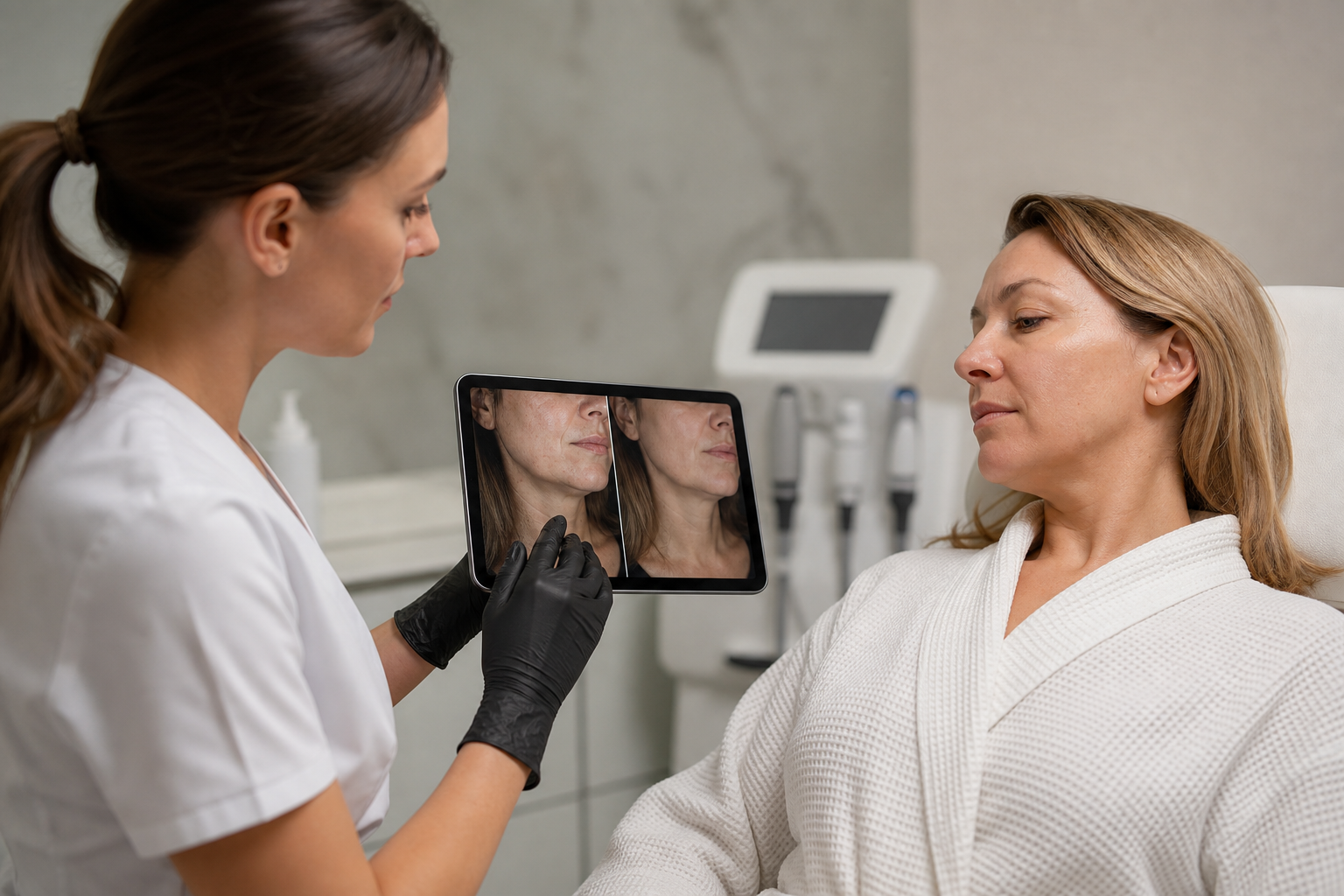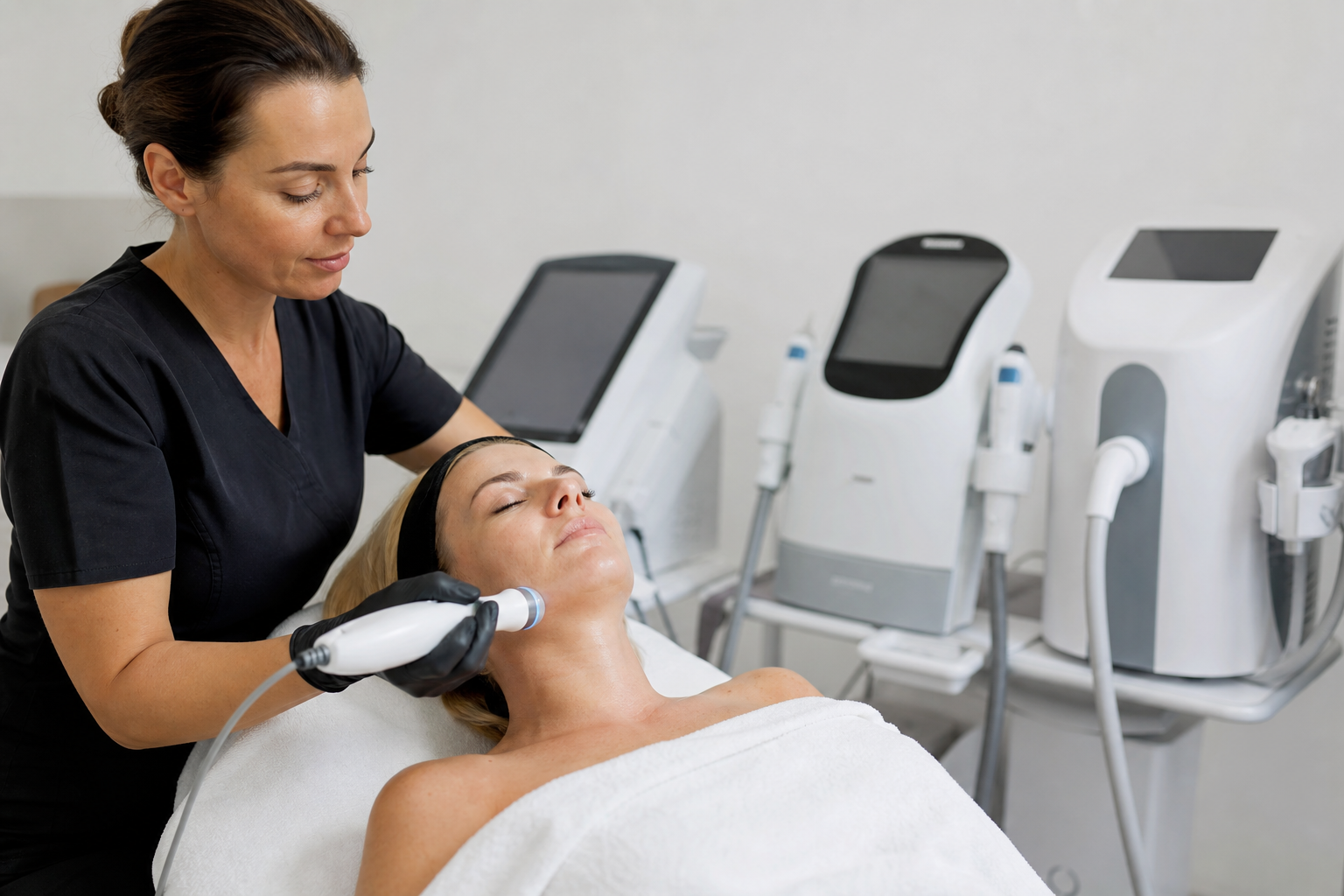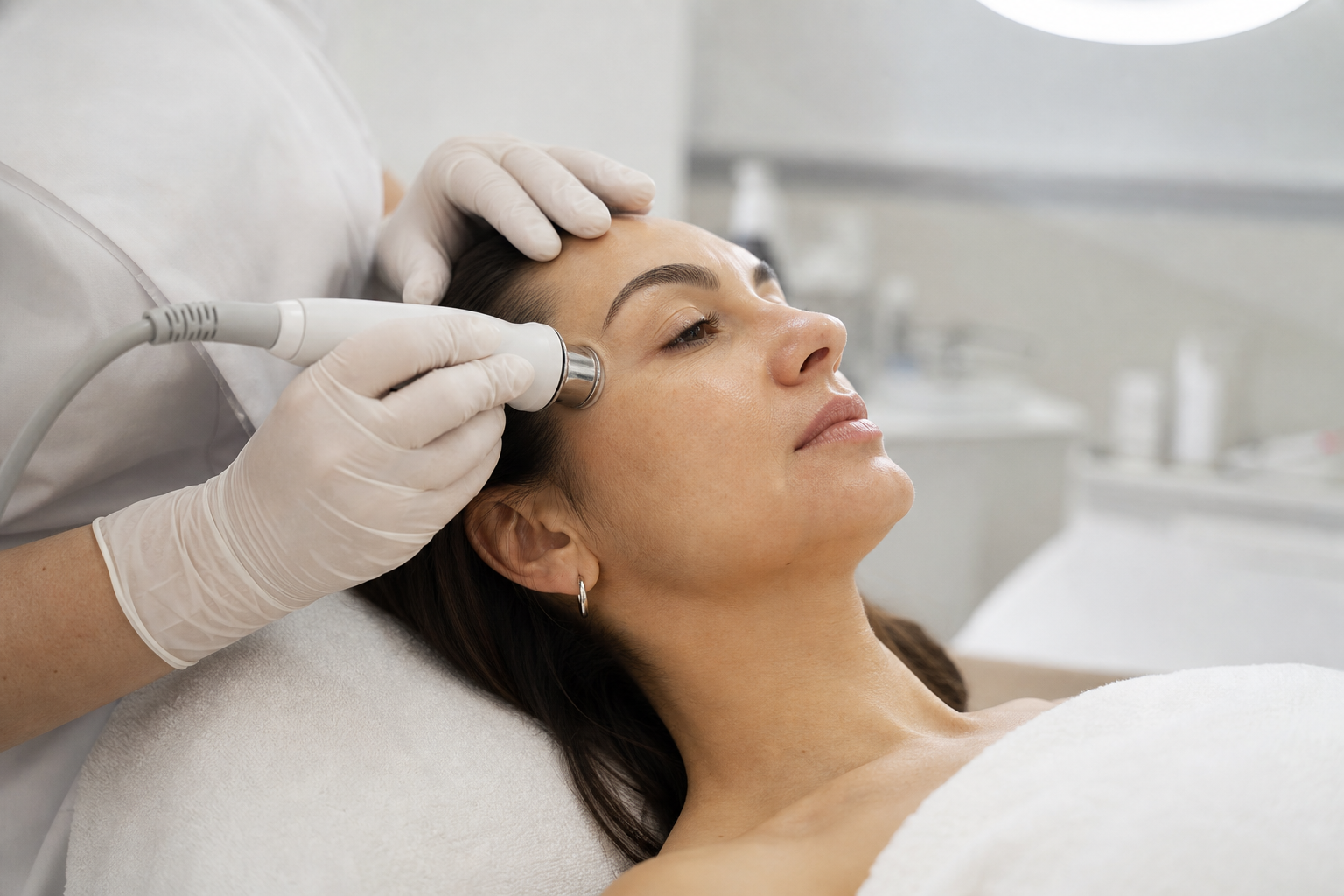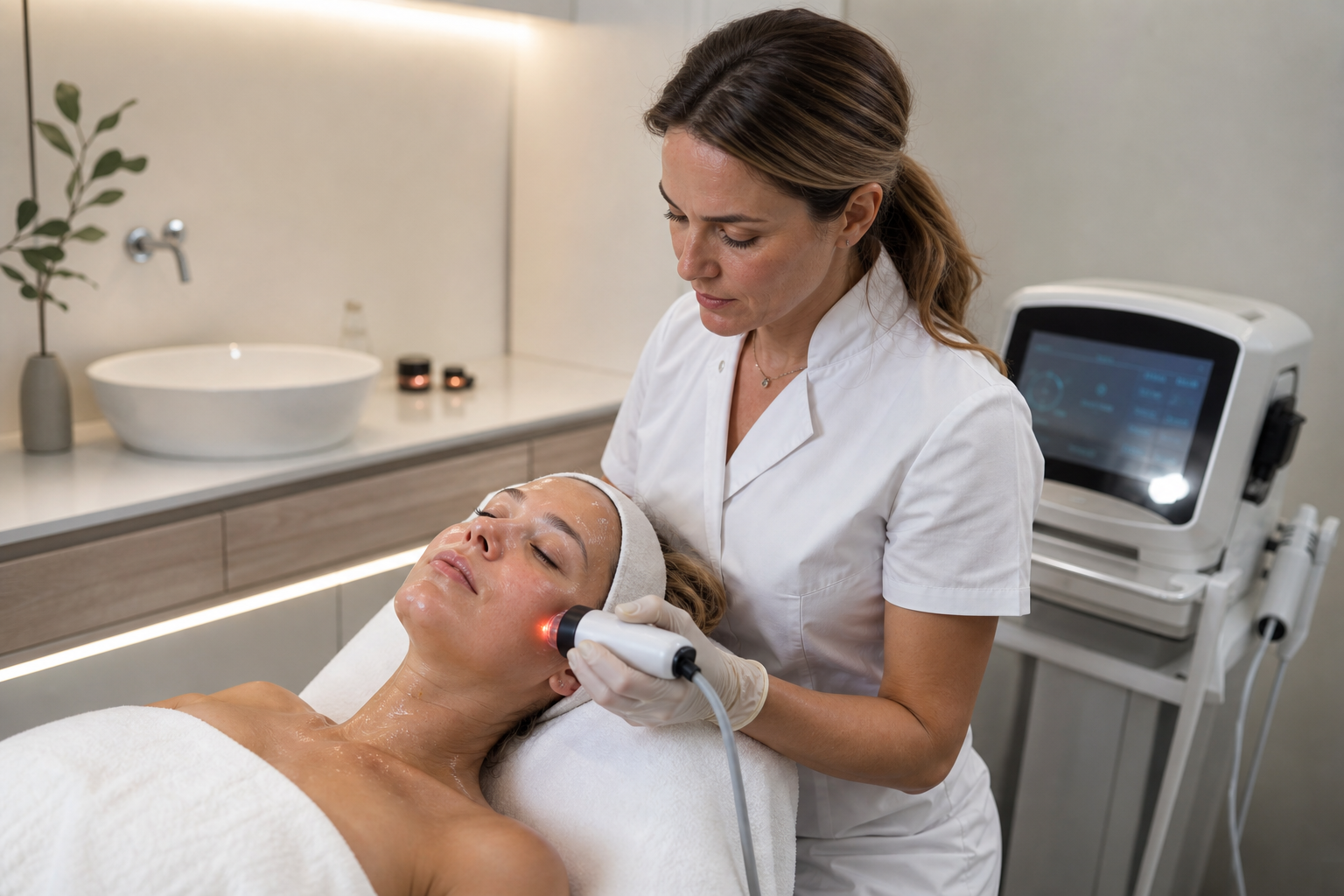
Radiofrequency (RF) skin tightening, colloquially referred to as RF lifting, stands at the forefront of non-surgical aesthetic procedures designed to improve skin firmness and texture. By delivering controlled energy waves beneath the skin's surface, RF treatments encourage the natural production of collagen and elastin — the foundational proteins responsible for youthful, resilient skin. Increasingly sought after by individuals aiming to address signs of aging such as skin laxity, fine lines, and loss of tone, RF skin tightening offers a promising, minimally invasive alternative to traditional surgical facelifts.
However, the expanding popularity of RF technology brings forth an important distinction between devices intended for home use and those reserved for professional settings. These two categories differ substantially in terms of power levels, technological sophistication, safety protocols, and ultimately, effectiveness. For consumers and practitioners alike, understanding these key differences is essential to making informed decisions that align with skin health goals and expectations.
This article is tailored to anyone considering RF skin tightening treatments — from skincare enthusiasts contemplating at-home devices to patients exploring professional clinic options, and even to medical professionals keen to augment their knowledge. We will thoroughly explore what RF lifting entails, dissect the primary differences between home and professional RF devices, examine the various modalities of RF treatments, and guide you on which option might best suit your individual needs and preferences.
What Constitutes RF Skin Tightening and Who Benefits From It?
RF skin tightening employs radiofrequency waves—electromagnetic waves in the radio spectrum—to heat the dermal layers beneath the skin's surface without damaging the epidermis. This precise thermal stimulation prompts fibroblasts, the skin's collagen-producing cells, to regenerate and synthesize new collagen and elastin fibers. The augmented protein matrix strengthens the skin’s structural framework, resulting in improved elasticity, firmness, and a more youthful appearance.
Ideal candidates for RF skin tightening include individuals experiencing mild to moderate skin sagging, early to mid-stage wrinkles, and factors such as uneven texture or reduced skin tone. Since the procedure is non-surgical and typically requires minimal downtime, it appeals to a wide demographic—from younger adults beginning preventative skincare measures to mature clients seeking subtle rejuvenation.
That said, RF is not a panacea for severe skin laxity or deep wrinkles. Patients with significant facial sagging or excess skin folds may require surgical intervention for dramatic remodeling. Yet, for those seeking gradual, maintenance-focused approaches, RF lifting serves as a versatile and effective tool.
How Do Home-Use RF Devices Differ From Professional Machines?
The divide between home RF devices and professional-grade equipment primarily revolves around intensity, technological complexity, and safety features. Consumer-grade RF devices are designed with user-friendliness and safety paramount, which inevitably means they operate at much lower power outputs compared to clinical machines. Their radiofrequency energy penetrates the skin at shallower depths and with reduced intensity, producing more subtle effects that accumulate with consistent use over extended periods.
In contrast, professional RF devices harness advanced technology capable of deeper skin penetration and precise thermal targeting. Features like adjustable frequency settings, power modulation, and multi-polar or fractional energy delivery enable practitioners to tailor treatments to specific skin concerns and tissue depths. This precision fosters more pronounced collagen synthesis and skin tightening within fewer sessions.
Moreover, professional equipment is rigorously tested and regulated to comply with medical safety standards, ensuring controlled energy emission and minimizing risks of adverse effects. The involvement of trained clinicians further safeguards optimal application, allowing close monitoring of patient responses throughout the procedure.
What Are the Different Types of RF Treatments and Technologies?
The umbrella term 'RF treatment' encompasses a variety of techniques that differ by method of energy delivery, invasiveness, and clinical objectives. The most common categories include:
Noninvasive RF Treatments: These employ external electrodes that glide over the skin's surface to deliver uniform heat deep into the dermis and subcutaneous layers. This approach offers a gentle stimulation of collagen remodeling, typically suited for mild to moderate skin tightening needs. Most home-use devices operate on this principle.
Fractional RF Therapy Without Needles: Utilizing a multi-polar or fractional energy emission, these treatments target microzones within the skin, selectively heating areas to induce a regenerative response without breaching the skin barrier. This modality is effective for addressing textural irregularities, fine lines, and mild scarring, and is predominantly administered in professional clinics.
RF Microneedling: This minimally invasive technique combines mechanical micro-injuries from fine needles with synchronized RF energy delivered beneath the skin. The synergy of physical injury and radiofrequency-induced thermal stimulation produces robust collagen remodeling and skin tightening. While highly effective for deeper wrinkles and loss of skin elasticity, RF microneedling necessitates clinical oversight due to its invasiveness and requisite post-treatment care.
Why Might One Choose a Home RF Device Over Professional Treatments, or Vice Versa?
Selection between home-use and professional RF treatments hinges on several considerations, such as treatment goals, skin condition severity, budget, and convenience preferences. Home devices provide easy access, privacy, and cost-effectiveness for ongoing maintenance or gradual improvement. They are especially attractive for individuals cautious about clinical interventions or constrained by time.
Conversely, for patients seeking substantial lifting effects or correction of pronounced skin laxity, professional treatments offer greater efficacy through calibrated energy delivery and customized protocols. Clinics can combine RF with complementary modalities, providing comprehensive rejuvenation strategies unattainable with standalone home devices.
Regardless of choice, consulting a dermatologist or aesthetic practitioner before commencing RF therapy remains crucial. Professional guidance ensures appropriate device selection, tailored treatment plans, and minimizes risk of injury or ineffective outcomes.
How Do Safety Considerations Differ Between Home and Professional RF Treatments?
Safety remains a paramount concern distinguishing home RF devices from their professional counterparts. Consumer devices incorporate built-in safeguards—such as temperature sensors, automatic shut-offs, and power caps—to prevent overheating and tissue damage. However, their lower power output also means the risk profile is relatively mild, albeit with potentially reduced treatment gratification.
Professional devices, while more powerful, are operated exclusively by trained personnel who monitor skin responses in real-time, adjusting parameters as necessary to optimize safety and results. The controlled clinical environment reduces the possibility of complications like burns, pigmentation changes, or uneven tightening.
Certain patient groups, including those with implanted electrical devices, active skin infections, or specific medical conditions, should avoid RF treatments altogether or undergo thorough medical evaluation prior to therapy—regardless of the device used.
What Realistic Outcomes Can Patients Expect From RF Skin Tightening?
RF skin tightening is characterized by gradual, natural-looking skin improvement rather than immediate dramatic shifts. Typically, a series of treatments spaced weeks apart is recommended to cumulatively enhance collagen architecture. Patients often notice firmer skin texture, diminished fine lines, and a more radiant complexion.
Longevity of outcomes varies based on factors such as age, lifestyle habits, and skin maintenance. Results tend to last several months to over a year, with periodic upkeep sessions extending effects. Importantly, RF treatments complement ongoing skincare routines and can delay the need for more invasive procedures.
While RF lifting offers a substantive non-surgical approach for skin rejuvenation, it is essential to hold measured expectations and appreciate its role as part of a holistic aesthetic care plan rather than a singular solution.
How Does RF Skin Tightening Relate to Other Advanced Modalities in Esthetic Medicine?
RF technology is versatile and exists in multiple forms, including monopolar, bipolar, multipolar, and fractional configurations, each suited to different treatment goals. Monopolar RF delivers energy deeply into tissues, making it suitable for body contouring alongside facial rejuvenation. Bipolar and multipolar devices provide enhanced targeting for superficial and mid-dermal layers, ideal for fine lines and textural improvements.
Fractional RF treatments segment energy delivery to specific skin zones, optimizing regeneration with minimized downtime. These variations, often integrated with microneedling or laser platforms, reflect the evolution of RF technology as a central pillar in contemporary non-invasive aesthetic medicine.
Understanding these distinctions empowers consumers to engage in meaningful dialogue with professionals and select treatments that best align with personalized skin goals and clinical indications.