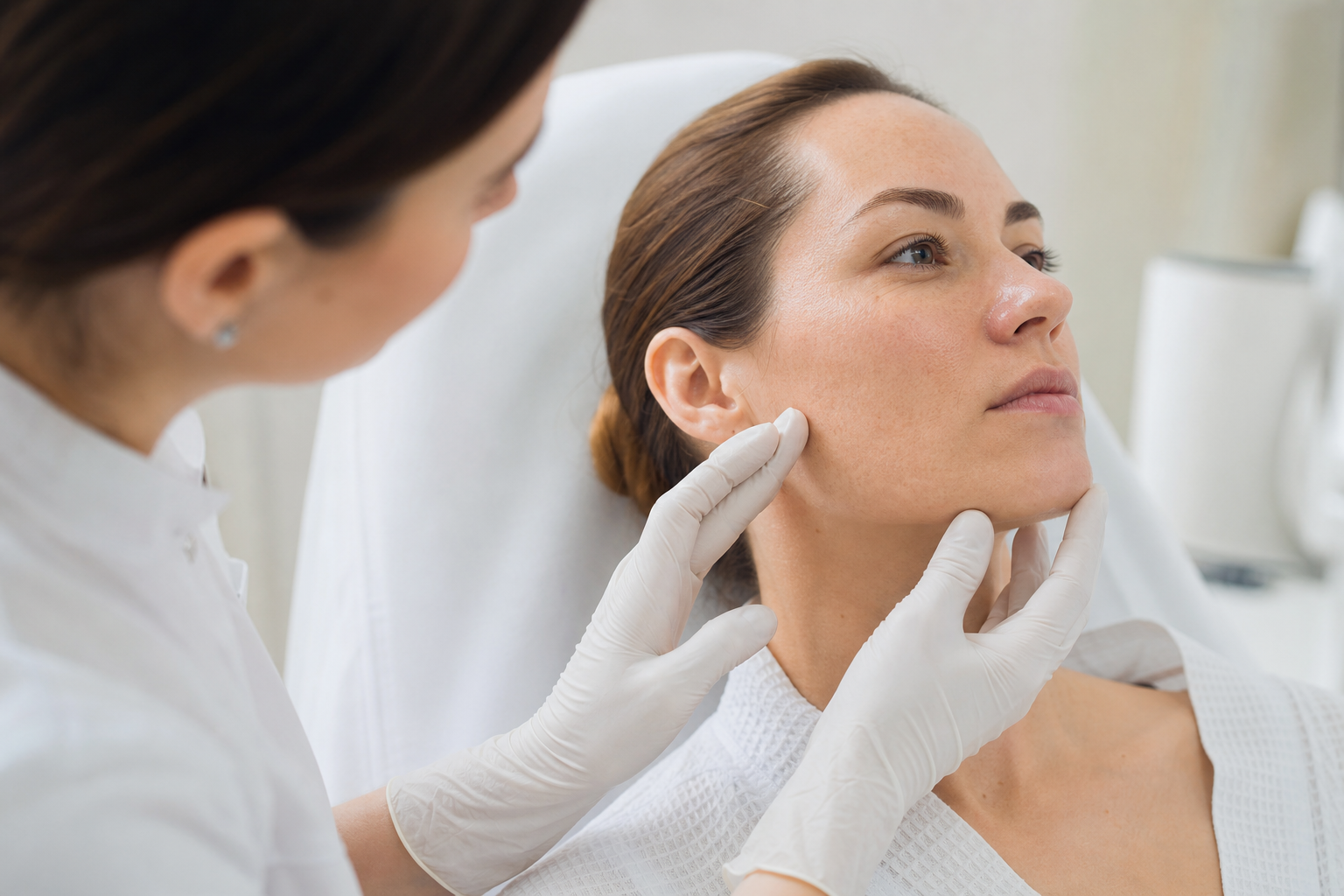
Laser treatments have become a cornerstone in modern dermatology and aesthetic medicine, particularly for individuals seeking visible improvements in skin texture, tone, and overall appearance. Whether addressing wrinkles, pigmentation irregularities, or vascular concerns, the allure of laser technology is its capacity to stimulate the skin’s natural regenerative processes with precision. Yet, a common and critical question among prospective patients remains: how many laser treatments are needed for visible skin improvement?
This question does not have a singular answer, as the number of sessions necessary is influenced by a variety of factors including the specific laser technology employed, the skin condition targeted, individual skin type and health, and patient goals. The complexity is further amplified by the fundamental distinction between ablative and non-ablative laser treatments, each with differing mechanisms, recovery profiles, and expected timelines for results.
This article aims to elucidate the nuances behind the quantity of laser treatments required for perceptible skin enhancement. It is tailored for prospective patients, skincare professionals, and enthusiasts who desire an informed understanding grounded in clinical knowledge rather than marketing claims or oversimplified metrics. By exploring the differences between treatment types, candidacy considerations, and recovery implications, this discussion provides a refined, comprehensive perspective on what to realistically expect when embarking on laser skin therapies.
What Constitutes Visible Skin Improvement Following Laser Procedures?
Before delving into treatment numbers, it is essential to clarify what is meant by "visible skin improvement". In clinical and aesthetic contexts, this term encompasses a range of positive changes including the thinning or smoothing of fine lines and wrinkles, enhanced skin texture and firmness, reduction of pigmentation irregularities such as freckles or melasma, diminished redness or broken capillaries, and an overall more even and vibrant skin tone.
Patients’ priorities often vary: some may seek subtle enhancement in skin radiance and tone, while others pursue more dramatic restructuring of skin architecture, such as correction of deep scars or extensive sun damage. These differences directly impact expectations for treatment regimens and outcomes.
It is equally important to note that the perception of improvement can be influenced by lighting, distance, and observation context. Routine daylight assessment might reveal gradual changes, whereas specialized imaging or close-up evaluation may detect alterations earlier. Setting realistic expectations about the immediacy and degree of visible outcomes is fundamental to patient satisfaction.
How Do Ablative and Non-Ablative Laser Treatments Differ, and Why Does That Matter?
A clear understanding of the difference between ablative and non-ablative lasers provides the essential foundation for answering how many treatments might be needed. Ablative lasers work by removing the epidermis and part of the dermis, essentially creating a controlled wound that prompts the skin to regenerate with newer, healthier tissue. This process can result in pronounced changes in skin texture, pigmentation, and scarring after fewer sessions. However, the trade-off is a more extended recovery period characterized by redness, peeling, and heightened sensitivity.
Conversely, non-ablative lasers bypass disruption of the skin surface, instead delivering energy to deeper layers to stimulate collagen and elastin synthesis. This method yields more gradual improvements over time, with the advantage of minimal downtime and reduced risk of complications. However, more frequent sessions—often in series—are typically necessary to attain comparable visible results.
This dichotomy directly influences treatment planning, individual suitability, and the pathway toward achieving the patient’s desired skin appearance.
Who Is Best Suited for Ablative Versus Non-Ablative Laser Treatments?
Candidacy plays a pivotal role in determining the laser protocol and the anticipated number of treatments. Patients with robust health, absence of active skin infections or chronic dermatological conditions, and realistic expectations are generally suitable candidates for either modality, depending on need.
Ablative lasers are often recommended for individuals with deeper wrinkles, significant pigmentation challenges, or pronounced textural irregularities. These patients should be prepared for a more intensive healing process and commit to post-procedural care. In contrast, those with sensitive skin, mild to moderate photoaging, or those seeking to minimize downtime may find non-ablative treatments more appropriate despite the requirement for a greater number of sessions.
Moreover, factors such as skin type, presence of pigmentation disorders, history of scarring, and lifestyle considerations (e.g., sun exposure habits, ability to adhere to recovery guidelines) must be assessed carefully. These evaluations guide clinicians toward personalized treatment plans that optimize benefit while mitigating risk.
How Many Treatments Are Typically Needed with Ablative Lasers for Visible Improvements?
Ablative laser treatments tend to produce substantial improvements after a single session, especially when addressing moderate skin concerns. This is due to their aggressive approach of removing damaged skin layers, thereby triggering immediate skin remodeling.
However, depending on the depth and extent of skin involvement, additional sessions—usually one to three—may be indicated to enhance or maintain the results. Importantly, these treatments are spaced with recovery intervals of weeks to a month to allow adequate skin healing and collagen remodeling.
The initial recovery can last from several days to over a week, with visible peeling and redness being common. Because of these considerations, patients and providers often weigh the trade-offs of rapid, pronounced improvements against the tolerability of downtime and potential adverse effects.
What Is the Typical Treatment Frequency and Duration for Non-Ablative Laser Protocols?
Non-ablative treatments rely on repeated stimulation of dermal structures to gradually rejuvenate the skin. As a result, they generally require a series of sessions—commonly between three and six—spread over several months, typically with three to four week intervals.
Each individual session contributes incrementally to improvements in tone, elasticity, and texture. Because the skin surface remains intact, downtime is minimal to none, allowing patients to resume routine activities quickly.
Visible results usually manifest over a prolonged period as collagen synthesis and tissue remodeling evolve. Patients must therefore exercise patience and comply with ongoing skincare regimens to optimize outcomes.
Which Factors Influence the Number of Treatments and Rate of Visible Results?
Multiple variables impact the treatment frequency and observability of results, including:
Age: Older skin may respond more slowly due to diminished regenerative capacity.
Skin Condition Severity: More pronounced photoaging, scarring, or pigmentation irregularities typically require more sessions.
Skin Type and Sensitivity: Certain skin types, particularly darker tones, may necessitate more conservative treatment intensities to avoid complications, influencing the number and intervals of sessions.
Lifestyle Factors: Sun exposure, smoking, and overall health affect skin healing and treatment efficacy.
Device and Technique: The specific laser system, its parameters, and the operator’s expertise critically determine the balance between safety, efficacy, and session count.
Post-Treatment Care: Compliance with recommended skin protection and maintenance protocols accelerates recovery and sustains results.
Is a Single Laser Treatment Ever Enough to Achieve Noticeable Improvement?
In select cases, particularly with ablative laser therapy, a single well-executed treatment may yield significant visible enhancements in certain patients. This is often true for those with relatively minor imperfections and good baseline skin health.
Nonetheless, such instances are the exception rather than the norm. Most patients benefit from a planned series of treatments to build and consolidate improvements safely and effectively. Non-ablative treatments almost never produce satisfactory results with one session alone because of their subtler, accumulative mode of action.
A thorough consultation with a qualified specialist can determine when a single treatment might suffice versus when a protocol of multiple treatments is advisable.
What Are the Limits and Potential Risks Associated with Increasing Treatment Frequency?
While increasing the number of laser sessions can enhance results, there is a threshold beyond which further treatment may lead to diminishing returns or adverse effects. Over-treatment can provoke skin irritation, prolonged inflammation, pigmentary changes such as hyper- or hypopigmentation, and, rarely, scarring.
With ablative lasers, inadequate healing time between sessions can exacerbate these risks. For this reason, strict adherence to recommended intervals and individual response monitoring is critical in treatment planning.
Moreover, unqualified operators or inappropriate device settings can compound risks irrespective of the number of treatments.
What Should Patients Expect During and After a Series of Laser Treatments?
Patients should anticipate gradual yet progressive skin improvement throughout their treatment course. Ablative procedures may provide dramatic shifts after initial sessions but require downtime characterized by redness, peeling, and sensitivity. Over successive treatments, cumulative benefits often become more apparent with improved skin resilience and smoothness.
Non-ablative regimens are generally more comfortable with minimal side effects but call for patience to witness tangible benefits emerging weeks after the final treatment, as dermal remodeling progresses.
Throughout the treatment series, regular follow-ups allow for clinical evaluation and adjustments to ensure safety, efficacy, and alignment with patient goals. Adequate hydration, sun protection, and avoidance of irritants form the cornerstone of supportive care that maximizes results and preserves skin health long-term.
How Do Expert Recommendations and Clinical Literature Guide Treatment Frequency Decisions?
Leading dermatological sources emphasize the principle of individualized care predicated on thorough patient assessment and realistic goal-setting. Treatment protocols vary widely across institutions and practitioners, reflecting patient diversity and technological advances.
High-quality clinical reviews discuss the nuanced interplay of laser parameters, skin biology, and healing dynamics that governs optimal treatment frequency and intervals. They underline that rather than fixed numeric prescriptions, flexible, responsive approaches tailored to patient responses are superior.
Supplementing this knowledge with insights from comprehensive guides on laser skin rejuvenation enables patients and clinicians to foster shared decision-making rooted in evidence and transparency.


