Redness after laser hair removal is a common and expected skin response following the treatment, which involves targeting hair follicles with concentrated light energy. This phenomenon, often described as perifollicular redness, reflects the skin’s natural inflammatory reaction to the heat and mechanical impact of the laser procedure. Alongside this redness, patients frequently observe mild swelling and sensitivity in the treated areas. Understanding what causes this reaction, who is most likely to experience it, and how to manage it effectively is essential for anyone considering or having undergone laser hair removal.
This topic is particularly relevant for individuals seeking effective hair removal solutions but who may be concerned about the visible aftermath of their treatments. The appearance of redness can raise questions about safety, duration, and whether the skin is healing normally. For consumers, this knowledge offers reassurance and practical guidance on care routines that promote skin recovery while minimizing irritation. For practitioners, comprehending the subtleties of redness and inflammation post-treatment enables better patient education and management.
Throughout this article, we will explore in detail what perifollicular redness entails, why it occurs specifically after laser hair removal, and the factors that might intensify or prolong it. We will also discuss when this redness is a sign of a routine healing process and when it warrants medical attention due to complications. Gentle and effective aftercare practices will be presented to support skin health and comfort following treatment. Ultimately, this comprehensive examination aims to equip readers with the insights necessary to approach laser hair removal confidently and informed.
What Causes Redness After Laser Hair Removal?
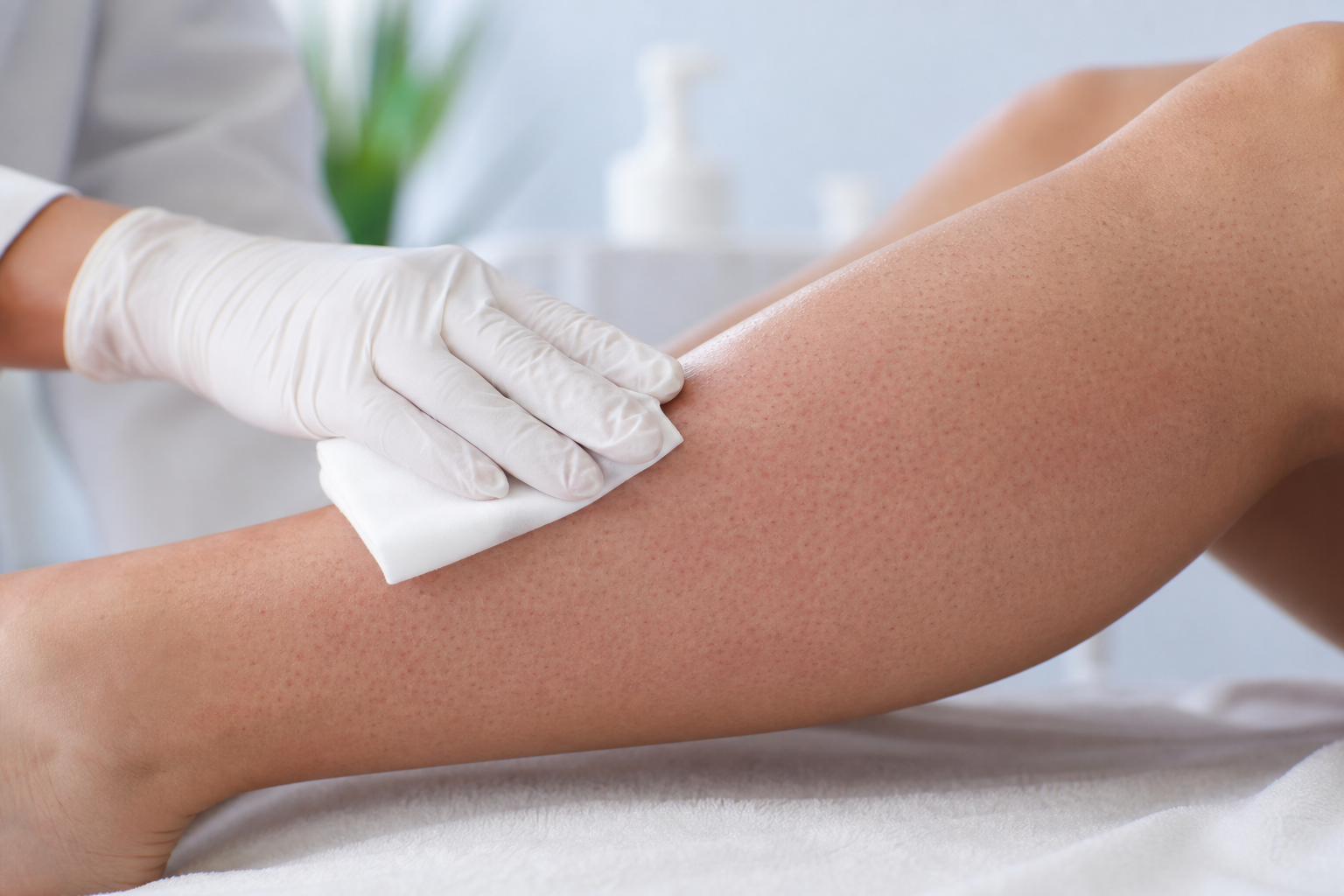
Laser hair removal works by directing focused light energy into hair follicles, where the pigment absorbs the light and converts it into heat. This heat damages the follicle cells to inhibit future hair growth. However, the surrounding skin and blood vessels also respond to this thermal energy. The localized heat causes blood vessels near the surface of the skin to dilate, resulting in increased blood flow that manifests as redness around the hair follicles—hence the term perifollicular redness.
Alongside redness, mild inflammation occurs as part of the body's natural healing mechanism. The immune system sends white blood cells to the area to repair tissue and clear any cellular debris caused by the laser’s thermal injury. This process also contributes to a subtle swelling or puffiness around follicles. These visible signs indicate that the skin is responding appropriately to the treatment and initiating regeneration.
While perifollicular redness and swelling are typical, their severity varies based on several factors, including skin type, hair characteristics, laser settings, and the individual's sensitivity. Generally, the condition is self-limiting and resolves as the skin heals.
Who Is More Likely to Experience Noticeable Redness?
Practically all individuals undergoing laser hair removal may experience some degree of redness and related inflammation, though it is more pronounced and longer-lasting in certain populations. Those with lighter skin tones and sensitive skin often notice more visible redness because their skin displays vascular reactions more distinctly. Conversely, darker skin tones may show redness less prominently but remain susceptible internally to inflammation.
First-time laser hair removal patients may also find redness more intense, particularly if the treatment parameters are aggressive or if they have not undergone prior skin conditioning. In addition, individuals with pre-existing skin sensitivities, such as eczema or rosacea, may exhibit heightened or prolonged redness following treatment.
The intensity of redness also correlates with the treated area's size and the laser's energy setting. Areas with finer skin, such as the face or bikini line, often show more noticeable redness than thicker skin regions like the legs. Repeat treatments in close succession may cause cumulative redness if the skin has not fully recovered.
How Long Does Perifollicular Redness Typically Last?
The duration of redness after laser hair removal varies substantially, influenced by factors including individual skin response and post-treatment care. Typically, perifollicular redness peaks immediately after the session and begins to diminish within a few hours. For most patients, it resolves entirely within 24 to 72 hours.
Some mild residual redness or skin sensitivity can persist for up to a week, especially after aggressive treatments on sensitive skin areas. It is important to note that the exact timeline is not uniform; some may experience shorter durations, while others take longer for the skin to return to its baseline state.
Because every individual’s response is unique, predicting an exact duration is challenging. Skin reactions should gradually improve day by day. If redness continues beyond a week or worsens over time, this may indicate an atypical response requiring professional evaluation.
What Factors Can Exacerbate Redness and Swelling?
Several external and internal factors can intensify and prolong post-laser redness and edema. Exposure to ultraviolet (UV) rays immediately after treatment significantly aggravates redness. Sun exposure can lead to further skin irritation or even burns on already sensitized skin, impairing the healing process.
Heat-related activities such as hot baths, saunas, steam rooms, and vigorous exercise increase blood circulation and encourage swelling, potentially making redness more apparent. Wearing tight or non-breathable clothing over the treated areas can further irritate sensitive skin, contributing to discomfort and prolonged inflammation.
Using harsh skincare products—including those containing alcohol, fragrances, or exfoliating acids—in the days after laser hair removal may disrupt the skin’s barrier function. These irritants can amplify redness and delay healing. Additionally, scratching or rubbing the treated skin can cause mechanical trauma, exacerbating redness and swelling.
How Should One Care for the Skin After Experiencing Redness?
Gentle and attentive care following laser hair removal is fundamental to reducing redness and supporting skin recovery. Initially, applying cool compresses or soothing aloe vera gel can help constrict blood vessels and alleviate inflammation. It is crucial to avoid direct ice application to prevent cold injury.
Moisturization with non-irritating, fragrance-free creams enhances the skin’s barrier function and comforts dryness that can follow treatment. Keeping the treated area clean and dry prevents the risk of secondary infection, a potential cause of worsened redness and complications.
Sun protection is paramount; using broad-spectrum sunscreens with at least SPF 30 shields the vulnerable skin from UV rays and prevents hyperpigmentation or prolonged redness. Patients should follow their practitioner’s specific aftercare instructions, avoiding exfoliation, waxing, or any abrasive procedures until the skin has fully healed.
When Should Redness Be a Cause for Concern?
While mild to moderate redness following laser hair removal is routine, certain signs indicate that the skin may be experiencing an adverse reaction or infection and requires prompt medical attention. Spreading redness beyond the treated zone, escalating pain, or increasing warmth can signify worsening inflammation or cellulitis.
The appearance of blisters, significant swelling, fluid discharge, or crusting suggests possible skin damage or secondary infection. Accompanying systemic symptoms such as fever may also reflect an infection requiring urgent evaluation. Persistent or worsening redness beyond one week should not be ignored.
In all these scenarios, individuals are advised to consult their dermatologist or laser treatment provider rather than attempting self-diagnosis or self-treatment.
Frequently Asked Questions About Redness After Laser Hair Removal
Is redness after laser hair removal normal?
Yes, perifollicular redness and mild swelling are common, expected reactions indicating that the skin is healing following laser energy application to hair follicles.
How can I prevent burns after laser hair removal?Choosing an experienced clinician and following pre- and post-treatment instructions carefully—especially regarding sun exposure—helps minimize the risk of burns For detailed guidance, see Burns After Laser Hair Removal.
What should I do if I experience itching?Itching may occur as the skin recovers; gentle moisturizing and avoiding scratching are recommended For more information, refer to Itching After Laser Hair Removal.
Can laser hair removal cause folliculitis?
Folliculitis, or inflammation of hair follicles, can arise as a complication if the skin is irritated or infected post-treatment. More details can be found in Folliculitis After Laser Hair Removal.
Is scarring a risk?
Scarring is rare with proper technique and care but can occur if complications arise. Consult Can Laser Hair Removal Cause Scars? for further information.
What are the best practices after laser hair removal?
Following instructions such as avoiding sun exposure, heat, and irritating products are vital. Comprehensive advice is available in What to Do After Laser Hair Removal and What Not to Do After Laser Hair Removal.