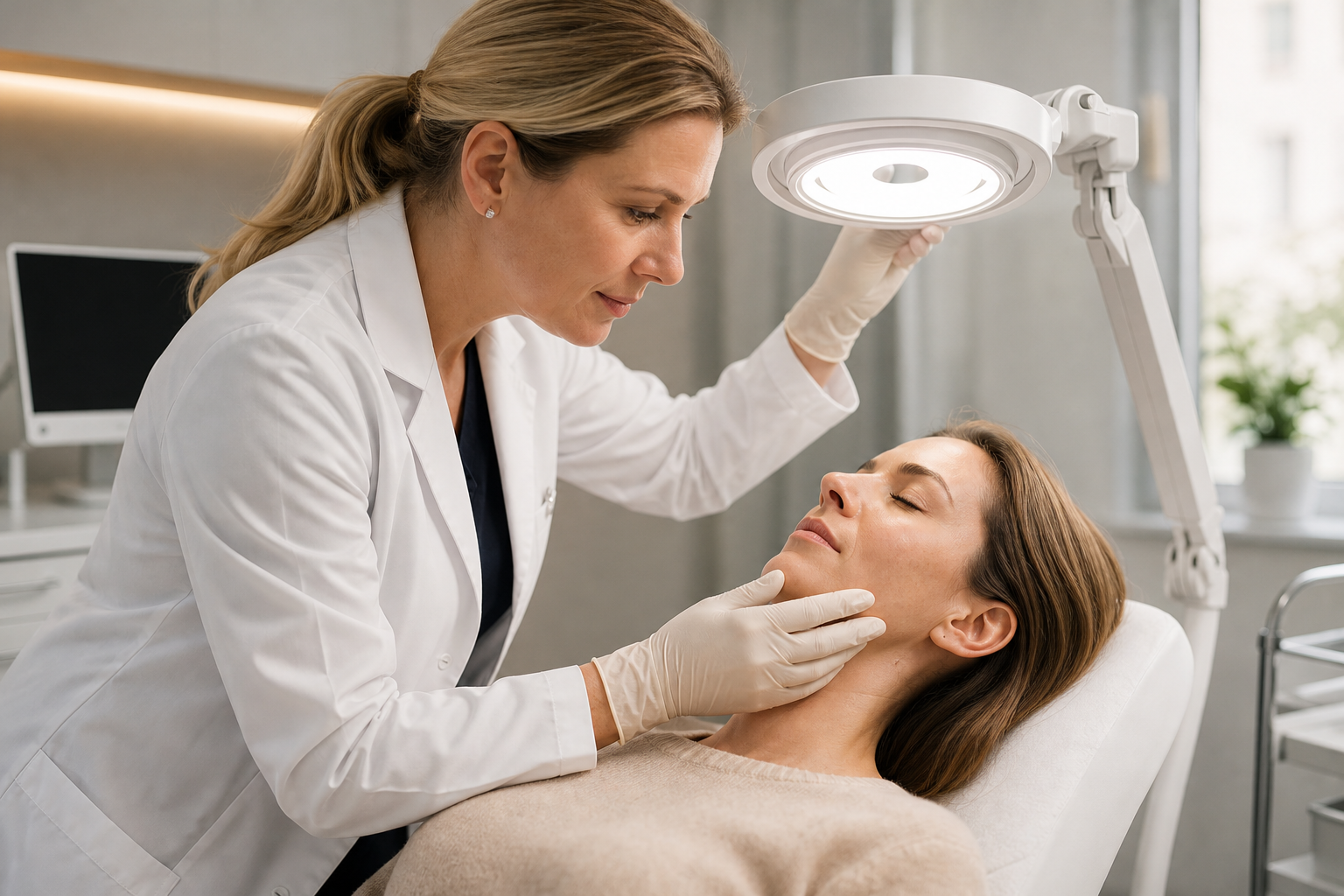
Laser skin rejuvenation has emerged as a sought-after procedure among those aiming to restore a youthful glow and improve the overall quality of their skin. By utilizing advanced laser technologies, this treatment targets various skin concerns such as fine lines, wrinkles, pigmentation irregularities, and texture defects without the invasiveness of surgical methods. However, as with any medical or cosmetic intervention, a fundamental question naturally arises: is laser skin rejuvenation safe?
This question carries significant weight because it touches not only on the procedure's efficacy but also on the potential risks, contraindications, and the suitability of candidates. Understanding the safety profile of laser skin rejuvenation is crucial for individuals considering the treatment to make informed decisions aligned with their health and aesthetic goals. It invites a broader conversation about how lasers interact with skin, the qualifications of practitioners, and the meticulous aftercare required to minimize adverse outcomes.
In this comprehensive article, we will explore the multifaceted aspects of safety surrounding laser skin rejuvenation. Drawing upon reliable dermatological insights and clinical expertise, we will delineate who constitutes an ideal candidate, clarify when caution or avoidance is advised, highlight potential risks alongside strategies for their mitigation, and describe the typical recovery process and signs warranting professional attention. By grounding this discussion in evidence-based information, our goal is to empower readers with clarity and confidence regarding this popular skin treatment.
What Is Laser Skin Rejuvenation and How Does It Work?
To appreciate the safety considerations inherent in laser skin rejuvenation, one must first understand what the procedure entails. At its core, laser skin rejuvenation involves directing targeted laser light energy onto the skin to stimulate natural regenerative processes. The chosen laser wavelength and delivery method are designed to either remove damaged outer layers of skin or to encourage collagen and elastin production beneath the surface, depending on the device and treatment goals.
There are primarily two categories of lasers used in skin rejuvenation: ablative and non-ablative. Ablative lasers, such as carbon dioxide (CO2) and erbium lasers, precisely vaporize the top layers of skin to trigger a wound-healing response that yields new, smoother skin. Non-ablative lasers, on the other hand, work below the surface without visible skin removal, stimulating collagen remodeling gradually with minimal downtime.
Both types aim to address a range of cosmetic concerns including fine wrinkles, sun damage, uneven pigmentation, acne scars, and skin laxity. Importantly, the choice between ablative and non-ablative methods is influenced by the patient's skin type, severity of skin aging or damage, and their tolerance for recovery time and potential side effects. The mechanism of laser action—selective photothermolysis—allows targeting of pigment or blood vessels with precision, sparing surrounding tissues when performed correctly.
Who Is an Appropriate Candidate for Laser Skin Rejuvenation?
Safety in laser skin rejuvenation begins with meticulous patient selection. The ideal candidate is someone with mild to moderate skin aging or damage who desires improvement in tone, texture, and appearance without resorting to surgery. Importantly, candidates should have realistic expectations about outcomes and recovery.
Those with healthy skin free from active infections, inflammatory conditions, or open wounds are better suited to tolerate the procedure and heal without complications. Moreover, individuals with lighter skin phototypes often experience fewer pigmentary changes, though advances in laser technology have expanded safe options for darker skin tones when managed by experienced practitioners.
Certain groups must exercise caution or may be advised against laser rejuvenation altogether. For instance, pregnant individuals, persons with autoimmune diseases, those undergoing photosensitizing medication regimens, or those with a history of keloids may have heightened risk or contraindications. A thorough medical and dermatologic evaluation is indispensable to identify these factors and tailor treatment plans accordingly.
Assessing candidacy also involves discussing prior skin treatments, history of herpes simplex outbreaks, and lifestyle factors such as sun exposure habits. Personalizing the approach ensures the risks are minimized and the benefits maximized.
What Are the Potential Contraindications and Situations When Laser Rejuvenation Is Unsafe?
There are specific medical and skin conditions under which laser skin rejuvenation is contraindicated or demands extreme caution. Active skin infections such as bacterial or viral lesions—most notably herpes simplex (cold sores)—should be fully resolved before treatment to prevent exacerbation or spread.
Inflammatory skin disorders, including eczema or psoriasis in the treatment area, increase the risk of irritation and poor healing. Individuals prone to hypertrophic scars or keloids may also face heightened scarring risk upon laser injury. Certain systemic diseases, particularly autoimmune conditions, may impair wound healing or provoke unintended inflammatory responses following laser exposure.
Medications that induce photosensitivity or delay healing—like isotretinoin or specific antibiotics—are important to disclose, as they can significantly alter the safety profile of laser procedures. Furthermore, patients with a recent history of radiation therapy or those with certain chromophores in skin lesions need special evaluation.
From a procedural standpoint, an inexperienced practitioner using inappropriate laser settings or unverified equipment can transform a routine treatment into a harmful event, underscoring the importance of accredited professionals and modern technology. Recognizing these contraindications prevents serious adverse effects and emphasizes the need for individualized risk assessment.
What Are the Common Risks of Laser Skin Rejuvenation and How Can They Be Mitigated?
While laser skin rejuvenation is generally safe when correctly performed, some risks persist and should be openly acknowledged. Adverse events may include transient redness and swelling, blistering, burns, infection, pigmentary changes such as hyperpigmentation or hypopigmentation, scarring, and prolonged sensitivity.
Burns occur predominantly with ablative lasers or improperly calibrated devices and can result in tissue damage requiring medical intervention. Proper calibration, operator skill, and patient selection are critical to reduce this risk. Post-treatment infection, though uncommon, can contribute to complications and is minimized by maintaining sterile technique and advising patients on appropriate skin care.
Pigmentary alterations may be more prevalent in individuals with darker skin tones or those exposed prematurely to ultraviolet radiation after treatment. Gradual laser protocols tailored to skin phototype and diligent sun protection post-procedure are key preventive measures.
Comprehensive pre-treatment consultations that verify medical history, coordinate medication cessation if necessary, and set realistic expectations help achieve optimal safety. Equally important is patient adherence to aftercare instructions, including sun avoidance, gentle cleansing, and moisturizing, which collectively enhance healing and mitigate risks.
What Does Recovery Look Like After Laser Skin Rejuvenation, and What Should Patients Expect?
Post-procedure recovery varies according to the type of laser used and the individual's skin response. Ablative treatments often involve a more conspicuous healing process, with redness, swelling, crusting, and peeling typical within the first one to two weeks. Non-ablative procedures generally result in milder redness and less downtime, enabling quicker return to daily activities.
Patients should anticipate an initial phase of skin sensitivity akin to a sunburn, followed by gradual improvement of skin texture and tone as collagen remodeling progresses over subsequent weeks to months. Proper skincare—including use of gentle cleansers, moisturizers, and broad-spectrum sunscreens—is essential during this period to support barrier restoration and prevent complications.
Signs to monitor during recovery include persistent or worsening redness, pain, blistering, or any unusual pigmentation changes. These should prompt consultation with the treating physician to rule out infection or other complications. Understanding the normal healing trajectory and possible transient effects allows patients to manage expectations and reduces anxiety surrounding the recovery period.
When Is Specialist Evaluation and Post-Treatment Monitoring Required?
Professional assessment prior to laser skin rejuvenation is not merely advisable but vital for safe outcomes. This evaluation encompasses a detailed skin examination, review of medical history, discussion of goals, and determination of suitable laser modalities and parameters. A qualified dermatologist or laser specialist is best positioned to perform this comprehensive appraisal.
After treatment, scheduled follow-up visits permit monitoring of healing, early detection of adverse events, and timely intervention if complications arise. Certain symptoms such as prolonged erythema, pain, blister formation, infectious signs, or pigmentary disturbances necessitate prompt medical attention to avert irreversible damage.
Long-term follow-up may be indicated for patients at increased risk of pigmentary complications or scarring, as well as those undergoing repeated laser sessions. Continuous communication with healthcare providers enhances safety and optimizes treatment efficacy.


