Melasma represents one of the most perplexing and persistent dermatological challenges faced globally. Characterized primarily by irregular, dark patches predominantly located on the face—such as the cheeks, forehead, upper lip, and chin—it poses both aesthetic and psychological burdens on patients. Understanding why treatments sometimes yield disappointing or even adverse outcomes is essential for clinicians and patients alike. Central to this dynamic is photoprotection: the strategic defense of the skin against harmful solar radiation. Far from a mere adjunct in therapy, photoprotection fundamentally shapes melasma management success.
This article is designed to provide an in-depth exploration for both individuals living with melasma and medical professionals involved in its treatment. We aim to clarify why consistent and comprehensive photoprotection therapy cannot be overstated in the context of melasma, especially when used alongside combination strategies tailored to the unique needs of each patient. While promising treatment advances exist, recognizing the limitations of current evidence and the risks inherent in inadequate care is critical to setting realistic expectations and achieving sustainable improvements.
In scrutinizing melasma treatment outcomes, a nuanced grasp of photoprotection forms the cornerstone of effective intervention. This discussion delves into the complexity of melasma’s pathophysiology, assesses the array of photoprotective measures, and highlights the intrinsic challenges that complicate therapy. We also examine how individualized care plans, integrating photoprotection with topical and laser modalities, contribute to optimized patient outcomes while mitigating risks such as postinflammatory hyperpigmentation (PIH) and disease exacerbation.
What is Melasma and Why Does Photoprotection Play a Crucial Role?
Melasma is a chronic pigmentary disorder marked by symmetrical hyperpigmented macules predominantly on sun-exposed areas of the face. Its multifactorial origin encompasses genetic predisposition, hormonal influences such as pregnancy or oral contraceptive use, certain medications, and, importantly, ultraviolet (UV) radiation exposure. The condition reflects dysregulated melanogenesis, where melanocytes—cells responsible for pigment production—become overstimulated, particularly upon exposure to UV rays.
Paradoxically, UV radiation, intended as a natural trigger for melanin synthesis as a protective response, perpetuates the very pigmentation changes patients seek to reduce. Without stringent photoprotection, active melanocytes respond persistently to UV and visible light, rendering therapeutic efforts to lighten the skin less effective or transient. Moreover, UV exposure can incite inflammatory processes, fostering postinflammatory hyperpigmentation—a complication that further darkens lesions and undermines treatment.
Therefore, photoprotection transcends supplementation; it is indispensable for safeguarding treatment efficacy and preventing recurrence. Neglecting solar defense not only jeopardizes current interventions but also increases the likelihood of melasma exacerbation and complicates future therapeutic approaches.
Which Photoprotection Strategies Are Most Effective in Melasma Management?
Effective photoprotection against melasma requires a comprehensive approach that blocks both ultraviolet and visible wavelengths implicated in pigment stimulation. Sunscreens with broad-spectrum protection—covering UVA and UVB ranges—are a primary pillar. High sun protection factor (SPF), typically SPF 30 or greater, is recommended to sufficiently diminish UV penetration.
Particularly beneficial for patients with melasma are physical (inorganic) sunscreens containing zinc oxide or titanium dioxide. These agents function by reflecting and scattering damaging rays rather than chemical absorption alone, which can be favorable for sensitive, hyperpigmented skin prone to irritation. Additionally, certain formulations are now designed to shield against high-energy visible (HEV) light, which emerging evidence implicates in pigmentation activation.
Complementing topical photoprotection, behavioral measures such as wearing wide-brimmed hats, seeking shade during peak sunlight hours (10:00 AM to 4:00 PM), and donning protective clothing contribute significantly to reducing cumulative light exposure. Importantly, adherence must be year-round; UV and HEV penetration occurs even on cloudy days and through window glass, making daily photoprotection critical.
What Are the Scientific Evidence and Limitations Surrounding Photoprotection in Melasma?
Numerous clinical studies reinforce the protective role of stringent photoprotection in melasma treatment. They underscore that consistent use of broad-spectrum sunscreens mitigates pigmentation progression and enhances response to topical and procedural therapies. However, several limitations temper the conclusiveness of the existing literature. Melasma’s multifactorial and heterogeneous nature means therapeutic responses vary considerably between individuals.
Most interventional studies employ combined regimens—integrating photoprotection with pharmaceutical agents, chemical peels, or laser procedures—which complicates isolating the specific effect size attributable solely to photoprotection. Patient compliance is another confounding variable frequently underreported; inconsistent sunscreen application can skew outcomes and hamper reproducibility.
Genetic diversity impacting skin types and underlying pathophysiology further challenges universal conclusions. Consequently, while substantial evidence advocates for photoprotection, it must be interpreted within the context of individualized treatment paradigms and patient education to maximize real-world efficacy.
How Does Individualized Assessment Influence Therapeutic and Photoprotection Choices?
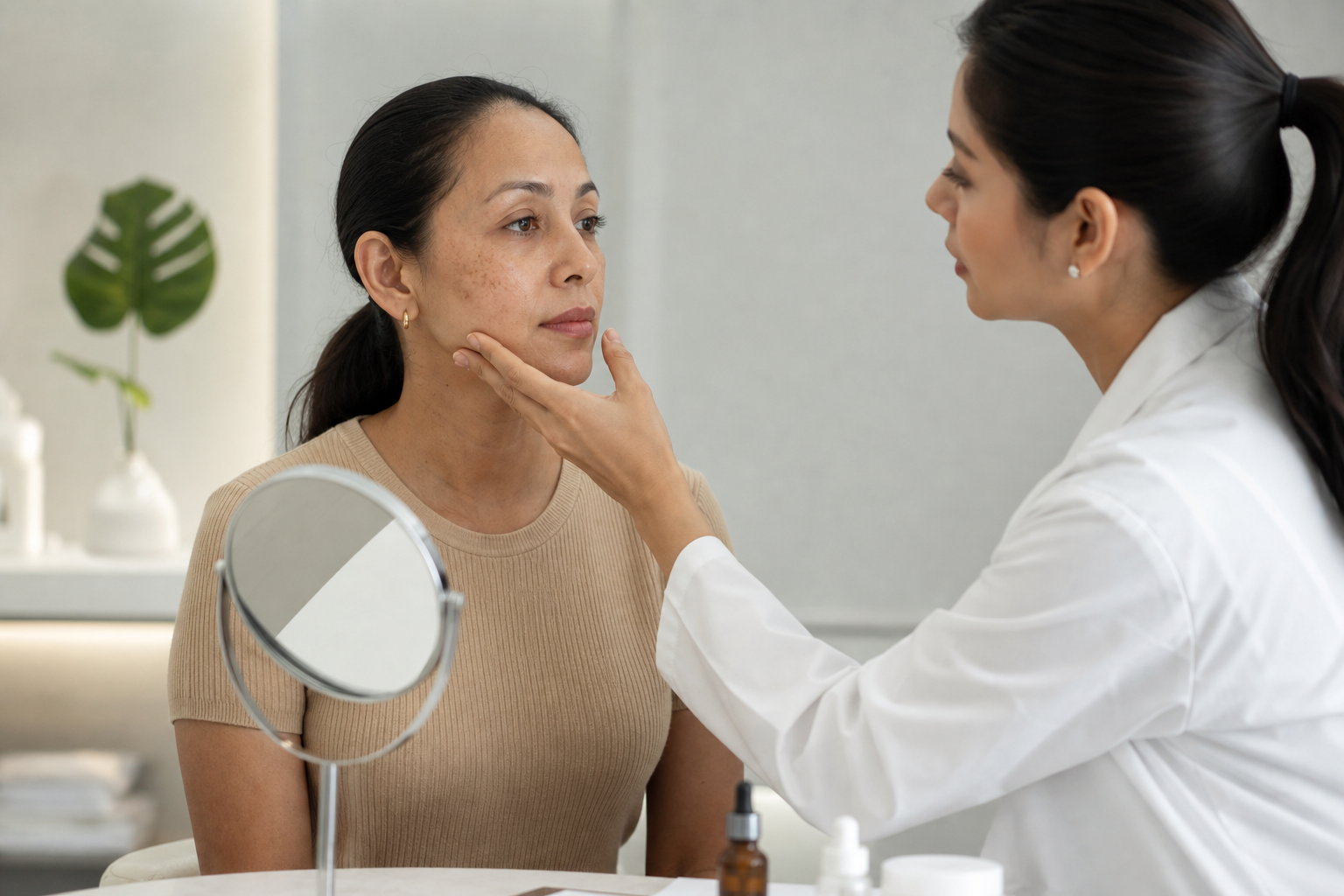
Personalized evaluation forms the foundation of successful melasma management. Confirming diagnosis and distinguishing melasma from other pigmentary disorders prevents misdirected therapy. A careful history and physical examination identify contributory elements such as hormonal status, medication use, and environmental exposures.
Understanding each patient’s skin phototype, lifestyle, and degree of photoexposure guides the selection of suitable photoprotective agents and adjunctive treatments. Some patients may tolerate and benefit from topical depigmenting agents or chemical peels, while others may require cautious introduction of laser or light therapies.
Individual assessments also facilitate addressing patient-specific barriers to photoprotection adherence, such as cosmetic acceptability of sunscreen textures or socioeconomic factors affecting product access. Educating patients on the rationale behind strict sun avoidance and protection is equally critical to fostering long-term commitment.
Why Are Combination Therapies Paired with Photoprotection Considered Optimal in Modern Melasma Treatment?
No single treatment modality currently provides a definitive cure for melasma; complexity dictates multi-pronged approaches. Topical agents—like hydroquinone, azelaic acid, and retinoids—can inhibit melanin synthesis and accelerate epidermal turnover, reducing pigmentation. Procedural interventions such as intense pulsed light (IPL), picosecond lasers, and laser toning assist in disrupting pigment deposits and promoting cell renewal.
Yet regardless of the sophistication or intensity of these interventions, the effectiveness hinges upon vigilant photoprotection. Exposure to UV or visible light can not only dampen therapeutic benefits but also induce rebound hyperpigmentation and inflammation, sometimes worse than the original lesions. Therefore, photoprotection synergistically works with these treatments to stabilize and maintain results, minimize adverse effects, and extend remission intervals.
What Risks Arise When Photoprotection is Inadequate During Melasma Treatment?
Insufficient photoprotection can precipitate several complications that critically affect treatment outcomes. An immediate consequence is exacerbation of hyperpigmentation, often misinterpreted as treatment failure. This aggravation may discourage adherence to prescribed regimens and erode patient confidence.
Moreover, inadequate sun defense increases the incidence of postinflammatory hyperpigmentation, a form of reactive melanosis secondary to skin irritation or inflammation caused by treatments or environmental insult. This prolongs healing times and necessitates additional therapeutic interventions.
More worrisome is the potential for chronic UV damage to the skin’s deeper layers, which can accelerate photoaging and compromise skin integrity. These risks underscore the imperative to integrate photoprotection as a non-negotiable aspect of any melasma treatment plan.
What Can Patients Realistically Expect From Melasma Therapy With Proper Photoprotection?
Patients should approach melasma treatment with tempered expectations grounded in the disorder's chronic and relapsing nature. While many experience significant lightening of pigmentary areas and improvement in texture, permanent eradication remains elusive for most.
Consistency in combining therapies with vigilant photoprotection can lead to prolonged remission and enhanced quality of life. Long-term commitment to sun protective behavior and maintenance therapies are vital to sustaining results and preventing flare-ups.
Close collaboration with dermatologists for ongoing evaluation and adjustment of treatment protocols further supports favorable outcomes and mitigates the emotional toll of this often frustrating condition.
Frequently Asked Questions Regarding Photoprotection and Melasma
Can melasma be permanently cured? Melasma is typically a chronic condition that may wax and wane; thus, a permanent cure is uncommon. The goal is durable control and reduction of pigmentation with minimized recurrences.
Which sunscreen should I use for melasma? Use broad-spectrum sunscreens with at least SPF 30, preferably 50 or above, containing physical blockers like zinc oxide or titanium dioxide that shield against UVA, UVB, and visible light.
Is makeup with SPF sufficient protection? Sunscreens designed for daily use provide a stronger primary defense. Makeup with SPF can supplement but should not replace dedicated photoprotection products and sun avoidance strategies.
How do I know if my treatment is effective? Regular dermatological follow-ups involving clinical examination and photographic documentation help assess progress and guide therapeutic modifications.