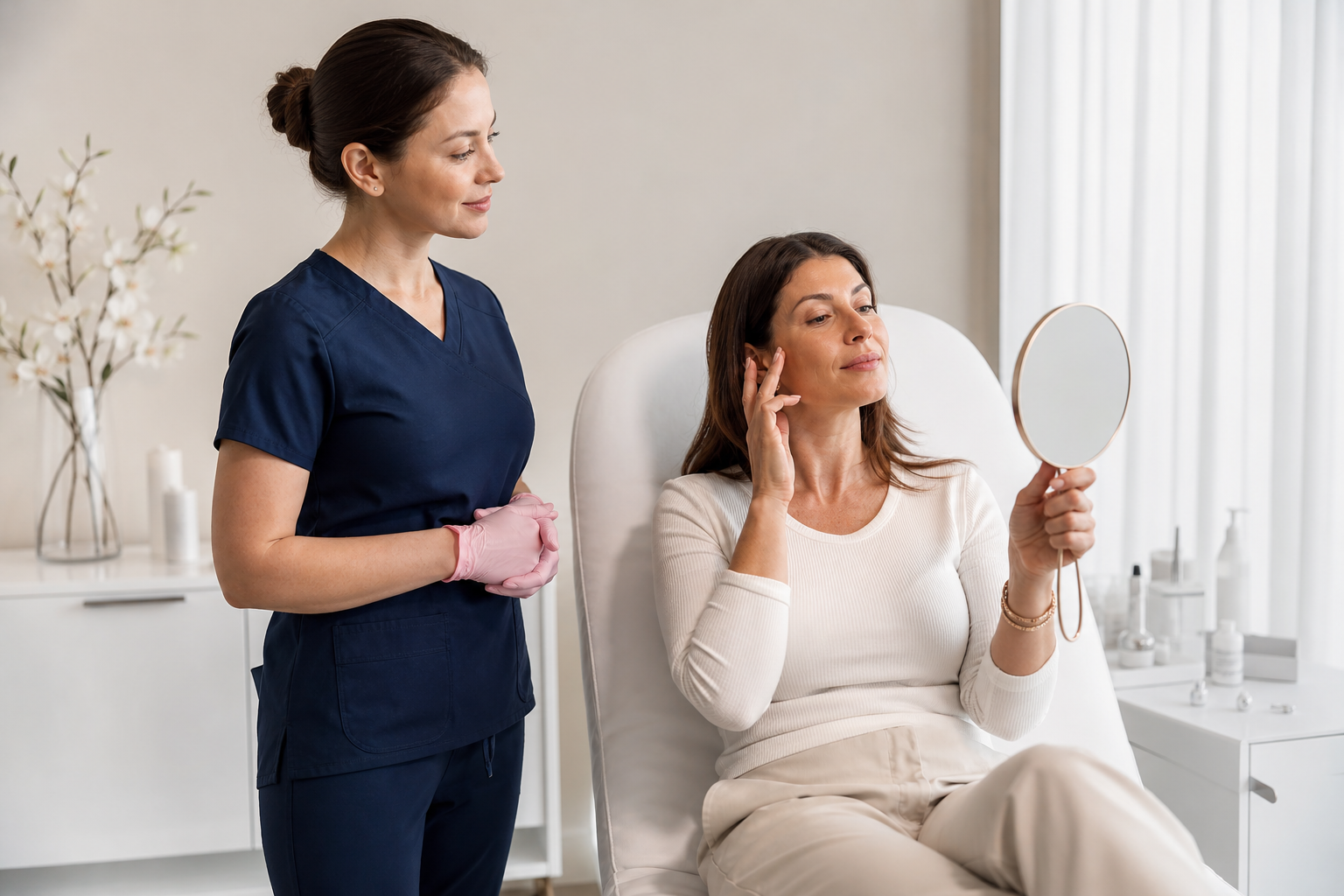
In the realm of aesthetic medicine, Botox cosmetic treatments have surged in popularity for their proven efficacy in reducing wrinkles and delaying the visible signs of aging. Administered by injecting neurotoxins into facial muscles, Botox temporarily relaxes these muscles, smoothing out dynamic wrinkles and lines. While much attention is given to the procedure itself and its immediate results, an equally critical aspect lies in understanding what comes after—the post-Botox skincare and cosmetic treatments that can help maintain and optimize results.
This editorial is crafted specifically for individuals who have recently undergone Botox treatments or are considering them. It aims to demystify the process of post-Botox care, detail the types of treatments that can be safely coordinated afterward, and highlight precautions necessary to avoid adverse outcomes. Navigating the post-Botox landscape requires clear knowledge of the biological mechanisms at play, realistic expectations regarding treatment outcomes, and a strategic approach to supplementary skincare regimens.
Post-Botox coordination matters immensely because the skin and underlying muscles enter a delicate phase of adaptation and healing following injection. The decisions made in this period—ranging from skincare to additional aesthetic treatments—can either complement the beneficial effects of Botox or compromise its efficacy and safety. Therefore, understanding which cosmetic procedures can be harmoniously integrated and which should be deferred ensures that patients enjoy optimal and lasting results from their investment in aesthetic rejuvenation.
The Biological Impact of Botox on Facial Muscles and Skin
Botox operates by selectively blocking the nerve impulses that cause specific facial muscles to contract, leading to temporary muscle paralysis. This neuromuscular blockade results in a reduction of dynamic wrinkles—the type of lines formed by habitual facial expressions such as frowning or squinting. By relaxing targeted muscles, Botox facilitates a smoother skin surface and an overall refreshed appearance.
This relaxation process is not instantaneous but evolves over several days to weeks. During this period, the muscles and surrounding skin experience functional shifts that require a gentle approach to further manipulation. The skin's condition immediately post-procedure is often more sensitive to external stimuli, and the muscular adjustments underscore the necessity of thoughtful scheduling and compatibility of supplementary treatments.
It is also important to recognize that Botox is minimally invasive compared to surgical interventions. However, the first 3 to 4 weeks post-injection represent a critical window where the toxin integrates within neuromuscular synapses. Disruptive forces such as intense muscle activity or aggressive cosmetic procedures can interfere with this integration, potentially diminishing the efficacy and duration of the toxin's effect.
Essential Post-Botox Care and Lifestyle Considerations
Proper skin care and modulation of daily activities play foundational roles in consolidating Botox benefits. Immediately after treatment, patients are advised to avoid massaging or rubbing the injected areas to prevent unintended migration of the neurotoxin, which could lead to asymmetry or unwanted muscle paralysis.
Avoiding intense physical exertion and activities that induce heavy sweating during the first 24 to 48 hours is also recommended, as increased blood flow and heat exposure might alter Botox distribution. Using gentle, non-irritating skincare products supports skin hydration without provoking sensitivity. Similarly, exposure to high temperatures, such as sauna sessions, hot baths, or direct sunlight, should be minimized within the initial two weeks to safeguard the toxin's stability and effectiveness.
Moreover, integrating a sunscreen regimen tailored for sensitive skin protects the healing and adapting epidermis, assisting in preventing pigmentation changes or irritation. These precautions collectively contribute to an environment in which Botox can deliver its optimal aesthetic outcomes.
Integrating Complementary Cosmetic Treatments After Botox
Many patients inquire about the possibility and timing of combining Botox with other popular cosmetic procedures such as dermal fillers, chemical peels, microneedling, or laser treatments. The answer to these questions lies in an individualized assessment of the patient's skin state, treatment goals, and the inherent characteristics of each procedure.
Dermal fillers, which add volume by restoring subcutaneous tissue lost through aging, frequently complement Botox's muscle-relaxing effects. When performed under expert supervision, these treatments can be administered concurrently or in close succession to enhance overall facial rejuvenation. The key is precision in technique and understanding the interplay between the neuromodulatory and volumizing agents.
In contrast, more invasive or ablative procedures such as deep chemical peels and certain laser resurfacing treatments require a cautious timeline. These interventions can cause transient inflammation and epidermal disruption, which may not only interfere with Botox's action but also increase the risk of adverse reactions like uneven toxin diffusion or augmented skin sensitivity. Typically, a waiting period of several weeks after Botox is prudent before such treatments are safely initiated.
Less aggressive therapies such as superficial peels, gentle microneedling, or low-level radiofrequency might be acceptable earlier post-Botox, provided they are tailored to avoid excessive irritation and performed by skilled practitioners who understand the nuances of post-Botox skin care.
Safety and the Necessity of Professional Consultation Post-Botox
One cannot overemphasize the importance of ongoing dialogue with qualified medical specialists after receiving Botox. Every patient’s skin and muscular dynamics are unique, necessitating professional guidance to devise an individualized post-treatment plan that respects these idiosyncrasies.
Attempting to self-administer additional treatments or disregarding timing recommendations can expose patients to complications such as asymmetry, bruising, or skin damage. Through thorough skin evaluation and constant monitoring, specialists can pre-emptively identify potential issues such as hypersensitivity reactions or unintended toxin migration, intervening early to mitigate adverse effects.
Moreover, discussions about personal habits, environmental exposures, and health status can inform tailored advice on how to maintain the benefits of Botox in the context of a patient’s lifestyle, ensuring that safety and efficacy remain paramount.
Influence of Heat Exposure and Travel on Post-Botox Results
Heat-related activities such as sauna use, sunbathing, or exposure to hot tubs increase local blood circulation and body temperature, which may accelerate the diffusion or metabolic breakdown of the injected neurotoxin. This can potentially shorten the duration of Botox's impact. Therefore, medical experts usually recommend abstaining from extreme heat exposure for at least one to two weeks following treatment.
Travel, particularly long-haul flights or trips involving significant time zone changes, also calls for careful planning. Variations in atmospheric pressure, humidity, and temperature can affect skin hydration and overall wellness, indirectly influencing the post-Botox healing phase.
Patients planning travel are advised to consult with their treating practitioner to adjust their skincare routines appropriately and to schedule treatments so that the Botox effects are neither compromised nor overshadowed by environmental challenges.
Developing a Sustainable Daily Skincare Routine Post-Botox
After the critical healing phase following Botox injections, establishing a gentle but effective skincare routine is essential to maintain skin health and prolong the treatment's benefits. This includes daily cleansing with mild, non-stripping formulations that respect the skin’s natural barrier, alongside moisturizing products enriched with ingredients that promote epidermal repair and hydration.
A broad-spectrum sunscreen with high protective factors is indispensable, not only to prevent sun-induced aging but also to safeguard the newly modulated skin from oxidative damage. It is recommended that patients avoid abrasive scrubs or overly aggressive treatments during the early post-Botox period.
Once the skin has fully recovered, patients may explore adjunctive non-invasive therapies like gentle facial massage, low-level laser therapy, or ultrasound treatments. These can enhance circulation and skin tone when appropriately timed and tailored to the patient’s individual healing and Botox integration status.


