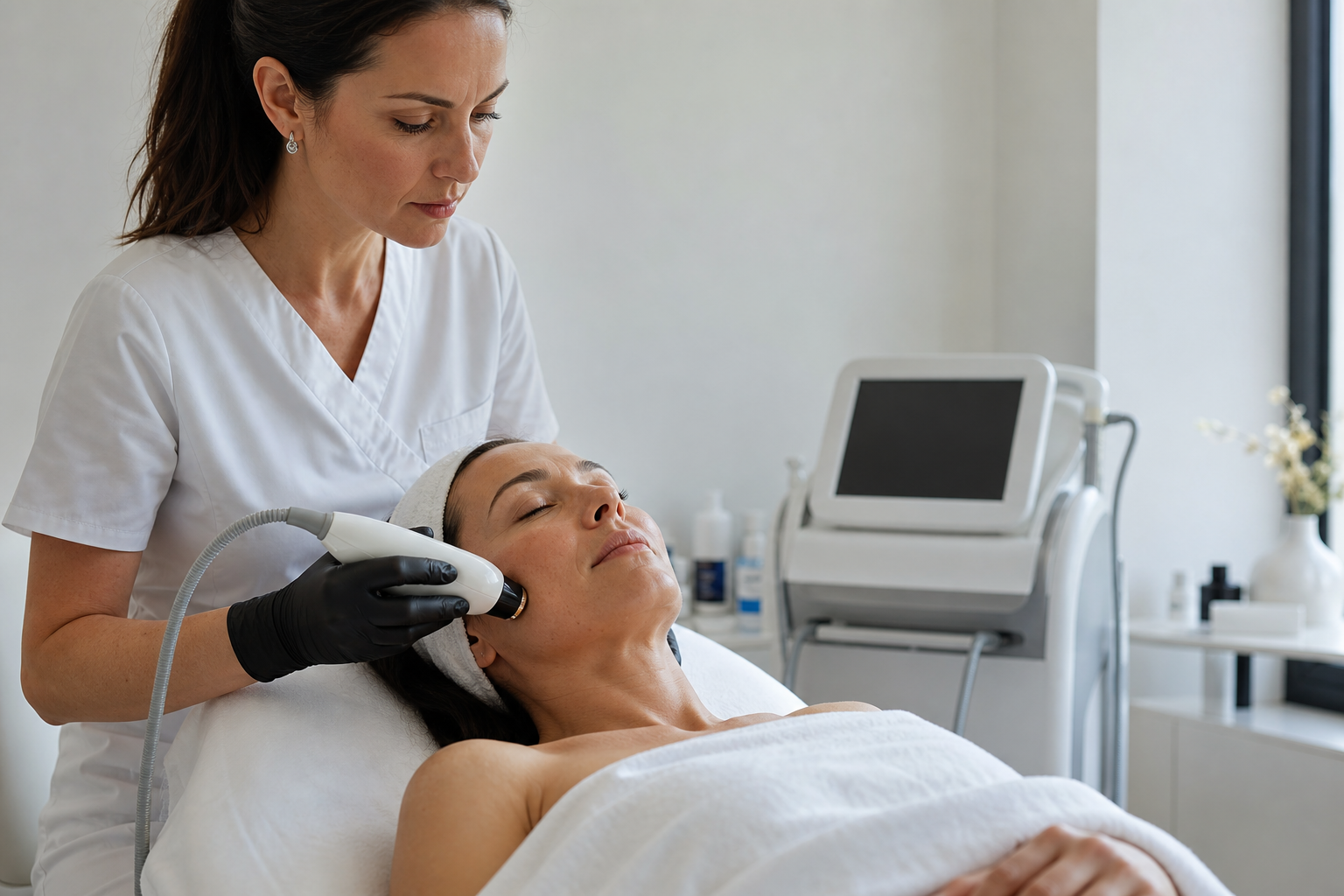
Radiofrequency (RF) treatments have emerged as a cornerstone in aesthetic medicine, offering a minimally invasive approach to skin tightening and rejuvenation. Known for stimulating the production of collagen and elastin through controlled heat application, RF technology is favored by individuals seeking youthful, firmer skin without undergoing surgery. A frequent question among those considering these procedures is whether anesthesia is necessary during RF treatments. This inquiry encompasses a range of factors such as the type of RF procedure, the area being treated, individual pain thresholds, and the specific device or technique used.
Understanding whether anesthesia is required is crucial for anyone exploring RF therapy as it directly impacts the preparation, comfort, and recovery experience. This comprehensive article delves into the nuances of RF treatments, clarifies the distinctions between their various forms, examines pain management options including anesthesia, and offers guidance on what candidates can expect from the procedure. By unpacking these elements, the article aims to equip readers with knowledge to make informed decisions about skin tightening treatments that best suit their needs.
What Is RF Treatment and How Does It Work?
Radiofrequency skin tightening utilizes electromagnetic waves to deliver heat energy deep into the dermis and subdermal layers of the skin. Unlike surgical facelifts or skin excisions that physically remove tissue, RF treatments rely on thermal stimulation to activate the skin’s natural healing response. This heat encourages fibroblasts to produce increased levels of collagen and elastin, the structural proteins responsible for maintaining skin’s elasticity and firmness.
The procedure involves placing an applicator or device on the skin’s surface, which emits safe radiofrequency energy. The controlled heating leads to collagen denaturation followed by neocollagenesis, resulting in skin remodeling over weeks to months after treatment. Because the epidermis remains largely unaffected, downtime is minimal or nonexistent, making RF treatments appealing for those seeking non-invasive rejuvenation options.
RF technology can be applied to multiple areas including the face, neck, décolletage, arms, abdomen, and thighs. The goal is to combat signs of aging such as sagging, fine lines, and loss of skin tone without the risks or recovery associated with invasive procedures.
Who Is an Ideal Candidate for RF Treatments?
RF treatments are typically suitable for adults with mild to moderate skin laxity, surface wrinkles, or early signs of aging who prefer non-surgical methods. Candidates include individuals who want a subtle improvement and are willing to undergo a series of sessions for gradual results. Because RF enhances collagen production naturally, it requires good skin quality as a baseline.
People with severe skin sagging or those seeking dramatic lifting outcomes might be better suited for surgical options. Similarly, those with certain medical conditions or implanted electronic devices should consult specialists to rule out contraindications. A thorough evaluation by a qualified aesthetic professional remains essential before embarking on any RF procedure.
What Types of RF Treatments Exist and How Do They Differ?
Modern RF treatments encompass several variations, each with distinct techniques, intensity, invasiveness, and pain profiles. Understanding these differences helps in assessing the need for anesthesia and managing expectations.
Noninvasive RF: This category involves external devices that emit radiofrequency waves through the skin without any penetration. Patients usually feel a warm sensation with minimal discomfort. These treatments rarely require anesthesia as they are generally painless and have no downtime.
Fractional RF Without Needles: Fractional devices deliver RF energy in a grid-like pattern targeting microscopic sections of skin while sparing surrounding tissue. Though still noninvasive, some individuals might perceive mild pricking or heat, but anesthesia is usually unnecessary.
RF Microneedling: This approach combines microneedling—a controlled penetration of needles creating microchannels—with RF energy delivered through the needles into deeper skin layers. Because the needles mechanically penetrate the skin, this method is minimally invasive and can produce mild to moderate discomfort. Topical anesthetics are commonly applied to ensure patient comfort during the treatment.
Minimally Invasive RF Procedures: Examples include subdermal RF treatments using insulated needles or probes inserted beneath the skin’s surface. These sessions typically produce sensations that can be uncomfortable, necessitating local anesthesia or numbing agents to manage pain effectively.
Is Anesthesia Necessary for RF Treatment?
The requirement for anesthesia in RF treatments is primarily dictated by the invasiveness and intensity of the procedure. For purely noninvasive applications where radiofrequency waves penetrate the skin externally, anesthesia is generally not required. Patients commonly describe feeling a soothing warmth or gentle heat, which most tolerate well without pain.
Conversely, when RF therapy involves microneedling or subdermal probes, the mechanical penetration and deeper energy delivery elevate discomfort levels. In these cases, topical anesthetic creams are routinely applied before the treatment to numb the area, reducing pain and enhancing patient tolerance. Occasionally, local anesthesia, such as injections, may be offered for more invasive RF procedures, especially those targeting larger areas or involving higher energies.
Ultimately, the decision to use anesthesia revolves around ensuring patient comfort and safety. An experienced practitioner will evaluate the treatment modality, patient sensitivity, and treatment site to determine the most appropriate pain management strategy. Some individuals have a low pain threshold and may request anesthesia even for mildly uncomfortable techniques, whereas others may prefer to avoid it.
How Does Anesthesia Impact the RF Treatment Experience?
Using anesthesia during RF treatments can provide several benefits. It helps minimize discomfort so patients can relax and undergo the procedure without distress. A pain-free experience often allows the practitioner to deliver treatment more effectively and thoroughly.
However, anesthesia also introduces considerations such as potential allergic reactions, minor side effects from numbing agents, and additional preparation time. In noninvasive RF treatments, avoiding unnecessary anesthesia maintains a faster, simpler session with immediate post-treatment normalcy. Therefore, balancing the need for pain relief against procedure complexity is essential for optimal outcomes.
Moreover, the type of anesthesia used matters; topical anesthetics applied on the skin must be administered with adequate lead time—usually 30 to 60 minutes prior—to achieve effective desensitization. Local injectable anesthesia requires medical expertise and may prolong recovery marginally, though it provides more profound numbness useful for extensive or deeper RF treatments.
Preparing for Radiofrequency Skin Tightening Procedures
Patients considering RF treatment should consult with a qualified provider who can recommend the best technique based on goals, skin condition, and tolerance. Preparation steps often include avoiding sun exposure, certain medications, and skin irritants before the appointment.
If anesthesia is planned, providers typically give instructions on pre-treatment care, including possible allergy tests for topical anesthetics or advice on avoiding blood thinners to reduce bruising risks. Understanding the potential sensations during the procedure helps set realistic expectations and reduces anxiety.
What to Expect During and After an RF Facial Treatment?
A typical RF facial lifting session begins with cleansing the skin. For treatments involving topical anesthesia, the numbing cream will be applied first and left for a specified period. Once the skin is prepped and desensitized, the treatment device is moved systematically to deliver RF energy evenly across the targeted zones.
During noninvasive procedures, most patients report warmth and slight tingling, while RF microneedling might involve mild pinprick sensations. The duration of treatment varies but generally lasts between 20 and 60 minutes depending on the area and device used.
Post-treatment, there is usually minimal redness or swelling, and normal daily activities can be resumed almost immediately. Patients are advised to moisturize adequately and protect treated skin from sun exposure to support healing and optimize results.
How Long Does a Facial RF Treatment Last and When Are Results Visible?
Single RF sessions deliver incremental improvements by jumpstarting collagen production, but multiple treatments spaced over several weeks provide the best cumulative effects. Visible skin tightening and texture enhancement typically appear progressively over 2 to 3 months as collagen remodels beneath the surface.
Results can last from six months to two years, influenced by factors such as age, lifestyle, skin quality, and maintenance protocols. Many individuals opt for maintenance treatments every 6 to 12 months to sustain the youthful appearance given by RF therapy.
Are There Risks or Side Effects Associated with RF Skin Tightening?
RF treatments are generally safe when performed by trained professionals using FDA-approved devices. Common side effects are mild and temporary, including redness, tenderness, slight swelling, or tingling sensations. Rare complications like burns or scarring can occur if protocols are not followed carefully.
Anesthesia, while helpful for comfort, carries minor risks such as local irritation or allergic reactions. Patients should discuss their medical histories thoroughly to mitigate such concerns.
Frequently Asked Questions About Anesthesia and RF Procedures
Can I undergo RF treatment if I’m sensitive to pain?
Yes, there are options such as topical anesthetics that can greatly reduce discomfort associated with microneedling or minimally invasive RF treatments. Noninvasive RF therapies are typically comfortable without anesthesia.
Is general anesthesia ever used in RF skin tightening?
No, RF procedures do not require general anesthesia since they are non-surgical and minimally invasive. Pain control is usually managed with topical or local anesthesia as needed.
Does anesthesia increase recovery time?
Topical or local anesthesia has little to no impact on recovery time. It simply minimizes pain during the procedure without affecting healing speed.
Can RF treatment be combined with other cosmetic procedures?
Yes, RF therapies are often combined with injectables, chemical peels, or laser treatments to enhance overall skin rejuvenation results. Anesthesia considerations will then depend on the combined protocols.


