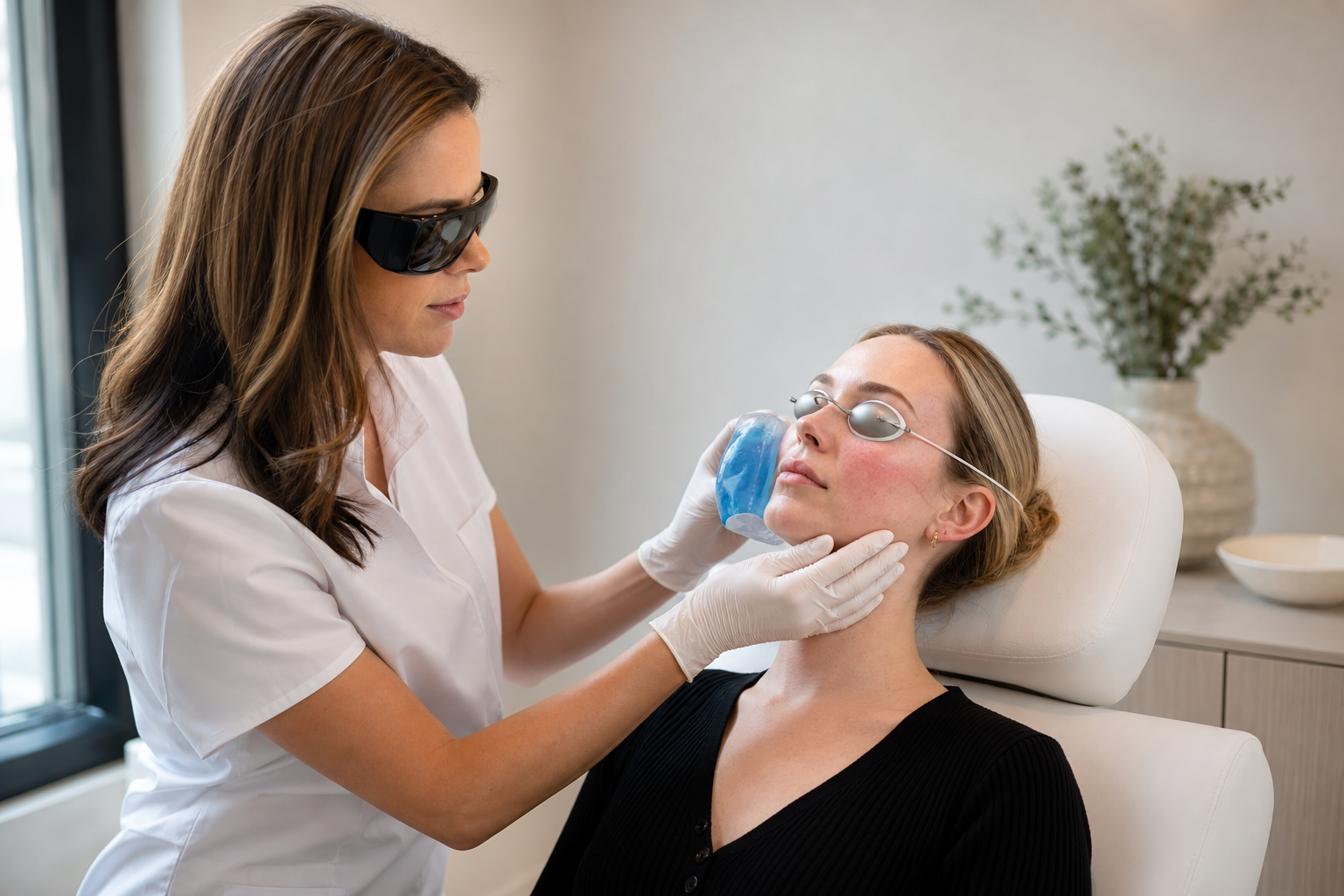
Rosacea is a chronic skin condition most commonly recognized by persistent facial redness, visible blood vessels, and sometimes inflammatory bumps and pustules. It predominantly affects adults with fair skin but can impact individuals of all ethnic backgrounds. Those grappling with rosacea often face significant emotional and social challenges due to the conspicuous nature of its symptoms. Understanding the triggers that worsen facial redness is pivotal not only for individuals living with the condition but also for healthcare providers who aim to provide effective and sustainable management strategies.
Facial redness and rosacea flare-ups can be particularly distressing, as they sometimes appear unpredictably and can intensify with various external and internal factors. Recognizing what factors exacerbate rosacea-related redness enables patients to take proactive steps to avoid these triggers, potentially reducing the frequency and severity of flare-ups. This editorial delves into the common rosacea triggers, the physiological reasons behind flare-ups, practical prevention tactics, and how these insights connect with advanced vascular treatments, including laser procedures.
For readers seeking to navigate the challenges of rosacea, especially those frustrated by persistent facial redness, this article provides an in-depth, evidence-based exploration intended to clarify misconceptions and empower individuals with realistic expectations and actionable knowledge.
What Are Common Triggers That Intensify Rosacea Facial Redness?
Rosacea triggers are internal or external elements that can precipitate or exacerbate the visible redness and inflammation characteristic of this condition. It is important to note that triggers vary among individuals; what incites a flare in one person may have no effect or even a soothing effect for another. However, dermatological research has consistently identified several prominent factors known to deteriorate rosacea symptoms.
Ultraviolet (UV) Radiation: Sun exposure represents the single most frequently reported trigger for rosacea flare-ups. Ultraviolet light induces dilation of blood vessels (vasodilation) and triggers inflammatory responses within the skin, aggravating the vascular component of rosacea. Individuals with rosacea often observe increased redness and discomfort following even brief unprotected periods outdoors.
Temperature Extremes and Weather Changes: Both high heat and extreme cold can cause blood vessel changes and skin irritation leading to flare-ups. Wind exposure and sudden shifts from warm to cold environments also contribute to increased facial redness and sensitivity.
Emotional Stress and Anxiety: Stress activates the sympathetic nervous system, releasing neurochemicals that can dilate facial blood vessels. For many, heightened stress correlates with noticeable worsening of rosacea symptoms. Emotional triggers are thus a profound consideration in holistic care.
Dietary Influences: Certain foods and beverages are known vasodilators or irritants. Spicy foods, alcohol (particularly red wine), and hot drinks frequently provoke redness and flushing. Identifying and moderating intake of these consumables is a critical part of managing rosacea.
Topical Irritants and Medications: Harsh skin care products containing alcohol, fragrances, or exfoliating agents can damage the sensitive skin barrier, exacerbating inflammation and redness. Some systemic medications that cause blood vessel dilation may also worsen symptoms.
How Do Triggers Biologically Contribute to Rosacea Redness?
The hallmark redness of rosacea arises primarily due to abnormal vasodilation and chronic inflammation affecting superficial blood vessels in the facial skin. When triggers activate, they cause these blood vessels to widen, resulting in the conspicuous erythema and visible capillaries commonly seen.
Repeated or sustained activation leads to persistent vascular abnormalities known as telangiectasia and ongoing inflammatory changes that can thicken the skin over time. The interplay between the nervous system, immune response, and vascular regulation underlies this complex process, which explains why trigger avoidance is crucial but must be complemented by targeted therapeutic approaches.
This vasculature-centered pathophysiology separates rosacea-related redness from other conditions like simple sensitive skin or dermatitis, where inflammation plays a different role, and for which treatments may vary considerably.
Why Can Facial Redness Return After Laser Treatment?
Laser treatment is often considered a cutting-edge vascular intervention to reduce visible dilated blood vessels and persistent redness associated with rosacea. Specialized laser wavelengths selectively target hemoglobin in superficial capillaries, collapsing these vessels and thus diminishing redness.
However, it is essential to understand that laser therapy addresses symptoms rather than curing rosacea itself. The underlying inflammatory and vascular dysfunction remains after treatment. If trigger factors persist, new capillaries can form and redness may reappear over time. Additionally, lasers cannot reach deeper vascular components or fully halt the neurovascular mechanisms driving rosacea.
Successful outcomes thus hinge on comprehensive management: laser procedures combined with lifestyle adjustments to diminish exposure to known triggers. Maintaining skin barrier health and regular follow-up dermatological care strengthen treatment durability.
What Are Practical Strategies to Minimize Rosacea Flare-Ups From Common Triggers?
Managing rosacea triggers involves personalized and consistent care practices. While not a definitive cure, these measures help reduce frequency and severity of flare-ups and improve skin appearance and comfort.
Sun Protection: Use broad-spectrum sunscreens with physical blockers such as zinc oxide or titanium dioxide that are formulated for sensitive skin. Wearing wide-brimmed hats and seeking shade during peak sunlight hours supports photoprotection.
Temperature Management: Avoid extreme temperatures when possible. Layer clothing to protect from wind and cold, and stay in cool, well-ventilated environments during hot weather.
Stress Reduction: Incorporate relaxation and stress management techniques, including mindfulness meditation, yoga, or gentle exercise. Psychological wellbeing can directly impact rosacea control.
Dietary Adjustments: Track personal responses to spicy foods, alcohol, and hot beverages and eliminate or moderate intake of items that precipitate redness. Incorporating anti-inflammatory foods may contribute to overall skin health.
Skin Care Regimen: Use mild, fragrance-free cleansers and moisturizers that help preserve the skin barrier. Avoid exfoliating agents or products with alcohol and other irritants. Regularly consult a dermatologist to tailor topical treatments addressing inflammation and vascular issues.
How Does Laser Treatment Fit Into Rosacea Management?
Within the comprehensive approaches to rosacea care, vascular laser treatments play a significant role by visibly reducing persistent redness and telangiectasia. Such treatments can improve quality of life by enhancing skin appearance and diminishing self-consciousness linked to visible symptoms.
Lasers are not a standalone solution but work best when integrated with ongoing trigger avoidance and skincare routines. Treatment plans typically involve multiple sessions spaced over weeks or months, with maintenance sessions as needed to sustain benefits.
Importantly, laser therapy is distinct from other light-based interventions; for instance, IPL (intense pulsed light) is not technically a laser but uses broad-spectrum light to target vascular issues and pigmentation. Understanding these distinctions assists in selecting appropriate therapies under dermatological guidance.
How Can Patients Differentiate Rosacea From Other Conditions With Facial Redness?
Distinguishing rosacea from other dermatologic conditions with overlapping symptoms such as dermatitis or post-inflammatory erythema is vital for accurate diagnosis and treatment. Rosacea typically presents with persistent, symmetrical redness mainly across the central face, flushing episodes, visible telangiectasia, and sometimes inflammatory papules without comedones.
Dermatitis conditions often involve additional features such as itching, scaling, or oozing, and tend to have different temporal patterns. Post-inflammatory erythema, resulting from healing acne or injury, tends to fade gradually and lacks the chronic vasodilation seen in rosacea. A dermatologist’s evaluation, potentially including dermatoscopic and histologic assessment, helps clarify diagnosis and avoid inappropriate treatments that could worsen rosacea symptoms.


