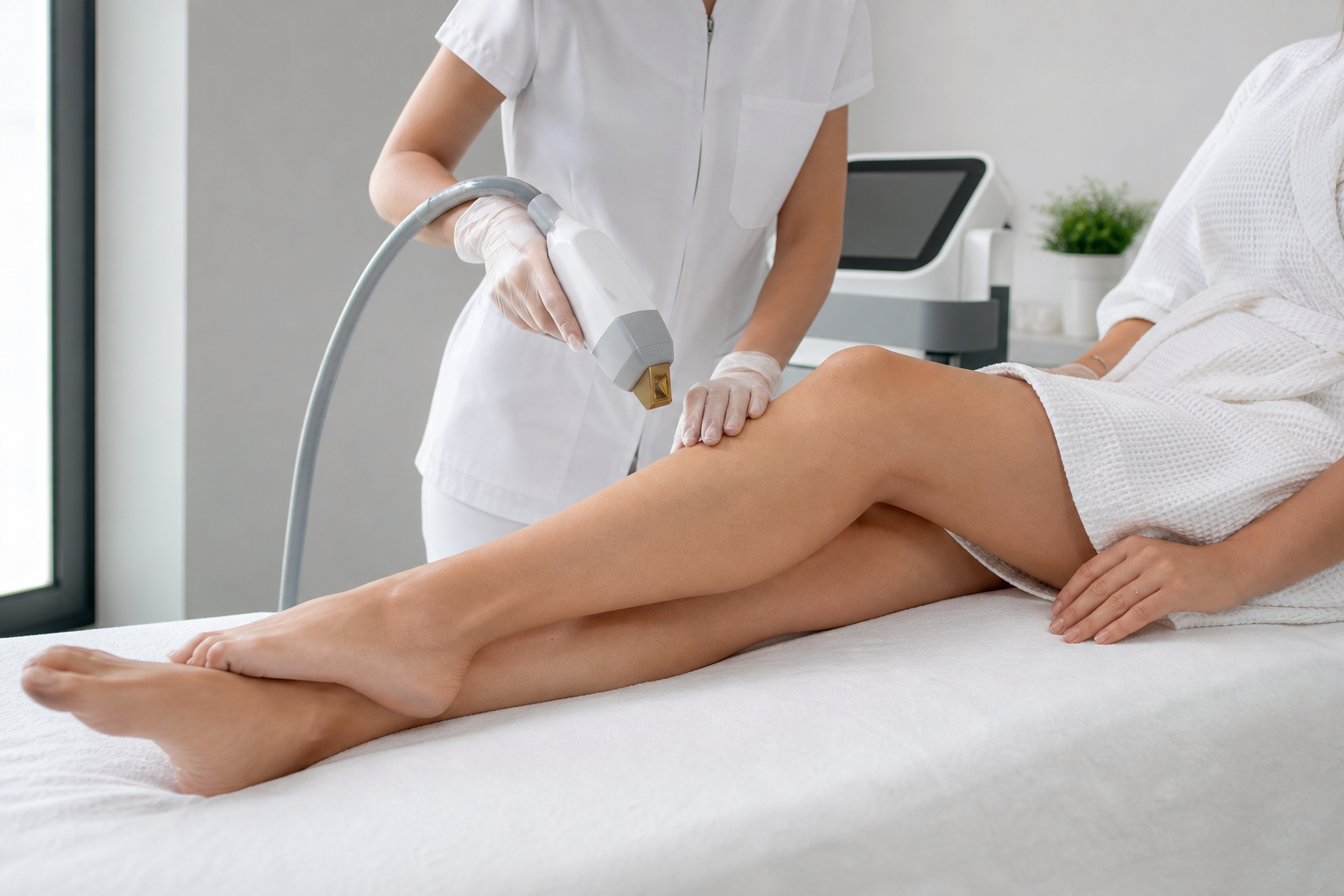
Leg laser hair removal represents a modern and effective approach to reducing unwanted hair on the legs, a treatment particularly valued for its ability to provide long-lasting smoothness on large skin surfaces. This procedure appeals to a diverse audience—from individuals seeking a convenient alternative to daily shaving, to those wishing to alleviate skin irritation or manage challenging hair growth patterns. With the legs comprising a significant area with varying hair density and skin sensitivity, understanding the nuances of laser hair removal tailored to this region is vital for achieving satisfactory results safely and comfortably.
Grasping what leg laser hair removal entails, who qualifies as an ideal candidate, and the reasons it stands out compared to traditional hair removal methods helps consumers make informed decisions. Beyond aesthetics, this treatment offers practical advantages, including reduced maintenance time and diminished risk of ingrown hairs, underscoring its growing popularity among people seeking both convenience and enhanced self-confidence.
In this detailed exploration, we will address how laser hair removal functions on the legs, examining differences in hair types between the upper and lower legs, treatment logistics, necessary precautions, typical sensations during the process, and essential aftercare practices. By demystifying these elements, we aim to equip readers with the knowledge to navigate this cosmetic procedure confidently and successfully.
Understanding Leg Laser Hair Removal: How Does It Work and Why Is It Effective?
Laser hair removal utilizes concentrated beams of light focused on hair follicles to inhibit future hair growth. The laser targets melanin, the pigment responsible for hair color, heating and disabling the hair root while sparing surrounding skin. This selectivity offers an advantage over methods such as waxing or shaving, which remove hair temporarily but do not affect follicle function.
For leg treatments, this process must account for the extensive surface area—from thighs to calves—necessitating precise calibration of laser parameters to match varied hair thickness and skin tone. Sessions target hairs in their active (anagen) growth phase since laser energy disrupts follicles most effectively at this stage, explaining why multiple treatments spaced weeks apart are required to catch all hairs as they cycle through different phases.
The effectiveness of leg laser hair removal lies in this ability to progressively reduce hair density and slow regrowth over time. While complete and permanent removal cannot be guaranteed for everyone, many experience a significant diminution in hair growth, resulting in smoother skin and decreased maintenance effort.
Differences in Hair Characteristics Between Thighs and Lower Legs and Their Impact on Treatment
Not all leg hair is uniform; the upper legs (thighs) typically have coarser, denser hair compared to the lower legs (calves), where hair may be finer and sparser. These distinctions influence the laser settings chosen by practitioners.
Denser and thicker hair on the thighs generally requires higher energy levels for effective follicle damage, while finer hair on the calves might respond well to gentler settings to minimize skin irritation. A skilled laser technician will customize treatment intensity according to these characteristics, often conducting patch tests to determine patient tolerance and optimize outcomes.
Moreover, these variations may affect the number of sessions needed for each leg area; thicker thigh hair might necessitate additional treatments compared to the calves to achieve comparable hair reduction levels. Understanding this differential helps set realistic expectations for clients undergoing full leg laser hair removal.
The Significance of Treating Large Areas: Duration, Sessions, and Planning
Legs constitute a large treatment zone, making session duration and scheduling critical considerations. Comprehensive leg laser hair removal sessions often last from 45 minutes up to two hours, depending on individual hair characteristics and practitioner technique.
Typically, a series of 6 to 8 sessions spaced 4 to 6 weeks apart is recommended, allowing hair follicles to enter the active growth phase between visits. This timeline accommodates hair growth cycles and ensures maximal follicular targeting, thereby enhancing cumulative effectiveness.
Proper scheduling and patient patience are essential since results are gradual. Managing expectations through clear communication about treatment length encourages continued commitment and optimizes satisfaction with end results.
Preparation for Leg Laser Hair Removal: Essential Steps and Precautions
Successful outcomes hinge on meticulous preparation before each session. Key measures include avoiding sun exposure and tanning beds for at least two to four weeks prior, which lowers risks of skin pigmentation changes and enhances laser safety.
Patients should refrain from waxing, plucking, or epilating hairs for six weeks before treatment, as intact hair follicles are necessary for laser energy absorption. However, shaving is encouraged shortly before sessions to remove surface hair while leaving follicles intact.
On the day of treatment, cleansing the skin thoroughly to remove lotions, oils, or makeup is crucial to prevent interference with laser penetration and avoid skin irritation. Additionally, disclosing any medications or skin conditions to the practitioner helps tailor the treatment safely.
Positioning and Technique: How the Patient’s Posture Influences Treatment Effectiveness
During leg laser hair removal, patient positioning—whether lying down or seated—depends on the treated area and equipment. Such positioning influences practitioner access to all skin areas, ensuring comprehensive coverage and minimizing missed spots.
Proper positioning facilitates fluid movement of the laser device and maintains patient comfort throughout sometimes lengthy sessions. This ergonomic consideration contributes to treatment precision, consistent results, and a more tolerable patient experience.
Skin Conditions and Vascular Considerations: What to Avoid for Safe Laser Application
Visible veins, varicosities, skin lesions, or any inflamed or infected areas generally contraindicate direct laser treatment due to increased risks of adverse reactions. Practitioners will carefully evaluate and may avoid these zones or recommend addressing underlying conditions prior to proceeding with laser sessions.
Screening for pigmentation irregularities or recent sunburns is also standard practice to prevent complications such as hypo- or hyperpigmentation. Patients are encouraged to disclose any skin health issues openly to facilitate safe and effective care.
Experiencing Leg Laser Hair Removal: Sensations During the Procedure and Managing Comfort
Commonly, patients describe sensations during leg laser hair removal as a mild snapping or tingling feeling akin to a rubber band flick against the skin. Sensitivity may vary depending on individual pain thresholds and treated leg area, with thinner-skinned regions sometimes more reactive.
Contemporary laser machines often incorporate cooling systems that soothe the skin during treatment, markedly reducing discomfort. For those with heightened sensitivity, topical anesthetics or cooling packs can be employed for enhanced comfort.
Clear communication with the technician about any pain experienced allows for parameter adjustments, ensuring a tolerable and safe procedure.
Post-Treatment Care: How to Nourish and Protect Your Skin After Laser Hair Removal
Immediately following the procedure, the skin may exhibit mild redness or warmth analogous to a sunburn. These effects typically subside within a few hours to days. Gentle care, including applying soothing moisturizers free from fragrances or irritants, supports recovery.
Avoiding sun exposure for several weeks post-treatment is paramount to reduce risks of pigmentation changes. Protective clothing and broad-spectrum sunscreen application when outdoors are strongly advised.
Avoid hot baths, swimming pools, and vigorous physical activity for a few days to minimize irritation. Patients should also refrain from applying abrasive scrubs or exfoliants during initial healing phases.
Setting Realistic Expectations: What Results Can You Anticipate from Leg Laser Hair Removal?
While laser hair removal significantly diminishes hair regrowth, results are patient-dependent, influenced by hair color, skin type, and hormonal factors. Many observe a substantial reduction in hair density and thickness after completing a full course of treatments.
Hair that does regrow typically appears finer and lighter, simplifying maintenance. Occasional touch-up sessions may be necessary to sustain these improvements long term.
Understanding that laser hair removal is a long-term hair management solution rather than an immediate eradication method helps set practical expectations and reduces disappointment.
Relationship to Other Laser Hair Removal Areas: How Leg Treatments Integrate with Full-Body Hair Reduction
Leg laser hair removal is often part of comprehensive hair reduction strategies, complementing treatments on other body areas such as arms, underarms, bikini line, or facial regions. Integrative approaches can provide uniform hair management tailored to individual aesthetic goals.
Some clients choose to combine leg treatments with Laser Hair Removal by Body Area for streamlined scheduling and cohesive results across multiple zones. Coordination with specialized facial hair removal such as Laser Hair Removal for the Face or specific areas like Underarm Laser Hair Removal enhances overall satisfaction.
Common Questions about Leg Laser Hair Removal
Is laser hair removal suitable for all skin types? Advances in laser technology have broadened treatment options for various skin tones, but efficacy is highest when there is a clear contrast between hair and skin color. Darker hair on lighter skin typically responds best.
Can laser hair removal affect varicose veins? Lasers are designed to target hair follicles, not blood vessels. However, visible veins are usually avoided to prevent complications.
How often should treatments be scheduled? Treatments are ideally spaced 4 to 6 weeks apart, aligning with hair growth cycles.
Can foot hair be treated along with leg hair? Yes, though hair characteristics on the feet differ, adjustments in laser settings can accommodate these areas within the same session.


