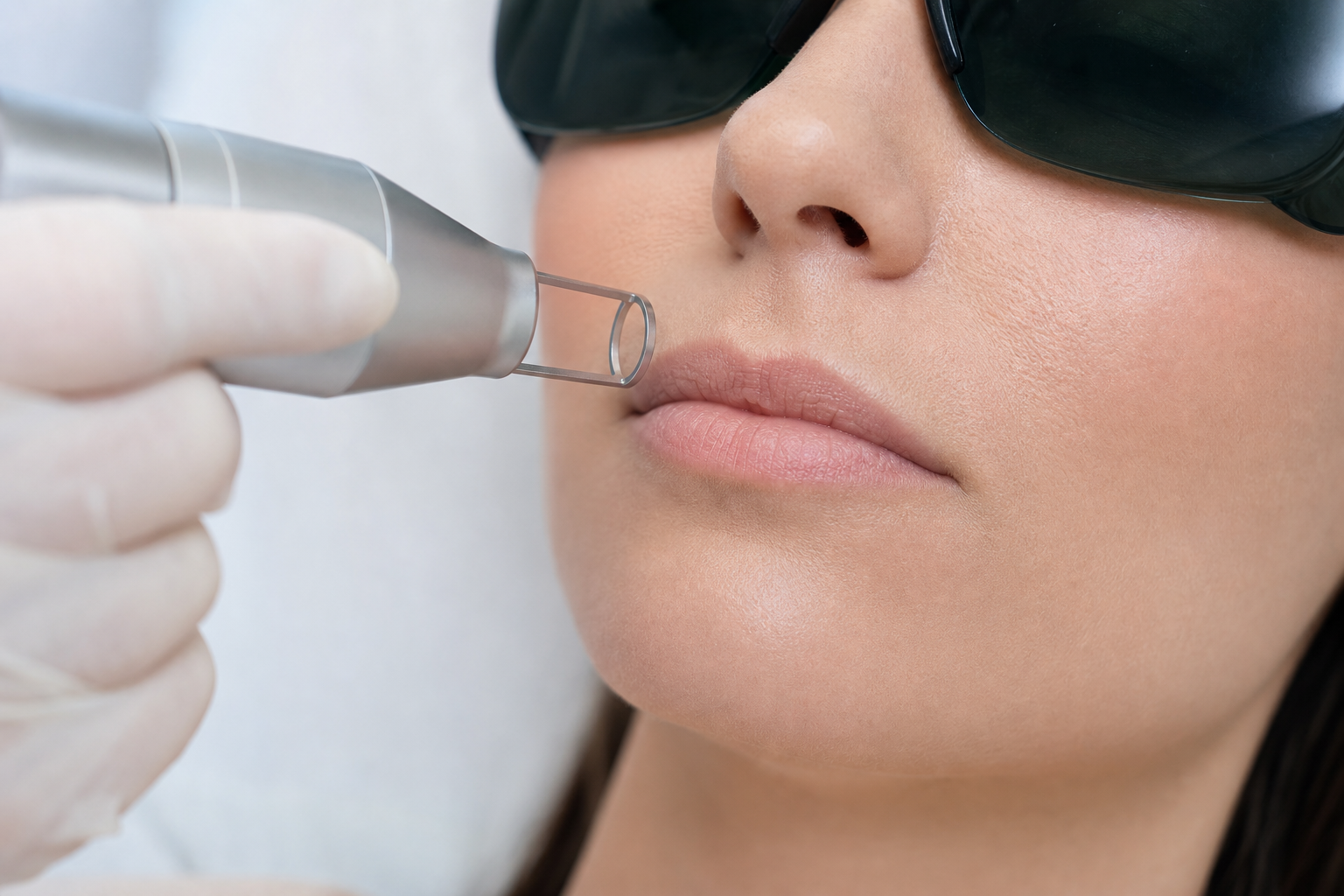
Upper lip laser hair removal is an increasingly popular cosmetic procedure designed to tackle the persistent, often stubborn hair growth found on the delicate area just above the upper lip. This particular region presents unique challenges and considerations due to its small size, hormonal sensitivity, and the character of the hair itself. For many people, both women and men, unwanted upper lip hair can be a source of self-consciousness and aesthetic concern, making an effective, long-term solution highly desirable.
This detailed editorial explores the nuances of upper lip laser hair removal, shedding light on who can benefit from this treatment, what to expect during and after procedures, and the real-world effectiveness of laser technology for this specific facial zone. We will examine the nature of hair growth above the upper lip, the influence of hormones, and the types of hair suitable for laser treatment. Particular attention is given to the sensation involved, preparation needed, recommended aftercare, the necessary number of treatment cycles, and how to manage expectations realistically. The risks, especially those related to treating fine or light hair, are also explained to ensure informed decisions.
Whether you’re considering upper lip laser hair removal for cosmetic enhancement or to address issues related to hormonal hair growth, understanding the science, technique, and care involved empowers you to approach this cosmetic investment with confidence and clarity.
What Is Upper Lip Laser Hair Removal and Who Is It For?
Upper lip laser hair removal is a specialized cosmetic procedure that uses targeted laser energy to disrupt and destroy hair follicles in the region immediately above the upper lip. Unlike traditional hair removal techniques such as shaving, waxing, or threading, laser hair removal aims to provide a long-term, often permanent reduction in hair growth by targeting the melanin (pigment) within the hair follicles, thereby inhibiting future hair production.
This treatment is particularly suitable for individuals who experience persistent, dark, or coarse hair growth in this area, which can be distressing due to its visibility. It appeals to both women and men, though it is most frequently sought by women who are troubled by hormonal hair fluctuations or hereditary hair patterns that make daily shaving or waxing inconvenient and irritating.
Ideal candidates typically have darker hair and lighter skin, as the contrast allows the laser to focus effectively on the pigment in the hair follicles. That said, advancements in laser technology have broadened eligibility to include more diverse skin tones and hair types with appropriate lasers. Conversely, patients with very light, gray, or fine hair may not respond as well because of insufficient pigment for laser detection.
Understanding Hormonal Sensitivity and Hair Characteristics in the Upper Lip Area
The upper lip is not just a small patch of skin—it is an area strongly influenced by hormonal changes, making hair growth here particularly variable and sometimes difficult to manage. Androgens, such as testosterone, play a crucial role in encouraging hair growth in this region, which explains why some women experience thicker or darker hair during phases like puberty, pregnancy, menopause, or hormonal imbalance.
The follicles in this area tend to produce hairs that are often darker and coarser than surrounding facial hair, but they can also be fine and light, especially in individuals with hormonal shifts or lighter complexion. Laser hair removal effectiveness depends heavily on the pigment concentration in these hairs because the laser targets melanin. The transitional phase of hair growth — the time when follicles are most susceptible to laser treatment — also varies, affecting treatment plans.
Before beginning treatment, a thorough consultation is essential. The specialist she evaluates your hormonal background, skin type, and hair characteristics to determine suitability and forecast potential outcomes. Sometimes, hormonal evaluations or adjustments might be suggested prior to laser hair removal if an imbalance is causing excessive hair growth.
Why Precision Is the Hallmark Advantage of Laser Hair Removal for the Upper Lip
The upper lip territory is particularly sensitive and demands incredible precision to achieve the optimal balance of efficacy and safety. Laser machines used for hair removal are designed to emit focused beams calibrated to target hair follicles without damaging the surrounding skin. This precision helps avoid common complications such as burns or pigment changes.
This exact targeting is especially important when working in very small areas like the upper lip, where every millimeter matters for cosmetic balance. Precision technology allows customization of the laser’s wavelength, pulse duration, and energy output depending on individual patient factors, ensuring that even in a delicate and visible location, the treatment is effective and minimally invasive.
The development of specific laser types—such as Alexandrite, diode, and Nd:YAG lasers—has enhanced the ability to tailor treatments according to hair color and skin type. This specificity reduces the risk of side effects and allows tailored aggression toward thicker, more pigmented hairs, while delicately handling less pigmented ones.
What to Expect During Upper Lip Laser Hair Removal Sessions: Sensations and Preparation
One of the most common concerns surrounding laser hair removal is the sensation experienced during the procedure. While pain tolerance varies among individuals, upper lip laser hair removal is generally described as mildly uncomfortable rather than painful. Patients often report a feeling akin to a rubber band snapping against the skin or warmth accompanied by a slight tingling or prickling sensation as the laser pulses.
Prior to treatment, specific preparation is advised to ensure maximum effectiveness and safety. Patients should avoid plucking, waxing, or threading hairs at least four weeks before the procedure, as these methods remove the hair root that the laser targets. Shaving, conversely, is recommended one day before the session to ensure the laser laser energy is focused on the follicle rather than surface hair.
Avoiding sun exposure, tanning beds, and certain skincare products (including retinoids or exfoliants) in the two weeks before treatment is important to prevent skin sensitivity and pigmentation changes. On the day of treatment, the skin should be clean and free from cosmetics or lotions.
Critical Aftercare for Optimal Recovery and Results
Post-treatment care is pivotal for achieving desirable outcomes and minimizing side effects. Immediately after an upper lip laser session, the skin may exhibit mild redness, swelling, or a sensation resembling a sunburn, which usually subsides within a few hours to days.
Applying soothing creams or aloe vera-based gels, as recommended by the practitioner, can alleviate discomfort and encourage healing. Importantly, avoiding direct sun exposure or tanning for a minimum of two weeks post-procedure helps prevent pigmentation irregularities.
Refraining from aggressive scrubs, chemical peels, or exfoliants in the treatment area during the healing period is advised to protect the skin barrier. Also, avoiding other hair removal methods like waxing or threading between laser sessions is crucial to allow the follicles to respond properly to treatment.
How Many Sessions Are Required? Setting Realistic Expectations for Hair Reduction
Laser hair removal on the upper lip typically requires a series of sessions to achieve a meaningful reduction in hair density and thickness. The exact number varies based on individual factors such as hair thickness, color, growth cycles, and hormonal influences. On average, six to eight sessions spaced approximately four to six weeks apart are necessary to target hairs in their active growth phase effectively.
Early sessions often result in partial hair reduction and finer regrowth, with more significant improvements seen after multiple treatments. It is essential to maintain this schedule to cover the different hair growth cycles since laser treatment only affects hair follicles in the anagen (growth) phase.
In cases of hormonal imbalance or if the hair is particularly fine or light, additional maintenance treatments may be required over time to sustain results. Patients should have a clear understanding that while laser hair removal can dramatically reduce hair presence, absolute permanent removal of every follicle may not be attainable.
Addressing the Challenge of Very Fine Hair in Laser Treatment
Treating very fine, light-colored, or vellus hair above the upper lip with laser technology is among the most complex challenges faced by clinicians. Due to the limited melanin content, standard laser wavelengths may not effectively target these hairs, resulting in limited improvements or the need for more sessions.
In such situations, alternative laser types operating at different wavelengths, such as Nd:YAG lasers, or complementary hair removal methods such as electrolysis might be recommended. A tailored treatment plan devised during consultation is critical to balance expectations and select the most appropriate modalities.
It is important to note that attempting aggressive laser treatment in this context without careful assessment can increase the risk of skin irritation or pigmentation issues, so professional guidance is indispensable.
Frequently Asked Questions About Upper Lip Laser Hair Removal
Does upper lip laser hair removal hurt?
Most patients experience mild discomfort described as a brief snapping or tingling sensation. Numbing creams may be offered to enhance comfort.
How long do results last?
Results can last for years, with many enjoying permanent hair reduction. Some may require occasional maintenance treatments, especially if hormonal factors influence hair growth.
Can laser treat light or very fine hair?
Treatment efficacy diminishes with fine or light-colored hair, but newer laser technologies and combined approaches can improve outcomes.
When can I safely expose the treated area to sunlight?
Sun exposure should be avoided for at least two weeks before and after treatment to minimize risks of pigmentation changes.


