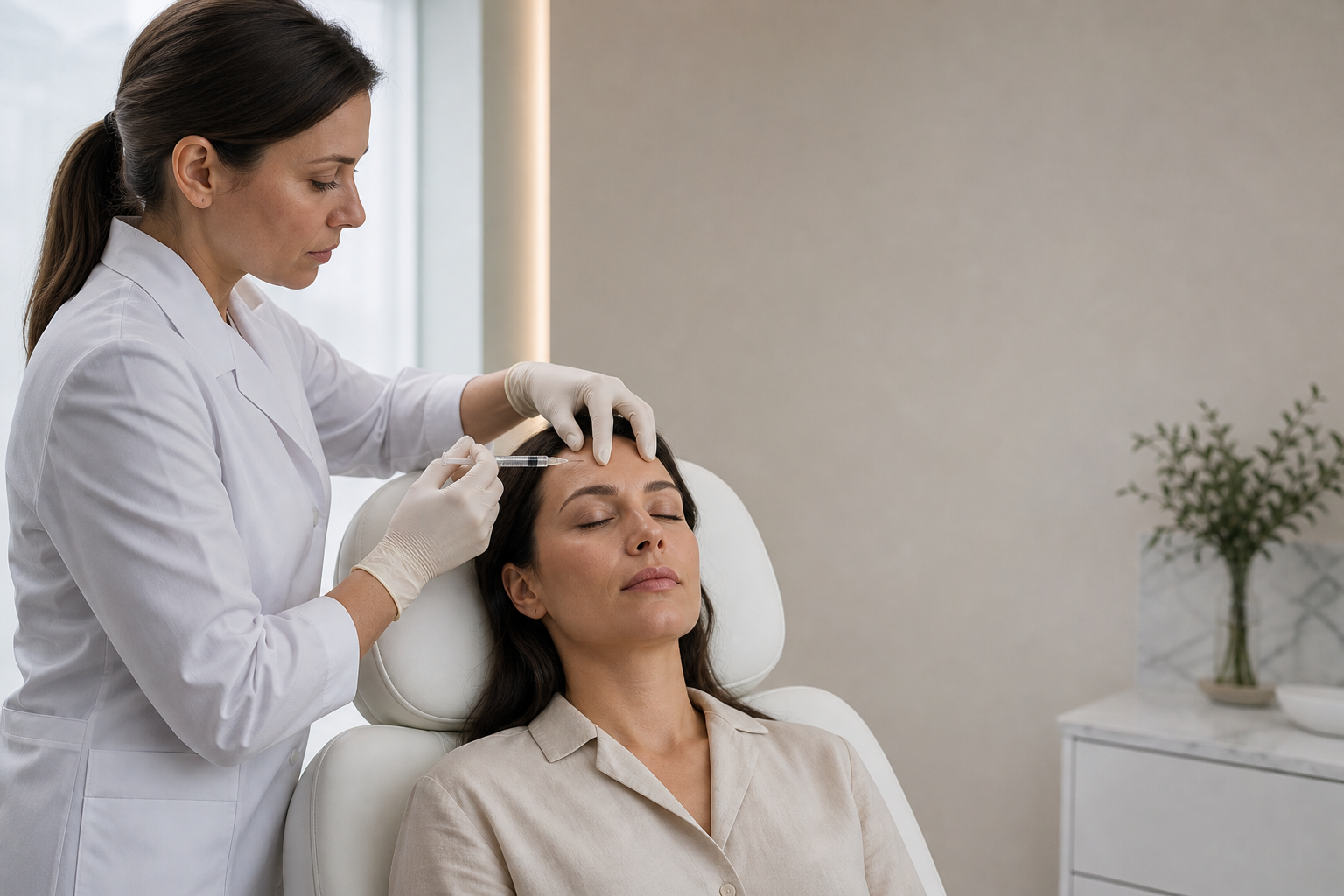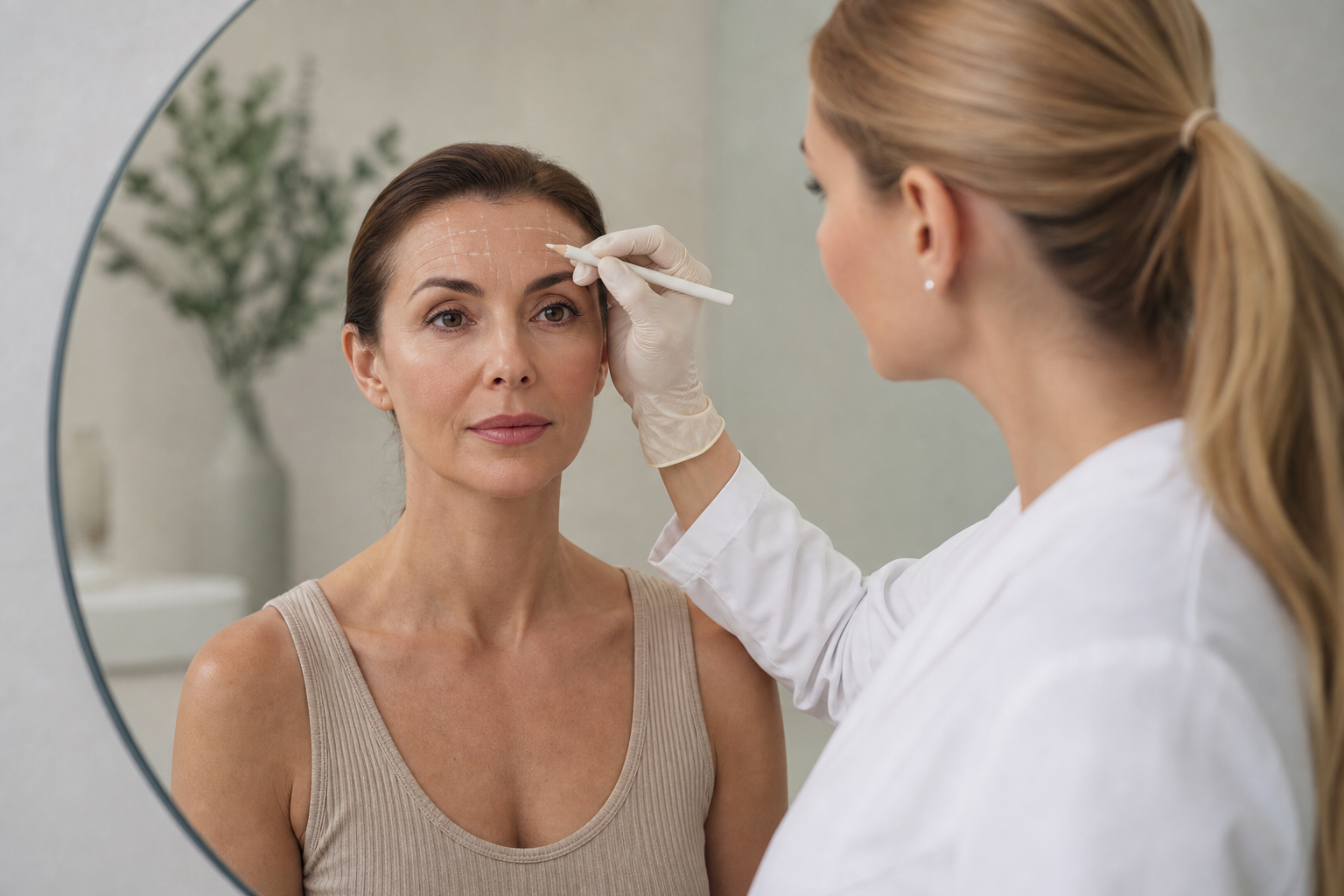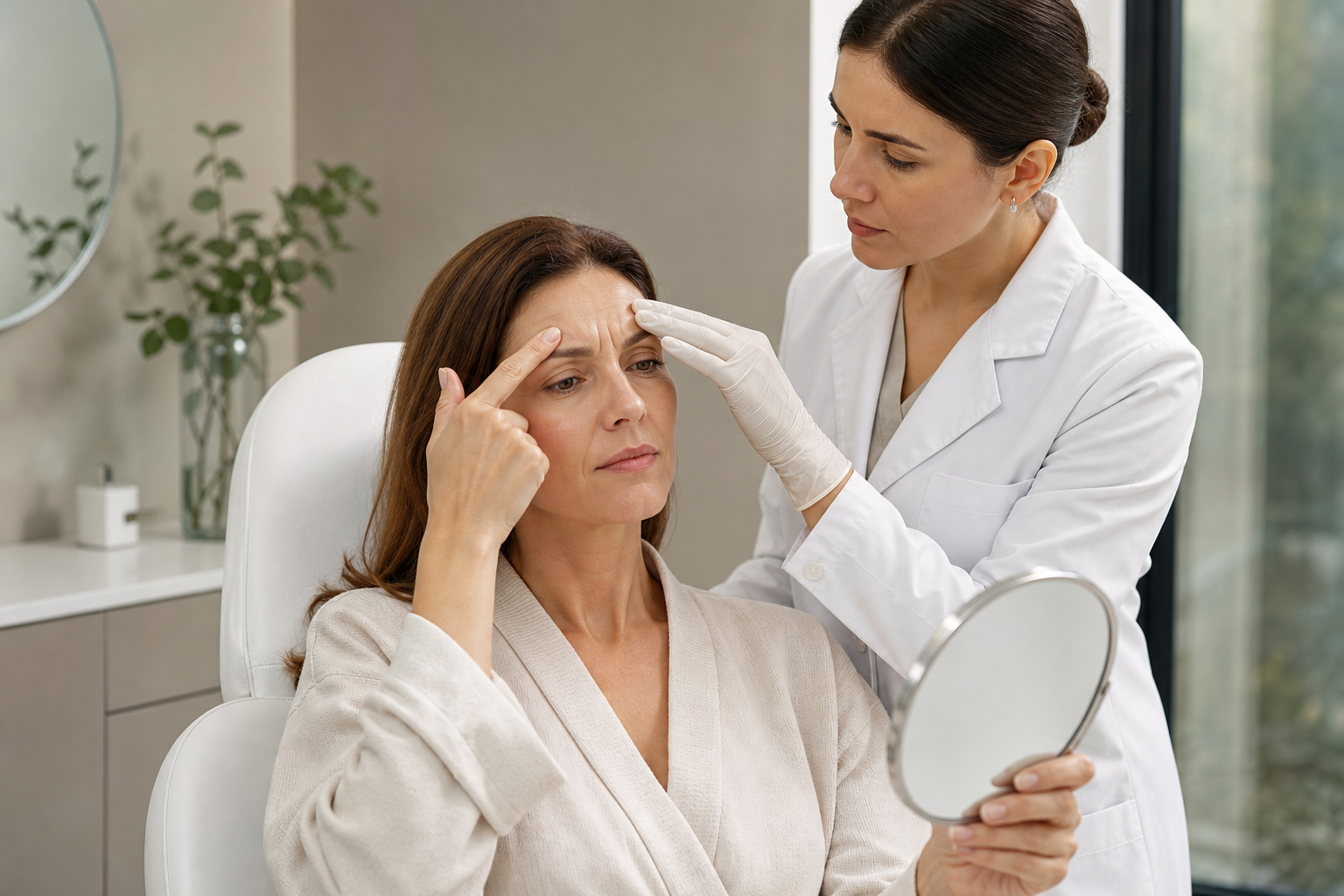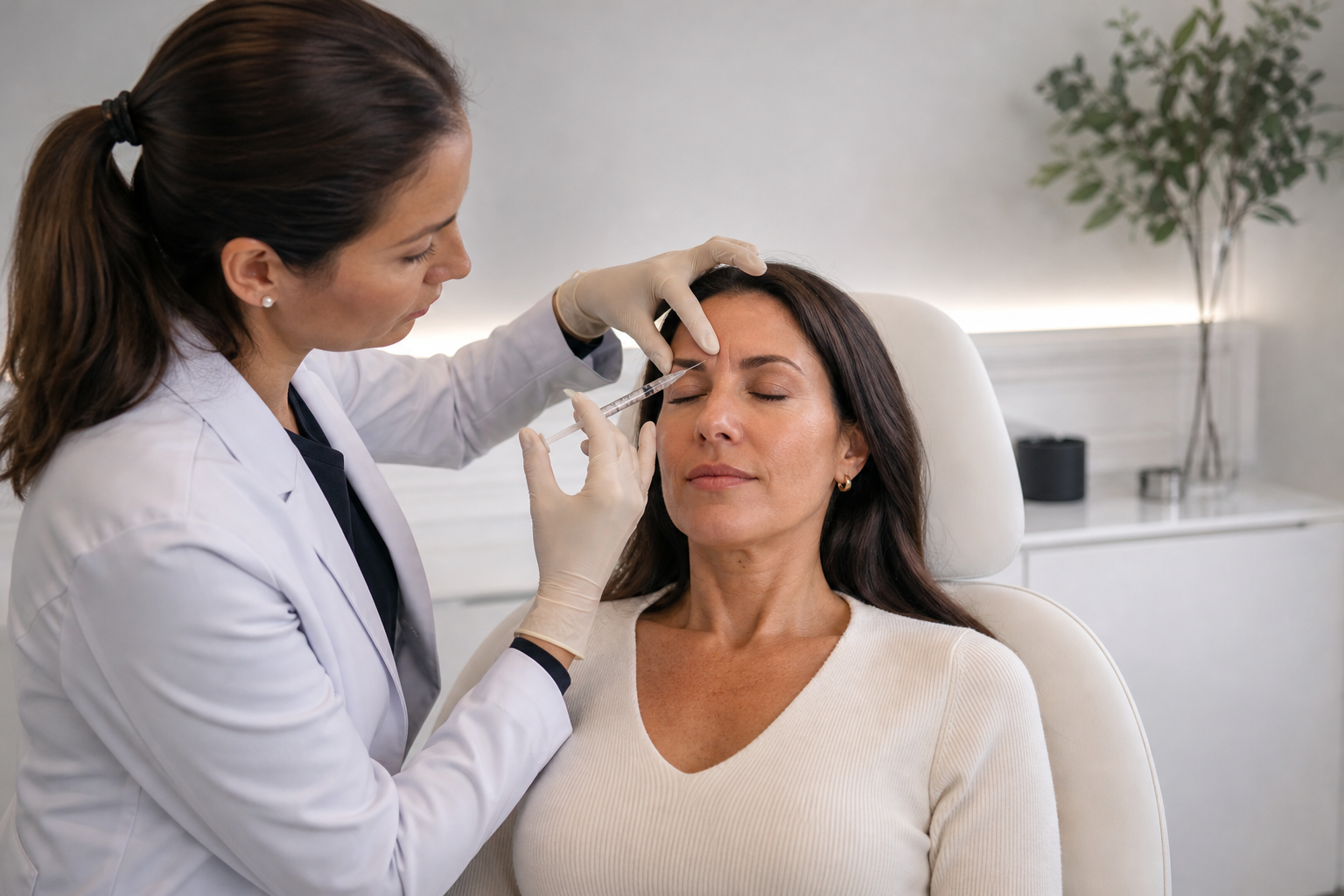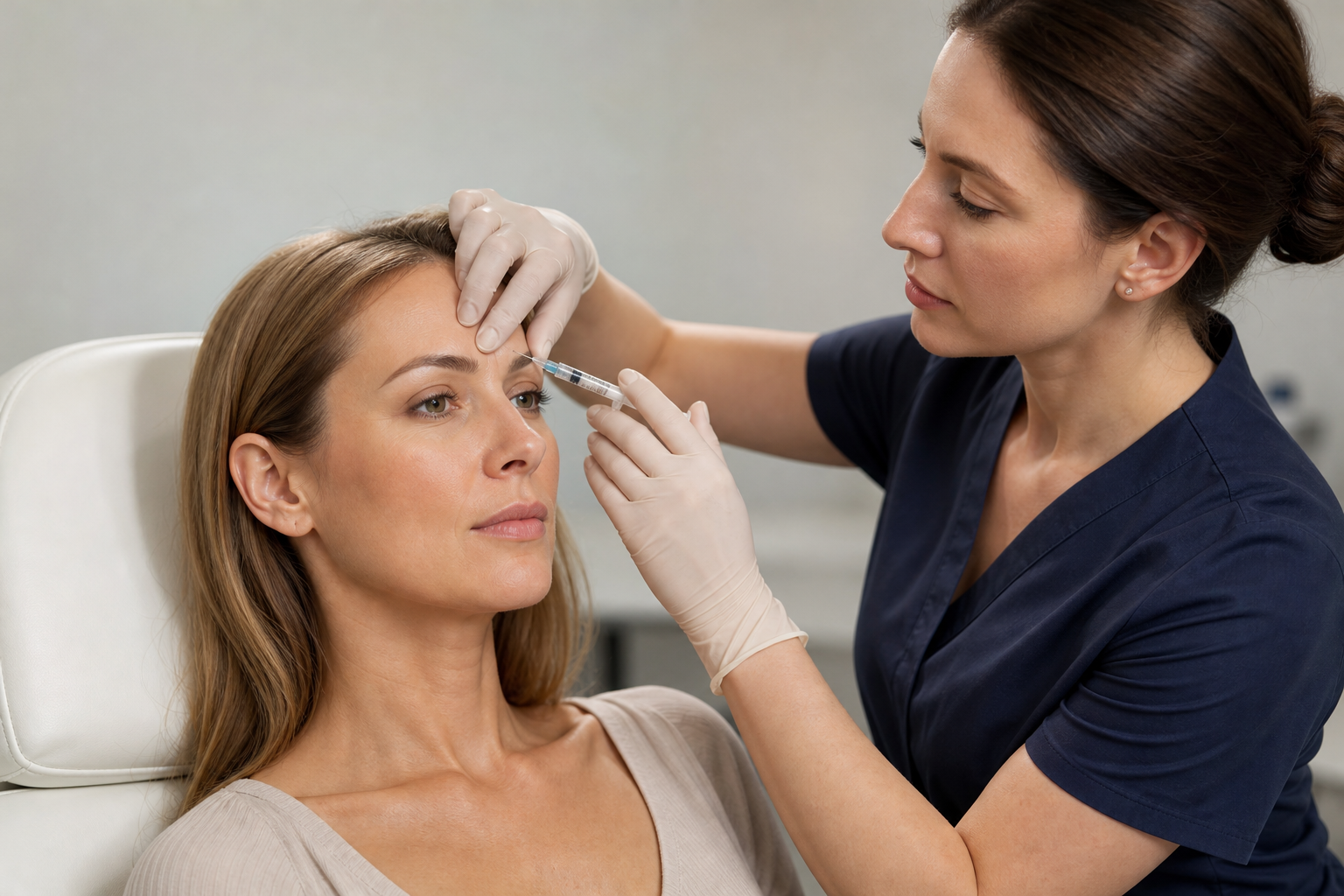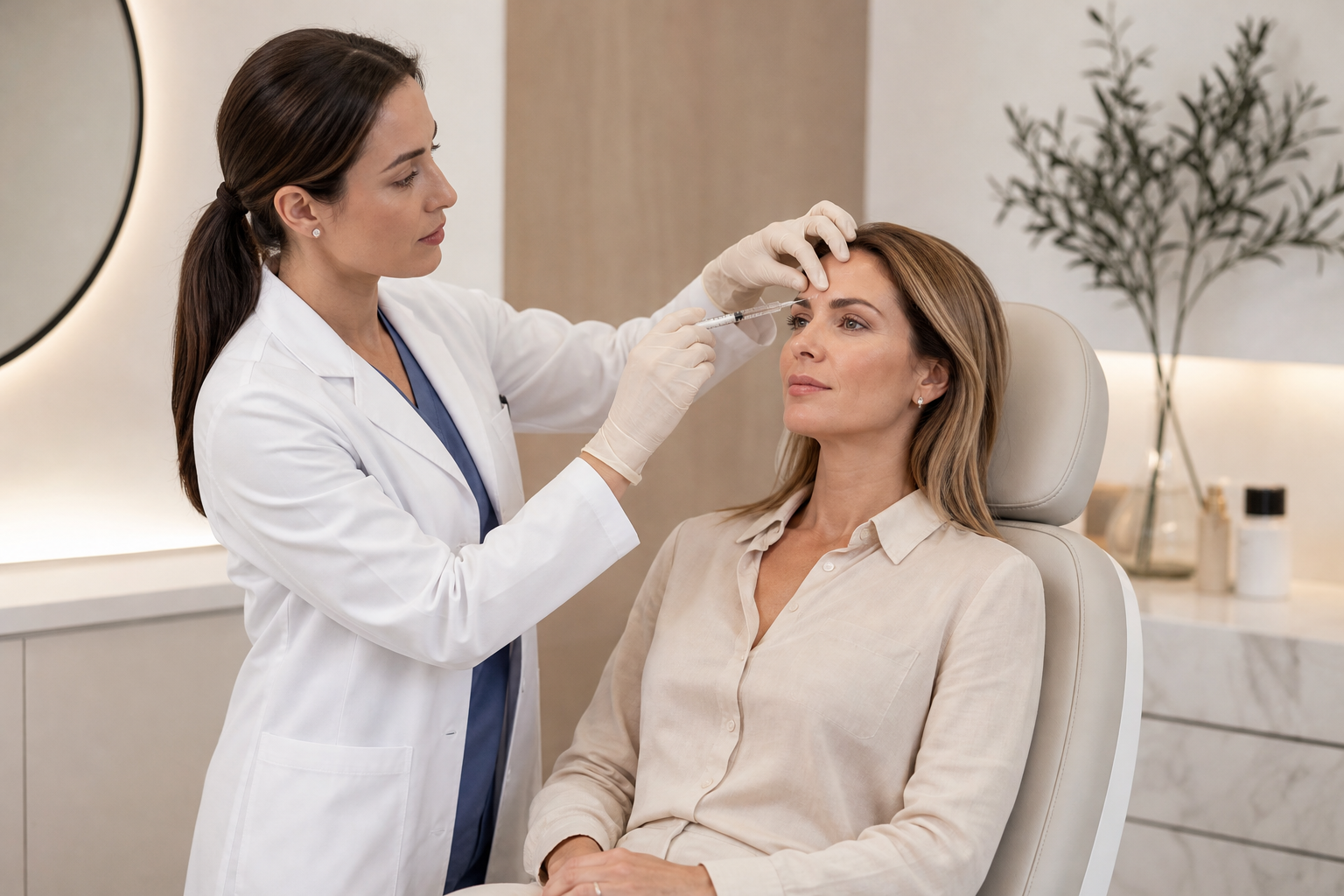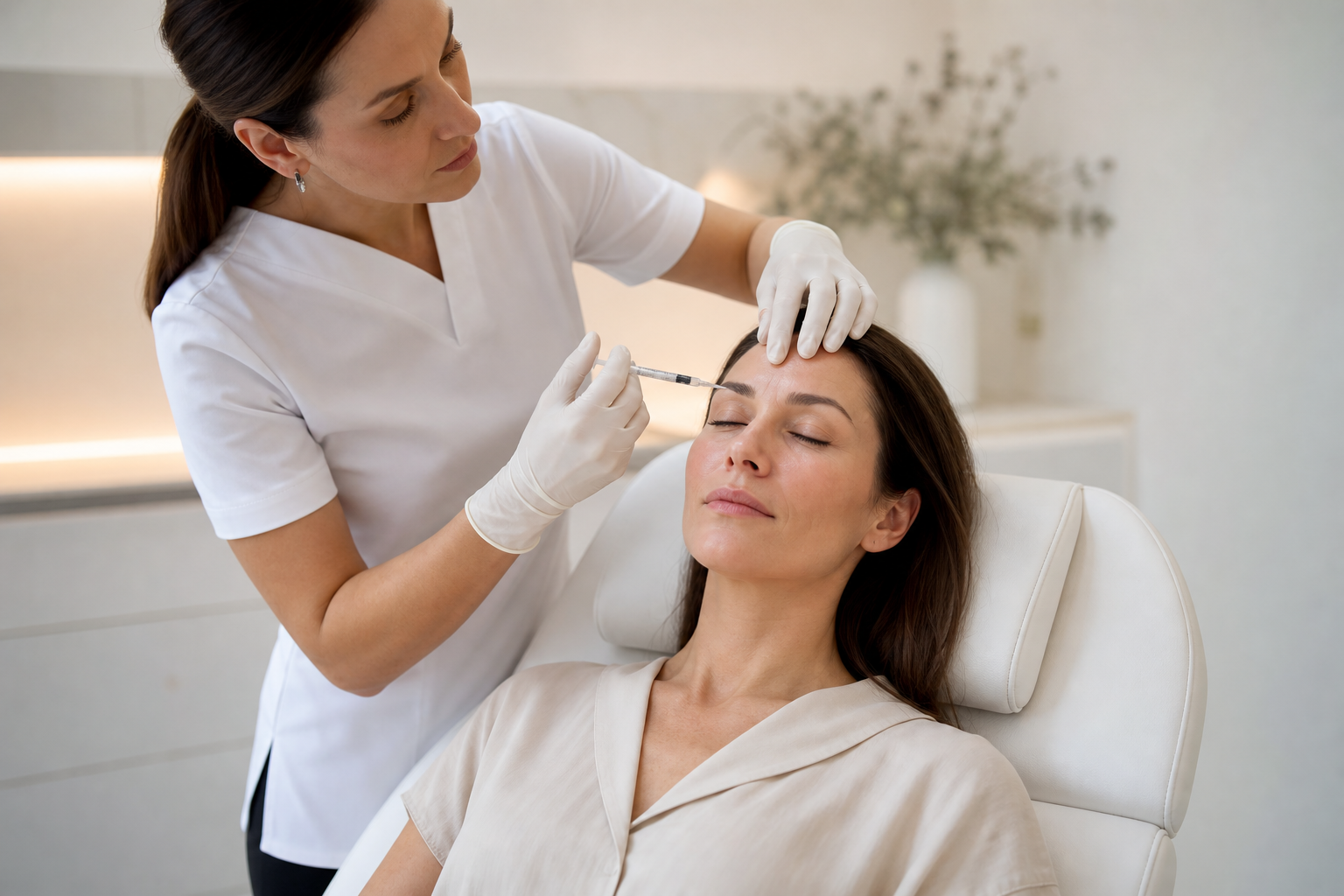
Botox treatment for the forehead and glabellar region represents a cornerstone in contemporary aesthetic medicine, sought after by individuals desiring to soften or diminish the visible signs of facial aging and fatigue. These areas on the upper face are amongst the first to exhibit dynamic and static wrinkles prominently – horizontal lines across the forehead and vertical furrows between the eyebrows known colloquially as "frown lines" or "glabellar lines." Beyond wrinkle attenuation, this treatment can also subtly lift and reposition the eyebrows, contributing to a fresher, more open facial expression that counters the sagging effects of age and gravity.
Understanding the unique functional and anatomical relationship between the forehead and glabellar muscles is essential to appreciating how Botox optimally modulates facial expression without sacrificing natural movement. Patients considering this intervention range from those with established wrinkles seeking corrective measures to younger individuals pursuing preventative strategies that delay wrinkle formation. The implications of such a treatment extend beyond mere aesthetics; they influence self-perception, social interactions, and the psychological benefits of rejuvenated appearance.
Given its popularity and clinical importance, a nuanced exploration of Botox treatments targeting these facial areas is warranted, specifically emphasizing precision in application, realistic outcomes, patient suitability, and safety considerations. By distinguishing approved versus off-label uses and clarifying medical boundaries, this editorial aims to equip readers and potential patients with a thorough, balanced perspective.
Anatomical and Functional Unity of the Forehead and Glabellar Region
The forehead and glabellar region form a functionally integrated unit in terms of facial expression and muscle dynamics. Primary muscles involved include the frontalis, which elevates the eyebrows and produces horizontal forehead lines, and the corrugator supercilii and procerus muscles, which draw the brows together, creating vertical glabellar furrows. This concert of muscular activity governs critical nonverbal communication cues such as surprise, concentration, and displeasure.
Repeated muscle contractions over time lead to the development of dynamic wrinkles that become static wrinkles as dermal collagen and elastin degrade. Botox’s targeted inhibition of neurotransmission in these muscles interrupts this habitual contraction pattern, easing the formation of deepened lines and restoring smoother skin.
When considering Botox injections, simultaneous treatment of both the forehead and glabellar area is often necessary to preserve facial harmony and avoid unnatural expressions. Relaxing the frontalis muscle alone, for example, without addressing the glabellar muscles, may alter eyebrow appearance in unintended ways. A comprehensive understanding of this integrated anatomy allows specialists to tailor treatments that maintain expressive capability while reducing wrinkle visibility.
Mechanism of Botulinum Toxin in Modulating Forehead and Glabellar Muscles
Botox, a purified neurotoxin derived from Clostridium botulinum, exerts its effect by selectively binding to cholinergic nerve terminals at the neuromuscular junction. It inhibits the release of acetylcholine, a neurotransmitter responsible for triggering muscle contraction. This temporary chemical denervation results in decreased muscle activity, effectively smoothing out wrinkles formed predominantly by repetitive movements.
The onset of Botox’s action generally occurs within 3 to 7 days post-injection, with peak results around 14 days. The effect persists for approximately 3 to 6 months before gradual restoration of neuromuscular function. Its reversible nature necessitates periodic maintenance to sustain aesthetic benefits.
In the forehead and glabellar zones, this modulation must balance efficacy with the preservation of natural expressiveness. Over-relaxation risks a "frozen" appearance, brow ptosis, or asymmetry, emphasizing the clinician's expertise in dosing and precise injection point selection.
Patient Selection and Suitability for Forehead and Glabellar Botox Treatment
Botox treatment in these facial regions is generally suitable for adults presenting with early to moderate dynamic wrinkles or those aiming to prevent wrinkle development proactively. Candidates with pronounced hyperdynamic facial musculature may particularly benefit due to the accelerated wrinkle formation linked to muscle overactivity.
Exclusion criteria typically include pregnancy, lactation, certain neuromuscular disorders such as myasthenia gravis, known hypersensitivity to botulinum toxin products, or active infection at the injection site. A comprehensive medical history and physical examination are prerequisites for identifying such contraindications and customizing treatment plans.
Patient expectations should be carefully managed; Botox does not provide permanent wrinkle eradication nor can it restore skin quality compromised by extensive photodamage or intrinsic aging. It is one component of a holistic facial rejuvenation program that may involve complementary therapies.
Treatment Planning and Injection Technique for Natural-Looking Results
An individualized treatment plan is the foundation of successful Botox therapy targeting the forehead and glabellar area. Factors influencing the approach include muscle strength, wrinkle pattern and depth, eyebrow position, and the patient’s desired aesthetic outcome. Experienced clinicians assess dynamic muscle contraction by observing facial movement patterns during conversation and deliberate expression.
Injection sites are selected to achieve selective muscle relaxation while maintaining adequate tone to preserve natural gestures. For example, strategic dosing and placement in the frontalis muscle can lift low-set eyebrows, expanding the visual field and reviving alertness in facial appearance. Conversely, carefully administered doses in the corrugator and procerus muscles diminish the formation of vertical glabellar lines commonly associated with frowning or stress.
Because different botulinum toxin formulations are not interchangeable in unit potency or diffusion characteristics, adherence to the specific product guidelines for dosage and dilution is mandatory to maximize safety and efficacy.
Realistic Outcomes and Limitations of Botox in Forehead and Glabellar Rejuvenation
While Botox effectively smooths dynamic wrinkles by limiting muscle contractions, it does not directly improve skin laxity, pigmentation, or texture. Deep static wrinkles or furrows resulting from long-term creasing may require adjunctive procedures such as dermal fillers, laser resurfacing, or peel treatments to achieve optimal rejuvenation.
The temporary effect of Botox means patients must commit to periodic treatments, typically every three to six months, to maintain results. This factor influences long-term treatment planning and expectations management.
Not all patients respond identically; individual muscle anatomy, metabolic factors, and immune responses may affect duration and magnitude of effect. Furthermore, improper technique risks adverse results like eyebrow droop (ptosis), asymmetry, or decreased blinking efficiency, highlighting the critical importance of qualified practitioners.
Safety Profile and Post-Treatment Care in Forehead and Glabellar Botox Applications
Botox has a long-standing safety record when administered by licensed, experienced clinicians. Adverse events are generally mild and transient, including injection site bruising, swelling, or headache. Rarely, diffusion of toxin beyond targeted muscles can cause unintended muscle weakness resulting in eyelid ptosis or asymmetry.
Patients are advised to avoid vigorous facial massages, heavy exercise, or exposure to extreme heat for several hours following treatment to avoid displacement of the product. Any sign of difficulty breathing or swallowing post-procedure requires immediate medical attention, although such severe reactions are exceedingly uncommon.
Follow-up visits allow evaluation of treatment response, facilitate touch-ups if needed, and reinforce adherence to safety and care guidelines. An open patient-physician dialogue ensures any concerns are promptly addressed.