Radiofrequency skin tightening, frequently referred to as RF tightening or RF lifting, represents a groundbreaking approach within aesthetic medicine to address the visible signs of aging without resorting to surgery. This non-invasive procedure harnesses the power of radiofrequency energy waves to stimulate the skin's natural regenerative processes, particularly promoting collagen and elastin production. Collagen and elastin are vital structural proteins that maintain the skin’s firmness and elasticity; their decline over time is the primary culprit behind sagging, fine lines, and loss of youthful skin texture.
This treatment appeals especially to individuals experiencing mild to moderate skin laxity who seek rejuvenation with minimal downtime and fewer risks than those associated with surgical interventions. It provides a modern alternative for those who want to maintain a youthful, firm complexion on their face, neck, and other body areas without invasive procedures. Understanding what radiofrequency skin tightening entails, its mechanism, benefits, and realistic outcomes is fundamental for anyone considering this technology as part of their aesthetic journey.
The significance of RF skin tightening lies not only in its efficacy but also in its role within the spectrum of aesthetic treatments. The market today offers an abundance of options ranging from fully non-invasive to surgical methods. RF treatments occupy a strategic middle ground, delivering noticeable tightening effects while ensuring patient comfort and safety. Therefore, distinguishing between various RF modalities and their specific capabilities is crucial to making informed decisions tailored to individual needs.
What Is Radiofrequency Skin Tightening and How Does It Work?
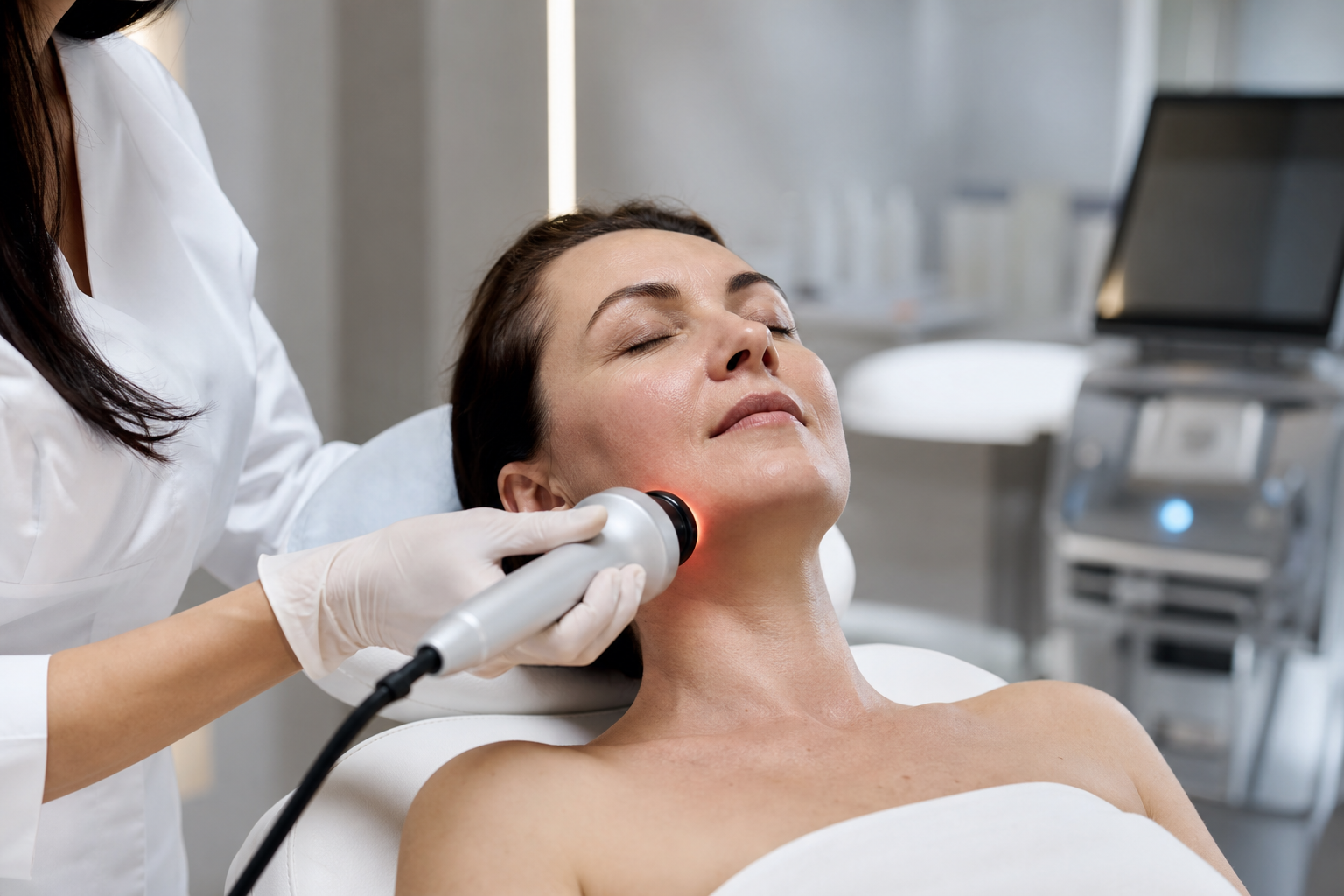
Radiofrequency skin tightening is an advanced aesthetic treatment that employs radiofrequency waves—electromagnetic waves operating at high frequency—to heat the deeper layers of the skin, primarily targeting the dermis and subcutaneous tissue. The principle hinges on delivering controlled thermal energy beneath the skin surface without damaging the epidermis, the outermost skin layer.
The heat generated by radiofrequency energy acts as a biological stimulus, prompting fibroblast cells within the dermis to enhance production of collagen and elastin fibers. These fibers are responsible for the skin’s structural integrity and elasticity. With aging, the skin's natural collagen synthesis diminishes, leading to slackness, wrinkles, and an overall diminished skin tone. By rekindling this process, RF treatments help restore the skin’s tightness and suppleness.
Additionally, the warm stimulus improves local blood circulation and lymphatic drainage, promoting healthier and more radiant skin. Unlike ablative procedures that remove or damage skin layers, RF tightening offers a safe approach by preserving surface integrity, thereby minimizing recovery time and reducing side effects. The heat also induces immediate collagen contraction, providing a subtle tightening effect visible shortly after treatment, which gradually improves over weeks as new collagen forms.
Who Should Consider RF Skin Tightening? Identifying Ideal Candidates
RF skin tightening is designed predominantly for adults in their 30s and older who begin to notice early to moderate signs of skin aging such as mild skin sagging, fine lines, decreased elasticity, or uneven skin texture. It is especially suitable for individuals not yet ready or inclined toward surgical procedures like facelifts but who desire to enhance their appearance through non-invasive means.
The treatment can target various areas including the face, neck, décolletage, arms, abdomen, and thighs. People seeking subtle yet effective lift and rejuvenation in these regions often benefit from RF skin tightening. It suits those looking for minimal downtime, allowing them to resume everyday activities promptly.
However, RF skin tightening is not an equivalent replacement for surgical lifts in cases of advanced skin laxity or deep wrinkles. Candidates with significant drooping or excess skin might find more definitive results with surgical intervention. Additionally, people suffering from severe medical conditions, active skin infections, or who have implanted electronic devices should consult healthcare providers before undergoing RF treatments to ensure safety.
Different Types of Radiofrequency Treatments: Understanding Your Options
The terminology surrounding radiofrequency procedures can be confusing, as various distinct techniques employ RF energy with different delivery methods and invasiveness levels. A clear understanding of these distinctions is essential for selecting the most appropriate treatment.
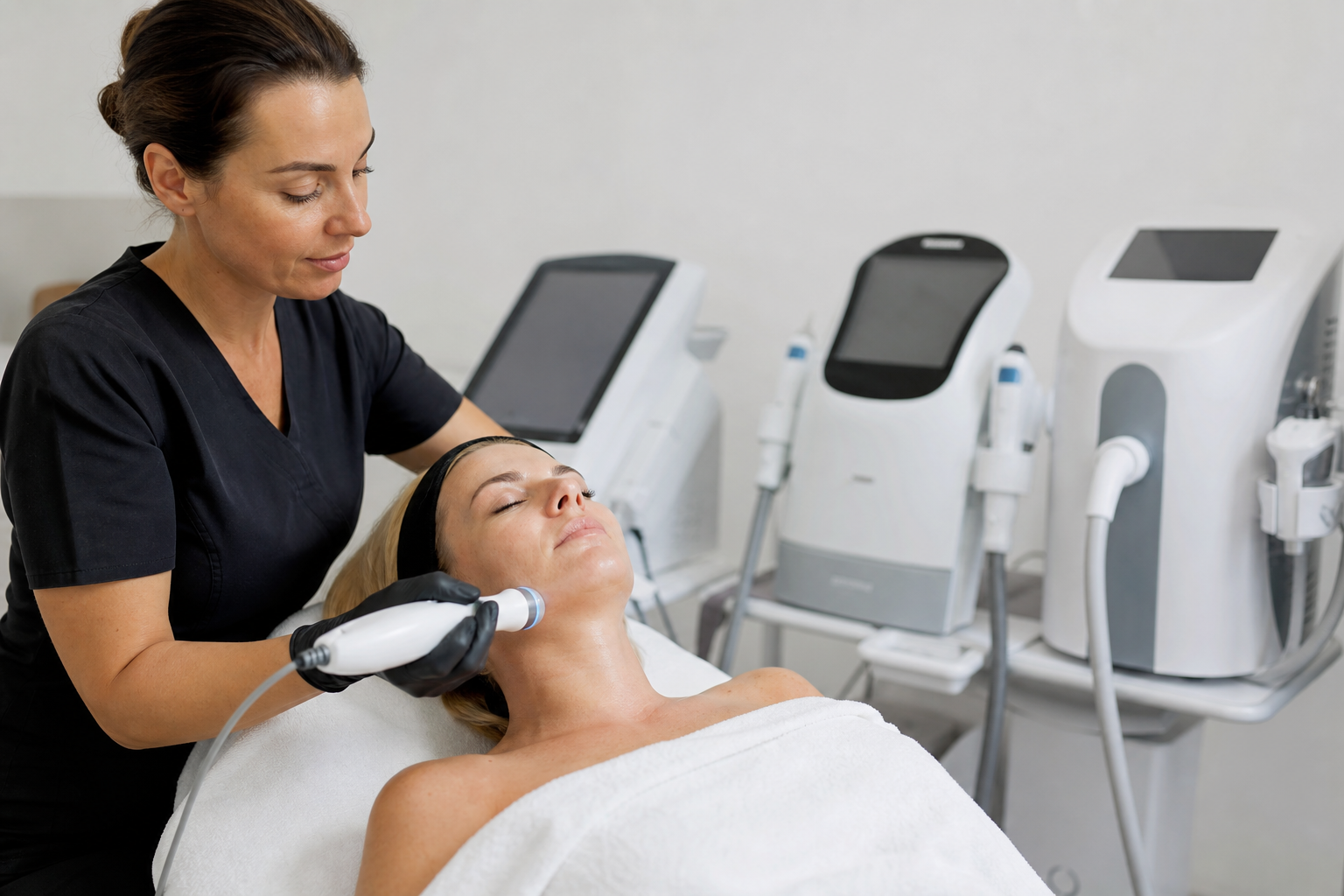
Non-Invasive RF: This traditional approach uses external devices that emit radiofrequency through electrodes placed on the skin surface. The energy penetrates the layers beneath without breaching the skin, generating heat that promotes collagen renewal. Such treatments are painless, typically require multiple sessions, and involve no recovery period.
Fractional RF without Needles: This technique delivers RF energy fractionally to specific small zones of the skin via specialized electrodes. It stimulates collagen production in a patterned manner, improving skin texture and firmness with reduced thermal injury to surrounding tissues.
RF Microneedling: Combining microneedling—where fine needles create controlled microchannels into the skin—with radiofrequency energy, this method allows direct delivery of heat into targeted dermal layers. It offers enhanced collagen stimulation and skin tightening effects, suitable for deeper wrinkles and scars, though it involves mild invasiveness and transient downtime.
Minimally Invasive RF Procedures: These may incorporate surgical or subdermal RF applications for dramatic tightening results. While more effective for certain conditions, they necessitate longer recovery and carry higher risks.
How Does Radiofrequency Energy Affect Skin Structures?
The effectiveness of RF in skin tightening originates from its ability to induce thermal stimulation within the dermal matrix. The radiofrequency waves cause molecular vibration of water molecules present in the skin’s connective tissue, producing controlled heat typically between 40-45°C (104-113°F). This temperature range is optimal to trigger fibroblast activation without causing burns.
The immediate effect of RF heating involves partial denaturation of collagen fibers, inducing their contraction and thickening. Subsequently, this denaturation acts as a signaling event, prompting fibroblasts to synthesize new collagen and elastin over the following weeks and months, leading to sustained improvement in skin firmness and elasticity.
Enhanced dermal thickness and remodeling improve contour and reduce the appearance of fine lines and mild sagging. Moreover, the RF-induced heat escalates blood flow and oxygen delivery, optimizing skin nourishment and facilitating toxin clearance via lymphatics.
What Are the Benefits of Radiofrequency Skin Tightening?
Radiofrequency skin tightening provides multiple advantages making it a favored treatment among patients and practitioners alike:
Non-Invasiveness and Safety: The procedure is typically pain-free, involves no incisions or injections, and preserves the skin’s surface, thereby reducing complications and eliminating the need for anesthesia or extended recovery.
Gradual and Natural-Looking Results: Collagen remodeling induced by RF produces subtle, progressive skin tightening that enhances the patient’s natural features without creating an artificial or exaggerated appearance.
Versatility: RF treatments can be tailored for various skin types and applied to many body areas beyond the face, such as the neck, abdomen, and arms.
Minimal Downtime: Most patients can immediately resume their daily routines without restrictions, making RF ideal for those with busy lifestyles.
Complementary Use: RF skin tightening can be integrated effectively with other non-invasive treatments like fillers, lasers, or skincare regimens to enhance overall results.
What to Expect During and After Radiofrequency Skin Tightening Sessions
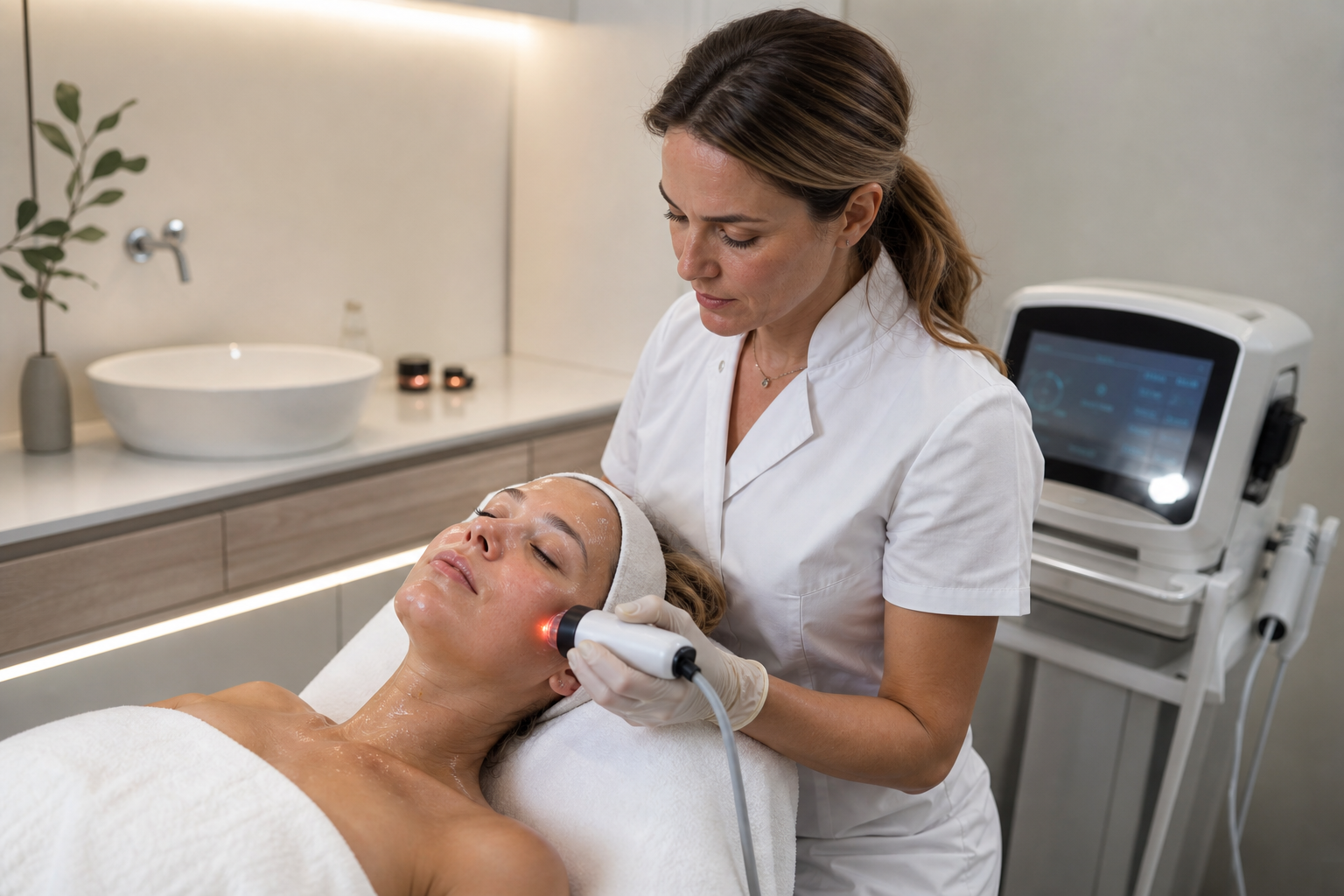
A typical RF skin tightening session starts with the application of a soothing gel or cream to facilitate smooth movement of the device’s handpiece over the skin. The practitioner then delivers radiofrequency energy evenly across the treatment area using specialized equipment.
Patients may perceive a warming sensation akin to a hot stone massage, which most describe as comfortable and tolerable. Sessions usually last between 20 to 60 minutes depending on the area and device used.
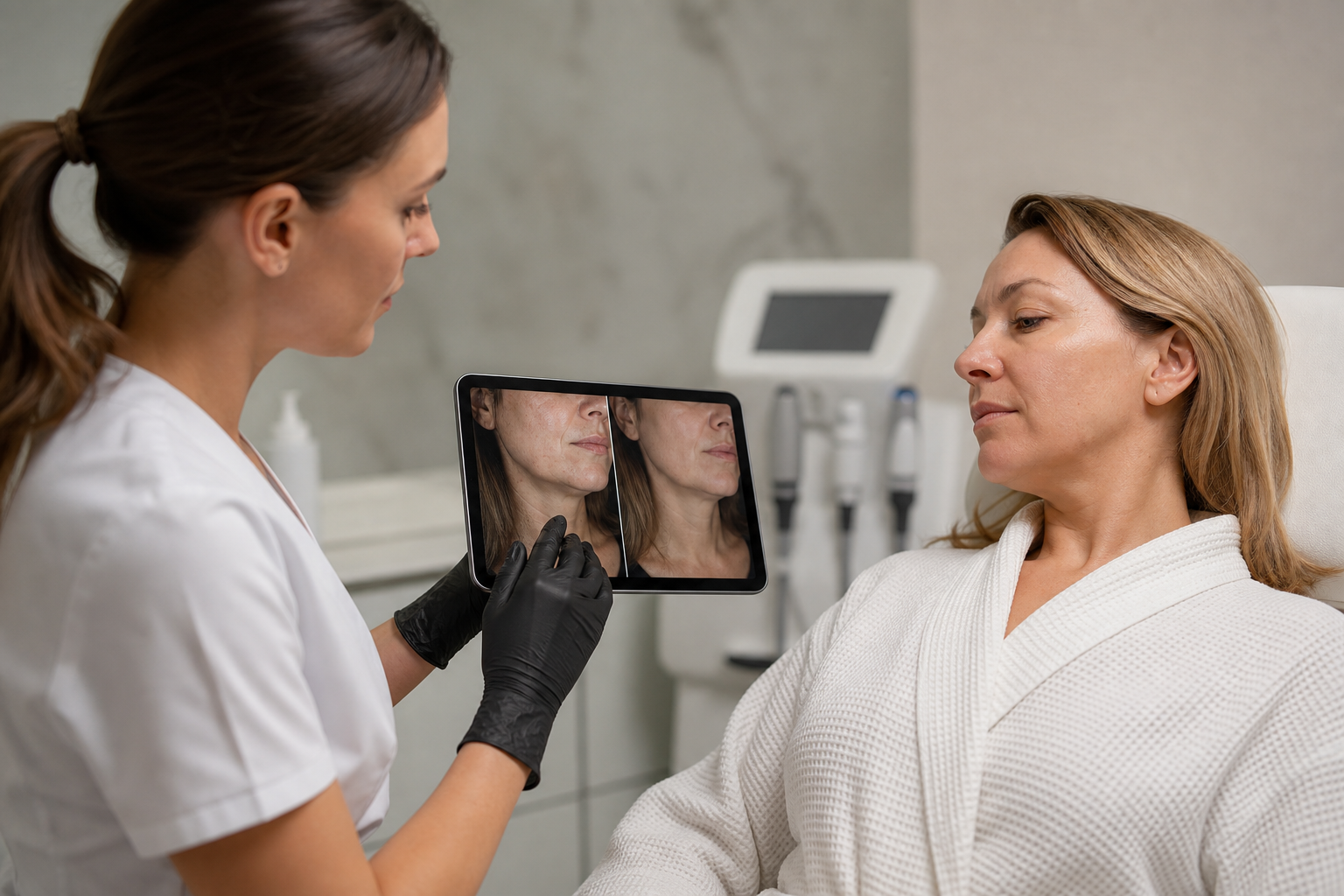
Post-treatment, mild redness or swelling can occur but generally resolves within hours. Importantly, there is no open wound or peeling, allowing immediate return to work or social activities. Over the ensuing weeks to months, patients notice progressive tightening, improved skin texture, and reduction in fine lines.
Results typically persist for several months, with maintenance treatments recommended periodically to sustain improvements. Multiple sessions—often four to six—may be necessary for optimal outcomes, spaced weeks apart.
Common Questions About RF Skin Tightening Answered
Does RF treatment truly tighten the face? Yes, radiofrequency energy stimulates collagen production that improves skin firmness and elasticity, leading to noticeable tightening of mild to moderate skin laxity.
Is RF lifting the same as a facelift? No, RF lifting is a non-surgical procedure with subtler effects, ideal for early signs of aging. Facelifts are invasive surgeries that provide more dramatic correction for significant sagging.
How deep does RF energy penetrate? Penetration depth varies depending on the device, but typically RF can affect dermal layers between 3 to 6 millimeters below the surface, sufficient to stimulate fibroblasts.
Does RF stimulate collagen production? Absolutely, heating fibroblasts with radiofrequency encourages them to synthesize new collagen and elastin fibers.
Are treatments painful? Most RF skin tightening treatments are comfortable, with only mild warmth felt; numbing is rarely needed.