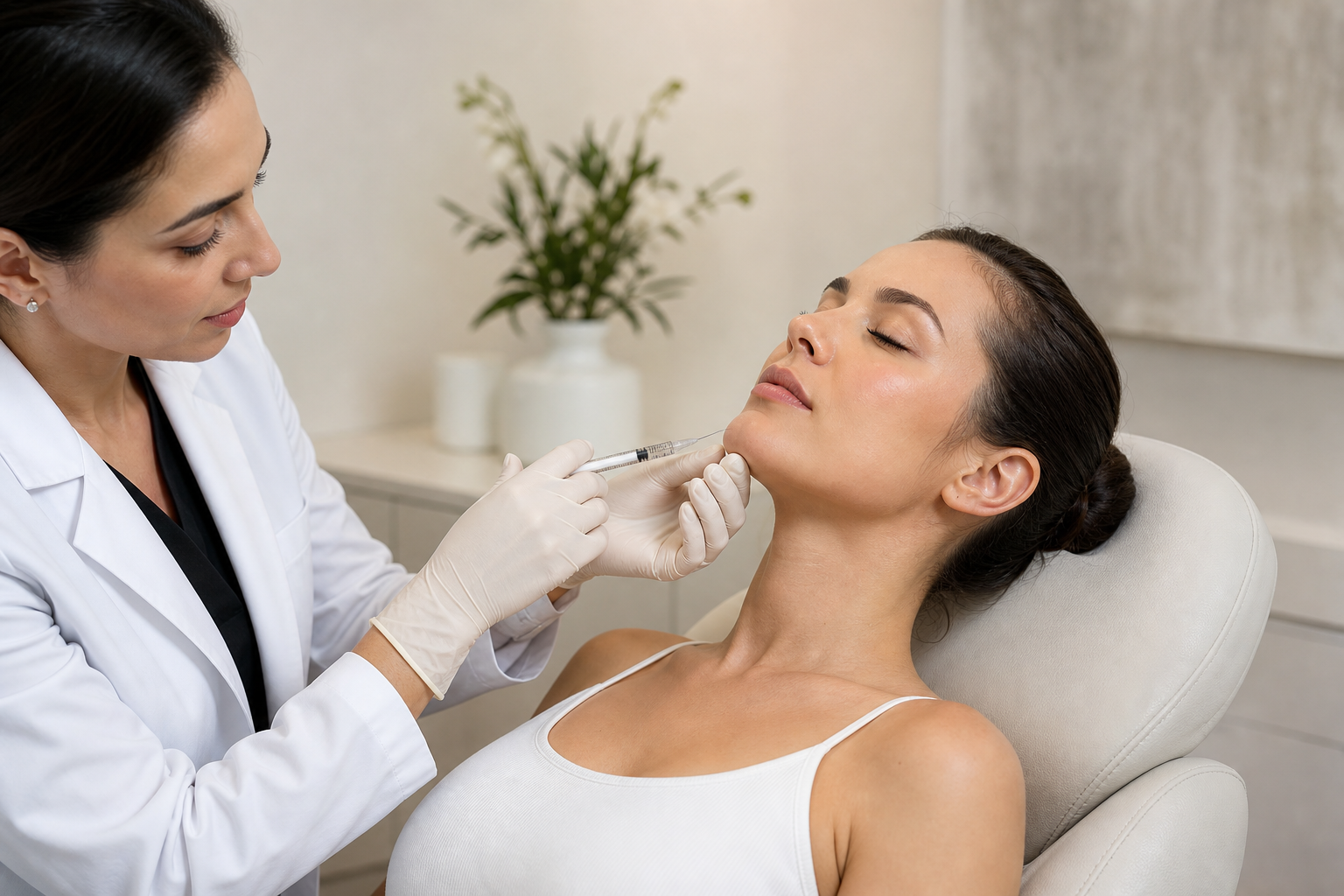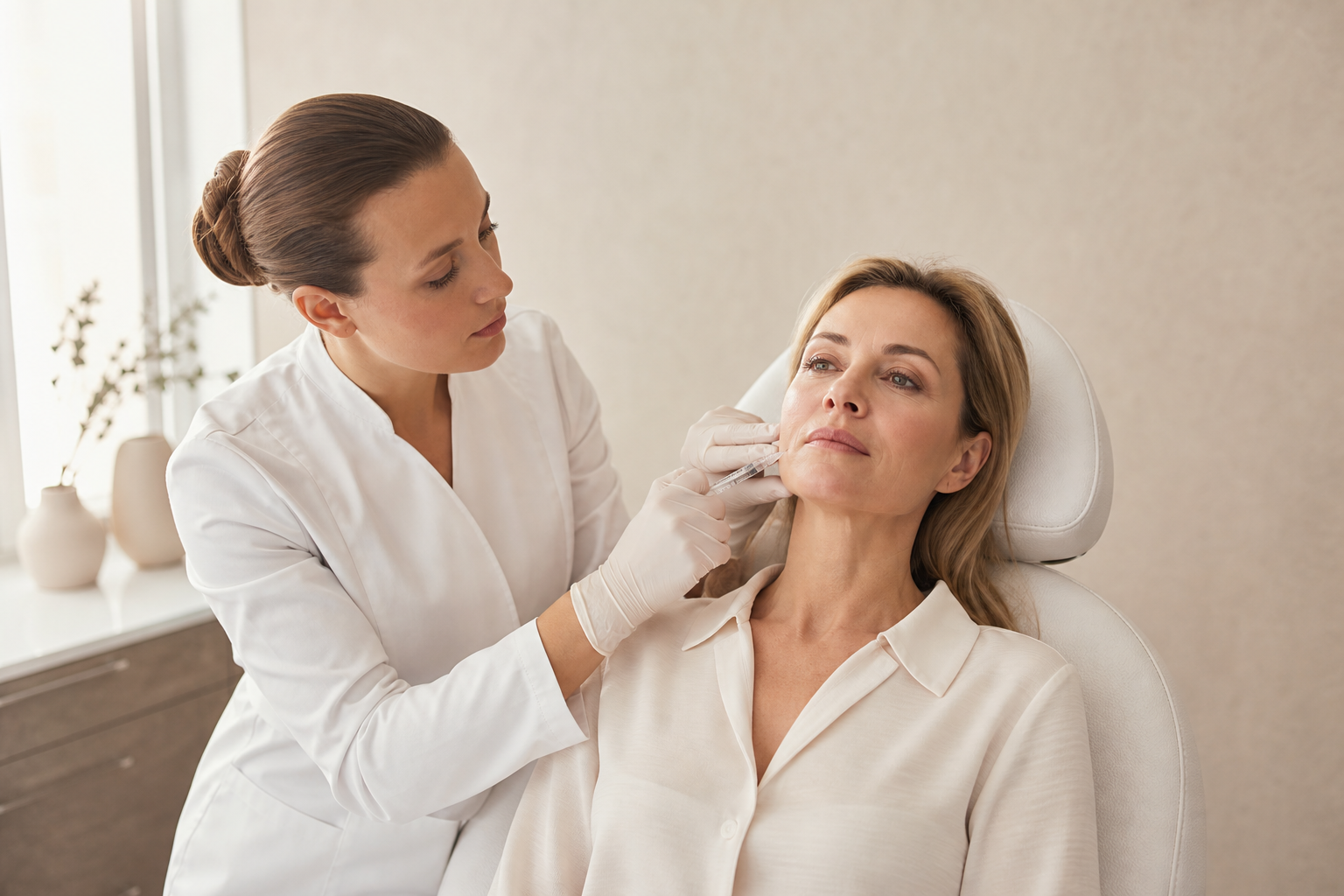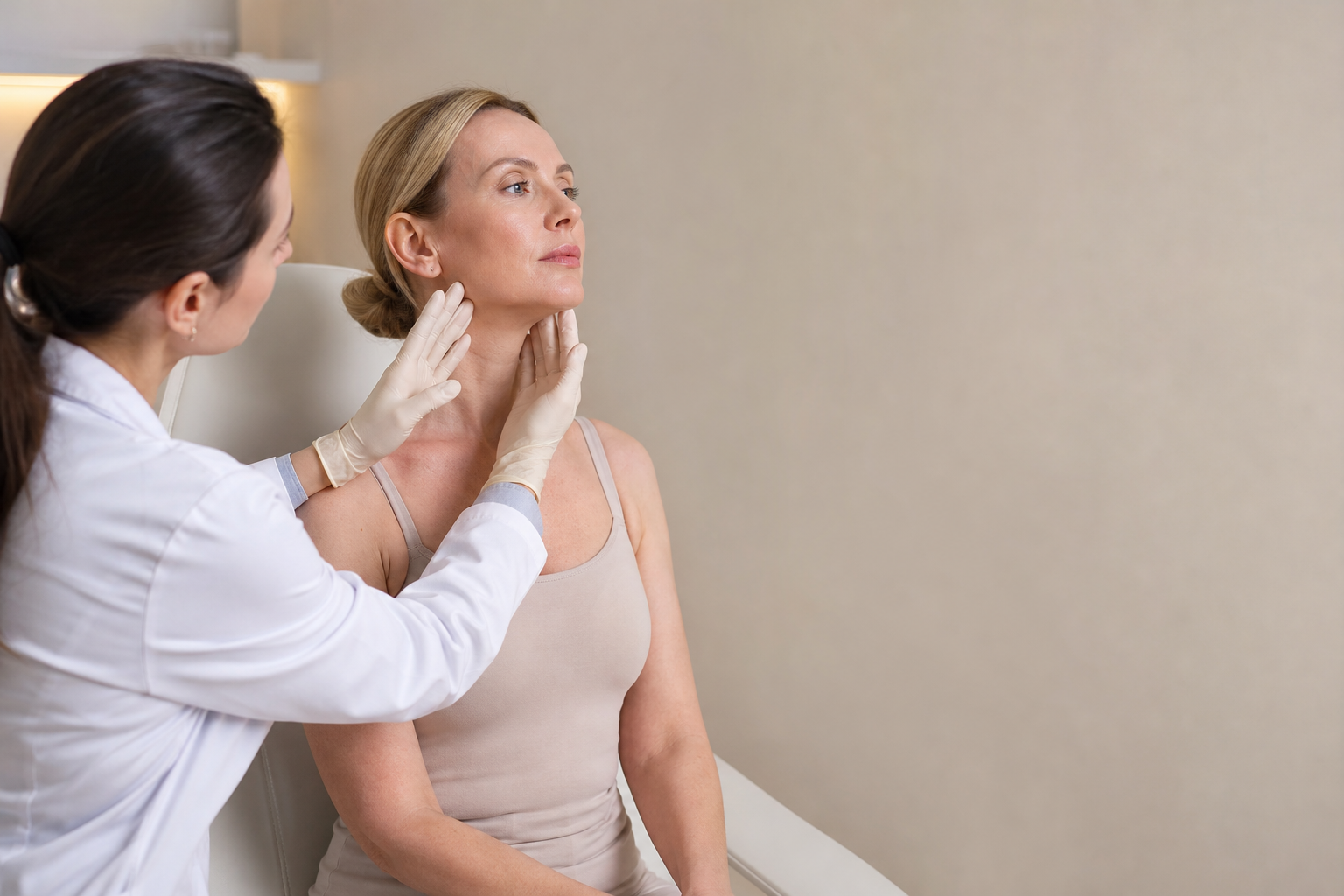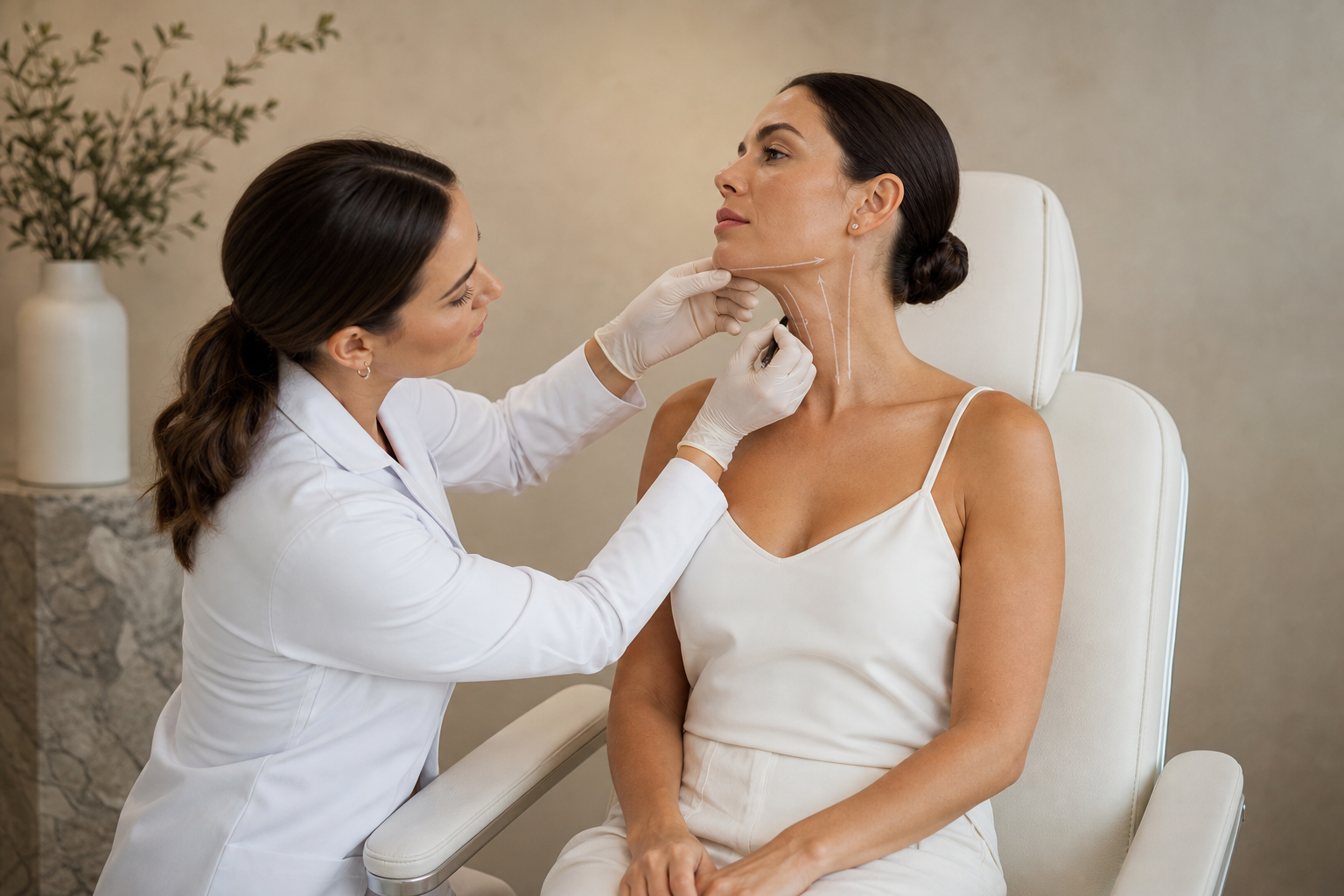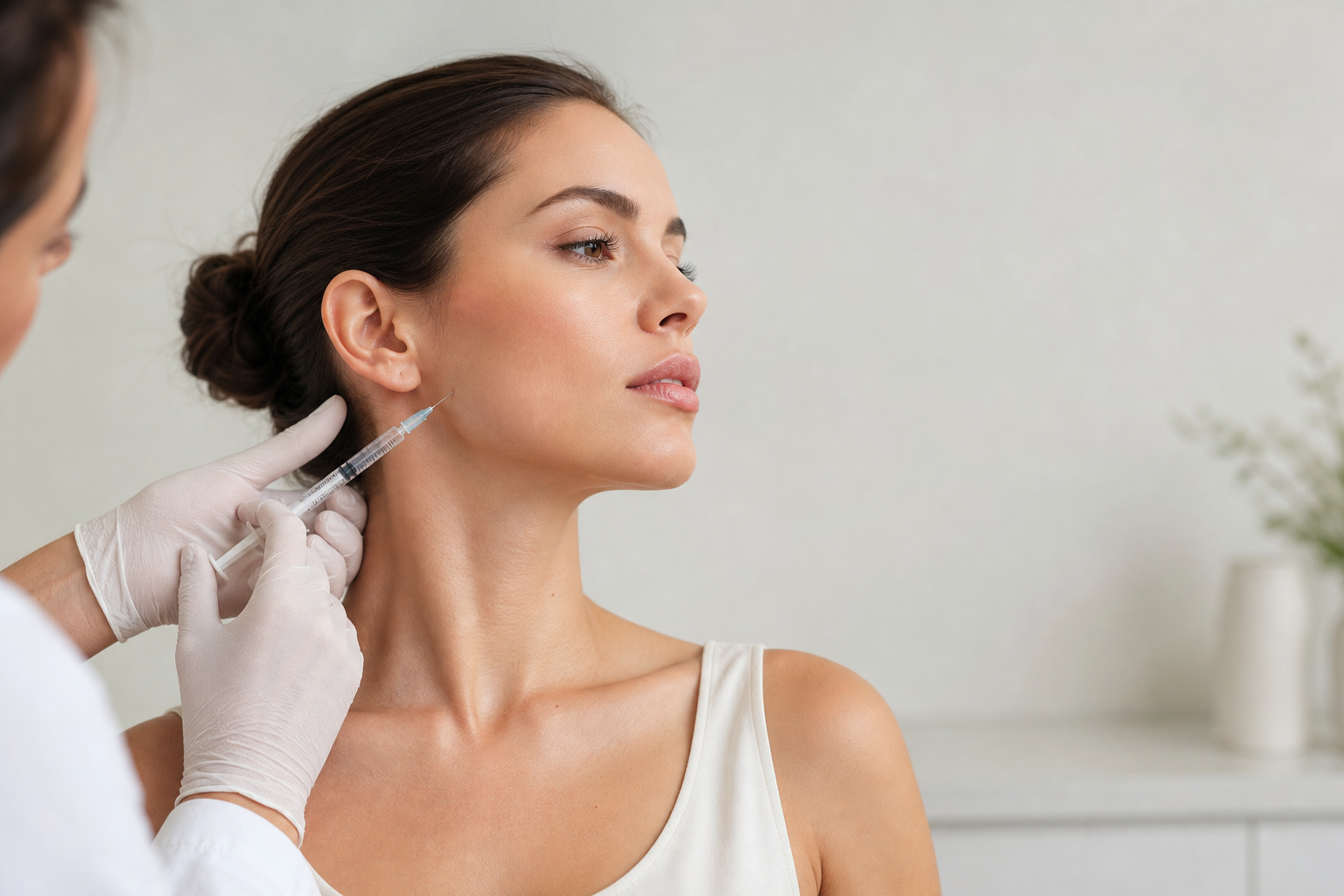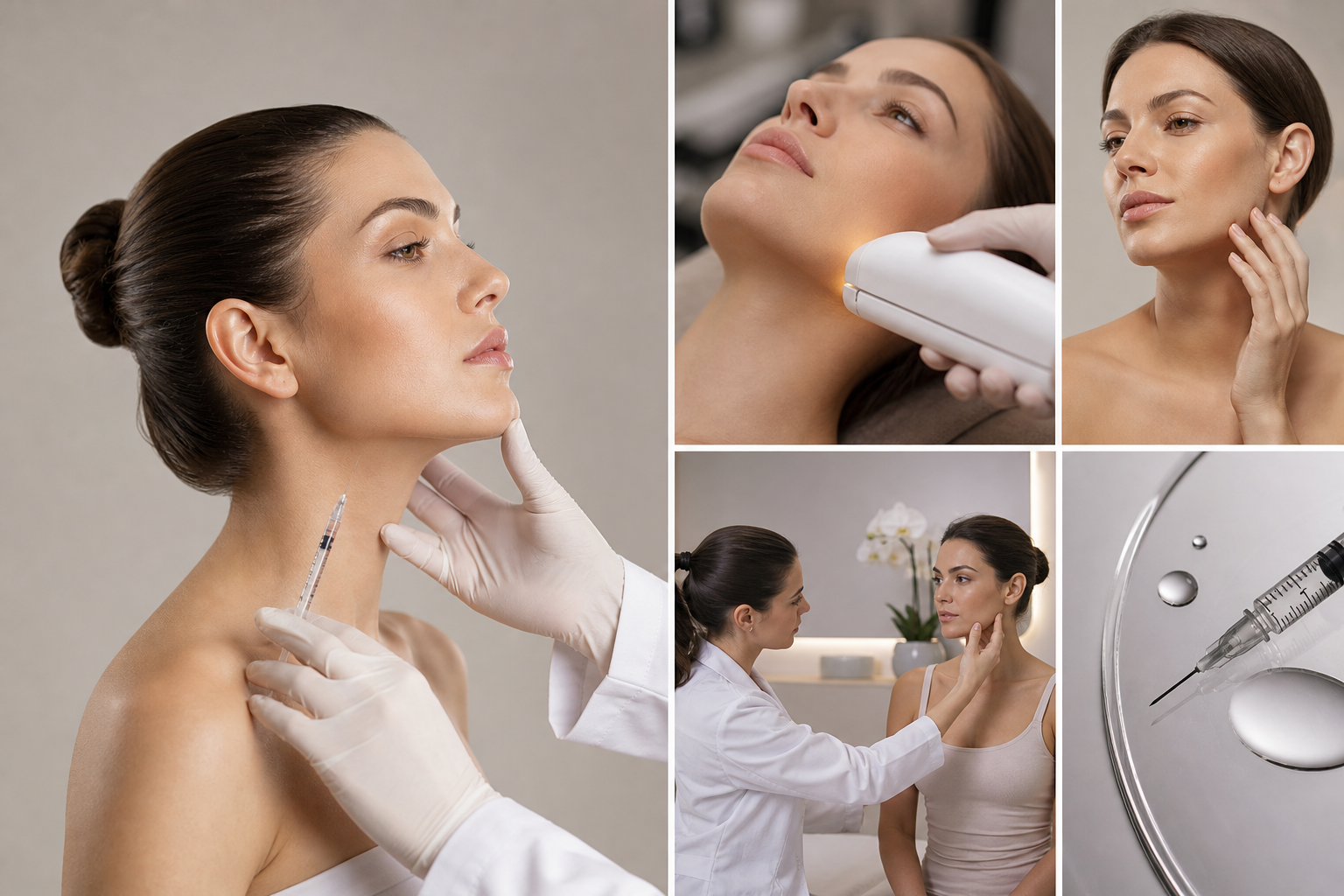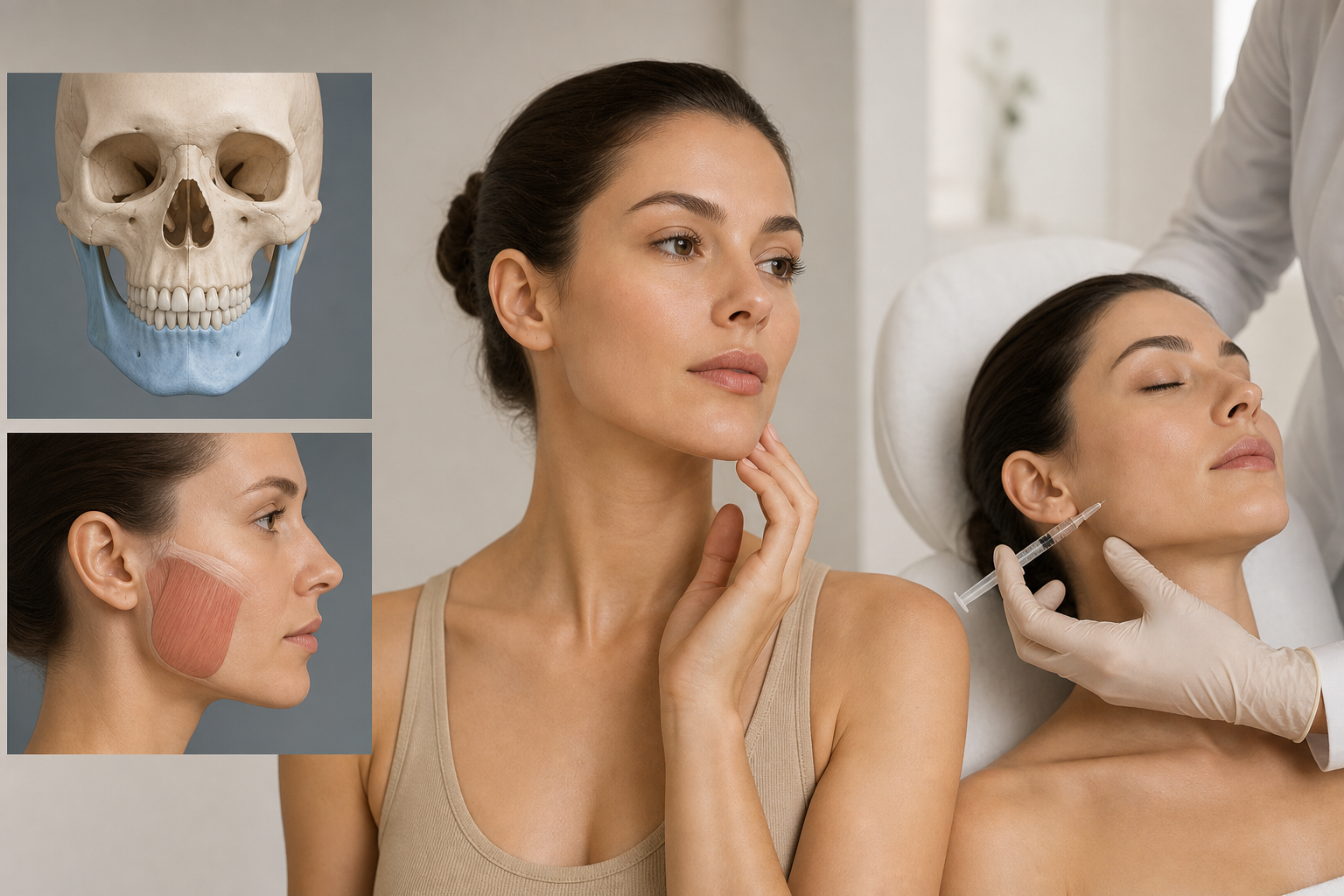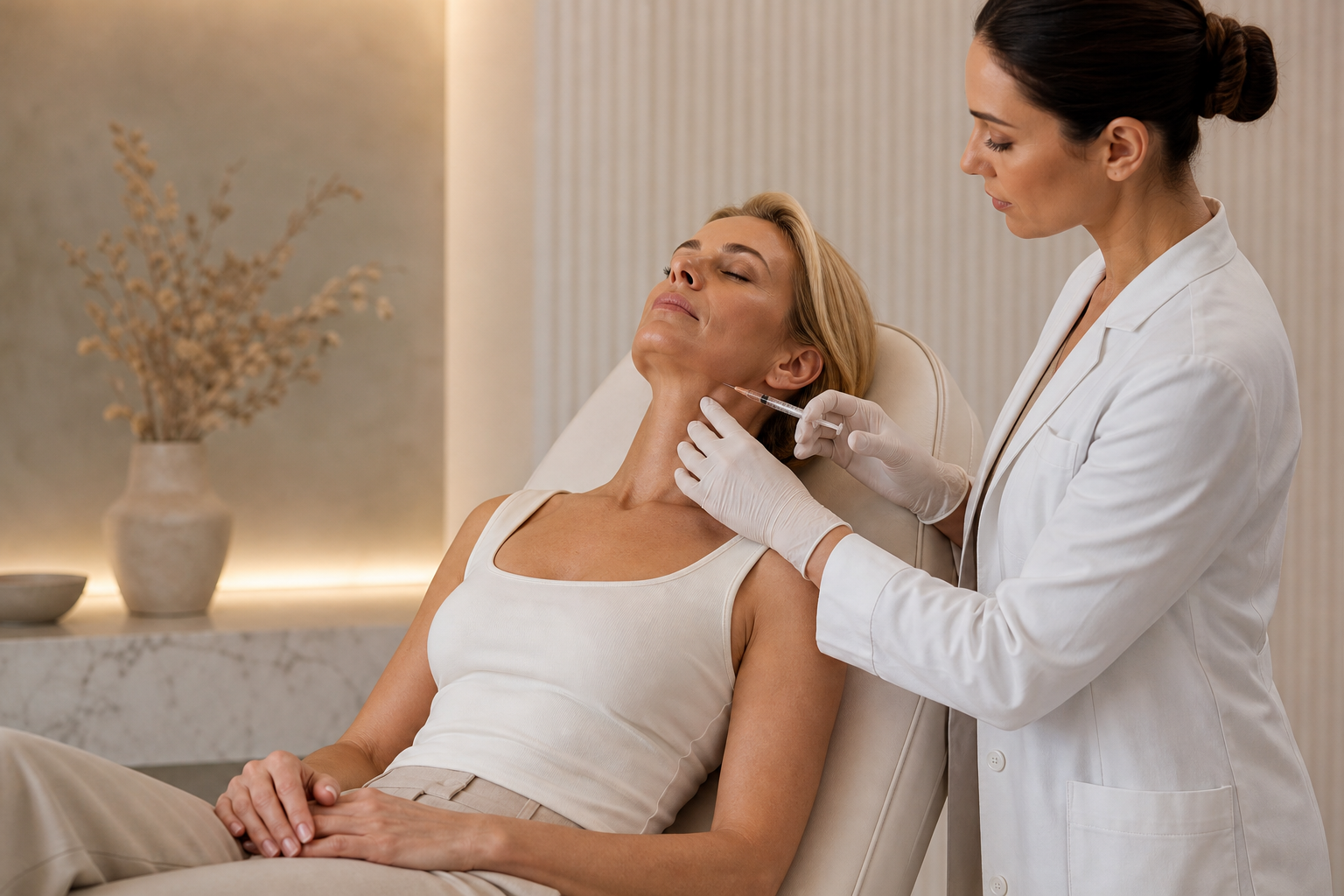
Botox for the lower face and neck represents a sophisticated expansion of the well-known injectable treatment traditionally associated with smoothing wrinkles on the forehead, around the eyes, or between the brows. While its conventional use has been largely confined to these upper facial areas, the application in the lower face and neck is now recognized for its multifaceted aesthetic benefits and the nuanced expertise it requires. This treatment caters to individuals seeking to refine the contours of their jawline, alleviate signs of aging around the mouth and chin, and rejuvenate the delicate skin of the neck. More than just wrinkle reduction, it offers a subtle reshaping and enhancement that respects the natural expressions and dynamics of these often challenging regions.
The significance of Botox in these areas lies not only in its capacity to improve physical appearance but also in its ability to boost self-confidence and overall wellbeing. The lower face and neck frequently display the earliest visible signs of aging, such as sagging skin, deepening folds, and muscle bands, which can contribute to a tired or aged look. Targeted Botox treatments offer a minimally invasive option for patients unwilling or unable to undergo surgical procedures, providing a path to refreshment that harmonizes with their individual anatomy and aesthetic goals.
Understanding the potential and limitations of Botox in lower face and neck treatments is essential. This editorial will delve into the anatomical considerations, treatment techniques, expected outcomes, and safety precautions surrounding this topic. Whether you are a seasoned aesthetic practitioner seeking to broaden your expertise or a discerning patient evaluating your options, this comprehensive overview aims to equip you with informed perspectives on Botox as an advanced, tailored intervention for lower facial and neck rejuvenation.