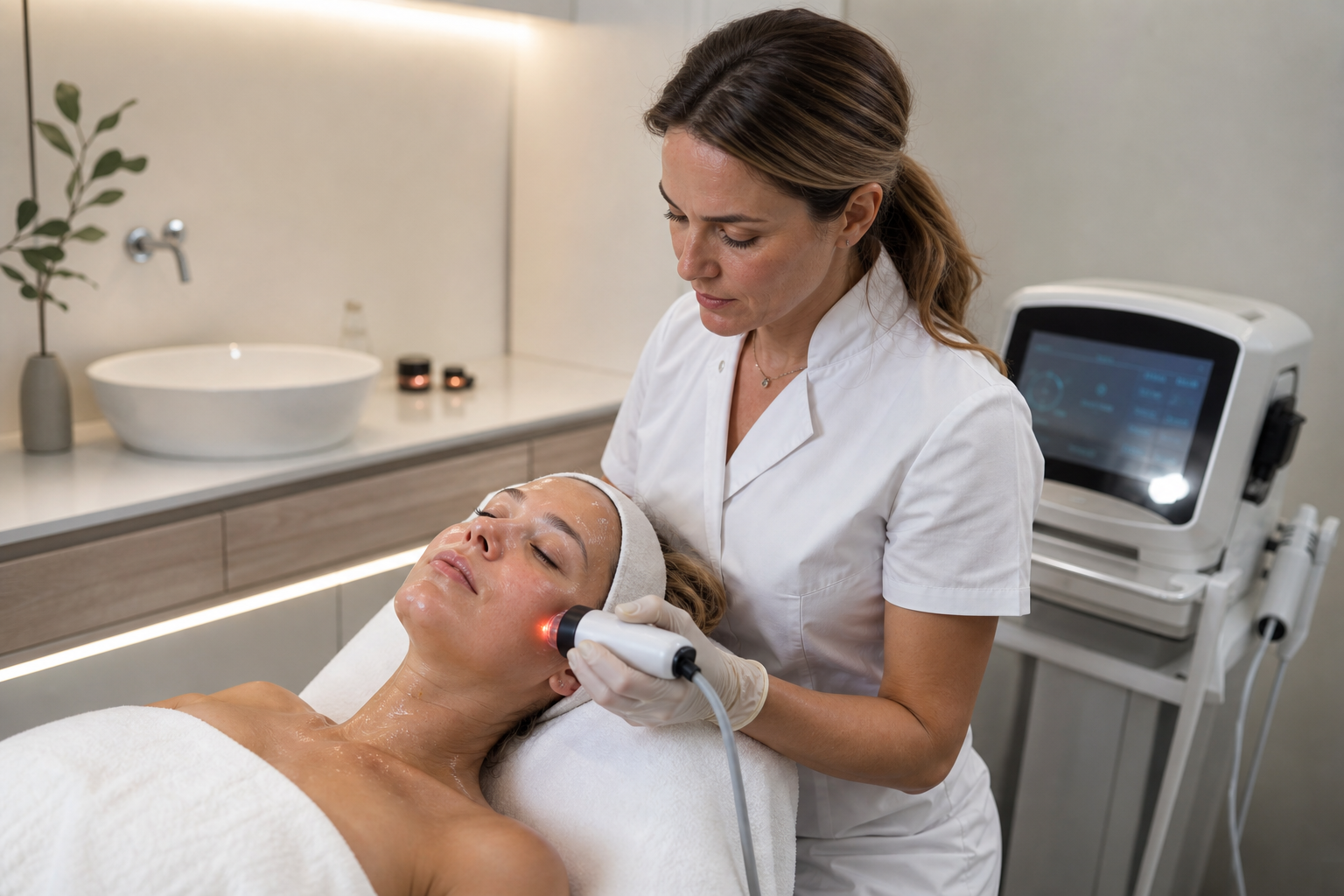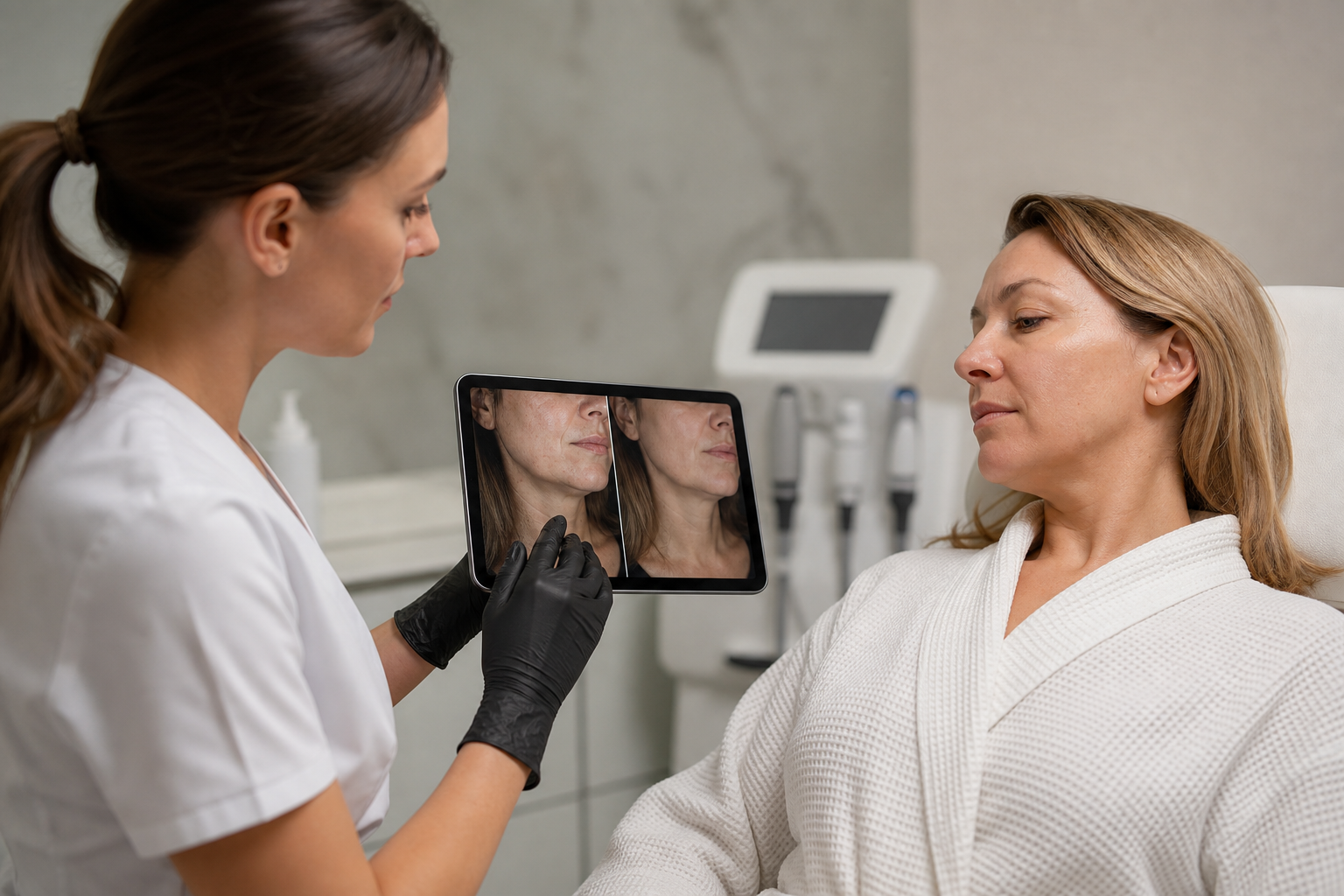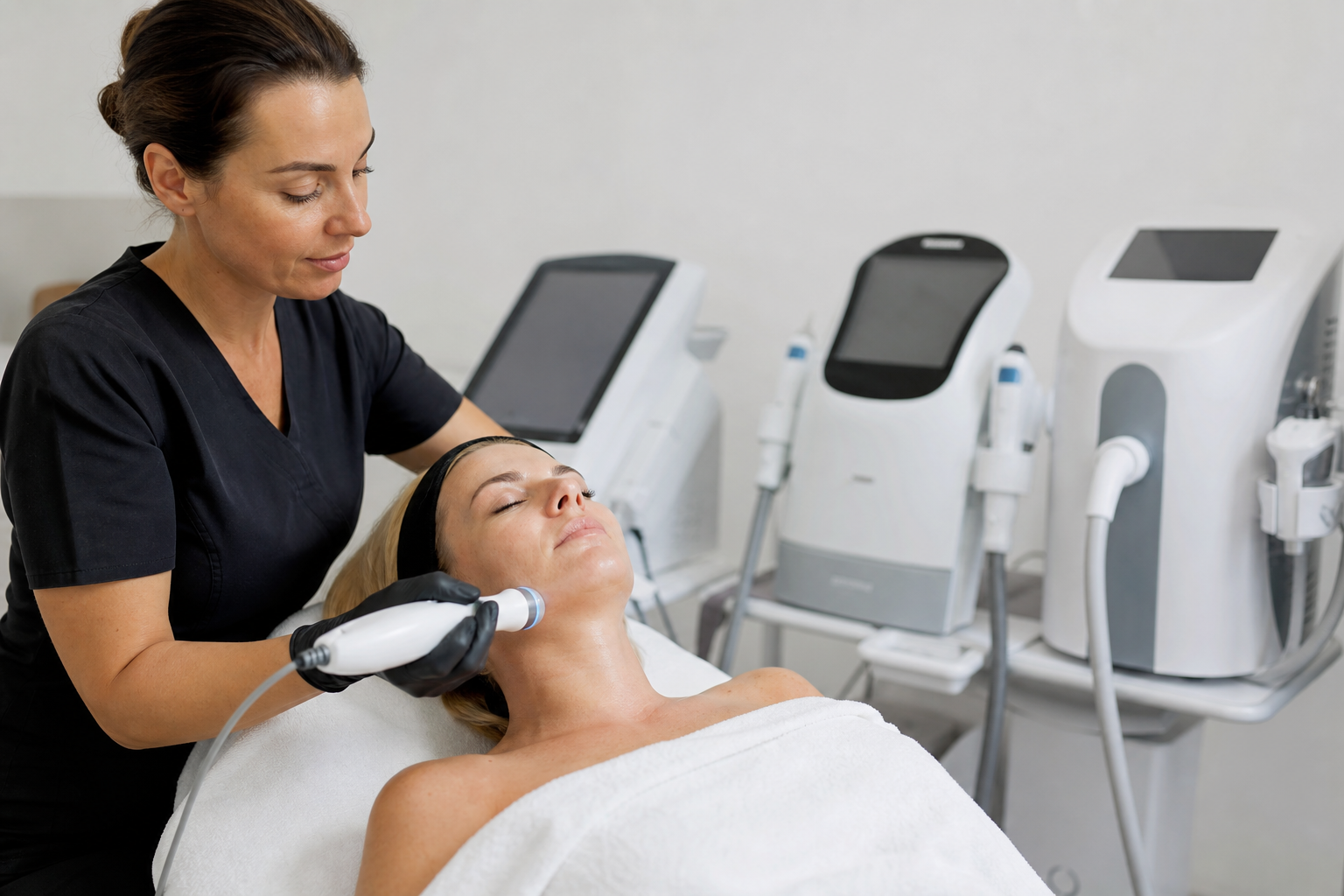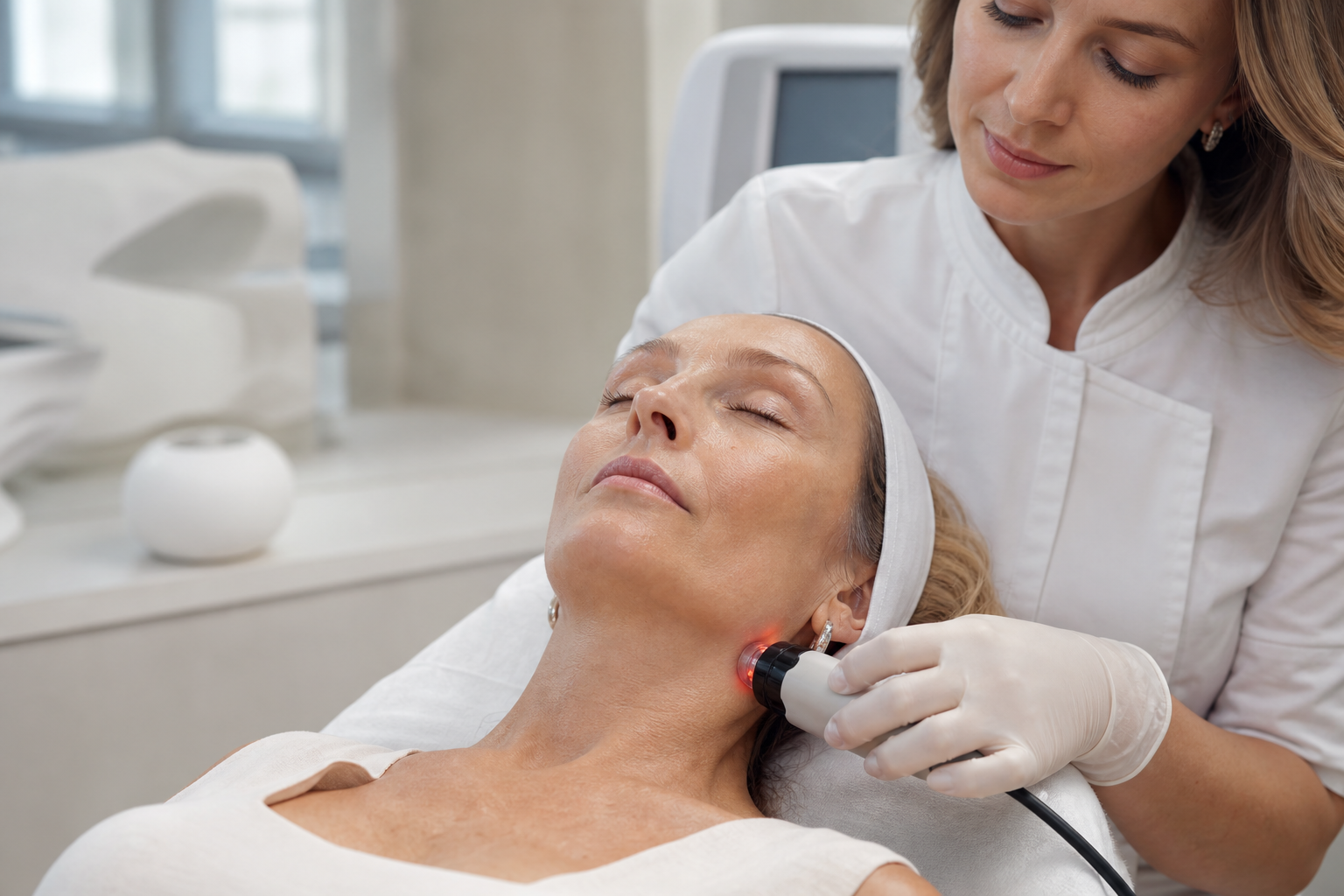
RF wrinkle treatment, also known as radiofrequency (RF) lifting, offers a contemporary solution for individuals seeking to address signs of aging without resorting to surgery. In an era where aesthetic enhancements are commonplace yet many prefer subtle, natural outcomes, RF technology stands out for its non-invasive approach to skin tightening. This method leverages controlled radiofrequency energy to stimulate the skin’s deeper layers, encouraging collagen and elastin production — the proteins crucial for maintaining youthful firmness and elasticity.
This treatment is ideal for those with mild to moderate wrinkles, early skin laxity, or individuals looking to rejuvenate their complexion without downtime or the risks associated with invasive procedures. Understanding the mechanics, types, and realistic outcomes of RF wrinkle treatments is vital to making an informed decision that aligns expectations with achievable results.
In this comprehensive article, we explore what RF wrinkle treatment entails, who can benefit most from it, the different forms it can take, and the scope of improvements you can realistically expect. Readers interested in facial RF lifting, options for mild facial skin laxity, or solutions for contouring areas such as the jawline and double chin will find detailed insights throughout. The goal is to provide a clear, evidence-based perspective on how RF treatments fit into the modern landscape of skin rejuvenation.
What Is Radiofrequency Wrinkle Treatment and How Does It Function?
Radiofrequency wrinkle treatment utilizes electromagnetic waves in the range of approximately 0.3 to 10 megahertz, which penetrate beneath the skin's surface to deliver controlled thermal energy. Unlike surface-level treatments that risk damaging the epidermis, RF energy selectively heats the dermis and subcutaneous tissues. This heating process triggers fibroblast activation — the specialized cells responsible for synthesizing collagen and elastin.
Collagen provides structural support to the skin, while elastin contributes to its resilience and bounce. With age, both proteins diminish, resulting in fine lines, wrinkles, and sagging. By reactivating these cellular processes, RF therapy promotes remodeling of the skin architecture, leading to firmer, tighter, and more elastic skin over time.
The treatment is typically well tolerated, with patients feeling a gentle warming sensation during sessions. Because RF bypasses the outer skin barrier, it avoids redness, peeling, or significant irritation commonly associated with more aggressive interventions, making it suitable for a wide variety of skin types, including sensitive skin.
Who Is the Ideal Candidate for RF Wrinkle Treatment?
RF wrinkle treatments are particularly suited to adults who are beginning to notice mild to moderate signs of aging, such as superficial wrinkles, slight skin laxity, and loss of youthful contour. Individuals looking to enhance skin texture, tone, and tightness without downtime or the risks of surgery find RF procedures attractive.
It is also a valuable option for those who might not be suitable candidates for invasive procedures, including individuals with certain health conditions, those on medications that affect healing, and people with contraindications to surgery or anesthesia. Moreover, busy professionals or anyone unable to commit to lengthy recovery periods appreciate the minimal disruption RF treatments present.
However, patients with severe skin laxity, deep wrinkles, or significant volume loss may require more comprehensive or combined treatments to achieve their goals. Additionally, RF procedures are not recommended for pregnant women, individuals with pacemakers or certain implanted electronic devices, and those with active skin infections or disorders interfering with treatment safety.
Different Types of RF Technologies Used in Wrinkle Treatment
The term "RF lifting" encompasses several distinct technologies designed to tighten and rejuvenate skin via radiofrequency energy. Each variant differs in invasiveness, depth of penetration, and targeted indications.
Noninvasive RF: This method heats superficial layers of the skin without breaking the surface. It suits patients with early signs of aging and aims to enhance overall skin tone and texture with gradual improvements after several sessions.
Fractional RF: In this approach, radiofrequency energy is delivered in micro bursts to precise sections of the skin, stimulating collagen remodeling more intensively but selectively, minimizing downtime and side effects.
RF Microneedling: Combining microneedle penetration with radiofrequency, this minimally invasive treatment channels energy into the dermis, accelerating collagen production and remodeling. It is especially effective for treating deeper wrinkles, skin laxity, and scarring.
Minimally Invasive RF Procedures: Utilizing specialized probes or needles that penetrate deeper, these treatments can offer more substantial skin tightening results, serving as alternatives to surgical facelifts for some patients. They may involve short recovery times and are generally tailored by experienced clinicians.
What Improvements Can You Expect From RF Wrinkle Treatment?
RF wrinkle treatments produce a number of measurable improvements, particularly in cases of mild to moderate aging signs. Patients typically observe gradual skin tightening and firmer texture as collagen production is stimulated.
Fine lines and wrinkles commonly become less visible, and areas like the jawline and lower face show improvement in contour and definition. The skin often appears more luminous and evenly toned, with some reduction in pigmentation irregularities.
Importantly, these changes develop over weeks to months following treatment, reflecting the natural time course of collagen synthesis and tissue remodeling. RF therapy is therefore not a quick fix but a process of gentle rejuvenation.
While RF does not replace surgical facelifts or correct severe volume loss, the natural enhancements it offers suit individuals seeking subtle yet meaningful anti-aging effects without surgery.
How Is the RF Wrinkle Treatment Session Conducted and What Is the Recovery Like?
Treatment sessions typically last between 30 and 60 minutes, depending on the area targeted and the specific RF technology employed. Prior to treatment, the skin is cleansed thoroughly, and a conductive gel or serum is applied to facilitate RF energy transmission and optimize comfort.
During the procedure, a handheld device emits radiofrequency waves that gently heat the deeper layers of the skin. Patients usually experience a warming sensation which is well tolerated and rarely painful. Skilled practitioners adjust device settings based on individual skin characteristics and treatment goals.
Post-treatment, some redness or slight swelling may appear but generally subsides within hours to a couple of days. Since the surface skin remains intact, there is no need for special downtimes or recovery protocols, allowing patients to resume normal activities immediately.
Multiple sessions spaced over weeks are often recommended to achieve optimal and lasting results. Maintenance treatments may also be advised to prolong benefits.
How Should One Choose the Right RF Treatment and Specialist?
Selecting an appropriate RF treatment depends on your skin’s current condition, aging concerns, and aesthetic goals. Consulting with a board-certified dermatologist or licensed aesthetic physician experienced in various RF technologies is essential. They can assess your skin, discuss realistic outcomes, and recommend the modality best suited for you, whether it be noninvasive RF, fractional RF, RF microneedling, or minimally invasive procedures.
Equally important is choosing a reputable clinic using FDA-approved or medically certified devices operated by practitioners with proven expertise. This ensures safety, maximizes treatment efficacy, and minimizes risks.
Informed discussions regarding risks, benefits, costs, and alternative options can empower you to make confident decisions about your skin health and aesthetic objectives.
Common Questions and Concerns About RF Wrinkle Treatment
Does RF treatment hurt? Most patients report only mild warmth and discomfort during the procedure, which is generally well tolerated without anesthesia.
How many treatments are needed? Typically, a series of 3 to 6 sessions spaced several weeks apart is recommended for cumulative improvements.
Are the results permanent? Results last longer with good skincare and healthy lifestyle choices but are not permanent. Maintenance sessions help sustain benefits.
Can RF treatment be combined with other procedures? Yes, RF can complement injectable fillers, Botox, or topical therapies to provide a comprehensive anti-aging regimen.
Is RF safe for all skin types? It is safe for most skin types, including darker skin tones, since RF does not rely on pigment absorption like lasers.