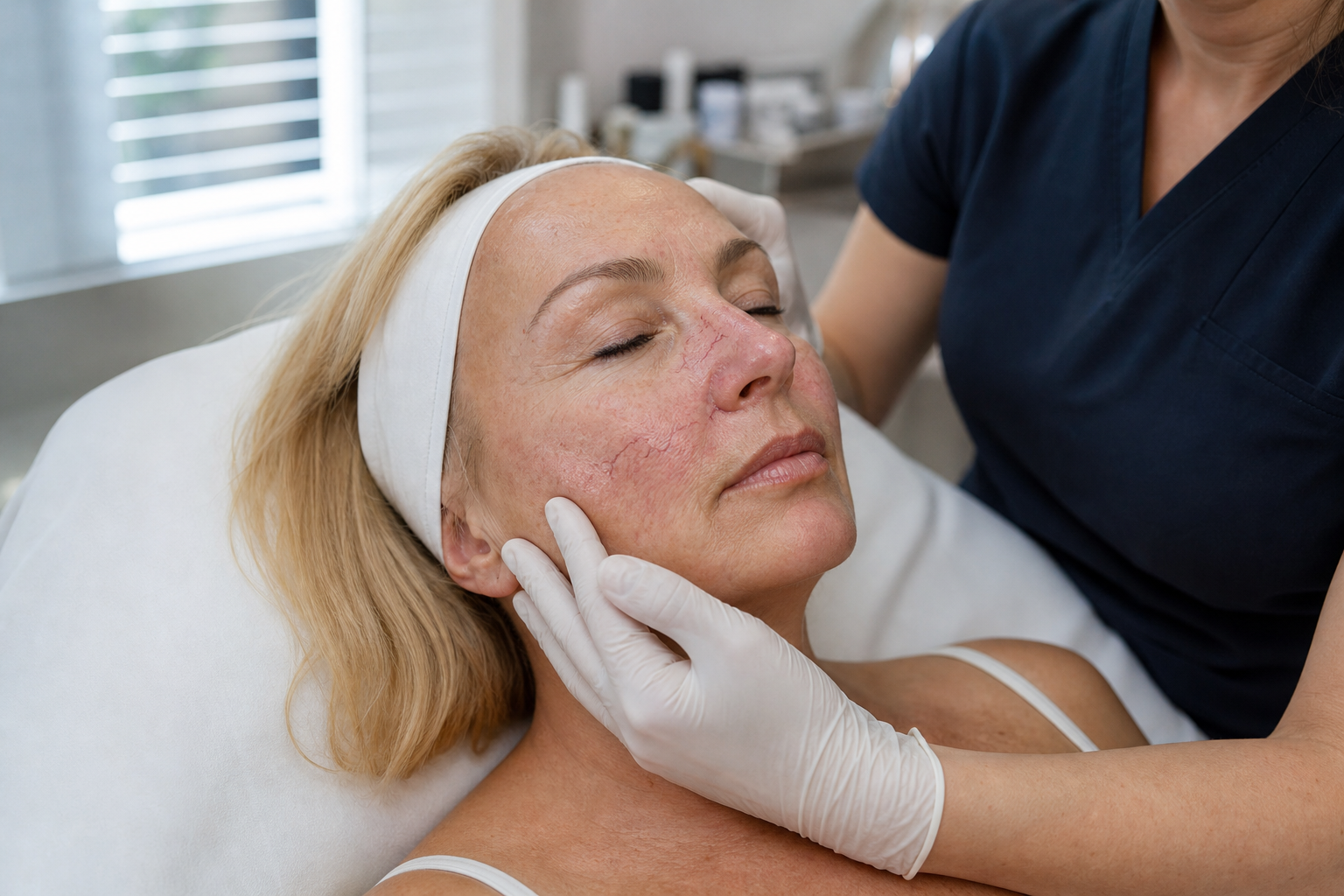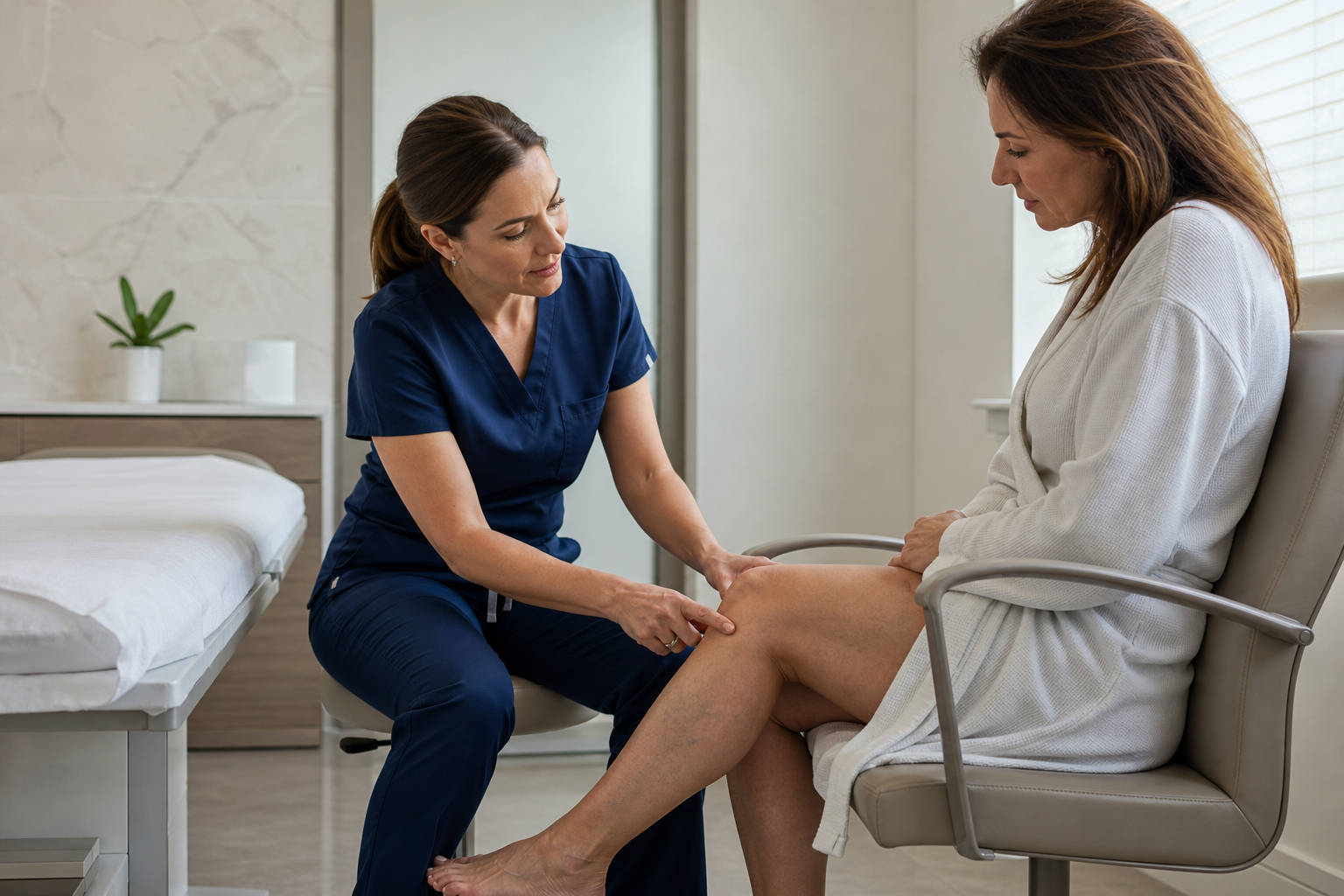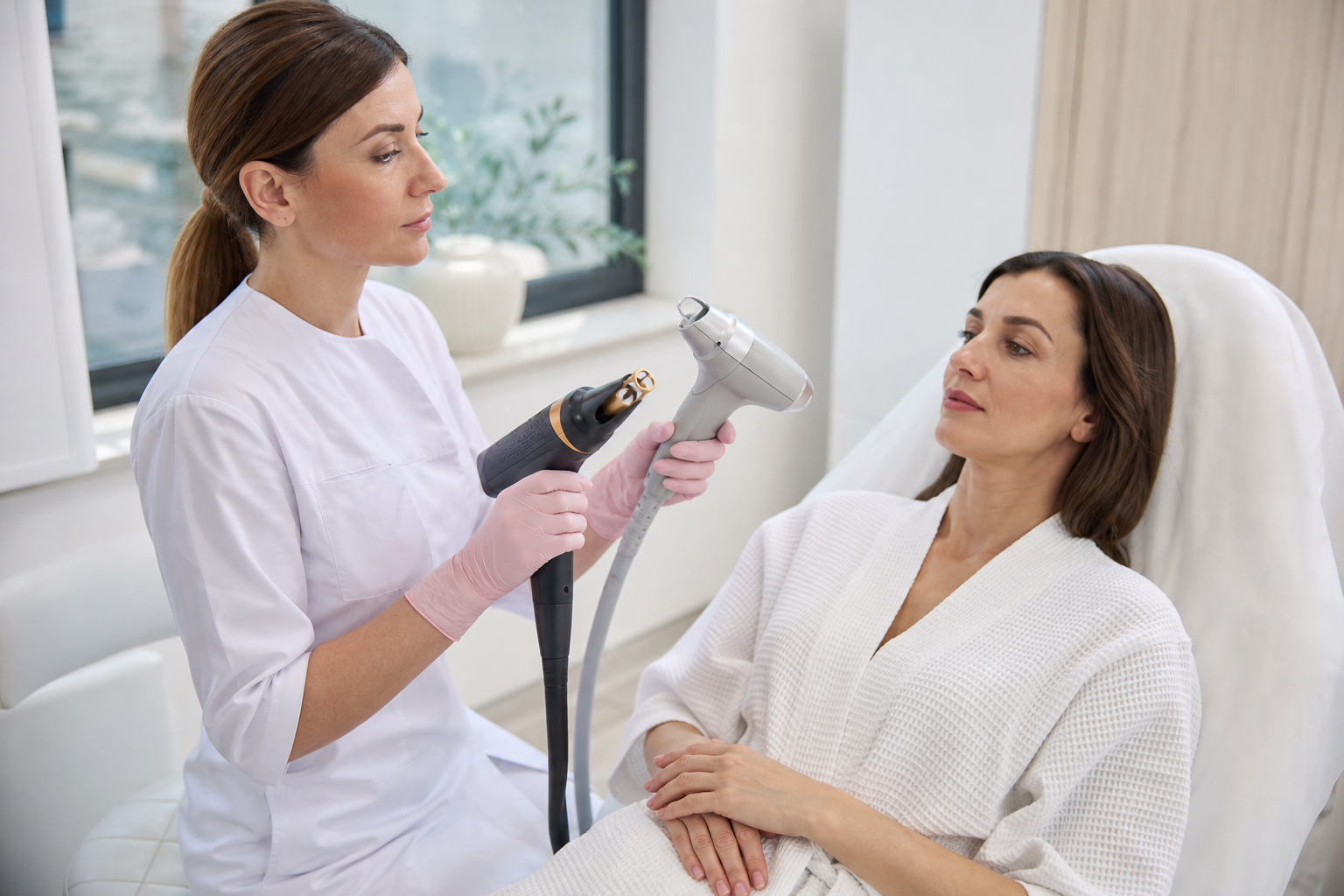
Visible capillaries, commonly referred to as spider veins or broken blood vessels, are a frequent concern for individuals seeking clearer, more even-toned skin. These tiny red or purple vessels can appear prominently on the face, particularly on the cheeks, nose, and chin, leading to an uneven complexion that affects self-confidence. Laser treatment for capillaries offers a modern, effective solution to reduce or eliminate these visible vessels, restoring the natural appearance of the skin. This advanced vascular laser therapy targets these problematic blood vessels with precision, providing favorable cosmetic outcomes without extensive downtime.
This comprehensive guide outlines everything patients should know about laser treatment for capillaries—from initial consultation and preparation through the procedure itself to the recovery phase. By understanding what to expect every step of the way, individuals considering this treatment can approach it with confidence and realistic expectations. Whether you are troubled by persistent redness, visible veins, or want to address capillary damage caused by sun exposure or skin sensitivity, this article provides a detailed overview to help you make informed decisions.
Laser treatment for visible vessels and redness is especially relevant for adults experiencing rosacea, skin thinning, post-sun damage effects, or those genetically predisposed to vascular pigmentation disorders. Given its precision and safety, the procedure appeals to those seeking an efficient, minimally invasive method for vascular correction compared to surgical or topical alternatives. This in-depth exploration covers key facets such as how to prepare for vascular laser treatment, what the procedure entails, common sensations during therapy, and typical post-treatment effects including redness and swelling, ensuring a thorough understanding before committing to the process.
What Is Laser Treatment for Visible Capillaries and How Does It Work?
Laser treatment for capillaries, often termed vascular laser therapy, utilizes controlled bursts of laser energy aimed at dilated or damaged blood vessels visible beneath the skin's surface. The laser wavelength is carefully selected to target hemoglobin, the pigment in red blood cells, without harming surrounding skin tissues. When the laser energy is absorbed by the blood vessels, it causes them to coagulate and gradually be reabsorbed by the body, leading to a reduction or complete disappearance of the visible vessels.
This selective photothermolysis allows for precision targeting of problematic vessels with minimal trauma, enabling not only cosmetic improvement but also reducing associated symptoms such as flushing or persistent redness. Several types of lasers are employed depending on the vessel size and skin type, including pulsed dye lasers, Nd:YAG lasers, and intense pulsed light (IPL) devices adapted for vascular applications. Each technology offers specific benefits, with physicians customizing treatment parameters for optimal safety and efficacy.
Laser capillary removal is a non-invasive outpatient procedure generally well-tolerated and preferred over surgical options for its simplicity and minimal recovery time. The extent of clearance depends on factors such as vessel size, depth, and individual skin response, often requiring multiple sessions for best results. It effectively addresses conditions like rosacea-related vessels, spider veins on the nose and cheeks, broken capillaries from injuries, and diffuse facial redness.
Who Can Benefit from Vascular Laser Treatment?
Laser therapy for capillaries is suitable for individuals with visible red or purple blood vessels affecting their facial appearance. Common candidates include those with persistent facial redness due to rosacea, sun-induced capillary damage, or hereditary predisposition to fragile skin capillaries. Patients experiencing cosmetic distress from spider veins or those who find makeup inadequate to mask redness may find the treatment advantageous.
While most skin types can undergo vascular laser procedures, people with darker skin tones require careful evaluation to minimize risks of pigmentary changes. A thorough pre-treatment assessment by a qualified specialist helps determine candidacy, taking into account skin type, medical history, and the extent of vascular lesions. Patients with active skin infections, recent sunburn, or certain photosensitive conditions may be advised to postpone treatment until their skin stabilizes.
It is also important for potential candidates to have realistic expectations regarding outcomes, understanding that complete eradication of all visible vessels might not always be achievable in one session. Nonetheless, significant improvement in redness and vessel visibility is commonly reported, enhancing skin uniformity and patient satisfaction.
How to Prepare for Vascular Laser Treatment
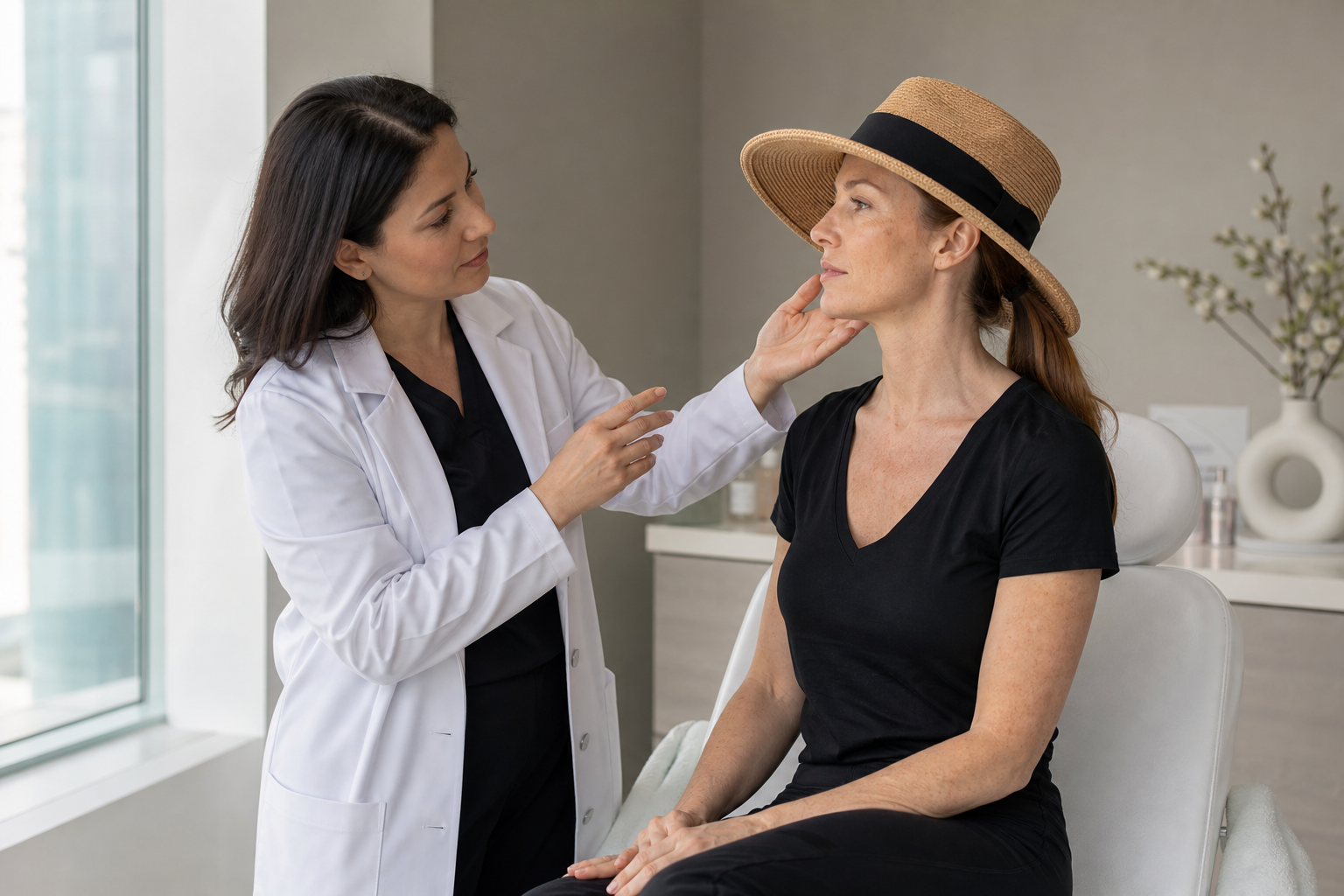
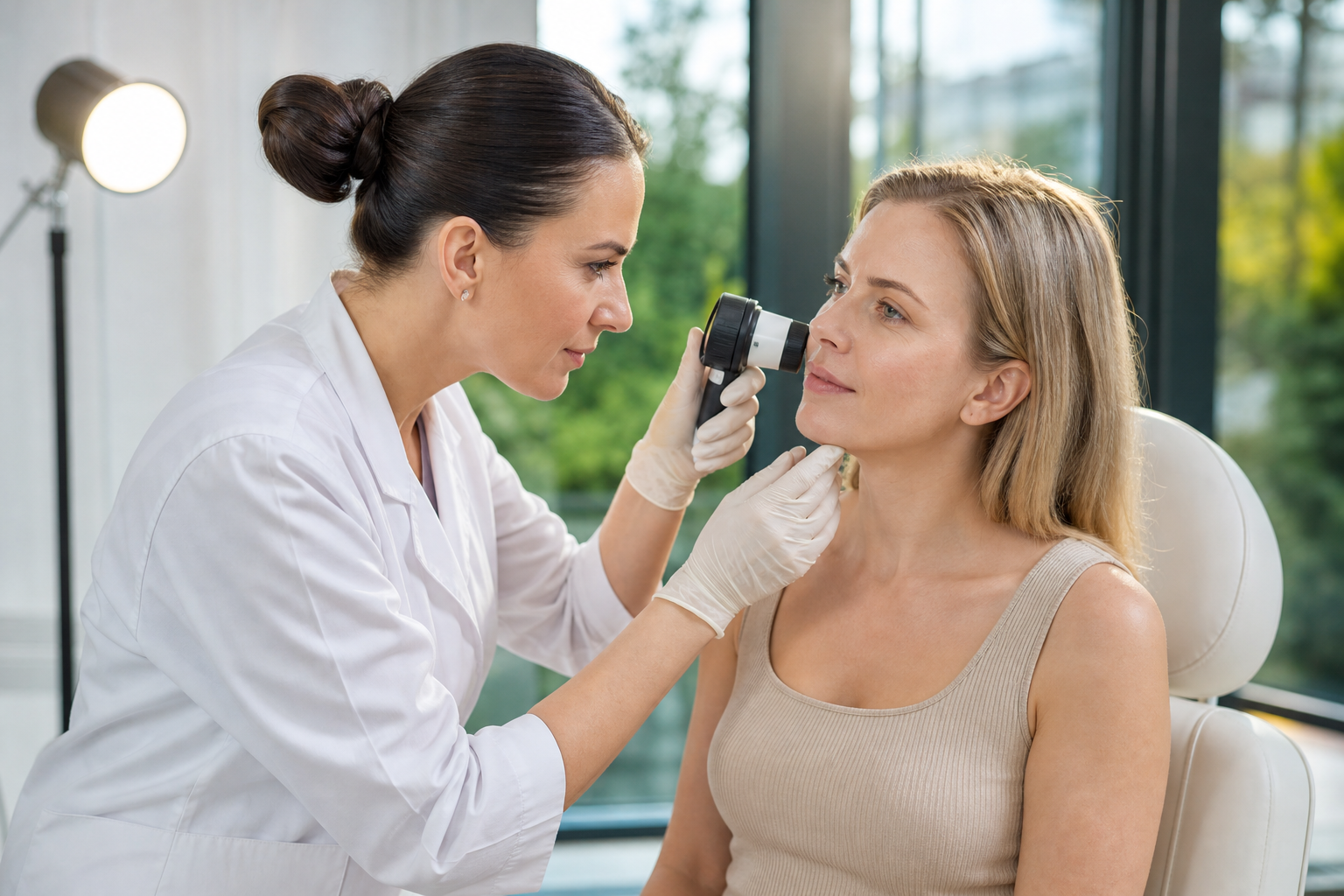
Proper preparation before laser capillary removal maximizes treatment success while minimizing side effects. Initially, a detailed consultation with a dermatologist or laser specialist will involve skin evaluation and discussion of medical history, previous treatments, and lifestyle factors such as sun exposure habits.
Patients should avoid direct sun exposure and tanning beds for at least two weeks before the procedure, as tanned or sunburned skin may increase the risk of complications including hyperpigmentation. Use of broad-spectrum sunscreen during this period is essential. Certain medications and topical agents that increase photosensitivity, such as retinoids or some antibiotics, might need to be paused under medical guidance before treatment.
On the day of the procedure, it is advisable to arrive with clean skin free of makeup, lotions, or perfumes. Patients should consider avoiding blood-thinning supplements or medications in consultation with their healthcare provider to reduce the risk of bruising. Hydrating the skin adequately in the days leading up to treatment can also support a smoother recovery.
What to Expect During Laser Capillary Removal Procedure
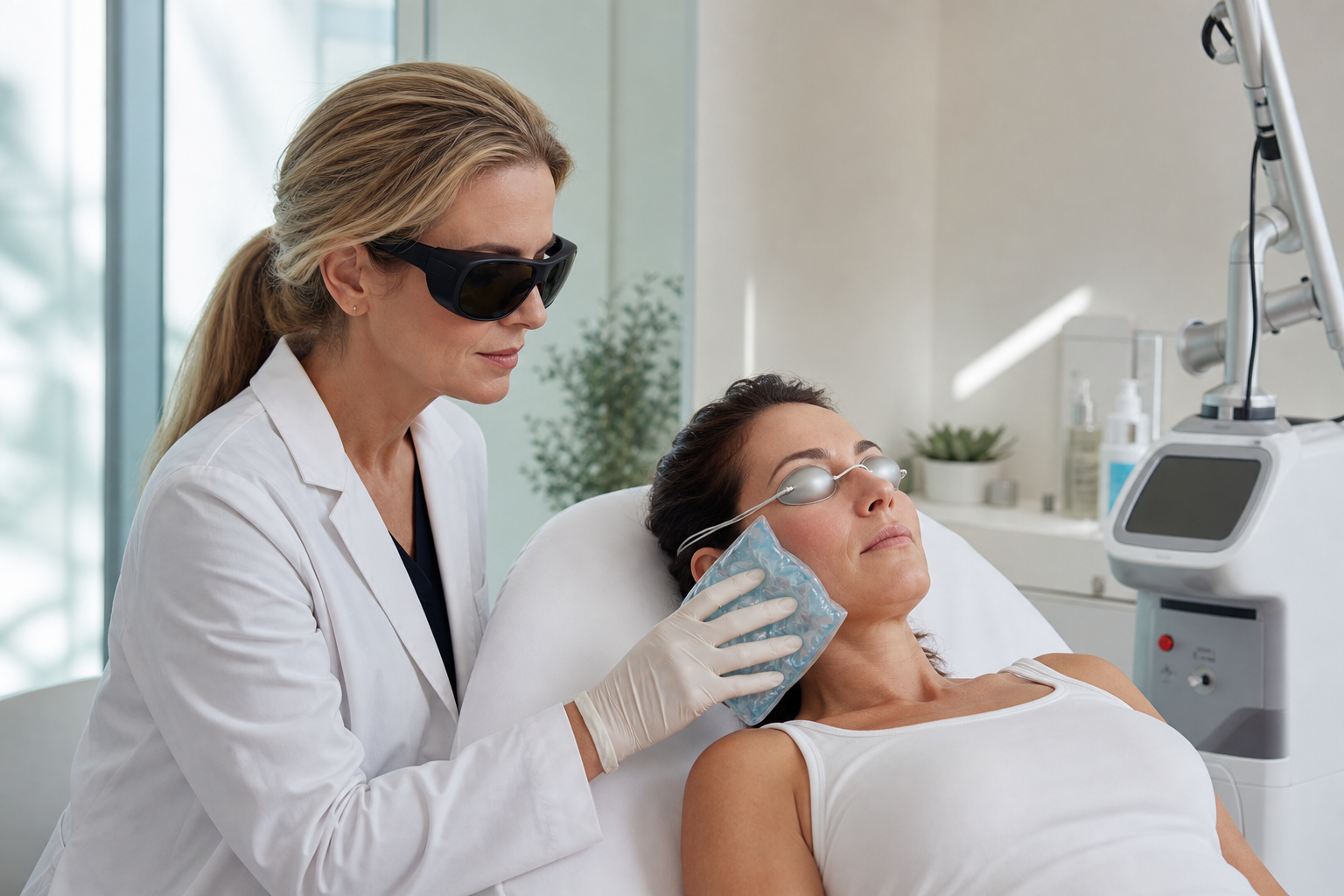
The vascular laser procedure usually takes between 15 to 45 minutes depending on the size and number of treated areas. Patients are typically seated comfortably and protective eyewear is provided to shield the eyes from laser exposure.
The physician uses a handheld laser device to deliver short pulses of light energy onto the targeted capillaries. Patients may feel a mild stinging or snapping sensation comparable to a rubber band flicking against the skin. Some laser systems incorporate cooling mechanisms or topical numbing agents to improve comfort during therapy.
Throughout the session, the practitioner continuously monitors skin response to ensure safe energy delivery. Most patients tolerate the treatment well with minimal discomfort and can resume normal activities almost immediately. The intensity and duration of laser pulses are adjusted depending on skin sensitivity and vessel characteristics to optimize results.
Common Post-Treatment Effects and How to Manage Them
After laser capillary treatment, it is normal to experience some redness that may resemble mild sunburn. This erythema typically diminishes within hours to a few days. In some cases, swelling occurs around the treated vessels but usually resolves quickly without intervention.
Occasionally, purpura or pinpoint bruising can appear due to vascular rupture during the laser session. These blood spots generally fade within one to two weeks. Patients might also notice a temporary darkening of the treated veins, which is a sign that the vessels are healing and gradually being absorbed by the body.
To support recovery, gentle skincare is recommended emphasizing moisturizer use and avoiding exfoliants, harsh cleansers, or abrasive treatments. Makeup application can usually resume after 24 hours to conceal redness. Sun protection is paramount to prevent pigmentation changes, including use of broad-spectrum sunscreens and physical barriers like hats.
Since specific recovery protocols vary based on the laser device and individual factors, it is important to follow personalized instructions given by your physician rather than general timelines. Any unexpected or prolonged side effects should be reported promptly to your healthcare provider.
How Many Treatments Are Typically Needed and How Long Do Results Last?
The number of vascular laser treatments required depends on the severity and extent of the visible capillaries. Many patients achieve significant improvement after two to four sessions spaced four to six weeks apart. Smaller spider veins may clear with fewer treatments, whereas diffuse redness or deeper vessels might necessitate additional procedures for optimal clearance.
Results from laser capillary removal are usually long-lasting, thanks to the destruction and absorption of the treated vessels. However, new capillaries can form over time, especially if underlying conditions like rosacea or sun damage persist. Maintenance treatments may be scheduled annually or as recommended by your specialist to preserve aesthetic outcomes.
Consistency in sun protection and skincare also contributes to prolonging treatment benefits. Understanding that laser therapy addresses existing visible vessels but does not cure the skin conditions causing new vessel formation is key to managing expectations.
Frequently Asked Questions About Laser Treatment for Capillaries
Does laser capillary removal hurt? The sensation is often described as minor discomfort akin to a gentle snapping or pinching. Most patients tolerate it well, and topical anesthesia or cooling devices can be used to minimize pain.
How long does one facial capillary treatment take? Typical sessions last between 15 and 45 minutes depending on the treatment area and complexity.
How long can redness last after vascular laser? Redness generally subsides within hours to a few days, though it might persist longer in sensitive individuals.
What should I apply on my skin after the treatment? Use of soothing moisturizers and sunscreen is recommended, avoiding irritating ingredients until the skin fully heals.
Can I wear makeup after laser treatment? Yes, usually makeup can be applied after 24 hours to camouflage redness or bruising.