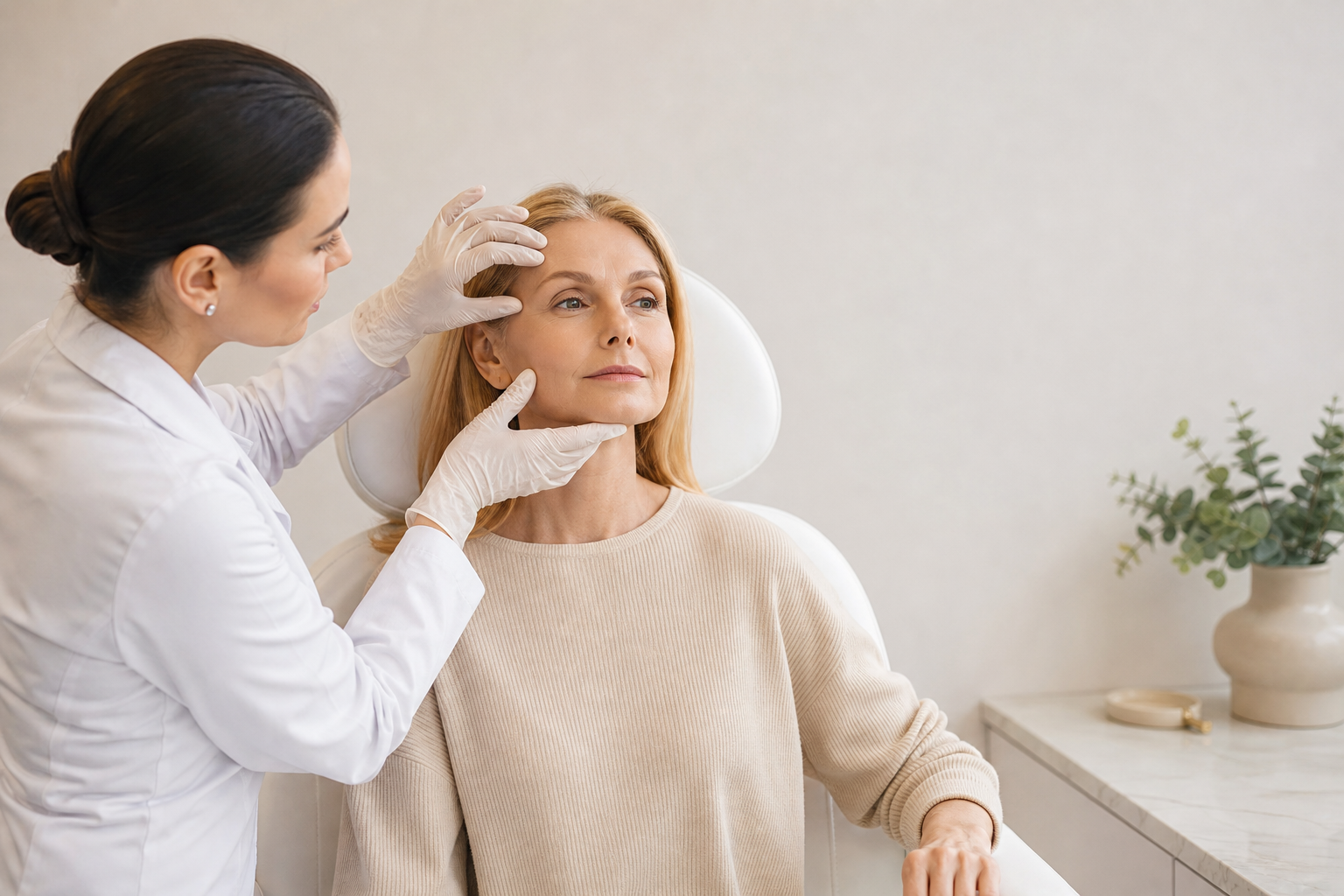
Wrinkles and facial aging are subjects that have captivated both public interest and medical expertise for decades. The natural passage of time leaves its mark predominantly on the face, where fine lines deepen into wrinkles, volumes recede, and skin texture alters visibly. Among the various anti-aging interventions, Botox has emerged as one of the most sought-after treatments to address these signs. However, understanding the place Botox holds within the broader spectrum of facial aging treatments is crucial for patients, practitioners, and anyone considering aesthetic enhancement.
This article is intended for individuals seeking an informed perspective on how Botox integrates into the fight against facial wrinkles and aging. It outlines what Botox is, how it works, its specific advantages and inherent limitations, and how it fits within a comprehensive facial rejuvenation strategy. By exploring the physiological foundations of facial aging and the nuanced action of Botox, the discussion aims to set realistic expectations and emphasize the necessity of personalized medical evaluation.
The significance of this topic lies in the growing popularity of Botox alongside a common misconception that it offers a universal solution. In truth, Botox's effectiveness depends on wrinkle type, skin condition, and individual anatomy, making a tailored approach indispensable. Recognizing where Botox suits well and where alternative or complementary therapies are needed promotes patient safety, satisfactory outcomes, and long-term skin health.
The Biological Underpinnings of Wrinkles and Facial Aging
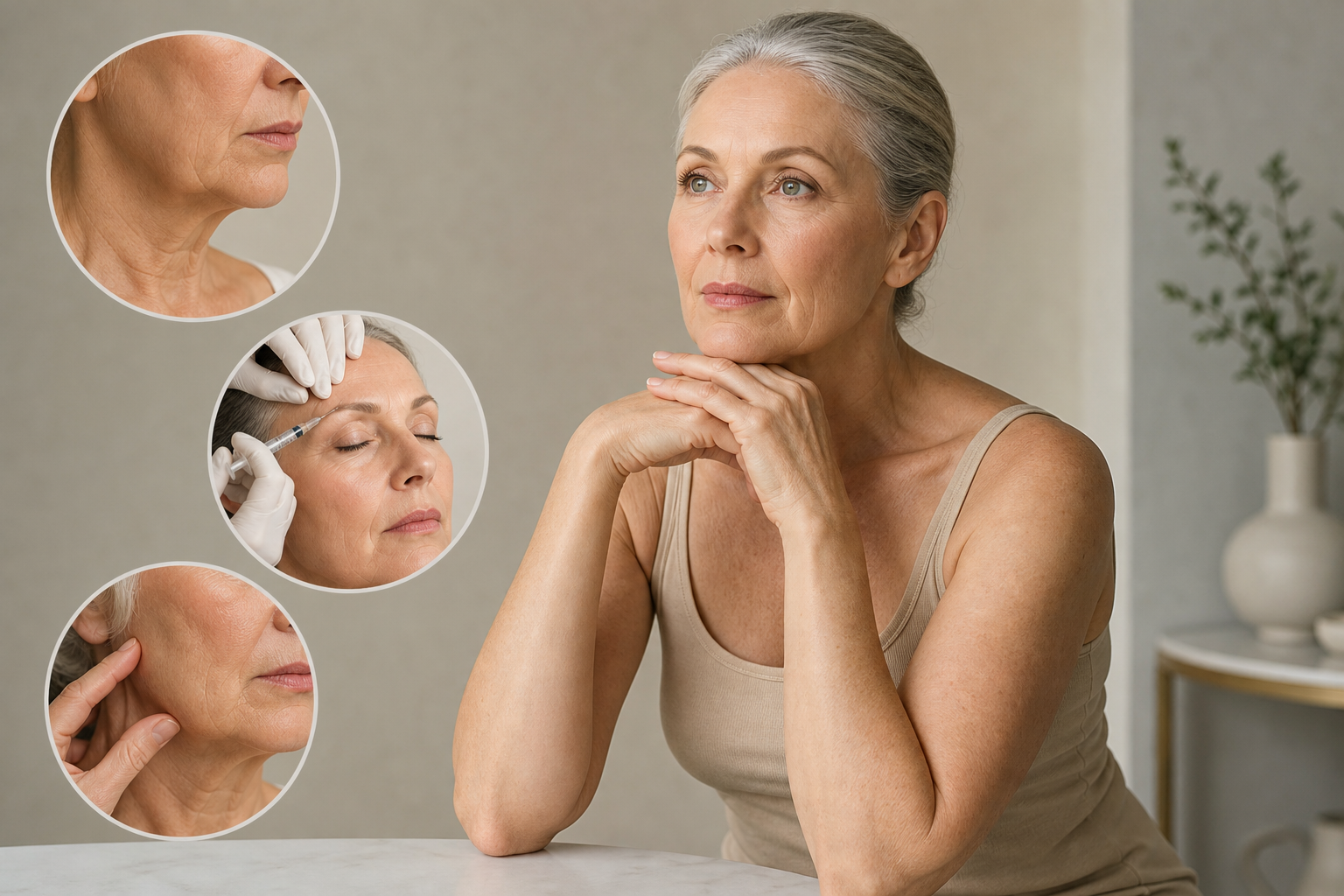
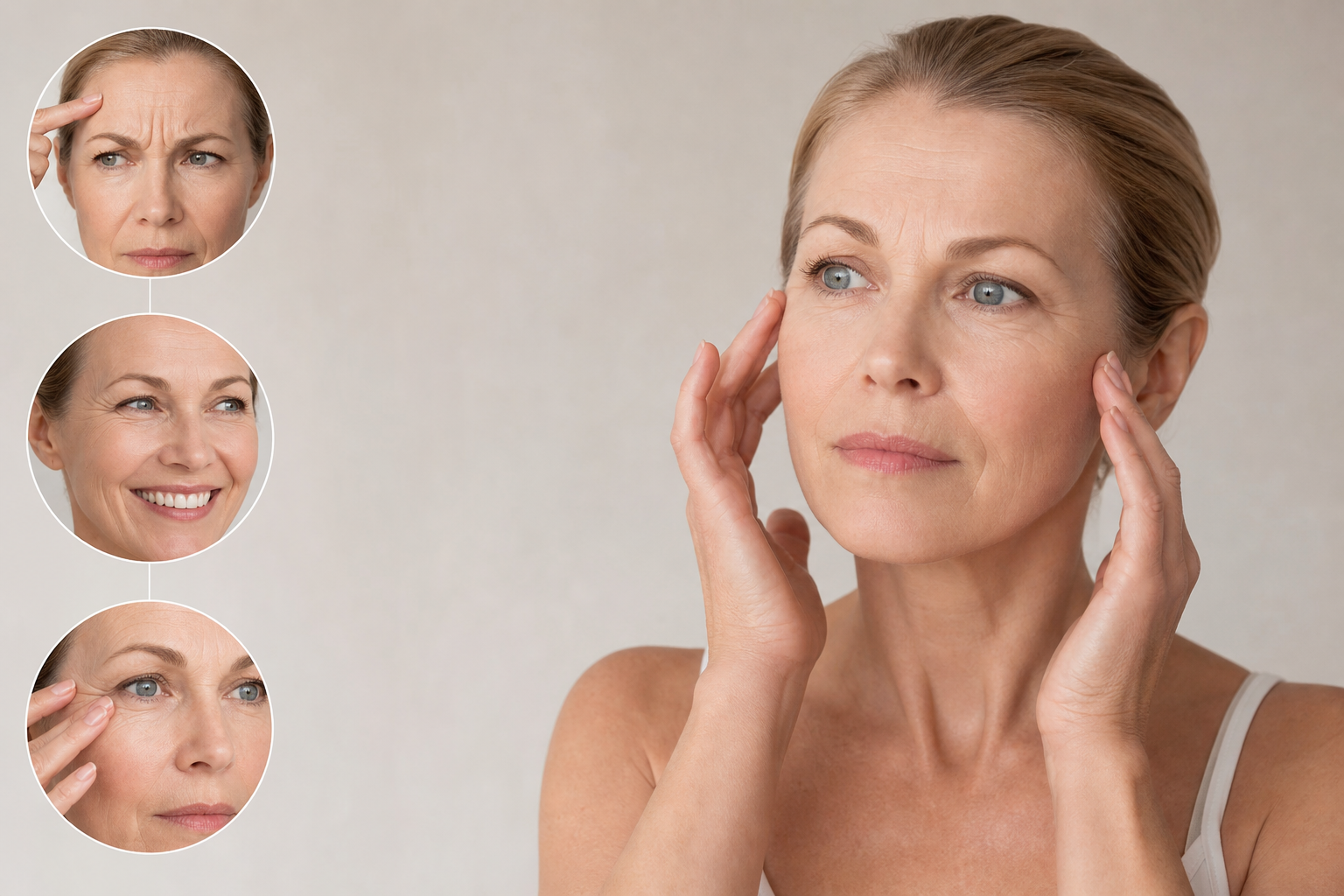
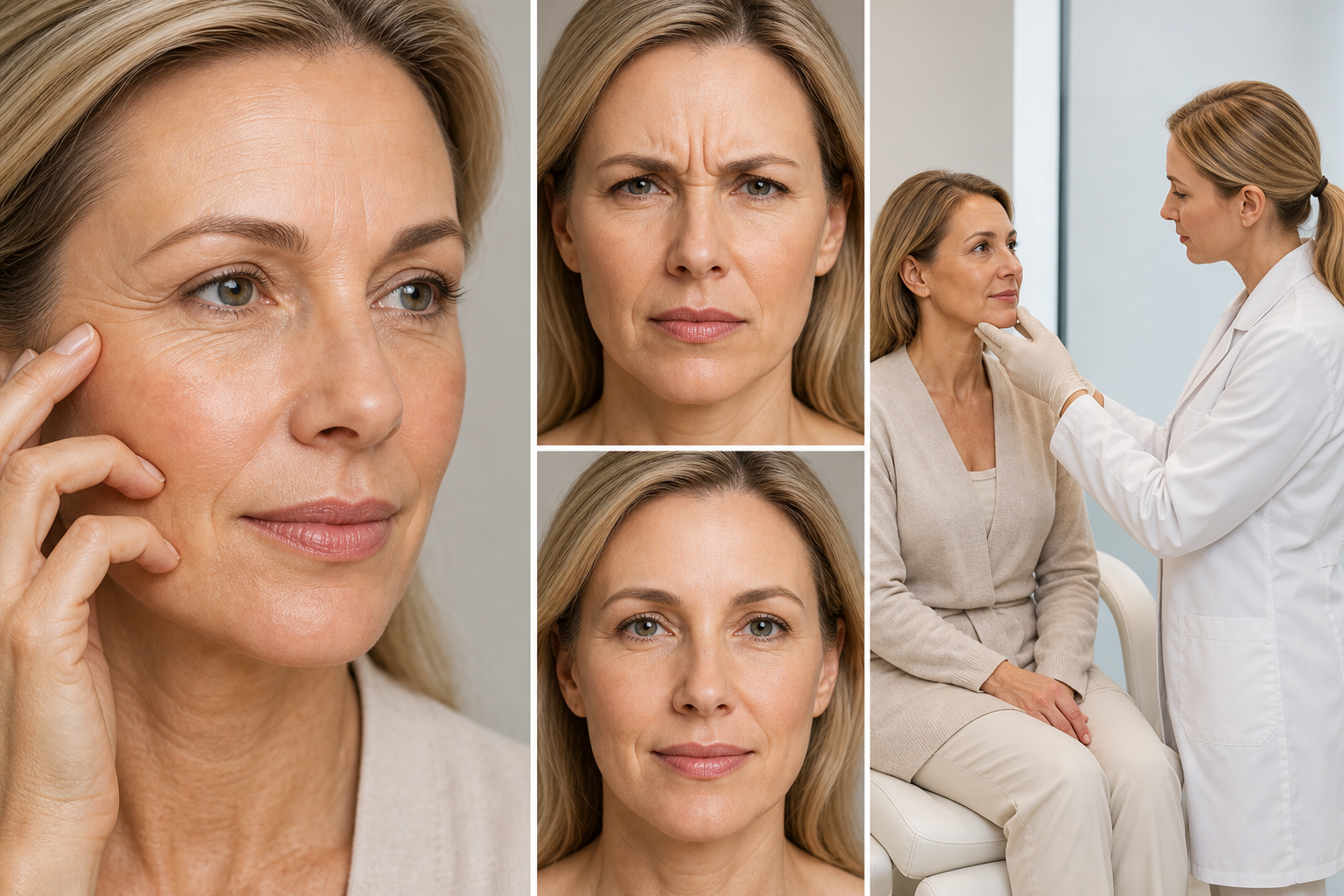
To appreciate Botox’s role, it is imperative to first acknowledge the mechanisms behind wrinkle formation and facial aging. Wrinkles fall into two primary categories: dynamic and static. Dynamic wrinkles result from repetitive contraction of facial muscles, expressing emotions like smiling, frowning, or squinting. These lines initially appear only with movement but may deepen over time. Common examples include forehead lines, glabellar (between the eyebrows) lines, and crow’s feet around the eyes.
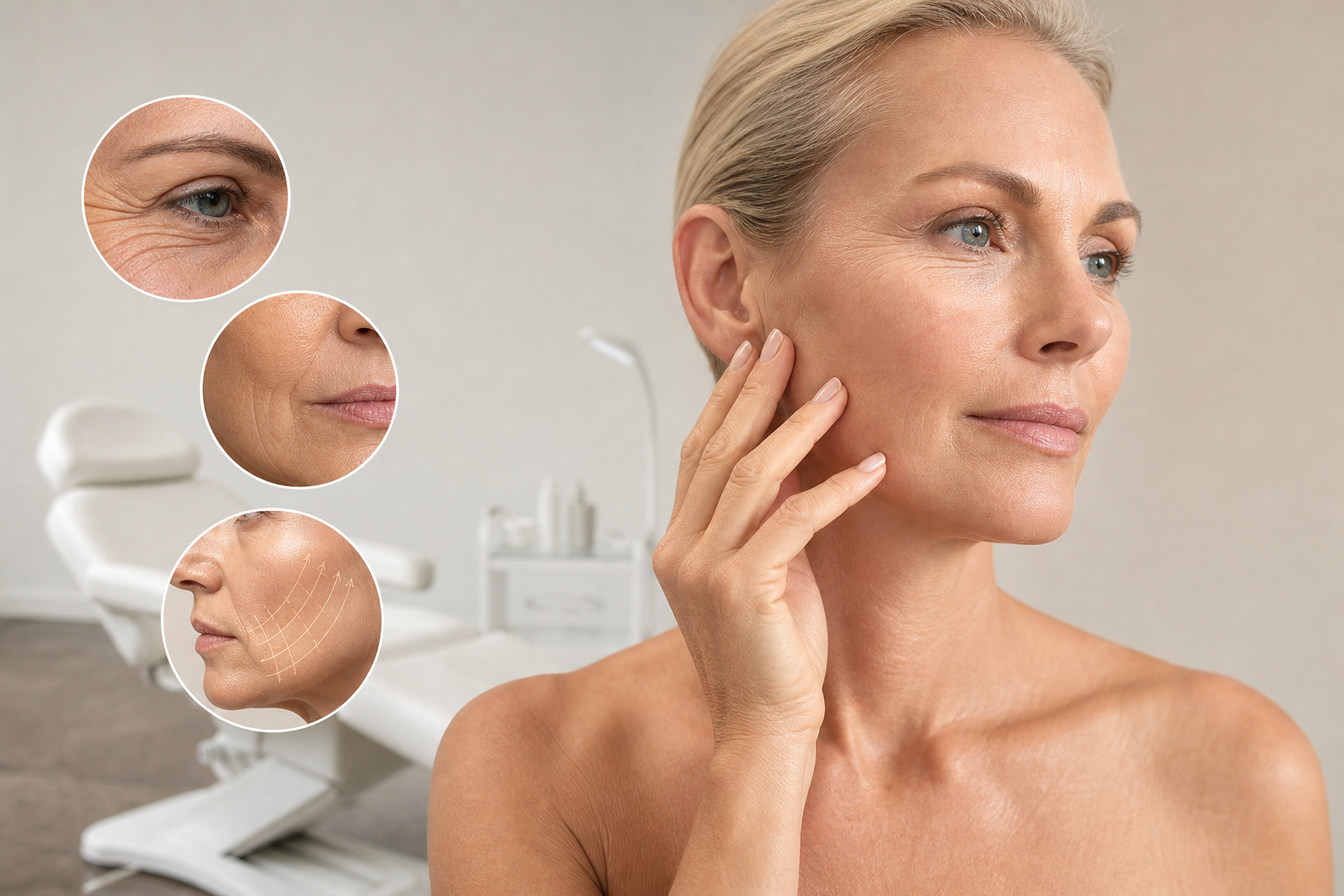
Conversely, static wrinkles are visible even when the face is at rest, reflecting cumulative effects beyond muscle activity. Factors contributing to static wrinkles include loss of subcutaneous fat, skin laxity, decreased collagen and elastin production, and photodamage from ultraviolet (UV) exposure. These changes collectively create creases, folds, and sagging, particularly prominent around the mouth (nasolabial folds), cheeks, and jawline.
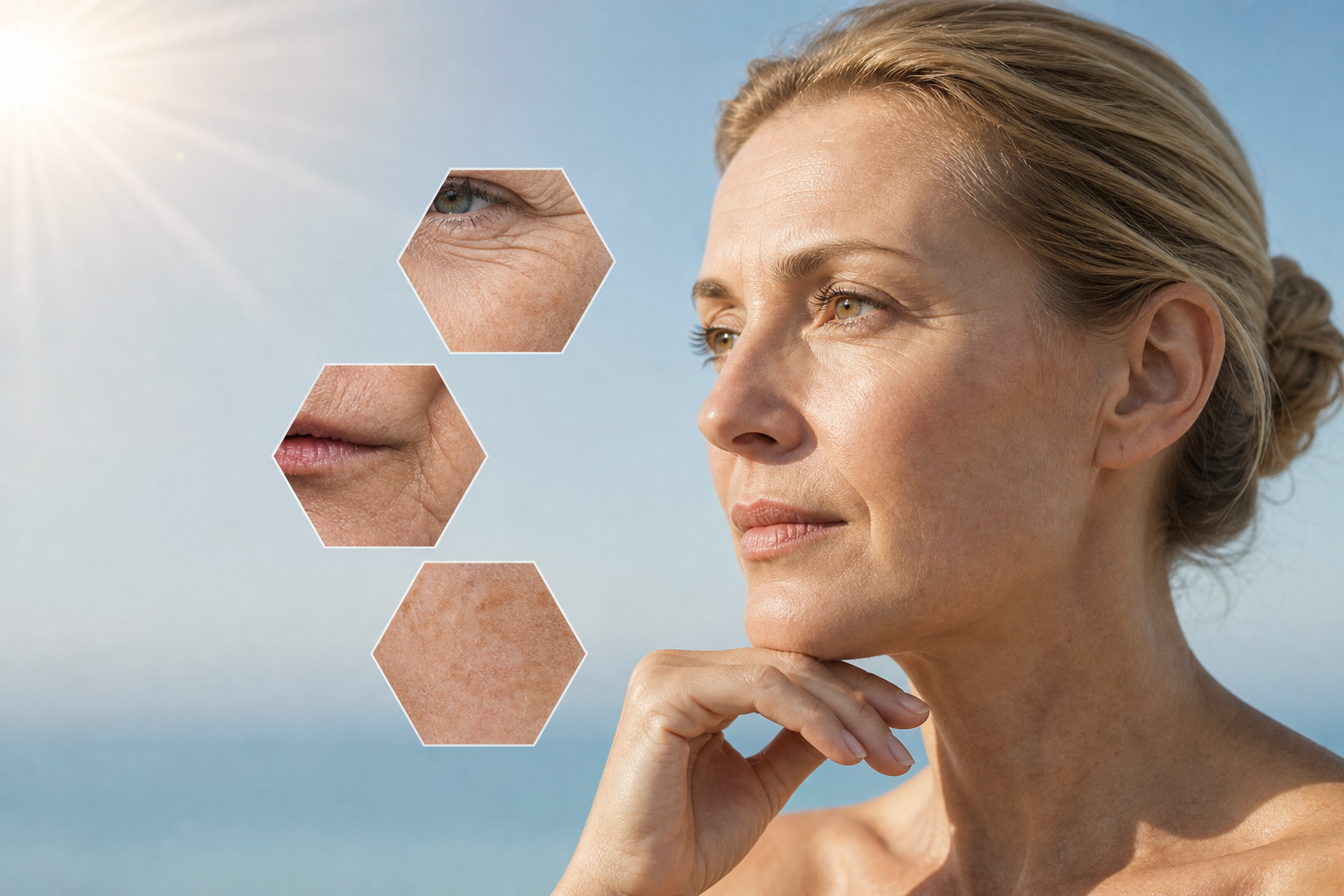
Facial aging is a multifactorial process influenced by intrinsic elements like genetics, hormonal changes, and metabolic shifts, as well as extrinsic factors such as UV radiation, environmental pollution, smoking, and lifestyle habits. This intricate interplay dictates not only the onset and pattern of wrinkles but also the quality and resilience of the skin, critical variables when considering treatment options like Botox.
Botox’s Mechanism: Addressing Dynamic Wrinkles with Precision
Botox is derived from botulinum toxin type A, a neurotoxic protein purified for clinical use to temporarily inhibit muscle contractions. When injected into targeted facial muscles, Botox blocks the nerve signals responsible for muscle activation, effectively relaxing the muscles responsible for creating dynamic wrinkles. This interruption prevents further deepening of facial lines caused by movement and facilitates softening of existing wrinkles.
This treatment is especially effective in reducing dynamic lines such as glabellar furrows, forehead lines, and periocular crow’s feet. Because Botox acts specifically on muscle activity, it does not alter static wrinkles resulting from dermal thinning, loss of fat, or skin laxity—these require different therapeutic approaches.
Botox’s effects are reversible and typically persist for three to six months, necessitating maintenance treatments for sustained improvement. Due to its preventive benefits, some practitioners advocate early intervention with conservative dosing to delay wrinkle formation before static lines establish.
Understanding Facial Muscle Anatomy for Safe and Effective Botox Treatment
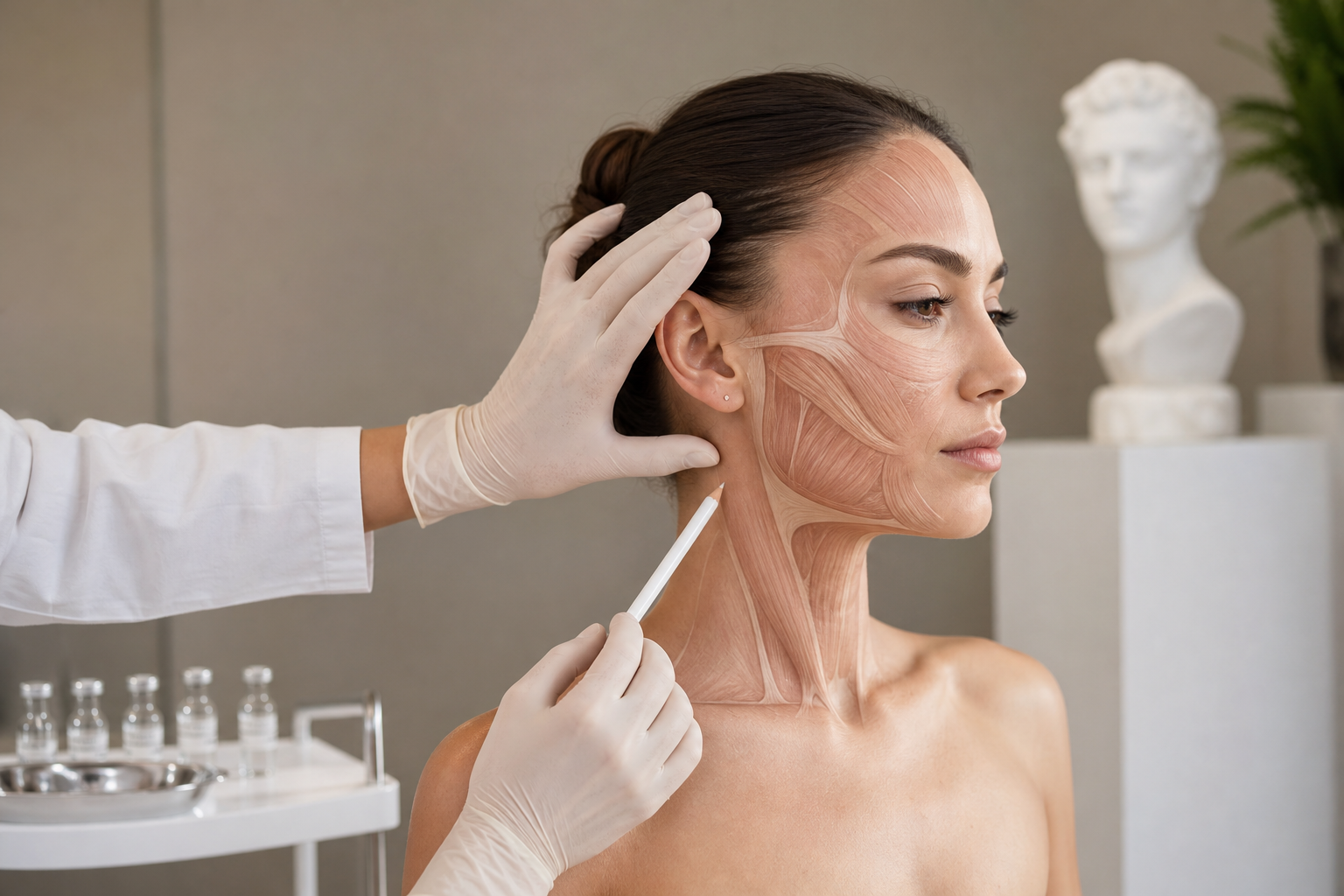
Successful Botox application hinges on a thorough understanding of facial muscle anatomy and individual muscle function. The face includes dozens of muscles responsible for intricate expressions, each with distinct size, depth, and influence on surface wrinkles. Identifying the proper injection sites and doses depends on careful assessment of muscle strength, balance, and patient-specific facial dynamics.
For example, muscles around the eyes, such as the orbicularis oculi, are delicate and thin, requiring precise low-volume injections to avoid side effects like eyelid drooping. In contrast, the frontalis muscle in the forehead is larger and stronger, often necessitating higher doses to achieve noticeable smoothing. Furthermore, the coordinated function of adjacent muscles means that improper injection technique or dosing can disrupt natural facial expressions or cause unwanted muscle weakness.
Each patient’s facial anatomy is unique, influenced by age, gender, ethnicity, and previous aesthetic procedures. Tailoring Botox treatment involves detailed consultation and possibly trial phases to establish optimal sites and amounts, ensuring both efficacy and preservation of individual expression.
Limitations of Botox in Addressing Skin Aging and Wrinkle Types
While Botox is unmatched in reducing dynamic wrinkles, it has intrinsic limitations. Static wrinkles, particularly deep furrows caused by volume loss or skin sagging, do not respond adequately to muscle relaxation. In these cases, dermal fillers, fat grafting, or skin tightening technologies offer superior results by restoring volume or improving skin structure.
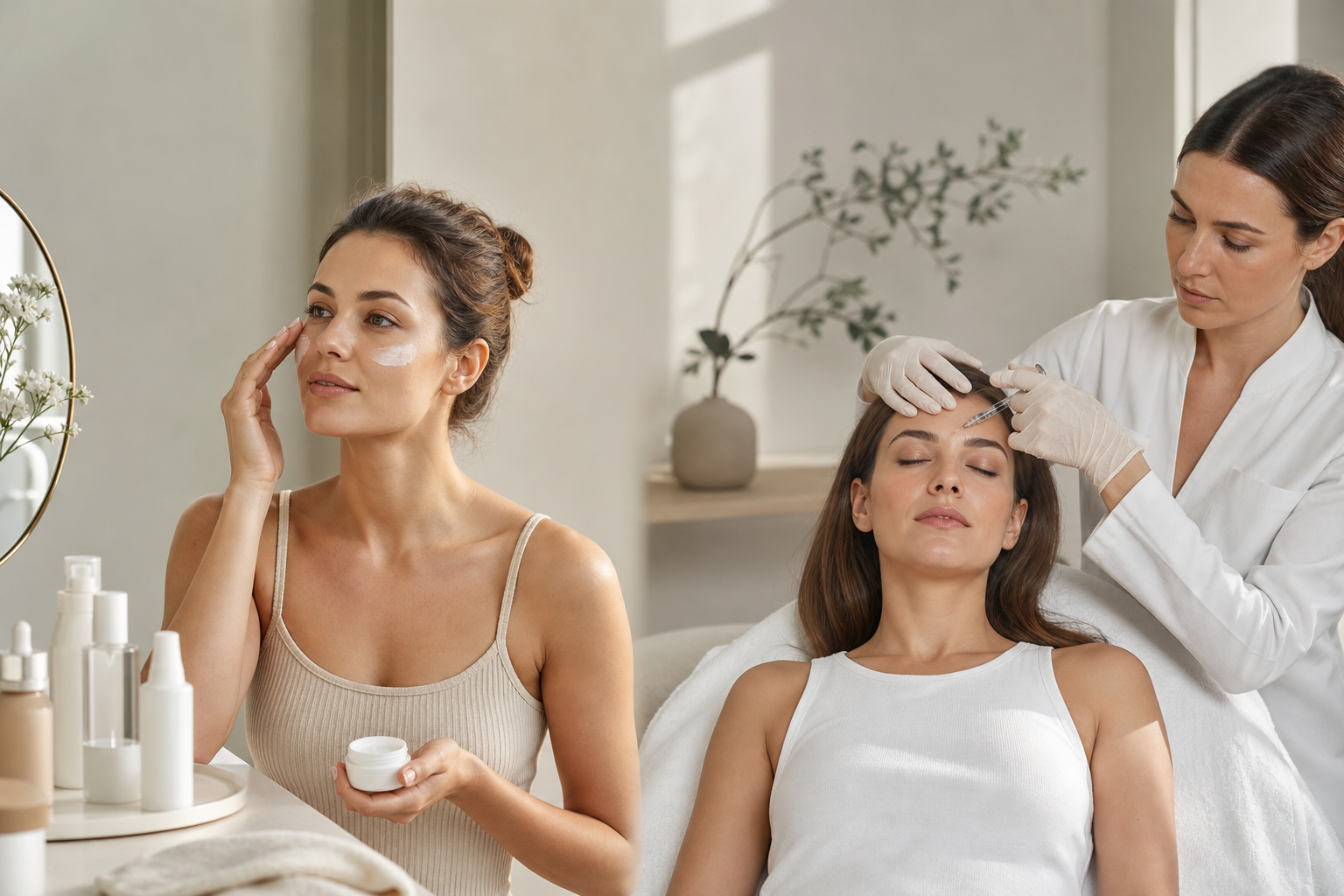
Botox also does not reverse the fundamental aging of skin collagen, elastin, or pigmentation changes linked to photoaging and environmental damage. Therefore, it is often combined with topical agents, chemical peels, laser therapies, or microneedling to enhance skin texture and quality. Importantly, dosing and injection sites must be carefully chosen to avoid impairing essential facial functions such as eyelid closure or brow elevation.
Additionally, patients with neuromuscular disorders, pregnancy, or allergies to Botox components require special consideration or contraindication. Adverse effects, though uncommon, can include localized bruising, swelling, asymmetry, or, rarely, systemic symptoms. Urgent medical attention is warranted if breathing or swallowing difficulties arise post-treatment—a serious complication necessitating immediate care.
Influence of Lifestyle and Environmental Factors on Botox Longevity
The duration and quality of Botox outcomes are significantly impacted by patients’ lifestyle and environmental exposures. Regular unprotected sun exposure accelerates collagen breakdown and skin damage, undermining Botox’s smoothing effects and fostering new wrinkle formation. Smoking impairs microcirculation and promotes premature skin aging, further compromising results.
Conversely, diligent sun protection, proper skin hydration, balanced nutrition, stress management, and avoidance of harmful habits support the skin’s structural integrity and maintain Botox benefits longer. Incorporating daily use of high-quality sunscreens and antioxidants can mitigate photoaging and preserve skin health between treatments.
Patients should regard Botox not as an isolated ‘quick fix’ but as an integral component of a holistic anti-aging regimen incorporating dermatological care and healthy living strategies.
Realistic Expectations and the Necessity of Personalized Evaluation
It is vital that individuals considering Botox have clear, realistic expectations. Botox does not erase all wrinkles or halt aging but can substantially reduce the prominence of dynamic lines and postpone wrinkle deepening. Results generally become noticeable within days to a week after treatment, peaking within two weeks, and gradually diminishing thereafter.
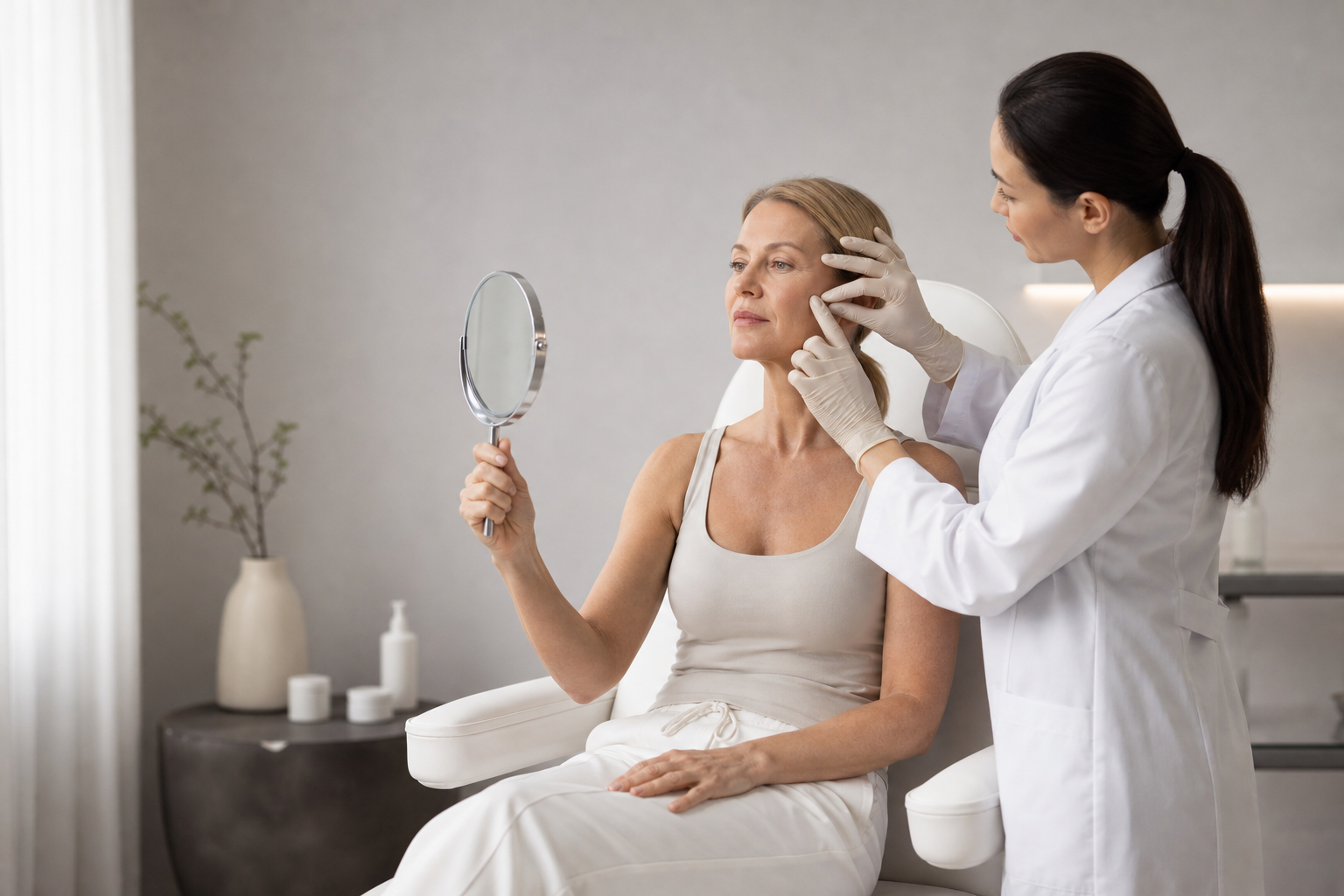
Effective treatment plans arise from comprehensive medical evaluations accounting for skin condition, muscle activity, overall health, previous interventions, and aesthetic goals. Disclosing all relevant health information and discussing potential outcomes and side effects with a qualified practitioner fosters mutual understanding and satisfaction.
Each patient requires a customized protocol tailored to their unique facial anatomy and lifestyle factors, ensuring natural-looking, balanced results that enhance rather than mask facial expressiveness.
Botox’s Strategic Role in Comprehensive Anti-Aging Treatment Plans
In modern aesthetic medicine, Botox holds a prominent position as a cornerstone treatment for managing dynamic facial wrinkles and preventing their progression. However, it functions best as one element within a broader anti-aging framework encompassing volume restoration, skin quality improvement, and lifestyle optimization.
Combining Botox with dermal fillers that replenish lost soft tissue, hyaluronic acid-based serums that boost skin hydration, and clinical skin treatments that enhance texture provides a synergistic effect. This integrated approach allows practitioners to address multiple facets of aging, from muscle movement to structural changes and surface skin health.
The overarching goal is to maintain a youthful, natural appearance over time, avoiding overcorrection or frozen expressions often associated with improper Botox use. Such balanced, patient-centered strategies underscore the sophistication of contemporary facial rejuvenation protocols.