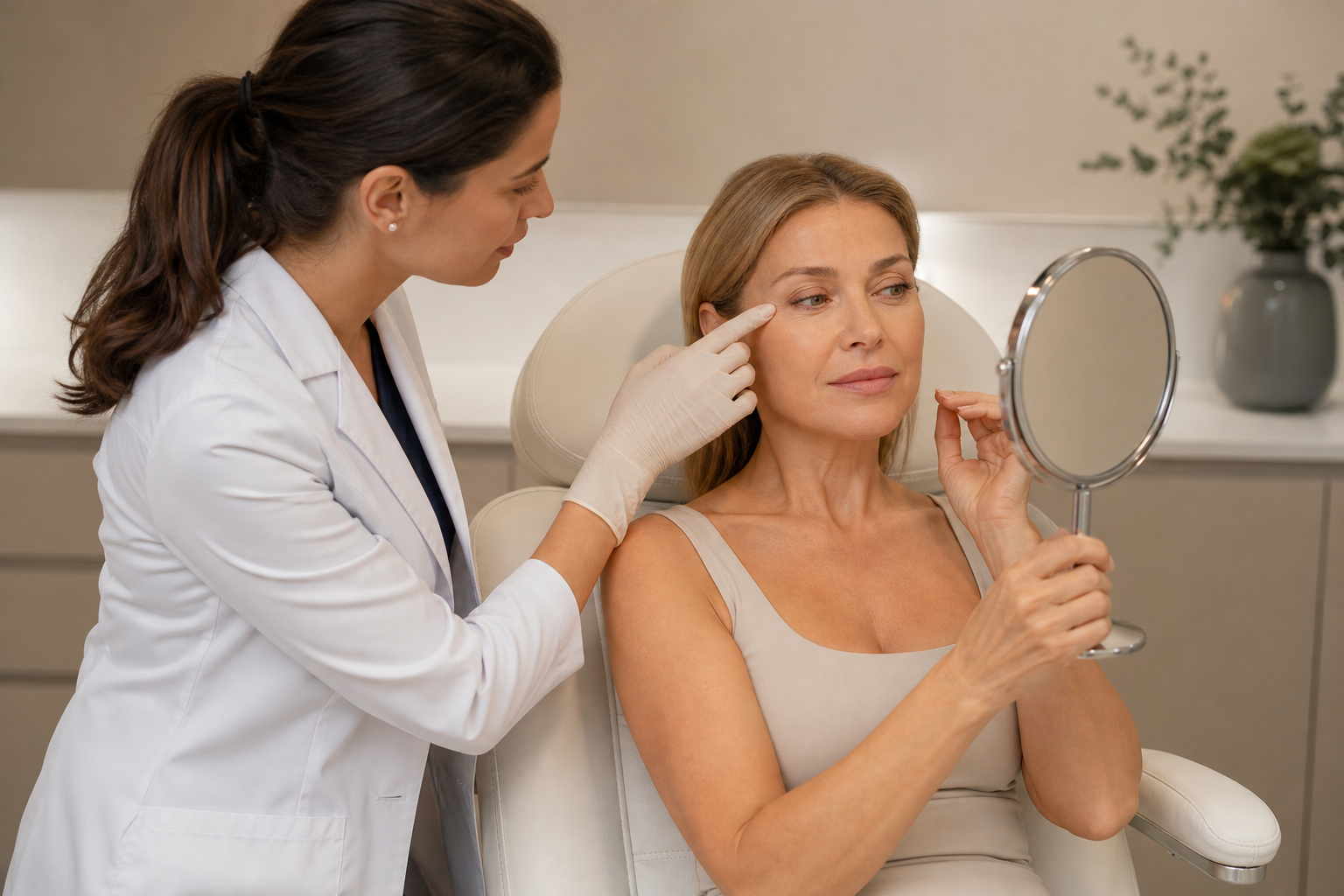
In the realm of aesthetic treatments, understanding the distinctions between various types of facial wrinkles is fundamental to selecting the right intervention and achieving the most satisfying results. “Smile lines” and “resting wrinkles” represent two primary categories of wrinkles that commonly concern individuals seeking to maintain a youthful and expressive appearance, particularly in the delicate areas around the eyes and eyebrows. This editorial delves deeply into the nature of these two wrinkle types, their differing causes, treatment outcomes, and the pivotal role Botox plays within this context.
This article is tailored for readers who wish to develop a nuanced understanding of wrinkle formation, especially those evaluating Botox treatments near the eyes and brow area. Additionally, it offers vital insights for experienced practitioners and medical professionals engaged in aesthetic medicine, enabling them to guide their patients effectively on expected outcomes, safety, and complementary therapies. With a precise yet accessible approach, the article illuminates how distinguishing between dynamic smile lines and static resting wrinkles enhances individualized treatment planning in modern esthetics.
Facial aging is a naturally multifaceted process influenced by intrinsic factors such as genetics and hormonal changes, alongside extrinsic elements including sun exposure and lifestyle. Wrinkles around the eyes and forehead not only impact facial aesthetics but also influence nonverbal communication and self-confidence. Recognizing how these wrinkle types originate, progress, and respond to interventions like Botox is essential for anyone considering or administering cosmetic procedures.
The Distinct Nature of Smile Lines and Resting Wrinkles
Wrinkles around the eyes and brows manifest in two fundamental forms: dynamic and static. Smile lines fall under the category of dynamic wrinkles, which emerge primarily due to repetitive muscle movements associated with facial expressions such as smiling, squinting, or laughing. These lines tend to appear when the muscles contract and then fade when the face is at rest, hence they are sometimes called "expression lines". The classic example includes “crow’s feet,” those radiating fine lines at the lateral corners of the eyes, which become prominent during smiling.
On the other hand, resting wrinkles, also referred to as static wrinkles, exist independently of muscle activity. These are visible even when the face is relaxed and result from cumulative structural changes in the skin—loss of collagen and elastin, diminished fatty tissue volume, thinning of the epidermis, and lifelong exposure to environmental factors. Over time, repeated facial movements impart creases that eventually become etched into the skin’s surface, perpetuating these wrinkles beyond active expressions.
Understanding this distinction is vital because smile lines and resting wrinkles respond differently to treatments. While dynamic wrinkles are primarily caused by muscle contractions and thus amenable to interventions that reduce muscle activity, static wrinkles reflect underlying skin aging and often necessitate supplementary rejuvenation techniques alongside muscle relaxants.
How Botox Interacts with Facial Muscles to Reduce Smile Lines
Botox, a purified botulinum toxin type A, works by blocking the release of acetylcholine at the neuromuscular junction, leading to temporary paralysis or weakening of targeted muscles. When injected strategically around the eyes and brow area, Botox inhibits the small muscles responsible for the contractions that form smile lines.
By relaxing these muscles, Botox prevents the skin from creasing during expressions, thereby softening the appearance of crow’s feet and other dynamic wrinkles. The effect typically becomes noticeable within a few days to two weeks, providing a smoother, younger-looking skin surface without completely eliminating natural expressions. The goal is harmony—reducing wrinkle depth without compromising emotional communication.
Achieving this balance requires precise dosing and expert placement of injections because over-treatment can lead to undesirable side effects such as drooping brows or a frozen appearance, while insufficient dosing may fail to deliver noticeable improvement. Every individual’s facial anatomy, muscle strength, and expression dynamics vary, which underscores the necessity of customized treatment plans crafted by qualified professionals.
Challenges in Addressing Resting Wrinkles with Botox Alone
Unlike dynamic wrinkles, static resting wrinkles have a complex etiology not solely dependent on muscle movement. Years of collagen degradation, skin laxity, and fat loss contribute to their permanence. Botox alone cannot replenish lost volume, restore skin elasticity, or directly smooth these static lines. Consequently, while Botox can prevent further deepening by reducing underlying muscle activity, it cannot erase established resting wrinkles thoroughly.
Patients with pronounced static wrinkles around the eyes or brows often benefit from combined treatment approaches. Dermal fillers, particularly those based on hyaluronic acid, serve a complementary role by restoring volume, filling depressions, and improving skin contour. These fillers can be administered alongside Botox treatments to deliver a more comprehensive rejuvenating effect.
Furthermore, modalities such as skin tightening procedures, laser resurfacing, or microneedling may be incorporated to enhance collagen production and improve skin texture. A multi-layered strategy ensures that both muscle activity and structural dermal deficits are addressed, offering a harmonious and youthful restoration.
Safety Considerations for Botox Applications Around the Eyes and Brows
The application of Botox to areas around the eyes and eyebrows demands a profound knowledge of facial anatomy due to the intricate musculature and proximity to sensitive structures. Safety is paramount, and only practitioners with appropriate training and expertise should perform these injections.
Potential side effects, although generally rare when administered correctly, include asymmetry of the brows, ptosis (drooping of the eyelid), bruising, headache, and temporary muscle weakness. Such outcomes often arise from incorrect injection technique or inappropriate dosing. Thorough patient evaluation before treatment, including medical history and anatomical assessment, minimizes the risk of complications.
Contraindications must also be respected, such as pregnancy, breastfeeding, certain neuromuscular conditions, and known allergies to botulinum toxin components. Open communication and informed consent help ensure patient safety and satisfaction.
Setting Realistic Expectations and Understanding Treatment Longevity
One of the cornerstones of successful Botox treatment is managing patient expectations realistically. The visible effects of Botox for smile lines typically last between four to six months, though individual metabolism and lifestyle factors may extend or shorten this duration. Regular follow-up treatments are necessary to maintain results without overexposure.
For static wrinkles, improvements are generally more gradual and can vary widely depending on the combination of treatments employed. Patients should be counseled that no single approach offers a miracle cure; rather, aesthetic enhancement is a process requiring patience and gradual improvement.
Reassessment following the initial treatment is advised so that refinements can be made to achieve optimal outcomes. The goal is always a natural look that enhances rather than masks the patient’s distinct features and expressions.
Personalized Treatment Planning: The Role of Expert Consultation
The complexity of facial aging patterns necessitates individualized treatment strategies. An expert consultation allows for the evaluation of specific needs, including pre-existing asymmetries, muscle strength variability, skin quality, and aesthetic goals. Such a customized approach not only maximizes the safety and efficacy of Botox treatments but also integrates potential adjunctive procedures to address static wrinkles holistically.
Experienced practitioners can advise on the optimal number of Botox units, injection sites, and intervals between sessions. Additionally, they can prescribe complementary treatments like dermal fillers or skin revitalization to augment results and sustain improvements over time.
This collaborative patient-provider relationship ensures that expectations are aligned with achievable results, empowering patients to make informed decisions about their facial rejuvenation journey.
Emerging Trends and Innovations in Botox Applications for Eye and Brow Rejuvenation
The landscape of aesthetic medicine is continuously evolving, with ongoing research contributing to enhanced safety profiles, longer-lasting formulations, and advanced injection techniques. Newer Botox variants with tailored pharmacodynamics are being developed to provide targeted effects with reduced downtime.
Individualized dosing protocols and combination therapies are becoming standard practice, reflecting an emphasis on preserving natural facial expressions while addressing the signs of aging effectively. Advances in imaging and injection guidance tools are improving precision, minimizing side effects, and optimizing clinical outcomes.
The future promises further integration of Botox with regenerative therapies, such as platelet-rich plasma or stem cell treatments, to augment skin health alongside wrinkle reduction. These trends herald a more comprehensive approach to facial aesthetics that balances science with artistry.


