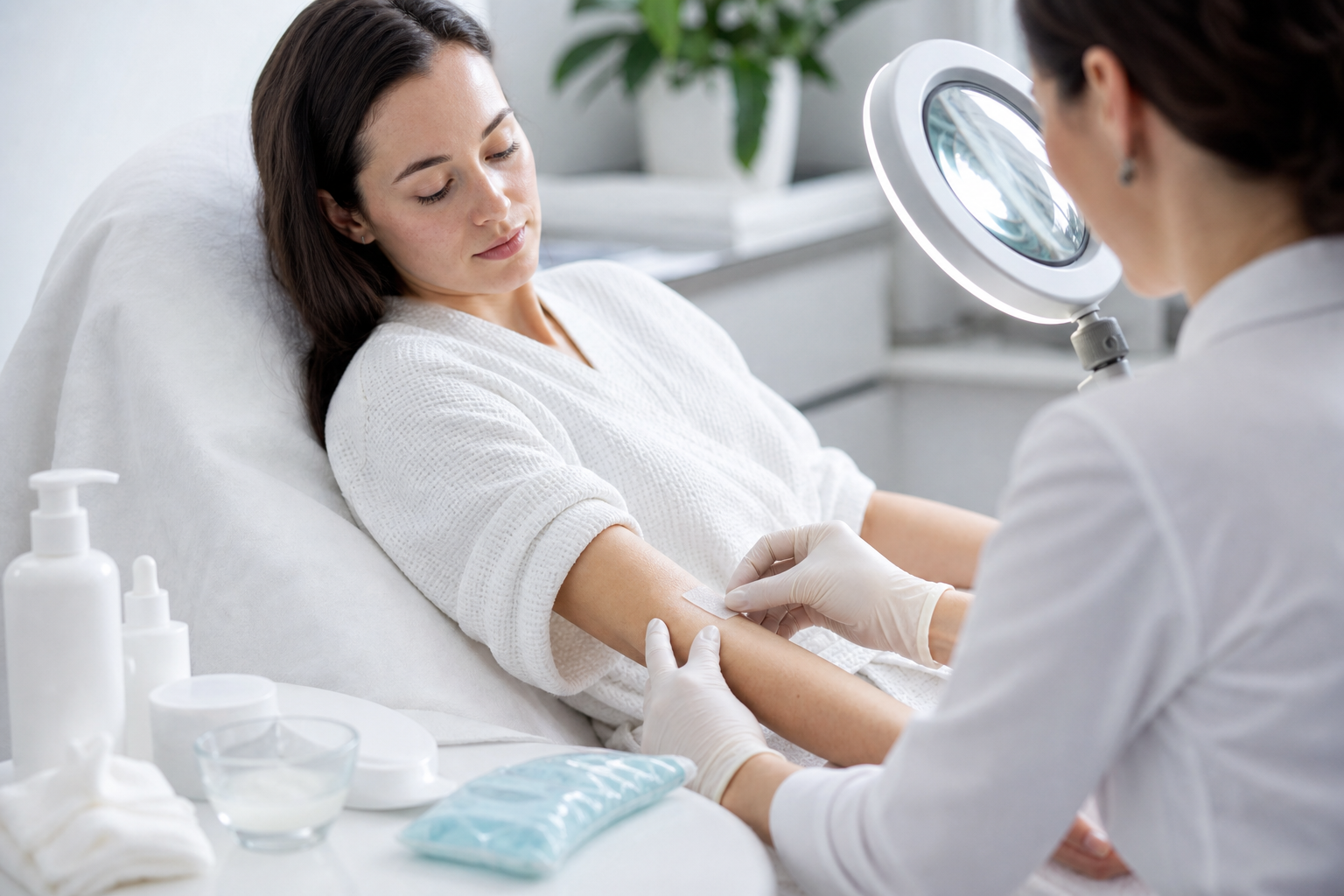
Laser hair removal has emerged as one of the most effective and popular solutions for those seeking long-lasting hair reduction and smooth skin. However, for individuals with sensitive skin, the process can present unique challenges and considerations. Sensitive skin is a complex and multifaceted condition, not a single medical diagnosis, and it encompasses a range of physiological responses including subjective sensitivity, reactive tendencies, barrier disruption, and various inflammatory or allergic dermatological disorders. Understanding these distinctions is essential for anyone contemplating laser hair removal to ensure safety, reduce discomfort, and achieve optimal results.
This article is designed for readers who have sensitive skin and are considering laser hair removal, as well as for dermatologists and aesthetic practitioners who seek a comprehensive guide to managing these cases responsibly. Laser procedures, while generally safe and well-tolerated, require tailored approaches when applied to sensitive skin types to avoid exacerbating symptoms or triggering adverse reactions. Here, we will explore the nuances of sensitive skin, delineate different forms of sensitivity and skin conditions that influence treatment suitability, explain the significance of careful evaluation and patch testing, and outline protocols for preparation and aftercare that minimize risks.
Addressing these points carefully matters because it improves patient comfort, enhances treatment effectiveness, and safeguards skin health over the long term. By recognizing red flags such as active dermatitis or allergic tendencies early on, providers can postpone treatment when necessary and actively prevent complications. In this way, individuals with sensitive skin can safely enjoy the benefits of laser hair removal without compromising their skin’s integrity.
What Exactly Constitutes Sensitive Skin and Its Implications for Laser Hair Removal?
Sensitive skin is often described in everyday terms as skin that easily reacts with redness, itching, burning, or discomfort when exposed to certain products, environmental factors, or treatments. However, medically it is not a diagnosis but rather an umbrella term describing a variety of skin responses. It's important to differentiate among several phenomena commonly associated with sensitivity:
Subjective sensitivity refers to sensations such as tingling, burning, or tightness reported by patients without visible clinical signs. This may be related to heightened nerve endings or psychosomatic factors rather than overt pathology.
Reactivity
Active dermatitis
Barrier disruption
Allergic skin conditions
For laser hair removal, each of these states demands a tailored approach. While some individuals with mild subjective sensitivity may proceed with standard treatment protocols, others with barrier dysfunction or active dermatitis may require postponement or additional skin fortification strategies to avoid aggravation.
How Is Sensitive Skin Evaluated Before Initiating Laser Hair Removal?
A meticulous assessment process is paramount prior to any laser procedure. This begins with a detailed anamnesis covering the patient’s self-reported skin sensitivity, history of reactions to skincare products or previous cosmetic interventions, diagnosed dermatologic conditions, and current medications or topical treatments that may influence skin behavior.
Following the medical history, a physical examination evaluates the skin’s appearance, noting signs of inflammation, erythema, dryness, scaling, or other lesions. Special attention is paid to the integrity of the skin barrier and the presence of any infection or active dermatitis. These findings help establish if it is safe to proceed or advisable to defer treatment.
An indispensable tool in this process is the patch test, used to identify allergic reactions to components present in the skincare formulations applied before or after laser treatment. While not mandatory for every patient, patch testing provides valuable insights when allergic contact dermatitis is suspected, reducing the likelihood of flare-ups.
Identifying “red flags” such as active eczema, overt allergic reactions, or skin infections is critical. These conditions contraindicate immediate laser hair removal and require prior medical management to restore skin without jeopardizing safety or results.
Why Is Special Preparation and Gentle Aftercare Essential for Sensitive Skin in Laser Hair Removal?
Preparing sensitive skin effectively before laser hair removal reduces the risk of irritation and enhances patient comfort. This preparation generally involves the use of mild, fragrance-free cleansers and moisturizers formulated to support the skin’s natural barrier without causing irritation or dryness. Patients are advised to avoid exfoliating acids, retinoids, alcohol-based tonics, and other potentially irritating agents at least several days before treatment.
During laser sessions, cooling techniques play a pivotal role. Modern laser devices often incorporate built-in cooling mechanisms such as cryogen sprays, contact cooling tips, or cold air fans to protect the epidermis and mitigate discomfort. Additional application of cold compresses immediately after treatment helps soothe the skin and suppresses inflammatory reactions.
Post-treatment skincare focuses on gentle hydration, barrier repair, and sun protection. It is recommended to use non-irritating, hypoallergenic emollients to aid healing and avoid any products with known sensitizers or allergens. Since skin after laser hair removal is more susceptible to ultraviolet damage, broad-spectrum sunscreens with a high SPF are crucial to prevent post-inflammatory pigmentation and further barrier impairment.
Importantly, any signs of active irritation or dermatitis call for postponing laser treatment until full resolution, minimizing the risk of exacerbating symptoms and supporting optimal healing.
How Do Laser Hair Removal Procedures Interact With Sensitive Skin and What Can Patients Expect?
Laser hair removal functions by targeting melanin within hair follicles through selective photothermolysis, effectively disabling hair growth over multiple sessions. While the procedure is minimally invasive, its impact on sensitive skin merits cautious anticipation.
Patients with sensitive skin frequently experience increased redness, mild swelling, itching, or transient burning sensations in the treated areas following laser exposure. These reactions generally reflect a normal inflammatory response as the skin adjusts to the thermal effects. In the majority of cases, symptoms subside within hours to a few days without lasting consequences.
However, when skin barrier integrity is compromised or inflammatory skin conditions are present, the intensity and duration of these effects can be greater, occasionally prolonging discomfort or causing hyperpigmentation.
It’s vital for practitioners to manage expectations by communicating that some transient side effects are typical and to provide clear guidelines for aftercare. Patients should maintain ongoing dialogue throughout their treatment course to promptly identify and address any unusual or severe reactions.
When Should Laser Hair Removal Be Deferred in Individuals With Sensitive Skin?
Certain scenarios necessitate postponing laser sessions to protect skin health:
Active inflammatory skin conditions such as eczema or contact dermatitis flare-ups present heightened reactivity and demand resolution before treatment.
Ongoing skin infections, including viral (e.g., herpes simplex), bacterial, or fungal infections, must be treated and cleared to prevent exacerbation or spread.
An opened wound or ulceration in the treatment area increases risk of scarring and secondary infection if laser is applied prematurely.
Recent extensive sun exposure resulting in burns or erythema sensitizes the skin and heightens complications.
Noncompliance with preparatory recommendations such as avoiding irritants or using prescribed moisturizers reduces procedure efficacy and safety.
In all these contexts, deferring treatment until the skin condition stabilizes or improves is the safest course of action.
How Is the Appropriate Laser Choice Determined Based on Skin Type and Sensitivity?
Choosing the right laser depends heavily on the individual’s Fitzpatrick skin type, which classifies skin from type I (very fair) to type VI (very dark) and predicts response to ultraviolet light and laser energy. Sensitive skin is not exclusive to any Fitzpatrick category but interacts uniquely with laser parameters based on pigmentation, vascularity, and thickness.
For lighter skin types with sensitive skin, diode or Alexandrite lasers are often utilized with reduced fluences and extended pulse durations to minimize irritation. In darker or more pigmented sensitive skin, long-pulsed Nd:YAG lasers are preferred due to their deeper penetration and lower melanin absorption in the epidermis, helping reduce risks of burns or pigmentation changes.
Adjusting laser settings—energy density, pulse duration, cooling methods—to correspond with the patients’ skin type and sensitivity profile is a critical factor in balancing effective hair removal with minimal adverse effects. Providers must also consider previous skin reactions and concurrent dermatological conditions when tailoring protocols.
Referencing established literature such as Laser Hair Removal and Skin Type, Fitzpatrick Skin Types Explained, and discussions on laser suitability for various skin colours enhances practitioner decision-making and patient outcomes.
What Are Best Practices for Post-Laser Care in Sensitive Skin to Promote Healing and Comfort?
Post-procedure skin care for sensitive skin emphasizes restoring the epidermal barrier, reducing inflammation, and protecting against environmental insults. Ideal products are fragrance-free, hypoallergenic, and enriched with barrier-supportive ingredients like ceramides, niacinamide, and hyaluronic acid.
Avoiding topical irritants including alcohol-based tonics, peeling agents, and fragrances helps prevent additional stress on healing skin. Regularly applying cold compresses or using soothing gels with ingredients like aloe vera may further alleviate residual redness or burning.
Sun protection is paramount. Use of a broad-spectrum sunscreen with SPF 30 or higher, applied generously and frequently, guards against photosensitivity and potential pigmentary changes.
If redness, swelling, or discomfort persists beyond a week or worsens, timely follow-up with the treating physician or dermatologist is advised to rule out complications and consider therapeutic interventions if needed.


