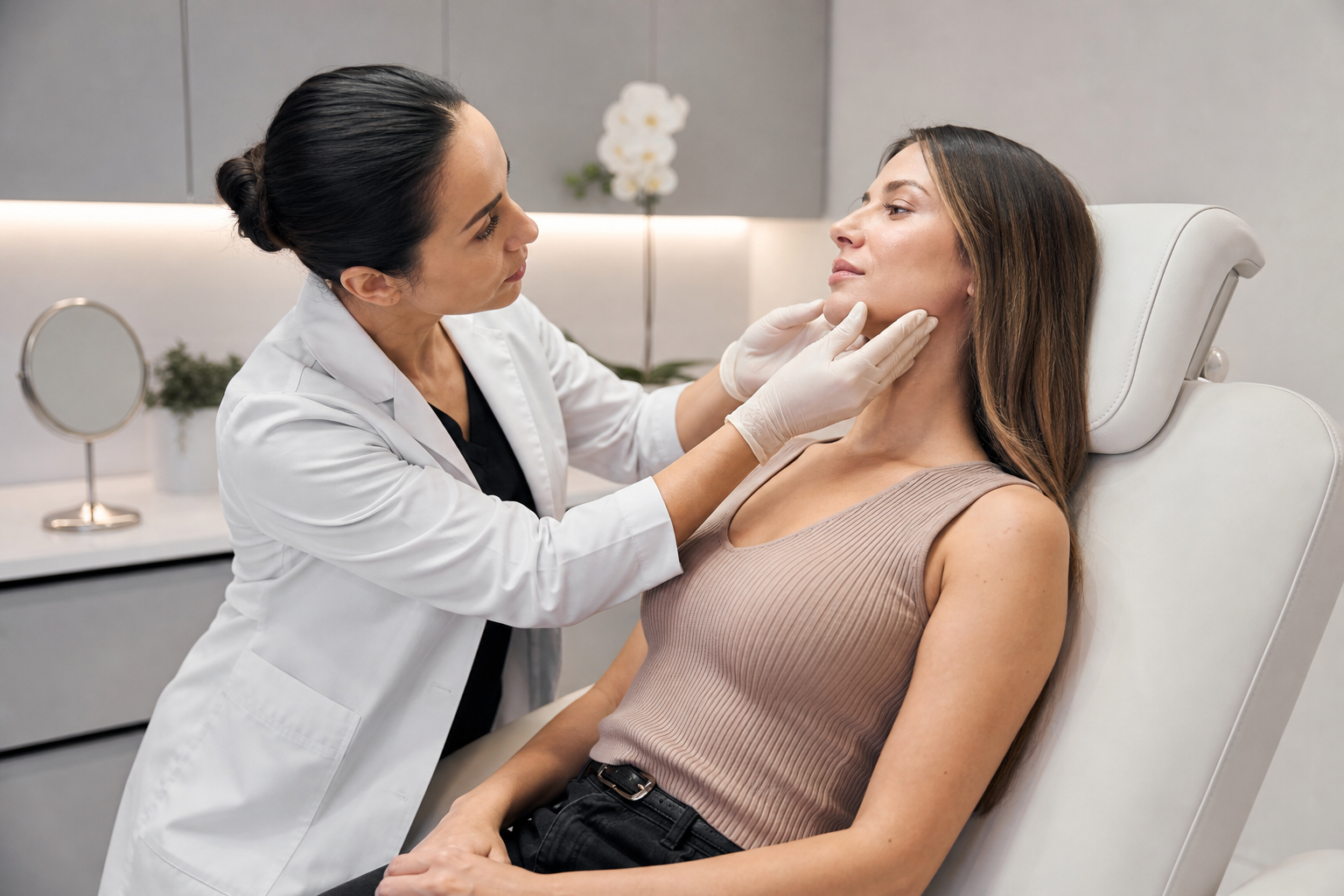
In the evolving realm of aesthetic medicine, the use of botulinum toxin—commonly known as Botox—has become a prominent and effective method to address signs of aging, particularly wrinkles and facial contouring. While the upper face is often the primary focus of such treatments, the lower face presents unique challenges and considerations. Treatments involving Botox injections in the lower face can lead to subtle yet significant changes in functions such as smiling and chewing, given the anatomical complexity of the region.
These changes are not merely cosmetic; they bear practical implications that affect a patient’s quality of life and daily interactions. For individuals seeking aesthetic enhancements or clinicians specializing in facial injectables, understanding the mechanisms behind these alterations is crucial. This article is intended to provide a thorough, professional, and practical insight into how Botox treatments in the lower portion of the face influence muscular function, the potential risks involved, and the clinical guidelines to manage these consequences effectively.
Handing the lower face with botulinum toxin requires more than technical skill; it calls for a comprehensive grasp of anatomy, physiology, and patient-specific factors to avoid adverse effects that could interfere with vital facial expressions and oral motor functions. This editorial explores these nuances within the broader context of adverse reactions and complications in Botox applications, focusing on realistic expectations, limitations, and safety considerations.
The Mechanism of Botox Action and Its Impact on Muscular Function in the Lower Face
Botox operates by inhibiting acetylcholine release at the neuromuscular junction, leading to a temporary inhibition of muscle contraction. This pharmacological paralysis reduces excessive muscle activity that contributes to wrinkle formation or undesired facial movements. While this action is beneficial for cosmetic purposes, the lower face encompasses muscles intricately involved in essential functions such as speech, mastication, facial expressions, and oral competence.
Key muscles in the lower face include the depressor anguli oris, mentalis, masseter, and others that coordinate the mechanics of chewing and smiling. Botox injections in these areas can weaken muscle contraction strength, changing the dynamic balance between muscles. For example, a diminished function of the depressor anguli oris may alter the symmetry and natural curvature of the smile, leading to a characteristic, sometimes perceived as unnatural, appearance.
The masseter muscle, primarily responsible for chewing force, is sometimes targeted in aesthetic treatments to reduce jaw prominence or hypertrophy. While effective, this muscle’s partial weakening can translate into difficulties with biting or chewing harder foods, fatigue of the jaw muscles, or subtle changes in mandibular movement. The temporary nature of Botox’s effect, usually lasting three to six months, means these functional changes are reversible, but they can significantly affect patient comfort and functionality during this period.
Functional Alterations in Smiling and Chewing Post-Botox Treatment
Changes in smiling and chewing after Botox injections in the lower face are typically a consequence of reduced muscle strength and altered neuromuscular coordination. As the muscles weaken, the expressiveness and symmetry of a smile may shift. The lip’s mobility could diminish, affecting not only aesthetics but also speech and food intake.
Patients might experience an asymmetrical smile due to uneven diffusion or dosing, leading to one side of the mouth appearing less mobile or droopier. This asymmetry does not only pose cosmetic concerns; it can affect social interactions and self-esteem. When the mentalis muscle is affected, alterations in chin movement and the characteristic dimpled chin appearance might occur, impacting the overall facial harmony.
Regarding chewing, involvement of the masseter and indirect effects on temporalis muscles can cause sensations of weakness, jaw fatigue, or mild discomfort when engaging in mastication tasks. These effects are generally mild when treatments are properly dosed and delivered, but patients should be advised of their possibility. Severe impairment of chewing is uncommon but requires immediate attention.
Establishing Safe and Realistic Expectations for Patients Considering Lower Face Botox
Clear communication about what Botox can and cannot achieve in the lower face is essential for patient satisfaction and safety. Botox is intended to reduce muscle hyperactivity, smooth wrinkles, and improve contour, not to permanently alter bone structure or provide volumetric enhancement. Expectations must be grounded in the understanding that functional changes, if they occur, will be temporary and reversible.
Patients must be informed about the delicate balance required between reducing muscle activity enough to produce desirable aesthetic outcomes while maintaining sufficient function for smiling and chewing. Overcorrection or incorrect placement can lead to excessive weakness and noticeable functional deficits. Thus, conservative dosing and individualized treatment planning are paramount.
Clinicians should conduct comprehensive facial assessments, considering the patient’s muscle tone, asymmetries, and daily functions. They should discuss potential transient side effects such as mild swallowing difficulty, smile asymmetry, or jaw fatigue. Setting these expectations helps reduce patient anxiety and facilitates prompt identification of adverse reactions.
Potential Risks and Limitations Intrinsic to Botox Treatments in the Lower Facial Region
Despite Botox’s favorable safety profile, adverse reactions and complications can sometimes arise from treatments in the lower face. Common minor side effects include bruising at injection sites, temporary swelling, localized redness, and occasional headaches, which are typically self-limiting.
More significant risks encompass unintended diffusion of toxin to non-target muscles, leading to dysphagia (difficulty swallowing), dysarthria (speech difficulties), or oral incompetence. These occurrences underscore the necessity of precision in injection technique and dosage control. The anatomy of the lower face presents challenges due to the proximity of functional muscles, varying patient anatomy, and differences in muscle bulk and activity.
Additionally, overuse or repeated treatments in short intervals may exacerbate muscle weakness, prolong recovery time, and increase the likelihood of compensatory muscular imbalances. Patients with preexisting neuromuscular disorders are particularly vulnerable to such complications and should be carefully screened and counseled.
The Crucial Role of Specialist Consultation and Monitoring in Lower Face Botox Procedures
Ensuring patient safety and optimal outcomes in lower face Botox treatments mandates intervention by qualified, experienced practitioners. Experts in facial anatomy and Botox administration best understand how to minimize risks and tailor treatments to individual needs. Comprehensive consultation prior to any procedure allows for assessment of baseline muscular function, identification of contraindications, and establishment of personalized treatment goals.
Post-procedure monitoring is equally important to detect early signs of adverse reactions such as prolonged weakness, altered speech, pain, or dysphagia. Timely intervention can mitigate complications and promote recovery. Patients should be encouraged to report any unusual symptoms promptly and maintain open communication with their providers.
In instances of severe complications, specialized medical management may be required, including physical therapy, supportive care, or in rare cases, administration of agents to reverse toxin effects. This highlights the importance of having adequate medical support and expertise accessible throughout the treatment journey.
Balancing Aesthetic Enhancement with Functional Integrity in the Lower Face
The primary objective in administering Botox in the lower face is to achieve aesthetic improvement without compromising essential functions. This delicate balance depends on precise anatomical targeting and a comprehensive understanding of individual muscle roles. Treatments must integrate seamlessly with the patient’s overall facial dynamics to preserve natural expressions and maintain oral motor capabilities.
Combining Botox with other aesthetic modalities such as dermal fillers or skin resurfacing treatments often results in superior, more harmonious outcomes. In such multidisciplinary approaches, close attention to the cumulative effects on muscular function and facial balance ensures the continuity of function alongside visible enhancement.
Regular follow-up and adjustment of treatment parameters over time allow both clinician and patient to refine results, avoid overtreatment, and manage any emerging functional concerns effectively.
Understanding and Responsibly Managing Adverse Reactions Specific to Lower Face Botox Injections
Adverse reactions specific to Botox treatments in the lower face include localized bruising from needle insertion, transient redness and swelling due to inflammation, and less commonly, headaches potentially caused by spread of toxin or patient anxiety. More significant functional disturbances arise when Botox affects muscles unintendedly.
Indicators such as unusual asymmetry of the smile, difficulty closing lips fully, jaw pain, or sustained muscle weakness warrant immediate clinical evaluation. Early recognition and intervention can prevent persistent dysfunction and improve recovery prospects. Techniques to mitigate these effects include careful injection depth control, use of smaller doses in sensitive areas, and strategic spacing of injection sites.
Patient education on postoperative expectations and precautionary behaviors is integral to minimizing adverse effects and ensuring rapid resolution when side effects occur.


