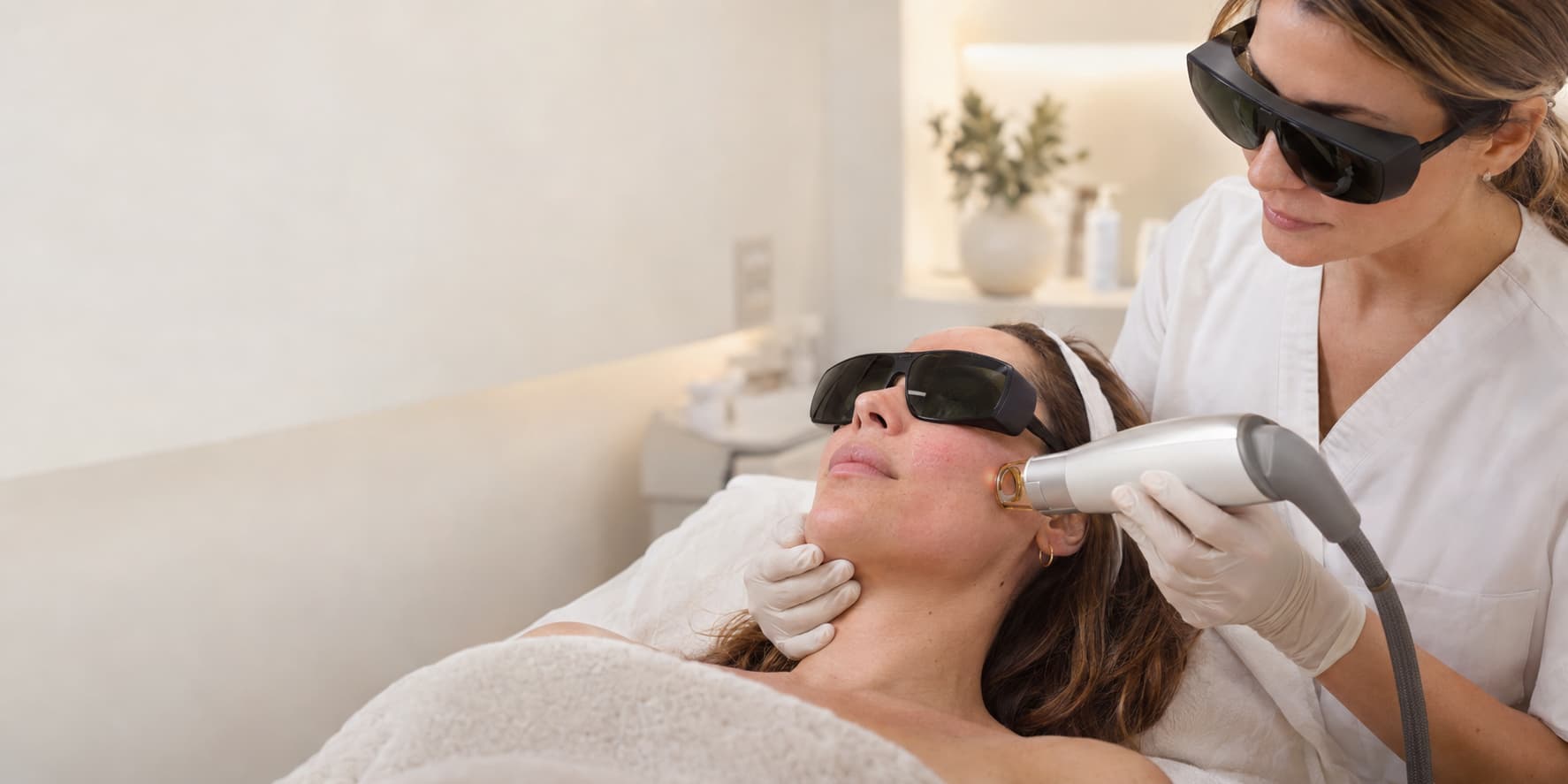
Visible facial veins, broken capillaries and persistent redness are among the most common cosmetic skin concerns. They frequently appear across the cheeks, nose, chin and around the nostrils, although visible blood vessels can also develop on the neck, chest and legs.
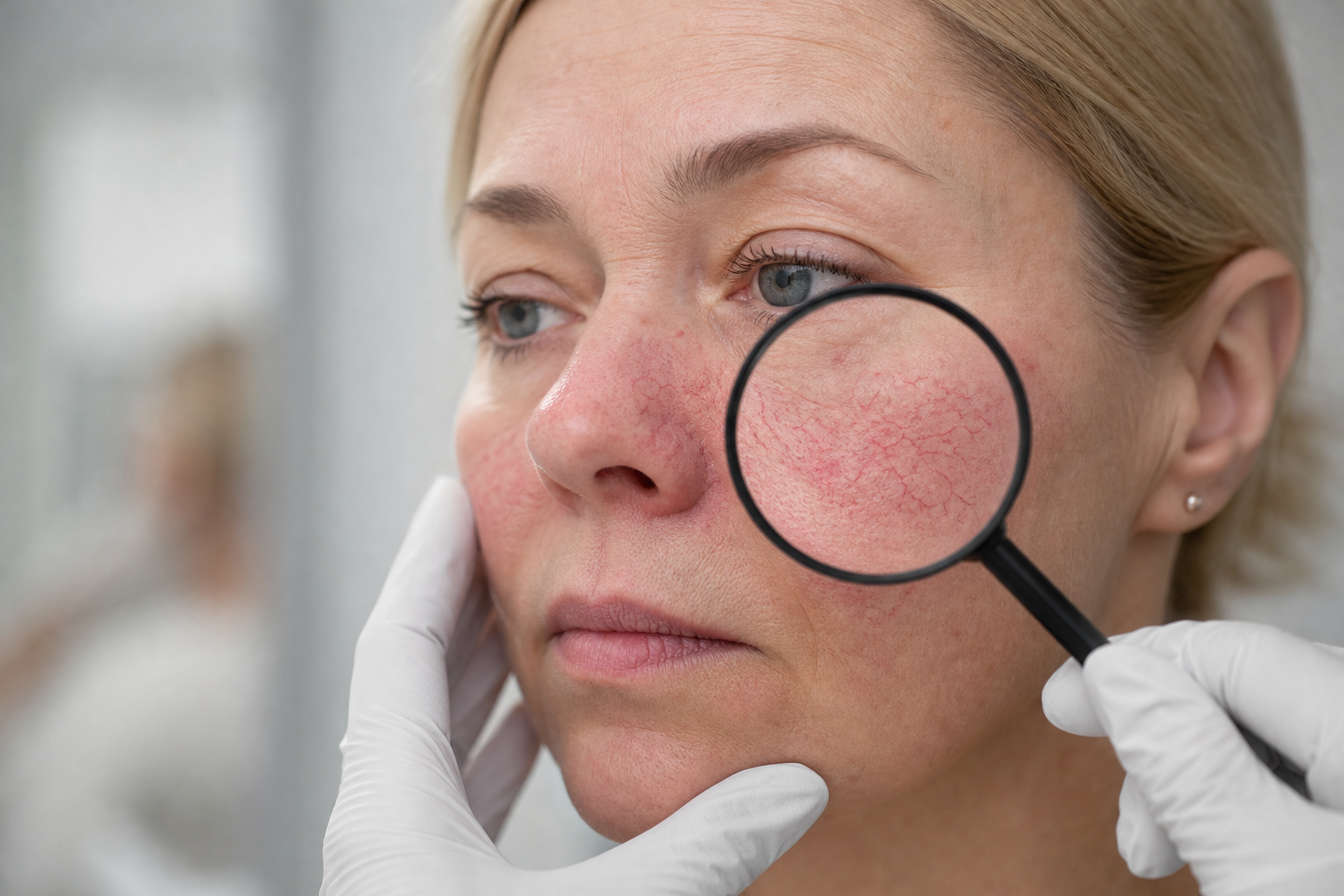
Some people have only a few individual vessels, while others experience widespread redness affecting larger areas of the face. Although these concerns may appear similar, they do not always have the same cause and may require different treatment approaches.
Laser and light-based treatments can reduce the appearance of superficial blood vessels by targeting the pigment within the blood while minimising damage to the surrounding skin. The most appropriate technology depends on the vessel’s colour, diameter, depth and location, as well as the client’s skin tone and sensitivity.
Although the procedure is commonly described as “capillary removal”, the laser does not physically extract the vessel. It closes or damages the targeted vessel, allowing the body to gradually break it down. Successfully treated vessels may disappear, but the procedure cannot prevent new ones from developing in the future.
What Causes Broken Capillaries and Facial Redness?
Broken capillaries are small, dilated blood vessels that have become visible through the skin. They are medically known as telangiectasias and may appear as fine red, pink, purple or blue lines.
Their development may be influenced by:
genetic predisposition
naturally fair or thin skin
cumulative sun exposure
sudden temperature changes
cold weather, wind and excessive heat
hormonal changes
pregnancy
the natural ageing process
inflammatory skin conditions
rosacea
previous injuries or cosmetic procedures
prolonged or inappropriate use of topical corticosteroids
alcohol and spicy food in sensitive individuals
Temporary flushing after physical activity, emotional stress or exposure to heat is not the same as permanently enlarged capillaries. In some people, redness initially comes and goes but becomes more persistent over time.
Facial redness is not always purely cosmetic. It may be associated with rosacea, dermatitis, acne, allergic reactions, infections or another skin condition. A professional assessment is therefore important before beginning treatment.
Any lesion that bleeds repeatedly, grows quickly, changes appearance or fails to heal should be medically assessed rather than treated as an ordinary broken capillary.
How Does Vascular Laser Treatment Work?
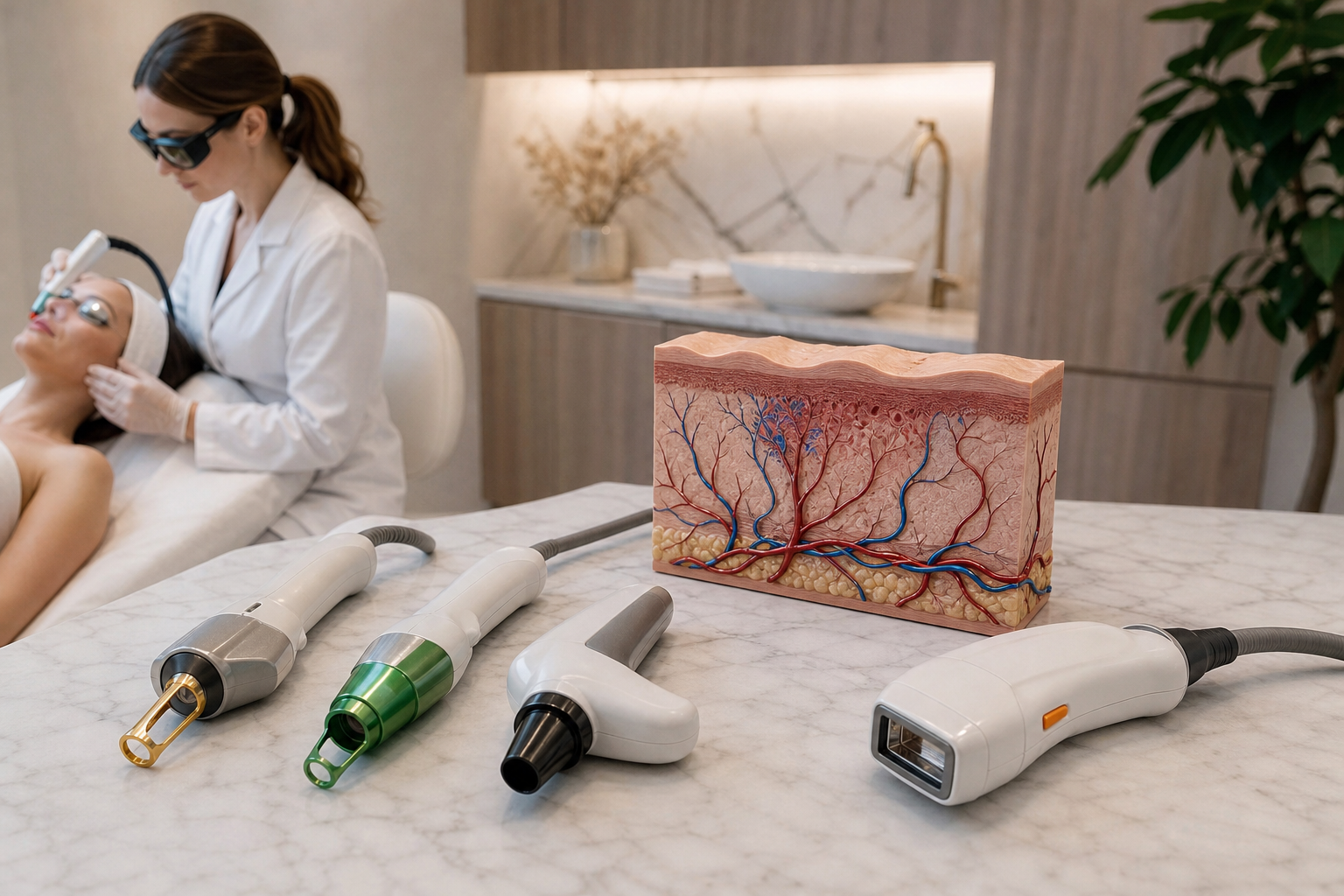
Vascular lasers work through a process known as selective photothermolysis. The device emits light at a particular wavelength, which is absorbed by haemoglobin—the pigment found within the blood.
The absorbed light is converted into heat. This controlled thermal energy damages the walls of the targeted vessel and causes them to close. Blood flow is redirected through other healthy vessels, while the treated structure is gradually broken down and removed by the body.
For the treatment to work, sufficient energy must reach the vessel without causing unnecessary injury to the surrounding skin. This balance depends on several factors:
laser wavelength
vessel diameter and depth
colour of the vessel
pulse duration
treatment spot size
energy level
cooling system
the client’s skin type
the practitioner’s experience
Fine red vessels close to the surface do not necessarily require the same technology or settings as deeper blue or purple vessels. There is therefore no single treatment protocol that is appropriate for every vascular concern.
Which Technologies Are Used?
Several types of vascular lasers and light-based devices can be used to treat visible vessels and redness. The choice should be based on the characteristics of the concern rather than the popularity or marketing name of the device.
Pulsed dye laser is commonly used for diffuse redness, rosacea and certain superficial vascular lesions. Its wavelength is strongly absorbed by haemoglobin. Depending on the settings, treatment may cause temporary purple marks resembling bruises.
KTP laser is frequently used for small, superficial and clearly visible red capillaries. It can be particularly useful around the nose and across the cheeks. Because its wavelength also interacts with skin pigment, careful client selection and appropriate settings are essential.
Nd:YAG laser penetrates more deeply and may be used for larger or deeper vessels. It is often considered for blue vessels and certain vascular concerns on the body and legs. As it can generate significant heat within the tissue, accurate settings and effective cooling are particularly important.
Intense pulsed light, commonly known as IPL, is not a laser. It emits a broad spectrum of light that is adjusted using filters. IPL can treat diffuse facial redness across a larger area and may simultaneously improve certain pigmentation irregularities and signs of sun damage.
No technology is universally superior. An individual capillary, widespread facial redness, rosacea and a deeper leg vein are different concerns that may require different devices. In some cases, a combination of treatments may provide the most balanced result.
Which Vascular Concerns Can Be Treated?
Laser and light-based procedures are commonly used for:
individual capillaries on the nose and cheeks
redness around the nostrils
networks of fine facial vessels
diffuse facial redness
redness associated with certain forms of rosacea
vascular changes on the neck and chest
small red angiomas
selected superficial blood vessels on the body
Facial capillaries respond differently from vessels on the legs. Visible leg veins may be connected to an underlying problem with venous circulation. A medical examination or additional diagnostic assessment may therefore be necessary before treatment.
For certain leg veins, sclerotherapy or another vascular procedure may be more appropriate than laser treatment. Treating only the visible vessel without assessing its source and blood supply can lead to limited or temporary improvement.
Laser and IPL treatments may reduce redness associated with rosacea, but they do not cure the underlying condition. Rosacea is a chronic condition that can alternate between periods of improvement and flare-ups.
Light-based therapy may therefore form part of a wider management plan involving gentle skincare, sun protection, identification of personal triggers and, when required, medical treatment.
What Happens During the Treatment?
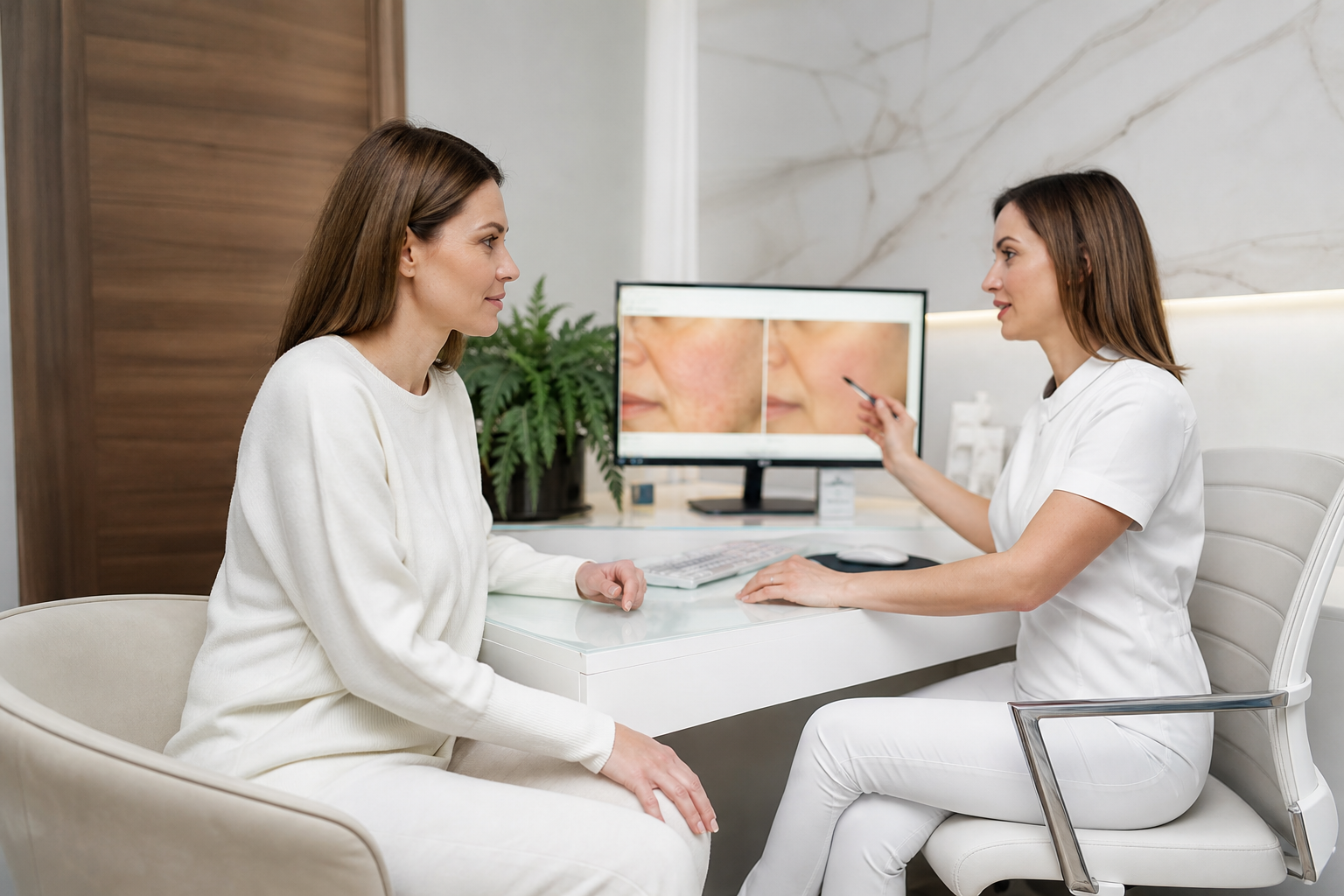
Treatment should begin with a consultation and careful assessment of the skin. The practitioner needs to determine whether the concern is vascular, establish the type and depth of the vessels and identify any condition that may require medical diagnosis.
Clients should disclose:
all medicines and supplements
a history of abnormal scarring
bleeding or clotting disorders
previous reactions to laser procedures
active infections or recurrent cold sores
pregnancy or breastfeeding
recent sun exposure or sunbed use
skincare products or treatments that increase sensitivity
Before the procedure, the skin is cleansed and suitable protective eyewear must be provided. Depending on the device, contact cooling, chilled air or a cooling spray may be used to protect the skin’s surface and improve comfort.
Each laser pulse may feel like a brief sting, a burst of heat or the snap of a small elastic band. The intensity of the sensation depends on the treatment area, the type of vessel, the device and individual sensitivity.
Immediately after a pulse, the vessel may temporarily become darker, paler or more visible. The surrounding skin can appear red and slightly swollen. Certain vascular laser treatments can also produce purple marks resembling bruising.
Treatment time depends on the number and size of the affected areas. A few individual capillaries may be treated quickly, while diffuse redness across the entire face requires a longer appointment.
How Many Treatments Are Needed?
The number of treatments depends on the colour, depth, diameter and number of vessels. A few small superficial capillaries may improve significantly after one session, while widespread redness and larger treatment areas usually require several appointments.
Results should not be assessed immediately after the procedure. The body needs time to break down and clear the treated vessels, so improvement generally develops over the following weeks.
Some vessels respond during the initial session, while others gradually become lighter. Deeper, wider or more resistant vessels may require additional treatment or a different technology.
It is important to distinguish between successfully treated vessels and the possibility of new ones developing. Laser treatment can close an existing capillary, but it cannot eliminate genetic predisposition, rosacea, sun damage or other factors that encourage the formation of new vessels.
Some clients may therefore benefit from occasional maintenance treatments. Consistent sun protection, suitable skincare and avoiding known triggers may help preserve the results.
Before-and-after photographs should be taken under the same conditions. Room temperature, recent exercise, lighting, camera angle and temporary flushing can significantly change the appearance of redness and create a misleading impression of the result.
Recovery and Aftercare
Recovery time depends on the device and the intensity of treatment. Following a gentle procedure, redness and swelling may settle within several hours or days. More intensive vascular treatments can produce noticeable swelling, temporary darkening of the vessels, small crusts or purple marks.
The skin should be treated gently during recovery. Aftercare usually includes mild cleansing, appropriate moisturisation and consistent sun protection.
Clients may be advised to avoid:
direct sun exposure and sunbeds
saunas, steam rooms and very hot showers
strenuous exercise immediately after treatment
rubbing or massaging the treated area
retinoids, exfoliating acids and scrubs
aggressive cleansing products
picking or removing small crusts
treatments that heat or irritate the skin
A cool compress may help reduce warmth and swelling, but ice should not be applied directly to the skin. All products used during recovery should follow the practitioner’s instructions.
Protection from ultraviolet radiation is particularly important. Treating recently tanned skin can increase the risk of injury, while unprotected sun exposure during recovery may contribute to pigmentation changes.
Safety, Side Effects and Contraindications
Vascular laser treatment is generally well tolerated when the appropriate technology is used by a properly trained practitioner. However, no procedure that generates heat within the skin is entirely free of risk.
Expected temporary reactions may include:
redness
warmth or mild stinging
slight swelling
temporary darkening of the vessel
purple marks resembling bruises
minor crusting
temporary sensitivity
Less common complications can include burns, blisters, infection, prolonged redness, pigmentation changes and scarring. The risk increases when treating tanned skin, using unsuitable settings or failing to provide adequate cooling.
Additional caution is required when treating darker skin tones because melanin in the skin may absorb some of the energy intended for the blood vessel. This does not automatically mean treatment is unsuitable, but an appropriate device, conservative settings and relevant experience are essential.
Treatment is generally postponed if there is an active infection, open wound, significant inflammation or recent tan. Tattoos and permanent make-up near the treatment area must be identified and avoided because their pigment can absorb laser energy.
Certain medicines and medical conditions may also affect suitability. An individual consultation is necessary rather than relying on a universal list of contraindications.
Severe pain, blistering, increasing swelling, discharge or redness that continues to worsen after treatment should be reported promptly to the provider or an appropriate medical professional.
Laser or IPL: Which Is Better?
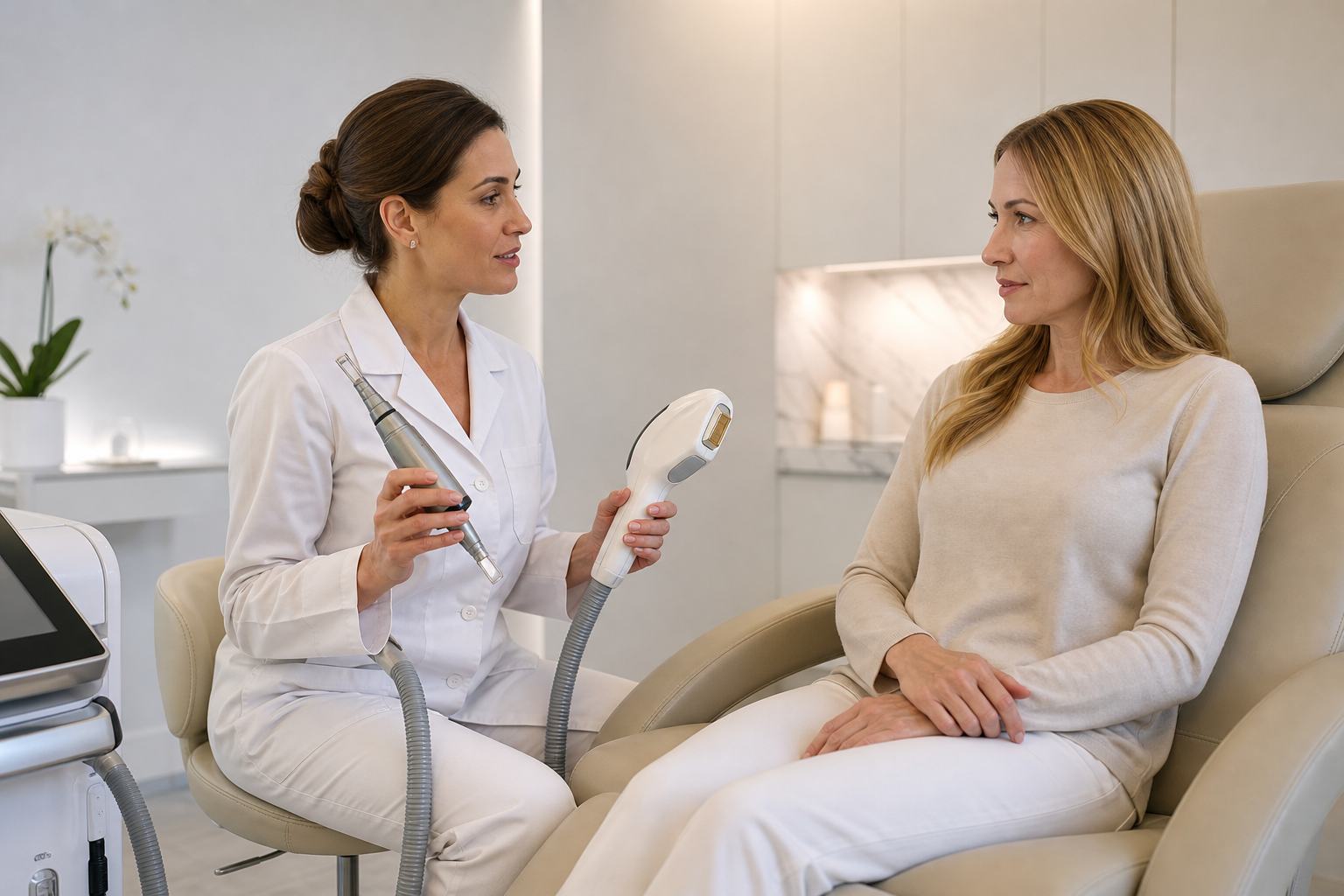
Lasers emit light at a specific wavelength and can precisely target particular types of blood vessels. IPL delivers a broader spectrum of light, which is adjusted using different filters.
Laser treatment may be more suitable for clearly defined individual capillaries, particularly when an appropriate wavelength is selected according to the vessel’s colour and depth.
IPL may be useful when diffuse redness covers a larger area, especially when pigmentation irregularities and signs of sun damage are also present.
However, this does not mean that every laser is automatically better than IPL. A high-quality medical IPL device used by an experienced practitioner may produce better results than a low-powered or incorrectly operated laser.
The decision should be based on the characteristics of the skin and vessels—not simply on which treatment appears newer or is promoted more heavily.
How to Choose a Qualified Treatment Provider
A reliable treatment begins with an accurate assessment. It is not enough to establish that the skin looks red. The practitioner should distinguish between individual telangiectasias, diffuse redness, rosacea, dermatitis, active inflammation and other conditions that may appear similar.
During the consultation, clients should receive clear answers to the following questions:
Which technology will be used?
Why is it appropriate for this particular concern?
Is the treatment targeting individual vessels or diffuse redness?
How many sessions may be required?
What reaction is expected immediately afterwards?
How long is the recovery period?
What are the potential risks?
How should the skin be prepared and cared for?
Who should be contacted if a complication develops?
Protective eyewear appropriate for the wavelength of the device is essential. Ordinary sunglasses do not provide adequate protection.
A trustworthy practitioner will not guarantee the complete and permanent removal of every capillary. Instead, they should explain which vessels are likely to respond, where results may be less predictable and why new vessels can appear in the future.
The least expensive treatment is not necessarily the best value, but a high price alone does not guarantee an excellent outcome. Accurate assessment, suitable equipment, practitioner experience, controlled settings and appropriate follow-up are more important than the marketing name of the procedure.