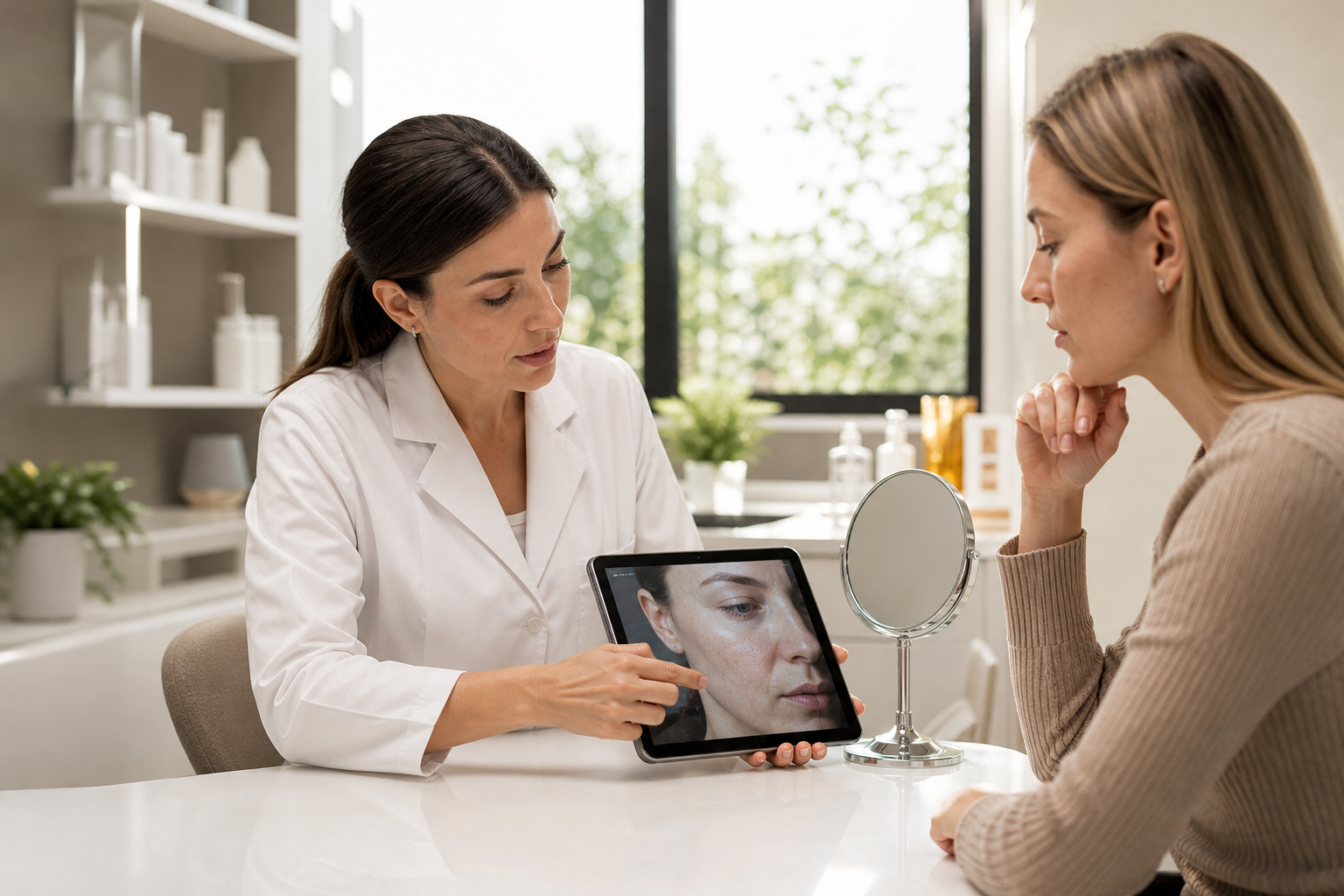
Choosing the right laser treatment for your skin concern is a critical decision that calls for informed judgment, an understanding of the various laser technologies available, and awareness of your individual skin needs. Laser procedures have become a cornerstone in modern dermatology and aesthetics, offering targeted solutions for a range of issues from pigmentation irregularities to skin rejuvenation. But with a multitude of laser types and treatment goals, how does one discern the best option tailored to specific skin problems without falling prey to marketing hype or unrealistic promises?
This article is designed for anyone contemplating laser interventions—whether aiming to diminish wrinkles, refine skin texture, tackle stubborn acne scars, or reduce vascular lesions—and seeks to provide clarity on selecting an appropriate laser treatment. It matters because choosing the right treatment directly influences safety, effectiveness, recovery experience, and ultimately patient satisfaction. Making an uninformed choice may not only lead to suboptimal results but also expose the skin to unnecessary risks.
By delving into the core principles of laser technology, candidacy considerations, realistic outcomes, and the significance of professional expertise and documented evidence, this comprehensive guide aims to empower you with the knowledge to navigate this complex but rewarding field responsibly.
What Different Types of Laser Treatments Are Available and Which Skin Concerns Do They Address?
Laser treatments are not one-size-fits-all; rather, they encompass a spectrum of technologies designed to address distinct skin conditions. Understanding the categories and mechanisms of these lasers forms a foundational step in choosing a treatment aligned with your needs.
Laser Skin Rejuvenation (Laser Resurfacing): These use ablative or non-ablative lasers like erbium (Er:YAG) or carbon dioxide (CO2) lasers to stimulate collagen synthesis and promote skin renewal. Commonly, they reduce fine lines, wrinkles, and improve uneven skin texture.
Pigmentation Correction: Targeting melanin, Q-switched or picosecond lasers aimed at clearing sun spots, melasma, and other hyperpigmentation issues minimize pigmentation without collateral damage to surrounding skin.
Acne and Post-Acne Scar Treatment: Some lasers, including diode lasers, help decrease inflammation, reduce active acne lesions, and smooth out textural irregularities caused by scarring.
Vascular Lesion Treatment: Pulsed dye lasers or Nd:YAG lasers are effective at targeting blood vessels, reducing the visibility of broken capillaries or spider veins.
Each laser's wavelength and delivery modality determine its affinity for particular skin chromophores such as melanin or hemoglobin, dictating its clinical application. Recognizing the specific conditions each laser addresses is crucial to avoid inappropriate or ineffective treatments.
How Can You Accurately Identify Your Skin Concern to Determine the Need for a Laser Treatment?
Before considering any laser procedure, a thorough self-assessment combined with a professional evaluation is indispensable. Skin concerns suitable for laser intervention include persistent pigmentary changes, textural irregularities, vascular markings, or signs of aging unresponsive to topical therapies.
Equally important is understanding your skin type—its thickness, sensitivity, and tendency toward hyperpigmentation or scarring—and any underlying medical conditions. Active infections, recent sun exposure, or use of photosensitizing medications may contraindicate laser treatments.
A qualified dermatologist or laser specialist can diagnose the precise nature of your skin condition, utilizing diagnostic tools or skin analysis as needed. This consult helps ascertain if laser treatment is warranted or if alternative modalities might be more appropriate. Professional guidance ensures your safety and enhances the prospects of achieving meaningful improvement.
What Are the Essential Criteria to Consider When Selecting a Laser Treatment?
Choosing the right laser treatment involves a multifaceted approach that transcends mere popularity or device brand recognition. The following criteria should guide your decision-making process:
Evidence-Based Medicine: Opt for treatments backed by robust clinical studies and peer-reviewed literature. This scientific grounding assures that the laser approach is both safe and effective for your specific concern.
Professional Expertise: The skill and experience of the practitioner administering the laser therapy play a pivotal role. Licensed physicians or certified laser technicians with specialized training and a proven track record enhance treatment safety and outcomes.
Individualized Treatment Planning: Since skin types and conditions vary greatly, treatments must be customized. A generic protocol seldom fits all; customization considers skin phototype, lesion characteristics, and patient expectations.
Transparent Documentation and Informed Consent: Before proceeding, a thorough explanation of the procedure, potential side effects, expected recovery timeline, and realistic results is essential. Documented informed consent protects patient rights and fosters trust.
Realistic Expectations: Understanding the limitations of the laser treatment, including the number of sessions typically required and the necessity for adjunctive care, helps prevent disappointment and promotes satisfaction.
How Do Different Laser Technologies Work and Influence Treatment Selection?
Laser devices differ fundamentally in wavelength, pulse duration, and energy delivery, all of which determine their interaction with skin tissues.
Erbium Lasers (Er:YAG): Primarily ablative, they vaporize superficial layers of the skin with high precision, suitable for fine lines and mild to moderate skin resurfacing.
Carbon Dioxide (CO2) Lasers: Also ablative but penetrate deeper, ideal for more pronounced wrinkles, scars, and skin tightening through collagen remodeling.
Nd:YAG Lasers: Penetrate deeper, often used for vascular lesions and hair removal, as well as some pigmentation disorders.
Diodne Lasers: Common in hair removal and some acne treatments, they target melanin in hair follicles and sebaceous glands.
Q-switched and Picosecond Lasers: Emit ultra-short pulses that fragment pigment particles without significant thermal damage, effective for pigment and tattoo removal.
The choice of laser depends on the target chromophore, depth of the lesion, skin type, and desired treatment endpoint. Sometimes sequential or combined laser treatments may be warranted for complex conditions.
When is a Patient Considered a Suitable Candidate for Laser Treatment?
Ideal candidates are individuals presenting with stable skin conditions amenable to laser therapy and with no contraindications that could increase complication risk.
Contraindications may include active infections or inflammatory skin conditions at the treatment site, recent isotretinoin use, certain autoimmune disorders, and pregnancy. History of keloid scarring or hypersensitivity may necessitate caution.
Psychological readiness and realistic expectations are equally important factors. Consultation with a healthcare provider helps ascertain candidacy by evaluating medical history, skin examination, and understanding the patient’s goals and concerns.
What Should You Expect Regarding Recovery Time and Potential Risks After Laser Procedures?
Recovery varies widely depending on the laser type and treatment depth. Superficial resurfacing might involve a few days of redness and peeling, whereas more aggressive ablative treatments could require extended downtime and meticulous wound care.
Common temporary side effects include erythema, swelling, and mild discomfort. More serious but less frequent risks entail pigmentary alterations, scarring, or infections, underscoring the need for meticulous pre-procedure screening and post-care adherence.
Patient education on aftercare protocols, sunscreen use, and follow-up appointments is integral to minimize risks and optimize outcomes. The treating professional should provide clear guidance on what to expect during convalescence.
How to Discern Unrealistic Claims and Understand Regulatory Standards in Laser Treatments?
The aesthetic medicine landscape is occasionally peppered with exaggerated promises of instant, flawless skin transformations without downtime or risks. It is prudent to approach such claims with skepticism and seek corroboration from independent scientific resources.
Regulatory bodies mandate that laser devices used are certified medical-grade equipment and that clinics operate under licensed supervision with clear patient consent protocols. Verification of a clinic’s credentials through official registries and professional societies safeguards against unscrupulous practices.
Patients should also familiarize themselves with typical treatment courses and realistic benefits as described in reputable publications or discussed transparently during consultations.


