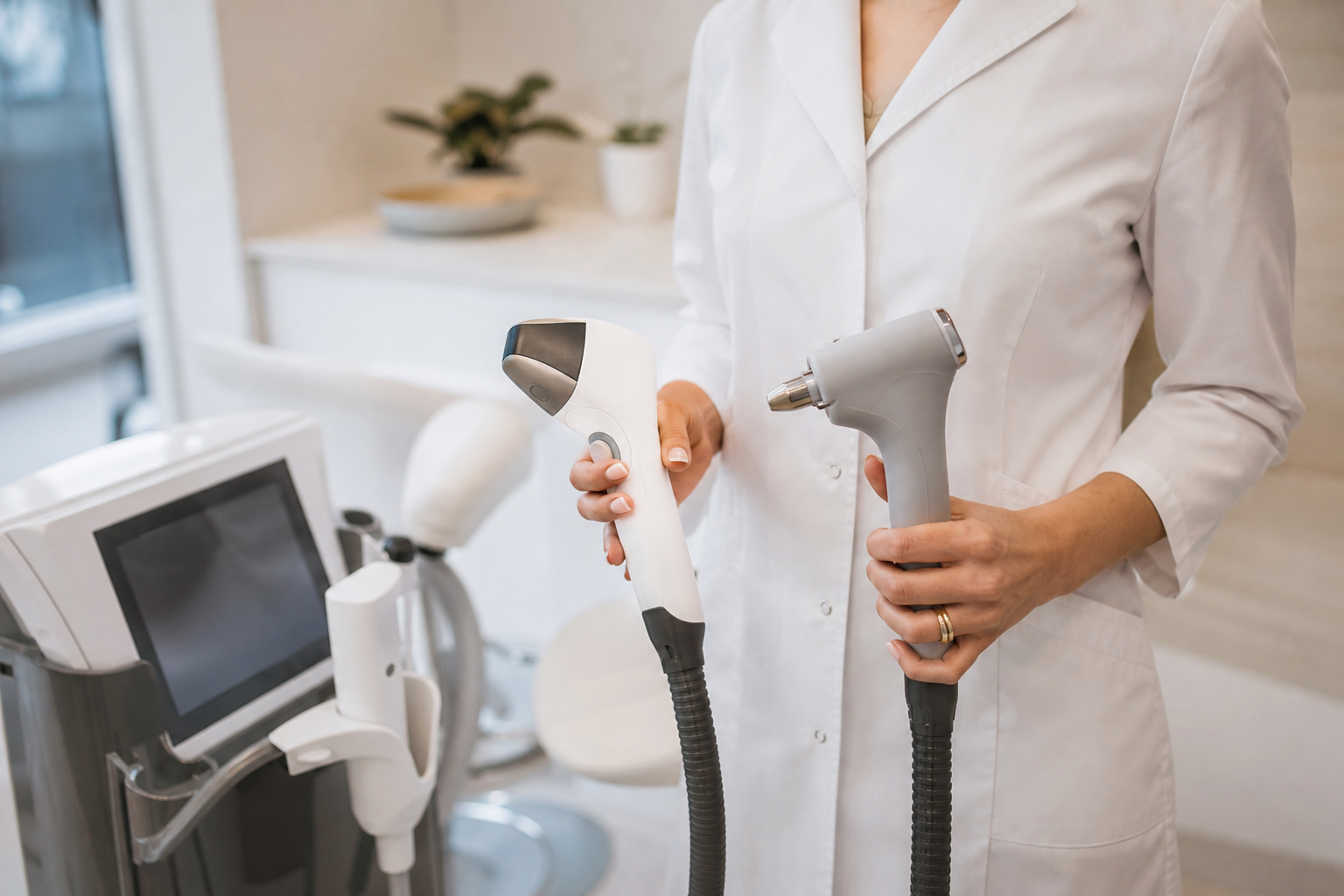
In the rapidly advancing field of aesthetic and therapeutic skin treatments, the importance of verifying both the device used and the expertise of the practitioner cannot be overstated. Whether you are considering laser skin rejuvenation, pigmentation removal, or vascular treatments, ensuring the safety and professionalism behind the procedure is paramount. This article is designed for individuals contemplating such advanced treatments and aims to provide a clear guide on how to evaluate the equipment and the skills of the person performing the procedure. The goal is to empower patients to make informed decisions, reduce the risk of complications, and promote outcomes aligned with their aesthetic and health expectations.
The need to check both the device and the practitioner arises from the intersection of complex technology and human skill. Laser and other energy-based devices rely on precise parameters and safety features to function effectively. Moreover, the success and safety of these treatments heavily depend on the operator’s training, experience, and judgment. Neglecting these aspects can lead to undesirable results, including skin damage, prolonged recovery, and adverse side effects.
This discussion is critically important today as the market sees an influx of new technologies and providers. Patients must navigate promotional claims, varying standards, and sometimes unclear regulations. Understanding how to vet the device and practitioner expertise is, therefore, fundamental to responsible treatment planning.
Why Verification of Device Authenticity and Safety Is Essential
Advanced dermatological devices, particularly lasers and other energy-based instruments, possess highly specialized technology. Their cost, regulatory requirements, and maintenance demands reflect their complexity. A verified device typically holds certifications that confirm compliance with international safety standards, such as CE marking in Europe or FDA clearance in the United States. These certifications indicate that the device has been tested for safety and efficacy when used according to the manufacturer's instructions.
Failing to use a certified and properly maintained device not only raises the risk of technical malfunction but also exposes the patient to potential skin injury—for example, burns, scarring, or hyperpigmentation. Importantly, certified devices are designed with built-in safety features to minimize complications, which can be nullified if an uncertified or counterfeit device is substituted.
Before agreeing to treatment, clients should request evidence of device certification, recent service records, and confirmation that the device is approved for the specific procedure planned. A transparent provider will readily share this information, establishing trust and confidence.
Assessing Practitioner Qualifications and Competence
The expertise of the practitioner administering laser or other advanced treatments directly correlates with patient safety and optimal results. Qualified practitioners typically include board-certified dermatologists, plastic surgeons, or trained medical professionals with specialized education in laser applications and skin anatomy.
It is essential for patients to verify the practitioner's credentials, including certification in laser treatment, attendance at relevant continuing education programs, and demonstrable clinical experience. Clinics or treatment centers should display practitioner qualifications and provide access to these upon inquiry.
Beyond formal qualifications, a skilled practitioner performs thorough pre-treatment assessments, including a comprehensive skin evaluation and medical history review. This approach ensures correct patient candidacy, appropriate treatment settings, and recognition of contraindications. Additionally, experienced clinicians anticipate possible side effects, counsel patients effectively, and manage any complications with promptness.
Identifying Warning Signs: Red Flags Indicating Potential Risks
Certain indicators should prompt caution and further investigation when choosing a service provider or device for treatment. These red flags include:
Lack of transparency regarding device details: If the clinic hesitates or refuses to provide information about the equipment's origin, maintenance, and certification status, this suggests oversight or non-compliance with safety protocols.
Absence of recognized practitioner qualifications: Professionals unable to present valid certificates or licenses in dermatologic laser treatment may lack adequate training, increasing the risk of adverse outcomes.
No pre-treatment consultation or assessment: Skipping a detailed evaluation undermines patient safety and indicates negligence in clinical protocol.
Unusually low pricing: While affordability is desirable, prices significantly below market standards often reflect compromised quality or unauthorized practice.
Poor clinic hygiene and disorderly work environment: Cleanliness standards are critical to prevent infections, and a cluttered or unsanitary setting signals lack of professionalism.
When to Seek Additional Medical Consultation Before Treatment
Individuals with chronic skin conditions, history of complicated reactions to laser or other aesthetic interventions, or specific medical concerns should obtain specialist evaluation prior to cosmetic procedures. Dermatologists or other qualified specialists can provide personalized recommendations, identify contraindications, and ensure the chosen treatment aligns with safe practices for the patient's unique skin attributes.
Particularly for patients with darker skin phototypes, safety considerations intensify due to increased risk of pigmentary changes such as post-inflammatory hyperpigmentation or hypopigmentation. Expert guidance helps tailor protocols that minimize risks and optimize results.
The Multifaceted Benefits of Proper Device and Practitioner Verification
Confirming that the device is certified and the practitioner is trained yields numerous advantages. It markedly reduces the likelihood of complications such as erythema, burns, infections, or pigmentary alterations, thus safeguarding skin health. Informed patients also experience greater satisfaction with cosmetic outcomes, as accurate assessment and appropriate technique contribute to the effectiveness and longevity of the results.
Moreover, a competent practitioner can identify when a treatment is inadvisable or when alternative interventions may be better suited, thereby preventing unnecessary procedures.
Post-Verification Focus: Ensuring Optimal Treatment Preparation and Aftercare
Following successful verification and selection of qualified providers and equipment, patients must adhere to prescribed preparatory measures and post-treatment care instructions. Proper skin preparation, sun protection, and follow-up appointments are crucial components that complement the technical aspects of treatment.
Open communication with the treatment team should continue throughout the therapeutic journey, empowering patients to voice concerns and ensuring any emerging issues are promptly addressed.


