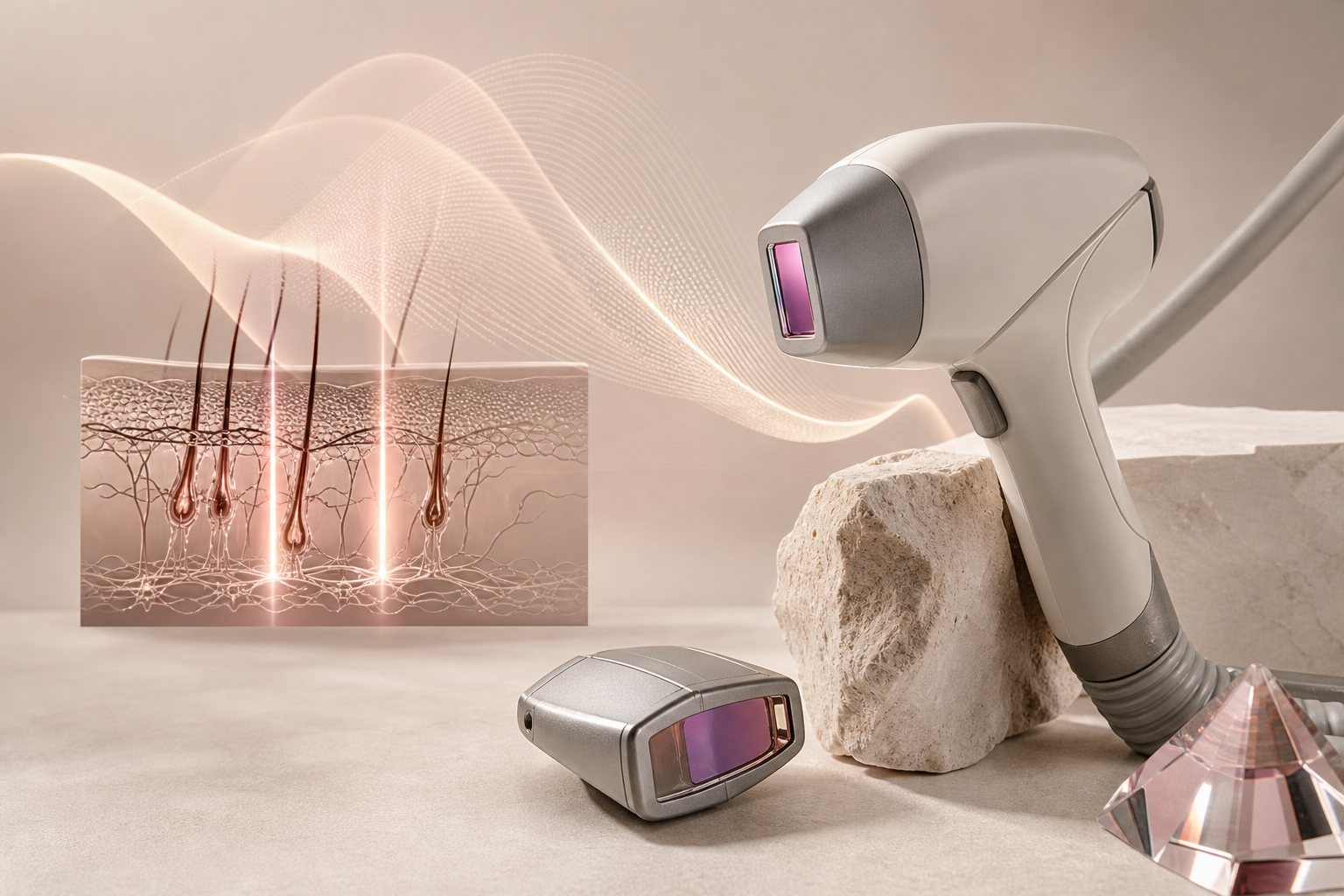
The Alexandrite laser stands as a cornerstone in the realm of advanced laser treatments, widely recognized for its efficacy in hair removal and diverse dermatological applications. This complete guide delves into the technology behind the Alexandrite laser, explores its practical uses, and examines the results patients can anticipate. Whether you're a prospective patient considering laser hair removal or a skincare professional seeking in-depth understanding, this comprehensive overview sheds light on why the Alexandrite laser remains a trusted choice in modern aesthetic medicine.
Understanding the underlying technology of the Alexandrite laser, its specific wavelengths, and how these properties interact with human skin and hair is essential. Equally important is knowing who can benefit most from this treatment, the advantages it offers compared to alternative lasers, and the typical course of therapy. With this knowledge, individuals can make informed decisions about their skin health and hair removal options.
Laser procedures have rapidly advanced over the past few decades, offering patients an array of minimally invasive solutions for cosmetic and medical concerns. Among these, the Alexandrite laser has carved out a significant niche, particularly in tackling unwanted hair and certain pigmentation issues. This guide presents a meticulous examination of the laser’s mechanism, clinical uses, patient candidacy, expected outcomes, and frequently asked questions to ensure a well-rounded understanding.
What Is the Alexandrite Laser, and How Does Its Technology Work?
The Alexandrite laser is a solid-state laser that emits light with a wavelength of 755 nanometers, situated in the near-infrared spectrum. This wavelength is particularly well-suited for targeting melanin, the pigment responsible for coloration in hair and skin. By delivering precise pulses of energy, the laser selectively heats hair follicles and pigmented spots without significantly affecting surrounding tissue.
This selectivity is due to the principle of selective photothermolysis, wherein the laser light is absorbed by melanin chromophores, converting light energy into heat to destroy targeted structures. The 755 nm wavelength allows for deeper penetration into the dermis than shorter wavelengths, enabling effective treatment of hair follicles rooted beneath the skin’s surface.
Additionally, the Alexandrite laser’s high repetition rate and larger spot size offer faster treatment times compared to some other laser types. Coupled with advanced cooling systems that protect the epidermis, practitioners can deliver treatments with enhanced comfort and safety. This technology seamlessly balances potency with precision.
Who Is the Ideal Candidate for Alexandrite Laser Treatments?
Patients with light to olive skin tones (Fitzpatrick skin types I to III) tend to be the most suitable candidates for Alexandrite laser procedures. The laser’s 755 nm wavelength targets melanin effectively but requires a lighter macular background for optimal contrast between hair and skin pigment to avoid damage to the epidermis.
Individuals seeking long-term hair reduction on areas such as the face, legs, back, and underarms often find Alexandrite laser treatments highly effective. It is also beneficial for those looking to address pigmentation irregularities like sun spots, age spots, and some types of lentigines, provided their skin tone is appropriate.
Conversely, those with darker skin tones may be at higher risk of adverse effects like hyperpigmentation or burns due to the higher melanin in their epidermis potentially absorbing excessive energy. For these patients, other lasers such as Nd:YAG may be recommended. A thorough consultation with a certified practitioner is crucial to ascertain candidacy and devise a tailored treatment plan.
What Are the Primary Applications of Alexandrite Lasers in Dermatology?
The most widespread use of the Alexandrite laser is in laser hair removal. Its precision and efficiency in disrupting hair follicles make it a preferred choice especially for fine and light-colored hair that requires a laser with strong melanin absorption characteristics. Patients benefit from significantly reduced hair growth after several treatment sessions.
Beyond hair removal, Alexandrite lasers are employed in treating pigmented lesions including freckles, lentigines, and certain types of birthmarks. By targeting melanin clusters, the laser helps reduce discoloration and promotes a more even skin tone. This aspect of treatment contributes to skin rejuvenation strategies often combined with other aesthetic procedures.
Additionally, the Alexandrite laser can address superficial vascular lesions, though this is a less common application. Its wavelength can thermally impact small blood vessels, reducing the appearance of redness and broken capillaries in some cases.
How Does Alexandrite Laser Hair Removal Compare with Other Laser Technologies?
When considering laser hair removal, several laser types are available, including diode, Nd:YAG, and ruby lasers. The Alexandrite laser is distinguished by its 755 nm wavelength, which provides quicker treatments due to broad spot sizes and high repetition rates.
Compared to diode lasers (which operate around 800-810 nm), Alexandrite lasers are generally more effective on lighter skin tones but carry a slightly greater risk of epidermal damage on darker skin. Nd:YAG lasers, emitting at 1064 nm, penetrate more deeply and are safer for darker skins but may require more sessions for hair reduction. Ruby lasers, with a shorter wavelength near 694 nm, have largely been supplanted due to slower speeds and greater skin reaction risks.
In summary, Alexandrite lasers strike a harmonious balance of speed, efficacy, and comfort for the right candidates, especially those with lighter skins and lighter hair types such as blonde or light brown hair. The choice ultimately depends on individual skin and hair characteristics, treatment goals, and professional recommendations.
What Are the Benefits and Expected Outcomes from Alexandrite Laser Treatments?
Patients undergoing Alexandrite laser hair removal typically notice a marked reduction in hair density, thickness, and growth rate after multiple sessions. Many achieve up to 70-90% hair reduction, resulting in smoother, less visible regrowth for extended periods. Some patients experience near-permanent hair removal depending on hormonal factors and treatment adherence.
Other benefits include minimal discomfort during procedures, thanks to integrated cooling mechanisms, and the treatment’s non-invasive nature which negates downtime. Sessions are relatively quick, enabling treatment of large body areas efficiently. For pigmented lesions, gradual fading and smoothing of skin tone can enhance complexion and overall aesthetic appeal.
Moreover, the risk profile is favorable when treatments are performed by experienced clinicians using calibrated settings. Adverse effects such as redness, swelling, or mild irritation usually subside rapidly. Serious complications remain rare with appropriate patient selection and technique.
How Do Alexandrite Laser Treatments Work? What to Expect During and After Sessions?
During an Alexandrite laser session, a handpiece delivers precise pulses of laser energy to the target area. Patients typically wear protective eye shields. The laser’s cooling system cools the skin immediately before and after each pulse, minimizing discomfort.
A sensation similar to a rubber band snap is commonly reported, but many patients find the treatment tolerable without anesthesia. Sessions generally last from 15 to 60 minutes depending on the size of the area treated. Multiple sessions spaced several weeks apart are necessary to target hair in different growth cycles or to achieve progressive improvement in pigmentation issues.
Post-treatment, patients may experience transient erythema (redness), mild swelling, or slight tenderness that resolves in hours to days. It is advised to avoid direct sun exposure and to use broad-spectrum sunscreen to protect the treated areas and optimize results. Follow-up appointments help to monitor progress and schedule subsequent sessions.
When Should One Consider Choosing Alexandrite Laser Over Other Options?
Considering Alexandrite laser treatment is particularly apt for individuals with light skin tones seeking effective, rapid hair removal or treatment of pigmented lesions. It is preferred when larger treatment areas need addressing swiftly without sacrificing precision.
Patients looking for a balanced approach between speed, comfort, and efficacy often opt for Alexandrite laser treatments after consulting with trained professionals who consider skin type, hair color, and medical history. This laser’s versatility in addressing hair and pigment concerns simultaneously makes it a practical choice for comprehensive dermatological rejuvenation plans.
However, for patients with darker skin or who require treatment of vascular lesions primarily, alternative lasers might be recommended. The decision must be individualized, prioritizing safety and realistic expectations.
What Are Commonly Asked Questions About Alexandrite Laser Procedures?
Is Alexandrite laser treatment painful? Most patients report mild discomfort akin to a snapping sensation, generally well-tolerated especially with cooling technology.
How many treatments are needed? Typically, six to eight sessions spaced 4 to 6 weeks apart for hair removal, varying by individual hair cycles and treatment area.
Are the results permanent? Alexandrite laser offers long-term hair reduction. Some patients achieve permanent removal, though hormonal changes may stimulate regrowth in rare cases.
Can it be used on all skin types? Best suited for Fitzpatrick skin types I to III. Treatment on darker skin may carry higher risks and is usually advised against in favor of other lasers.
What precautions should be taken post-treatment? Avoid sun exposure, apply sunscreen, and follow practitioner’s aftercare to minimize side effects and support healing.


