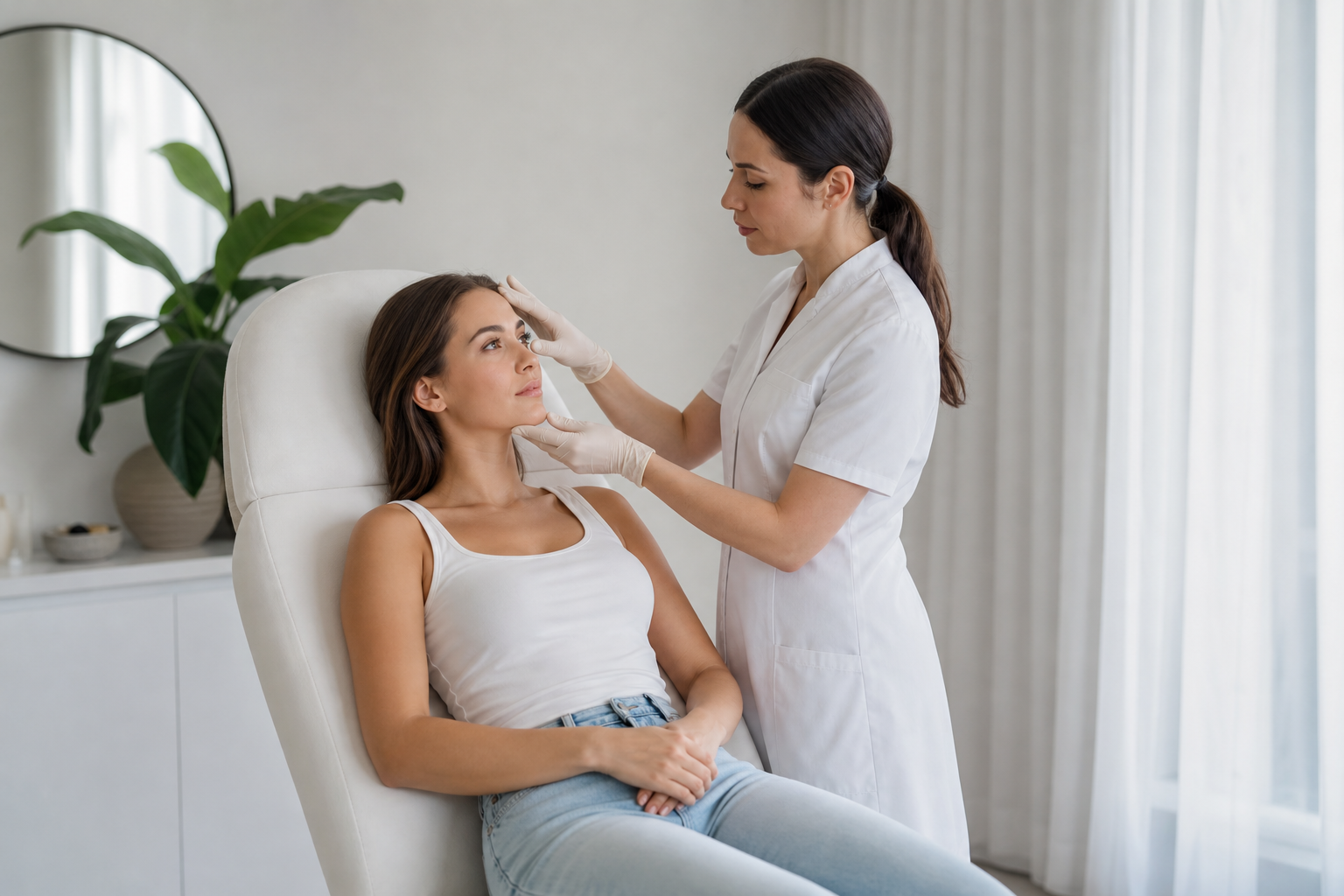
In recent years, the use of Botox among individuals in their twenties has garnered increasing attention and sparked considerable discussion. Once a treatment predominantly associated with mature adults seeking to erase prominent wrinkles, Botox has now emerged as a proactive, preventive measure embraced by a younger demographic intent on preserving a youthful complexion before significant lines develop. This shift marks an important evolution in aesthetic medicine, highlighting the intersection of early skincare strategies and advanced cosmetic interventions.
This article aims to address the nuanced considerations surrounding Botox in your twenties: who might benefit from early consultations, the functional mechanisms of Botox in this age group, the balance between natural expression and anti-aging benefits, as well as the safety and realistic expectations for such treatments. Geared towards young adults contemplating their first Botox experience, their families, and medical professionals seeking a comprehensive understanding of early intervention approaches, the discussion explores Botox not merely as a corrective tool but as a sophisticated element of preventive skin health management during a pivotal phase of facial development.
Understanding the role of Botox in the context of the twenties is essential in an era when aesthetic choices are increasingly personalized and integrated with lifestyle factors. As we delve into the science, application, and medical insights behind early Botox use, the goal is to illuminate when professional consultation becomes a necessary first step, ensuring safe and effective outcomes that align with long-term skin vitality and individual goals.
The Science Behind Botox and Its Preventive Role in Your Twenties
Botox is a purified form of botulinum toxin, which serves to temporarily block nerve signals to targeted muscles, effectively reducing their ability to contract. This action is pivotal in preventing the formation of dynamic wrinkles—those lines that appear with facial expressions like frowning or squinting—and often become more pronounced over time, turning into static wrinkles visible even at rest.
In individuals in their twenties, the skin generally maintains robust elasticity and regenerative capacity. However, repetitive facial movements, environmental stressors, and genetic predispositions can accelerate fine line formation. Rather than focusing solely on reversing visible signs of aging, Botox at this stage is employed as a preventive strategy to moderate muscular activity without compromising natural expressions. By gently relaxing specific facial muscles, Botox creates an opportunity for the skin to recover and maintain its smooth texture in the long term.
This approach differs notably from traditional Botox applications aimed at correcting established deep wrinkles. Instead, the goal is to subtly recalibrate facial movement patterns to delay or soften the aging process, highlighting Botox as part of a broader, proactive skincare regimen in young adults.
Why Early Consultation with a Qualified Specialist Is Crucial
A consultation with a certified medical professional is pivotal before initiating any Botox treatment, especially in the twenties. This appointment facilitates a comprehensive evaluation of skin condition, facial anatomy, medical history, and aesthetic goals, enabling a personalized treatment plan tailored to the individual’s needs and lifestyle.
Not every young adult is an appropriate candidate for early Botox. Factors such as overall health, facial muscle dynamics, skin type, and the presence of medical conditions influence suitability. Moreover, motivations behind seeking treatment must be carefully discerned to avoid decisions driven by transient societal pressures or unrealistic expectations.
The consultation also provides a platform to discuss potential medical indications beyond aesthetics, such as the management of bruxism (teeth grinding) or hyperactive facial muscles that might lead to premature wrinkle development. Even in cases where Botox may not be immediately advisable, specialists can recommend alternative or complementary skincare interventions.
Preventive Botox: A Rising Trend and Its Practical Application in Your Twenties
Preventive Botox has gained popularity particularly among millennials and Gen Z, who prioritize long-term skin health and minimally invasive cosmetic maintenance over later invasive procedures. This trend centers on administering smaller Botox doses strategically, targeting key muscles contributing to wrinkle formation without eliminating facial expressiveness.
Unlike classical Botox treatments characterized by higher doses aiming for visible wrinkle correction, preventive Botox in the twenties requires a nuanced, disciplined technique that respects the natural dynamics of youthful muscle movement. The outcome preserves the authenticity of facial expressions while reducing the risk of permanent furrows caused by habitual motion.
It is important to highlight that preventive Botox should not be perceived as a guarantee against all signs of aging, but rather as a prudent component of a holistic approach that includes sun protection, hydration, balanced nutrition, and non-invasive dermatologic care.
Setting Realistic Expectations and Understanding Treatment Limitations
While Botox can be a powerful adjunct in maintaining smooth skin, especially for those genetically predisposed to early wrinkle development, it is not a panacea. Genuine understanding of its capabilities and constraints is fundamental to avoid disappointment and ensure satisfaction.
Most notably, the effects of Botox are temporary, typically lasting three to six months. Repeated treatments are usually necessary to sustain results. Excessive or improperly calibrated use can lead to muscle atrophy or unintended alterations in facial expressions, emphasizing the importance of moderation and expert administration.
The youthful skin of individuals in their twenties often responds well to conventional skincare methods alongside lifestyle modifications. Botox best serves as a supplementary measure rather than a wholesale solution. Therefore, patient education during consultation should underscore the complementary role of Botox within an integrative anti-aging strategy.
Safety Profile and the Essential Role of Licensed Professionals
When executed by experienced, board-certified dermatologists or plastic surgeons, Botox administration is known for its high safety profile. Trained specialists possess intimate knowledge of facial anatomy and injection techniques that minimize adverse outcomes such as asymmetry, eyelid droop, or unintended muscle weakness.
Conversely, unqualified practitioners pose significant risks, including improper dosing, incorrect injection sites, and lack of ability to manage complications. Therefore, the initial consultation is also a critical screening to confirm the credentials of the provider and establish trust-based communication.
Informed consent obtained during consultation ensures patients are aware of all potential risks, post-treatment care instructions, and the importance of follow-up visits. This comprehensive approach mitigates anxiety and supports patient empowerment throughout the treatment journey.
Integrating Botox Into a Holistic Skincare Regimen for Young Adults
Botox should be viewed as one element within a multidisciplinary regimen focused on preserving skin vitality and delaying senescence. This includes daily use of broad-spectrum sunscreen to protect against ultraviolet damage, consistent hydration with moisturizers tailored to individual skin types, balanced nutrition rich in antioxidants, and avoidance of smoking or excessive alcohol consumption.
Adjunctive treatments such as hyaluronic acid fillers may also complement Botox by enhancing skin volume and contour without impeding natural expression. These minimally invasive modalities can be customized and timed appropriately based on the patient's evolving aesthetic needs in their twenties.
Such a coordinated approach reinforces the notion that youthful skin maintenance is multifaceted, requiring ongoing commitment beyond singular interventions. Regular consultations facilitate monitoring of skin changes and refinement of treatment plans over time.
Balancing Aesthetic Enhancement with Authenticity in Facial Expression
One of the pivotal challenges in administering Botox to young adults lies in preserving the authenticity of their facial expressions. The twenties are formative years for self-identity and emotional communication; therefore, any aesthetic intervention must respect and maintain the natural dynamism of the face.
This delicate balance necessitates precise dosing and targeted injection strategies designed to soften wrinkle-prone muscles while allowing expressive movements. Over-suppression can result in a frozen or unnatural appearance, which typically diminishes the essence of youthful vitality the treatment seeks to protect.
Patient education regarding this aspect during consultation ensures informed expectations and collaborative decision-making, emphasizing that minimalism and subtlety are generally the cornerstones for success in this age group.
The Evolving Role of Botox Across Life Stages: Distinct Needs in the Twenties
Botox application varies considerably with age and physiological shifts in the skin. In the twenties, the emphasis is on prevention and maintaining elasticity; in contrast, treatments in later decades often focus on correcting established wrinkles and volume loss.
This life-stage perspective underscores the importance of tailoring Botox interventions appropriately. For example, while a patient in their forties may require higher doses aimed at smoothing pronounced forehead lines, a patient in their twenties benefits from smaller, more nuanced doses designed to modulate muscle activity without compromising mobility.
Understanding this continuum allows clinicians to devise long-term care plans that evolve alongside the patient's skin changes, fostering sustainable aesthetic well-being that honors the natural aging process.


