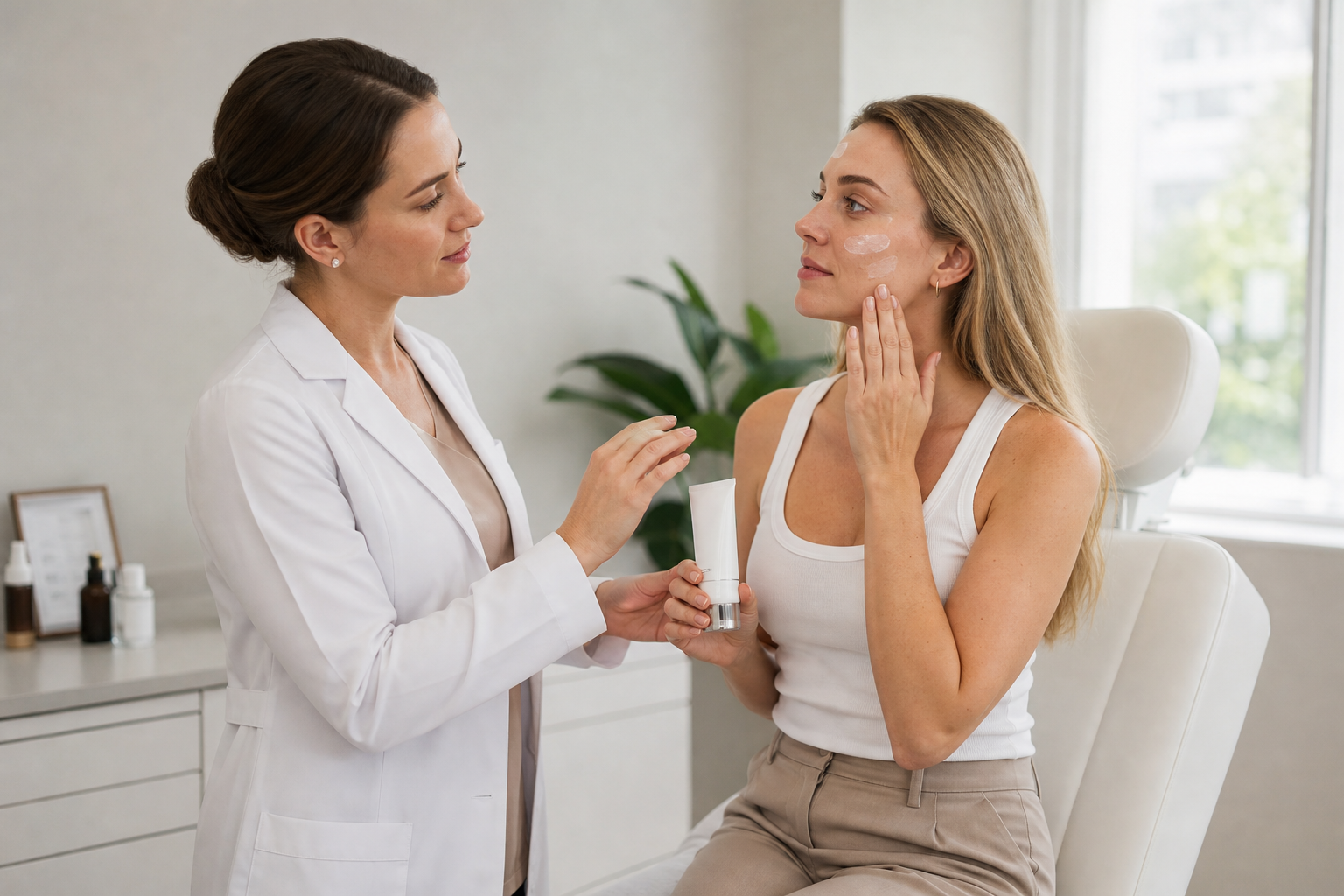
Rosacea, a chronic inflammatory skin condition primarily affecting the facial area, presents a complex and often distressing challenge for those who experience it. Among its various manifestations, the vascular component is one of the most visible and persistent symptoms, characterized by persistent redness, dilated blood vessels, and a sensation of burning or heat. This vascular aspect not only impacts appearance but also affects patients’ quality of life and psychological well-being. Understanding how to effectively treat the vascular component of rosacea is critical for both patients seeking relief and dermatologists aiming to provide comprehensive care.
This article explores the intricate nature of the vascular component of rosacea, examining its clinical presentation, the triggers that exacerbate it, and the full spectrum of treatment options available today. Emphasis is placed on laser and light-based therapies, an increasingly popular approach widely used in vascular treatments, while clarifying common misconceptions, such as differentiating Intense Pulsed Light (IPL) from traditional laser treatments. Furthermore, the discussion includes comparisons with related skin conditions like sensitive skin and post-acne erythema to foster accurate diagnosis and appropriate management strategies.
Whether you are a patient affected by rosacea or a medical professional seeking to enhance your understanding of effective treatments for vascular lesions and persistent redness, this comprehensive review will provide clarity on current therapeutic pathways, realistic expectations, and practical guidance on managing this challenging symptom of rosacea.
What Constitutes the Vascular Component of Rosacea and How Can It Be Identified?
The vascular component of rosacea primarily manifests as chronic vasodilation and fragile, visible capillaries on the skin’s surface, especially prominent on the cheeks, nose, and forehead. Unlike transient facial redness experienced by individuals with sensitive skin, the redness associated with this component of rosacea is persistent and often progressive without appropriate treatment. Telangiectasias—clusters of small, dilated blood vessels—are characteristic, appearing as fine red lines clearly visible against lighter skin tones.
Clinically, patients often describe not only noticeable redness but also sensations of warmth, burning, or stinging that accompany the vascular changes. These symptoms contribute significantly to psychological distress, impacting social interactions and self-image. Importantly, these vascular signs differ from inflammatory lesions such as papules and pustules of rosacea, which arise from separate pathogenic mechanisms.
Accurate identification of the vascular component requires clinical expertise to distinguish it from other dermatological conditions that may mimic rosacea’s appearance but demand different treatment approaches. For example, dermatitis often exhibits scaling and itching without the classic vascular patterns, while post-acne erythema usually presents with a different distribution and lacks the vascular telangiectasias characteristic of rosacea.
Which Triggers and Risk Factors Exacerbate the Vascular Symptoms of Rosacea?
Rosacea’s vascular manifestations arise from complex interactions between genetic susceptibility, immune responses, and environmental triggers. Among these, exposure to ultraviolet (UV) radiation is a well-documented precipitant of persistent redness due to its ability to damage superficial blood vessels and promote inflammation. Consequently, sun protection through physical barriers and broad-spectrum sunscreens remains fundamental in managing rosacea’s vascular symptoms.
Temperature extremes also play a significant role—both heat and cold can provoke flushing and intensify vascular dilation. Activities such as taking hot showers, using saunas, or spending time outdoors in harsh weather often initiate episodes of increased redness. Furthermore, certain dietary factors including spicy foods, hot beverages, and alcohol can aggravate vascular symptoms by causing transient vasodilation.
Psychological stress and emotional stimuli are additional triggers. The autonomic nervous system’s involvement in rosacea suggests that managing stress through mindfulness, relaxation techniques, or counseling may serve as adjunctive strategies in vascular symptom control. Lastly, the misuse of irritant skincare products can worsen flare-ups by compromising the skin barrier and stimulating inflammatory pathways connected to vascular changes.
What Treatment Options are Effective for Managing the Vascular Component of Rosacea?
Management of the vascular component of rosacea is multifaceted and individualized. Treatment objectives include reducing persistent erythema, minimizing visible blood vessels, and alleviating associated discomfort. Approaches span from topical agents and systemic medications to advanced light-based therapies.
Topical treatments that enhance vascular tone or reduce inflammation may contribute to symptom control. Ingredients such as brimonidine and oxymetazoline act as vasoconstrictors by selectively targeting skin alpha-adrenergic receptors, leading to temporary redness reduction. However, these effects are transient and primarily cosmetic, requiring daily application for maintenance.
For more severe vascular manifestations, dermatologists may prescribe systemic therapies like oral antibiotics which possess anti-inflammatory effects, although these medications primarily address inflammatory rather than vascular symptoms directly. Therefore, a comprehensive plan might incorporate systemic agents as adjuncts while targeting the vascular lesions with other modalities.
Among the most effective and widely used interventions are laser and light-based treatments, which can selectively target and destruct aberrant blood vessels. It is important to recognize that Intense Pulsed Light (IPL) is not a laser but rather a broad-spectrum light source filtered for vascular wavelengths. Both IPL and specific vascular lasers, such as the pulsed dye laser (PDL) or Nd:YAG laser, operate by targeting hemoglobin within dilated vessels, causing coagulation and eventual vessel resorption. Treatments can significantly reduce redness and visible telangiectasias, enhancing cosmetic appearance.
Combining topical and systemic medications with vascular laser procedures offers a synergistic effect for many patients, supporting long-term management. However, these interventions do not cure rosacea but serve to control symptoms and improve patients' quality of life.
How Does One Differentiate Rosacea’s Vascular Symptoms from Other Skin Conditions with Similar Features?
Differentiating rosacea’s vascular symptoms from look-alike conditions is crucial for selecting the correct treatment and achieving optimal outcomes. Dermatologists carefully assess clinical signs, patient history, and triggers to distinguish rosacea from related disorders such as sensitive skin, seborrheic dermatitis, and post-acne erythema.
Sensitive skin typically experiences episodic flushing without permanent vascular changes or telangiectasias. It is more reactive to external stimuli but lacks the chronic vascular dilation seen in rosacea. In contrast, dermatitis is characterized by scaling, itching, and epidermal barrier disruption rather than primarily vascular abnormalities.
Post-acne erythema results from inflammation-induced vascular changes after acne lesions heal and presents with diffuse, often less defined redness that lacks the distinct network of dilated vessels found in rosacea. Recognizing these nuances prevents misdiagnosis and inappropriate treatment regimens, which otherwise may prolong patient discomfort and worsen outcomes.
What Role Does Laser and Light Therapy Play in Treating the Vascular Aspect of Rosacea?
Laser and light-based therapies have revolutionized the management of rosacea’s vascular component. Unlike topical medications that temporarily constrict blood vessels, vascular lasers and IPL offer more sustained improvement by physically targeting and sealing aberrant capillaries.
Lasers such as the pulsed dye laser operate at wavelengths preferentially absorbed by oxyhemoglobin, selectively heating vascular lesions and inducing vessel closure. Nd:YAG lasers penetrate deeper and are effective for larger or deeper vessels. IPL emits a broad spectrum of wavelengths filtered to target vascular lesions, offering versatile treatment for diffused redness and small telangiectasias.
It is important to dispel the misconception that IPL is a laser. IPL uses polychromatic light, whereas laser emits a single wavelength; each has distinct tissue interactions and treatment indications. IPL may offer broader applications but sometimes requires multiple sessions for optimal results.
Patients should understand that while laser and IPL treatments significantly reduce visible redness and vessels, they do not cure rosacea or prevent recurrence triggered by environmental or physiological factors. Maintenance treatments and adherence to preventive measures remain essential components of care. Side effects are generally mild but can include transient redness, swelling, and discomfort post-procedure.
Can Natural and Alternative Treatments Aid in Managing the Vascular Component of Rosacea?
Beyond conventional medical therapies, many patients explore natural and alternative remedies to support rosacea management. Gentle skincare regimens emphasizing barrier repair and hydration can soothe irritated skin and reduce vascular reactivity. Products containing calming ingredients such as niacinamide, chamomile, or green tea extract may help decrease redness.
Dietary considerations are increasingly recognized for their role in vascular health; antioxidant-rich foods containing vitamins C and K may fortify blood vessel walls and diminish inflammation. However, these measures should complement, not replace, dermatologist-prescribed treatments.
Mind-body techniques to mitigate stress—a known rosacea exacerbator—such as meditation, yoga, or biofeedback may indirectly improve vascular symptoms by reducing flushing episodes. Nevertheless, evidence supporting alternative therapies remains limited, and patients should maintain open communication with healthcare providers to ensure integrated and safe care strategies.
How Should Patients and Physicians Choose the Most Appropriate Treatment Strategy?
Treatment selection for the vascular component of rosacea hinges on accurately assessing disease severity, symptom impacts, and patient-specific factors such as skin type, lifestyle, and tolerance for procedures. Dermatologists play a pivotal role in guiding this individualized process, balancing efficacy, safety, and patient preferences.
Mild vascular symptoms may respond sufficiently to topical vasoconstrictive agents and lifestyle modifications including sun protection and trigger avoidance. For moderate to severe cases, incorporating laser or IPL therapy alongside systemic or topical medications often yields the best results.
Discussion regarding realistic expectations is key; patients must understand that no single treatment eradicates rosacea, and ongoing management will be necessary to maintain improvements. Scheduled follow-up appointments help monitor treatment response and adapt strategies as needed.
What Outcomes Can Patients Expect Following Initiation of Vascular Component Treatments?
Patients embarking on treatment can generally anticipate gradual diminution of persistent redness and a reduction in visible telangiectasias over multiple sessions, particularly if vascular laser or IPL therapies are utilized. Initial improvements may appear after the first or second session, with optimal results requiring a course of treatments spaced weeks apart.
Temporary side effects such as mild swelling, redness, or slight skin irritation are not uncommon post-treatment but typically resolve within days. Adhering to aftercare instructions minimizes risk and supports skin healing.
Beyond cosmetic benefits, successful management often enhances patient well-being by alleviating discomfort and improving self-esteem. Nonetheless, vigilance in avoiding known triggers and maintaining preventive skin care remains paramount to prevent relapse.


