Radiofrequency (RF) skin tightening has surged in popularity as a non-invasive method to rejuvenate and firm the skin, offering individuals a chance to address signs of aging without the risks or lengthy recovery associated with surgery. The treatment utilizes radiofrequency energy to heat the deeper layers of the skin, stimulating collagen and elastin production, thereby enhancing skin elasticity and diminishing wrinkles. Yet, despite its appeal and many benefits, RF skin tightening is not universally suitable. Recognizing who should avoid this procedure is essential to ensure safety and to prevent adverse outcomes.
This article delves comprehensively into RF skin tightening and the profile of individuals for whom this treatment poses risks or is outright contraindicated. It aims to enlighten potential candidates about the nuances of RF modalities, their indications, and the vital precautions needed before undergoing treatment.
Understanding the qualifications and contraindications of RF skin tightening is crucial, as not all variations of this technology carry the same safety parameters. From non-invasive external devices to more aggressive approaches like RF microneedling, the spectrum of treatments demands tailored consideration. This information empowers individuals and medical professionals alike to make informed decisions that optimize aesthetic results while safeguarding health.
What Is RF Skin Tightening and Who Typically Pursues It?
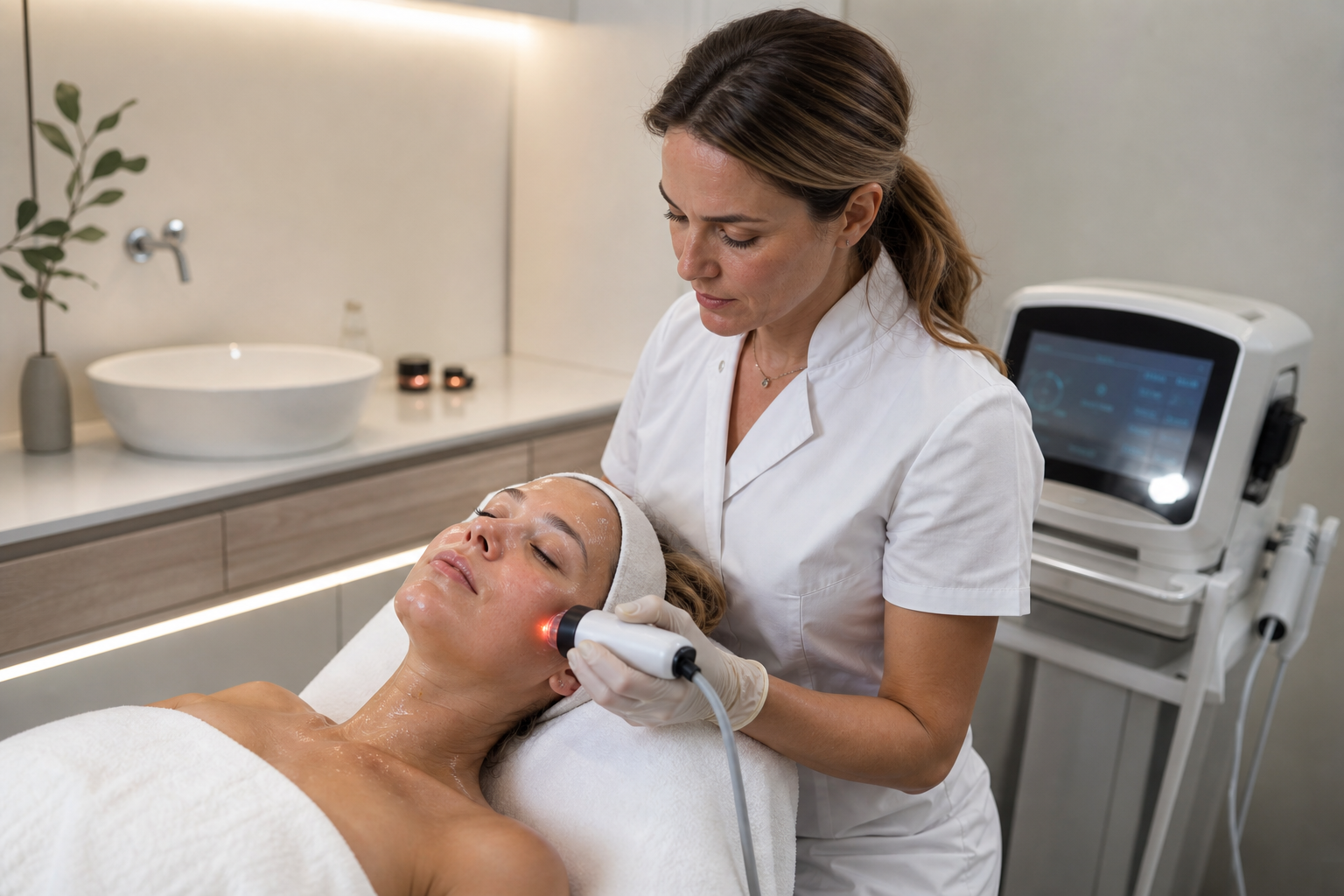
RF skin tightening harnesses the energy of radiofrequency waves to gently heat the dermis—the deep layer of the skin where collagen and elastin reside—without damaging the epidermis. This controlled thermal stimulation promotes the regeneration and synthesis of collagen and elastin fibers, resulting in firmer, smoother, and more youthful-looking skin over time.
The treatment appeals particularly to adults experiencing mild to moderate skin laxity, fine lines, and early signs of aging around the face, neck, and body. Clients seek RF procedures when they desire noticeable improvement without incisions, anesthesia, or extended downtime. RF technologies also suit those who may not be candidates for surgical facelifts or who prefer less invasive interventions.
Given its widespread adoption, RF skin tightening stands as a popular option in aesthetic dermatology and medical spas. However, its safety and applicability depend heavily on individual health status, skin condition, and specific RF modality employed.
What Are the Different Types of RF Treatments and How Do They Vary?
Radiofrequency skin tightening encompasses several distinct techniques, each differing in invasiveness, depth of energy delivery, and risk profile.
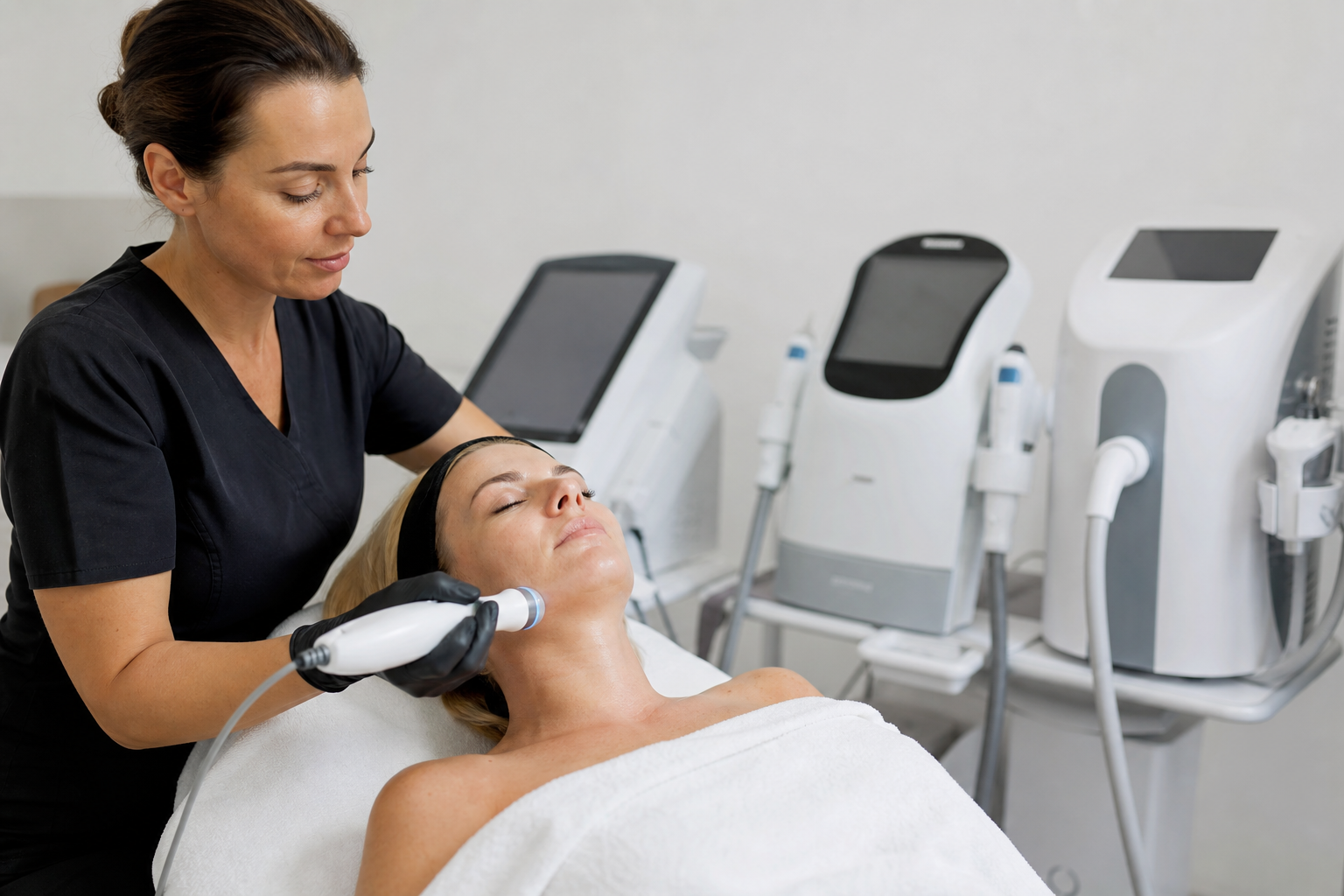
Non-invasive RF: This method involves the external application of RF energy through a handheld device that heats the skin surface and underlying dermis. As no needles or penetration occur, this form boasts minimal discomfort and virtually no downtime. It is suitable for most healthy adults with mild to moderate laxity.
Fractional RF without needles: A more targeted non-invasive variant that delivers RF energy in a fractional pattern, focusing on small zones to trigger collagen remodeling with reduced surface damage.
RF microneedling: This minimally invasive technique combines fine microneedles that penetrate the skin with RF energy delivered directly into the dermis. Its invasiveness increases efficacy in some cases but also heightens risk, requiring careful patient selection and expert administration.
Combination or minimal invasive RF procedures: These treatments may integrate RF energies with other modalities, such as injections or microablative techniques, introducing additional caution in patient eligibility.
Who Is Not a Suitable Candidate for Non-invasive RF Skin Tightening?
While non-invasive RF lifting is generally safe, certain groups should avoid this procedure or proceed only after thorough medical consultation.
Pregnant and breastfeeding women are universally advised against such procedures due to unknown effects on fetal and infant development. Active infections or inflammatory skin conditions like psoriasis, eczema, or dermatitis in the treatment area pose risks of exacerbation and impaired healing, rendering RF unsafe.
Individuals with implanted electronic devices such as pacemakers or defibrillators must steer clear of RF treatments. The electromagnetic fields generated can interfere with device operation, potentially causing serious health complications. Similarly, those with nearby metallic implants require medical clearance because metal can localize heat and cause unintended tissue damage.
Why Does RF Microneedling Demand Stricter Screening?
RF microneedling’s invasiveness introduces complex safety considerations. The procedure involves microscopic needle punctures coupled with radiofrequency energy, significantly raising the chance of adverse effects.
In light of several reported complications—including burns, scarring, loss of fatty tissue (lipoatrophy), deformities, and nerve injuries—the FDA has issued warnings emphasizing caution. Only highly trained medical professionals should perform this procedure, and candidacy must be rigorously evaluated.
Individuals with histories of poor wound healing, hypertrophic or keloid scarring, autoimmune disorders that impair skin recovery, or blood coagulation dysfunction should refrain. Additionally, any active infections or skin lesions contraindicate RF microneedling to avoid infection or worsened tissue damage.
What Are the Contraindications for Minimally Invasive RF Procedures?
Minimal invasive RF treatments that combine microneedling or injections with radiofrequency heating require cautious patient selection.
Patients with uncontrolled diabetes are at higher risk of delayed healing and infection, making such procedures inadvisable. Similarly, those undergoing immunosuppressive therapies or suffering from autoimmune diseases require individualized assessment due to impaired immune responses.
Recent surgeries involving the treatment area, recurrent infections, or skin malignancies necessitate postponement or outright avoidance. Comprehensive medical history review and in-depth dermatological evaluation are mandatory prior to treatment initiation.
How to Determine Whether RF Treatment Is the Right Choice for You?
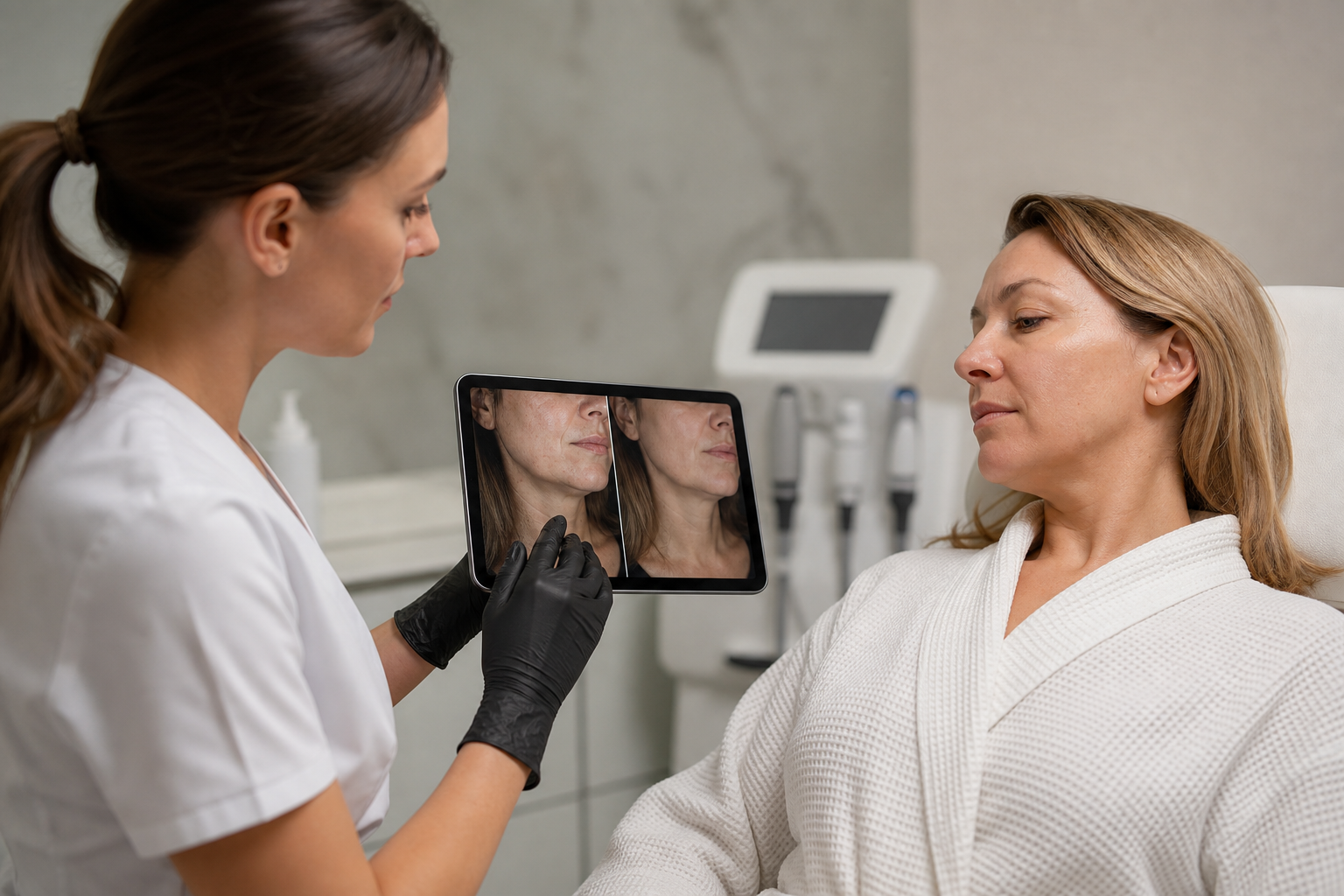
Choosing the most suitable RF modality depends on factors including age, skin condition, medical background, aesthetic goals, and tolerance for downtime or risks.
Individuals with mild sagging, fine wrinkles, or early aging signs may benefit from non-invasive RF lifting, which offers gradual improvement with minimal recovery time. For those seeking more pronounced stimulation of collagen production and who accept higher risks, fractional RF or RF microneedling might be appropriate, provided they pass medical screening.
It is critical to recognize that RF treatments are not substitutes for surgical facelifts or deep tissue tightening in cases of significant skin laxity. Consulting a dermatologist or qualified aesthetic professional ensures selection of a protocol aligned with realistic expectations and safety requirements.
When Should RF Skin Tightening Be Avoided Due to Specific Health Concerns?
Certain serious health conditions warrant excluding RF treatment to prevent complications.
Individuals with cardiovascular diseases, especially those with implanted cardiac devices, epilepsy, or active cancers should avoid RF procedures or consult extensively with their physicians to weigh potential risks.
Application over areas exhibiting active infections, open wounds, or unexplained skin growths is unsafe. Allergic reactions or heightened sensitivities to components used in conjunction with the treatment (such as topical gels or numbing agents) require patch testing and may contraindicate treatment.
Why Is Operator Expertise and Equipment Quality Crucial in RF Treatments?
The success and safety of RF skin tightening hinge heavily on the practitioner’s skill and the technological standards of the equipment used. Incorrect settings, improper technique, or insufficient patient evaluation can provoke burns, hyperpigmentation, scarring, or unsatisfactory outcomes.
High-grade devices with comprehensive safety features and calibrated output, combined with adherence to treatment protocols and individualized patient assessments, reduce risks substantially. Therefore, selecting a board-certified dermatologist or licensed aesthetic professional with experience in RF technologies is indispensable.
Furthermore, the evolving landscape of RF treatment requires ongoing education and sensitivity to regulatory updates and clinical guidelines. This observance ensures patient welfare and optimizes procedural efficacy.