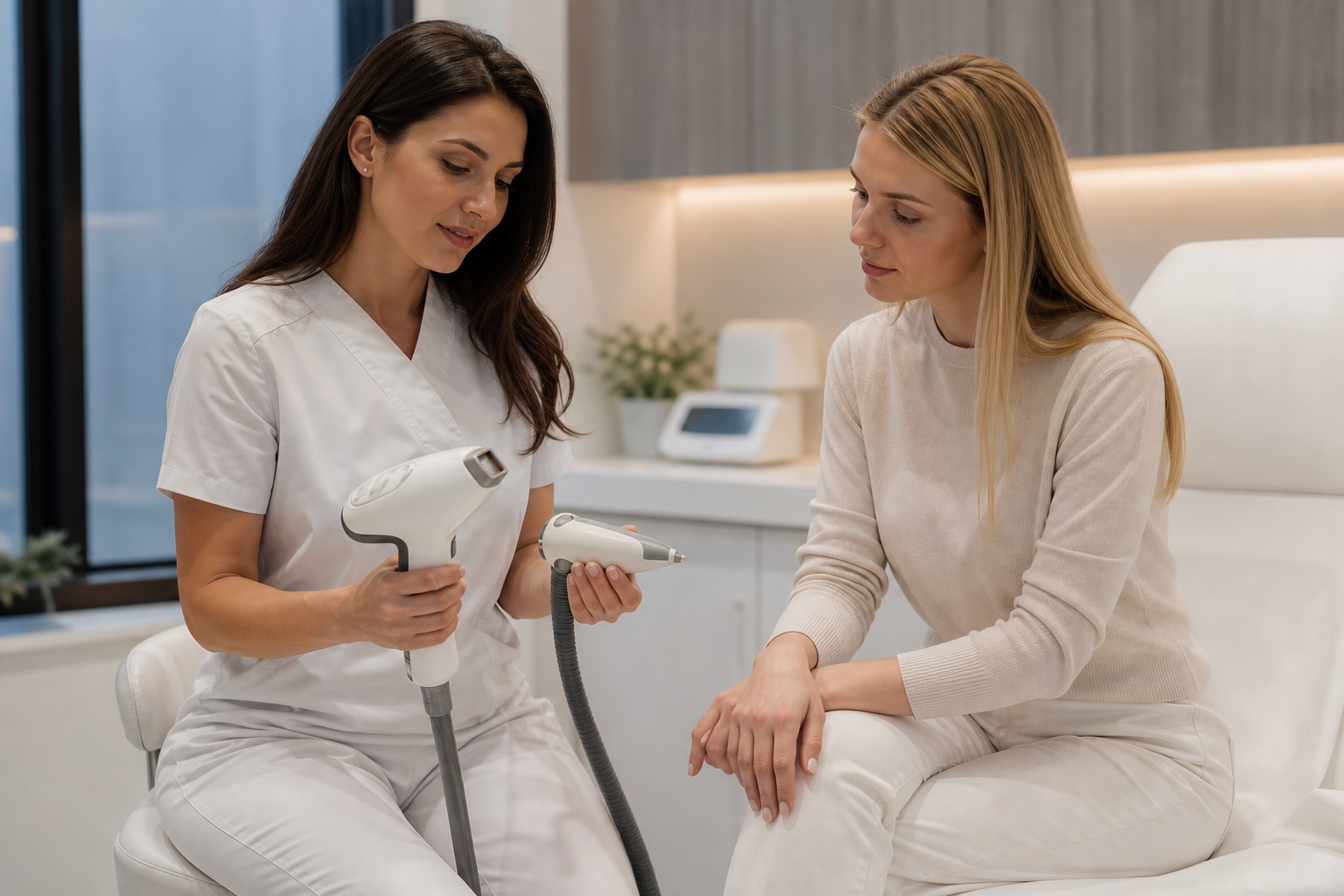
When considering any advanced medical or aesthetic procedure, the consultation phase is a pivotal step that profoundly influences the entire treatment experience. This initial meeting with a qualified professional is more than a courtesy—it is the foundation for understanding what the treatment entails, assessing your suitability, and setting realistic expectations. Understanding what to ask during this consultation ensures you make informed choices tailored to your unique needs and circumstances.
This article is designed for individuals exploring laser treatments such as skin rejuvenation, pigmentation correction, or laser hair removal, as well as other advanced therapies. Whether you have already decided on a procedure or are still weighing your options, knowing the right questions to pose during your consultation helps to clarify the process, reveal any limitations or risks, and facilitate a collaborative dialogue with your practitioner.
In an era where multiple clinics and diverse treatment modalities compete for attention, a well-conducted consultation emerges as a safeguard that guards your health, dignity, and investment. By seeking thorough and transparent answers, you empower yourself to navigate the complex landscape of available treatments with confidence and clarity.
What Critical Information Should You Obtain About the Treatment During Your Consultation?
A primary aim of the consultation is to demystify the treatment procedure. You should expect a comprehensive explanation of what the therapy involves—in your case, laser-based or other advanced techniques—including the mechanism, objectives, and overall patient experience. Discussions should cover how the treatment is performed, the anticipated duration per session, and the typical number of sessions required to achieve meaningful results.
Moreover, the consultation should provide clarity about the devices or technologies employed, highlighting how parameters like laser intensity or wavelength are determined to maximize safety and effectiveness tailored to your skin type and condition. You deserve full access to supporting documentation detailing preparatory steps, contraindications, and post-treatment care instructions, which collectively contribute to optimal outcomes and minimize complications.
Importantly, any potential risks or side effects must be conveyed candidly. A professional will not minimize these possibilities but rather offer a balanced perspective on recovery timelines, necessary restrictions following treatment, and planned follow-up evaluations. This transparent dialogue prepares you mentally and physically, fostering realistic expectations.
How Can You Establish If You Are a Suitable Candidate for the Selected Treatment?
Eligibility for advanced laser treatments hinges on multiple individualized factors such as medical history, skin type, age, and existing health conditions. An expert consultation is indispensable for a thorough assessment to determine candidacy. This includes a detailed health screening, examination of the relevant treatment area, and a comprehensive review of your previous illnesses or sensitivities.
Asking your practitioner about the specific indications and contraindications relevant to your situation ensures that the chosen therapy is both safe and likely to benefit you. For instance, if laser skin rejuvenation is under consideration, inquire how this approach interacts with your skin’s pigmentation and texture, and what specific risks might be heightened given your personal health profile.
Furthermore, the discussion should encompass alternative therapies that might suit your goals better or offer safer, albeit different, outcomes. Understanding these nuances prevents embarking on procedures that are ill-suited to your needs and fortifies the decision-making process with scientifically grounded insight.
What Are Your Rights and Responsibilities as a Patient Throughout the Consultation and Treatment Journey?
Informed consent is the cornerstone of any ethical medical or aesthetic intervention. Prior to treatment, you must be thoroughly apprised of all relevant facets of the procedure to grant your consent knowledgeably. This legal and ethical document reflects your understanding and agreement to proceed based on transparent disclosure of benefits, risks, and alternatives.
During the consultation, request a detailed walkthrough of the informed consent form to clarify any ambiguous terms or conditions. Do not hesitate to ask for more time to reflect on the information or seek a second opinion if uncertainty persists. Your autonomy and comfort with the treatment plan are paramount.
Clinics are obligated to maintain clear communication and uphold documentation standards that reflect each stage of care, including initial assessment, treatment delivery, and subsequent monitoring. This accountability fosters trust and acts as a safeguard for your wellbeing. Open dialogue at every juncture ensures that you and your healthcare provider share aligned expectations and understandings.
What Questions Will Help You Gauge Realistic Outcomes and Manage Your Expectations Effectively?
Identifying achievable results is vital to satisfaction with any advanced treatment. Ask your practitioner for concrete examples of outcomes, preferably supported by before-and-after photographs pertinent to your skin type or concern. This contextualization mitigates the risk of misconstruing promotional material that may not reflect typical results.
Inquire about success rates specific to profiles similar to yours and the longevity of the results. Understanding why identical treatments may yield varying effects—from biological factors like genetics to lifestyle influences—emphasizes the importance of a personalized approach rather than expecting uniform results.
Also clarify the expected timeline for visible improvements and whether maintenance sessions will be necessary. Such discussions help you plan realistically for your investment in time and resources and align your aspirations with medical realities.
How Can You Assess the Professionalism and Expertise of the Clinic and Practitioner During Consultation?
Trusting the clinician and the institution behind the treatment is imperative. During your consultation, observe how thoroughly and clearly they respond to your questions. A competent professional welcomes inquiries, refrains from evasion, and offers science-based information devoid of hype or unsupported claims.
Do not hesitate to ask about their certifications, training, and professional experience with the specific treatment modality. The reputation and skill of the practitioner often weigh more heavily on outcomes than the brand name of the device itself. This perspective aligns with findings that underscore practitioner expertise as a critical determinant of safety and effectiveness.
Additionally, verify that the clinic holds appropriate licenses and adheres to current regulatory standards. Transparent protocols for consultation, treatment, and follow-up care signify a commitment to quality and patient-centric values.
When Should You Schedule Your Consultation and How Long Should the Preparation Last?
Timing your consultation appropriately enables ample opportunity to digest information, address queries, and execute any preparatory measures. The ideal interval between consultation and treatment varies by procedure, but generally ranges from several days to a few weeks. This window allows for assessments such as sensitivity testing and adjustment of medications or skincare routines.
The consultation process should also provide a clear action plan outlining do’s and don’ts before the treatment day—be it discontinuing photosensitive medications, avoiding sun exposure, or preparing the skin for optimal responsiveness. Understanding these guidelines minimizes risks and enhances therapeutic benefits.
When relevant, discuss the protocols for allergy or sensitivity testing, including how these are conducted and the timeline for results, which is essential to avert adverse reactions during the procedure itself.
What Are Common Misunderstandings and How Can Thoughtful Questioning Prevent Them?
Many patients experience hesitation in seeking clarifications, leading to residual confusion that can complicate treatment outcomes or prolong recovery. Preparing a list of pertinent questions beforehand can overcome this barrier and foster more meaningful consultation dialogues.
Areas frequently shrouded in uncertainty include session frequency and duration, financial considerations, side effects, daily activity disruptions, and realistic visibility of benefits. Ask how photographic evidence is curated and the extent to which such portrayals reflect average experiences versus marketing aspirations, cultivating a discerning eye.
Moreover, inquire about indicators of misleading claims in advertisements and criteria to identify reputable clinics and treatments. These insights sharpen your critical thinking and empower you as a proactive health consumer capable of making rational, evidence-based decisions.


