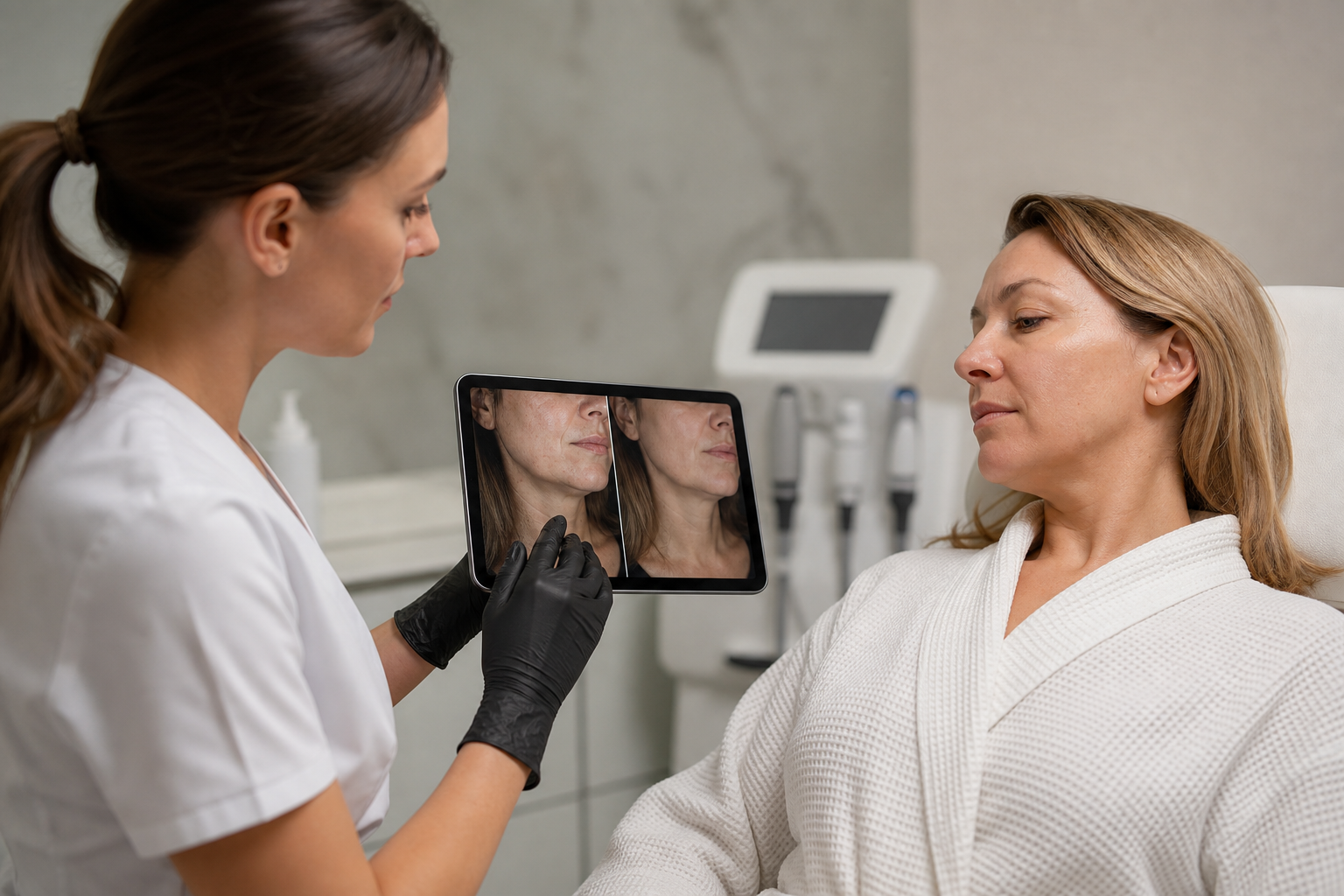
Radiofrequency (RF) treatments have surged in popularity as a non-surgical option for skin rejuvenation, lifting, and tightening. By harnessing controlled radio waves, these procedures stimulate the skin’s deeper layers to promote collagen and elastin production, restoring youthful firmness and texture without the downtime and risks associated with surgical facelifts. However, as the applications of RF technology expand, a critical question arises: Are these treatments safe and effective for individuals with metal implants? Understanding the interplay between radiofrequency energy and metal within the body is essential for ensuring patient safety and optimizing outcomes.
This article provides an in-depth examination of radiofrequency treatments, focusing particularly on their compatibility with metal implants. It explores the different modalities of RF—ranging from non-invasive surface treatments to RF microneedling—and addresses the benefits and potential risks when metallic hardware is present under the skin. This is vital information for patients considering RF procedures, as well as medical and aesthetic practitioners tasked with recommending safe and effective therapies.
Whether you have titanium joints, dental implants, pacemakers, or other metallic prosthetics, knowing how RF energy interacts with such materials can influence treatment choices, outcomes, and safety protocols. This comprehensive review aims to clarify what RF treatments entail, who is an appropriate candidate, and how metal implants factor into the risk assessment and treatment planning process.
What Exactly Is Radiofrequency (RF) Treatment and How Does It Work?
Radiofrequency treatment is a non-invasive or minimally invasive procedure that utilizes targeted radio waves to heat the dermis and subcutaneous layers of the skin without damaging the outer epidermis. The generated heat causes collagen fibers to contract and stimulates fibroblasts to increase new collagen and elastin synthesis. This biological response enhances skin tightness, elasticity, and overall texture.
Unlike surgical facelifts that necessitate incisions and anesthesia, RF treatments deliver gradual skin remodeling through thermal stimulation. Typically, the energy penetrates different depths based on the device settings and technology used — some devices deliver energy more superficially, while others can reach the fat and muscular layers. The accumulative effect often manifests over weeks to months as collagen matures.
Common RF treatment targets include facial laxity, wrinkles, nasolabial folds, jowls, as well as body areas such as the neck, abdomen, or arms with mild sagging. Patients looking for a non-surgical option with minimal downtime frequently turn to RF therapies.
Who Should Consider RF Treatments and What Are the Advantages?
Ideal candidates for radiofrequency skin tightening are individuals experiencing early signs of skin aging such as mild to moderate laxity, loss of firmness, or fine lines. Because RF treatments pose minimal risk and require no significant recovery time, they appeal to patients wishing to avoid surgery or those looking to prolong the results of previous procedures.
RF treatments are versatile and can be tailored to address different skin types and anatomical regions. They also complement other aesthetic modalities such as laser therapy or injectable fillers. The primary benefits include gradual natural-looking skin enhancement, improved texture, and sometimes adipose tissue remodeling in localized areas.
However, patient screening prior to treatment is essential to identify contraindications, including active infections, pregnancy, and crucially, the presence of metal implants.
How Does the Presence of Metal Implants Impact the Safety of RF Treatments?
Metal implants—ranging from orthopedic joints to dental implants and pacemakers—possess conductive and electromagnetic properties that can potentially interact with radiofrequency energy.
The primary concern with RF treatments in patients with metallic hardware is unintended heating of the metal and surrounding tissues. Because metals conduct electricity and heat, RF energy can concentrate around these implants, leading to localized tissue burns, inflammation, or pain. This phenomenon is referred to as "hot spots" in clinical literature.
The level of risk depends on implant material (titanium, stainless steel, cobalt-chrome), size, location, and depth beneath the skin. For example, large joint replacements near the treatment area carry different risk profiles compared to smaller dental implants. Additionally, deep-seated implants shielded by thick tissue layers may pose less risk.
Differences Between Non-Invasive RF and RF Microneedling Concerning Metal Implants
RF treatments can broadly be classified into non-invasive methods and RF microneedling procedures, each with distinct mechanisms and considerations for patients with metallic implants.
Non-invasive RF involves surface electrodes or handpieces that emit radiofrequency waves through the skin without penetration. Because the energy disperses over a broader area, the risk of concentrated heating near metal implants may be lower but still present, especially for implants close to the treated surface.
Conversely, RF microneedling combines controlled RF energy delivery with tiny needles penetrating the skin. The needles conduct energy directly into targeted layers, producing more focal heating and collagen remodeling in the dermis. While effective for improving skin texture and scarring, this modality can pose higher risks if metal implants lie within or adjacent to the treatment zones, due to the proximity of needle-based energy delivery to the implant.
In patients with metal implants, non-invasive RF treatments are generally considered safer than RF microneedling, but both require thorough pre-treatment evaluation.
Current Guidelines and Recommendations for Treating Patients With Metal Implants
Medical device manufacturers and regulatory bodies emphasize caution when applying RF treatments near metallic implants. Despite the lack of extensive large-scale studies, expert consensus often advises against performing RF therapies directly over or near metal prosthetics without prior risk assessment.
Pre-treatment screening should include a detailed medical history, physical examination, and where applicable, imaging to determine implant position relative to the treatment field. Consulting with the implant surgeon or specialist can provide additional insight into the implant’s composition and integration.
Many practitioners opt for alternative skin tightening treatments or choose to avoid RF procedures entirely on areas adjacent to metal implants to mitigate risk. If RF treatment is deemed necessary, protocols including lower energy settings, shorter treatment durations, and consistent monitoring during and after the procedure can improve safety.
Potential Complications and How to Recognize Them Early
Although rare when appropriate precautions are taken, complications related to RF treatments near metal implants can include localized burns, persistent pain, swelling, redness, or tissue necrosis. In exceedingly rare cases, malfunction of implanted cardiac devices or neurostimulators has been reported when exposed to electromagnetic energy.
Patients should be educated on the signs and symptoms of adverse effects and instructed to report any unusual sensations immediately. Follow-up appointments are critical for monitoring tissue response and ensuring healing without sequelae.
Are There Alternative Skin Tightening Options for Patients With Metal Implants?
Yes, several non-RF-based treatments can provide skin rejuvenation and tightening while minimizing risks for patients with metal implants.
Ultrasound-based therapies, such as high-intensity focused ultrasound (HIFU), induce collagen remodeling through acoustic energy rather than electromagnetic waves, presenting less interaction with metal implants. Similarly, cryolipolysis or laser therapies (depending on the specific wavelength and patient anatomy) may be considered with careful evaluation.
Choosing the optimal treatment must be individualized, weighing patient goals, implant characteristics, and risk tolerance. Collaboration between aesthetic specialists and medical doctors is vital for safe and effective planning.
What Should Patients With Metal Implants Expect When Undergoing RF Treatment?
For patients cleared to receive RF therapy despite metal implants, treatment protocols will often be more conservative. The practitioner may lower the intensity of the radiofrequency energy, limit treatment sessions, and target areas away from the implant when possible.
Patients might experience milder sensations of heat and longer monitoring during and after treatment to promptly detect any signs of adverse events. The gradual improvement of skin texture and firmness is expected, although the results may be more modest due to energy limitations.
Open communication about pre-existing implants and meticulous documentation of treatment parameters are important elements contributing to a safe experience.
Frequently Asked Questions About RF Treatments and Metal Implants
Is radiofrequency lifting safe for everyone? While generally safe for most individuals, radiofrequency treatment should be avoided or carefully managed in people with implanted electronic devices, metal implants near the treatment area, pregnancy, active skin infections, or certain chronic conditions.
Can the RF energy damage my metal implant? RF energy generally does not damage the implant itself but can cause it to heat up, potentially harming surrounding tissues. The extent of heating depends on implant type and proximity.
Will my device malfunction due to RF treatment? Implanted electronic devices like pacemakers can theoretically be affected by RF electromagnetic energy; thus, treatments around these devices require specialist cardiology consultation and alternative approaches are often recommended.
How do I know if I have metal implants affecting RF treatment? It is essential to disclose any medical implants to your aesthetic provider before treatment. X-rays or medical records can confirm the type and location of implants.
Are there safe distances or energy thresholds for RF over metal implants? Clinical guidelines are not definitive, but conservative practice maintains avoiding direct treatment over implants and adjusting energy levels accordingly to minimize risks.