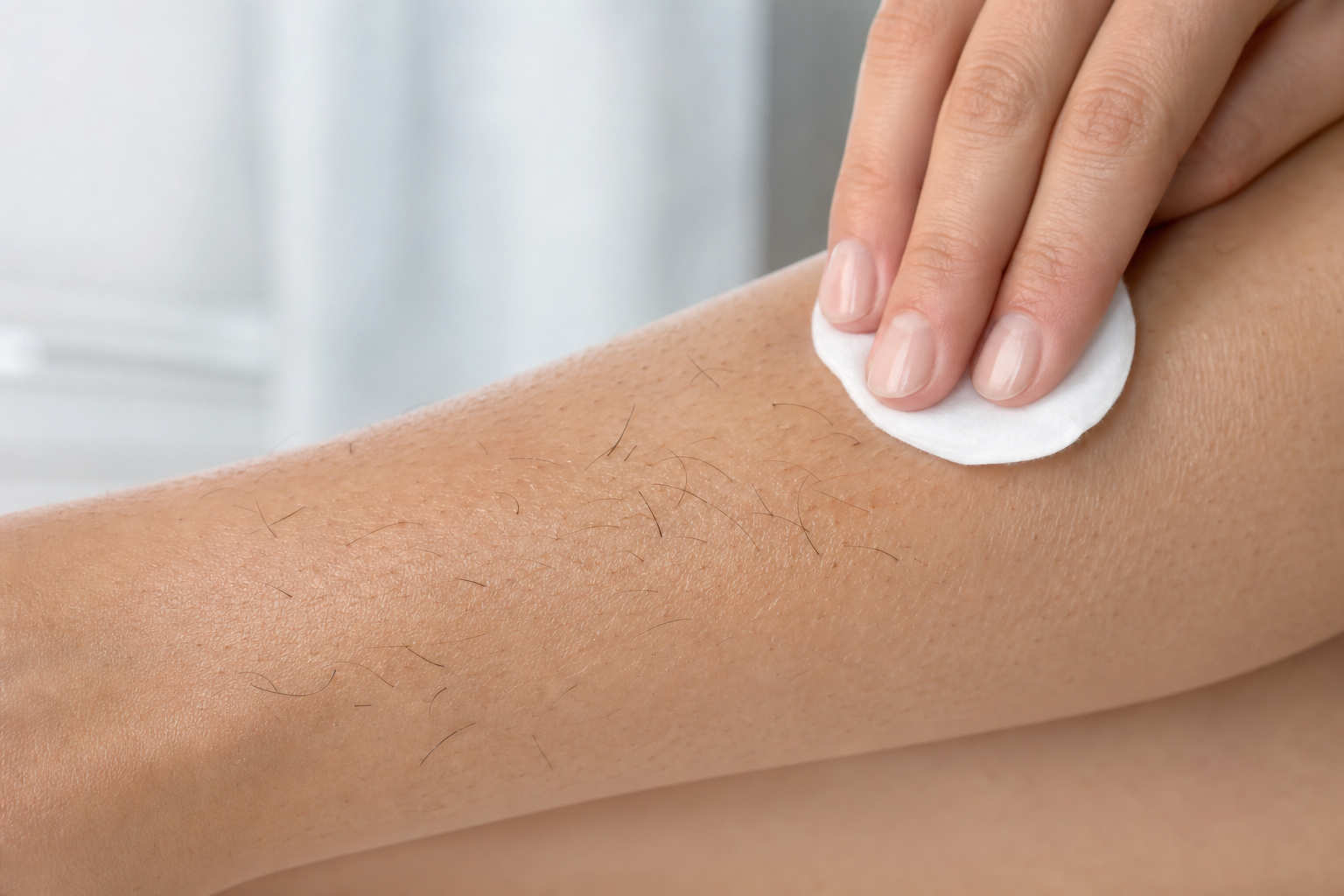
Laser hair removal is a widely embraced cosmetic procedure designed to reduce unwanted hair growth by targeting hair follicles with concentrated light energy. A common inquiry among individuals considering or undergoing laser hair removal is understanding the timeline of hair shedding following a treatment session. Specifically, many wonder: when do hairs begin to shed after laser hair removal? This question holds significance because expectations about the process can influence a person's satisfaction and patience throughout the treatment course.
This article aims to elucidate the dynamics of hair shedding after laser hair removal, clarifying the difference between the actual shedding of treated hairs and the emergence of new hair growth, exploring why the timing of hair fallout varies across different body regions, and outlining what is considered normal in this journey toward smoother skin. By providing a thorough understanding of these factors, readers—whether new to or already engaged with laser hair removal—can better navigate and appreciate the progression of their results.
Grasping the nature of hair shedding after laser treatments is especially relevant because it dispels misconceptions about immediate hair loss, prevents frustration over seemingly slow changes, and encourages adherence to treatment schedules and recommended care. Furthermore, an informed perspective helps distinguish between expected outcomes and signs that might need professional attention.
How Does Hair Shedding Occur After Laser Hair Removal?
Laser hair removal operates by directing pulses of light that are selectively absorbed by the pigment (melanin) in hair follicles. The absorbed light generates heat, which damages the follicle and impairs its ability to grow hair effectively. However, this follicular damage does not cause hairs to fall out instantaneously.
Typically, the shedding phase begins several days to up to three weeks post-treatment. During this period, the treated hairs, now weakened and detached from their roots, gradually loosen and eventually fall out. This shedding is part of the body’s natural process of clearing the treated hair shafts that have been targeted by the laser.
It is important to understand that hair shedding occurs in waves. Not all hairs subjected to treatment will shed simultaneously due to differences in their growth cycles and individual responses. Some hairs are in dormant phases, and others in active growth, which impacts when and how they respond to laser energy.
This gradual shedding also corresponds with the hair growth cycle, classified into anagen (growth), catagen (transitional), and telogen (resting) phases. Laser treatments generally affect hairs in the anagen phase most effectively, but given that not all hairs are synced in this phase, multiple sessions are necessary for comprehensive results. This cyclical nature explains why hair shedding is staggered rather than immediate.
Distinguishing Hair Shedding From New Hair Growth
Post-laser hair removal, individuals might observe what seems like new hairs appearing, leading to confusion regarding the effectiveness of the treatment. It is crucial to differentiate between actual shedding of treated hairs and subsequent regrowth from active follicles.
Shedding pertains to the release of hairs that have been damaged by the laser and are naturally expelled by the body. These hairs often become loose and may be easily wiped or washed away without resistance. On the other hand, new hair growth indicates follicles that have either not been affected adequately or have reactivated after a period of dormancy.
In many cases, new hair growth emerges between treatment sessions, as some follicles may require repeated targeting before they can be permanently disabled. This phenomenon underscores the necessity of attending multiple laser hair removal sessions, spaced appropriately, to capture hairs as they enter their anagen phase.
Understanding this difference is fundamental to setting realistic expectations—that shedding is a sign of treatment progress, while new hair growth doesn't equate to treatment failure but rather the ongoing cycle requiring further management.
Why Does Hair Shedding Timing Vary Across Different Body Areas?
The timing and rate at which hairs shed after laser hair removal can differ significantly depending on the anatomical area treated. This variation stems from the distinct characteristics of hair follicles and growth cycles unique to different body regions.
For instance, facial hairs typically have shorter growth cycles compared to the hairs on legs or back. Consequently, hairs on the face may begin to shed sooner and regrow more quickly, leading to earlier visible outcomes but also faster recurrence that necessitates more frequent maintenance treatments.
Conversely, hair follicles on the legs or arms often have longer growth phases and slower renewal rates, which can delay the onset of noticeable shedding but also prolong the durability of results once achieved. The thickness, density, and pigmentation of hair also play roles; thicker, darker hairs absorb laser energy more effectively and tend to respond more predictably than lighter or finer hairs.
Skin type and individual hormonal influences further contribute to this variability in shedding timing. Different person-to-person factors mean that the same treatment applied to two different individuals or even two different zones on the same individual can yield different timelines for hair fall.
What Are Typical Expectations Regarding Hair Shedding Post-Treatment?
It is normal for hair shedding to start anywhere from about 5 days up to 4 weeks after a laser hair removal session. Some people notice loose hairs coming off during hygiene routines, such as showering or gently wiping the treated area. Others may observe the skin becoming smoother gradually as hairs shed in successive waves.
During this period, mild skin redness or irritation may be experienced, signifying the skin’s response to the laser treatment. It is advisable not to forcibly remove hairs by plucking or waxing because the goal is to allow hairs to shed naturally and ensure that the follicle damage leads to longer-term hair growth reduction.
Results vary individually, and patience is paramount. While the initial hair reduction can be encouraging, lasting effects generally require completion of the full treatment series and adherence to post-care instructions. Understanding that hair shedding is a process, not an instantaneous event, leads to greater treatment satisfaction and reduced anxiety.
How Do Individual Factors Influence Hair Shedding Timing?
Beyond treatment specifics and body area, individual biological factors considerably impact when and how hair shedding occurs after laser hair removal. Age, hormonal status, skin coloration, and hair type all intertwine to shape outcomes.
Individuals with darker, coarser hair often report more prompt and pronounced shedding due to the laser's focus on pigment. Conversely, those with lighter or finer hair may observe slower or less noticeable shedding, as laser light absorption is less effective.
Hormonal conditions—such as thyroid imbalances or polycystic ovary syndrome (PCOS)—may lead to atypical hair growth patterns, influencing both timing and density of regrowth post-treatment. Similarly, skin tone affects laser settings and energy absorption; darker skin requires carefully calibrated lasers to avoid pigment damage, which may influence efficacy and hair shedding progression.
Regularity in attending prescribed treatment sessions and diligent adherence to guidelines regarding sun exposure, skin care, and hair removal between sessions are also essential for favorable shedding patterns and sustained results.
What Should One Do If Hair Does Not Shed as Expected?
When hair shedding does not occur within the anticipated timeframe, it may raise concerns about the success of the treatment. However, delayed shedding does not always signify an ineffective procedure.
Possible explanations include hairs being in a resting phase during treatment, insufficient laser energy or incorrect settings, or individual factors such as hormonal fluctuations influencing hair cycle length. Some hair follicles may be resistant or less responsive, requiring adjustments in treatment protocols.
In such instances, consulting with your laser hair removal specialist is advisable. They can evaluate the treatment parameters, assess hair and skin responses, and determine if additional or alternative approaches are necessary. It is also helpful to revisit educational materials such as “Why Are There No Results After the First Laser Session?” to better understand this possibility.
The Role and Timing of Maintenance Laser Hair Removal Sessions
After completing the initial series of laser hair removal treatments, some patients opt for maintenance sessions to prolong smoothness and suppress any returning hair growth. The interval between maintenance treatments varies but often ranges from six months to a year, depending on the individual's hair growth cycle and hormonal influences.
Maintenance treatments serve to target any residual or reactivated follicles that begin producing hair again. These periodic sessions help sustain results over time, delaying or minimizing the need for other hair removal methods.
Understanding when maintenance treatments are needed can be clarified by examining documents like “When Are Maintenance Laser Hair Removal Sessions Needed?” which explain personalizing treatment frequency for lasting satisfaction.


