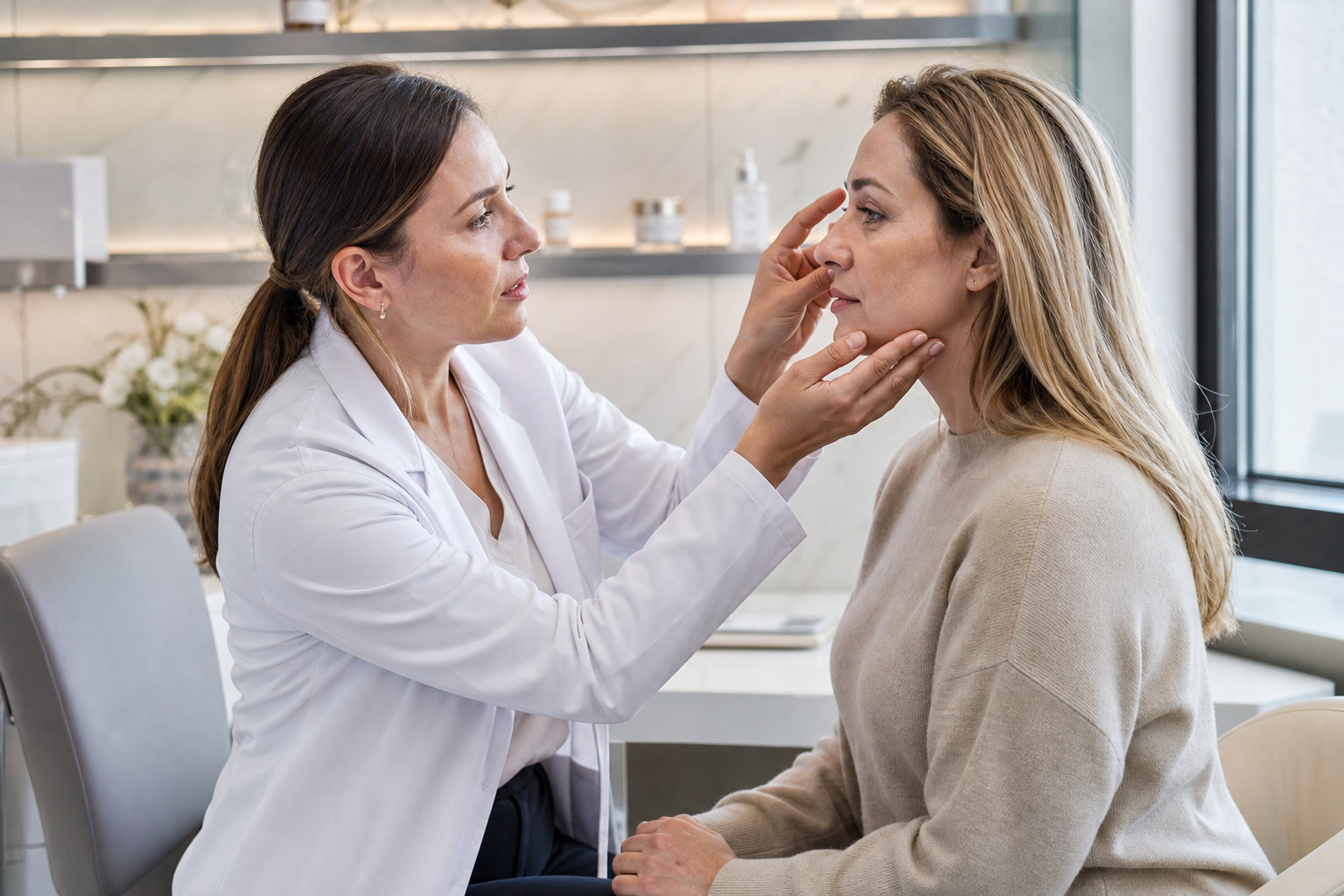
Laser skin rejuvenation has emerged as a prominent procedure within aesthetic medicine, offering a non-invasive approach to improve skin texture, reduce wrinkles, and stimulate a youthful glow. This advancement appeals to a broad spectrum of individuals seeking to enhance their skin's appearance without undergoing surgical interventions. However, the complexity of laser technologies and the delicate nature of skin treatment mean that proper execution of these procedures is paramount for safety and efficacy. Therefore, a critical question arises: Who should perform laser skin rejuvenation? This inquiry addresses fundamental concerns about qualifications, safety, and professional responsibilities pivotal to both prospective patients and clinicians.
Understanding who is appropriately qualified to carry out laser skin rejuvenation is essential not only from a regulatory standpoint but also for ensuring optimal clinical outcomes and minimizing risks. This article intends to provide a clear, medically sound exploration of the necessary expertise, legal frameworks, and red flags associated with laser skin rejuvenation practitioners. By separating general education from personalized medical advice, the discussion prioritizes informing readers about safe practices and recognizing appropriate professional standards.
This discourse is particularly relevant for individuals contemplating laser skin rejuvenation treatments, healthcare professionals considering incorporating lasers into their practice, and anyone interested in discerning the critical factors that contribute to safe and effective skin rejuvenation procedures. With increasing demand for these treatments, knowing who is qualified and the limitations surrounding the procedure helps protect patients and uphold the integrity of aesthetic medicine.
What Qualifications Are Necessary for Practitioners of Laser Skin Rejuvenation?
Laser skin rejuvenation encompasses medical aesthetic procedures that require a profound understanding of skin anatomy, the physiological processes of aging, and the specific mechanisms by which lasers interact with skin tissue. Given this complexity, it is generally advised that only physicians—particularly dermatologists, plastic surgeons, or other physicians with dedicated training in aesthetic and laser medicine—perform these treatments independently.
These specialists bring both medical expertise and diagnostic skills crucial for evaluating patient candidacy, understanding the nuances of various laser modalities, and managing potential adverse effects. The advanced clinical judgment necessary to tailor treatment parameters to individual skin types and conditions underscores the importance of medical training and specialization in this field.
In many jurisdictions, regulations explicitly restrict the operation of high-energy laser devices capable of penetrating or altering deeper skin structures to licensed medical professionals. In some contexts, appropriately trained medical personnel may assist or perform lower-intensity laser treatments under physician supervision, provided they have received specific education and credentialing related to laser use and patient safety.
Ensuring that the clinic or facility conducting the treatments holds valid licenses from governing health authorities and that staff members undergo ongoing professional development aligns with standards intended to maintain high safety margins during laser procedures.
What Legal and Regulatory Frameworks Govern Who Can Perform Laser Skin Rejuvenation?
The legal standing surrounding laser skin rejuvenation varies internationally and even regionally within countries. Nonetheless, a consistent theme is that laser rejuvenation, particularly when involving devices that engage the deeper dermal layers, is classified as a medical procedure. Consequently, laws often mandate that only individuals with formal medical qualifications and appropriate scope of practice may use certain laser systems independently.
Where treatments are limited to superficial skin layers or entail less invasive protocols, there may be allowances for non-physician practitioners to participate, typically under strict medical supervision and observing established safety protocols. However, this remains contingent on compliance with local health regulations and professional guidelines.
Prospective patients should verify that the provider complies with local regulations and that the facility adheres to licensing requirements. The importance of this verification stems from the potential legal liabilities and risks associated with unregulated or improperly supervised laser treatments.
This regulatory emphasis safeguards patients by minimizing exposure to practitioners lacking the necessary medical knowledge and by enforcing protocols designed to prevent complications.
Which Warning Signs Indicate That a Practitioner May Not Be Qualified?
Several red flags can suggest that an individual or clinic may lack the proper qualifications to perform laser skin rejuvenation safely. A prominent warning is the absence of medical credentials or relevant certification in laser medicine and dermatology. Providers who rely on non-medical terminology to describe procedures or guarantee unrealistic outcomes without nuanced discussion should be approached cautiously.
Another critical indication is the omission of comprehensive pre-treatment assessments, including detailed patient history, skin type evaluation, and identification of contraindications. Such assessments are indispensable elements of a safe and effective treatment plan and require clinical expertise to interpret appropriately.
Negligence in maintaining hygienic standards, inadequate patient education about procedural risks and recovery, or insufficient protective protocols during laser application are further signs of unprofessional conduct and can forewarn of potential complications.
Patients should also be wary if the provider demonstrates limited knowledge of potential adverse effects or fails to provide clear post-treatment care instructions, as these aspects are integral to minimizing risks and promoting healing.
When Is Expert Consultation Necessary Before Undergoing Laser Skin Rejuvenation?
Obtaining a professional evaluation prior to laser skin rejuvenation is essential to exclude contraindications, grasp inherent risks, and customize treatments to individual skin conditions. Such consultation is particularly critical for individuals with existing dermatological diseases like psoriasis, eczema, or active herpes outbreaks.
Additional caution and expert input are indicated for those with autoimmune disorders, diabetes mellitus, pregnancy, or dark skin phototypes, where laser parameters and protocols may require careful adjustment to prevent adverse pigmentation changes or other complications.
A dermatological assessment is advisable when there is uncertainty regarding skin classification or when a history of prior reactions to similar procedures exists. This evaluation enables a holistic approach to treatment strategy and enhances patient safety by tailoring interventions to unique needs.
What Are the Risks When Laser Skin Rejuvenation Is Performed by Unqualified Personnel?
Performing laser skin rejuvenation without proper expertise significantly escalates the likelihood of adverse outcomes. Common complications include burns of varying severity, changes in pigmentation such as hyperpigmentation or hypopigmentation, disruption of skin barrier integrity, infections, and scarring.
These complications can deteriorate the initial intent of cosmetic enhancement, potentially necessitating further medical intervention, which may be more invasive. Misapplication of laser energy parameters or failure to assess patient clearance properly can cause irreversible skin damage and prolonged inflammatory responses.
Beyond aesthetic degradation, poorly executed procedures can inflict psychological distress and diminish patient trust in cosmetic treatments generally.
Thus, the imperative to entrust laser skin rejuvenation exclusively to competent professionals cannot be overstated.
How Can Patients Identify Competent Professionals for Laser Skin Rejuvenation Procedures?
A qualified laser skin rejuvenation specialist ideally possesses a formal medical degree coupled with credentials in dermatology, plastic surgery, or a related specialty, supplemented by focused training and certification in laser therapies. Responsible practitioners conduct thorough patient interviews, elucidate all aspects of the procedure including anticipated benefits and risks, and provide explicit pre- and post-treatment guidance.
Reputable clinics maintain transparency regarding their treatment protocols, have contingency plans for managing complications, and ensure regular equipment maintenance and calibration. Patients may also seek independent reviews, testimonials, or verify licensure status through appropriate regulatory agencies.
This comprehensive approach highlights the integration of science, practical experience, and clear communication, collectively characterizing a dependable practitioner in laser skin rejuvenation.


