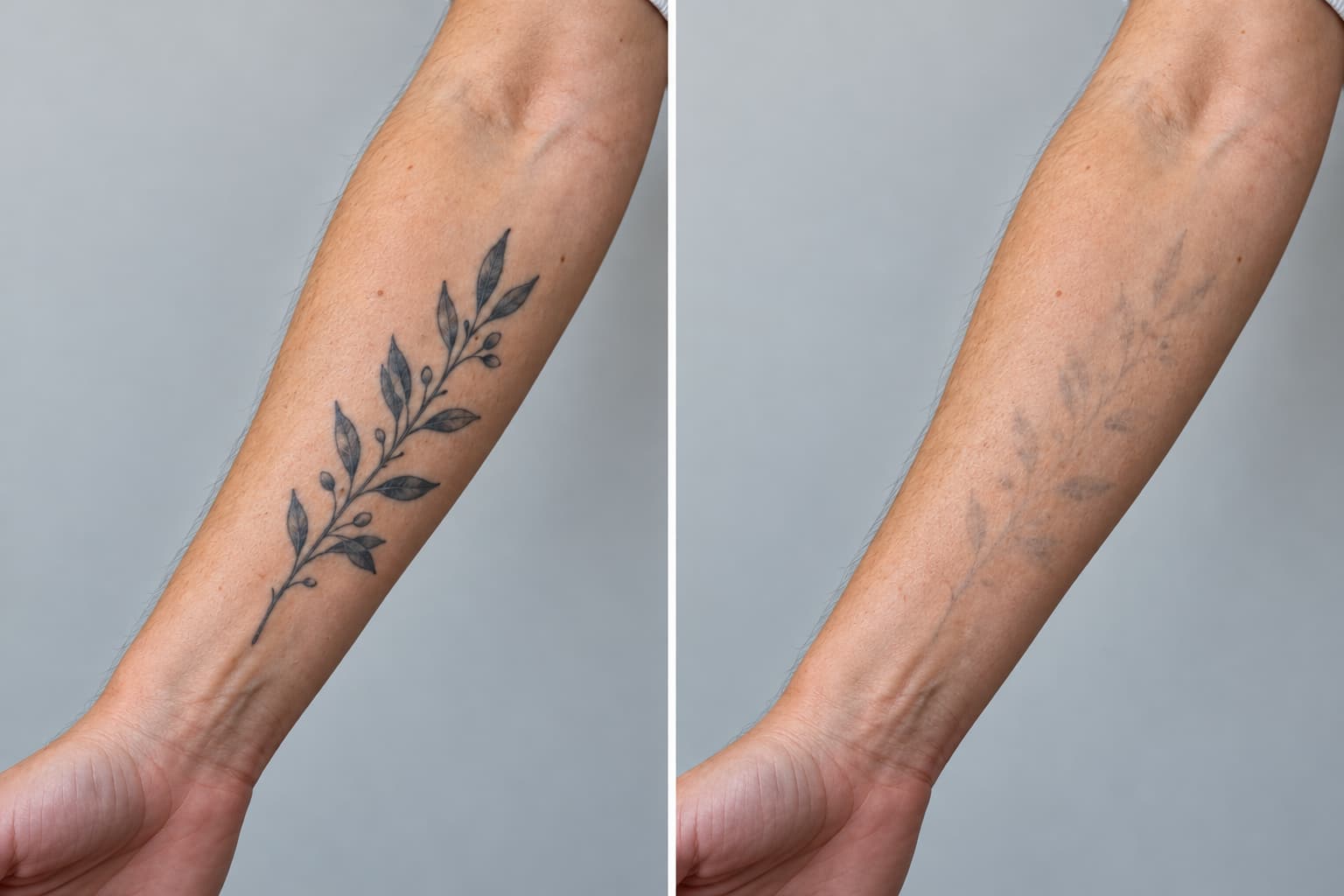
Before and after laser tattoo removal is a topic of growing interest among individuals seeking to modify or erase permanent body art. As tattoos become increasingly common, so too does the desire to remove or adjust them, whether due to personal change, professional reasons, or shifts in aesthetic preferences. Laser tattoo removal presents a sophisticated medical procedure designed to target undesired pigments in the skin, breaking them down for natural clearance by the body's immune system. Understanding what this process entails, who it benefits, and what expectations are reasonable is essential for anyone considering this treatment.
Laser tattoo removal is not a simple or instantaneous fix but rather a nuanced therapeutic course requiring professional assessment, multiple sessions, and dedicated aftercare. It addresses a diverse audience—adults in good health seeking to eliminate tattoos that no longer resonate with their identity or lifestyle. The topic matters because the procedure interacts directly with the skin’s integrity, necessitates precise technology, and invites a realistic outlook on achievable outcomes. This article offers a comprehensive exploration of the stages before, during, and after laser tattoo removal, emphasizing responsible clinical protocols and individualized patient care without resorting to unverified at-home remedies or generic treatments.
Whether you are considering laser tattoo removal for the first time or seeking to deepen your understanding of the procedural journey, this editorial will equip you with essential insights into what to anticipate, how to prepare, and why expert guidance is indispensable throughout the process.
What Does Laser Tattoo Removal Entail and How Does It Work?
Laser tattoo removal is a medically advanced technique that utilizes specialized lasers to target tattoo pigments embedded within the dermis layer of the skin. These lasers emit light at specific wavelengths that are absorbed by the tattoo ink, fragmenting pigment molecules into smaller pieces. Following fragmentation, the body's immune system gradually removes these particles through natural metabolic processes.
The effectiveness of laser removal varies depending on multiple variables: the color and density of the tattoo ink, the depth at which it was applied, the age of the tattoo, and the skin type of the individual. Commonly, darker pigments such as black and blue respond more readily to laser treatment compared to lighter shades such as green, yellow, or fluorescent colors.
Modern laser technology is designed to maximize pigment targeting while minimizing thermal injury to surrounding skin tissue. This precision reduces the likelihood of scarring or unwanted textural changes. Treatments are administered by experienced dermatologists or certified laser technicians who tailor parameters such as laser wavelength, pulse duration, and energy output to suit the unique attributes of each tattoo and patient.
Who Is an Appropriate Candidate for Laser Tattoo Removal?
Laser tattoo removal is generally appropriate for healthy adults who have realistic expectations and no contraindications to laser treatment. Candidates should be free from active skin infections, inflammatory skin conditions (such as eczema or psoriasis) in the treated area, and systemic health issues that impair wound healing, like uncontrolled diabetes.
Individuals with darker skin tones require special consideration due to a higher risk of pigmentary changes post-treatment. Advanced laser systems equipped with picosecond or Q-switched pulses have broadened treatment options for diverse skin types by allowing controlled targeting that preserves surrounding melanin integrity.
It is important to understand that complete removal of a tattoo is not guaranteed. Some tattoos—especially those with multiple colors or applied by amateur artists—may require numerous sessions or may only fade partially. This reality reinforces the need for a thorough pre-treatment evaluation and honest consultation regarding achievable goals.
What Happens During the Consultation Before Starting Treatment?
The initial consultation is a critical step where the medical provider conducts a detailed assessment of the tattoo, skin characteristics, and patient history. This meeting includes examining the tattoo’s size, color composition, depth, and location, as well as discussing prior skin reactions, any treatments previously attempted, and underlying health concerns.
The practitioner explains the laser removal process, potential risks and benefits, the estimated number of sessions required, and the intervals between treatments—which typically span 6 to 8 weeks to allow adequate healing. This session provides space for patients to voice expectations, ask questions, and build trust with the clinician.
During the consultation, patients are encouraged to disclose comprehensive information about allergies, medications, and any history of scarring or pigment changes. Such transparency enables customization of the treatment plan and minimizes risks.
How Should You Prepare for Laser Tattoo Removal?
Patient preparation directly influences the safety and effectiveness of laser tattoo removal. Key preparatory steps include avoiding sun exposure and tanning (including the use of tanning beds) for at least four weeks before treatment to reduce photosensitivity and hyperpigmentation risks.
Applying irritative substances, performing mechanical exfoliation, waxing, or other invasive skin treatments on the tattoo area should be avoided in the days leading up to the procedure. On the day of treatment, ensure the skin is clean and free of makeup, lotions, or oils.
Patients must also adjust their expectations knowing that laser tattoo removal is a gradual process. Communicating openly with the treatment team about lifestyle factors, skin care routines, and adherence to guidelines will support optimal outcomes.
What Occurs During a Laser Tattoo Removal Session?
A typical laser tattoo removal session is conducted in a controlled clinical environment. The duration ranges from a few minutes to around 30 minutes depending on tattoo size and complexity. Protective eye gear is mandatory for both patient and practitioner to guard against laser light exposure.
The clinician applies the laser handpiece over the tattooed area, delivering carefully calibrated pulses of energy. Patients may experience sensations akin to a rubber band snapping against the skin or warmth. To enhance comfort, topical numbing creams or cooling devices may be employed.
The laser energy breaks down colored pigments into finer fragments without causing substantial harm to the surrounding epidermis or dermis. The fragmentation sets in motion natural immune clearance over ensuing weeks.
What Is the Immediate Aftercare and Expected Skin Response?
Immediately after treatment, it is common to observe redness, swelling, and mild tenderness in the treated area. Occasional blistering or crusting might occur as part of the inflammatory and healing response. These effects typically resolve within days to a couple of weeks.
Patients are strongly advised not to pick at blisters or scabs to prevent scarring. Applying cold compresses and soothing topical agents such as aloe vera or barrier creams recommended by the clinician can improve comfort and promote healing.
Careful monitoring and prompt reporting of any unusual symptoms like severe pain, excessive swelling, or signs of infection are essential to manage complications timely.
How Long Does Skin Recovery Take and When Can Normal Activities Resume?
Recovery length is highly individual but generally spans from several days up to two weeks post-session. Within this timeframe, patients should avoid strenuous physical activities that might cause excessive sweating or friction on the treated skin.
Exposure to water bodies such as pools, hot tubs, or oceans should be limited initially to reduce infection risk. Gentle cleansing and moisturizing, coupled with avoiding tight clothing over the area, support optimal restoration of skin barrier function.
Most daily routines can be resumed relatively quickly; however, adherence to specific recovery instructions provided by the practitioner is critical to minimize adverse outcomes.
Why Is Sun Protection Vital During the Tattoo Removal Process?
Post-laser skin is markedly sensitive to ultraviolet radiation. UV exposure can provoke hyperpigmentation, hypopigmentation, and prolong the skin’s inflammation and repair phases, jeopardizing treatment success.
Consistent sun protection includes using broad-spectrum sunscreens with at least SPF 50+, wearing protective clothing, and avoiding direct sunlight especially during peak hours. Such measures protect the delicate healing skin, preserve the improvements achieved, and prevent long-term pigmentation issues.
What Are Realistic Expectations and How Is Success Measured?
Success in laser tattoo removal is multifactorial and patient-dependent. While many tattoos lighten significantly or disappear over a series of treatments, some ink colors or deeply embedded pigments may persist. Even with the most advanced lasers, complete clearance is not guaranteed.
Realistic expectations are cultivated through transparent dialogue during the consultation. Success is not solely aesthetic but also incorporates skin health preservation without scarring or chronic pigment alterations.
Ongoing evaluation after each session allows treatment adjustments and helps patients gauge progress accurately.