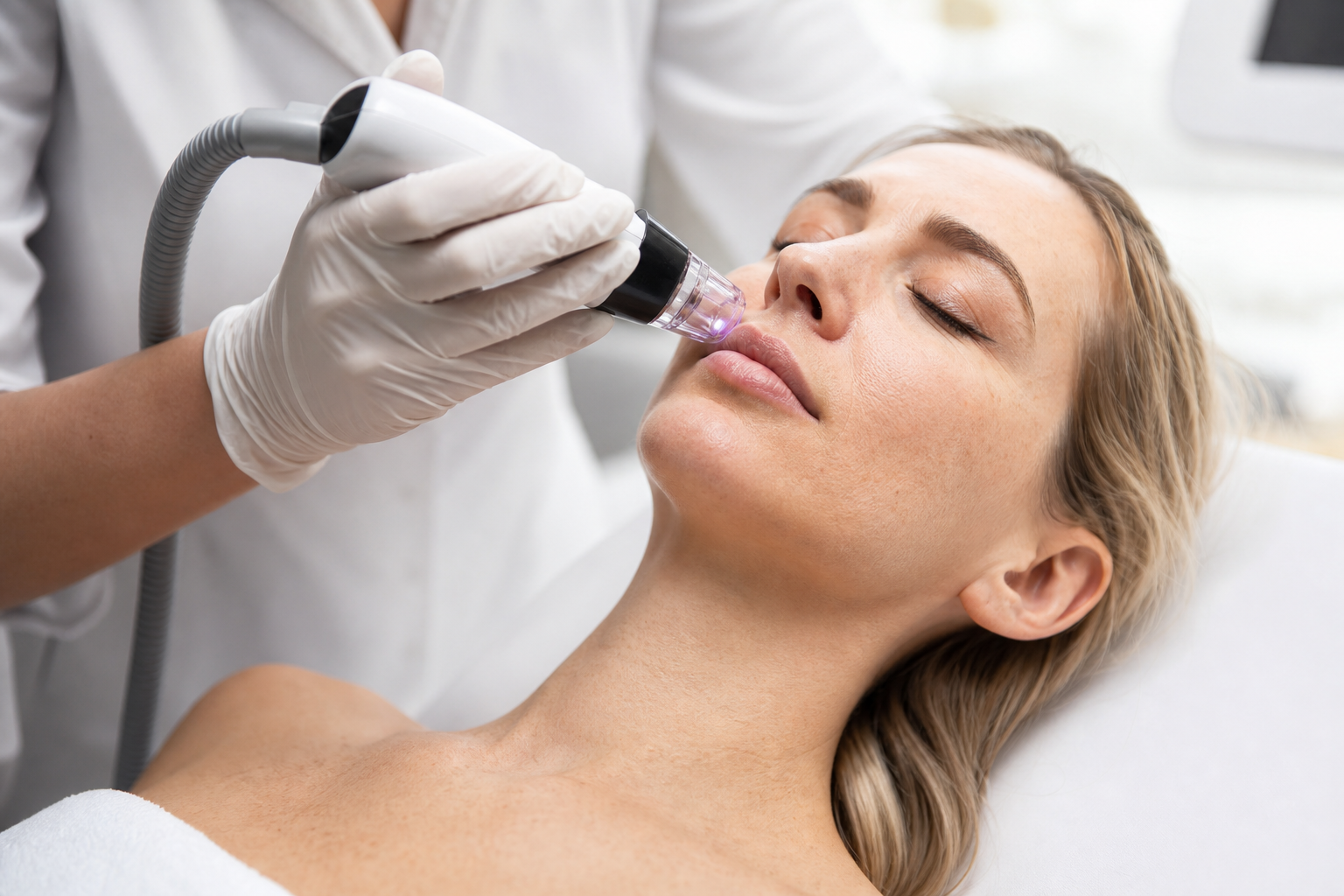
Radiofrequency skin treatment above the upper lip is a sophisticated, non-invasive cosmetic procedure designed to rejuvenate this delicate region by harnessing the power of radiofrequency (RF) energy. The area above the upper lip is notoriously susceptible to fine lines, wrinkles, and loss of elasticity due to repetitive facial expressions, sun exposure, and natural aging processes. This particular treatment, commonly known as RF lifting, aims to tighten and refresh the skin without the need for surgery, making it highly attractive for individuals seeking effective anti-aging solutions with minimal downtime.
This editorial explores the intricacies of radiofrequency skin treatment specifically targeting the upper lip area. It is intended for readers who are either considering this treatment or wish to understand how it fits into the broader landscape of skin rejuvenation techniques. Understanding the mechanism, benefits, realistic outcomes, and how it compares to other modalities is crucial in determining whether RF treatment above the upper lip is the appropriate choice.
The significance of treating the skin above the upper lip lies in the visible impact even subtle aging signs can have on one’s overall facial aesthetics and self-confidence. Given its visibility and sensitivity, achieving rejuvenation here without invasive procedures has been a growing priority among aesthetic practitioners. Radiofrequency skin treatment emerges as a practical, scientifically backed option that effectively stimulates the skin’s natural repair mechanisms to restore youthfulness while maintaining safety and convenience.
What is Radiofrequency Skin Treatment Above the Upper Lip and How Does It Work?
Radiofrequency skin treatment uses controlled electromagnetic waves to generate heat within the deeper layers of the skin, particularly the dermis. When applied above the upper lip, this energy penetrates beneath the surface, gently heating the targeted tissue without damaging the skin’s exterior. This heat stimulation triggers the body’s natural repair responses, encouraging fibroblasts—the cells responsible for collagen and elastin production—to increase their activity.
Collagen and elastin are key structural proteins that maintain skin firmness and elasticity. As their production diminishes over time, skin becomes thinner, less resilient, and more prone to wrinkles. The RF treatment’s ability to boost these proteins helps reverse these effects, smoothing fine lines and tightening the loose skin characteristic of aging in this area.
There are several variations of radiofrequency treatment above the upper lip. The least invasive approach is non-ablative RF, which is applied externally via a handpiece moving across the skin surface. This method focuses on heating superficial layers to induce tightening and improve skin texture. A more advanced modality is fractional RF, which creates tiny, controlled zones of thermal injury designed to stimulate deeper tissue remodeling while sparing surrounding tissue, resulting in enhanced efficacy with minimal recovery.
RF microneedling combines radiofrequency energy with fine microneedles that penetrate the skin, delivering RF energy directly into the dermis. This technique creates microchannels that promote accelerated healing and collagen production, often yielding more dramatic and longer-lasting improvements. However, it also involves mild invasiveness and may necessitate some downtime, which contrasts with the completely non-invasive nature of traditional RF treatments.
Who is an Ideal Candidate for RF Skin Treatment Above the Upper Lip?
The ideal candidate for radiofrequency skin treatment above the upper lip is someone experiencing early to moderate signs of aging in this region, such as fine lines, superficial wrinkles, and mild skin laxity. Candidates often seek a non-surgical option that requires minimal or no recovery time, making RF lifting particularly appealing.
Individuals who have realistic expectations and understand that RF treatment is not a substitute for surgical facelifts tend to benefit the most. Those who want to enhance skin texture, tighten mildly loose skin, and reduce superficial wrinkles without needles or incisions are well-suited for this approach.
However, persons with deep, pronounced wrinkles or significant volume loss above the lips may require adjunctive treatments like dermal fillers or alternative procedures to fully address their concerns. Moreover, candidates should be evaluated for contraindications such as active skin infections, certain autoimmune disorders, or implanted electronic devices, which may preclude the safe use of radiofrequency energy.
What Are the Benefits and Limitations of RF Treatment Above the Upper Lip?
Radiofrequency skin treatment offers many advantages in the context of addressing signs of aging above the upper lip. Its primary benefits include:
1. Non-Invasiveness: The procedure typically involves no incisions, needles, or anesthesia, making it an attractive option for those wary of surgery.
2. Minimal Downtime: Most patients can resume daily activities immediately following treatment, as redness or swelling is usually mild and short-lived.
3. Collagen Stimulation: By promoting natural collagen and elastin production, the treatment offers gradual but sustained improvements in skin firmness and texture.
4. Safety Profile: When administered by trained professionals using approved devices, RF treatments exhibit a low incidence of side effects or complications.
Despite these positives, it's important to recognize the treatment's limitations:
1. Gradual Results: Unlike surgical procedures that provide immediate dramatic changes, RF results develop over weeks to months as collagen remodeling progresses.
2. Depth of Penetration: RF energy predominantly targets superficial to mid-dermal layers, potentially limiting effectiveness on deeper wrinkles or severe skin laxity.
3. Individual Variability: Patient age, skin type, and genetic factors influence outcomes, meaning not everyone experiences the same degree of improvement.
4. Multiple Sessions Required: To achieve optimal results, a series of treatments spaced several weeks apart is generally recommended.
How is the Radiofrequency Treatment Above the Upper Lip Performed?
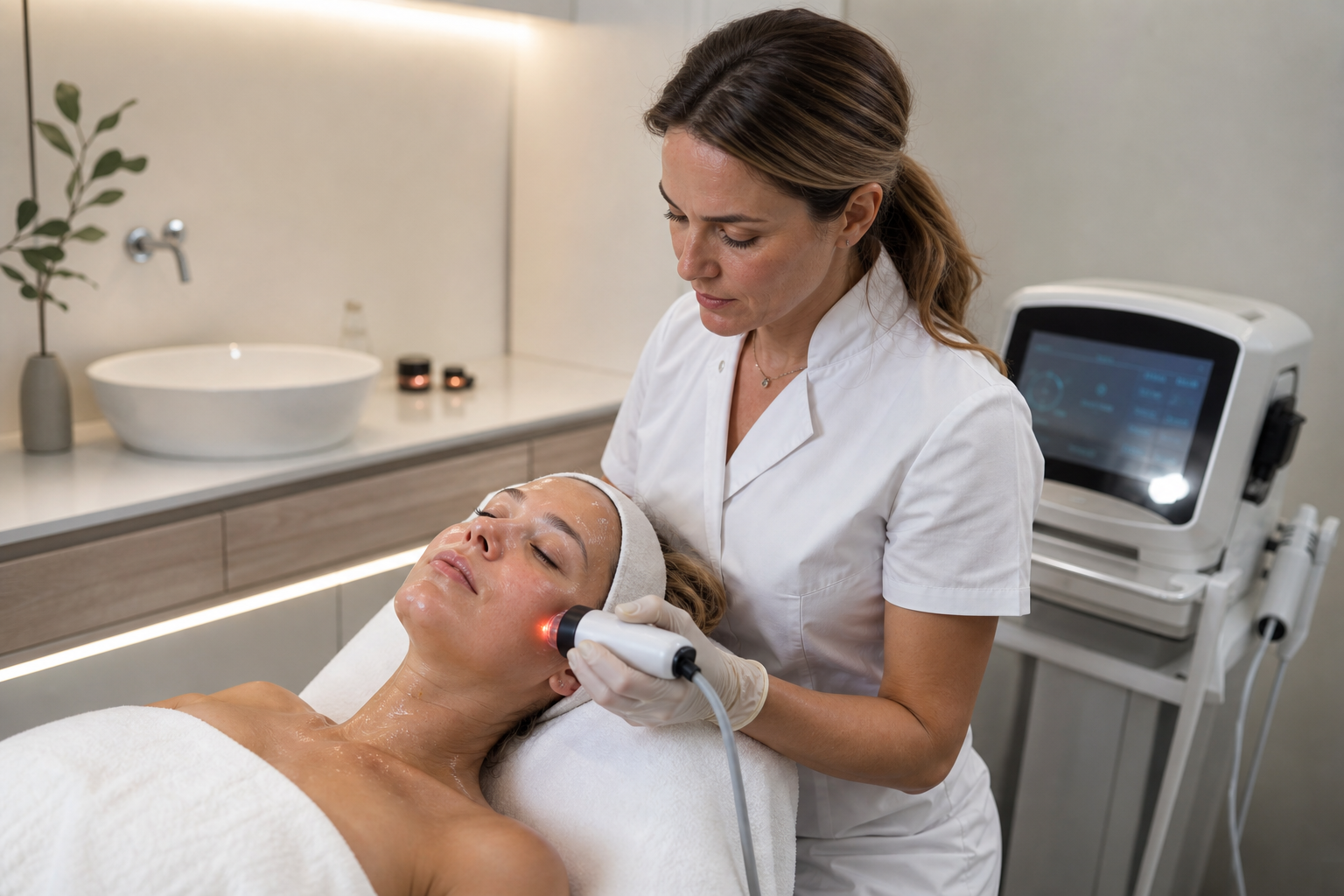
The RF treatment session typically lasts between 20 to 40 minutes. Initially, the practitioner cleanses the skin thoroughly and applies a conductive gel to enhance the transmission of radiofrequency energy and protect the skin's surface.
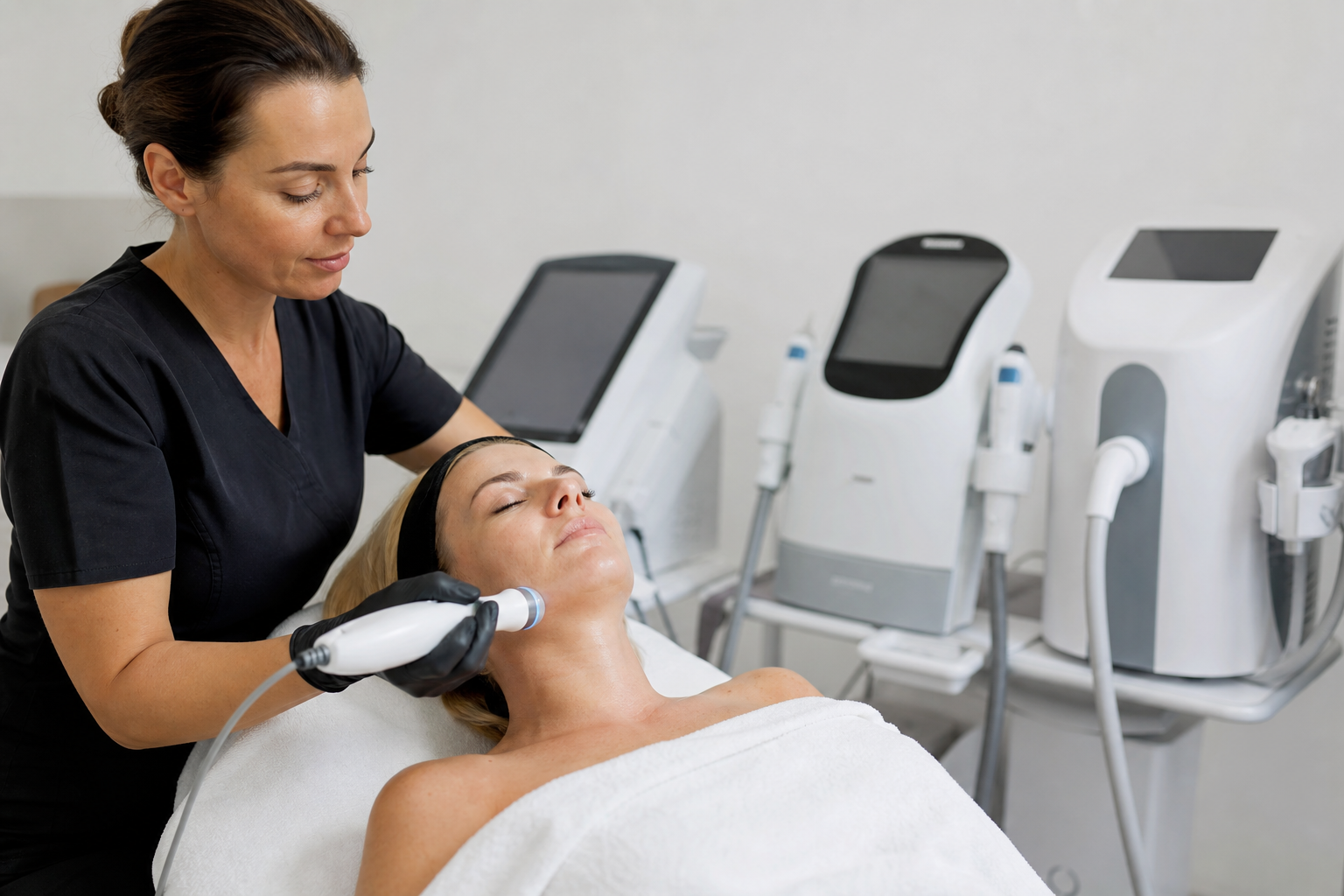
The treatment device equipped with an ergonomic handpiece is gently moved over the region above the upper lip in controlled patterns to ensure even energy delivery. The patient usually perceives a warm sensation—often described as soothing—indicating that the tissue is being heated adequately.
For those undergoing RF microneedling, the process is slightly more involved. Micro-needles penetrate the skin to deliver RF energy directly to deeper layers, often with topical anesthesia applied beforehand to minimize discomfort. After the procedure, mild redness and swelling may occur but typically resolve within a few days.
Following treatment, skincare recommendations are provided to optimize results and maintain skin health, such as moisturizing and sun protection. Most patients require several sessions, commonly spaced four to six weeks apart, for cumulative benefits.
What Realistic Outcomes Can Patients Expect from RF Treatment Above the Upper Lip?
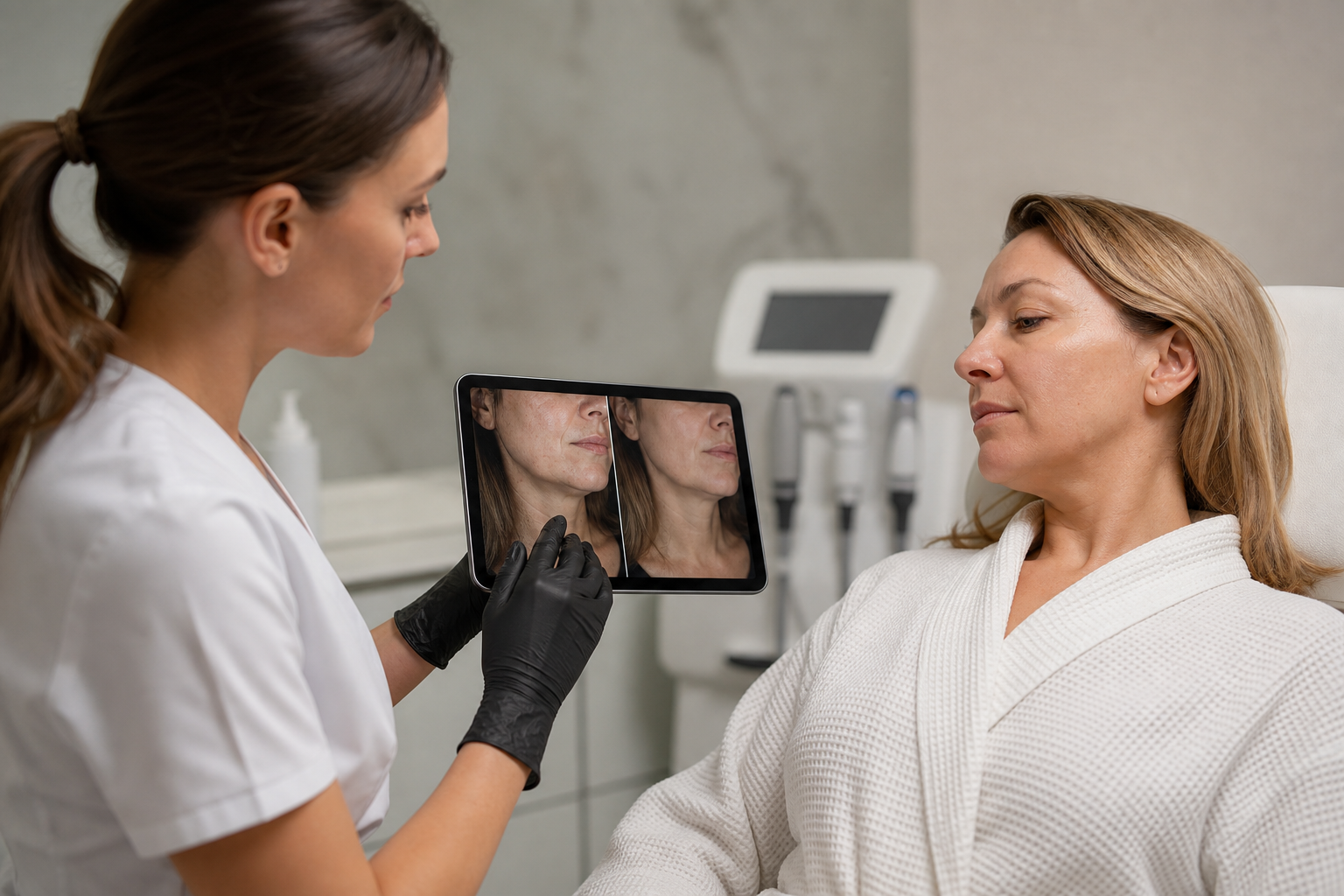
Patients can anticipate a noticeable improvement in the skin’s texture, tone, and tightness in the upper lip area over time. Fine lines become less pronounced, and the skin often exhibits enhanced radiance and firmness. The stimulated production of collagen and elastin contributes to this rejuvenation, resulting in a more youthful and refreshed appearance.
It is essential for patients to have measured expectations, as RF treatment is not designed to eliminate deep wrinkles or significantly alter facial contours. The procedure gently improves the appearance rather than delivering a dramatic transformation.
Moreover, RF treatments can serve as an excellent maintenance strategy, potentially delaying the need for more invasive aesthetic interventions. Some patients also combine RF treatment with other modalities, such as hyaluronic acid fillers or laser therapies, to address volume loss or pigmentation issues comprehensively.
When Should One Choose RF Treatment Over Other Rejuvenation Procedures?
Radiofrequency skin treatment is most suitable for individuals seeking a safe, non-surgical method for addressing mild to moderate signs of aging above the upper lip. Those who desire a relatively quick procedure with minimal discomfort and no visible downtime typically find RF lifting to be an ideal choice.
Compared to more invasive options like surgical facelifts or laser resurfacing, RF treatment carries fewer risks and is often more affordable and accessible. It can be performed throughout the year without concerns about prolonged photosensitivity or recovery.
However, in cases of deep wrinkles, significant tissue sagging, or extensive volume loss, procedures such as surgical lifts, dermal fillers, or combined therapies may be more effective. An experienced aesthetic professional can assess individual needs and guide the patient toward the best treatment strategy.
How Does RF Treatment Above the Upper Lip Relate to Other Facial RF Procedures?
RF treatment above the upper lip is frequently incorporated into a broader approach for facial skin tightening and rejuvenation. Because the upper lip forms part of the lower third of the face, its treatment is often combined with RF procedures targeting the jawline, chin, and neck regions to harmonize youthful contours and improve overall facial appearance.
For instance, RF facial lifting for mild skin laxity on the cheeks or around the eyes complements the upper lip treatment by addressing the interconnected nature of facial aging. Similarly, radiofrequency treatment for double chin can enhance jawline definition and indirectly benefit the region around the mouth.
Integrating these treatments permits a holistic strategy that treats facial aging comprehensively, ensuring balanced results and a natural look. Recognizing the synergy among these areas underscores the importance of personalized care plans and a nuanced understanding of facial anatomy and aesthetic goals.