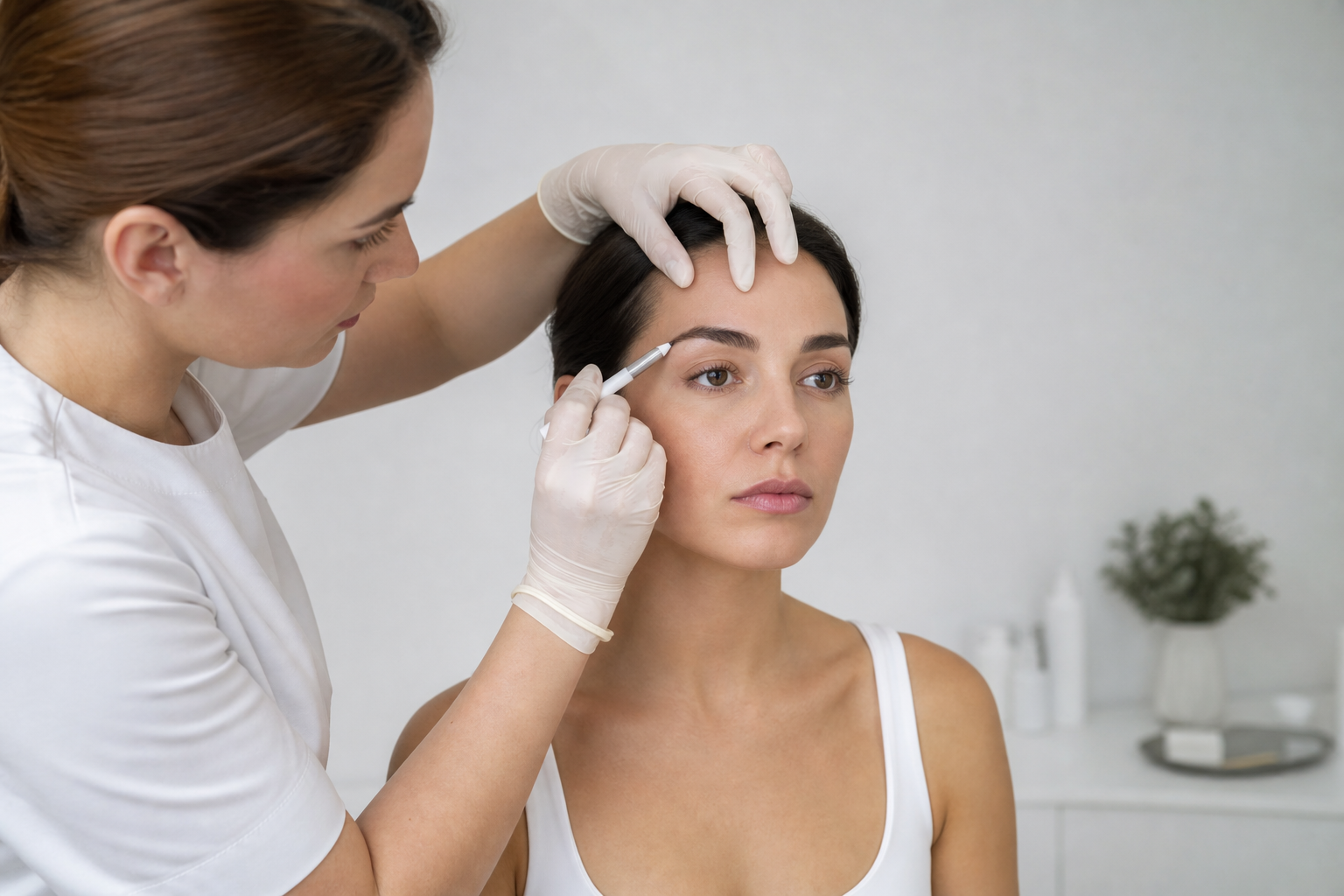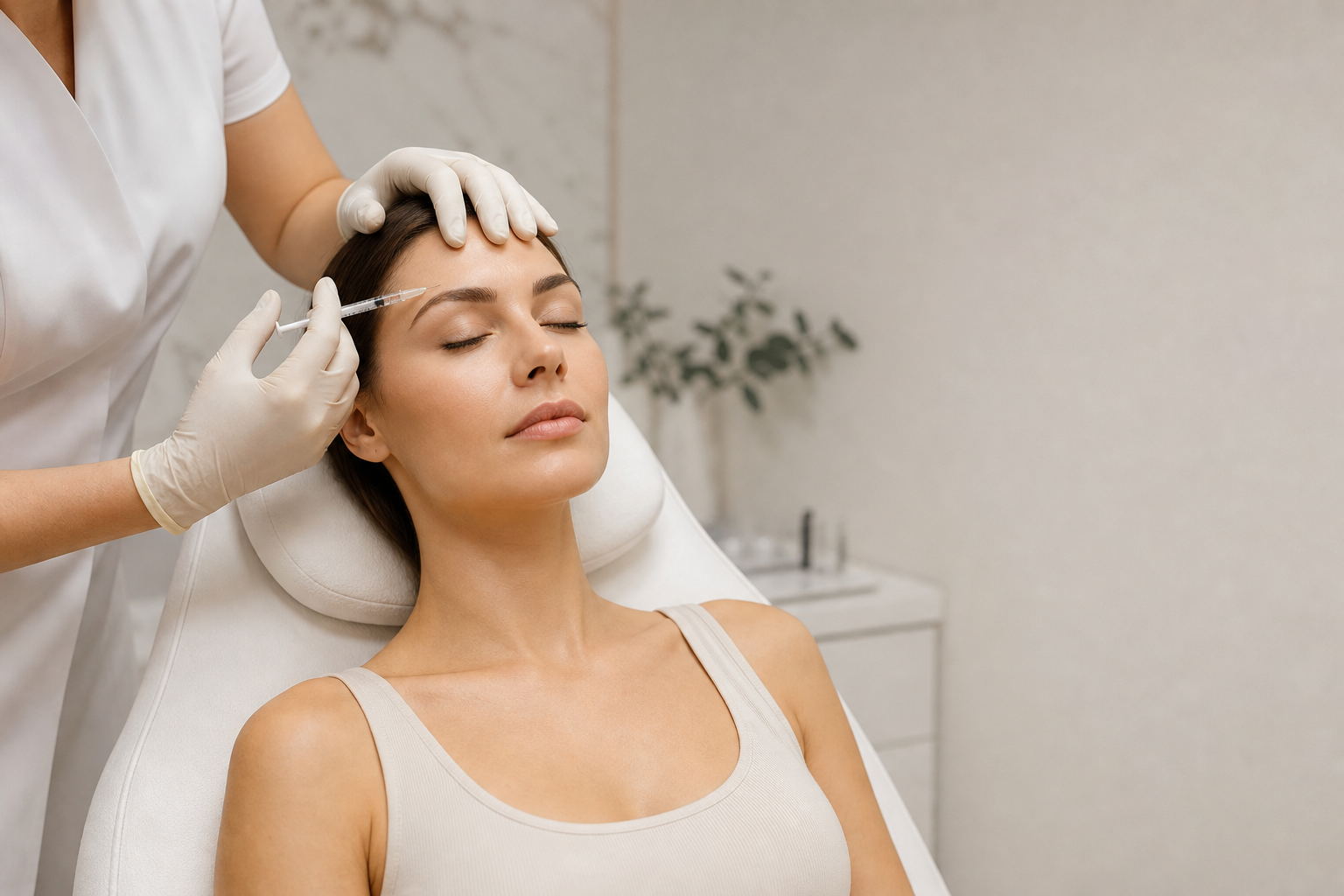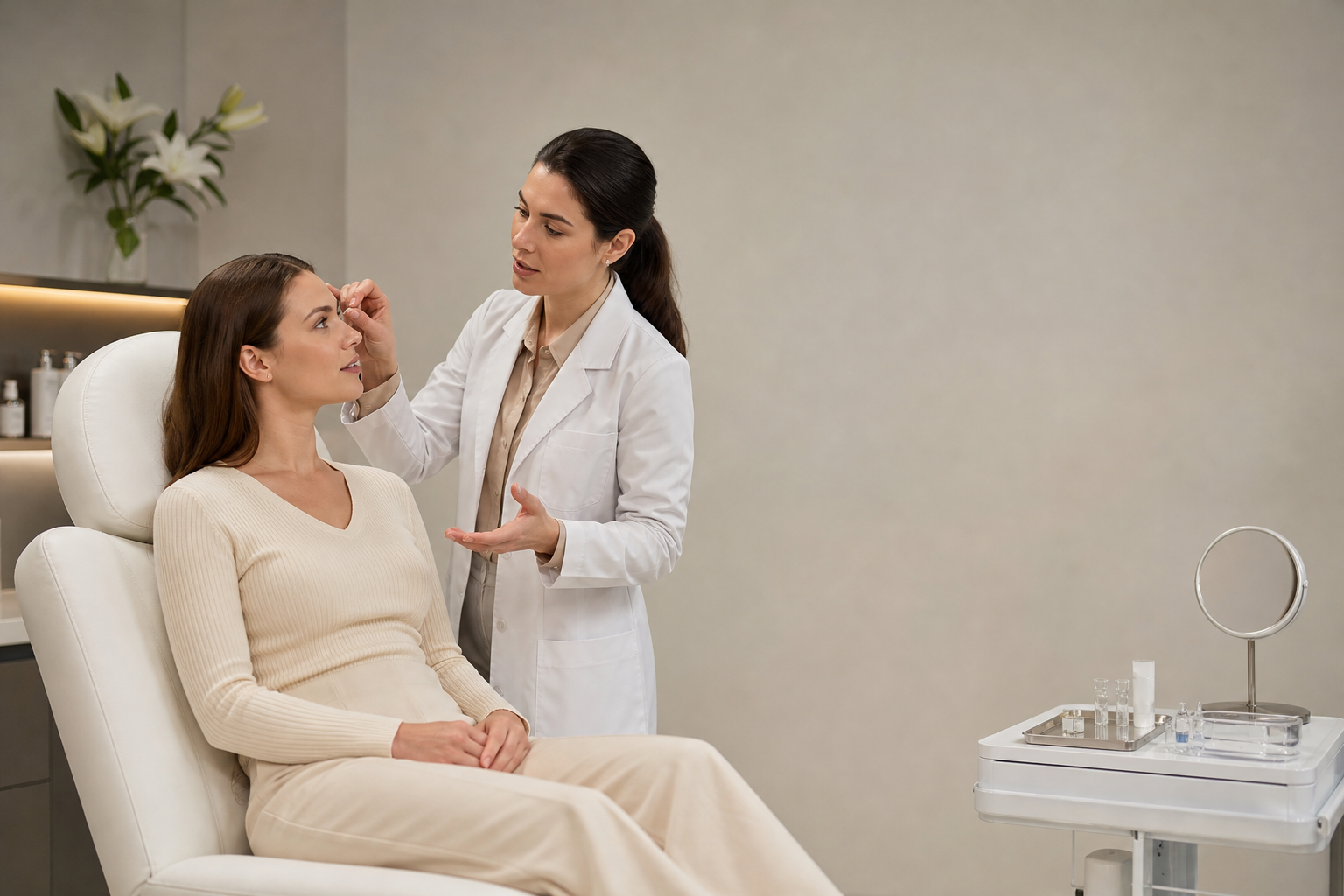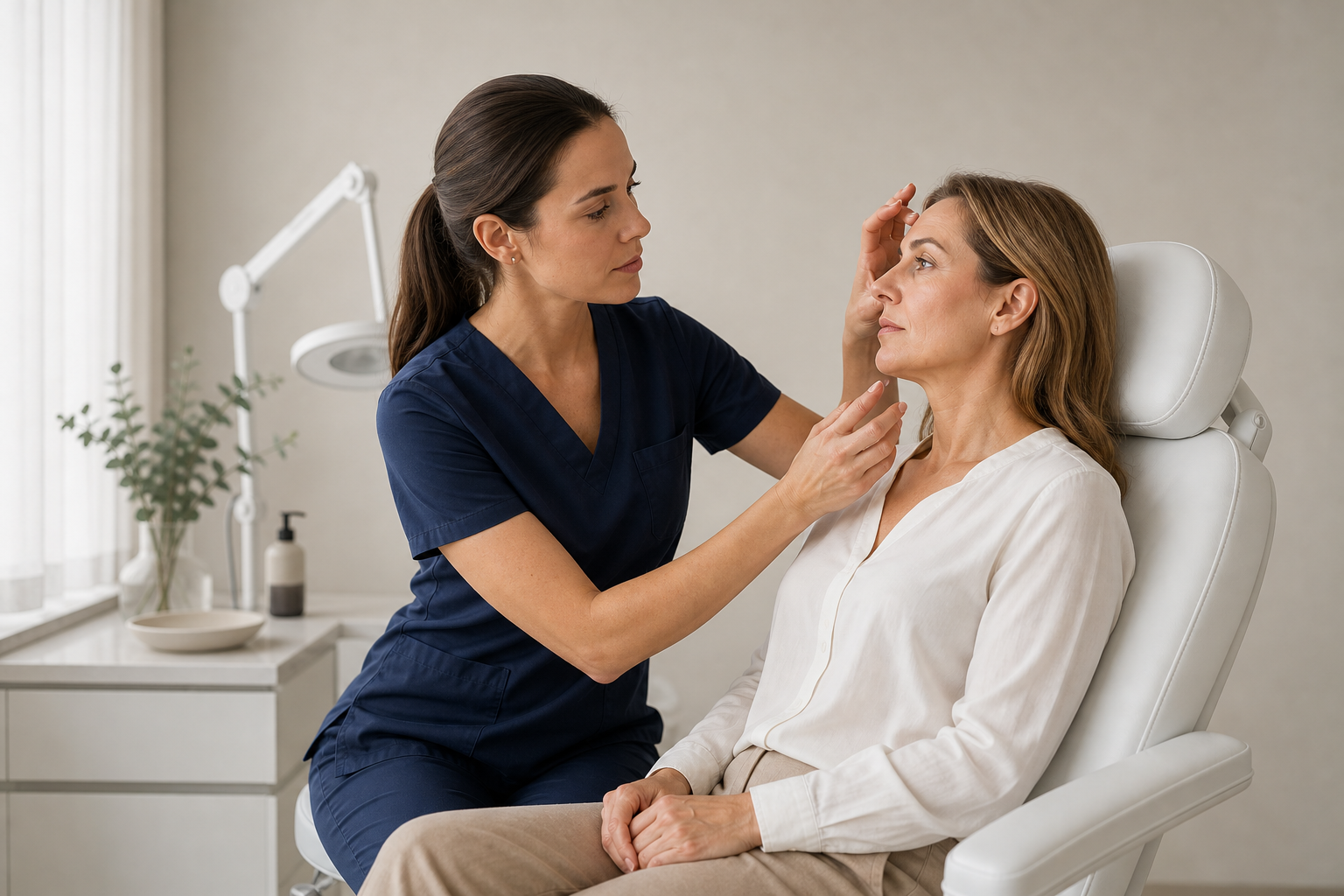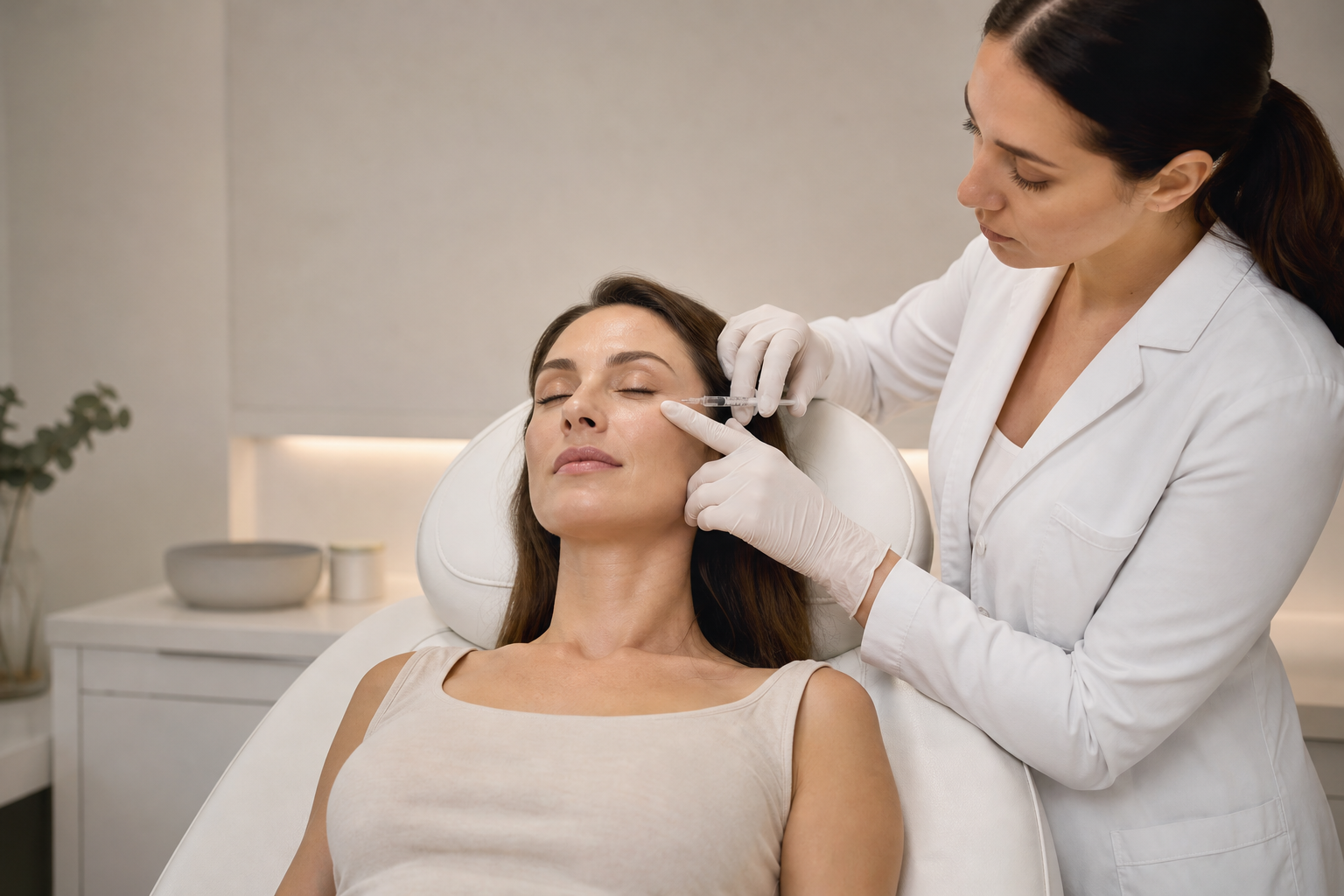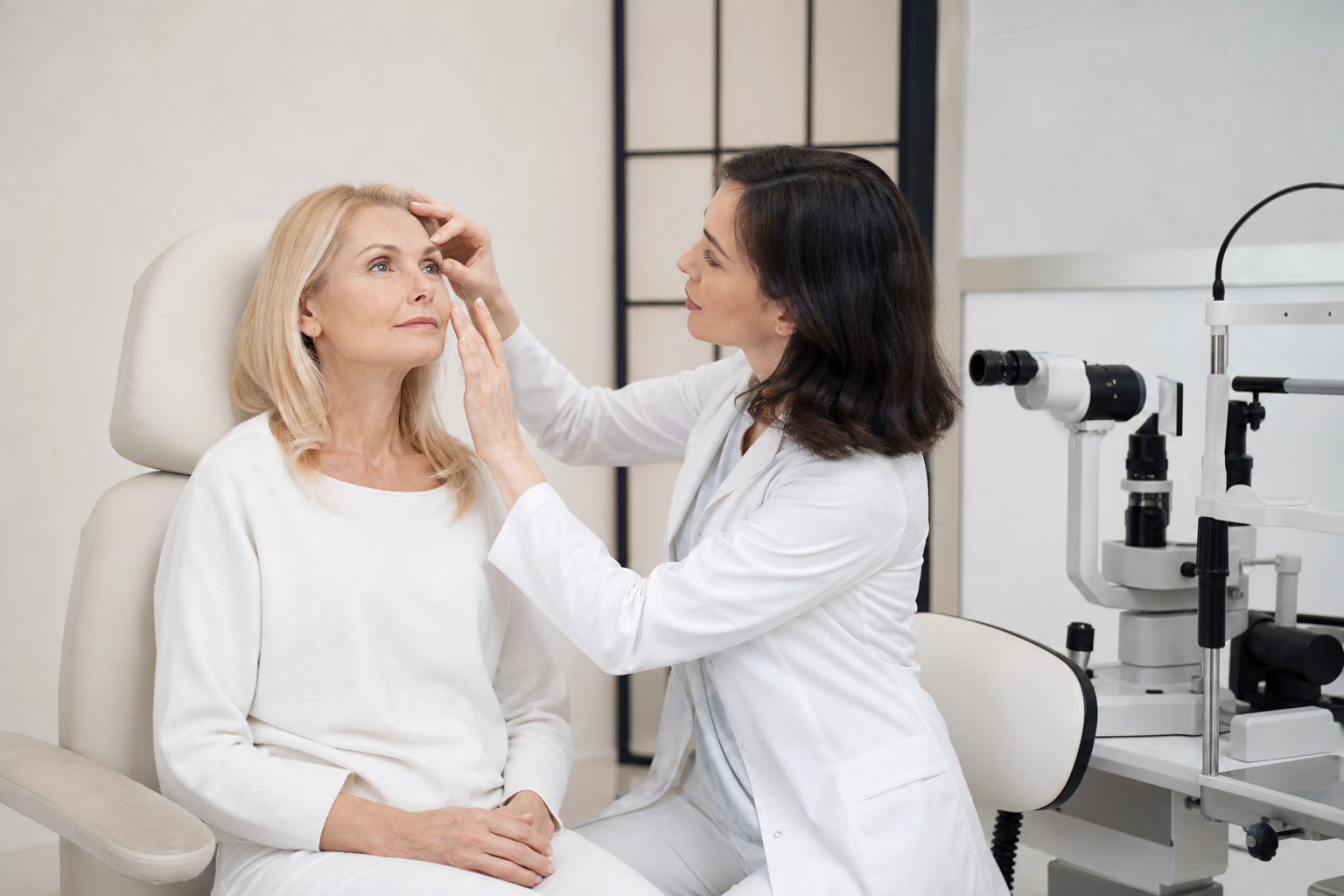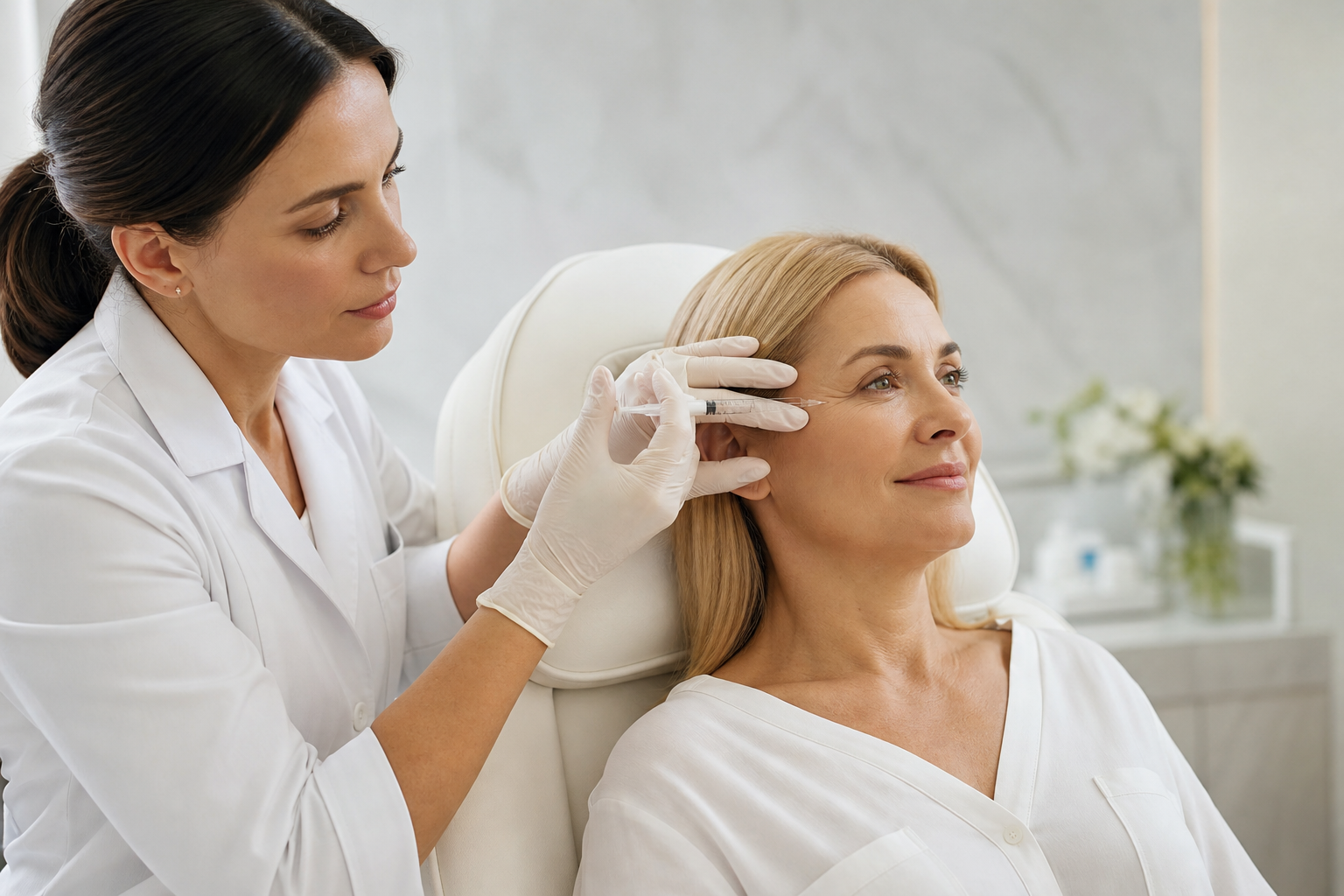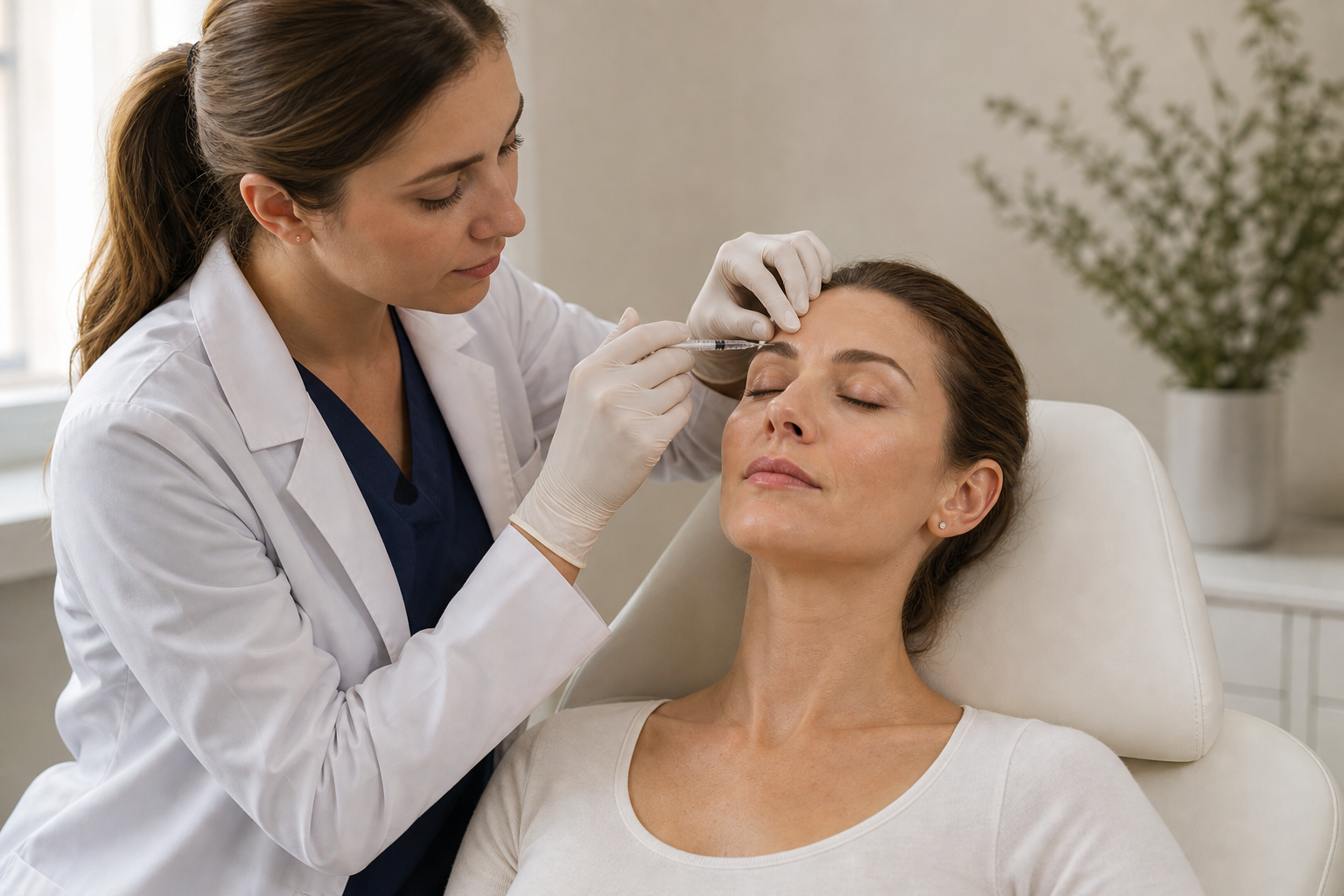
Botox treatments for the eye and brow area represent a highly sought-after approach in contemporary aesthetic medicine, known for their capacity to rejuvenate expressions and smooth the earliest signs of aging. These procedures, employing botulinum toxin injections, are uniquely tailored to the delicate and complex anatomy surrounding the eyes and eyebrows—zones where wrinkles such as crow's feet and brow furrows first emerge, profoundly influencing facial aesthetics and emotional expression. This editorial explores the nuances and implications of Botox application in this region, highlighting why it matters for individuals seeking natural, youthful refreshment without invasive surgery.
Today, Botox treatments around the eyes and brows are not limited to those with advanced aging signs; younger patients increasingly turn to these techniques for preventative benefits, aiming to delay wrinkle formation and refine minor asymmetries or drooping that contribute to a fatigued appearance. For beauty professionals and patients alike, understanding the intricacies of these treatments—including their benefits, limitations, safety profile, and technique—is essential to achieving harmonious outcomes that reflect individual facial dynamics and maintain authentic expression.
This article presents an in-depth look into the specialized use of Botox around the eyes and brow, distinguishing it from other facial treatment areas and addressing the practical and aesthetic considerations that define successful intervention in this sensitive region.
Delicate Anatomy and Tailored Approach of Botox Around the Eyes and Brows
The periocular region is characterized by some of the thinnest skin on the human body, underpinned by a dense network of nerves and blood vessels, and animated by an orchestrated set of muscles responsible for intricate facial expressions. Among these, the orbicularis oculi muscle plays a pivotal role in forming dynamic wrinkles commonly referred to as crow's feet or laughter lines. Botox operates by selectively inhibiting acetylcholine release at neuromuscular junctions, temporarily relaxing targeted muscles to smooth wrinkles caused by repetitive contractions.
However, unlike Botox treatment in the forehead or glabellar areas, injections in the eye and brow region demand exceptional precision. Incorrect dosing or placement risks impairing essential functions such as blinking, leading to droopy eyelids (ptosis), uneven eyebrow elevation, or unnatural facial asymmetry. The complex interplay of muscles lifting or depressing the brow further complicates treatment, requiring a practitioner skilled in detailed anatomical knowledge and patient-specific assessment to finesse injection sites and amounts.
Notably, botulinum toxin can also effectuate subtle brow lifts by weakening muscles that pull brows downward, offering an aesthetic advantage beyond wrinkle reduction. The resulting elevation can brighten the gaze without resorting to surgery, providing patients a refreshed and youthful visage through minimally invasive means.
Impact of Botox on Mimicry and Natural Expression Near the Eyes
The dynamic wrinkles around the eyes are a natural consequence of facial mimicry—expressions of joy, concern, or concentration that contribute significantly to nonverbal communication. Botox treatments aim to soften these lines while preserving the facial expressiveness fundamental to social interaction.
Achieving a natural appearance involves fine-tuning the degree of muscle relaxation; the goal is not to freeze movement entirely but to reduce excessive contraction responsible for deep wrinkles. The maximal effect of Botox develops gradually over several days post-injection, culminating in a smoother skin surface without compromising the fluidity of emotional expression. This delicate balance distinguishes expert applications from over-treated outcomes which may appear unnatural or mask genuine emotions.
Interestingly, in some instances, Botox around the eyes may alleviate discomfort associated with dry eyes or eye strain, as muscle relaxation can ease tension in periocular musculature. Yet caution is warranted, since excessive weakening of eyelid muscles can reduce blinking efficacy, potentially exacerbating dryness or ocular irritation. This emphasises the need for a thorough medical evaluation to assess suitability and prevent adverse sequelae.
Correcting Brow Asymmetry and Eyelid Drooping Through Targeted Botox Use
Asymmetrical eyebrows are a common aesthetic concern which may arise congenitally or develop over time due to muscle imbalances and gravity. Botox provides a refined tool to harmonize brow positions by selectively inhibiting depressor muscles on one side or relaxing overly dominant levators on the other, enabling balanced eyebrow arches aligned with the patient’s unique facial structure.
Furthermore, patients with mild ptosis—or the subtle sagging of eyelids frequently contributing to a fatigued or stern look—may benefit from Botox-induced brow lifting. While the toxin does not remove excess skin, strategic injections in elevating muscles can raise brows enough to open the eye area visually and improve overall facial symmetry.
It is crucial to temper expectations, as Botox effects are temporary and require maintenance, and significant dermatochalasis or severe eyelid drooping may necessitate surgical intervention for optimal results. The collaboration between patient and clinician ensures understanding of achievable improvements and the limitations inherent to neuromodulator therapy.
Safety Considerations and the Need for Individual Assessment Prior to Treatment
Botox injections in the eye and brow regions are generally safe when performed by experienced practitioners in controlled clinical environments. However, the thin skin and dense muscular and neural anatomy pose risks such as unintended muscle paralysis, asymmetry, and even rare but serious complications including impaired eyelid closure that can affect eye health.
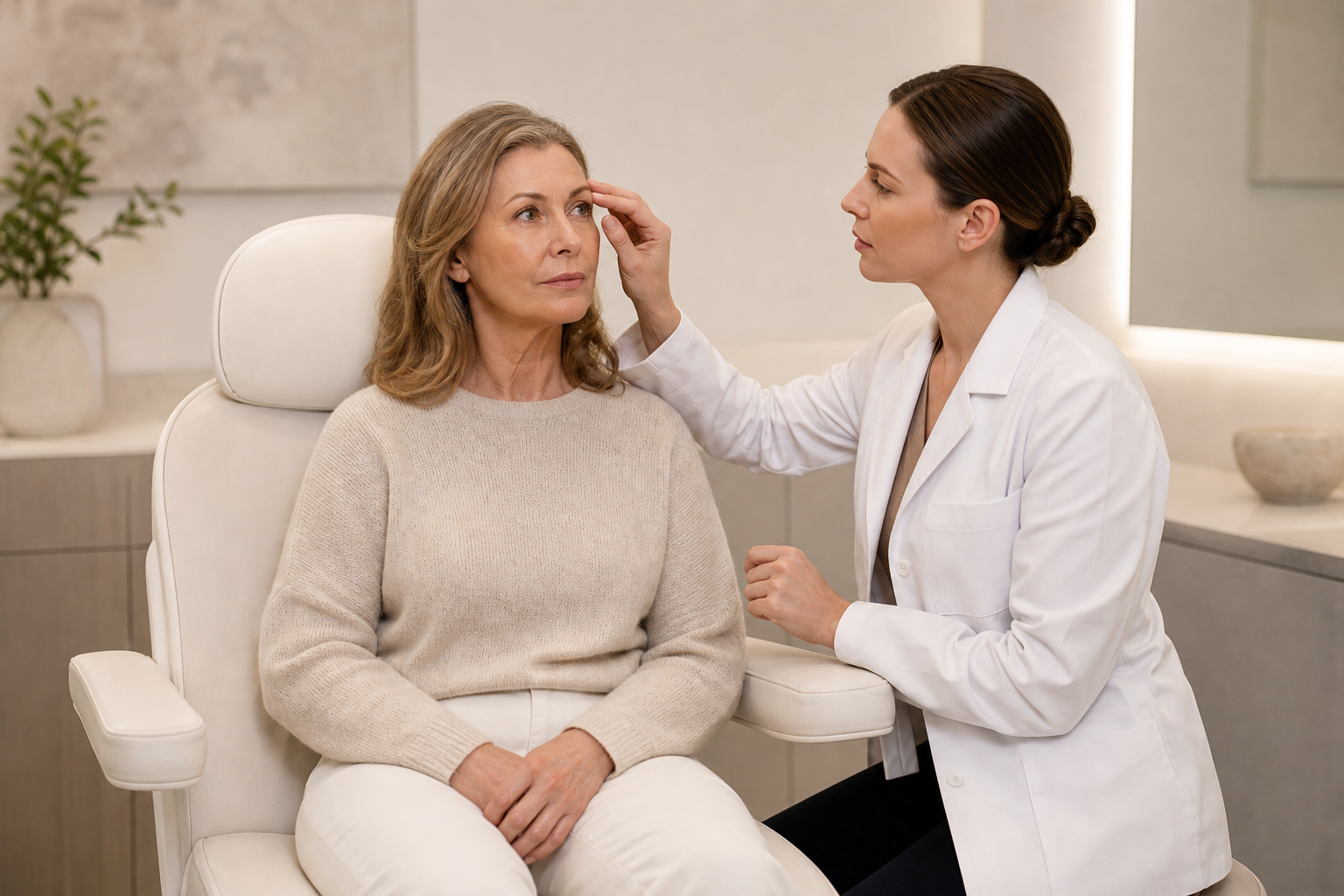
Each botulinum toxin product varies in potency and formulation, and their dosage units are not interchangeable; thus, familiarity with product-specific parameters is essential. Pre-treatment consultations are vital for comprehensive medical history reviews, examination for contraindications (such as neuromuscular disorders), and discussing potential adverse effects.
Patients must be informed of warning signs indicating urgent care needs—such as difficulty swallowing, breathing, or severe eyelid drooping—and understand that injecting in unlicensed settings or self-administration significantly increases complication risks. Practitioners' expertise and adherence to stringent procedural protocols remain the cornerstone for ensuring risk mitigation and enhancing patient satisfaction.
Challenges and Cautions in Administering Botox Beneath the Eyes
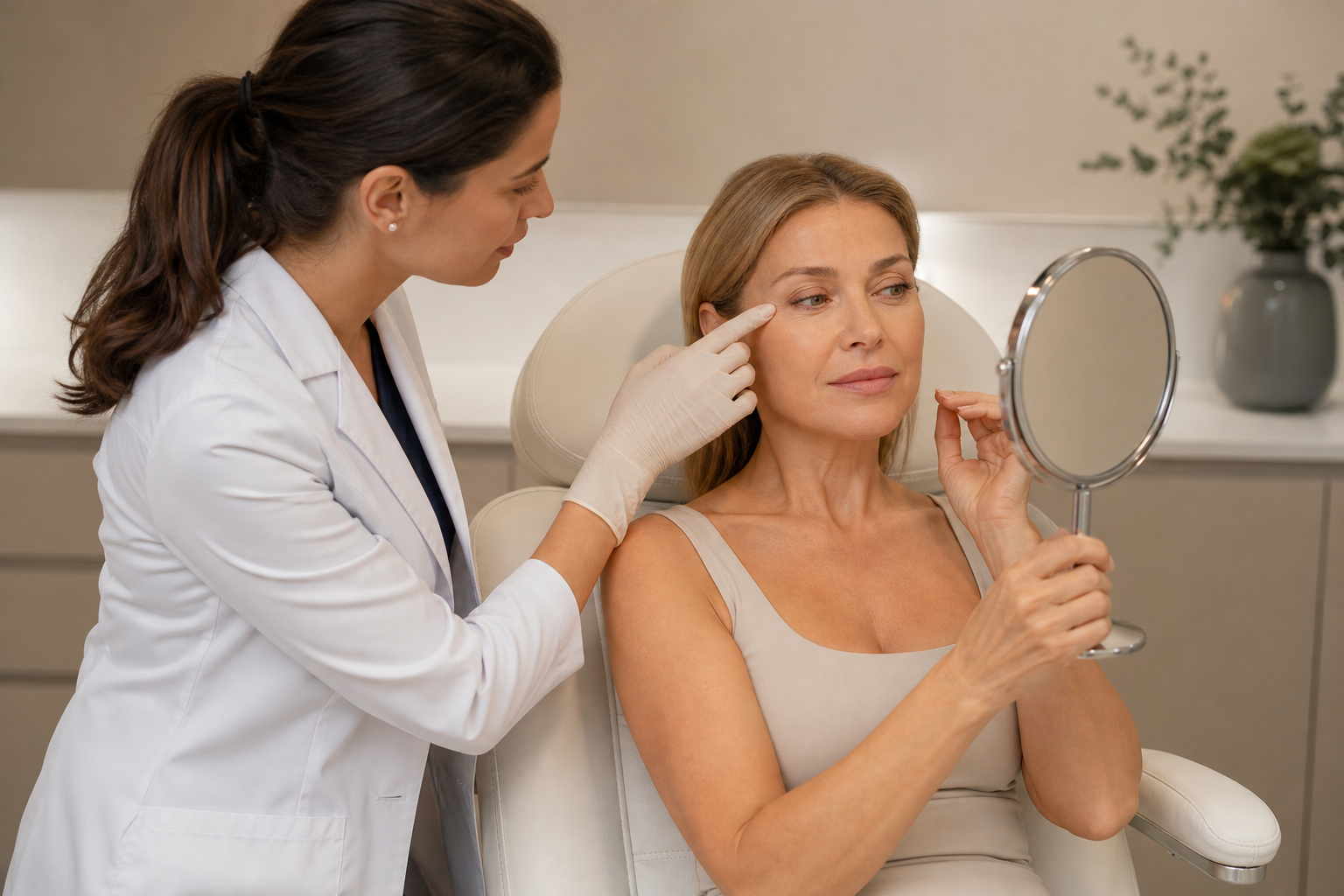
The infraorbital region is among the most complex and sensitive areas for Botox application, largely due to its extremely thin skin, minimal subcutaneous tissue, and the necessity for maintaining natural eye movements. Although Botox can reduce fine lines below the eyes, practitioners must exercise extraordinary caution because of the higher propensity for adverse effects such as muscle weakness impacting blinking or unintended spread of toxin to adjacent muscles.
Moreover, botulinum toxin use under the eyes often represents an off-label indication, and not all products have regulatory approval for this application in every country. This underscores the importance of individualized treatment planning and candid patient discussions about the experimental nature of such procedures.
Before proceeding under the eyes, addressing any concurrent ocular surface issues with an ophthalmologist’s input is recommended, particularly in patients prone to dry eye syndrome or irritations. This multidisciplinary approach safeguards ocular function while optimizing aesthetic improvements.