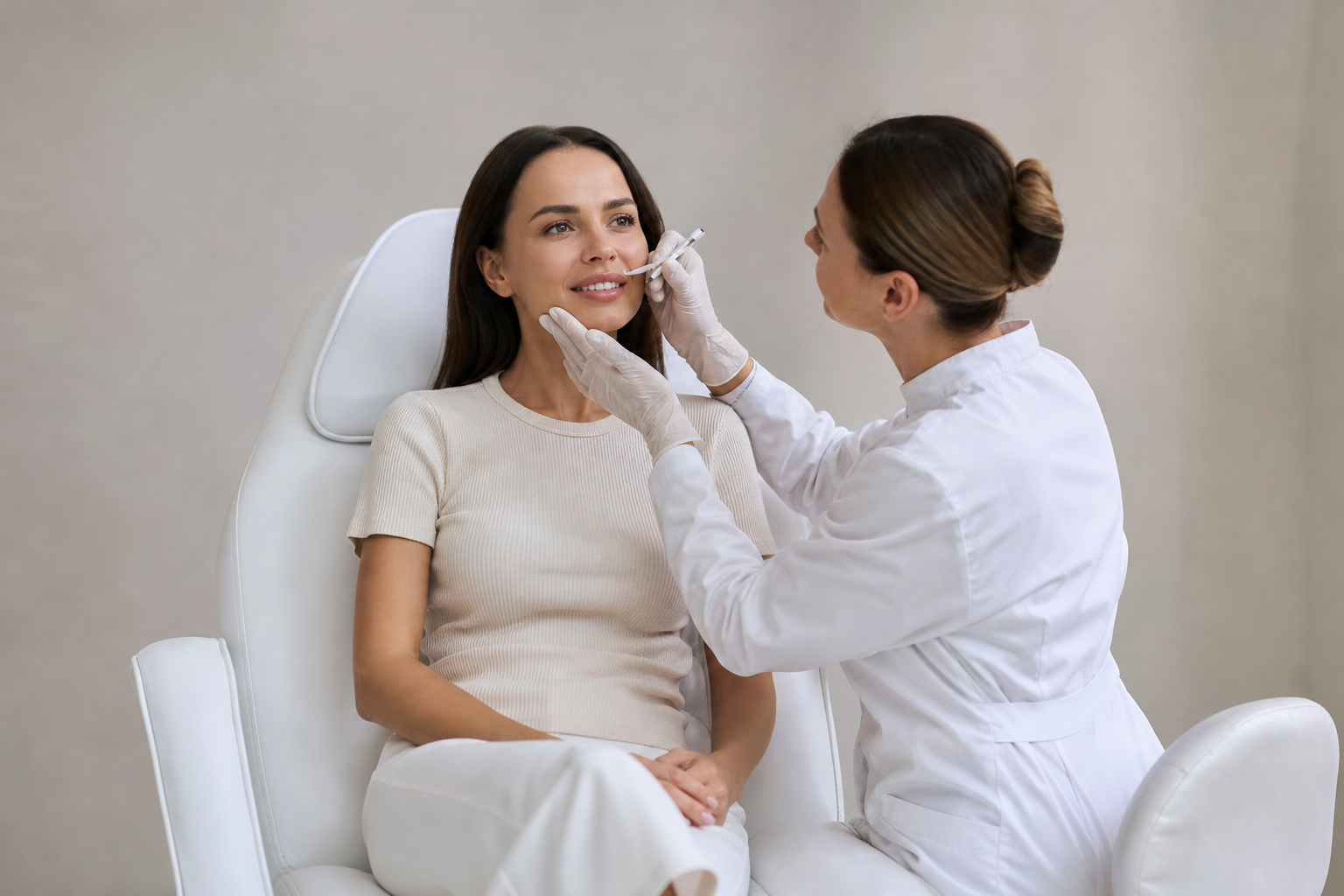
A gummy smile, often described as a smile that reveals an excessive amount of gum tissue above the upper teeth, can be a significant source of self-consciousness and dissatisfaction for many individuals. This aesthetic concern is not merely about appearance; it influences psychological well-being by affecting self-esteem and social interactions. For those who notice that their smiles unveil more gums than they would like, understanding available treatments is vital.
Among various corrective options, botulinum toxin—widely known as Botox—has emerged as a nuanced and minimally invasive approach to mitigating the appearance of a gummy smile. Particularly relevant in the evolving field of esthetic medicine, Botox for gummy smile treatment offers an alternative to surgical interventions. It attracts people seeking subtle refinements in their expression without enduring downtime or more invasive procedures.
This article delves deeply into the mechanisms, applications, and realistic outcomes associated with botulinum toxin in gummy smile correction. It is crafted to guide those considering this treatment by clarifying the anatomy involved, how Botox modifies muscle activity, the scope and limits of its benefits, as well as safety and professional considerations. Understanding when and how Botox can help might empower individuals to make informed decisions about their facial aesthetics and regain confidence in their smiles.
Anatomical Foundations of the Gummy Smile: Muscles and Structures Responsible for Excessive Gum Exposure
To appreciate how Botox can influence a gummy smile, it is essential first to understand what causes this condition from an anatomical perspective. The gummy smile manifests primarily due to an over-elevation of the upper lip when smiling, exposing more of the gingival tissue than typically desired. This hyper-exposure often stems from a complex interaction between muscular function, skeletal structure, and soft tissue characteristics.
The muscles primarily involved include the levator labii superioris, levator labii superioris alaeque nasi, and zygomaticus minor. These muscles act synergistically to elevate the upper lip during facial expressions, especially smiles. When these muscles exhibit heightened activity or hyperfunction, the upper lip rises excessively, displaying an exaggerated portion of the gums. This muscular hyperactivity may be anatomical or develop over time due to habitual patterns.
Beyond muscular dynamics, the bony anatomy also plays a substantial role. Individuals with vertical maxillary excess, where the upper jawbone is elongated vertically, present a greater gum-to-lip ratio at rest and during smiles. Additionally, variations in the length and thickness of the upper lip affect how much gum tissue is visible. A naturally short or thin upper lip fails to sufficiently cover the gums when smiling. These structural elements are fundamental to diagnosing the gummy smile and predicting the potential effectiveness of Botox treatment.
Botulinum Toxin’s Mode of Action in Modulating a Gummy Smile
Botulinum toxin type A, the active compound in Botox, exerts its effect by temporarily blocking the neuromuscular transmission. Specifically, it inhibits the release of acetylcholine at the neuromuscular junction, leading to decreased muscle contraction in the targeted area. When applied to the muscles responsible for elevating the upper lip, this reduction in muscular activity lowers the upper lip’s position during smiling, minimizing gum exposure.
In gummy smile management, careful, strategic injections into specific points of the levator labii superioris and adjacent muscles can provide a controlled weakening without compromising overall facial expression. The goal is a natural look—where the smile appears more harmonious and the gums are not excessively visible, yet full facial mobility remains.
Unlike surgical treatments that alter bone or soft tissue structures permanently, Botox offers a reversible and adjustable option. Its temporary effects allow patients and clinicians to tailor the degree of muscle relaxation over multiple sessions, optimizing results while maintaining spontaneity in facial expression.
What to Expect During Botox Treatment for a Gummy Smile: Procedure and Recovery
Preparation for Botox injections targeting a gummy smile begins with a thorough facial assessment. A skilled specialist observes the smile dynamics, measures gum exposure, and evaluates the function and strength of the upper lip elevator muscles. This step is crucial for customizing injection points and dosage to the individual's unique anatomy and concerns.
The procedure itself is straightforward and brief, typically lasting between 10 and 20 minutes. Using ultra-fine needles, the practitioner injects small quantities of Botox into predetermined muscle sites. Most patients experience minimal discomfort, often described as a slight pinch or prick.
After treatment, there is generally no downtime required. Patients can resume normal activities immediately, though transient redness or swelling at injection sites may occur. The onset of noticeable results commonly begins within 4 to 7 days, as muscle weakening takes effect. Peak effect usually appears around two weeks post-treatment, with improvements lasting approximately three to six months.
Patients should plan for repeat treatments to sustain the desired smile aesthetic. Importantly, any adverse effects tend to be temporary, subsiding as muscle function gradually returns.
Safety Considerations and Potential Risks of Botox in Gummy Smile Correction
Botulinum toxin has an extensive safety record from decades of medical and cosmetic use. When administered by qualified specialists, the risk of complications during gummy smile treatment is low. Nonetheless, understanding potential side effects and the importance of professional administration remains essential.
Common side effects may include localized bruising, mild swelling, or discomfort at the injection site. More concerning but rare occurrences involve asymmetry of the smile due to uneven muscle weakening, drooping of the upper lip resulting in functional difficulties with speech or eating, or an unnatural facial expression.
These outcomes typically arise from imprecise injections, incorrect dosing, or failure to individualize treatment. Therefore, it is paramount to seek a licensed dermatologist or plastic surgeon experienced in facial injectables, particularly those specializing in perioral anatomy. Such experts conduct comprehensive evaluations, ensuring accurate muscle targeting and dosage customized to each patient’s anatomy and desired results.
Botox is not suitable for all gummy smile cases. Structural issues such as excessive vertical maxillary bone or severe soft tissue abnormalities may not respond adequately and could require surgical intervention. In these instances, multidisciplinary consultation ensures the most effective and safe treatment plan.
Integrating Botox with Complementary Aesthetic Therapies for Enhanced Smile Harmony
Botox alone often offers significant improvement for gummy smiles caused primarily by muscular overactivity. However, a holistic aesthetic approach may incorporate additional treatments to refine the overall smile and facial appearance.
Hyaluronic acid dermal fillers are among the most common adjuncts. These fillers can augment upper lip volume and shape, thereby balancing the relationship between lips and gums for a fuller, more proportionate smile. By softening nasolabial lines or elevating the lip contour, fillers complement Botox’s muscle-relaxing effect to create a harmonious result.
Moreover, Botox also serves as a powerful option for diminishing wrinkles on the nose and around the mouth—regions closely tied to smile dynamics. For example, it can correct nose tip drooping when smiling, a concern that sometimes accompanies gummy smiles, restoring a youthful, uplifted nasal appearance.
Combining these modalities requires expert assessment and precision to harmonize facial proportions naturally, enhancing confidence and emotional well-being in patients.
Guidelines for Selecting a Qualified Specialist and Clinic for Gummy Smile Botox Treatments
Choosing the right practitioner is a decisive factor in the success and safety of Botox treatments for a gummy smile. Patients should prioritize clinicians who are certified dermatologists, plastic surgeons, or medical professionals with specialized training in facial aesthetics and botulinum toxin applications.
A thorough consultation is essential before any injections. During this visit, the specialist should provide a detailed evaluation of the gummy smile’s etiology, discuss realistic treatment expectations, and outline the procedure’s risks and benefits. Transparency and personalized planning underscore a responsible, patient-centered approach.
Clinics offering Botox treatments must adhere to strict safety standards, including the use of authentic, approved botulinum toxin products and sterile environments. Verified credentials, positive patient reviews, and documented clinical experience are indicators of a reputable practice.
Informed patients also benefit from providers who offer follow-up care and monitor outcomes to refine treatments over time as muscle response and facial changes evolve.


