RF microneedling for acne scar improvement represents a significant advancement in aesthetic dermatology, offering a minimally invasive method that merges the proven benefits of microneedling with the skin-stimulating power of radiofrequency (RF) energy. This innovative combination targets the complex and often stubborn problem of acne scarring by promoting deep dermal remodeling and collagen induction, addressing both the appearance and texture of scarred skin.
Acne scars can deeply affect an individual’s self-esteem and social confidence. Traditional treatments might range from topical agents and chemical peels to more invasive surgical interventions and laser therapies. However, these options do not always deliver consistent or satisfying results, and some carry risks or require significant downtime. RF microneedling emerges as an option poised between efficacy and safety, providing a mechanism to rejuvenate scarred skin with minimal interruption to daily life.
Understanding how RF microneedling works, who can benefit most, what distinguishes it from other RF treatments, and the realistic expectations for outcomes is crucial for anyone considering this treatment. Additionally, awareness of the procedure’s safety profile, including the serious but rare risks highlighted by recent FDA warnings, empowers patients and practitioners to make informed choices.
What Is RF Microneedling and How Does It Improve Acne Scars?
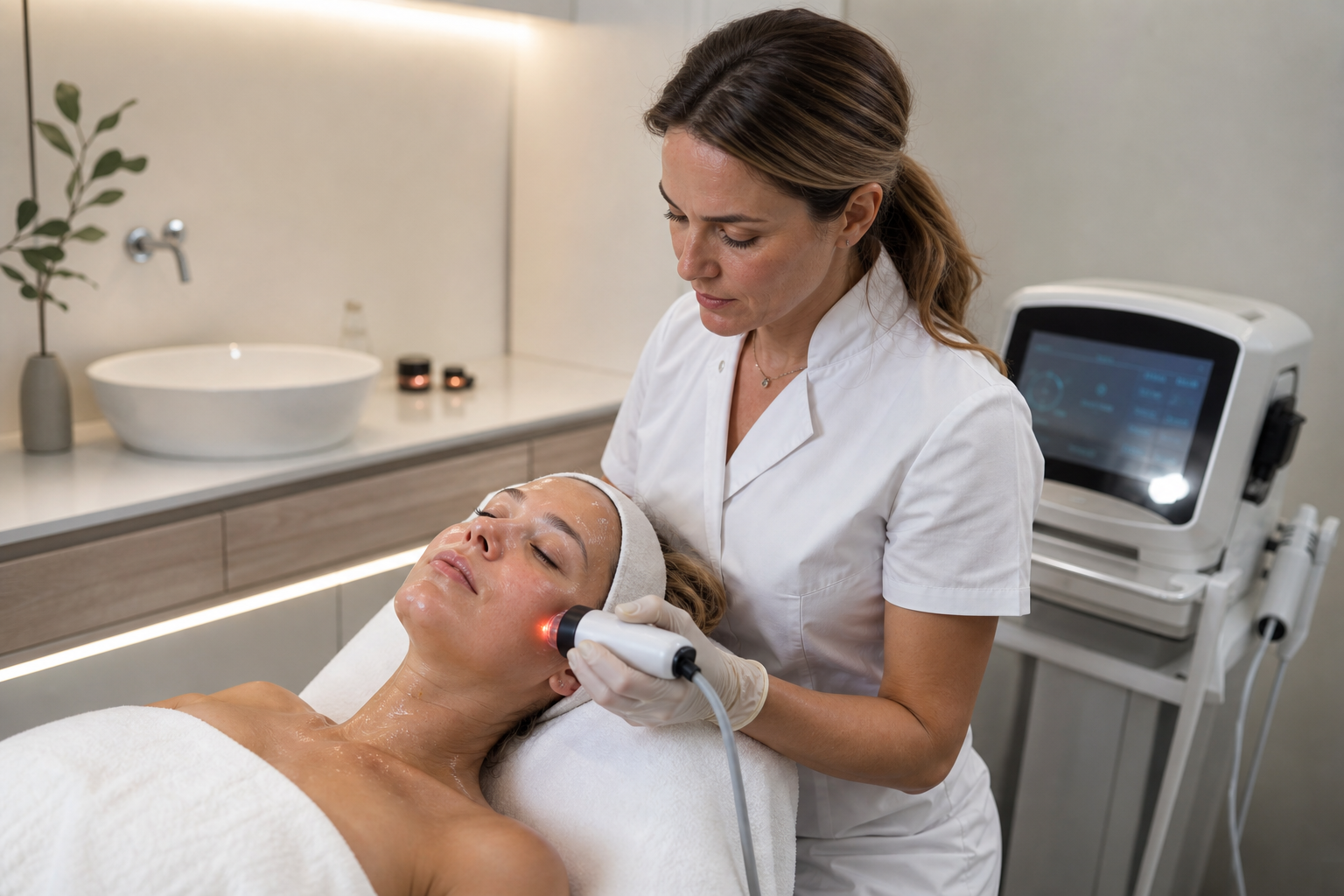
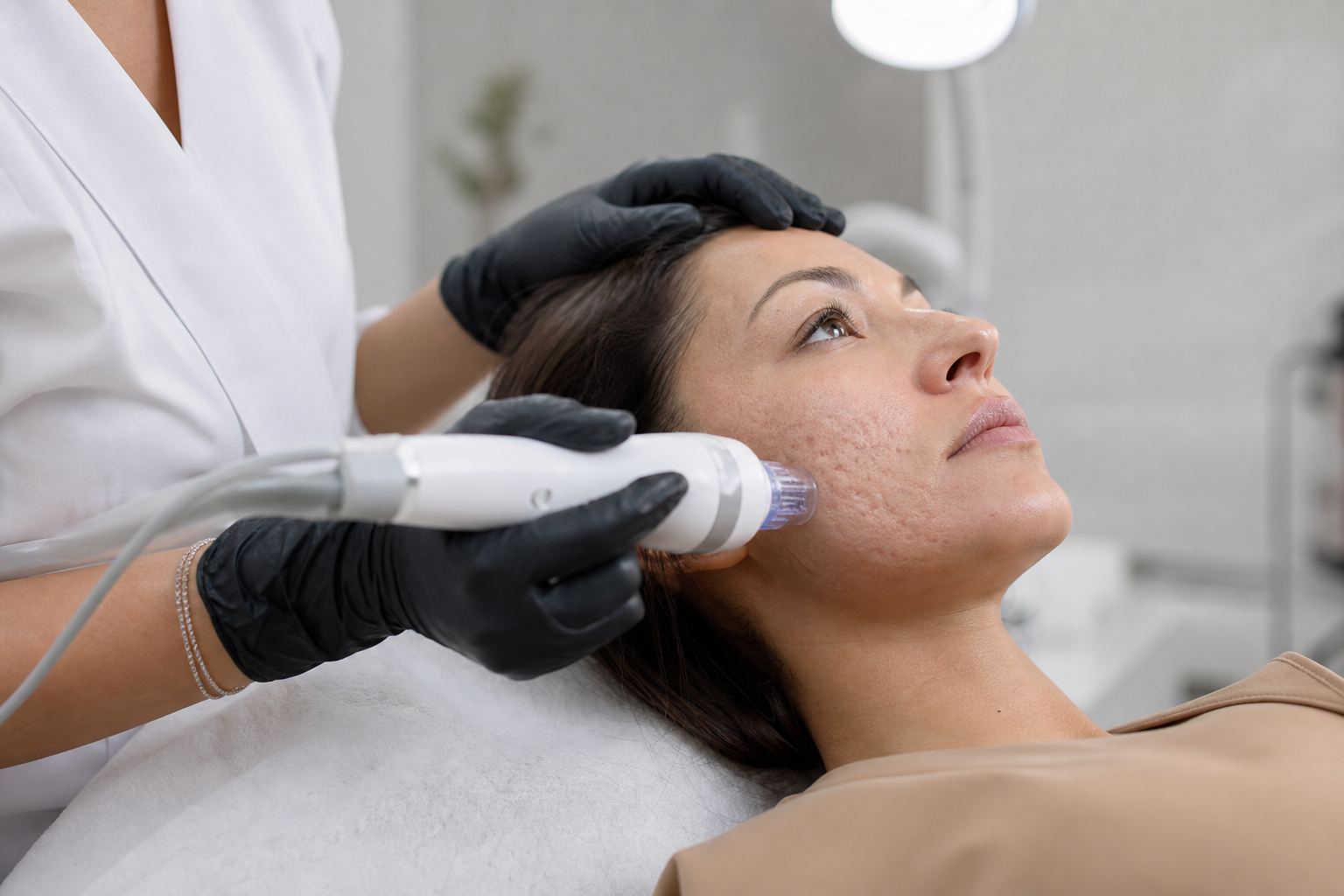
RF microneedling is a sophisticated dermatological procedure that combines two powerful technologies: microneedling and radiofrequency energy. During the treatment, tiny, fine needles penetrate the skin to create controlled micro-injuries. Simultaneously, radiofrequency energy is delivered through these needles deep into the dermis, generating thermal energy that stimulates collagen and elastin production.
This dual-action approach not only triggers the natural wound-healing response of the skin but also introduces heat-based stimulation to remodel fibrotic scar tissue and promote healthier skin regeneration. Unlike traditional microneedling, which relies solely on mechanical injury to initiate collagenesis, the inclusion of RF energy provides enhanced dermal remodeling capabilities, making it particularly effective for atrophic acne scars characterized by depressions and irregular texture.
It is important to differentiate RF microneedling from other RF-based treatments. For instance, some RF techniques employ non-invasive radiofrequency delivered via external electrodes that do not puncture the skin and primarily heat superficial layers, offering skin tightening but limited scar improvement. Others, like fractional RF without needles, offer energy delivery at the skin surface, which can help minor textural issues but lacks the depth and precision for profound scar remodeling. RF microneedling’s needle-based delivery enables precise energy deposition into specific dermal layers, critical for addressing deep acne scars.
Who Is the Ideal Candidate for RF Microneedling to Treat Acne Scars?
RF microneedling is particularly suited for individuals suffering from acne scars with complex dermal changes, notably moderate to severe atrophic scars such as icepick, boxcar, and rolling scars. Because this approach stimulates collagen deep within the skin, it can help fill in depressions and smooth irregularities that are resistant to topical treatments.
The procedure is appropriate for most skin types and tones, which broadens its applicability compared to some laser treatments that carry higher risks for pigmentation changes in darker skin. However, candidacy involves more than skin type and scar severity. Patients must have no active skin infections, open wounds, or inflammatory skin conditions in the treatment area, as these can increase risk of complications.
Patients looking for an alternative to more invasive therapies, such as ablative laser resurfacing or subcision surgery, but desiring significant improvement might find RF microneedling an excellent option. Realistic expectations are essential: while the procedure can substantially improve the appearance of acne scars, it rarely eliminates them entirely. Those with very deep, hypertrophic, or keloid scars may require adjunctive treatments or other modalities.
The Advantages of RF Microneedling Compared to Other Acne Scar Treatments
One of the most compelling benefits of RF microneedling is its capacity to combine effective scar remodeling with a relatively mild side effect and downtime profile. Unlike ablative laser treatments, which can cause prolonged redness, peeling, and risk pigmentation problems, RF microneedling typically results in redness and swelling that subside within days.
The deep penetration of radiofrequency energy via microneedles allows for controlled thermal injury beneath the skin surface without excessive damage to the epidermis, enhancing safety and recovery. This controlled heating helps remodel collagen and elastin networks responsible for skin resilience and smoothness, which is particularly valuable for acne scar rehabilitation.
In contrast with non-invasive RF treatments that mainly target skin tightening and mild texture improvement, RF microneedling can more directly stimulate scar remodeling due to its precision delivery. Similarly, it outperforms simple microneedling alone by adding the heat component that accelerates collagen restructuring.
Moreover, the treatment’s flexibility in adjusting needle depth and RF energy settings permits customization tailored to individual scar types and skin conditions, improving overall efficacy.
How Is the RF Microneedling Treatment Performed?
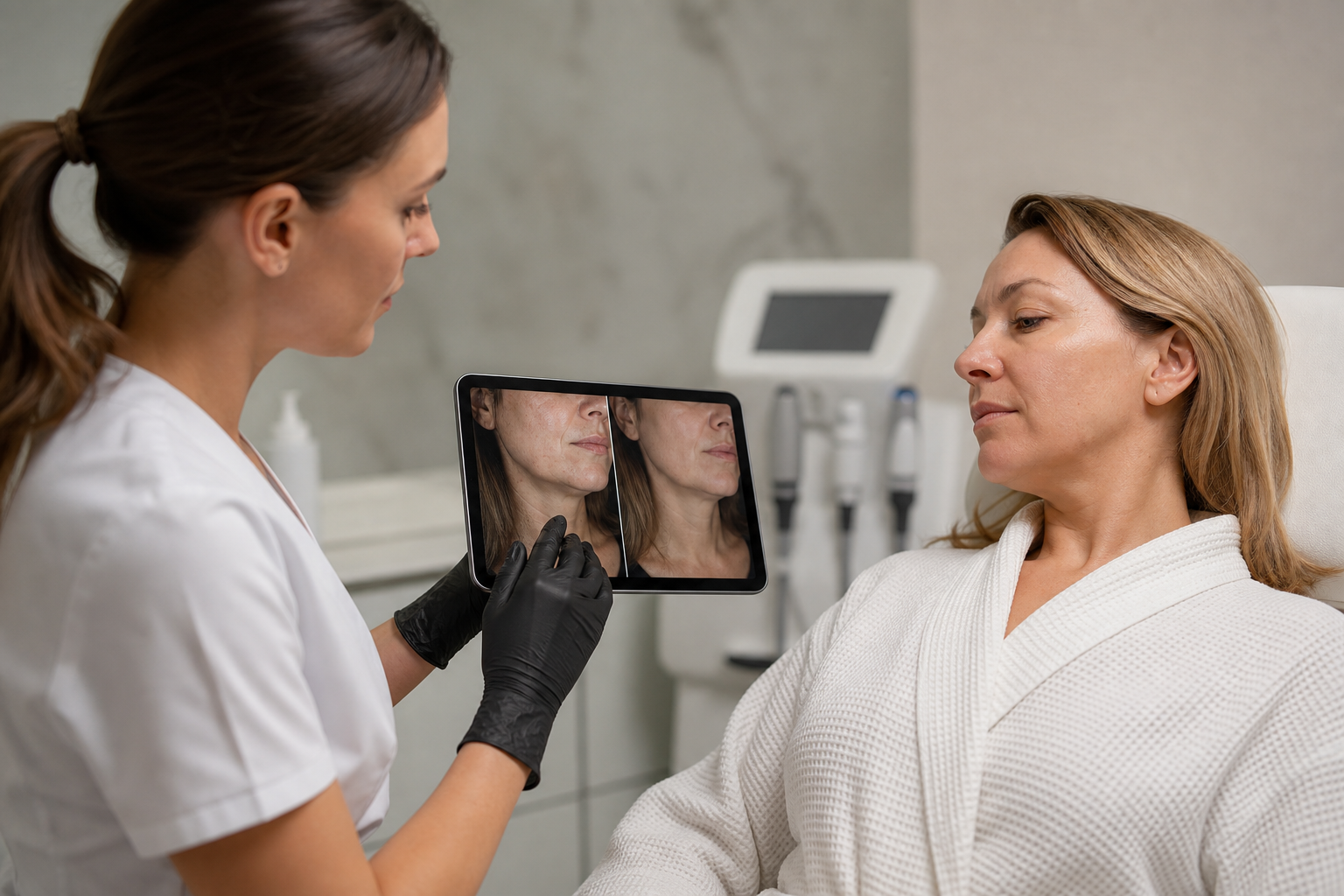
RF microneedling sessions typically begin with a detailed consultation and skin assessment to evaluate the severity of scarring and patient suitability. Prior to treatment, the skin is cleansed and usually numbed with a topical anesthetic to minimize discomfort during the procedure.
The device used consists of an array of ultra-fine needles that penetrate the skin to specific depths, often between 0.5 to 3.5 millimeters, depending on the scar depth and skin thickness. As the needles enter the dermis, radiofrequency energy is emitted, generating heat that facilitates collagen remodeling.
Each treatment session commonly lasts between 30 to 60 minutes. Multiple passes may be performed over the affected area to ensure thorough coverage. The number of sessions recommended generally ranges from three to six, spaced about four to six weeks apart to allow the skin to heal and maximize collagen production between treatments.
Post-treatment effects can include redness, mild swelling, and a sensation of skin tightness, which often resolve within a few days. Patients are advised to avoid excessive sun exposure and follow specific skincare protocols to support healing and results longevity.
What Results Can Patients Expect from RF Microneedling for Acne Scars?
Improvement in acne scars begins to manifest after the first or second treatment session, with gradual refinement as collagen continues to build over weeks following the last session. Patients often notice a smoother skin texture, fading of discoloration or redness linked to scarring, and a reduction in the depth and visibility of scars.
Optimal effects are usually observed after completing the full treatment series. Although RF microneedling is not a permanent cure for acne scars, its collagen-boosting benefits can last for several months to years, especially when combined with proper skincare and lifestyle choices that support skin health.
Maintenance treatments may be recommended on a yearly basis or as needed to prolong and enhance results. It is also important for patients to manage acne proactively to prevent new scars from forming.
What Are the Potential Risks and Safety Considerations of RF Microneedling?
While generally regarded as safe, RF microneedling does carry certain risks, particularly if performed improperly or on unsuited candidates. Mild and transient side effects, such as redness, swelling, bruising, and tenderness, are common but typically resolve quickly.
More serious complications, although uncommon, include burns, scarring, infection, hyperpigmentation, or nerve damage. A recent safety warning from the U.S. Food and Drug Administration (FDA) has underscored the possibility of severe adverse outcomes associated with some RF microneedling devices and practices. These incidents often stem from improper device settings, inadequate practitioner training, or poor patient selection.
The FDA advisory highlights the importance of receiving treatment from licensed and experienced medical professionals who adhere to established protocols and assess risk factors meticulously. Pre-treatment evaluation helps identify contraindications such as active skin infections, recent isotretinoin use, or underlying health conditions that might predispose to complications.
Post-procedure care aligned with professional guidance mitigates risks further and optimizes healing. Patients should report any unusual or persistent symptoms immediately to their healthcare provider.
How Does RF Microneedling Compare with Other RF Lifting Techniques for Skin Rejuvenation?
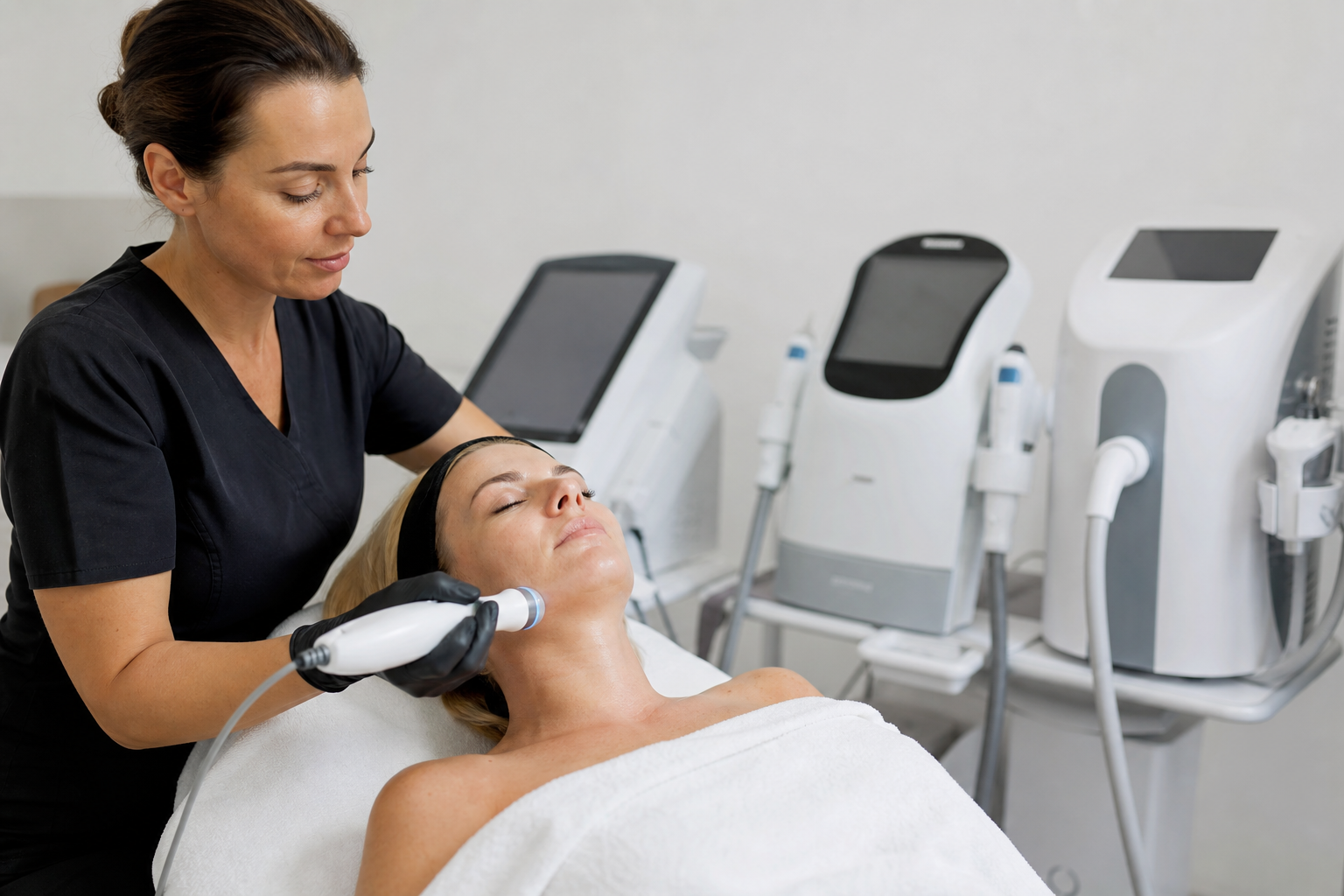
RF microneedling is often discussed alongside other radiofrequency (RF) lifting modalities, but it differs notably in mechanism and outcomes. Traditional “RF lifting” treatments usually involve external electrodes delivering heat to the deeper layers of skin without penetrating the epidermis. These treatments primarily tighten skin, improve mild laxity, and stimulate superficial collagen production, but they have limited effect on deeper scars.
Fractional RF treatments without needles offer fractional heating in a grid-like fashion over the skin surface, suitable for fine lines and minor texture improvements but less effective for deep acne scarring.
In contrast, RF microneedling physically breaches the skin barrier to deliver RF energy directly within scarred dermal zones, enabling a more potent and focused dermal remodeling. This difference translates to greater efficacy for challenging acne scars, as compared to broader RF lifting treatments more oriented toward overall skin tightening and mild rejuvenation.
For patients specifically targeting acne scars, RF microneedling generally offers a superior therapeutic profile compared to non-penetrative RF therapies.